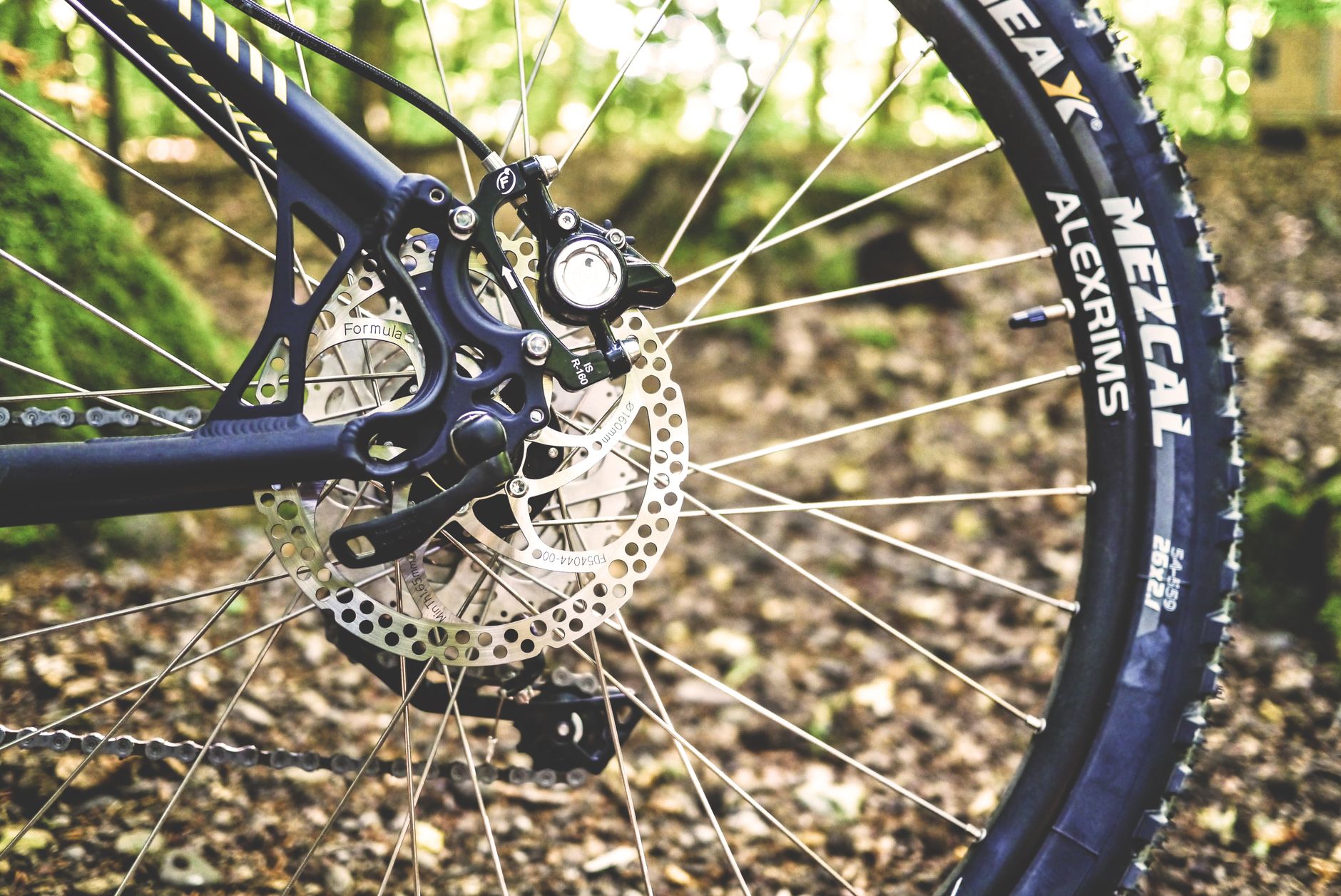
Limit mountain biking during pregnancy, especially in later trimesters. Is mountain biking safe during pregnancy? Understand the risks of falls and impact, and when to stop for your safety.
By Shubhra Mishra — a mom of two who turned her own confusion during pregnancy into BumpBites, a global mission to make food choices clear, safe, and stress-free for every expecting mother. 💛
Check whether any food is safe during pregnancy with the BumpBites Food Safety Checker.
Quick verdict: ⚠️ Safe with limits, especially in early pregnancy. Mountain biking carries an inherent risk of falls and abdominal trauma, which increases as your pregnancy progresses, making it best to avoid from the second trimester onward. Always discuss your exercise plans with your healthcare provider.
The moment you discover you're pregnant, a cascade of questions often follows – especially if you're an active person. "Is mountain biking safe during pregnancy?" might be one of the first things you type into your search bar, perhaps after a particularly exhilarating ride, or as you eye your bike longingly. It's completely normal to feel anxious about balancing your love for adventure with the safety of your developing baby.
At BumpBites, we understand this concern deeply. While exercise is generally encouraged during pregnancy for its many benefits, certain activities carry higher risks. Mountain biking, with its unpredictable terrain and potential for falls, falls into a category that requires careful consideration and, for most, a gradual cessation as pregnancy progresses. We're here to give you clear, evidence-based guidance, helping you make informed decisions for a healthy pregnancy.
While the call of the trail is strong, understanding the risks of mountain biking during pregnancy is key to making safe choices.
Safety Snapshot: Mountain Biking During Pregnancy
Trimester/Phase
Verdict
Notes
First Trimester
⚠️ Safe with significant caution
Risk of falls is present but balance changes are minimal. Stick to smooth, flat, familiar trails. Avoid technical sections, high speeds, and overheating.
Second Trimester
❌ Best avoided
Growing belly significantly shifts center of gravity, increasing fall risk. Hormones (relaxin) loosen joints, raising injury potential. Abdominal trauma risk increases.
Third Trimester
❌ Best avoided
High risk of falls and abdominal trauma due to pronounced balance changes, increased weight, and joint laxity. Discomfort and overheating are also significant concerns.
Breastfeeding
✅ Generally safe
Focus on hydration, adequate calorie intake, and comfortable, supportive gear. No direct risk to milk supply or baby from the activity itself.
What is Mountain Biking?
Mountain biking is an off-road cycling sport that involves riding bicycles specifically designed for varied and challenging terrains. Unlike road cycling, mountain biking takes you over dirt trails, rocky paths, roots, and often steep inclines and descents. It's an activity that demands significant physical exertion, balance, agility, and quick reaction times. Riders typically navigate through forests, mountains, and parks, often experiencing bumps, jolts, and occasional loss of traction.
There are several disciplines within mountain biking, including cross-country (XC), trail riding, enduro, and downhill. Cross-country and trail riding involve a mix of climbs and descents on natural trails, requiring endurance and technical skill. Downhill mountain biking, on the other hand, focuses purely on descending steep, highly technical tracks at high speeds, often with jumps and drops. People engage in mountain biking for fitness, adventure, and the mental benefits of being outdoors and tackling challenges. It's a full-body workout that strengthens core muscles, improves cardiovascular health, and enhances coordination. However, the very nature of these challenges introduces inherent risks, especially when considering "is mountain biking safe during pregnancy?"
Is Mountain Biking Safe During Pregnancy?
The
question "is mountain biking safe during pregnancy?" doesn't have a simple yes or no answer. While exercise is highly beneficial during pregnancy, the American College of Obstetricians and Gynecologists (ACOG) and other major health organizations recommend caution with activities that carry a high risk of falls or abdominal trauma. Mountain biking falls directly into this category.
The primary concern with mountain biking is the inherent risk of falling. Even experienced riders can lose control on uneven terrain, leading to scrapes, fractures, or, more seriously, direct impact to the abdomen. Abdominal trauma, especially in the second and third tr trimesters, can lead to serious complications such as placental abruption (where the placenta detaches from the uterine wall), preterm labor, or direct injury to the fetus. The Centers for Disease Control and Prevention (CDC) and NHS also emphasize avoiding activities with a high risk of impact or falls.
Beyond the risk of falling, mountain biking involves significant jarring and bouncing, which, while not proven to directly harm the baby, can be uncomfortable and potentially contribute to pelvic pain or exacerbate existing discomforts. Changes in your body's center of gravity as your pregnancy progresses, combined with the hormonal effects of relaxin on joint stability, make maintaining balance more challenging and increase the risk of sprains or strains. For these reasons, most obstetricians and BumpBites recommend avoiding mountain biking from the second trimester onward, and exercising extreme caution even in the first trimester.
Before any exercise, especially mountain biking, it's crucial to assess your comfort and physical readiness.
Safety by Trimester
Is Mountain Biking Safe During Early Pregnancy?
In your first trimester, your body is undergoing immense changes, but your balance and center of gravity are not yet significantly altered by a growing belly. This is generally considered the *least risky* time for activities like mountain biking, *if* you are an experienced rider and take extreme precautions. However, the risk of a fall and potential abdominal trauma is still present. Many women also experience extreme fatigue and morning sickness in the first trimester, which can impair judgment and reaction time, further increasing risk.
If you choose to continue mountain biking in your first trimester, it's crucial to stick to very smooth, flat, familiar trails with no technical sections. Avoid any jumps, drops, or high speeds. Listen intently to your body; if you feel fatigued, dizzy, or uncomfortable, stop immediately. It's also vital to stay well-hydrated and avoid overheating, as your body is working harder. Always wear appropriate safety gear, including a helmet, and consider riding with a buddy. We recommend discussing your specific activity level and plans with your healthcare provider.
Can You Mountain Bike in Your Second Trimester?
The second trimester marks a significant shift in your body. Your belly begins to grow noticeably, which fundamentally alters your center of gravity. This change directly impacts your balance and stability, making activities that require fine motor control and quick reactions, like mountain biking, considerably riskier. The risk of falling and sustaining abdominal trauma becomes much higher and the consequences potentially more severe.
Furthermore, the hormone relaxin, which softens ligaments and joints in preparation for childbirth, is highly active during this time. While beneficial for delivery, relaxin can make your joints, particularly in your pelvis and knees, less stable and more prone to injury, such as sprains or strains, during high-impact or jarring activities. Most obstetricians and health organizations, including ACOG, strongly recommend discontinuing activities with a high risk of falls or abdominal impact from the second trimester onward. For these reasons, BumpBites advises against mountain biking in your second trimester.
When Should You Stop Mountain Biking During Pregnancy?
By the third trimester, mountain biking is unequivocally *not recommended*. Your belly is at its largest, your center of gravity is significantly forward, and your balance is profoundly affected. The risk of falling is extremely high, and any direct impact to your abdomen could have severe consequences, including placental abruption, premature labor, or fetal injury. Your joints are also at their most lax due to relaxin, making you highly susceptible to musculoskeletal injuries.
Beyond the fall risk, the physical discomfort of riding a mountain bike with a large belly is substantial. The jarring motions can exacerbate back pain, pelvic girdle pain, and general fatigue. Overheating and dehydration are also greater concerns as your body works harder to support the pregnancy. For the safety of both you and your baby, it is crucial to cease mountain biking by the second trimester, and definitely throughout the third trimester. This isn't about giving up your passion entirely, but rather prioritizing safety during this critical time.
Mountain Biking While Breastfeeding
Once your baby has arrived and you've received clearance from your healthcare provider to resume exercise, mountain biking is generally considered safe while breastfeeding. There's no evidence to suggest that moderate to intense exercise negatively impacts milk supply or quality, provided you maintain adequate hydration and calorie intake.
However, there are a few considerations. Your body will still be recovering from childbirth, and hormones may still be affecting your joints for some time, so ease back into it gradually. Wear a supportive sports bra to prevent discomfort and potential mastitis. Plan your rides around feeding schedules to avoid engorgement, or consider pumping before you go. Staying well-hydrated is paramount, as breastfeeding increases your fluid needs. Listen to your body and don't push yourself too hard, especially in the early postpartum period.
What Type of Mountain Biking is Safe During Pregnancy?
Given the inherent risks, "what type of mountain biking is safe during pregnancy?" is a crucial question, and the answer leans heavily towards extreme modification, primarily limited to the first trimester. If you are an experienced mountain biker and your doctor gives you the green light, only the absolute mildest forms of riding might be considered, and even then, with significant caution.
**In the first trimester, consider:**
* **Smooth, flat, and familiar trails:** Avoid any trails with rocks, roots, steep descents, or technical features that could cause a fall. Stick to paved or well-maintained gravel paths if possible, which technically isn't traditional mountain biking but reduces risk.
* **Cross-country (XC) riding, highly modified:** Focus only on gentle, non-technical XC loops. Absolutely no jumps, drops, or fast descents.
* **Lower speeds:** Reduce your speed significantly to allow for quicker reaction times and better control.
* **Shorter duration:** Keep rides shorter to avoid fatigue and overheating.
* **Riding with a partner:** Always ride with someone who can assist you if needed.
**Modifications to reduce risks when mountain biking while pregnant:**
* **Bike fit:** Ensure your bike is properly fitted. As your body changes, you might need adjustments to your saddle height or handlebar position to maintain comfort and control. A more upright riding position might feel more comfortable and stable.
* **Hydration:** Carry plenty of water and drink frequently, even before you feel thirsty. Dehydration can lead to dizziness and fatigue.
* **Avoid overheating:** Wear breathable clothing, ride during cooler parts of the day, and avoid intense efforts that cause excessive sweating. Your core body temperature should not rise too high.
* **Listen to your body:** This is paramount. If you feel any pain, dizziness, shortness of breath, or uterine contractions, stop immediately.
* **Proper safety gear:** Always wear a well-fitted helmet, gloves, and knee/elbow pads.
Beyond the first trimester, the types of mountain biking that are safe become virtually non-existent due to the escalating risks. The focus should shift entirely to safer alternatives.
Side Effects and Risks
The risks associated with mountain biking while pregnant are primarily linked to the activity's unpredictable nature and the physiological changes of pregnancy. Understanding these risks is crucial for making informed decisions.
* **Risk of Falls and Abdominal Trauma:** This is the most significant concern. A fall, especially onto the abdomen, can lead to:
* **Placental Abruption:** The placenta detaches from the uterine wall prematurely, which can cause severe bleeding, deprive the baby of oxygen and nutrients, and is a medical emergency.
* **Preterm Labor:** Trauma can trigger contractions and lead to early delivery.
* **Direct Fetal Injury:** While the amniotic fluid provides some protection, severe trauma can still harm the baby.
* **Maternal Injury:** Fractures, sprains, or head injuries to you.
* **Changes in Balance and Center of Gravity:** As your uterus grows, your center of gravity shifts forward and upward, making you less stable. This significantly increases your likelihood of falling, particularly on uneven terrain.
* **Joint Laxity due to Relaxin:** The hormone relaxin softens ligaments throughout your body, including your pelvis. While essential for childbirth, it also makes your joints less stable and more susceptible to injury (sprains, strains, dislocations) from sudden movements or impacts common in mountain biking.
* **Overheating:** Your core body temperature rises more easily during pregnancy. Strenuous exercise, especially in warm weather, can lead to overheating, which can be harmful to the developing fetus, particularly in the first trimester.
* **Dehydration:** Increased blood volume and metabolic rate mean you need more fluids. Mountain biking can be very dehydrating, and dehydration can lead to dizziness, fatigue, and even uterine contractions.
* **Exacerbation of Pelvic Girdle Pain (PGP):** The jarring and asymmetrical movements of mountain biking can significantly worsen PGP, a common pregnancy complaint.
* **Fatigue:** Pregnancy often brings increased fatigue. Pushing yourself on a mountain bike when tired can impair judgment and reaction time, increasing the risk of a fall.
Safer Alternatives to Mountain Biking During Pregnancy
While mountain biking might be off-limits for most of your pregnancy, there are many excellent and safer ways to stay active and enjoy the outdoors. These alternatives offer similar benefits without the high risk of falls or abdominal trauma.
Walking: Simple, accessible, and highly recommended. Walking on flat, even terrain is a great way to maintain cardiovascular health and enjoy nature.
Swimming: Often called the "perfect pregnancy exercise," swimming provides a full-body workout with zero impact, supporting your body weight and reducing strain on joints.
Stationary Cycling: An excellent way to get a cardiovascular workout without any risk of falling. You can control the intensity and terrain (or lack thereof) completely.
Prenatal Yoga: Focuses on flexibility, strength, and breathing techniques, preparing your body for labor and delivery while being gentle on joints.
Elliptical Trainer: Offers a low-impact cardiovascular workout that mimics running or walking but with less stress on your joints and no risk of falling.
Hiking (on flat terrain): If you enjoy the outdoor aspect of mountain biking, hiking on well-maintained, flat, and non-technical trails can be a great substitute. Avoid steep inclines, uneven ground, or isolated areas.
Modified Spin Class: Inform your instructor you're pregnant so they can suggest modifications. You can control resistance and speed, and there's no risk of falling.
Peloton (modified): Similar to stationary cycling, a Peloton bike allows you to control your workout environment. Choose low-impact rides, listen to your body, and avoid out-of-saddle sprints or heavy resistance that might strain your core or pelvic floor.
Swimming is a fantastic low-impact alternative that supports your body and keeps you active during pregnancy.
Related Items — Safety at a Glance
Understanding how other activities compare to mountain biking in terms of pregnancy safety can help you make broader exercise choices.
Activity
Verdict
Notes
Road Cycling
⚠️ Safe with limits (early pregnancy)
Lower fall risk than mountain biking, but still a risk of accidents. Avoid busy roads. Stop when balance is affected (2nd trimester).
Horseback Riding
❌ Best avoided
Very high risk of falls and abdominal trauma, even for experienced riders. Not recommended at any stage of pregnancy.
Running
⚠️ Safe with limits
Generally safe for experienced runners, but may need to switch to walking due to discomfort, joint pain, or pelvic pressure as pregnancy progresses. Avoid uneven surfaces.
Downhill Skiing
❌ Best avoided
High risk of falls and collisions, leading to potential abdominal trauma. Not recommended.
Snowboarding
❌ Best avoided
Similar to downhill skiing, very high risk of falls and impact. Not recommended.
Scuba Diving
❌ Best avoided
Risk of decompression sickness for the baby due to pressure changes. Not recommended.
Hot Yoga
❌ Best avoided
Risk of overheating and dehydration, which can be harmful to the baby. Opt for regular prenatal yoga instead.
High-Intensity Interval Training (HIIT)
⚠️ Talk to your doctor first
May be too intense for some. Requires significant modification to avoid overheating, overexertion, and high-impact movements.
Rock Climbing
⚠️ Safe with limits (bouldering/top-roping early)
Bouldering (low height) or top-roping with experienced belayer possible early on. Lead climbing and high-risk falls are out. Stop when balance shifts.
Myth vs. Fact
When it comes to exercise in pregnancy, there's a lot of information floating around. Let's clear up some common misconceptions related to activities like mountain biking.
Myth: Any exercise that makes you sweat or feel out of breath is dangerous for the baby.
Fact: Moderate-intensity exercise is generally safe and beneficial during pregnancy. It's okay to feel warm and slightly out of breath, as long as you can still carry on a conversation. The goal isn't to push yourself to exhaustion, but to maintain a healthy fitness level. However, overheating (where your core body temperature rises excessively) should be avoided, especially in the first trimester.
Myth: Once you're pregnant, you have to stop all your pre-pregnancy exercise routines.
Fact: While some activities, like mountain biking, need to be modified or stopped due to increased risks, many forms of exercise can continue, often with adjustments. The general rule is that if you were active before pregnancy, you can likely continue many of those activities (with modifications) during pregnancy. The key is to listen to your body, consult your doctor, and avoid new, strenuous activities or those with a high risk of falls or trauma.
Myth: Exercise during pregnancy can cause miscarriage.
Fact: There is no evidence that moderate exercise causes miscarriage. In fact, regular physical activity can reduce the risk of certain pregnancy complications. Miscarriages are most often due to chromosomal abnormalities and are generally not preventable by avoiding exercise. However, activities with a high risk of falls or direct abdominal trauma are a separate concern due to the *potential* for injury, not because the exercise itself causes miscarriage.
Key Takeaways
Mountain biking carries a significant risk of falls and abdominal trauma, which increases as your pregnancy progresses.
It is best to avoid mountain biking from the second trimester onward due to changes in balance, joint stability, and increased risk to the baby.
If you are an experienced rider and your doctor approves, extreme caution and modifications (flat, smooth trails, slow speeds) are necessary in the first trimester.
Listen to your body and stop immediately if you experience pain, dizziness, contractions, or other warning signs.
Stay well-hydrated and avoid overheating during any physical activity while pregnant.
Numerous safer and highly beneficial exercise alternatives are available, such as walking, swimming, and stationary cycling.
Frequently Asked Questions
Can you ride a bike while pregnant?
Yes, you can generally ride a bike while pregnant, but with significant caveats. Road cycling on smooth, flat, safe paths is usually acceptable in the first trimester. However, as your balance shifts and your belly grows in the second and third trimesters, the risk of falling increases, making it advisable to switch to a stationary bike or other safer alternatives.
What exercises should be avoided during pregnancy?
Exercises to avoid during pregnancy include those with a high risk of falls (like mountain biking, horseback riding, downhill skiing, snowboarding), activities involving direct abdominal impact (contact sports), scuba diving (risk of decompression sickness for baby), and hot yoga or exercising in extreme heat (risk of overheating).
Is cycling good for pregnancy?
Yes, cycling can be good for pregnancy, primarily in its stationary form. Stationary cycling (like on an exercise bike or Peloton) offers a low-impact cardiovascular workout, strengthens leg muscles, and helps manage weight without the risk of falls. Outdoor cycling on roads should be done with caution, especially in early pregnancy, and discontinued as balance changes.
Can you ride a Peloton while pregnant?
Yes, riding a Peloton is generally considered safe and can be an excellent exercise choice during pregnancy. The stationary nature eliminates the risk of falling. Focus on low-impact rides, modify high-intensity intervals, avoid out-of-saddle sprints if uncomfortable, and always listen to your body. Consult your doctor to ensure it's appropriate for your specific pregnancy.
What activities should pregnant women avoid?
Pregnant women should avoid activities that pose a high risk of falling, direct abdominal trauma, or impact. This includes sports like football, basketball, soccer, horseback riding, gymnastics, downhill skiing, snowboarding, and, as discussed, mountain biking. Scuba diving and activities that cause overheating (like hot yoga) should also be avoided.
Can you go off-roading while pregnant?
No, going off-roading while pregnant is generally not recommended. The jarring, bumpy, and unpredictable movements associated with off-roading, whether in a vehicle or on a bike, carry a significant risk of abdominal trauma, placental abruption, and general discomfort. It's best to stick to smooth, paved roads for travel during pregnancy.
Is it safe to ride an e-bike while pregnant?
Riding an e-bike while pregnant carries similar considerations to regular cycling. While the electric assist might make it easier to climb hills and reduce exertion, the risk of falls on uneven terrain or in traffic remains. If you choose to ride an e-bike, stick to smooth, flat, familiar paths and discontinue as your balance becomes affected by your growing belly.
When to Call Your Doctor
While exercise is beneficial, it's crucial to know when to stop and seek medical advice. Call your doctor or healthcare provider immediately if you experience any of the following symptoms during or after mountain biking, or any other exercise:
* Vaginal bleeding
* Regular painful contractions
* Fluid leaking from the vagina (suggesting ruptured membranes)
* Dizziness or feeling faint
* Headache
* Chest pain
* Calf pain or swelling
* Muscle weakness affecting balance
* Sudden swelling of the ankles, hands, or face
* Shortness of breath before exertion
This information is for educational purposes only and is not a substitute for professional medical advice, diagnosis, or treatment. Always seek the advice of your physician or other qualified health provider with any questions you may have regarding a medical condition.
References
American College of Obstetricians and Gynecologists (ACOG). (2020). Exercise During Pregnancy and the Postpartum Period. Committee Opinion No. 804.
National Health Service (NHS). (2023). Exercise in pregnancy.
Centers for Disease Control and Prevention (CDC). (2022). Physical Activity During Pregnancy.
Mayo Clinic. (2023). Pregnancy and exercise: Baby, let's move!
Royal College of Obstetricians and Gynaecologists (RCOG). (2018). Exercise in Pregnancy.
Not sure about the label on Is Mountain Biking Safe During Pregnancy products?
Snap the ingredients list and SafeFilter checks every ingredient for your stage — only 3 free scans this month, then you're locked until reset. Unlimited from $7/mo or $50/yr.
When Shubhra Mishra was expecting her first child in 2016, she was overwhelmed by conflicting food advice — one site said yes, another said never. By the time her second baby arrived in 2019, she realized millions of mothers face the same confusion.
That sparked a five-year journey through clinical nutrition papers, cultural diets, and expert conversations — all leading to BumpBites: a calm, compassionate space where science meets everyday motherhood.
Her long-term vision is to build a global community ensuring safe, supported, and free deliveriesfor every mother — because no woman should face pregnancy alone or uninformed. 🌿
🌍 Stand with mothers, shape safer guidance
Join a small circle of experts who review BumpBites articles so expecting parents everywhere can decide with confidence.