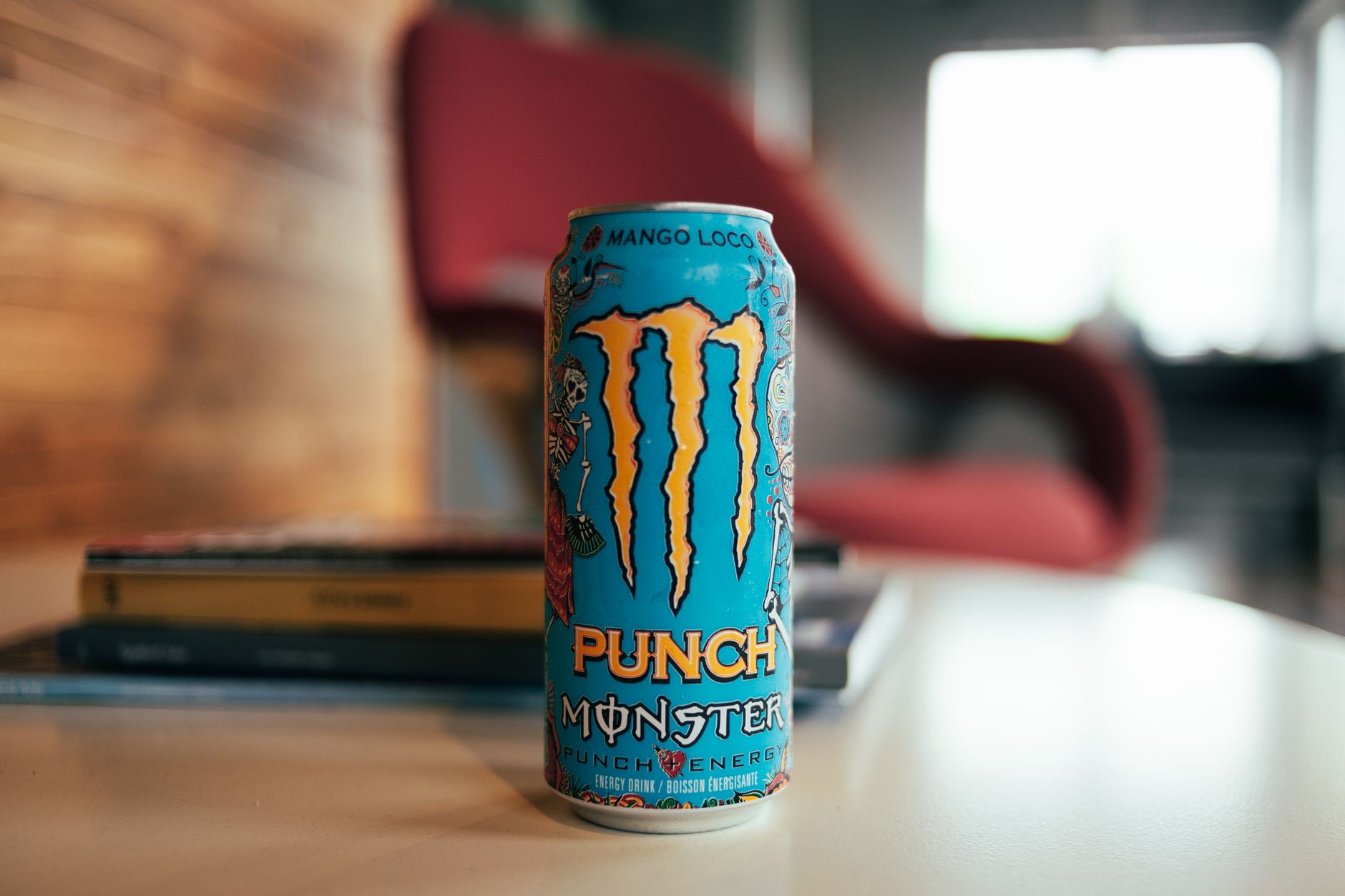
Avoid Monster Ultra during pregnancy due to high caffeine and additives. Experts recommend limiting caffeine to 200mg daily, especially in the first trimester.
By Shubhra Mishra — a mom of two who turned her own confusion during pregnancy into BumpBites, a global mission to make food choices clear, safe, and stress-free for every expecting mother. 💛
Check whether any food is safe during pregnancy with the BumpBites Food Safety Checker.
Quick verdict: ⚠️ Safe with limits – occasional Monster Ultra is generally okay, but keep caffeine and ingredient intake low and stay within the recommended daily limit.
It’s 2 a.m., you’re scrolling through the pantry, and you spot a cold can of Monster Ultra. “Is monster ultra safe during pregnancy?” you wonder, heart racing. You might already have taken a sip, or you’re deciding whether to grab one on the way to work. The good news is that, for most pregnant people, Monster Ultra can be enjoyed in moderation, but there are important limits and considerations.
In this article we’ll break down exactly how much Monster Ultra is safe, what the research says for each trimester, and what to watch out for if you have gestational diabetes or are breastfeeding. We’ll also compare Monster Ultra to other popular energy drinks, suggest caffeine‑free alternatives, and give you a clear action plan so you can stop worrying and enjoy your beverage choices with confidence.
Trimester / Breastfeeding
Verdict
Notes
First trimester
⚠️ Limit
Keep caffeine < 200 mg/day; one 16‑oz can of Monster Ultra (≈150 mg) is the maximum.
Second trimester
⚠️ Limit
Same caffeine limit; monitor blood pressure and blood sugar.
Caffeine passes into breast milk; keep intake ≤200 mg/day to avoid infant irritability.
What is Monster Ultra?
Monster Ultra is a low‑calorie, sugar‑free energy drink marketed as a “lighter” version of the classic Monster Energy line. Each 16‑fluid‑ounce (473 ml) can typically contains about 150 mg of caffeine, 0 g of sugar, and a blend of other active ingredients such as taurine, guarana extract, L‑theanine, and a suite of B‑vitamins (B2, B3, B6, B12). The drink is sweetened with sucralose and acesulfame potassium, giving it a sweet taste without the calories of sugar.
Consumers reach for Monster Ultra to boost alertness, improve focus, and combat fatigue. The caffeine and guarana act as central nervous system stimulants, while taurine is thought to support muscle function and electrolyte balance. B‑vitamins are added to help the body convert food into energy, though most people already obtain adequate amounts from a balanced diet. Because it’s sugar‑free, many view it as a “healthier” energy option, but the stimulant profile remains comparable to other caffeinated beverages.
Is Monster Ultra safe during pregnancy?
Current guidance from the American College of Obstetricians and Gynecologists (ACOG) and the U.S. Food and Drug Administration (FDA) recommends that pregnant people limit caffeine intake to less than 200 mg per day. The National Health Service (NHS) in the United Kingdom advises a similar ceiling of 200 mg. With roughly 150 mg of caffeine in a standard 16‑oz Monster Ultra can, a single serving stays within the daily limit, but two cans would exceed it.
Beyond caffeine, the other ingredients in Monster Ultra—taurine, guarana, and artificial sweeteners—have not been shown to cause birth defects when consumed at typical energy‑drink amounts. However, data are limited, and some clinicians suggest caution, especially for those with high blood pressure or gestational diabetes, because stimulants can raise heart rate and influence glucose metabolism.
Overall, most obstetric experts conclude that occasional Monster Ultra is permissible if you keep total caffeine below the recommended threshold and monitor any cardiovascular or blood‑sugar changes. As always, discuss your personal health profile with your prenatal provider before making it a regular habit.
Is Monster Ultra safe to drink during the first trimester?
The first trimester is the period of organogenesis, when the fetus’s major organs form, and it’s the window most sensitive to teratogens—substances that can cause birth defects. Caffeine, however, is not classified as a teratogen, but high doses have been linked in some studies to a modest increase in miscarriage risk. Because a single Monster Ultra can keep you under the 200 mg caffeine limit, it is generally considered safe when consumed sparingly.
Still, many providers advise pregnant people to err on the side of caution during the first three months. If you have a history of hypertension, anxiety, or a fast heart rate, you may want to avoid the stimulant boost entirely until after the first trimester. Listening to your body is key—if you feel jittery, experience palpitations, or notice a sudden rise in blood pressure, it’s wise to skip the next can.
How many Monster Ultra cans can I have while pregnant?
The safest approach is to treat Monster Ultra like any other caffeinated beverage: no more than one 16‑oz can per day. This keeps you comfortably under the ACOG‑recommended caffeine ceiling of 200 mg. If you also drink coffee, tea, soda, or chocolate, you’ll need to tally those sources as well. For example, an 8‑oz cup of coffee typically contains 80‑100 mg of caffeine, so pairing it with a Monster Ultra could push you over the limit.
For most pregnant people, the “one‑can‑a‑day” rule works well, but if you have gestational diabetes or a history of high blood pressure, you might choose to limit yourself to a half‑can or switch to a caffeine‑free alternative on most days. Always check the label for serving size, as some “energy shots” contain up to 200 mg in a 2‑oz bottle.
Can I drink Monster Ultra if I have gestational diabetes?
Gestational diabetes (GDM) requires careful monitoring of blood sugar spikes. While the caffeine in Monster Ultra does not contain sugar, the drink’s stimulant ingredients can cause a temporary rise in blood glucose by prompting the release of adrenaline. Studies published by the American Diabetes Association (ADA) suggest that moderate caffeine (≤200 mg/day) does not significantly worsen glucose control in most pregnant patients, but individual responses vary.
If you have GDM, it’s best to limit Monster Ultra to no more than half a can (≈75 mg caffeine) and pair it with a protein or healthy fat snack to blunt any glucose surge. Your obstetrician or diabetes educator can help you track how caffeine affects your glucose readings and adjust your intake accordingly.
Are there caffeine‑free Monster Ultra alternatives for pregnancy?
Yes—several beverages can give you a refreshing lift without caffeine or the stimulant blend found in Monster Ultra. Options like coconut water, vitamin‑B12 fortified water, ginger herbal tea, fruit smoothies, decaf coffee, sparkling water, Pedialyte electrolyte drinks, and simple lemon water provide hydration, electrolytes, or natural flavor without the stimulant load. These choices are especially appealing if you’re looking to stay under the caffeine limit or avoid the heart‑rate‑raising effects of energy drinks.
Is Monster Ultra safer than other energy drinks for pregnant women?
When comparing energy drinks, the primary safety factor is caffeine content. Monster Ultra is on the lower end of the spectrum, with about 150 mg per 16‑oz can, whereas many other brands—such as Bang Energy (300 mg per 16‑oz can) or Red Bull (80 mg per 8‑oz can but often consumed in multiples)—can quickly exceed the daily limit if multiple servings are consumed.
Beyond caffeine, the ingredient profiles are similar across the market: taurine, guarana, and B‑vitamins appear in most formulations. Therefore, Monster Ultra’s “sugar‑free” label does not make it inherently safer; the key is to keep total caffeine and stimulant exposure low, regardless of brand.
What are the potential risks of drinking Monster Ultra while pregnant?
Potential risks stem mainly from the caffeine and stimulant blend:
Increased heart rate and blood pressure: Stimulants can cause temporary spikes, which may be concerning for those with pre‑eclampsia risk.
Blood‑sugar fluctuations: Guarana and caffeine can raise glucose levels, a consideration for gestational diabetes.
Sleep disruption: Consuming Monster Ultra late in the day may interfere with maternal sleep, indirectly affecting fetal development.
Fetal exposure to caffeine: Caffeine crosses the placenta; high levels have been linked to lower birth weight in some studies.
Most of these risks are dose‑dependent and can be mitigated by limiting intake to one can per day and avoiding consumption in the evening.
Does Monster Ultra contain ingredients unsafe for pregnancy?
Monster Ultra’s ingredient list includes caffeine, taurine, guarana extract, L‑theanine, B‑vitamins, and artificial sweeteners (sucralose and acesulfame potassium). None of these have been definitively labeled as teratogenic. However, the FDA has a “Generally Recognized As Safe” (GRAS) status for sucralose and acesulfame potassium only in limited amounts, and some experts recommend moderation during pregnancy due to limited long‑term data.
Taurine and guarana are naturally occurring compounds, but research on their safety in pregnancy is sparse. Most obstetricians advise limiting any non‑essential stimulant to the lowest effective dose, especially if you have underlying health conditions.
Is Monster Ultra safe for breastfeeding mothers?
Caffeine does pass into breast milk, though only about 1 % of the maternal dose reaches the infant. The American Academy of Pediatrics (AAP) suggests that breastfeeding mothers keep caffeine intake under 200 mg per day to avoid infant irritability, jitteriness, or sleep disturbances. One Monster Ultra can meet that limit, but if you also consume coffee, tea, or chocolate, you may need to cut back.
Artificial sweeteners are also excreted in breast milk, but both sucralose and acesulfame potassium are considered safe at typical consumption levels by the FDA. As always, discuss your beverage habits with your pediatrician if your baby shows signs of fussiness after you’ve had a caffeinated drink.
Keep a water glass handy to stay hydrated and balance any caffeine boost.
Safe dosage / amount / brands
Monster Ultra is sold in 8‑oz, 16‑oz, and 24‑oz cans. The standard 16‑oz can contains about 150 mg of caffeine. If you choose the larger 24‑oz size, caffeine jumps to roughly 225 mg, which exceeds the ACOG daily limit for most pregnant people.
To stay within safe limits:
Stick to the 16‑oz can size.
Limit intake to one can per day.
Avoid combining with other caffeinated drinks.
Prefer brands that clearly label caffeine content on the can.
If you are sensitive to caffeine or have a health condition, consider cutting the serving in half (≈75 mg caffeine) or choosing a caffeine‑free version such as Monster Ultra Zero (which still contains some stimulants like taurine but no caffeine).
Side effects and risks
Most side effects from Monster Ultra are mild and short‑lived, especially when consumed within the daily caffeine limit:
Jitters or nervousness: Common if you’re caffeine‑sensitive.
Rapid heartbeat (palpitations): May signal that you’ve exceeded your personal caffeine tolerance.
Elevated blood pressure: Important to monitor if you have a history of hypertension or pre‑eclampsia.
Insomnia: Avoid drinking after 2 p.m. to protect nighttime sleep.
Gastrointestinal upset: Some people experience mild nausea from artificial sweeteners.
If you notice any of the following, contact your provider promptly: persistent chest pain, severe headache, dizziness, unexplained swelling, or a sudden rise in blood sugar (if you have gestational diabetes). These could indicate a more serious reaction that warrants medical attention.
Safer alternatives
Coconut water – natural electrolytes without caffeine.
Vitamin B12 fortified water – provides the B‑vitamin boost without stimulants.
Ginger herbal tea – soothing, helps with nausea, and caffeine‑free.
Fruit smoothies – nutrient‑dense energy from natural fruit sugars.
Decaf coffee – offers coffee flavor without the caffeine load.
Sparkling water – refreshing carbonation without added stimulants.
Pedialyte electrolyte drink – balanced salts for hydration, safe in pregnancy.
Lemon water – simple, hydrating, and can be flavored with a splash of fresh lemon.
Related items — safety at a glance
Energy drink
Verdict
One‑line note
Monster Energy Original
⚠️ Limit
Contains ~160 mg caffeine per 16‑oz can; similar limit to Ultra.
Red Bull
⚠️ Limit
80 mg caffeine per 8‑oz can; easy to exceed limit with multiple cans.
Bang Energy
❌ Avoid
~300 mg caffeine per can; exceeds recommended daily limit.
Rockstar Energy
⚠️ Limit
~160 mg caffeine per 16‑oz can; similar to Monster Ultra.
5‑Hour Energy
❌ Avoid
200 mg caffeine in a 2‑oz shot; too concentrated for pregnancy.
Celsius
⚠️ Limit
≈200 mg caffeine per 12‑oz can; at upper limit.
Full Throttle
⚠️ Limit
≈160 mg caffeine per 16‑oz can; stay within daily limit.
NOS Energy Drink
❌ Avoid
≈200 mg caffeine per 16‑oz can; pushes most people over the safe threshold.
Choosing caffeine‑free drinks can keep you hydrated without exceeding caffeine limits.
Myth vs. fact
Myth: All energy drinks are unsafe for pregnancy.
Fact: Energy drinks that stay under the 200 mg caffeine limit, like a single can of Monster Ultra, can be consumed in moderation, though many clinicians still recommend limiting stimulant intake.
Myth: Sugar‑free means safe for pregnant people.
Fact: Sugar‑free drinks may still contain caffeine, artificial sweeteners, and other stimulants that require careful monitoring during pregnancy.
Myth: If you feel fine after a can, there’s no risk.
Fact: Even without immediate symptoms, excessive caffeine can affect fetal development and maternal blood pressure; it’s best to stay within established guidelines.
Key takeaways
One 16‑oz can of Monster Ultra (≈150 mg caffeine) stays within the ACOG‑recommended < 200 mg daily caffeine limit.
Limit intake to one can per day; avoid larger 24‑oz cans or multiple servings.
Monitor blood pressure, heart rate, and blood‑sugar, especially if you have gestational diabetes or hypertension.
Choose caffeine‑free alternatives—coconut water, ginger tea, or fortified water—for a safer daily boost.
During breastfeeding, keep caffeine ≤200 mg/day to prevent infant irritability.
Always discuss your beverage choices with your prenatal or lactation provider if you have any health concerns.
Frequently asked questions
Can pregnant women drink Monster energy drinks?
Yes, but only in moderation. A single 16‑oz can of Monster Ultra (≈150 mg caffeine) is generally acceptable if total caffeine stays under 200 mg per day.
How much caffeine is in Monster Ultra?
Monster Ultra contains about 150 mg of caffeine per 16‑oz (473 ml) can, which is roughly the same as a medium cup of coffee.
Is caffeine safe during pregnancy?
Caffeine is safe in limited amounts; most authorities, including ACOG and the NHS, recommend keeping intake below 200 mg per day to avoid potential risks such as low birth weight or miscarriage.
What are the symptoms of too much caffeine in pregnancy?
Excess caffeine can cause jitteriness, rapid heartbeat, elevated blood pressure, insomnia, and, in some cases, heightened anxiety or gastrointestinal upset.
Are artificial sweeteners in Monster Ultra safe for pregnancy?
Monster Ultra uses sucralose and acesulfame potassium, both of which the FDA deems safe at typical consumption levels, though moderation is still advised.
Can I drink Monster Ultra while breastfeeding?
Yes, but limit intake to one 16‑oz can per day (≈150 mg caffeine) to keep total caffeine under 200 mg, which helps prevent infant irritability.
What are the best caffeine‑free drinks for pregnant women?
Top caffeine‑free options include coconut water, vitamin‑B12 fortified water, ginger herbal tea, fruit smoothies, decaf coffee, sparkling water, Pedialyte electrolyte drinks, and simple lemon water.
When to call your doctor
If you experience any of the following after drinking Monster Ultra, contact your healthcare provider promptly:
Persistent rapid heartbeat or palpitations.
Sudden, unexplained rise in blood pressure.
Severe headache or dizziness lasting more than an hour.
Signs of gestational diabetes worsening (excessive thirst, frequent urination).
Fetal movement changes that feel noticeably reduced.
Any swelling of hands, face, or sudden weight gain.
These symptoms may indicate that caffeine or other stimulants are affecting you more than expected. Remember, this article provides general information and is not a substitute for personalized medical advice. Always discuss your specific situation with your obstetrician or midwife.
References
American College of Obstetricians and Gynecologists (ACOG). “Committee Opinion No. 462: Nutrition During Pregnancy.” 2020.
U.S. Food and Drug Administration (FDA). “Caffeine Content of Food and Beverages.” 2022.
National Health Service (NHS). “Caffeine in pregnancy.” Updated 2021.
American Diabetes Association (ADA). “Gestational Diabetes Management.” 2023.
American Academy of Pediatrics (AAP). “Breastfeeding and Maternal Diet.” 2021.
World Health Organization (WHO). “Guidelines for caffeine consumption.” 2020.
Centers for Disease Control and Prevention (CDC). “Pregnancy and Nutrition.” 2022.
Not sure about the label on Is Monster Ultra Safe During Pregnancy products?
Snap the ingredients list and SafeFilter checks every ingredient for your stage — only 3 free scans this month, then you're locked until reset. Unlimited from $7/mo or $50/yr.
When Shubhra Mishra was expecting her first child in 2016, she was overwhelmed by conflicting food advice — one site said yes, another said never. By the time her second baby arrived in 2019, she realized millions of mothers face the same confusion.
That sparked a five-year journey through clinical nutrition papers, cultural diets, and expert conversations — all leading to BumpBites: a calm, compassionate space where science meets everyday motherhood.
Her long-term vision is to build a global community ensuring safe, supported, and free deliveriesfor every mother — because no woman should face pregnancy alone or uninformed. 🌿
🌍 Stand with mothers, shape safer guidance
Join a small circle of experts who review BumpBites articles so expecting parents everywhere can decide with confidence.