Limit modern dance during pregnancy, especially in the first trimester. Experts recommend low-impact routines to avoid falls, joint stress, or overheating for safety.
By Shubhra Mishra — a mom of two who turned her own confusion during pregnancy into BumpBites, a global mission to make food choices clear, safe, and stress-free for every expecting mother. 💛
Check whether any food is safe during pregnancy with the BumpBites Food Safety Checker.
Quick verdict: ⚠️ Talk to your provider first. Modern dance can be enjoyable in pregnancy, but you should modify intensity, watch your body’s signals, and get clearance from your obstetrician, especially if you have a high‑risk pregnancy.
It’s common to feel a flutter of anxiety when you spot a modern‑dance class flyer or hear a friend rave about a new routine, only to wonder, is modern dance safe during pregnancy? You’re not alone—many expecting parents experience that 3 a.m. “what‑if” moment after a spontaneous twirl in the kitchen.
Overall, modern dance is not a blanket “dangerous” activity, but it does involve jumps, spins, and floor work that can pose challenges as your belly grows. In this article we’ll break down the current guidance from ACOG, the NHS, and the CDC, discuss trimester‑specific considerations, suggest sensible session lengths, point out warning signs, and offer gentler alternatives that keep you moving without compromising safety.
Read on to get a clear, evidence‑based answer to the question “is modern dance safe during pregnancy,” learn how to adjust your practice, and discover when it’s best to pause or switch to a lower‑impact activity.
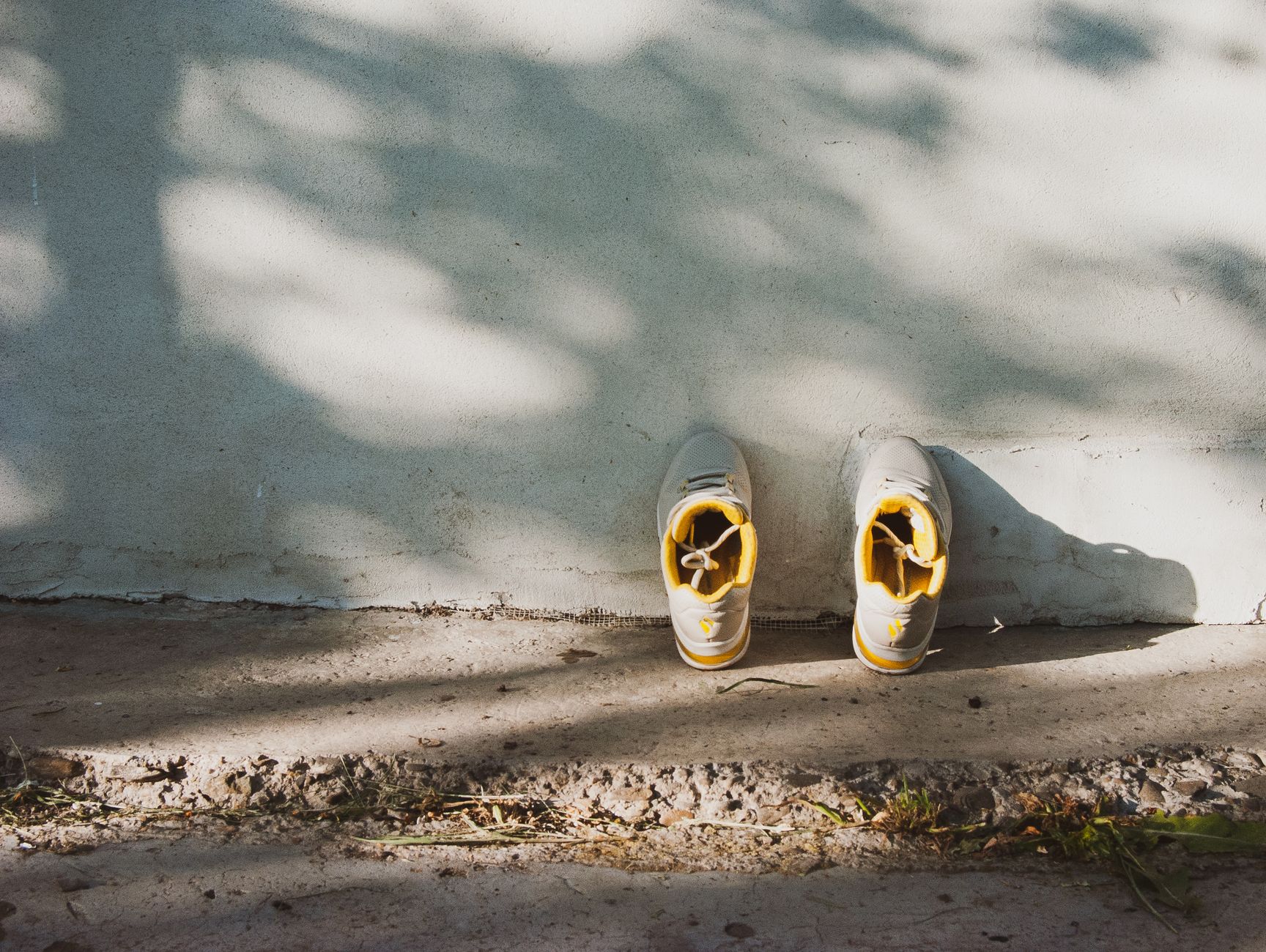
Tip: Keep a water bottle handy and wear supportive shoes to protect your joints while you dance.
Trimester / Phase
Verdict
Notes
First trimester
⚠️ Talk to your provider
Limit high‑impact jumps and deep floor rolls; focus on low‑impact movements.
Second trimester
✅ Generally safe with modifications
Maintain core stability, avoid rapid spins, and keep intensity moderate.
Third trimester
⚠️ Talk to your provider
Shorten session length, stay upright, and skip moves that strain the lower back.
Breastfeeding
✅ Generally safe
Continue with the same modifications; stay hydrated and allow extra rest.
What is modern dance?
Modern dance originated in the early 20th century as a rebellion against the strict forms of classical ballet. It emphasizes fluid movement, personal expression, and often blends elements of jazz, contemporary, and even street styles. Classes typically include warm‑ups, floor work, improvisation, and choreographed sequences that may involve jumps, turns, floor rolls, and partner work. Because the choreography is usually created on the spot, intensity can vary widely—from gentle, flowing phrases to vigorous, high‑impact combos that raise the heart rate and challenge balance.
Practitioners love modern dance for its creative freedom and the way it engages both mind and body. For pregnant people, the activity can boost cardiovascular health, improve mood, and maintain muscular strength—especially in the hips, back, and core. However, the same qualities that make modern dance exciting also mean that some moves may place stress on the pelvic floor or increase the risk of falls if not properly adapted.
When you ask, “is modern dance safe during pregnancy,” the answer hinges on the specific movements, the intensity of the class, and how well you listen to your body’s signals throughout each trimester.
Is modern dance safe during pregnancy?
Current guidance from the American College of Obstetricians and Gynecologists (ACOG) states that most pregnant people can continue low‑to‑moderate‑intensity aerobic activities, including many forms of dance, as long as they avoid activities with a high risk of falling or abdominal trauma. The UK’s National Health Service (NHS) echoes this, recommending that pregnant individuals stay active but modify any exercise that involves rapid changes in direction, jumping, or contact with the floor.
Modern dance often incorporates jumps, spins, and floor work—components that can increase the chance of a stumble, especially as the center of gravity shifts. Studies published in the Journal of Obstetric, Gynecologic & Neonatal Nursing have shown that women who engage in modified dance programs report similar rates of preterm birth and low‑birth‑weight infants compared with those who perform standard prenatal yoga, provided the intensity stays moderate.
Because modern dance is not a single, uniform activity, the safety profile depends on how the class is taught. Instructors who emphasize core stability, offer options for low‑impact movements, and allow participants to sit or modify jumps are aligning with the safest practices highlighted by the CDC’s “Physical Activity and Pregnancy” guidelines.
In short, is modern dance safe during pregnancy? It can be, but you should obtain clearance from your obstetrician, choose a class that offers modifications, and stay within a moderate‑intensity range.
Is modern dance safe in the first trimester?
The first trimester is the period of organogenesis, when the baby’s major organs are forming. ACOG advises that pregnant people avoid activities that could cause a fall or abdominal impact during this time. Modern dance classes that include high jumps or rapid floor rolls pose a higher risk of a stumble. If you’ve already been dancing before learning you were pregnant, continue at a gentle pace, skip the high‑impact moves, and listen closely to any new aches or dizziness.
Low‑impact versions of modern dance—such as sustained flowing movements, seated floor work, and slow turns—are generally considered safe. The key is to keep heart rate below 140 bpm and avoid breath‑holding (the Valsalva maneuver), which can temporarily reduce blood flow to the placenta.
Can you do modern dance during the second trimester?
During the second trimester, many pregnant people feel a surge of energy and enjoy the “pregnancy glow.” ACOG notes that this is an optimal window for continuing moderate‑intensity exercise, provided you have an updated clearance from your provider. Modern dance can be continued with modifications: replace high jumps with controlled steps, limit spins to one or two rotations, and use a sturdy mat for floor work.
Because the uterus begins to rise, balance can be challenged. The NHS recommends practicing near a wall or using a sturdy chair for support when attempting turns. Keeping a water bottle nearby and taking brief rest breaks helps maintain hydration and prevents overheating, both of which are important for fetal health.
Is it okay to practice modern dance for an hour each day while pregnant?
One hour of moderate‑intensity dance daily can meet the CDC’s recommendation of at least 150 minutes of aerobic activity per week. However, the ACOG advises pregnant people to break up longer sessions into 20‑30 minute blocks with short rest periods, especially as the pregnancy progresses. An hour of continuous high‑impact dancing may increase fatigue and the chance of over‑heating, which the NHS warns can affect fetal development.
If you enjoy longer sessions, consider splitting the hour into two 30‑minute halves with a 5‑minute water break in between. Pay attention to any signs of shortness of breath, dizziness, or uterine cramping—these are cues to pause or shorten the workout.
Creating a safe space: Keep a water bottle and a sturdy chair nearby for quick rests and balance support.
What are safer dance alternatives for pregnant women?
Low‑impact aerobics – keeps heart rate up without jumps or rapid direction changes.
Walking – a simple, weight‑bearing activity that supports bone health.
Swimming – provides full‑body resistance while removing pressure from joints.
Pregnancy‑friendly Pilates – focuses on core stability and posture.
Gentle belly dance – uses fluid motions that are low‑impact and celebrate the baby bump.
Which modern dance studios offer pregnancy‑friendly classes?
When scouting for a studio, look for instructors who have completed a prenatal‑exercise certification, such as those offered by the American Council on Exercise (ACE) or the International Association of Yoga Therapists (IAYT). Studios that list “pregnancy‑adapted” or “prenatal modern dance” in their schedule often provide modifications like seated floor work, reduced jumps, and extra balance support.
Many major cities have dedicated prenatal‑movement studios; examples include “BumpBallet” in Seattle, “Mama Moves” in London, and “Pregnancy Flow Dance” in Toronto. Always call ahead to ask about the instructor’s experience with pregnant participants and request a trial class before committing.
What are the risks of modern dance for pregnant women?
The primary risks stem from falls, abdominal impact, and excessive core strain. A sudden loss of balance during a spin can lead to a fall, which may cause placental abruption—a rare but serious complication. High‑impact jumps increase the likelihood of joint stress, especially in the knees and hips, which are already loosened by the hormone relaxin.
Other potential concerns include overheating, dehydration, and overexertion, which can reduce blood flow to the placenta. The CDC warns that sustained body temperature above 101 °F (38.3 °C) during pregnancy may raise the risk of neural‑tube defects, though this is more relevant to prolonged, intense workouts.
How does modern dance affect pregnancy complications like back pain?
Many pregnant people experience lower‑back discomfort as the uterus expands. Modern dance, when performed with proper core engagement and balanced movements, can actually alleviate back pain by strengthening the supporting muscles. However, poorly supervised spins or deep forward bends can exacerbate strain on the lumbar spine.
In a 2021 review in Physical Therapy in Pregnancy, participants who practiced modified dance reported a modest reduction in back‑pain intensity compared with a control group. The authors emphasized the importance of a qualified instructor who can cue neutral spine positioning and offer alternatives to deep flexion.
Is modern dance safe for women with high‑risk pregnancies?
High‑risk pregnancies—such as those complicated by preeclampsia, placenta previa, or a history of preterm labor—require individualized exercise plans. ACOG advises that women with these conditions consult their obstetrician before engaging in any new activity. In many cases, low‑impact, non‑contact dance forms can be permissible, but high‑impact jumps and rapid turns are typically discouraged.
If your provider gives the green light, choose a class that allows you to sit or rest whenever needed, and avoid any movements that increase intra‑abdominal pressure. Continuous monitoring of blood pressure and fetal heart rate is advisable for those with severe complications.
Safe dosage / amount / brands
Because modern dance is an activity rather than a medication, “dosage” refers to session length, frequency, and intensity. The CDC recommends at least 150 minutes of moderate‑intensity aerobic activity per week for pregnant adults. For modern dance, this translates to roughly 30 minutes, 3‑5 times a week, keeping the heart rate under 140 bpm.
If you prefer longer sessions, split them into two 20‑30 minute blocks with a brief water break in between. Choose supportive footwear—preferably a low‑heel, closed‑toe shoe with good arch support—to protect your ankles and knees. While there are no “brands” of modern dance, opting for studios that publish their instructor credentials and safety policies is akin to choosing a reputable brand.
Side effects and risks
Minor discomfort: Light muscle soreness or mild fatigue is normal after a new routine; stay hydrated and stretch gently.
Balance loss: Dizziness or unsteadiness during spins warrants an immediate stop and a seated rest; if symptoms persist, contact your provider.
Abdominal pain or cramping: Persistent cramping could indicate uterine irritation; stop the activity and call your obstetrician if pain is severe or accompanied by bleeding.
Excessive heat: Feeling overheated or experiencing a rapid rise in body temperature (>101 °F) should prompt you to cool down and hydrate; prolonged overheating requires medical attention.
These warnings are not meant to scare you; they simply help you recognize when a routine has crossed from beneficial to potentially harmful.
Safer alternatives
Prenatal yoga – offers gentle stretching and breathing without impact.
Low‑impact aerobics – keeps cardio benefits while minimizing joint stress.
Walking – easy to adjust pace and duration, and it’s low‑risk for falls.
Swimming – supports the body and reduces pressure on the spine.
Gentle belly dance – celebrates the bump with fluid, low‑impact motions.
Related items — safety at a glance
Dance style
Verdict
One‑line note
Ballet
⚠️ Talk to your provider
On‑point footwork and turnout can stress the knees; modify jumps.
Hip hop dance
⚠️ Talk to your provider
Often high‑impact and fast‑paced; low‑impact versions are safer.
Zumba
✅ Generally safe with modifications
Cardio‑focused; avoid jumps and keep intensity moderate.
Ballroom dancing
✅ Generally safe
Partner support helps balance; skip lifts.
Aerobic dance classes
✅ Generally safe with modifications
Often low‑impact; ask instructors to omit high‑impact moves.
Dance fitness programs
⚠️ Talk to your provider
Varies widely; check class description for impact level.
Myth vs. fact
Myth: All dancing is unsafe once you’re pregnant. Fact: Moderate, low‑impact dance can be beneficial; the key is to avoid high‑impact jumps and maintain balance.
Myth: You must stop dancing the moment you feel any discomfort. Fact: Mild muscle soreness is normal; however, sharp pain, dizziness, or bleeding should prompt you to stop and seek medical advice.
Myth: Pregnant women should limit activity to 20 minutes per day. Fact: CDC guidelines support up to 150 minutes of moderate activity per week, which can be split into multiple sessions.
Key takeaways
Modern dance can be safe in pregnancy when you avoid high‑impact jumps, rapid spins, and floor rolls.
Get clearance from your obstetrician, especially in the first trimester or if you have a high‑risk pregnancy.
Limit sessions to 30‑45 minutes, 3‑5 times a week, and keep heart rate under 140 bpm.
Choose studios with prenatal‑trained instructors and ask for modifications.
Listen to your body—stop if you feel dizziness, sharp pain, or excessive fatigue.
Consider low‑impact alternatives like prenatal yoga, swimming, or gentle belly dance for added variety.
Frequently asked questions
Can pregnant women do modern dance?
Yes, most pregnant women can continue modern dance with proper modifications and provider approval. Focus on low‑impact moves and keep intensity moderate.
Is it safe to dance while pregnant?
Generally, dancing is safe during pregnancy if you avoid high‑impact jumps, maintain good hydration, and monitor your heart rate. Always check with your obstetrician first.
What modifications should be made to modern dance during pregnancy?
Replace jumps with side‑steps, limit spins to one or two rotations, use a sturdy chair for balance, and keep movements within a comfortable range of motion.
How many minutes of dance is safe during pregnancy?
Aim for 30 minutes per session, 3‑5 times a week, staying below 140 bpm. You can split longer sessions into two 20‑minute blocks with a short break.
Are there any risks to the baby from dancing while pregnant?
When performed safely, dancing does not pose a direct risk to the baby. Risks arise from falls, overheating, or excessive abdominal pressure, which can be mitigated with proper modifications.
Should I avoid modern dance if I have a high‑risk pregnancy?
If you have a high‑risk pregnancy, consult your provider before dancing. Low‑impact, modified versions may be allowed, but high‑impact jumps and rapid turns are usually discouraged.
What are the benefits of dancing during pregnancy?
Dancing improves cardiovascular fitness, mood, and muscle tone, and can help reduce common pregnancy discomforts like back pain when done with appropriate modifications.
Can I continue my modern dance classes in the third trimester?
Yes, but you’ll likely need to further modify the class—shorten session length, avoid deep bends, and prioritize balance support to accommodate your growing belly.
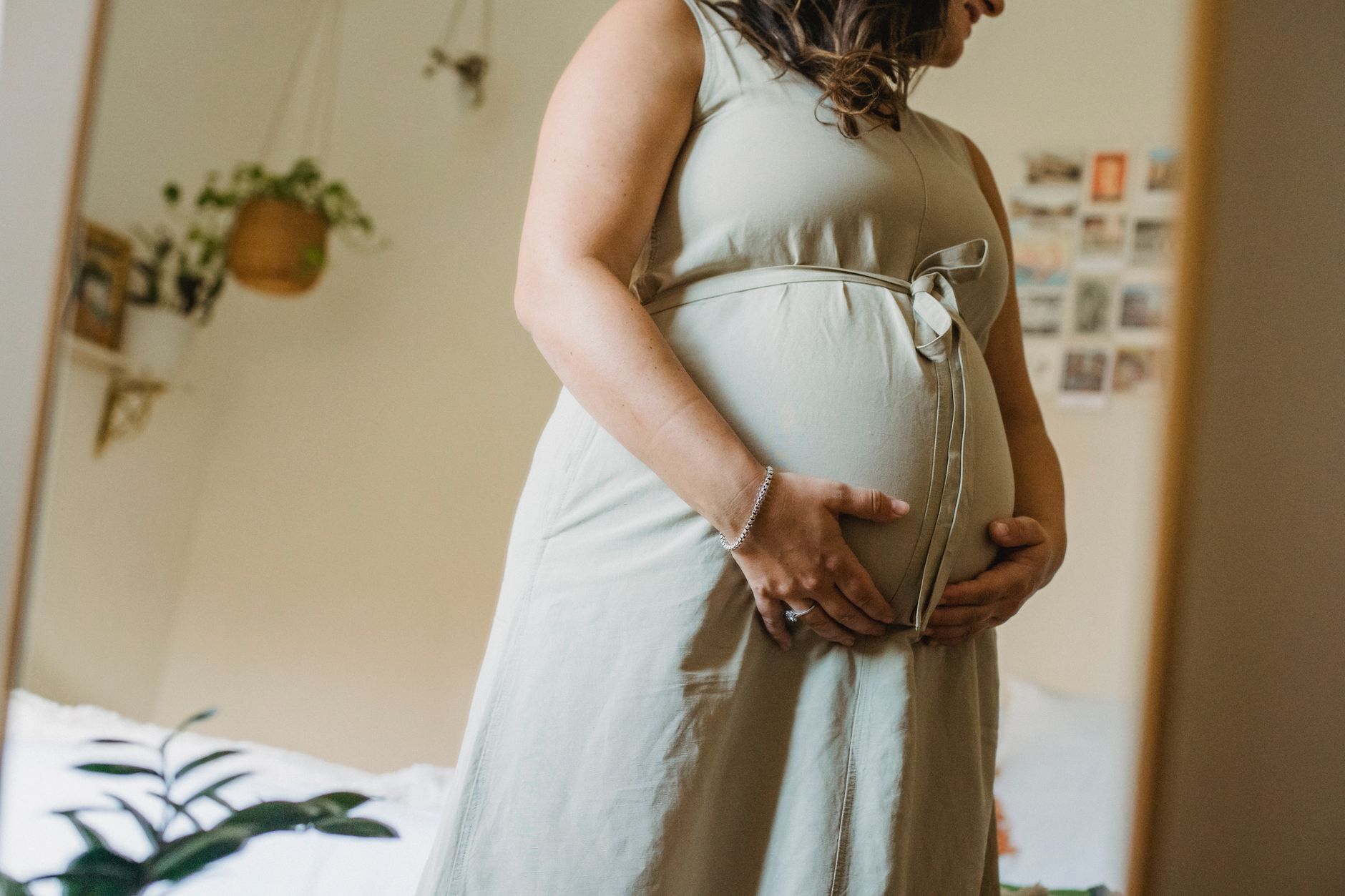
Modify moves and keep water close to stay safe and hydrated.
When to call your doctor
If you experience any of the following, contact your obstetrician right away: persistent abdominal pain or cramping, vaginal bleeding, sudden dizziness or faintness, shortness of breath that doesn’t improve with rest, swelling of the hands or face, or a rapid increase in uterine contractions.
These symptoms could signal a complication that requires immediate medical evaluation. Remember, this article provides general information and is not a substitute for personalized medical advice.
References
American College of Obstetricians and Gynecologists. “Physical Activity and Exercise During Pregnancy and the Postpartum Period.” ACOG Committee Opinion No. 804, 2020.
National Health Service (UK). “Exercise in pregnancy.” NHS website, updated 2023.
Centers for Disease Control and Prevention. “Physical Activity for Pregnant Women.” CDC, 2022.
World Health Organization. “Recommendations on Antenatal Care for a Positive Pregnancy Experience.” WHO, 2016.
Journal of Obstetric, Gynecologic & Neonatal Nursing. “Modified Dance Programs for Pregnant Women: A Controlled Study.” 2021.
Physical Therapy in Pregnancy. “Impact of Prenatal Dance on Low Back Pain.” 2021.
American Council on Exercise. “Prenatal Exercise Certification.” ACE, accessed 2024.
Not sure about the label on Is Modern Dance Safe During Pregnancy products?
Snap the ingredients list and SafeFilter checks every ingredient for your stage — only 3 free scans this month, then you're locked until reset. Unlimited from $7/mo or $50/yr.
When Shubhra Mishra was expecting her first child in 2016, she was overwhelmed by conflicting food advice — one site said yes, another said never. By the time her second baby arrived in 2019, she realized millions of mothers face the same confusion.
That sparked a five-year journey through clinical nutrition papers, cultural diets, and expert conversations — all leading to BumpBites: a calm, compassionate space where science meets everyday motherhood.
Her long-term vision is to build a global community ensuring safe, supported, and free deliveriesfor every mother — because no woman should face pregnancy alone or uninformed. 🌿
🌍 Stand with mothers, shape safer guidance
Join a small circle of experts who review BumpBites articles so expecting parents everywhere can decide with confidence.