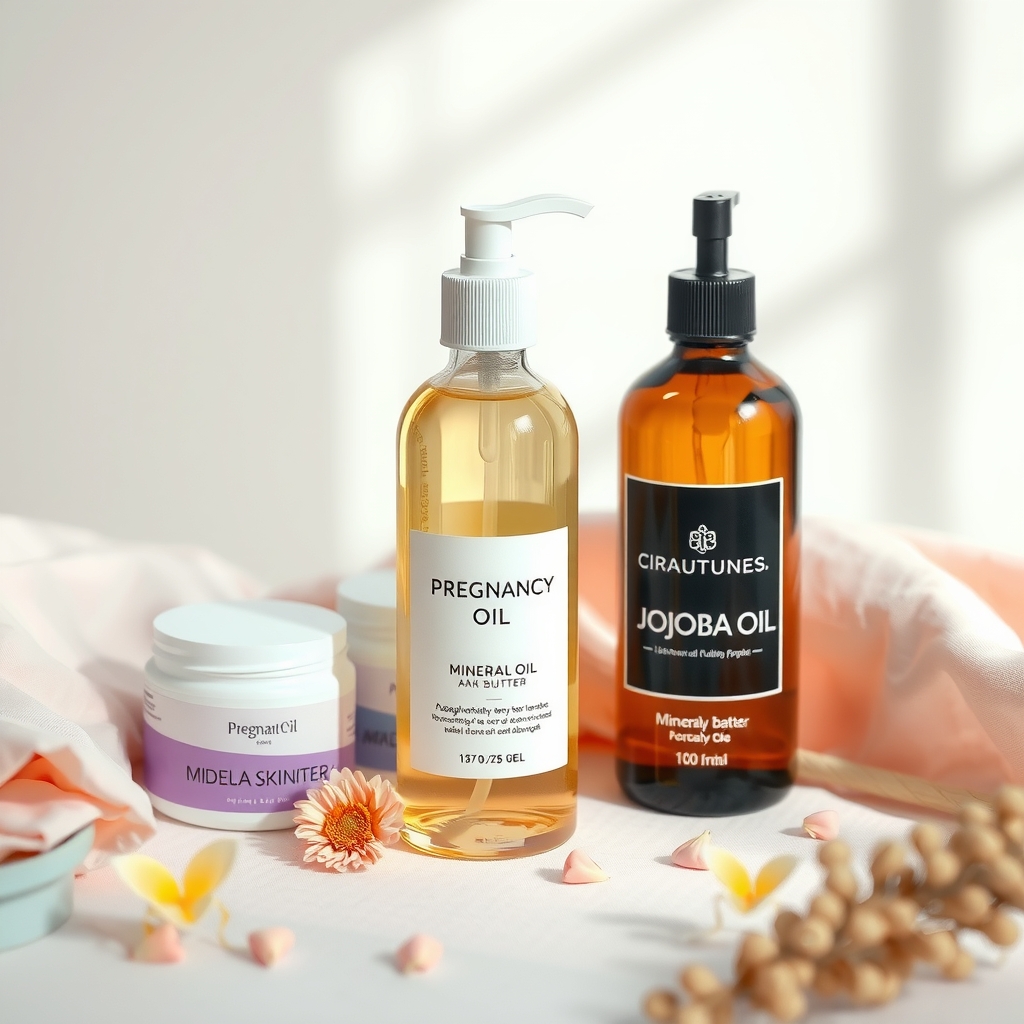
Limit mineral oil during pregnancy. Experts recommend avoiding high doses, especially in the first trimester, due to potential digestive risks. Learn safe alternatives.
By Shubhra Mishra — a mom of two who turned her own confusion during pregnancy into BumpBites, a global mission to make food choices clear, safe, and stress-free for every expecting mother. 💛
Check whether any food is safe during pregnancy with the BumpBites Food Safety Checker.
Quick verdict: ⚠️ Talk to your doctor first. Mineral oil is generally considered low‑risk for short‑term topical use, but oral consumption and laxative use should be discussed with your provider, especially in the first trimester.
It’s common to reach for a bottle of mineral oil when you’re dealing with constipation or dry skin during pregnancy. You might be wondering, is mineral oil safe during pregnancy and whether you need to stop using it right away. You’re not alone—many expecting parents experience a sudden spike of anxiety after spotting a familiar product on a pharmacy shelf or remembering a home remedy they’ve used for years.
In this article we’ll give you a clear, evidence‑based verdict, break down safety by each trimester, explain how much is considered safe, discuss potential risks, and suggest gentler alternatives. We’ll also compare mineral oil to related products, debunk common myths, and answer the most frequently asked questions so you can stop worrying and focus on enjoying your pregnancy.
Stage
Verdict
Notes
First trimester
⚠️ Talk to your doctor
Oral use not routinely recommended; topical use generally low risk.
Second trimester
✅ Generally safe (topical)
Oral use should still be under medical guidance.
Third trimester
✅ Generally safe (topical)
Oral use only if prescribed; monitor for bowel issues.
Breastfeeding
✅ Generally safe (topical)
Very little systemic absorption; oral use should be discussed with provider.
What is mineral oil and how is it commonly used during pregnancy?
Mineral oil is a clear, odorless liquid derived from petroleum. It is classified as a paraffin oil and is used in two main ways during pregnancy:
Oral laxative: Over‑the‑counter products such as “Mineral Oil Laxative” contain 15‑30 mL per dose and work by coating the intestinal lining to ease stool passage.
Topical moisturizer: Many skin‑care products list mineral oil as an emollient that helps lock moisture into the skin, making it a common ingredient in creams, ointments, and baby‑oil‑type lotions.
Because it is chemically inert, mineral oil does not provide vitamins or nutrients, but its lubricating properties make it attractive for relieving constipation—a frequent concern for pregnant people. It is also prized for its ability to form a protective barrier on the skin, which can be soothing for stretch marks, dry patches, and mild eczema.
Mineral oil can be used both as a laxative and as a skin‑care moisturizer; the safety profile differs for each use.
Is mineral oil safe during pregnancy?
Current guidance from the American College of Obstetricians and Gynecologists (ACOG) and the UK’s National Health Service (NHS) indicates that mineral oil is generally safe for short‑term topical use during pregnancy. The FDA classifies mineral oil as “Generally Recognized As Safe” (GRAS) for external applications, but oral use is not specifically endorsed for pregnant patients because of limited data on fetal exposure.
Most of the concern stems from the fact that mineral oil can interfere with the absorption of fat‑soluble vitamins (A, D, E, K) when taken orally in large amounts. ACOG recommends that any laxative, including mineral oil, be used only when constipation is severe and after other diet‑based measures have failed. The NHS similarly advises pregnant women to discuss laxative use with their midwife or obstetrician, especially in the first trimester when organ formation (organogenesis) is most sensitive.
In short, is mineral oil safe during pregnancy depends on how you’re using it. Topical application for skin moisturization is low‑risk, while oral consumption as a laxative should be cleared by a healthcare professional.
Is mineral oil safe to use during the first trimester of pregnancy?
The first trimester is the period of organogenesis, when the developing embryo is most vulnerable to teratogens—substances that could cause birth defects. Because mineral oil is minimally absorbed through the gut and does not cross the placenta in significant amounts, the risk from topical use is considered negligible.
However, oral mineral oil taken as a laxative may reduce the absorption of fat‑soluble vitamins that are crucial for early fetal development. The ACOG guideline suggests avoiding routine oral mineral oil in the first trimester unless a physician explicitly prescribes it for severe constipation that does not respond to dietary fiber or increased fluids.
If you’ve already used a small amount (one teaspoon) of mineral oil orally in the first weeks of pregnancy, stay calm. The limited systemic exposure makes serious risk unlikely, but it’s still wise to discuss it with your obstetrician at your next prenatal visit.
How much mineral oil can a pregnant woman safely consume daily?
There is no universally accepted “safe” daily dose for oral mineral oil in pregnancy because the product is not formally approved for this purpose. The typical over‑the‑counter dosage for constipation is 15‑30 mL (about 1‑2 teaspoons) taken once daily, with a maximum of 45 mL per day.
When used under medical supervision, clinicians often limit oral mineral oil to the lowest effective dose for the shortest duration—usually no more than 7‑10 days. If you are considering mineral oil for constipation, aim for the smallest dose that relieves symptoms and discuss it with your provider.
Topical mineral oil, such as in moisturizers or baby‑oil products, does not have a “dose” in the traditional sense. Applying a thin layer (approximately 2–3 ml) to the skin once or twice daily is typical and poses minimal risk.
Use
Recommended amount
Notes
Oral laxative (short‑term)
15‑30 mL (1‑2 tsp) per day, max 45 mL
Only under provider guidance; limit to 7‑10 days.
Topical moisturizer
2‑3 mL per application
Apply to dry areas as needed; no known systemic absorption.
Are there any risks of using mineral oil as a laxative while pregnant?
When taken orally, mineral oil can cause:
Reduced absorption of fat‑soluble vitamins: This may lead to mild deficiencies, especially if used long‑term.
Potential for aspiration: If the oil is vomited or regurgitated, it can be inhaled into the lungs, causing a condition called lipoid pneumonia—a rare but serious complication.
Interaction with certain medications: Mineral oil can delay the absorption of some oral drugs, such as certain antibiotics and thyroid medications, reducing their effectiveness.
Overall, these risks are low when mineral oil is used sparingly and under medical supervision. Nonetheless, the CDC advises pregnant patients to avoid any medication that could impair nutrient absorption unless a healthcare professional deems it essential.
What are safer alternatives to mineral oil for constipation during pregnancy?
Metamucil (psyllium husk) – a fiber supplement that softens stool without affecting vitamin absorption.
Prune juice – natural sorbitol content promotes bowel movements and provides potassium.
Flaxseed oil – offers omega‑3 fatty acids and mild laxative effects while supporting overall nutrition.
Coconut oil – a small amount can lubricate the intestines and is safe for most pregnant people.
Shea butter – when applied topically, it moisturizes skin without systemic exposure.
Jojoba oil – a plant‑derived oil safe for skin care; it does not contain petroleum‑derived compounds.
Vitamin E oil – a topical antioxidant that supports skin health without laxative action.
Aloe vera gel – soothing for skin and can aid digestion when consumed in modest amounts.
Is mineral oil safe for pregnant skin care and moisturizers?
Yes. The FDA’s GRAS status applies to mineral oil used in cosmetics, and both ACOG and the NHS affirm that mineral oil in moisturizers is safe throughout pregnancy. Because it sits on the skin’s surface rather than being absorbed, it does not pose a risk to the fetus.
When selecting a product, look for “USP‑grade” or “pharmaceutical‑grade” mineral oil, which is highly purified and free of contaminants. Avoid products that list “mineral oil” alongside fragrances, parabens, or other potential irritants if you have sensitive skin.
Does mineral oil affect pregnancy outcomes for women with gestational diabetes?
There is no direct evidence linking mineral oil use—topical or oral—to adverse outcomes in gestational diabetes. However, because mineral oil can interfere with the absorption of fat‑soluble vitamins, women with gestational diabetes should be especially vigilant about maintaining adequate nutrient intake. Discuss any regular use with your endocrinologist or obstetrician to ensure it does not compromise your vitamin regimen.
Which mineral oil brands are recommended for pregnant women?
When choosing a mineral oil product, opt for brands that emphasize purity and have undergone third‑party testing. Some widely recognized options include:
Pharmacia Mineral Oil USP – pharmaceutical‑grade, free of fragrance.
Humble Oil Mineral Oil – certified for cosmetic use, often found in baby‑oil formulations.
Now Foods Mineral Oil – a supplement‑grade oil that can be used orally under doctor supervision.
Always read the label for “USP” or “pharmaceutical grade” and avoid products that contain added fragrances, essential oils, or colorants, which could irritate sensitive pregnancy skin.
Can mineral oil cause birth defects if used in pregnancy?
Current research does not show mineral oil as a teratogen. The ACOG and NHS state that mineral oil does not cross the placenta in amounts sufficient to cause birth defects. The primary concerns are related to nutrient absorption and potential aspiration, not direct fetal toxicity. Therefore, while mineral oil itself is not linked to birth defects, the safest approach is to limit oral use and keep topical applications to standard cosmetic amounts.
Choosing a mineral‑oil‑based moisturizer? Look for fragrance‑free, USP‑grade options for the gentlest care.
Related items — safety at a glance
Item
Verdict
One‑line note
Petroleum jelly
✅ Generally safe
Topical use is low‑risk; oral use not recommended.
Olive oil
✅ Generally safe
Safe for cooking and topical use; provides healthy fats.
Castor oil
⚠️ Use with caution
Oral use can stimulate labor; not advised without provider guidance.
Good for skin and moderate cooking; high in saturated fat.
Almond oil
✅ Generally safe
Gentle for skin; safe for culinary use.
Myth vs. fact
Myth: Mineral oil is a “natural” product, so it’s automatically safe for all pregnancy uses.
Fact: Mineral oil is a petroleum‑derived product; while it is chemically inert, oral use should still be discussed with a provider because of vitamin‑absorption concerns.
Myth: All mineral‑oil‑based skin creams are safe for pregnant women.
Fact: Most are safe, but those with added fragrances, preservatives, or essential oils can cause irritation; choose fragrance‑free, USP‑grade options.
Myth: Mineral oil can cause birth defects.
Fact: No credible studies link mineral oil to teratogenic effects; the main risks involve nutrient absorption and aspiration, not direct fetal harm.
Key takeaways
Topical mineral oil is generally considered safe throughout pregnancy.
Oral mineral oil as a laxative should be used only under medical guidance, especially in the first trimester.
Limit oral doses to 15‑30 mL per day and no longer than 7‑10 days unless prescribed.
Watch for vitamin‑deficiency symptoms or signs of aspiration (coughing, chest discomfort).
Consider fiber, prune juice, or flaxseed oil as gentler constipation remedies.
Choose USP‑grade, fragrance‑free mineral oil products for skin care.
Frequently asked questions
Can I use mineral oil as a laxative while pregnant?
Yes, but only after discussing it with your obstetrician. The ACOG advises using the lowest effective dose for the shortest period, typically 15‑30 mL daily for up to 10 days.
Is mineral oil absorbed through the skin during pregnancy?
Mineral oil has minimal transdermal absorption; it stays on the surface, forming a barrier that locks in moisture, making topical use safe for most pregnant people.
What are the side effects of mineral oil for pregnant women?
Side effects are rare but can include reduced absorption of fat‑soluble vitamins and, if aspirated, lipoid pneumonia. Topical use may cause mild skin irritation in sensitive individuals.
How does mineral oil affect fetal development?
There is no evidence that mineral oil directly harms fetal development. The main concern is indirect—potential vitamin deficiencies if taken orally in large amounts.
Is mineral oil safe for use in pregnancy skincare?
Yes. USP‑grade mineral oil in moisturizers is considered low‑risk and is endorsed by both ACOG and the NHS for skin‑care during pregnancy.
Can mineral oil cause diarrhea in pregnant women?
Mineral oil can soften stools and, in some cases, lead to loose stools or mild diarrhea, especially if higher doses are used.
Are there any drug interactions with mineral oil during pregnancy?
Mineral oil can delay the absorption of certain oral medications, such as antibiotics and thyroid hormone replacements, so separate dosing times (at least 2 hours apart) are recommended.
Natural constipation remedies like prune juice and Metamucil are often recommended before turning to mineral oil.
When to call your doctor
If you experience any of the following after using mineral oil, contact your healthcare provider promptly:
Persistent cough, chest pain, or shortness of breath (possible aspiration).
Signs of vitamin deficiency: night blindness, easy bruising, or prolonged fatigue.
Severe abdominal cramping or bloody stools.
Unexplained swelling, rash, or irritation at the site of topical application.
Any new medication started while using mineral oil, leading to unexpected side effects.
These symptoms are informational only and are not a substitute for professional medical advice. Always discuss any concerns with your obstetrician or midwife.
References
American College of Obstetricians and Gynecologists (ACOG). “Constipation in Pregnancy.” Practice Bulletin No. 228, 2022.
National Health Service (NHS). “Constipation during pregnancy.” Updated 2023.
U.S. Food and Drug Administration (FDA). “Generally Recognized As Safe (GRAS) Notice – Mineral Oil.” 2021.
Centers for Disease Control and Prevention (CDC). “Pregnancy and Medication Use.” 2022.
World Health Organization (WHO). “Guidelines on Nutrition for Pregnant Women.” 2020.
Mayo Clinic. “Mineral oil: Uses, side effects, precautions.” Accessed July 2024.
National Institute for Health and Care Excellence (NICE). “Management of constipation in pregnancy.” 2022.
Not sure about the label on Is Mineral Oil Safe During Pregnancy products?
Snap the ingredients list and SafeFilter checks every ingredient for your stage — only 3 free scans this month, then you're locked until reset. Unlimited from $7/mo or $50/yr.
When Shubhra Mishra was expecting her first child in 2016, she was overwhelmed by conflicting food advice — one site said yes, another said never. By the time her second baby arrived in 2019, she realized millions of mothers face the same confusion.
That sparked a five-year journey through clinical nutrition papers, cultural diets, and expert conversations — all leading to BumpBites: a calm, compassionate space where science meets everyday motherhood.
Her long-term vision is to build a global community ensuring safe, supported, and free deliveriesfor every mother — because no woman should face pregnancy alone or uninformed. 🌿
🌍 Stand with mothers, shape safer guidance
Join a small circle of experts who review BumpBites articles so expecting parents everywhere can decide with confidence.