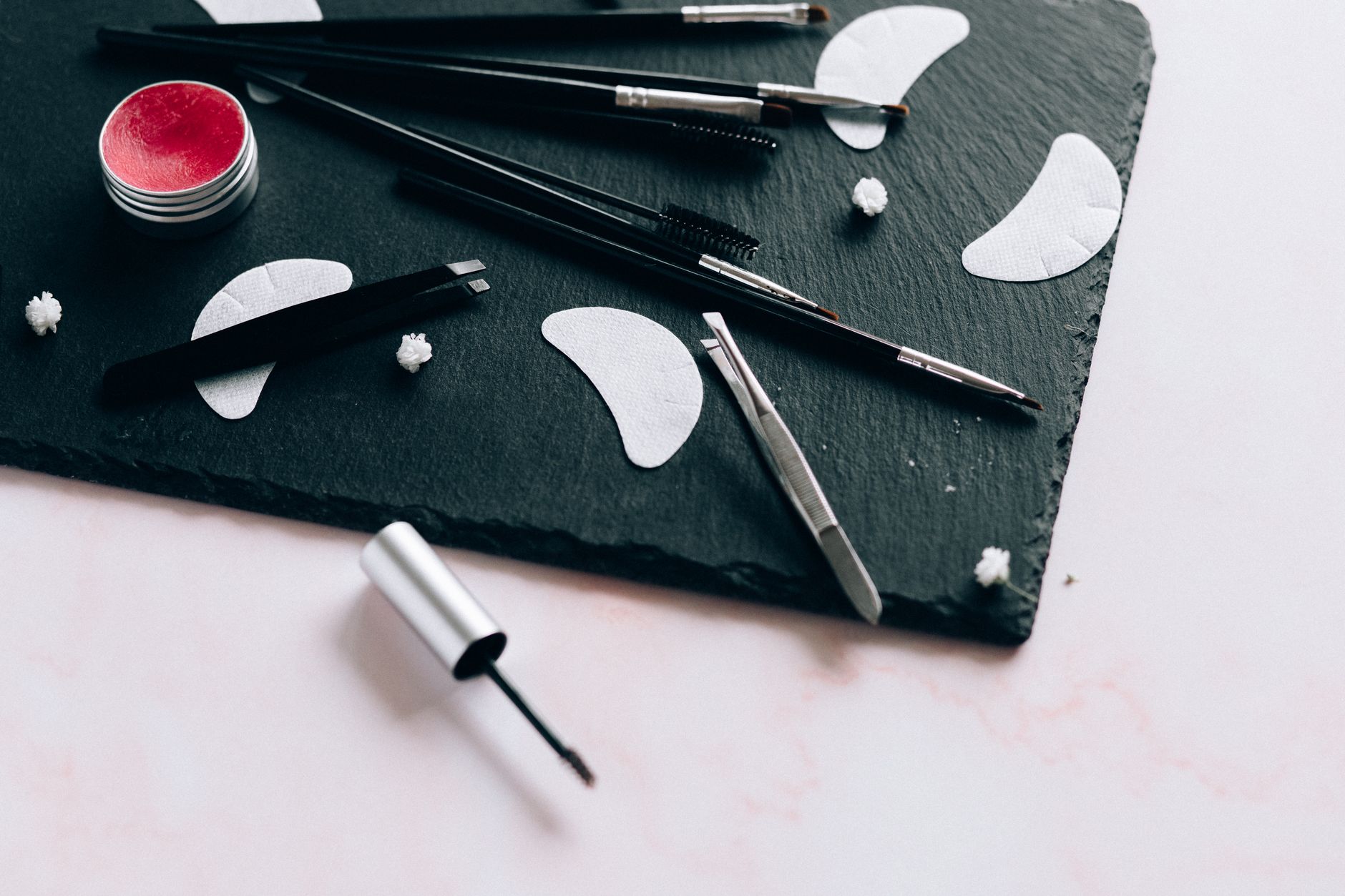
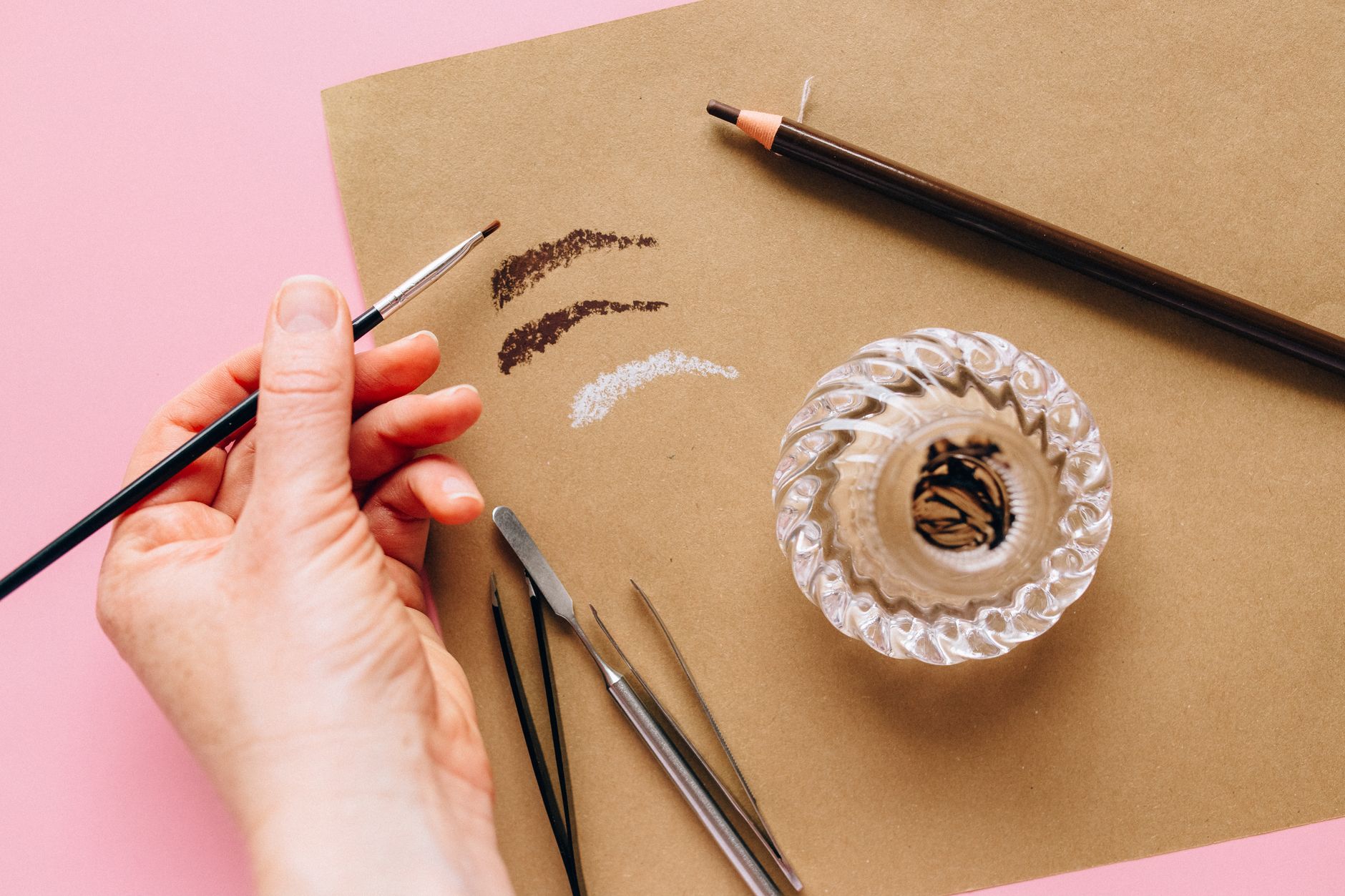
Avoid microblading during pregnancy due to potential risks, especially in the first trimester, as the dosage of chemicals and ink can harm the fetus
By Shubhra Mishra — a mom of two who turned her own confusion during pregnancy into BumpBites, a global mission to make food choices clear, safe, and stress-free for every expecting mother. 💛
Check whether any food is safe during pregnancy with the BumpBites Food Safety Checker.
Quick verdict: ❌ Best avoided. Most obstetric experts advise postponing microblading until after pregnancy because the procedure involves skin trauma, potential infection, and unknown pigment exposure for the developing baby.
It’s 2 a.m., you’re scrolling through beauty blogs, and a sudden panic hits: “is microblading safe during pregnancy?” You might have already booked an appointment, or you’re wondering whether to reschedule. You’re not alone—many expecting parents experience that 3 a.m. worry about any procedure that pierces the skin.
In short, the consensus among the American College of Obstetricians and Gynecologists (ACOG), the UK’s National Health Service (NHS), and the U.S. Food and Drug Administration (FDA) is to avoid microblading while pregnant. The primary concerns are infection, allergic reaction, and the lack of safety data on pigment exposure. Below, we break down exactly why, how the risk changes across each trimester, what “dosage” means for this cosmetic, safer eyebrow‑enhancement options, and when it’s okay to get back to your beauty routine after delivery.
Read on for a clear, trimester‑by‑trimester safety snapshot, recommended alternatives, and the signs that should prompt a call to your provider. By the end, you’ll have the confidence to make an informed decision without the midnight‑hour anxiety.
Stage of pregnancy
Verdict
Notes
First trimester (0‑13 weeks)
❌ Best avoided
Rapid organ development; any skin breach raises infection risk.
Second trimester (14‑27 weeks)
❌ Best avoided
Even though many procedures feel “safer” later, pigment exposure still lacks data.
Third trimester (28‑40 weeks)
❌ Best avoided
Potential for increased bleeding and delayed healing as the body prepares for labor.
Breastfeeding
⚠️ Talk to your doctor
Limited evidence; discuss any lingering pigment or skin‑healing concerns.
What is microblading?
Microblading is a semi‑permanent eyebrow tattooing technique that uses a handheld blade made of tiny, sterile needles to create fine, hair‑like strokes in the skin’s upper dermis. A pigment, usually iron‑oxide based, is deposited into these incisions, giving the illusion of fuller, more defined brows. Sessions typically last 1–2 hours, and a “touch‑up” is recommended 4–6 weeks later to perfect the shape and fill in any fading pigment.
The appeal lies in its low‑maintenance result—once healed, the brows can last anywhere from 12 to 18 months, depending on skin type, sun exposure, and after‑care. Because the pigment sits beneath the surface, it’s not a regular makeup product you can wash off; instead, it slowly breaks down as skin cells turnover.
While many people enjoy the convenience, the process does involve deliberate skin injury, local anesthetic creams, and exposure to pigments that have not been specifically tested for safety in pregnant or lactating individuals. Understanding these components is essential when weighing the decision during pregnancy.
Is microblading safe during pregnancy?
C
urrent guidance from major health authorities—ACOG, NHS, and the FDA—suggests that elective cosmetic procedures that breach the skin should be postponed during pregnancy. ACOG’s “Committee Opinion on Cosmetic Procedures” (2022) advises that any procedure with a risk of infection or systemic absorption of chemicals be avoided unless medically necessary. The NHS similarly recommends steering clear of tattooing and permanent makeup during pregnancy because the pigments are not regulated for fetal safety.
There is no specific research on microblading pigments crossing the placenta, but the precautionary principle applies. The tiny needles create micro‑incisions, which can serve as entry points for bacteria. Pregnant people experience altered immune function, making infections more concerning. Additionally, the pigments contain metals (iron oxide, titanium dioxide) that, while generally considered low‑risk for topical use, have not been studied for intra‑dermal exposure in a developing fetus.
Misconceptions abound—some believe that because microblading is “semi‑permanent” and not a full tattoo, it is harmless. However, the same regulatory bodies that caution against full‑body tattoos during pregnancy also advise against microblading for the reasons outlined above. Until robust safety data emerge, the safest course is to delay the procedure.
Is microblading safe in the first trimester of pregnancy?
The first trimester is the period of organogenesis, when the baby’s major organs form. Any infection or systemic exposure to foreign substances can have outsized effects. Because microblading creates deliberate skin punctures, the risk of bacterial entry is highest during this window. ACOG specifically notes that “procedures that involve skin penetration should be deferred in the first trimester” unless a clear medical indication exists.
Even if the practitioner uses sterile techniques, the minor bleeding that can occur may increase the chance of a localized infection. Pregnant individuals often experience slower wound healing, raising the potential for prolonged inflammation. For these reasons, microblading is not recommended in the first trimester.
Can I get microblading during the second trimester without risk?
Many expectant mothers consider the second trimester “the safe middle” for elective procedures, but the guidance remains consistent: microblading should still be avoided. While the risk of teratogenic effects diminishes after organ formation, the concern shifts to infection and pigment exposure. The NHS states that “any form of tattooing—including semi‑permanent makeup—should be postponed until after delivery,” reflecting a cautious stance throughout pregnancy.
In the second trimester, the uterus expands, and blood volume increases, which can affect how the body responds to minor injuries. If an infection does occur, it could lead to systemic symptoms that complicate pregnancy. Therefore, even in the second trimester, the precautionary approach is to wait.
What are the risks of microblading while pregnant?
Infection: The micro‑incisions can introduce bacteria, leading to localized or systemic infection.
Allergic reaction: Pigments may cause dermatitis or a delayed hypersensitivity reaction, which can be more severe during pregnancy.
Scarring or keloid formation: Hormonal changes can alter scar tissue response, potentially resulting in raised scars.
Unstudied pigment exposure: While iron oxide is generally regarded as safe for topical use, its intra‑dermal effects on a fetus are unknown.
Bleeding and delayed healing: Increased blood flow and hormonal shifts can cause longer recovery times.
Most of these risks are manageable in non‑pregnant clients, but pregnancy magnifies the stakes. An infection, for example, could precipitate fever, which is a known risk factor for preterm labor.
How many microblading sessions are safe during pregnancy?
Because the procedure is elective and the risks outweigh the benefits, the recommendation is not to have any sessions while pregnant. “Dosage” in the context of microblading refers to the number of pigment‑depositing sessions, typically one initial treatment plus a touch‑up. However, even a single session introduces the same infection and pigment‑exposure concerns.
If you have already completed a session before discovering your pregnancy, monitor the treated area for signs of infection—redness, swelling, warmth, or discharge—and contact your provider promptly. Most practitioners will advise you to postpone any follow‑up touches until after delivery.
Are there safer microblading brands for pregnant women?
Currently, no microblading pigment brand has been cleared by the FDA or NHS specifically for use during pregnancy. Some manufacturers claim “hypoallergenic” or “organic” formulations, but these labels refer to skin‑contact safety, not intra‑dermal fetal safety. Because the regulatory agencies have not evaluated these pigments for pregnant populations, no brand can be considered safe.
If you decide to pursue microblading after pregnancy, look for pigments that are certified “ISO 9001” for manufacturing quality and “GMP” (Good Manufacturing Practice). Choose a licensed artist who follows strict sterilization protocols and can provide a Material Safety Data Sheet (MSDS) for the pigment used.
What are safe alternatives to microblading during pregnancy?
Eyebrow tinting – a surface‑level dye that washes out with shampoo.
Eyebrow pencils – precise, fully removable makeup for daily shaping.
Eyebrow powders – give a soft, natural fill without skin penetration.
Eyebrow gels – set and define brows with a clear or tinted polymer.
Temporary henna eyebrow tattoos – a plant‑based stain that fades within weeks.
Eyebrow serums – growth‑promoting formulas that are topical and pregnancy‑tested.
All of these options stay on the surface of the skin, eliminating the infection risk associated with micro‑incisions. Many are also formulated without harsh chemicals, making them suitable for sensitive skin during pregnancy.
Does microblading affect pregnancy complications like gestational diabetes?
There is no direct evidence linking microblading to gestational diabetes or other metabolic pregnancy complications. However, the stress of an infection or an allergic reaction can raise cortisol levels, which in turn may affect blood glucose control. ACOG advises that any procedure with a risk of infection be avoided in women with gestational diabetes to minimize additional metabolic strain.
Therefore, while microblading itself does not cause gestational diabetes, the indirect effects of a complication could exacerbate existing glucose regulation issues. If you have gestational diabetes, the safest route is to skip microblading entirely until after delivery.
When can I resume microblading after giving birth?
Post‑partum healing timelines vary, but most obstetricians recommend waiting at least six weeks after a vaginal delivery and eight weeks after a cesarean section before undergoing any procedure that involves skin penetration. This window allows the uterus to involute, reduces the risk of infection, and gives the immune system time to return to baseline.
Additionally, if you are breastfeeding, discuss pigment exposure with your pediatrician. While the consensus is that minimal systemic absorption is unlikely, the precautionary principle still applies. Once cleared by your provider, choose a reputable artist who uses pregnancy‑tested pigments and follows strict hygiene standards.
Keep a clean, well‑organized space if you decide to explore temporary eyebrow enhancements at home.
Safety by trimester
First trimester (0‑13 weeks)
During organ formation, any infection can have serious consequences. The ACOG Committee Opinion (2022) specifically advises against procedures that create open wounds, including microblading, in the first trimester. Even with the best sterile technique, the tiny cuts can allow bacteria to enter, and the altered immune response of pregnancy can make infections harder to control.
If you have already had a session before learning you were pregnant, watch the area closely for redness, swelling, or discharge. Contact your obstetrician if any signs appear.
Second trimester (14‑27 weeks)
Although the risk of teratogenic effects declines after the first trimester, the potential for infection remains. The NHS’s guidance on tattoos during pregnancy extends to semi‑permanent makeup, recommending avoidance throughout the second trimester as well.
Hormonal changes in the second trimester can also affect skin elasticity and healing time, potentially leading to longer recovery or more noticeable scarring.
Third trimester (28‑40 weeks)
In the final weeks of pregnancy, the body is preparing for labor, and any additional stress—such as an infection or delayed wound healing—can increase the likelihood of preterm labor. ACOG advises that elective cosmetic procedures be deferred until after delivery, and the third trimester is no exception.
Even if you’re eager for a last‑minute beauty boost before the baby arrives, the safest choice is to wait.
Breastfeeding
There is limited data on pigment migration into breast milk. While most pigments are considered low‑risk for topical use, the intra‑dermal placement used in microblading has not been studied in lactating individuals. The safest approach is to discuss any planned post‑partum microblading with your pediatrician and choose a brand that provides a clear safety sheet for pregnancy and lactation.
Eyebrow pencils offer precise shaping without any skin penetration.
Safe dosage / amount / brands
Because microblading is an elective cosmetic procedure, “dosage” refers to the number of sessions and the amount of pigment applied. A typical treatment involves a single session lasting 1‑2 hours, followed by a touch‑up 4‑6 weeks later. No reputable health organization endorses any number of sessions during pregnancy, so the safest “dosage” is zero.
If you are considering microblading after delivery, discuss the following with your artist:
Pigment type: Choose iron‑oxide based pigments that are labeled “hypoallergenic” and have a Material Safety Data Sheet (MSDS) indicating minimal systemic absorption.
Sterilization protocol: Ensure the artist uses single‑use, disposable blades and follows a strict hand‑washing and glove‑changing routine.
Patch test: A 24‑hour skin patch test can identify potential allergic reactions before the full procedure.
There are no “pregnancy‑safe” microblading brands on the market, but many reputable studios source pigments from manufacturers that meet ISO‑9001 and Good Manufacturing Practice (GMP) standards. Always request documentation from your artist.
Side effects and risks
While many clients experience flawless results, microblading carries specific risks that become more significant during pregnancy:
Infection: Redness, swelling, warmth, or pus at the treated site may indicate bacterial infection. Fever or chills accompanying these signs require immediate medical attention.
Allergic reaction: Itching, rash, or hives can develop hours to days after the procedure. Severe reactions (e.g., swelling of the face or difficulty breathing) are medical emergencies.
Scarring or keloids: Hormonal changes can increase the likelihood of raised scar tissue, which may be permanent.
Pigment migration: In rare cases, pigment can spread beyond the intended strokes, causing an uneven appearance.
Delayed healing: Pregnancy can slow wound repair, leading to longer recovery times and increased discomfort.
Most of these complications are treatable, but they can pose additional stress on a pregnant body. If you notice any of the above, contact your obstetrician promptly.
Safer alternatives
Eyebrow tinting – offers a temporary color boost without skin penetration.
Eyebrow pencils – allow precise shaping and can be washed off daily.
Eyebrow powders – provide a soft, natural fill that's fully removable.
Eyebrow gels – set brows in place with a clear or tinted, non‑invasive formula.
Temporary henna eyebrow tattoos – plant‑based stain that fades within 2‑3 weeks.
Eyebrow serums – topical growth enhancers that are often pregnancy‑tested.
Related items — safety at a glance
Item
Verdict
One‑line note
Permanent eyebrow tattoo
❌ Best avoided
Deeper pigment placement; higher infection risk.
Microshading
❌ Best avoided
Similar technique to microblading with comparable risks.
Eyebrow lamination
⚠️ Talk to your doctor
Uses chemicals that may irritate sensitive skin.
Eyebrow threading
⚠️ Talk to your doctor
Mechanical hair removal; minimal pigment risk but possible skin irritation.
Eyebrow waxing
⚠️ Talk to your doctor
Heat‑based method; can cause burns or infection if not done carefully.
Eyebrow makeup (pencil, powder, gel)
✅ Generally safe
Surface‑level products that wash off; low risk.
Myth vs. fact
Myth: Microblading is completely safe because the pigment stays only in the skin.
Fact: The pigment is placed in the upper dermis, where it can interact with the body’s immune system, and the procedure creates micro‑incisions that can introduce infection—both of which are concerns during pregnancy.
Myth: You can get microblading any time after the first trimester.
Fact: Professional guidelines advise avoiding microblading throughout the entire pregnancy, not just the first trimester, due to ongoing infection and healing concerns.
Myth: Numbing cream used during microblading is safe for the baby.
Fact: The safety of topical anesthetics like lidocaine in pregnant individuals is not definitively established for intra‑dermal use; many providers recommend avoiding them unless medically indicated.
Key takeaways
❌ The consensus from ACOG, NHS, and FDA is to avoid microblading during pregnancy.
Infection, allergic reaction, and unknown pigment exposure are the primary risks.
No trimester is considered safe; the safest “dosage” is none.
Opt for surface‑level alternatives such as eyebrow tinting, pencils, powders, gels, henna, or serums.
Resume microblading only after a postpartum healing period (6‑8 weeks) and with provider clearance.
Frequently asked questions
Can microblading cause infections during pregnancy?
Yes. The micro‑incisions created during microblading can introduce bacteria, and pregnant individuals have a slightly reduced immune response, making infections more likely and potentially more serious.
Is it safe to get microblading after the first trimester?
No. Both ACOG and the NHS advise postponing any skin‑penetrating cosmetic procedure throughout the entire pregnancy, not just the first trimester.
What are the side effects of microblading for pregnant women?
Side effects can include localized infection, allergic reactions, scarring, pigment migration, and delayed healing—all of which may be amplified by pregnancy‑related hormonal changes.
How long does microblading last if done while pregnant?
Microblading typically lasts 12‑18 months, but if performed during pregnancy, the risk of infection or early pigment fading may shorten the effective duration.
Do I need to avoid microblading if I have gestational hypertension?
Yes. Gestational hypertension already strains the cardiovascular system, and any procedure that could cause infection or stress should be avoided until after delivery.
Can I use numbing cream for microblading during pregnancy?
It’s best to avoid topical anesthetics like lidocaine unless your obstetrician specifically approves them, as their safety for intra‑dermal use in pregnancy hasn’t been conclusively established.
Should I wait until after delivery for microblading?
Yes. Most providers recommend waiting at least six weeks postpartum (eight weeks after a C‑section) and getting clearance from your obstetrician before scheduling any microblading session.
When to call your doctor
If you notice any of the following after a microblading session—whether before or after pregnancy—contact your obstetrician promptly:
Fever ≥ 100.4 °F (38 °C) or chills
Increasing redness, swelling, warmth, or pus at the treated area
Severe itching, hives, or facial swelling
Persistent pain that worsens after the first 24 hours
Any signs of preterm labor (regular contractions, pelvic pressure, vaginal bleeding)
These symptoms may indicate infection or an allergic reaction that could affect both you and your baby. This article provides general information and is not a substitute for personalized medical advice. Always discuss your specific situation with a qualified healthcare provider.
References
American College of Obstetricians and Gynecologists. Committee Opinion: Cosmetic Procedures in Pregnancy, 2022.
National Health Service (NHS). “Tattooing, piercings and body art during pregnancy,” updated 2023.
U.S. Food and Drug Administration (FDA). “Guidance for Industry: Tattoos and Permanent Makeup—Safety Considerations,” 2021.
Centers for Disease Control and Prevention (CDC). “Infection Prevention for Cosmetic Procedures,” 2022.
Mayo Clinic. “Microblading: What you need to know,” accessed July 2024.
World Health Organization (WHO). “Skin infections and pregnancy,” 2020.
Not sure about the label on Is Microblading Safe During Pregnancy products?
Snap the ingredients list and SafeFilter checks every ingredient for your stage — only 3 free scans this month, then you're locked until reset. Unlimited from $7/mo or $50/yr.
When Shubhra Mishra was expecting her first child in 2016, she was overwhelmed by conflicting food advice — one site said yes, another said never. By the time her second baby arrived in 2019, she realized millions of mothers face the same confusion.
That sparked a five-year journey through clinical nutrition papers, cultural diets, and expert conversations — all leading to BumpBites: a calm, compassionate space where science meets everyday motherhood.
Her long-term vision is to build a global community ensuring safe, supported, and free deliveriesfor every mother — because no woman should face pregnancy alone or uninformed. 🌿
🌍 Stand with mothers, shape safer guidance
Join a small circle of experts who review BumpBites articles so expecting parents everywhere can decide with confidence.