Avoid microblading dye during pregnancy. Experts recommend skipping this cosmetic procedure due to potential risks from ink ingredients and hormonal changes in the first trimester.
By Shubhra Mishra — a mom of two who turned her own confusion during pregnancy into BumpBites, a global mission to make food choices clear, safe, and stress-free for every expecting mother. 💛
Check whether any food is safe during pregnancy with the BumpBites Food Safety Checker.
Quick verdict: ⚠️ Talk to your doctor first. Current guidance suggests avoiding microblading dye during pregnancy because the safety data are limited and there is a potential risk of infection and pigment absorption.
It’s completely understandable to feel a flutter of anxiety when you discover you’ve booked a microblading appointment or are curious about the pigment used in the procedure. You might be wondering, is microblading dye safe during pregnancy—especially if you’re already in your first trimester or planning a brow makeover later in your pregnancy. The short answer is that most obstetric and dermatology experts advise caution and recommend postponing the procedure until after delivery.
In this article we’ll walk you through everything you need to know: the current safety data, how each trimester may affect risk, what amount of pigment is typically used, which brands (if any) are considered the safest, potential side effects, and pregnancy‑friendly alternatives for beautiful brows. We’ll also compare microblading to other eyebrow‑enhancement methods so you can make an informed decision.
Trimester / Post‑partum
Verdict
Notes
First trimester
⚠️ Talk to your doctor
Highest risk period for fetal organ development; limited data on pigment absorption.
Second trimester
⚠️ Talk to your doctor
Risk still unclear; infection risk remains.
Third trimester
⚠️ Talk to your doctor
Potential for increased skin sensitivity; no safety data.
Breastfeeding
⚠️ Talk to your doctor
Pigment could be excreted in breast milk; professional guidance recommended.
What is microblading dye and how it works
Microblading is a semi‑permanent cosmetic tattooing technique that uses a handheld blade to create tiny, hair‑like strokes in the superficial layers of the skin. The pigment—often called “microblading dye” or “ink”—is deposited into the epidermis, where it settles for anywhere from 12 to 18 months before fading. The dye is typically a blend of iron oxides, titanium dioxide, and other colorants approved for use in cosmetic tattooing. Because the pigment sits just below the skin’s surface, it is less invasive than traditional tattooing, but it still involves breaking the skin barrier, which can introduce a small risk of infection or allergic reaction.
Practitioners choose pigments based on the client’s natural brow color, skin tone, and desired intensity. The amount of dye used per session is minuscule—roughly the size of a grain of rice per eyebrow—yet the pigment remains in the skin for months, slowly breaking down as skin cells turnover. While many people love the low‑maintenance look, the safety of these pigments during pregnancy has not been extensively studied, which is why the medical community urges caution.
Is microblading dye safe during pregnancy?
A
t present, the American College of Obstetricians and Gynecologists (ACOG) does not list microblading or its pigments as a formally approved or contraindicated procedure, but the organization does recommend that pregnant individuals avoid elective skin‑penetrating procedures that carry any infection risk. The U.S. Food and Drug Administration (FDA) classifies many microblading pigments as “cosmetic” and therefore does not require the same rigorous safety testing as drugs. The NHS similarly advises pregnant women to postpone any form of permanent or semi‑permanent tattooing until after birth, citing potential unknown effects on fetal development.
Most dermatologists echo this sentiment, pointing out that while iron oxides are generally regarded as low‑risk, the precise formulation of commercial microblading dyes can vary, and some may contain trace amounts of heavy metals or preservatives that have not been evaluated for teratogenicity (the ability to cause birth defects). The primary concern is not the pigment itself but the process: breaking the skin creates a portal for bacteria, which could lead to cellulitis or systemic infection—both of which are more problematic during pregnancy.
Because the scientific literature lacks large‑scale, pregnancy‑specific studies, the safest course is to delay microblading until after delivery. If you’re already pregnant and have already undergone the procedure, most experts advise monitoring the area for signs of infection or allergic reaction and contacting your obstetric provider if anything unusual occurs.
Is microblading dye safe during the first trimester of pregnancy?
The first trimester, roughly weeks 1‑13, is the period of organogenesis when the baby’s major organs are forming. During this window, any exposure to potential teratogens is taken seriously. Although there is no direct evidence that microblading dye causes fetal harm, the lack of data means clinicians err on the side of caution. ACOG’s guideline on elective cosmetic procedures during pregnancy advises postponing any non‑essential skin‑penetrating treatments during the first trimester.
If you have already had microblading done in the first trimester, keep an eye on the treated area for redness, swelling, or discharge. Mild irritation is common, but persistent warmth, increasing pain, or fever could signal infection, which warrants prompt medical attention.
Can microblading dye be used safely in the second trimester?
The second trimester (weeks 14‑27) is generally considered the “golden period” for many elective procedures because the risk of teratogenic effects is lower than in the first trimester. However, the infection risk associated with microblading does not disappear. The American Academy of Dermatology (AAD) notes that any procedure that breaches the skin barrier can still lead to bacterial entry, and pregnant women are more susceptible to certain infections due to immune system changes.
Because the safety data for microblading dye remain limited, most providers continue to recommend waiting until after delivery. If you must have the procedure for a medical reason (e.g., correcting a traumatic scar that affects vision), it should be performed under strict sterile conditions and only after thorough discussion with both your obstetrician and dermatologist.
What amount of microblading dye is considered safe for pregnant women?
Microblading dye is applied in trace amounts—approximately 0.1–0.2 ml per brow, which is far below the quantities found in traditional tattoos. No specific “safe dose” has been established for pregnancy because the pigments are not regulated as drugs. The consensus among experts is that the volume is too small to cause systemic toxicity, but the unknown composition of some commercial pigments means that even tiny amounts could theoretically contain trace contaminants.
In practice, the safest approach is to avoid the procedure altogether during pregnancy. If you have already had microblading, there is no need to take any additional action unless you notice signs of infection or an allergic reaction, in which case you should contact your provider immediately.
Are there safer microblading dye brands for pregnant clients?
Because microblading pigments are not FDA‑approved drugs, brands are not required to disclose full ingredient lists. Some manufacturers have begun marketing “pregnancy‑friendly” pigments that are free of heavy metals and use only iron oxide and titanium dioxide. When evaluating a brand, look for:
Clear, third‑party testing results confirming the absence of lead, cadmium, or nickel.
Certification that the pigment complies with the European Union’s Cosmetic Regulation (EU Cosmetics Regulation EC 1223/2009), which has stricter safety standards than the U.S. for cosmetics.
Positive reviews from dermatologists who have used the product on pregnant clients without complications.
Even with these safeguards, the safest recommendation remains to postpone microblading until after childbirth. If you decide to proceed, discuss the specific brand and its ingredient list with a board‑certified dermatologist and your obstetrician.
What are the potential risks of microblading dye for pregnant women?
Potential risks fall into three categories:
Infection: Any skin‑penetrating procedure can introduce bacteria. In pregnancy, infections such as cellulitis can increase the risk of preterm labor.
Allergic reaction: Some pigments contain nickel or other allergens. An allergic response could manifest as itching, swelling, or a rash, which may be uncomfortable but rarely dangerous unless it becomes severe.
Systemic absorption: While the amount of pigment is minimal, there is no definitive data on whether trace amounts can cross the placenta. The theoretical risk is why many clinicians advise avoidance.
Most adverse events are mild and treatable, but the lack of robust safety data makes it prudent to defer the procedure.
How does microblading dye affect pregnancy conditions like morning sickness?
Morning sickness is typically caused by hormonal changes and does not interact with skin‑based pigments. However, the stress of a procedure—especially if it causes discomfort—could exacerbate nausea in some pregnant individuals. Additionally, any post‑procedure swelling or irritation near the eyes might make it harder to manage morning sickness symptoms.
If you are experiencing severe nausea, it may be wise to avoid any elective cosmetic work until your symptoms are under better control, both for your comfort and to reduce the chance of fainting or accidental injury during the procedure.
What alternatives to microblading dye are safe during pregnancy?
Henna brow tint – natural plant‑based pigment, typically well‑tolerated.
Veganic brow tint – certified vegan and free of heavy metals.
Organic brow tint – uses only USDA‑organic certified colorants.
Temporary brow mascara – washes off at the end of the day, no skin penetration.
Brow powder – applied with a brush, completely non‑invasive.
Eyebrow pencil – offers precise shaping without any pigment implantation.
Brow wax – reshapes hair but does not involve pigment; keep the wax cool to avoid burns.
Natural brow gel – a clear, conditioning gel that can be tinted lightly with food‑grade color.
Can microblading dye cause allergic reactions in pregnant women?
Yes, although rare, allergic reactions to microblading pigments can occur. The most common allergens are nickel, cobalt, and certain organic dyes. Symptoms may include itching, redness, swelling, or a rash that spreads beyond the treated area. Pregnant women who have a history of metal allergies should be especially cautious and consider an allergy patch test before any procedure.
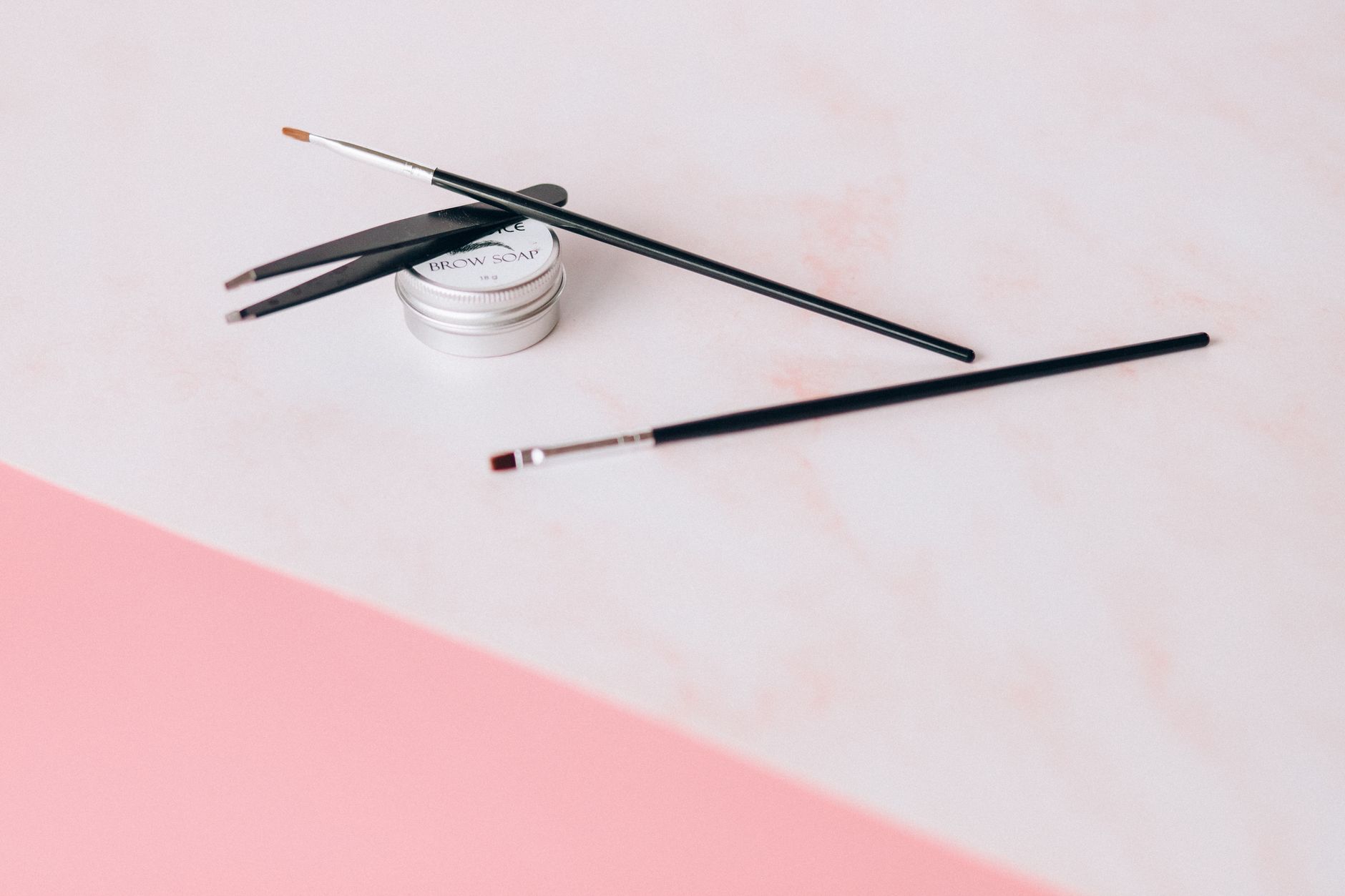
Before you book, consider the tools and hygiene practices of the salon.
Safe dosage / amount / brands
Because microblading dye is a cosmetic pigment, there is no FDA‑established “dosage.” The typical application uses roughly 0.1 ml per eyebrow, which translates to a pigment load of about 1–2 mg total. This minuscule amount is far below any threshold that would cause systemic toxicity in non‑pregnant adults.
If you are pregnant and still wish to proceed, choose a brand that meets the following criteria:
Transparent ingredient list featuring only iron oxides and titanium dioxide.
Third‑party testing confirming < 0.01 ppm heavy metal content.
Compliance with the EU Cosmetics Regulation or the ISO 9001 quality‑management standard.
Some clinics partner with manufacturers such as Dermal Ink or ShadeCraft that advertise these safety features. However, even “clean” pigments cannot guarantee the absence of infection risk, so the recommendation to defer the procedure remains the most conservative choice.
Side effects and risks
Most people experience only mild, short‑term side effects:
Redness and swelling: Usually resolves within 24–48 hours.
Crusting or scabbing: Part of the normal healing process; keep the area clean.
Itching: May indicate a mild allergic reaction; antihistamines are generally safe in pregnancy after consulting your provider.
More serious concerns that require immediate medical attention include:
Persistent fever, increasing pain, or spreading redness—signs of infection.
Severe swelling or blistering that covers a large area of the brow.
Difficulty breathing or a rash that spreads beyond the brow area—potential anaphylaxis.
If any of these red‑flag symptoms appear, call your obstetrician or go to the nearest emergency department right away.
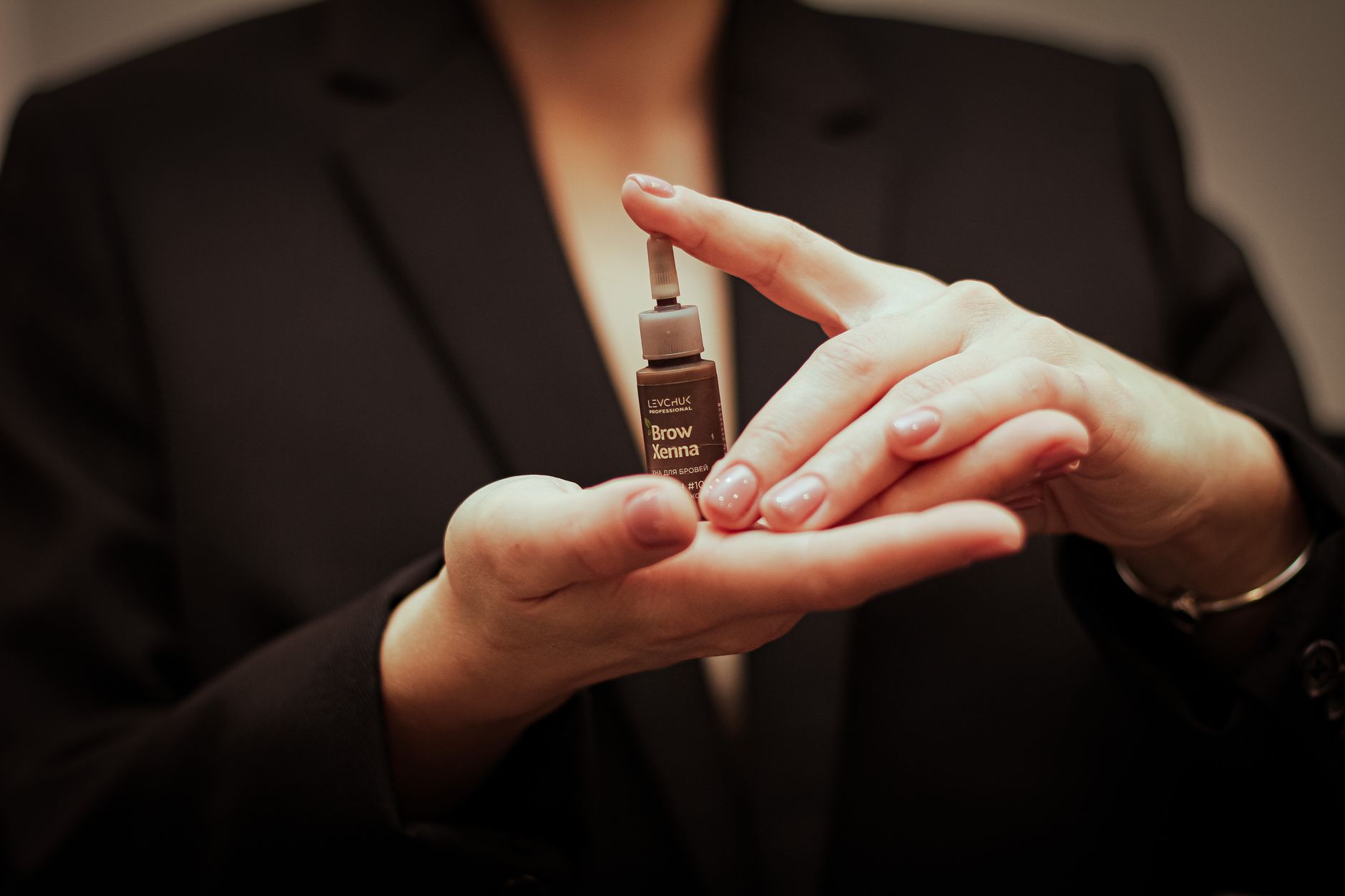
Henna brow tint offers a pregnancy‑friendly, temporary color option.
Related items — safety at a glance
Item
Verdict
One‑line note
Microblading
⚠️ Talk to your doctor
Skin‑penetrating pigment; infection risk.
Eyebrow tattoo
❌ Best avoided
Deeper pigment; higher infection potential.
Powder brows
⚠️ Talk to your doctor
Semi‑permanent; similar risks to microblading.
Ombre brows
⚠️ Talk to your doctor
Blended pigment; still requires skin penetration.
Eyebrow lamination
✅ Generally safe
Non‑pigment chemical treatment; low infection risk.
Eyebrow threading
✅ Generally safe
Mechanical hair removal; no pigment involved.
Eyebrow waxing
✅ Generally safe
Heat‑based hair removal; avoid if skin is overly sensitive.
Myth vs. fact
Myth: “Microblading dye is just a harmless color, so it can’t affect my baby.”
Fact: While the pigment itself is low‑risk, the procedure breaks the skin barrier, creating a pathway for infection. Because there is no pregnancy‑specific safety data, most clinicians advise postponing the treatment.
Myth: “All microblading pigments are the same, so brand doesn’t matter.”
Fact: Pigment formulations vary widely. Some contain trace heavy metals or undisclosed additives that could be more concerning during pregnancy, so selecting a brand with transparent testing is essential.
Myth: “If I’m in my third trimester, it’s safe because the baby is almost fully formed.”
Fact: The infection risk remains throughout pregnancy, and the lack of data means the safest approach is to avoid the procedure at any stage.
Key takeaways
Most medical bodies recommend postponing microblading dye until after delivery due to limited safety data.
The first trimester carries the highest theoretical risk because of organ development.
Even “pregnancy‑friendly” pigment brands cannot eliminate infection risk.
Pregnant women should consider temporary, non‑invasive alternatives like henna tint or brow mascara.
Watch for signs of infection or allergic reaction and contact your provider promptly if they appear.
Always discuss any planned cosmetic procedure with your obstetrician and a board‑certified dermatologist.
Frequently asked questions
Can I get microblading done while pregnant?
Most experts advise against it. The procedure involves skin penetration, which can increase infection risk, and there is no robust data confirming safety for the fetus.
Is the pigment used in microblading harmful to a fetus?
Current evidence is inconclusive; however, because the pigment’s composition can include trace metals, clinicians prefer to err on the side of caution and recommend avoidance during pregnancy.
How long does microblading dye stay on during pregnancy?
Microblading pigment typically lasts 12‑18 months in non‑pregnant skin. Hormonal changes in pregnancy may cause the color to fade slightly faster, but the pigment remains present for months.
What are the side effects of microblading for pregnant women?
Common side effects include temporary redness, swelling, and mild itching. More serious concerns are infection or an allergic reaction, which require medical evaluation.
Do microblading salons use safer dyes for pregnant clients?
Some salons offer pigments marketed as “pregnancy‑friendly,” but these claims are not regulated. Always ask for ingredient lists and third‑party testing results before proceeding.
Should I avoid microblading if I'm trying to conceive?
Yes, it’s wise to avoid any elective skin‑penetrating procedure while trying to conceive, as the unknown pigment exposure could affect early embryo development.
Can microblading cause allergic reactions during pregnancy?
Allergic reactions are possible, especially in people with known metal sensitivities. Symptoms may include itching, swelling, and rash; severe reactions require immediate medical attention.
When to call your doctor
If you notice any of the following after a microblading session, contact your obstetric provider right away:
Fever above 100.4 °F (38 °C) or chills.
Increasing pain, redness, or swelling that spreads beyond the brow area.
Rapid onset of a rash, hives, or difficulty breathing.
Persistent nausea or vomiting that worsens after the procedure.
Any unusual discharge from the treated skin.
These symptoms could indicate infection or an allergic reaction, both of which need prompt evaluation. Remember, this article provides general information and is not a substitute for personalized medical advice.
References
American College of Obstetricians and Gynecologists (ACOG). “Non‑obstetric procedures during pregnancy.” ACOG Committee Opinion, 2022.
U.S. Food and Drug Administration (FDA). “Cosmetic Ingredient Review: Iron Oxides.” FDA Guidance Document, 2021.
National Health Service (NHS). “Tattooing and pregnancy.” NHS website, accessed July 2024.
American Academy of Dermatology (AAD). “Cosmetic tattooing: safety considerations.” AAD Clinical Practice Guidelines, 2023.
World Health Organization (WHO). “Guidelines on infection control for cosmetic procedures.” WHO Technical Report Series, 2020.
Mayo Clinic. “Skin infections during pregnancy.” Mayo Clinic Patient Care, 2023.
European Union Cosmetic Regulation (EC) No 1223/2009. “Regulation of cosmetic products.” Official Journal of the EU, 2009.
Not sure about the label on Is Microblading Dye Safe During Pregnancy products?
Snap the ingredients list and SafeFilter checks every ingredient for your stage — only 3 free scans this month, then you're locked until reset. Unlimited from $7/mo or $50/yr.
When Shubhra Mishra was expecting her first child in 2016, she was overwhelmed by conflicting food advice — one site said yes, another said never. By the time her second baby arrived in 2019, she realized millions of mothers face the same confusion.
That sparked a five-year journey through clinical nutrition papers, cultural diets, and expert conversations — all leading to BumpBites: a calm, compassionate space where science meets everyday motherhood.
Her long-term vision is to build a global community ensuring safe, supported, and free deliveriesfor every mother — because no woman should face pregnancy alone or uninformed. 🌿
🌍 Stand with mothers, shape safer guidance
Join a small circle of experts who review BumpBites articles so expecting parents everywhere can decide with confidence.