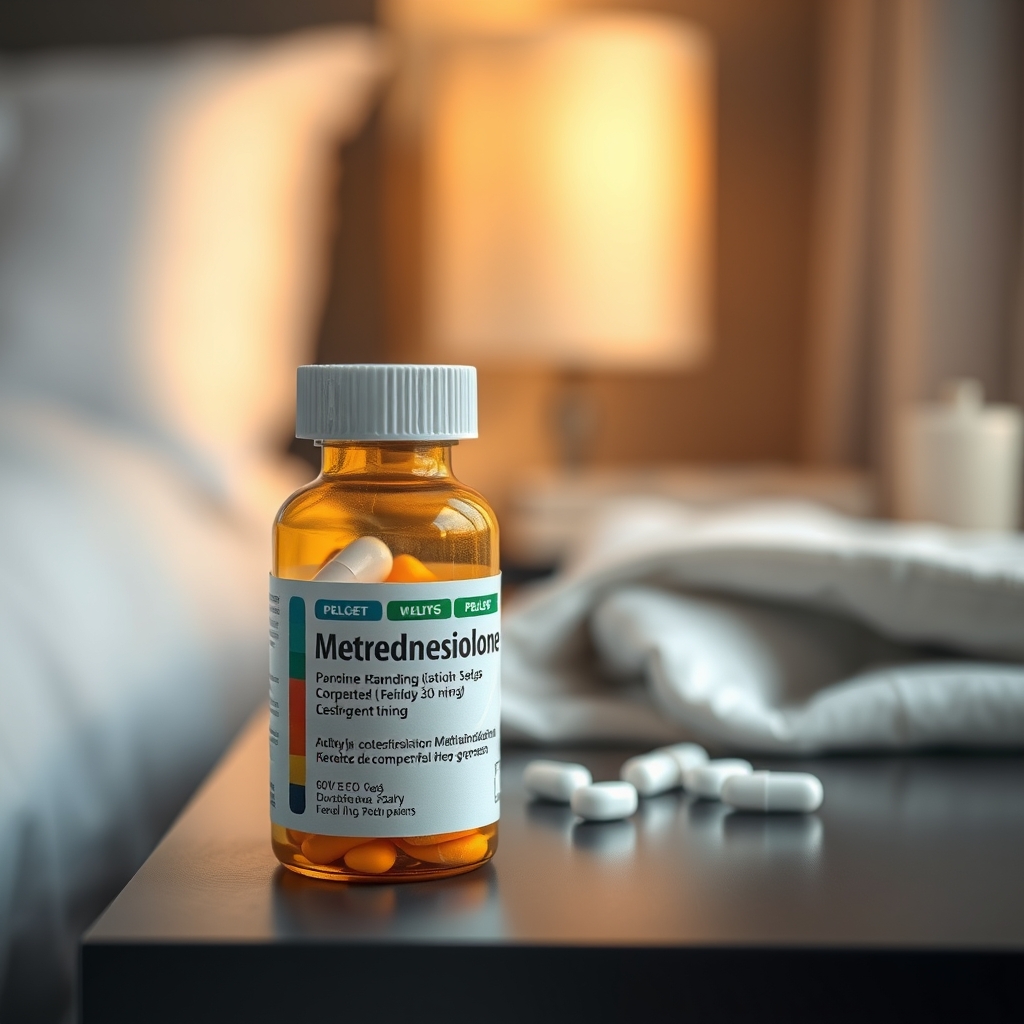
Limit methylprednisolone during pregnancy, especially in the first trimester. Low doses may be safe for severe conditions, but consult your doctor first.
By Shubhra Mishra — a mom of two who turned her own confusion during pregnancy into BumpBites, a global mission to make food choices clear, safe, and stress-free for every expecting mother. 💛
Check whether any food is safe during pregnancy with the BumpBites Food Safety Checker.
Quick verdict: ⚠️ Talk to your doctor first. Methylprednisolone can be used when the benefit outweighs the potential risk, but it is not considered universally safe for all pregnant patients.
It’s completely normal to stare at the pharmacy shelf at 2 a.m. and wonder, “is methylprednisolone safe during pregnancy?” You might have already taken a dose for a flare‑up, or you could be weighing whether to start a prescribed course for an autoimmune condition. The good news is that most experts agree the drug isn’t automatically forbidden—its safety depends on the dose, timing, and the condition being treated. In this article we’ll break down the current medical guidance, trimester‑specific considerations, recommended dosages, brand information, potential risks, and safer alternatives so you can make an informed decision with confidence.
We’ll walk through the evidence from organizations such as the American College of Obstetricians and Gynecologists (ACOG), the U.K.’s National Health Service (NHS), and the U.S. Food and Drug Administration (FDA). You’ll also find quick‑reference tables, practical tips, and a list of related corticosteroids to help you compare safety at a glance. By the end, you’ll know exactly what to discuss with your provider and when you can breathe easier.
Seeing a prescription label can trigger anxiety—remember, you’re not alone, and your provider can help clarify the risks.
Trimester / Breastfeeding
Verdict
Notes
First trimester
⚠️ Use only if essential
Limited data; potential teratogenic risk, weigh benefits vs. risks.
Second trimester
⚠️ Use with caution
Evidence suggests lower risk than first trimester, but monitor fetal growth.
Third trimester
⚠️ Use with caution
Possible impact on fetal adrenal development; avoid prolonged high‑dose courses.
Breastfeeding
⚠️ Generally compatible
Low levels in breast milk; monitor infant for irritability.
What is methylprednisolone?
Methylprednisolone is a synthetic glucocorticoid—a type of steroid hormone that mimics cortisol, the body’s natural anti‑inflammatory agent. It works by binding to glucocorticoid receptors, reducing the production of inflammatory chemicals, and suppressing immune system activity. Because of these actions, it is prescribed for a wide range of conditions, including asthma exacerbations, allergic reactions, rheumatoid arthritis, lupus flares, and certain skin disorders. The medication comes in several forms: oral tablets, injectable solutions (often given intravenously for severe inflammation), and topical creams for localized skin issues. Its potency is roughly 1.25 times that of prednisone, meaning lower doses can achieve similar anti‑inflammatory effects.
In the United States, the FDA classifies methylprednisolone as a Category C drug for pregnancy. This category indicates that animal studies have shown adverse effects on the fetus, but there are no well‑controlled studies in pregnant women, and the drug may still be prescribed if the potential benefits justify the potential risks. The NHS echoes this stance, advising clinicians to limit use to situations where the mother’s health would be compromised without treatment. Understanding how this medication fits into the broader class of corticosteroids helps you compare its safety profile with related drugs.
Is methylprednisolone safe during pregnancy?
C
urrent guidance from ACOG states that corticosteroids, including methylprednisolone, can be used during pregnancy when the therapeutic benefit outweighs the possible fetal risk. The organization emphasizes that short courses at the lowest effective dose are preferable, especially during the first trimester when organ formation (organogenesis) is most vulnerable. The FDA’s Category C classification aligns with this cautious approach, noting that human data are limited but not definitively harmful.
Research published in the American Journal of Obstetrics & Gynecology has examined outcomes in women who received systemic corticosteroids for autoimmune diseases. The studies found no statistically significant increase in major congenital anomalies, though there was a modest rise in low birth weight when high doses were used in the third trimester. A systematic review by the UK’s National Institute for Health and Care Excellence (NICE) concluded that methylprednisolone is acceptable for acute severe inflammation, provided that clinicians monitor fetal growth and maternal glucose levels.
In practice, many obstetricians follow a “step‑down” strategy: start with the lowest dose needed to control the disease, then taper as soon as the condition stabilizes. This approach reduces exposure while still protecting the mother from uncontrolled inflammation, which itself can pose risks such as preeclampsia and preterm labor. If you’re prescribed methylprednisolone, expect your provider to discuss the exact dosage, duration, and any extra monitoring that may be required.
Is methylprednisolone safe to take in the first trimester?
The first trimester is the period of organogenesis, when the fetus’s major organs are forming. Because of this heightened vulnerability, ACOG advises that methylprednisolone should be reserved for situations where the mother’s health would be jeopardized without treatment, such as severe asthma attacks or active lupus. Limited human data suggest a slight increase in the odds of minor birth defects with high‑dose, prolonged courses, but most short‑term, low‑dose regimens have not demonstrated a clear teratogenic signal.
If you require methylprednisolone in the first trimester, your obstetrician will likely opt for the lowest effective oral dose and may order an early anatomy ultrasound to confirm normal development. Close follow‑up, including fetal growth scans and maternal glucose checks, helps mitigate any potential risk.
Is methylprednisolone safe during the third trimester of pregnancy?
During the third trimester, the primary concern shifts from organ formation to fetal growth and adrenal maturation. Corticosteroids can cross the placenta, and high‑dose methylprednisolone has been associated with reduced fetal weight and, in rare cases, transient adrenal suppression in the newborn. Nevertheless, ACOG notes that short, moderate‑dose courses are generally acceptable when indicated for conditions such as severe rheumatoid arthritis flare‑ups or acute respiratory distress.
If you’re prescribed methylprednisolone after 28 weeks, your provider will likely limit the duration to under two weeks and monitor fetal growth via ultrasound. In some cases, a tapering schedule is recommended to avoid abrupt cessation, which could trigger a rebound of the underlying disease.
What is the recommended dosage of methylprednisolone for pregnant women?
Because dosing must be individualized, the safest recommendation is to use the “lowest effective dose for the shortest possible time.” For most inflammatory conditions, oral tablets are started at 4 mg to 16 mg per day, with adjustments based on clinical response. Intravenous pulses (e.g., 500 mg to 1 g daily for 3 days) are sometimes employed for severe flare‑ups, but such high‑dose regimens are reserved for life‑threatening situations and require close fetal monitoring.
Below is a quick reference for typical dosing ranges, but remember that your provider will tailor the plan to your specific condition.
Formulation
Typical dose range in pregnancy
Notes
Oral tablets
4 mg–16 mg once daily
Start low; increase only if disease activity persists.
Intravenous infusion
500 mg–1 g daily for up to 3 days
Reserved for severe, acute inflammation; monitor fetal growth.
Topical cream (0.1%–0.5%)
Apply thin layer 1–2 times daily
Systemic absorption is minimal; generally safe.
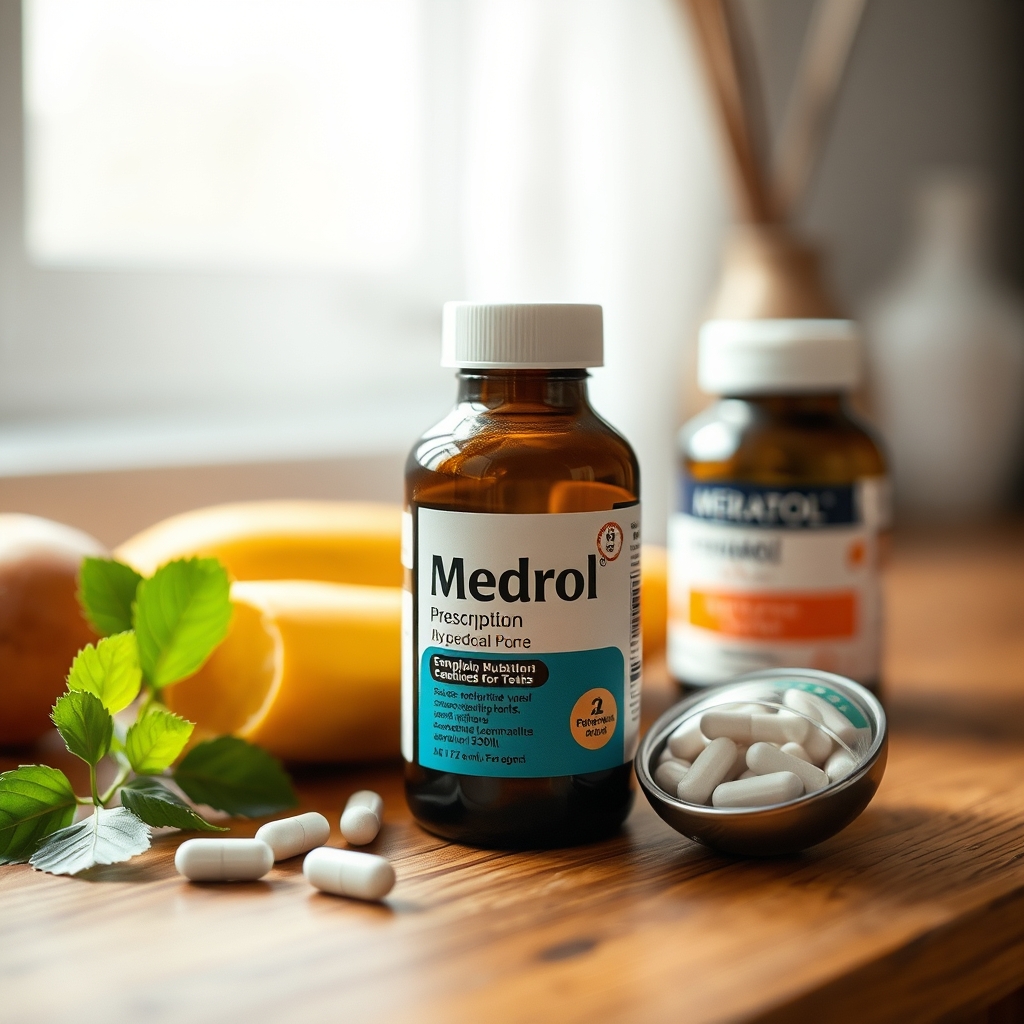
Brand names such as Medrol, Solu‑Medrol, and Depo‑Medrol contain the same active ingredient, and their safety profiles are essentially identical. Regardless of brand, the guiding principle remains the same: limit exposure, monitor, and adjust as needed.
Medication labels can look intimidating, but they also help you keep track of dosing schedules.
Are there safer alternatives to methylprednisolone for pregnant patients?
Acetaminophen (Tylenol) – effective for mild pain and fever without known fetal risk.
Paracetamol – the international name for acetaminophen; same safety profile.
Hydrocortisone cream (topical) – low‑potency steroid for skin inflammation with minimal systemic absorption.
Physical therapy – non‑pharmacologic option for musculoskeletal pain and joint stiffness.
Cold compress therapy – helps reduce localized swelling and discomfort without medication.
Rest and hydration – simple measures that can lessen the severity of certain inflammatory episodes.
What are the brand names of methylprednisolone and their pregnancy safety?
In the United States and Canada, methylprednisolone is marketed under several brand names, including Medrol, Solu‑Medrol (intravenous formulation), and Depo‑Medrol (long‑acting injectable). In Europe, you may encounter the name Metilprednisol or generic equivalents. All of these contain the same active molecule, so safety considerations are consistent across brands. The FDA does not differentiate safety between brands; the focus is on dose, route, and duration. If you receive a branded product, verify that the label matches the prescribed dose and ask your pharmacist about any excipients that might cause allergies.
What potential risks does methylprednisolone pose to the unborn baby?
Potential fetal risks include:
Low birth weight or intrauterine growth restriction, especially with prolonged high‑dose therapy in the third trimester.
Transient adrenal suppression in the newborn, which can affect stress response after birth.
Possible increase in the odds of minor congenital anomalies when used in high doses during the first trimester, though data are not conclusive.
Maternal hyperglycemia, which can indirectly affect the fetus by increasing the risk of macrosomia and neonatal hypoglycemia.
Most of these risks are dose‑dependent and can be mitigated with careful monitoring. Your obstetric team will likely schedule additional ultrasounds and glucose screenings if you’re on a corticosteroid regimen.
How does methylprednisolone affect pregnancy complications like gestational diabetes?
Corticosteroids raise blood glucose levels by promoting gluconeogenesis and decreasing peripheral glucose uptake. In pregnant women, this effect can exacerbate or precipitate gestational diabetes. The ACOG Committee Opinion on gestational diabetes recommends close glucose monitoring for any pregnant patient receiving systemic steroids. If you develop gestational diabetes while on methylprednisolone, your provider may adjust the steroid dose, switch to a lower‑potency corticosteroid, or add insulin or oral hypoglycemic agents as needed.
In practice, many clinicians aim to keep steroid courses under two weeks and use the lowest effective oral dose to limit hyperglycemia. Regular fasting glucose checks and a 75‑gram oral glucose tolerance test (OGTT) are common monitoring tools.
Does methylprednisolone cross the placenta and affect fetal development?
Yes, methylprednisolone does cross the placenta, but it is partially inactivated by the placental enzyme 11β‑hydroxysteroid dehydrogenase type 2 (11β‑HSD2). This enzyme converts active glucocorticoids into less active metabolites, thereby providing a protective barrier for the fetus. However, at higher maternal concentrations, the enzyme can become saturated, allowing more active drug to reach the fetus. This is why high‑dose or prolonged therapy warrants closer fetal surveillance.
Studies measuring fetal plasma levels after maternal administration show that concentrations are typically 10‑20 % of maternal levels, which is generally considered low enough to avoid major developmental disruption. Nonetheless, the precautionary principle remains: use the minimal effective dose for the shortest duration.
Side effects and risks
Maternal side effects of methylprednisolone include increased appetite, weight gain, mood changes, insomnia, and elevated blood pressure. Long‑term use can lead to osteoporosis, cataracts, and adrenal insufficiency. For the fetus, the main concerns are low birth weight, transient adrenal suppression, and, as noted, a possible slight rise in minor congenital anomalies with high‑dose exposure early in pregnancy.
If you notice any of the following, contact your provider promptly:
Severe swelling of the hands, feet, or face.
Unexplained high fever or persistent infection.
Rapid weight gain (>2 kg in a week) or swelling of the abdomen.
Signs of high blood sugar: excessive thirst, frequent urination, or blurred vision.
Fetal movement changes after the 20‑week mark.
These symptoms may indicate that the steroid dose is too high or that a complication is developing.
Safer alternatives
Acetaminophen (Tylenol) – safe for mild pain and fever; does not cross the placenta in harmful amounts.
Paracetamol – same safety profile as acetaminophen, widely used internationally.
Hydrocortisone cream – low‑potency topical steroid for skin inflammation with minimal systemic absorption.
Physical therapy – helps manage musculoskeletal pain without medication.
Cold compress therapy – reduces localized swelling and discomfort.
Rest and hydration – simple measures that can lessen the severity of certain inflammatory episodes.
Related items — safety at a glance
Item
Verdict
One‑line note
Prednisone
⚠️ Use with caution
Similar potency; most data come from prednisone studies.
Prednisolone
⚠️ Use with caution
Active metabolite of prednisone; slightly lower placental transfer.
Dexamethasone
⚠️ Use with caution
Higher placental passage; often used for fetal lung maturity.
Hydrocortisone
✅ Generally safe
Low potency; commonly used topically and in low oral doses.
Betamethasone
⚠️ Use with caution
Often given antenatally for lung development; short courses are safe.
Triamcinolone
⚠️ Use with caution
Potent topical steroid; minimal systemic absorption when used correctly.
Myth vs. fact
Myth: All steroids are dangerous for the baby.
Fact: Not all corticosteroids carry the same risk; low‑dose methylprednisolone can be used when the maternal benefit outweighs potential fetal harm, especially for short courses.
Myth: If you take methylprednisolone once, the baby will be harmed.
Fact: A single low‑dose tablet is unlikely to cause fetal injury; most concerns arise from prolonged or high‑dose exposure.
Myth: You must stop all steroid medication the moment you discover you’re pregnant.
Fact: Abrupt discontinuation can trigger disease flare‑ups that are more hazardous to both mother and baby than controlled steroid use.
Key takeaways
⚠️ Methylprednisolone is not automatically unsafe; use the lowest effective dose for the shortest time.
First‑trimester exposure should be limited to essential cases; discuss risks with your provider.
Monitor blood glucose and fetal growth, especially with third‑trimester or high‑dose courses.
Consider safer alternatives such as acetaminophen, topical hydrocortisone, or non‑pharmacologic therapies when appropriate.
Always inform your obstetrician of any steroid prescriptions and follow recommended monitoring schedules.
Frequently asked questions
Can methylprednisolone cause birth defects?
Current evidence suggests that low‑dose, short‑term methylprednisolone is not associated with a clear increase in major birth defects, though high doses in the first trimester may carry a slight risk.
Is it safe to take methylprednisolone while breastfeeding?
Yes, most guidelines indicate that methylprednisolone is compatible with breastfeeding; only minimal amounts pass into breast milk, and infants are unlikely to experience adverse effects.
What are the side effects of methylprednisolone during pregnancy?
Side effects can include increased appetite, weight gain, elevated blood pressure, mood changes, and higher blood glucose levels, which may exacerbate gestational diabetes.
How long should I wait after stopping methylprednisolone before trying to conceive?
Because methylprednisolone has a short half‑life, most clinicians advise waiting at least one menstrual cycle after discontinuation before attempting conception, though exact timing should be personalized.
Does methylprednisolone increase the risk of preterm labor?
There is no strong evidence linking methylprednisolone to preterm labor; however, uncontrolled maternal inflammation can increase the risk, so appropriate treatment is important.
Are there any natural alternatives to methylprednisolone for pregnant women?
While no natural supplement fully replaces the anti‑inflammatory power of steroids, options like omega‑3 fatty acids, ginger for nausea, and gentle yoga for musculoskeletal pain can provide modest relief.
What dosage of methylprednisolone is considered safe in pregnancy?
Generally, oral doses of 4 mg–16 mg per day for short periods are considered the safest range, but the exact dose should be individualized by your provider.
When to call your doctor
If you experience any of the following while taking methylprednisolone, contact your obstetrician or midwife right away:
Sudden swelling of the hands, feet, or face.
Severe or persistent high fever.
Rapid weight gain (>2 kg in a week) or significant fluid retention.
Signs of high blood sugar: excessive thirst, frequent urination, or blurred vision.
Decreased fetal movement after 20 weeks.
Any new, concerning skin rash or infection.
These symptoms may signal that the medication dose needs adjustment or that a complication is developing. Remember, this article provides general information and does not replace personalized medical advice. Always discuss your specific situation with a qualified healthcare professional.
References
American College of Obstetricians and Gynecologists. “Use of Corticosteroids in Pregnancy.” ACOG Committee Opinion, 2023.
U.S. Food and Drug Administration. “Pregnancy Category C Drugs.” FDA Guidance, 2022.
National Health Service (UK). “Steroids and Pregnancy.” NHS website, updated 2023.
National Institute for Health and Care Excellence (NICE). “Corticosteroid Use in Pregnancy.” NICE Clinical Guideline, 2021.
American Journal of Obstetrics & Gynecology. “Maternal and Fetal Outcomes After Systemic Corticosteroid Therapy.” AJOG, 2020.
Centers for Disease Control and Prevention. “Gestational Diabetes and Medication Management.” CDC Maternal Health, 2022.
World Health Organization. “Guidelines for Safe Medication Use in Pregnancy.” WHO Publication, 2021.
Not sure about the label on Is Methylprednisolone Safe During Pregnancy products?
Snap the ingredients list and SafeFilter checks every ingredient for your stage — only 3 free scans this month, then you're locked until reset. Unlimited from $7/mo or $50/yr.
When Shubhra Mishra was expecting her first child in 2016, she was overwhelmed by conflicting food advice — one site said yes, another said never. By the time her second baby arrived in 2019, she realized millions of mothers face the same confusion.
That sparked a five-year journey through clinical nutrition papers, cultural diets, and expert conversations — all leading to BumpBites: a calm, compassionate space where science meets everyday motherhood.
Her long-term vision is to build a global community ensuring safe, supported, and free deliveriesfor every mother — because no woman should face pregnancy alone or uninformed. 🌿
🌍 Stand with mothers, shape safer guidance
Join a small circle of experts who review BumpBites articles so expecting parents everywhere can decide with confidence.