Avoid martinis during pregnancy. Alcohol, including martinis, poses risks like fetal alcohol syndrome. Learn safe alternatives and trimester-specific guidelines.
By Shubhra Mishra — a mom of two who turned her own confusion during pregnancy into BumpBites, a global mission to make food choices clear, safe, and stress-free for every expecting mother. 💛
Check whether any food is safe during pregnancy with the BumpBites Food Safety Checker.
Quick verdict: ❌ Best avoided. No amount of martini is considered safe for a pregnant person; the alcohol in gin and vermouth can affect fetal development. If you’ve already had a sip, stay calm and discuss it with your provider.
It’s 3 a.m., the kitchen light is on, and you’re staring at a half‑filled martini glass wondering, “is martini safe during pregnancy?” That sudden spike of anxiety is completely understandable—especially when you love a good cocktail. The short answer is that martinis, like any alcoholic beverage, are not recommended once you’re pregnant. In this article we’ll break down why, explore what the research says about each trimester, discuss how much (if any) is considered safe, and give you tasty non‑alcoholic alternatives that let you still enjoy a festive sip.
We’ll also cover brand considerations, special situations such as hypertension, and the warning signs that mean you should call your doctor right away. By the end you’ll have a clear, evidence‑based picture of the risks and a handful of safe options to keep your evenings enjoyable without compromising your baby’s health.
Stage
Verdict
Notes
First trimester
❌ Best avoided
Organ formation is most vulnerable; any alcohol can increase risk of miscarriage or congenital anomalies.
Second trimester
❌ Best avoided
Brain development continues; alcohol exposure can affect neurodevelopment and growth.
Third trimester
❌ Best avoided
Alcohol can reduce fetal weight and impair lung maturation.
Breastfeeding
⚠️ Talk to your doctor
Alcohol passes into breast milk; limit to occasional, very small amounts if approved by provider.
What is a martini?
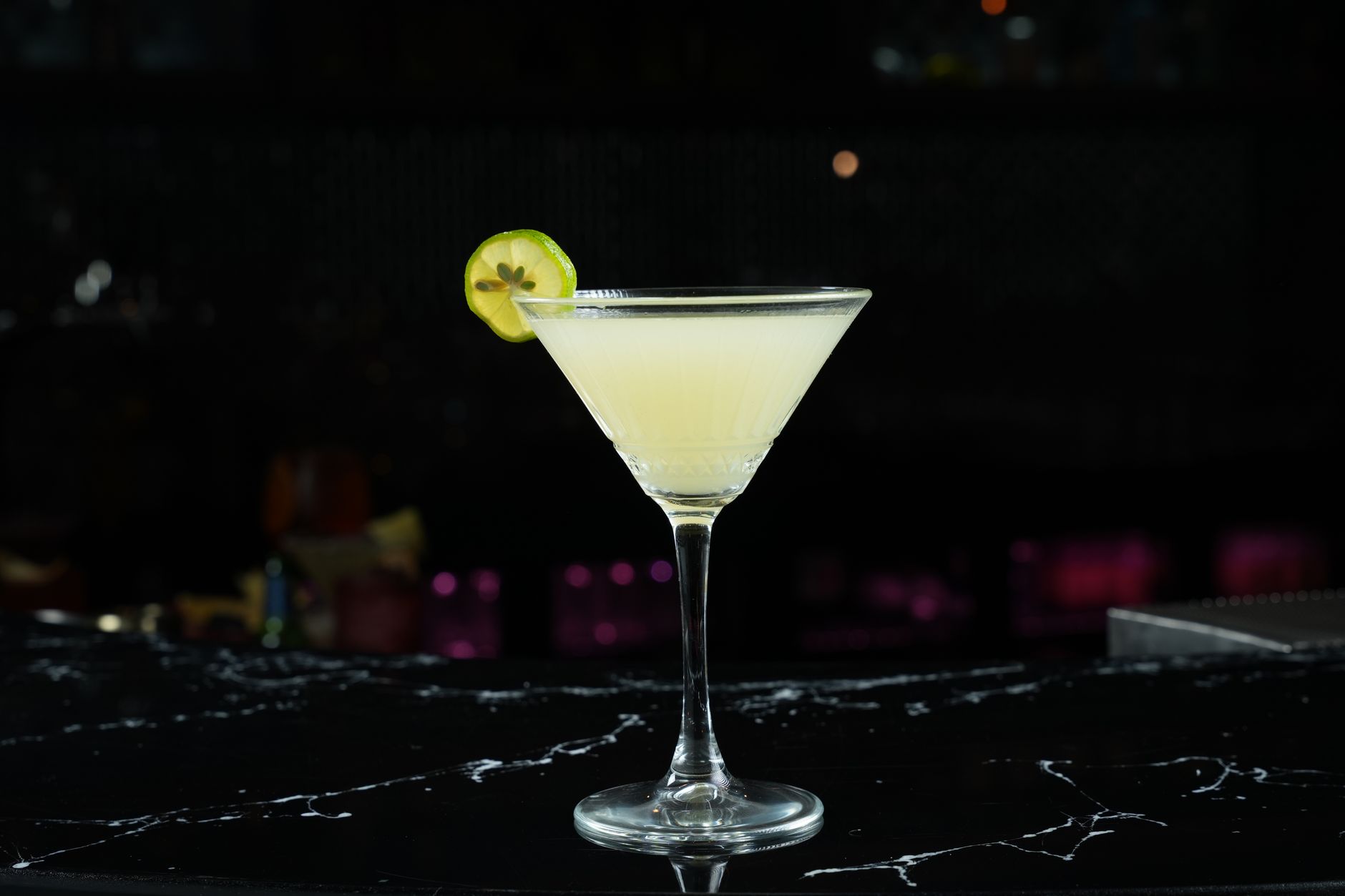
A martini is a classic cocktail traditionally made with gin and dry vermouth, stirred or shaken with ice, and strained into a chilled glass. It’s often garnished with an olive or a lemon twist. The gin provides the alcoholic base (typically 40% ABV), while vermouth adds a sweet‑herbal flavor and a lower alcohol content (about 15% ABV). Variations exist—vodka can replace gin, and the ratio of gin to vermouth can be adjusted for a “dry” or “wet” martini. Because the drink is usually served neat and in small volumes (about 3 oz per serving), many people think a single martini is a modest indulgence. However, the alcohol in both gin and vermouth is still metabolized by the body and can cross the placenta, exposing the fetus to ethanol.
Is a martini safe during pregnancy?
C
urrent guidance from the American College of Obstetricians and Gynecologists (ACOG) and the UK’s National Health Service (NHS) recommends that pregnant people abstain from alcohol entirely. Both organizations state that no level of alcohol has been proven safe for the developing fetus. The CDC echoes this recommendation, noting that alcohol consumption during pregnancy is associated with a higher risk of fetal alcohol spectrum disorders (FASDs). Because a martini contains roughly 1.5 standard drinks, it delivers enough ethanol to potentially affect fetal development.
The primary concern is that ethanol can cross the placenta freely, reaching the fetus at similar concentrations to the mother’s blood. In the first trimester, when organs are forming, even low‑level exposure can increase the chance of structural anomalies and miscarriage. Later in pregnancy, alcohol can interfere with brain development, leading to learning and behavioral difficulties that may not become apparent until years after birth.
Some older studies suggested that occasional, low‑dose alcohol might be “low risk,” but more recent systematic reviews—including a 2022 meta‑analysis published in The Lancet—found no safe threshold. The safest choice, therefore, is to avoid martinis (and all other alcoholic drinks) throughout pregnancy.
Is it safe to drink a martini in the first trimester?
The first trimester is the period of organogenesis, when the baby’s major organs are forming. Alcohol exposure during this window can increase the risk of miscarriage, congenital heart defects, and facial abnormalities. A single martini, which provides about 1.5 standard drinks, delivers enough ethanol to raise the mother’s blood alcohol concentration (BAC) to levels that have been linked with these adverse outcomes. ACOG explicitly advises avoiding any alcohol in the first three months to protect the fetus’s developing structures.
If you’ve already had a martini before learning you were pregnant, try not to panic. A single episode is unlikely to cause lasting harm, but it’s important to discuss it with your obstetric provider so they can monitor your pregnancy appropriately.
Can I have a martini during the second trimester?
The second trimester is a time of rapid brain growth and continued organ refinement. While the risk of structural anomalies decreases after the first trimester, the fetal brain remains highly sensitive to alcohol. Studies have shown that even moderate drinking in the second trimester can lead to lower birth weight and subtle neurodevelopmental deficits. The NHS states that “there is no safe level of drinking at any stage of pregnancy,” reinforcing the recommendation to avoid martinis throughout the second trimester as well.
For pregnant people with a history of heavy drinking, the guidance is even stricter: abstinence is essential to reduce the chance of FASDs. If you’re uncertain about past consumption, bring it up at your next prenatal visit; your provider can recommend appropriate screenings and support.
How many martinis are safe to consume while pregnant?
There is no scientifically established “safe number” of martinis—or any alcoholic beverage—during pregnancy. Both ACOG and the CDC advise complete abstinence because ethanol is a known teratogen, and the dose‑response relationship is not fully understood. Even one martini can raise maternal BAC to about 0.03–0.05%, a level that can be detected in the fetus.
If you’re trying to gauge risk, think of a martini as roughly 1.5 standard drinks. The U.S. Dietary Guidelines for Americans define a standard drink as 14 g of pure alcohol, and the recommendation for pregnant people is zero drinks. In short, the safest answer to “how many martinis are safe?” is zero.
What are the risks of drinking martinis while pregnant?
Alcohol in martinis can lead to several pregnancy‑specific complications:
Miscarriage: Studies show a dose‑dependent increase in miscarriage risk with any alcohol exposure.
Fetal alcohol spectrum disorders (FASDs): These include growth deficiencies, facial anomalies, and neurocognitive impairments that can last a lifetime.
Low birth weight and preterm birth: Alcohol can impair placental blood flow, reducing nutrient delivery.
Neurodevelopmental delays: Even low‑level exposure may affect language, attention, and executive function later in childhood.
Beyond the fetus, alcohol can exacerbate maternal conditions such as hypertension, gestational diabetes, and depression, further complicating pregnancy management.
Are there non‑alcoholic martini alternatives for pregnancy?
Yes! You can enjoy the sophisticated flavor profile of a martini without the alcohol. Non‑alcoholic gin‑style spirits like Seedlip Garden 108 provide botanical notes similar to gin, and they pair beautifully with vermouth‑free mixers. Below are several mocktail ideas that keep the classic martini vibe:
Virgin Martini – Seedlip Garden 108 mixed with a splash of olive brine and garnished with an olive.
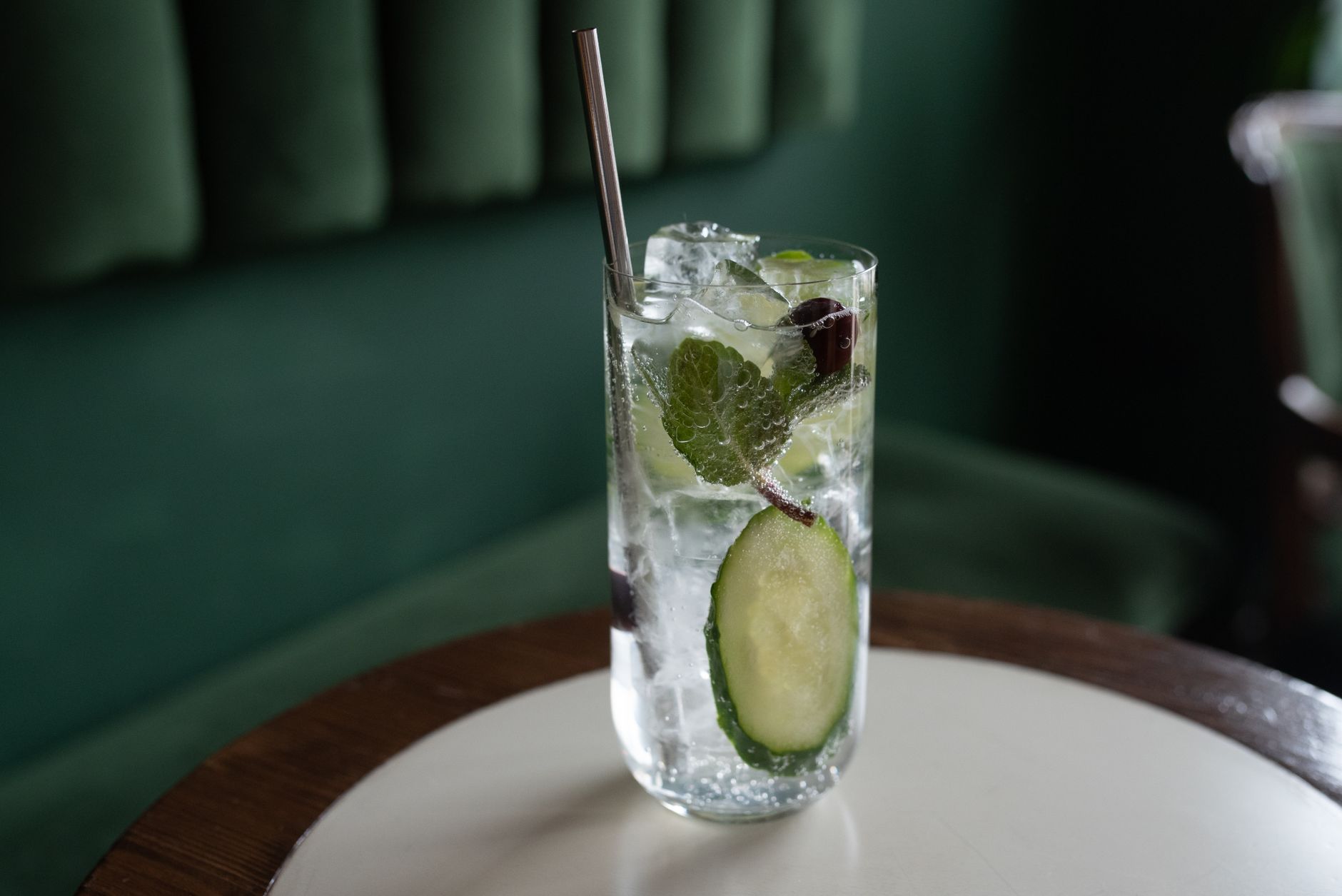
Cucumber Lime Mocktail – Fresh cucumber juice, lime, a dash of tonic water, and a sprig of mint.
Sparkling Apple Cider – Apple cider with a splash of club soda and a cinnamon stick.
Ginger Beer Mocktail – Ginger beer with a squeeze of lemon and a few dashes of bitters (alcohol‑free).
Herbal Chamomile Tea – Brewed chamomile chilled, mixed with a hint of honey and a lemon twist.
Fruit‑Infused Sparkling Water – Water infused with berries, orange slices, and a sprig of rosemary.
These options provide the ritual of sipping a stylish drink while keeping your pregnancy safe.
Does the brand of gin affect pregnancy safety of martinis?
All distilled spirits, regardless of brand, contain ethanol at similar concentrations (typically 40% ABV). Some premium gins market “low‑alcohol” or “reduced‑ABV” versions, but even a 20% ABV gin still delivers enough alcohol to raise BAC. The FDA does not differentiate safety based on brand; the chemical risk comes from ethanol itself, not the botanical additives. Therefore, no gin brand makes a martini safe for pregnancy.
If you’re looking for a non‑alcoholic alternative, focus on alcohol‑free spirits (e.g., Seedlip) rather than trying to find a “safer” gin.
Can a pregnant woman with hypertension drink a martini?
No. Alcohol can raise blood pressure and interfere with antihypertensive medications. For pregnant people with hypertension, ACOG specifically recommends avoiding alcohol entirely because it may worsen the condition and increase the risk of preeclampsia. Even a single martini could cause a temporary spike in systolic and diastolic pressures, which is unnecessary and unsafe.
What are the effects of alcohol in martinis on fetal development?
Alcohol exposure during pregnancy interferes with the normal growth of fetal cells. Ethanol can cause oxidative stress, disrupt cell signaling, and trigger apoptosis (programmed cell death) in developing brain tissue. These mechanisms underlie the spectrum of outcomes seen in FASDs, ranging from subtle learning difficulties to severe intellectual disability. In addition, alcohol can impair the formation of the heart, eyes, and other organs when exposure occurs early in gestation.
Because these effects are dose‑independent and can occur even at low levels, the safest recommendation is zero alcohol consumption throughout pregnancy.
Even a single martini can raise your blood alcohol level—consider a mocktail instead.
Safe dosage / amount / brands
Because the consensus is that no amount of alcohol is proven safe, we cannot provide a “safe dosage” for martinis. The standard adult serving of a martini is about 3 oz, containing roughly 1.5 standard drinks. If you’ve already had a martini, monitor how you feel and avoid further alcohol for the remainder of your pregnancy.
When shopping for non‑alcoholic alternatives, look for products that are labeled “alcohol‑free” (0.0% ABV) and have no added sugars or excessive caffeine. Trusted brands include Seedlip, Ritual Zero Proof, and non‑alcoholic sparkling waters from La Croix or Spindrift. Avoid “low‑alcohol” gin products, as they still contain measurable ethanol.
Side effects and risks
Short‑term side effects of drinking a martini while pregnant may include dizziness, nausea, and a temporary increase in heart rate. More concerning are the longer‑term risks:
Miscarriage: Elevated risk, especially with exposure in the first trimester.
Preterm labor and low birth weight: Alcohol can affect placental function.
Maternal health complications: Worsening hypertension, gestational diabetes, and depression.
If you experience severe abdominal pain, heavy bleeding, sudden swelling of the hands or face, or notice a rapid heartbeat after drinking, contact your obstetric provider immediately.
Try a Seedlip Garden 108 mocktail for a sophisticated, pregnancy‑safe sip.
Safer alternatives
Virgin Martini – Uses non‑alcoholic gin‑style spirit and olive brine for that classic salty note.
Seedlip Garden 108 Mocktail – Botanical flavors mimic gin without any alcohol.
Cucumber Lime Mocktail – Refreshing, low‑calorie, and hydrating.
Sparkling Apple Cider – Provides festive fizz without ethanol.
Ginger Beer Mocktail – Offers spice and warmth, perfect for cooler evenings.
Herbal Chamomile Tea – Soothing and caffeine‑free, great for relaxation.
Fruit‑Infused Sparkling Water – Customizable flavors with no added sugar or alcohol.
Related items — safety at a glance
Item
Verdict
One‑line note
Gin and tonic
❌ Best avoided
Contains gin (alcohol) and tonic; no safe amount during pregnancy.
Vodka soda
❌ Best avoided
Pure vodka is high‑proof alcohol; any dose can affect the fetus.
Red wine
❌ Best avoided
Even moderate wine consumption carries risk of FASDs.
White wine
❌ Best avoided
Same concerns as red wine; no safe threshold.
Champagne
❌ Best avoided
Bubbly still contains alcohol; avoid during pregnancy.
Beer
❌ Best avoided
Typically 4–5% ABV; any amount can cross the placenta.
Whiskey sour
❌ Best avoided
Whiskey is high‑proof; safe consumption not established.
Margarita
❌ Best avoided
Contains tequila and often orange liqueur; both are alcoholic.
Myth vs. fact
Myth: A single martini once during pregnancy is harmless. Fact: While a single episode is unlikely to cause severe damage, any alcohol exposure can increase the risk of miscarriage and developmental issues; the safest choice is none.
Myth: Low‑alcohol gin makes a martini safe for pregnant people. Fact: Even reduced‑ABV gin still contains ethanol; no amount of alcohol is proven safe during pregnancy.
Myth: “Wine‑in‑the‑morning” or occasional sipping is okay after the first trimester. Fact: ACOG and NHS advise abstinence throughout pregnancy because the fetal brain remains vulnerable at all stages.
Key takeaways
❌ Martinis are not considered safe at any stage of pregnancy; avoid them completely.
Alcohol in gin and vermouth crosses the placenta and can cause miscarriage, low birth weight, and FASDs.
No safe amount or brand of gin exists—ethanol is the risk factor, not the botanical additives.
If you have hypertension, diabetes, or other conditions, alcohol can worsen those complications.
Non‑alcoholic mocktails like Seedlip Garden 108 or a cucumber lime refresher provide a stylish alternative.
Contact your provider if you notice any concerning symptoms after alcohol exposure.
Frequently asked questions
Is it safe to drink alcohol while pregnant?
No. Leading health organizations—including ACOG, NHS, and CDC—recommend complete abstinence because any alcohol can potentially harm fetal development.
What is the safest amount of alcohol during pregnancy?
Zero drinks. No amount of alcohol, including a single martini, has been proven safe for a developing baby.
Can a pregnant woman have a glass of wine?
No. Wine contains ethanol, and the same guidelines that apply to martinis also apply to wine; abstinence is recommended.
What are the effects of alcohol on a developing baby?
Alcohol can lead to fetal alcohol spectrum disorders, low birth weight, miscarriage, and long‑term neurodevelopmental problems such as learning disabilities and behavioral challenges.
How long after drinking alcohol is it safe to conceive?
Alcohol clears from the bloodstream within 24 hours, but many providers advise waiting at least a few weeks after regular drinking to ensure optimal health before trying to conceive.
Can I have a non‑alcoholic cocktail during pregnancy?
Yes. Non‑alcoholic mocktails, such as a Seedlip Garden 108 Virgin Martini or a cucumber lime mocktail, are safe and allow you to enjoy a festive drink without risking fetal exposure.
Does occasional alcohol consumption harm the fetus?
Even occasional drinking can increase the risk of subtle developmental issues; the safest approach is to avoid alcohol entirely during pregnancy.
What are the signs of fetal alcohol syndrome?
Signs may include growth deficits, distinct facial features (smooth philtrum, thin upper lip), and neurodevelopmental problems that become evident as the child grows.
When to call your doctor
If you experience any of the following after consuming a martini or any alcohol, contact your obstetric provider promptly:
Severe abdominal pain or cramping
Heavy vaginal bleeding or spotting
Sudden swelling of the face, hands, or feet
Rapid heartbeat (more than 100 beats per minute) persisting for more than an hour
Signs of preeclampsia such as severe headaches, vision changes, or high blood pressure
Any concerns about fetal movement or decreased activity
These symptoms could indicate complications that need immediate medical attention. Remember, this article provides general information and does not replace personalized medical advice. Always discuss your specific situation with your healthcare provider.
References
American College of Obstetricians and Gynecologists. “Alcohol Abuse and Alcohol Dependence: Committee Opinion.” ACOG, 2020.
National Health Service (NHS). “Alcohol and pregnancy.” NHS, updated 2022.
Centers for Disease Control and Prevention (CDC). “Fetal Alcohol Spectrum Disorders (FASDs).” CDC, 2023.
U.S. Food and Drug Administration (FDA). “Alcohol and Pregnancy.” FDA, 2021.
World Health Organization (WHO). “Alcohol use and pregnancy.” WHO, 2022.
Patra, J., et al. “Maternal alcohol consumption and risk of fetal developmental disorders.” The Lancet, 2022.
National Institute on Alcohol Abuse and Alcoholism (NIAAA). “Alcohol and Pregnancy.” NIAAA, 2023.
Not sure about the label on Is Martini Safe During Pregnancy products?
Snap the ingredients list and SafeFilter checks every ingredient for your stage — only 3 free scans this month, then you're locked until reset. Unlimited from $7/mo or $50/yr.
When Shubhra Mishra was expecting her first child in 2016, she was overwhelmed by conflicting food advice — one site said yes, another said never. By the time her second baby arrived in 2019, she realized millions of mothers face the same confusion.
That sparked a five-year journey through clinical nutrition papers, cultural diets, and expert conversations — all leading to BumpBites: a calm, compassionate space where science meets everyday motherhood.
Her long-term vision is to build a global community ensuring safe, supported, and free deliveriesfor every mother — because no woman should face pregnancy alone or uninformed. 🌿
🌍 Stand with mothers, shape safer guidance
Join a small circle of experts who review BumpBites articles so expecting parents everywhere can decide with confidence.