Limit margarita during pregnancy due to high alcohol content in first trimester
By Shubhra Mishra — a mom of two who turned her own confusion during pregnancy into BumpBites, a global mission to make food choices clear, safe, and stress-free for every expecting mother. 💛
Check whether any food is safe during pregnancy with the BumpBites Food Safety Checker.
Quick verdict: ❌ Best avoided. Margaritas contain alcohol, which is not considered safe at any amount during pregnancy. The American College of Obstetricians and Gynecologists (ACOG) and the Centers for Disease Control and Prevention (CDC) recommend that pregnant women avoid all alcoholic beverages, including margaritas, to prevent potential risks to the baby’s development. If you’re craving the flavor, opt for a non-alcoholic margarita instead.
You’re at a summer barbecue, the sun is setting, and someone hands you a frosty margarita rimmed with salt. You hesitate—you’re pregnant, and you’ve heard mixed things about alcohol. Maybe just one sip? Or maybe you’ve already had a margarita this week and now you’re panicking, Googling at midnight: is margarita safe during pregnancy? Take a deep breath. We’ve got the facts, the risks, and the safer alternatives—so you can make the best choice for you and your baby.
Margaritas are a beloved cocktail, but when you’re pregnant, the rules change. The truth is, there’s no known safe amount of alcohol during pregnancy, and margaritas—whether homemade, frozen, or low-alcohol—aren’t an exception. In this guide, we’ll break down why margaritas are best avoided, what the risks actually look like, and what you can drink instead. Whether you’re in your first trimester or nearing your due date, we’ll cover what you need to know to feel confident (and hydrated) at your next gathering.
Margarita safety during pregnancy and breastfeeding
Stage
Verdict
Notes
First trimester
❌ Avoid
Highest risk period for fetal development. Alcohol can interfere with organ formation.
Second trimester
❌ Avoid
Brain development is ongoing; alcohol may still pose risks to cognitive and behavioral outcomes.
Third trimester
❌ Avoid
Alcohol can affect growth and may increase the risk of preterm birth.
Breastfeeding
⚠️ Limit or avoid
Alcohol passes into breast milk. If consumed, wait at least 2 hours per drink before nursing.
What is a margarita?
A margarita is a classic cocktail made with three key ingredients: tequila, orange liqueur (like Cointreau or triple sec), and lime juice. It’s often served in a salt-rimmed glass, either on the rocks or blended into a frozen slushie. The drink’s alcohol content typically ranges from 15% to 25% ABV (alcohol by volume), depending on the recipe and how it’s mixed. For comparison, a standard beer is about 5% ABV, and wine is around 12%.
Margaritas can be made at home or ordered at bars and restaurants, and they come in countless variations—spicy, fruity, frozen, or on the rocks. Some versions use pre-made margarita mixes, which can contain added sugars, preservatives, or artificial flavors. While the drink is refreshing and popular, especially in warm weather, its alcohol content is what raises concerns during pregnancy.
Is margarita safe during pregnancy?
No, margaritas are not considered safe during pregnancy. The primary reason is the alcohol content, which poses risks to your baby’s development. The American College of Obstetricians and Gynecologists (ACOG) states that there is no safe amount of alcohol during pregnancy. This includes all types of alcoholic drinks, from beer and wine to cocktails like margaritas. The CDC and the World Health Organization (WHO) echo this guidance, emphasizing that alcohol can cross the placenta and affect the baby’s growth and brain development.
Margaritas typically contain tequila, which is a distilled spirit. While some people assume that distilled spirits might be "safer" than beer or wine, the truth is that all alcohol carries the same risks during pregnancy. The amount of alcohol in a margarita can vary, but even a single drink contains enough alcohol to potentially harm your baby. For example, a standard margarita (about 4 ounces) can contain as much alcohol as a shot of liquor, a glass of wine, or a bottle of beer.
Some pregnant women wonder if "just one" margarita is okay, especially if they’ve heard stories about friends or family members who drank occasionally during pregnancy without apparent issues. However, research shows that alcohol affects every pregnancy differently, and there’s no way to predict how it might impact your baby. The safest choice is to avoid alcohol entirely and opt for non-alcoholic alternatives that mimic the flavor of a margarita.
Is it safe to drink margaritas in the first trimester?
No, it’s not safe to drink margaritas in the first trimester. This is the most critical period for your baby’s development, as their organs, brain, and nervous system are forming. Alcohol exposure during this time can increase the risk of miscarriage, birth defects, and long-term developmental issues. The first trimester is when the baby is most vulnerable to external substances, including alcohol.
Even small amounts of alcohol can interfere with the delicate process of organogenesis—the formation of the baby’s organs. Studies have shown that alcohol exposure during this period can lead to fetal alcohol spectrum disorders (FASDs), which can cause physical, behavioral, and cognitive challenges for the child. These risks are why ACOG and other health authorities recommend avoiding alcohol entirely during pregnancy, starting from the moment you begin trying to conceive.
If you’re in your first trimester and craving a margarita, try a non-alcoholic version instead. Many mocktail recipes replicate the tangy, citrusy flavor of a margarita without the alcohol. You can also ask your healthcare provider for personalized advice if you’re unsure about what’s safe.
How many margaritas can a pregnant woman have safely?
There is no safe number of margaritas during pregnancy. Health authorities like ACOG, the CDC, and the NHS agree that no amount of alcohol is considered safe at any stage of pregnancy. This includes margaritas, which contain tequila and other spirits that can cross the placenta and affect your baby’s development.
Some women wonder if "just one" margarita is okay, especially if they’ve heard conflicting advice. However, research shows that even small amounts of alcohol can pose risks. For example, a single margarita can contain as much alcohol as a shot of liquor, a glass of wine, or a bottle of beer. The alcohol in a margarita is absorbed quickly into your bloodstream and can reach your baby within minutes, potentially affecting their growth and brain development.
If you’re craving the flavor of a margarita, opt for a non-alcoholic alternative. Many mocktail recipes use lime juice, orange liqueur substitutes, and sparkling water to create a refreshing drink that’s safe for pregnancy. You can also ask your healthcare provider for guidance if you’re unsure about what’s best for you and your baby.
What are non-alcoholic margarita alternatives for pregnancy?
If you’re missing the tangy, refreshing taste of a margarita, there are plenty of non-alcoholic alternatives that are safe during pregnancy. These mocktails mimic the flavor of a margarita without the alcohol, so you can enjoy a festive drink without the risks. Here are some delicious options to try:
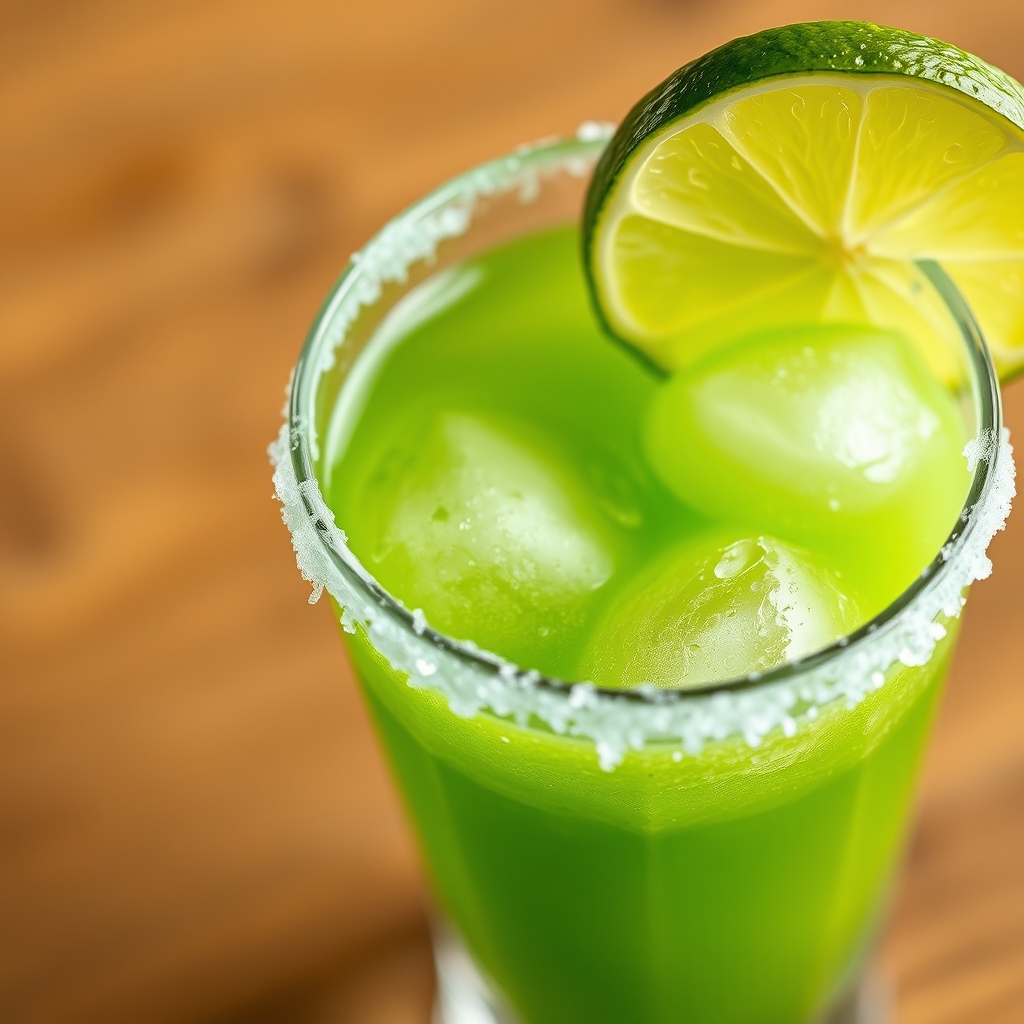
Virgin margarita: Mix lime juice, orange juice (or a splash of non-alcoholic triple sec), and sparkling water. Serve it in a salt-rimmed glass for the full margarita experience.
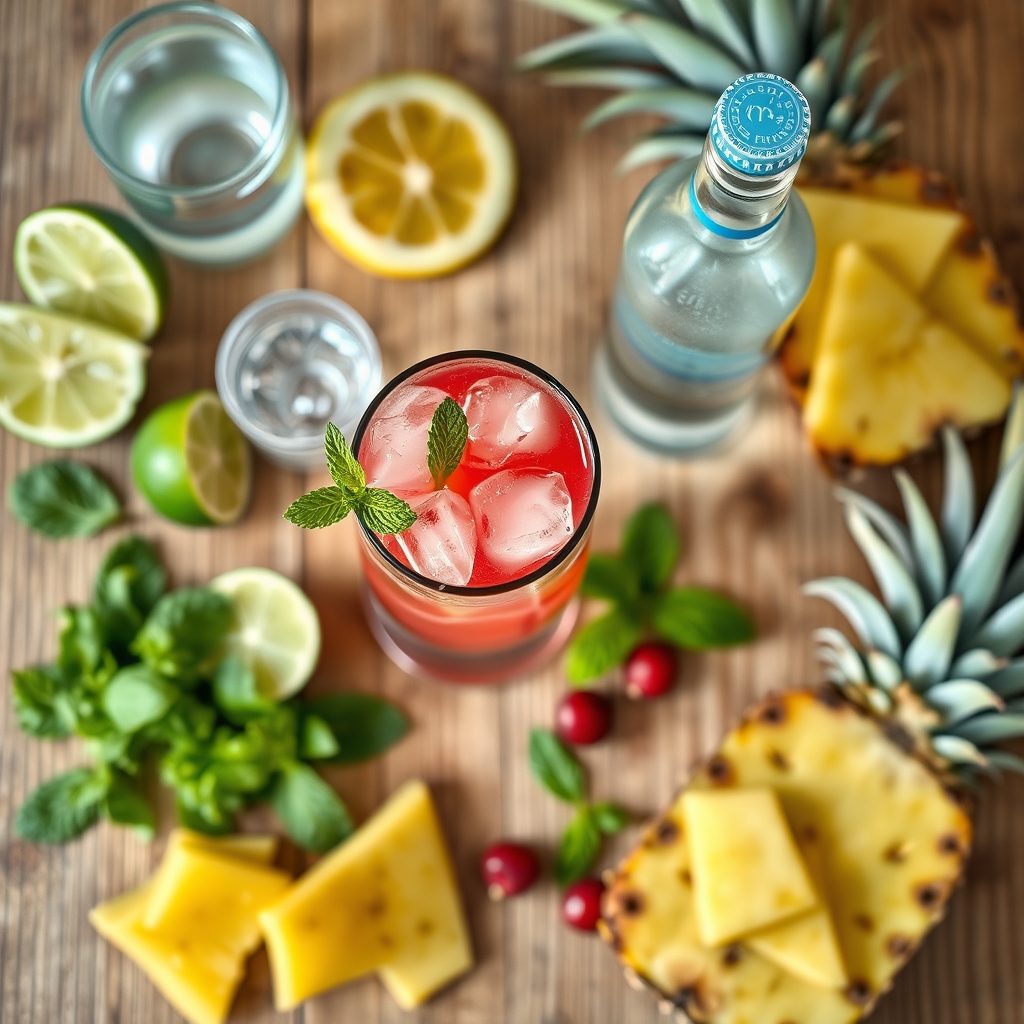
Cranberry spritzer: Combine cranberry juice, lime juice, and sparkling water for a tart, refreshing drink that’s packed with vitamin C.
Sparkling water with lime: A simple but satisfying option. Add a splash of orange juice or a few drops of bitters (non-alcoholic) for extra flavor.
Fruit punch mocktail: Mix pineapple juice, orange juice, and a splash of grenadine for a sweet, tropical drink that’s perfect for summer.
Arnold Palmer (non-alcoholic): Combine iced tea and lemonade for a refreshing, caffeine-free drink that’s easy to make and enjoy.
Mojito mocktail: Muddle fresh mint leaves with lime juice and sugar, then top with sparkling water for a zesty, herbaceous drink.
Pineapple coconut cooler: Blend pineapple juice, coconut water, and a splash of lime juice for a creamy, tropical mocktail.
These alternatives are not only safe but also hydrating and packed with vitamins. If you’re dining out, don’t hesitate to ask your server for a mocktail—many restaurants and bars offer non-alcoholic versions of classic cocktails. You can also experiment with different flavors and ingredients to create your own signature pregnancy-safe drink.
Are frozen margarita mixes safe for pregnant women?
Frozen margarita mixes are not safe during pregnancy if they contain alcohol. Many pre-made margarita mixes, whether frozen or powdered, include alcohol as an ingredient. Even if the alcohol content is low, it’s still best to avoid these products during pregnancy. The ACOG and CDC recommend that pregnant women steer clear of all alcoholic beverages, including those found in pre-made mixes.
In addition to alcohol, some frozen margarita mixes contain high amounts of sugar, artificial flavors, and preservatives. These ingredients aren’t ideal for pregnancy, as excessive sugar intake can contribute to gestational diabetes or excessive weight gain. Some mixes may also contain caffeine or other stimulants, which are best limited during pregnancy.
If you’re craving a frozen margarita, opt for a homemade version using non-alcoholic ingredients. Blend lime juice, orange juice, and ice for a refreshing slushie-like drink. You can also add a splash of sparkling water or coconut water for extra hydration. If you’re unsure about a specific brand or product, check the label or ask your healthcare provider for guidance.
Can I have a margarita if I have gestational diabetes?
No, you should avoid margaritas if you have gestational diabetes. Margaritas contain alcohol, which is not safe during pregnancy regardless of whether you have gestational diabetes. Additionally, the high sugar content in many margarita recipes—especially those made with pre-made mixes—can cause blood sugar spikes, which are particularly risky for women with gestational diabetes.
Gestational diabetes requires careful management of blood sugar levels, and alcohol can interfere with this balance. Alcohol is metabolized differently during pregnancy and can lead to unpredictable blood sugar fluctuations. Even a small amount of alcohol can cause your blood sugar to drop too low (hypoglycemia) or spike too high, both of which can be dangerous for you and your baby.
Instead of a margarita, opt for a sugar-free or low-sugar mocktail. For example, mix lime juice with sparkling water and a sugar-free sweetener like stevia or monk fruit. You can also add fresh fruit or herbs for extra flavor without the added sugar. If you’re unsure about what’s safe to drink, ask your healthcare provider or a registered dietitian for personalized advice.
What are the risks of drinking margaritas while pregnant?
Drinking margaritas during pregnancy poses several risks to both you and your baby. The primary concern is the alcohol content, which can cross the placenta and affect your baby’s development. Here are the key risks to be aware of:
Fetal alcohol spectrum disorders (FASDs): Alcohol exposure during pregnancy can lead to FASDs, a group of conditions that can cause physical, behavioral, and cognitive challenges for your child. These may include learning disabilities, speech delays, poor coordination, and facial abnormalities.
Miscarriage or stillbirth: Alcohol consumption during pregnancy increases the risk of miscarriage, especially in the first trimester, and may also contribute to stillbirth.
Preterm birth: Drinking alcohol during pregnancy can increase the likelihood of preterm labor, which can lead to complications for your baby, such as breathing difficulties or developmental delays.
Low birth weight: Babies exposed to alcohol in the womb are more likely to be born with a low birth weight, which can increase the risk of health problems later in life.
Developmental delays: Alcohol can interfere with your baby’s brain development, leading to long-term challenges with learning, memory, and behavior.
Birth defects: Alcohol exposure during pregnancy can cause structural birth defects, such as heart, kidney, or bone abnormalities.
It’s important to note that these risks exist even with small amounts of alcohol. There’s no "safe" threshold for alcohol consumption during pregnancy, which is why health authorities like ACOG and the CDC recommend avoiding it entirely. If you’re struggling to give up alcohol during pregnancy, talk to your healthcare provider for support and resources.
Do low-alcohol margaritas pose any danger during pregnancy?
Yes, low-alcohol margaritas still pose risks during pregnancy. Even if a margarita is labeled as "low-alcohol" or "light," it still contains some amount of alcohol, which can cross the placenta and affect your baby’s development. The ACOG, CDC, and NHS all recommend that pregnant women avoid alcohol entirely, regardless of the amount or type.
Some people assume that low-alcohol drinks are safer, but the truth is that no amount of alcohol is considered safe during pregnancy. The risks associated with alcohol—such as fetal alcohol spectrum disorders (FASDs), miscarriage, and preterm birth—apply to all alcoholic beverages, including low-alcohol margaritas. The alcohol content in these drinks may be reduced, but it’s not eliminated, and even small amounts can pose risks to your baby.
If you’re craving the flavor of a margarita, opt for a completely non-alcoholic version instead. Many mocktail recipes use lime juice, orange juice, and sparkling water to create a refreshing drink that’s safe for pregnancy. You can also ask your healthcare provider for personalized advice if you’re unsure about what’s best for you and your baby.
Is a margarita safe for breastfeeding mothers?
Margaritas are not recommended for breastfeeding mothers. While the risks of alcohol during breastfeeding are different from those during pregnancy, alcohol can still pass into breast milk and affect your baby. The American Academy of Pediatrics (AAP) advises that breastfeeding mothers limit their alcohol intake and avoid excessive drinking. If you choose to have a margarita, it’s important to time it carefully and wait at least 2 hours per drink before nursing your baby.
Alcohol can reduce your milk supply and may make your baby sleepy or irritable. It can also interfere with your baby’s feeding patterns and growth. If you’re breastfeeding and want to enjoy an occasional margarita, plan ahead. Pump and store breast milk beforehand, and wait until the alcohol has cleared your system before nursing again. The general rule is to wait 2 hours per standard drink (e.g., 1 margarita = 2 hours).
If you’re unsure about how alcohol might affect your breastfeeding journey, talk to your healthcare provider or a lactation consultant for personalized advice. They can help you weigh the risks and make the best choice for you and your baby.
Side effects and risks of margaritas during pregnancy
Drinking margaritas during pregnancy can lead to several side effects and risks for both you and your baby. Here’s what you need to know:
For your baby:
Fetal alcohol spectrum disorders (FASDs): Alcohol exposure can cause physical, behavioral, and cognitive challenges, including learning disabilities, speech delays, and facial abnormalities.
Miscarriage or stillbirth: Alcohol increases the risk of miscarriage, especially in the first trimester, and may contribute to stillbirth.
Preterm birth: Alcohol can trigger preterm labor, leading to complications like breathing difficulties or developmental delays for your baby.
Low birth weight: Babies exposed to alcohol are more likely to be born with a low birth weight, which can increase the risk of health problems later in life.
Developmental delays: Alcohol can interfere with brain development, leading to long-term challenges with learning, memory, and behavior.
For you:
Dehydration: Alcohol is a diuretic, which means it can cause dehydration. This can lead to headaches, dizziness, and fatigue—symptoms that are already common during pregnancy.
Blood sugar fluctuations: Margaritas often contain sugar, which can cause blood sugar spikes and crashes. This is especially risky if you have gestational diabetes.
Increased risk of accidents: Alcohol impairs judgment and coordination, increasing the risk of falls or other accidents, which can be dangerous during pregnancy.
Interference with medications: Alcohol can interact with prescription or over-the-counter medications, reducing their effectiveness or causing harmful side effects.
If you’ve already had a margarita during pregnancy, don’t panic. The most important thing is to stop drinking now and focus on making healthy choices moving forward. If you’re struggling to give up alcohol, talk to your healthcare provider for support and resources.
Safer alternatives to margaritas during pregnancy
If you’re craving the tangy, refreshing taste of a margarita, there are plenty of pregnancy-safe alternatives that mimic the flavor without the alcohol. Here are some delicious mocktails to try:
Virgin margarita: Mix lime juice, orange juice (or a splash of non-alcoholic triple sec), and sparkling water. Serve it in a salt-rimmed glass for the full margarita experience. This is the closest you’ll get to the real thing!
Cranberry spritzer: Combine cranberry juice, lime juice, and sparkling water for a tart, refreshing drink that’s packed with vitamin C. It’s a great way to stay hydrated and satisfy your craving.
Sparkling water with lime: A simple but satisfying option. Add a splash of orange juice or a few drops of bitters (non-alcoholic) for extra flavor. This drink is hydrating and easy to customize.
Fruit punch mocktail: Mix pineapple juice, orange juice, and a splash of grenadine for a sweet, tropical drink that’s perfect for summer. You can also add a squeeze of lime for extra zing.
Arnold Palmer (non-alcoholic): Combine iced tea and lemonade for a refreshing, caffeine-free drink that’s easy to make and enjoy. It’s a classic for a reason!
Mojito mocktail: Muddle fresh mint leaves with lime juice and sugar, then top with sparkling water for a zesty, herbaceous drink. This mocktail is light, refreshing, and perfect for warm weather.
Pineapple coconut cooler: Blend pineapple juice, coconut water, and a splash of lime juice for a creamy, tropical mocktail. It’s like a vacation in a glass!
These alternatives are not only safe but also hydrating and packed with vitamins. If you’re dining out, don’t hesitate to ask your server for a mocktail—many restaurants and bars offer non-alcoholic versions of classic cocktails. You can also experiment with different flavors and ingredients to create your own signature pregnancy-safe drink.
Related cocktails: safety at a glance
If you’re wondering about the safety of other cocktails during pregnancy, here’s a quick comparison table. Remember, no amount of alcohol is considered safe during pregnancy, so it’s best to opt for non-alcoholic alternatives whenever possible.
Pregnancy safety of popular cocktails
Cocktail
Verdict
Notes
Mojito
❌ Avoid
Contains rum and sugar; opt for a mojito mocktail instead.
Bloody Mary
❌ Avoid
Contains vodka; high sodium content may also be a concern.
Pina colada
❌ Avoid
Contains rum and often high amounts of sugar; try a virgin version with coconut water and pineapple juice.
Sangria
❌ Avoid
Contains wine and sometimes brandy; opt for a non-alcoholic fruit punch instead.
Cosmopolitan
❌ Avoid
Contains vodka and cranberry juice; try a cranberry spritzer mocktail.
Moscow Mule
❌ Avoid
Contains vodka; ginger beer may also contain caffeine, which is best limited during pregnancy.
Mai Tai
❌ Avoid
Contains rum and often high amounts of sugar; try a tropical mocktail with pineapple and coconut water.
Myth vs. fact
When it comes to alcohol and pregnancy, there’s a lot of misinformation out there. Let’s clear up some common myths about margaritas and pregnancy:
Myth: "A small amount of alcohol, like one margarita, is safe during pregnancy." Fact: There is no known safe amount of alcohol during pregnancy. The ACOG, CDC, and NHS all recommend avoiding alcohol entirely to prevent potential risks to your baby’s development, including fetal alcohol spectrum disorders (FASDs), miscarriage, and preterm birth.
Myth: "Low-alcohol margaritas are safe because they contain less alcohol." Fact: Even low-alcohol margaritas contain some alcohol, which can cross the placenta and affect your baby. No amount of alcohol is considered safe during pregnancy, so it’s best to avoid all alcoholic beverages, including low-alcohol versions.
Myth: "Alcohol is only dangerous in the first trimester." Fact: Alcohol poses risks throughout pregnancy, not just in the first trimester. While the first trimester is a critical period for organ development, alcohol can still affect your baby’s brain and growth in the second and third trimesters. It’s safest to avoid alcohol for the entire duration of your pregnancy.
Key takeaways
Margaritas are not safe during pregnancy. They contain alcohol, which poses risks to your baby’s development, including fetal alcohol spectrum disorders (FASDs), miscarriage, and preterm birth.
No amount of alcohol is considered safe. Health authorities like ACOG, the CDC, and the NHS recommend avoiding all alcoholic beverages during pregnancy, including margaritas.
First trimester is especially risky. Alcohol exposure during this period can interfere with organ formation and increase the risk of birth defects.
Low-alcohol margaritas are not safe either. Even small amounts of alcohol can pose risks to your baby, so it’s best to avoid all alcoholic drinks.
Opt for non-alcoholic alternatives. Virgin margaritas, cranberry spritzers, and sparkling water with lime are delicious and safe options to satisfy your craving.
If you’ve already had a margarita, don’t panic. The most important thing is to stop drinking now and focus on making healthy choices moving forward. Talk to your healthcare provider if you need support.
Frequently asked questions
Can you drink margaritas while pregnant?
No, you should not drink margaritas while pregnant. Margaritas contain alcohol, which is not considered safe at any amount during pregnancy. The ACOG and CDC recommend avoiding all alcoholic beverages to prevent potential risks to your baby’s development, including fetal alcohol spectrum disorders (FASDs), miscarriage, and preterm birth.
What are the effects of alcohol on a developing baby?
Alcohol can cause a range of effects on a developing baby, including: fetal alcohol spectrum disorders (FASDs), which can lead to physical, behavioral, and cognitive challenges; miscarriage or stillbirth; preterm birth; low birth weight; and developmental delays. Alcohol crosses the placenta and can interfere with your baby’s brain and organ development, so it’s best to avoid it entirely during pregnancy.
Is a virgin margarita safe during pregnancy?
Yes, a virgin margarita is safe during pregnancy. Virgin margaritas are made with lime juice, orange juice, and sparkling water—no alcohol. They mimic the flavor of a traditional margarita without the risks, making them a great alternative for pregnant women. Just be mindful of the sugar content if you have gestational diabetes.
How much alcohol is safe during pregnancy?
There is no safe amount of alcohol during pregnancy. Health authorities like ACOG, the CDC, and the NHS recommend avoiding alcohol entirely to prevent potential risks to your baby’s development. Even small amounts of alcohol can pose risks, so it’s best to opt for non-alcoholic alternatives instead.
Can a small amount of tequila harm the fetus?
Yes, even a small amount of tequila can harm the fetus. Tequila is a distilled spirit, and all types of alcohol pose risks during pregnancy. Alcohol crosses the placenta and can affect your baby’s brain and organ development, leading to conditions like fetal alcohol spectrum disorders (FASDs). It’s safest to avoid all alcoholic beverages, including tequila, during pregnancy.
Are there any safe cocktail options for pregnant women?
Yes, there are plenty of safe cocktail options for pregnant women. Non-alcoholic mocktails like virgin margaritas, cranberry spritzers, and mojito mocktails are delicious and pregnancy-safe. These drinks mimic the flavors of traditional cocktails without the alcohol, so you can enjoy a festive drink without the risks.
What symptoms indicate alcohol poisoning in pregnancy?
Alcohol poisoning during pregnancy is rare but serious. Symptoms may include confusion, vomiting, seizures, slow or irregular breathing, pale or blue-tinged skin, and unconsciousness. If you or someone else experiences these symptoms after drinking alcohol during pregnancy, seek emergency medical attention immediately. However, it’s important to note that no amount of alcohol is safe during pregnancy, so it’s best to avoid it entirely.
When to call your doctor
While the safest choice is to avoid alcohol entirely during pregnancy, we know that mistakes happen. If you’ve consumed a margarita or any alcoholic beverage during pregnancy, don’t panic—but do take action. Here’s when to reach out to your healthcare provider:
If you’ve had more than one alcoholic drink and are feeling anxious or guilty. Your provider can offer reassurance and guidance.
If you experience symptoms like dizziness, confusion, vomiting, or irregular heartbeat after drinking alcohol. These could be signs of alcohol poisoning or another complication.
If you’re struggling to stop drinking alcohol during pregnancy. Your provider can connect you with resources and support to help you stay alcohol-free.
If you notice any unusual symptoms in your baby after birth, such as difficulty feeding, poor growth, or developmental delays. While these may not be related to alcohol, it’s important to discuss any concerns with your provider.
Remember, this article is for informational purposes only and is not a substitute for professional medical advice. Always consult your healthcare provider with any questions or concerns about your pregnancy.
References
American College of Obstetricians and Gynecologists (ACOG). (2021). Alcohol and Pregnancy.
Centers for Disease Control and Prevention (CDC). (2022). Alcohol Use During Pregnancy.
National Health Service (NHS). (2023). Drinking Alcohol While Pregnant.
World Health Organization (WHO). (2020). Alcohol and Pregnancy.
American Academy of Pediatrics (AAP). (2021). Alcohol and Breastfeeding.
Mayo Clinic. (2023). Fetal Alcohol Syndrome.
A refreshing virgin margarita is a safe and delicious alternative to the real thing during pregnancy.Get creative with mocktail ingredients to craft pregnancy-safe drinks that satisfy your cravings.Staying hydrated with pregnancy-safe drinks is key to a healthy pregnancy.
Not sure about the label on Is Margarita Safe During Pregnancy products?
Snap the ingredients list and SafeFilter checks every ingredient for your stage — only 3 free scans this month, then you're locked until reset. Unlimited from $7/mo or $50/yr.
When Shubhra Mishra was expecting her first child in 2016, she was overwhelmed by conflicting food advice — one site said yes, another said never. By the time her second baby arrived in 2019, she realized millions of mothers face the same confusion.
That sparked a five-year journey through clinical nutrition papers, cultural diets, and expert conversations — all leading to BumpBites: a calm, compassionate space where science meets everyday motherhood.
Her long-term vision is to build a global community ensuring safe, supported, and free deliveriesfor every mother — because no woman should face pregnancy alone or uninformed. 🌿
🌍 Stand with mothers, shape safer guidance
Join a small circle of experts who review BumpBites articles so expecting parents everywhere can decide with confidence.