Limit Les Mills Grit during pregnancy, especially in the first trimester. High-intensity workouts may pose risks; opt for modified, low-impact exercises instead.
By Shubhra Mishra — a mom of two who turned her own confusion during pregnancy into BumpBites, a global mission to make food choices clear, safe, and stress-free for every expecting mother. 💛
Check whether any food is safe during pregnancy with the BumpBites Food Safety Checker.
Quick verdict: ⚠️ Talk to your doctor first. Les Mills GRIT can be done safely during pregnancy if you modify intensity, limit sessions, and get clearance from your provider. In the first trimester extra caution is advised, and high‑intensity bursts should be avoided without professional guidance.
It’s 2 a.m., the clock blares, and you’re staring at the Les Mills GRIT schedule on your phone, wondering whether that next sweat‑filled class might jeopardize your baby. You’re not alone—many expecting parents ask, “is les mills grit safe during pregnancy?” The good news is that with the right adjustments, most high‑intensity workouts can fit into a healthy pregnancy plan.
In this article we’ll break down exactly what Les Mills GRIT entails, how the current medical guidance from ACOG, NHS, and the CDC frames high‑intensity exercise in pregnancy, and what you should consider in each trimester. We’ll also cover how often you can safely train, which modifications are recommended, safer alternatives, and what warning signs mean you should pause and call your provider.
By the end of this guide you’ll have a clear answer to the question “is les mills grit safe during pregnancy,” a trimester‑by‑trimester safety snapshot, and a toolbox of lower‑impact options that keep you moving without unnecessary risk.
Before you book that class, consider how the intensity fits your pregnancy stage.
Focus on balance and core stability; reduce jumps and rapid direction changes.
Breastfeeding
✅ Safe
Same guidelines as post‑partum; stay hydrated and avoid overheating.
What is Les Mills GRIT?
L
es Mills GRIT (Glowing Results In Training) is a high‑intensity interval training (HIIT) program developed by the New Zealand‑based Les Mills fitness brand. A typical GRIT class lasts 30 minutes and alternates short bursts of maximal effort (30–45 seconds) with brief recovery periods. The workouts blend body‑weight moves, plyometrics, kettlebell swings, and cardio drills, often set to fast‑paced music. Because the format pushes cardiovascular and muscular systems to their limits, it’s marketed toward people looking for rapid calorie burn and improved aerobic capacity.
GRIT classes are offered in several formats—GRIT Cardio, GRIT Strength, and GRIT Athletics—each emphasizing a different training focus. In a standard session, participants may perform squat jumps, burpees, mountain climbers, and fast‑paced sprints, followed by a quick stretch or cooldown. The intensity is designed to keep heart rate elevated, typically reaching 80‑95 % of an individual’s maximum. For most non‑pregnant adults, the program is considered safe when proper form and progression are observed.
Is Les Mills GRIT safe during pregnancy?
Current guidance from the American College of Obstetricians and Gynecologists (ACOG) states that pregnant people may continue moderate‑intensity exercise and, if already accustomed to high‑intensity activity, may do so with appropriate modifications (ACOG, 2023). The UK’s National Health Service (NHS) echoes this, recommending that pregnant individuals avoid activities that involve high impact, rapid direction changes, or a risk of falling (NHS, 2022). The Centers for Disease Control and Prevention (CDC) also emphasizes that exercise should not cause overheating, excessive fatigue, or a heart rate above 140 bpm.
Les Mills GRIT, by design, often exceeds these thresholds, especially in its “all‑out” intervals. However, when participants lower the intensity, substitute high‑impact moves with low‑impact alternatives, and keep sessions under 30 minutes, the program can align with ACOG and NHS recommendations. No large‑scale studies have linked GRIT‑style HIIT directly to adverse pregnancy outcomes, but the theoretical risks include reduced uterine blood flow during intense bursts and increased risk of musculoskeletal injury.
In short, is les mills grit safe during pregnancy depends on the trimester, your pre‑pregnancy fitness level, and whether you receive medical clearance. If you’re already a regular participant and your provider approves, you can continue with the appropriate tweaks. If you’re new to HIIT, it’s wiser to start with lower‑impact options and gradually build intensity under professional supervision.
Is Les Mills GRIT safe in the first trimester of pregnancy?
The first trimester is the period of organogenesis, when the baby’s major organs are forming. ACOG advises that pregnant people avoid activities that could cause abdominal trauma or excessive core strain during this window (ACOG, 2023). Because GRIT includes jumps, rapid twists, and high‑impact moves, the default recommendation is to modify or postpone the most intense portions.
If you receive clearance, keep heart rate below 140 bpm, and replace plyometric jumps with step‑ups or low‑impact cardio, the risk remains low. Many clinicians suggest swapping kettlebell swings for lighter dumbbell rows and using a mat to cushion any floor work. Listening to your body—especially any dizziness, shortness of breath, or uterine cramping—is critical.
Overall, the first trimester verdict for Les Mills GRIT is “conditional.” With careful modifications and medical approval, you can still benefit from a cardio‑focused workout, but the high‑intensity segments should be either shortened or replaced.
Can I do Les Mills GRIT workouts during the second trimester?
The second trimester often feels like the “sweet spot” for exercise. The uterus has grown enough to provide a natural cushion, and many pregnant people report increased energy. ACOG’s 2023 guidelines note that moderate‑intensity activity is encouraged throughout pregnancy, and high‑intensity work is permissible if you were already accustomed before conception.
During the second trimester, you can generally continue Les Mills GRIT with the following adjustments: limit sessions to 30 minutes, keep the intensity at a moderate level (aim for a perceived exertion of 5–6 on a 10‑point scale), and avoid any moves that cause you to lie flat on your back for extended periods. Maintaining hydration and monitoring for overheating are essential.
Many fitness instructors now offer “pregnancy‑friendly” GRIT classes that replace high‑impact jumps with marching steps or low‑impact squat variations. If you follow these guidelines, the second trimester verdict leans toward “generally safe with modifications.”
What modifications are recommended for Les Mills GRIT when pregnant?
Below are the most common modifications that align with ACOG and NHS recommendations:
Replace jumps with step‑ups or low‑impact marching. Use a sturdy box or step to maintain the cardio component without the impact.
Swap kettlebell swings for dumbbell rows or seated presses. This reduces strain on the core and lower back.
Shorten high‑intensity intervals. Instead of 45‑second bursts, aim for 20‑second bursts with longer recovery.
Maintain upright posture. Avoid deep forward bends that compress the abdomen.
Monitor heart rate. Keep it below 140 bpm; use a wearable or manually check pulse.
Stay hydrated and cool. Drink water before, during, and after the class, and choose a well‑ventilated studio.
These tweaks allow you to preserve the spirit of GRIT—interval training and calorie burn—while respecting the physiological changes of pregnancy.
How many Les Mills GRIT sessions per week are safe during pregnancy?
ACOG recommends at least 150 minutes of moderate‑intensity aerobic activity per week for pregnant individuals (ACOG, 2023). If you incorporate GRIT, aim for no more than two sessions per week, each limited to 30 minutes, and balance them with lower‑impact cardio such as walking or stationary cycling on non‑GRIT days.
For example, a typical weekly schedule could look like:
Water Aerobics – low‑impact cardio that reduces joint stress and overheating.
Low‑Impact Pilates – focuses on pelvic floor strength and posture without high‑impact moves.
Walking – simple, adjustable intensity, and easy to fit into daily life.
Stationary Bike (moderate intensity) – maintains cardiovascular fitness without impact.
Elliptical (low impact) – provides a smooth motion that’s easier on the joints.
Pregnancy‑safe Zumba – rhythmic, low‑impact dance with modifications for the belly.
Prenatal Barre – combines balance, light resistance, and safe stretching.
Does Les Mills GRIT increase risk of miscarriage?
There is no direct evidence linking Les Mills GRIT specifically to miscarriage. However, ACOG cautions that any activity causing excessive core strain, overheating, or a sudden spike in blood pressure could theoretically increase risk, especially in the first trimester (ACOG, 2023). The key is to avoid high‑impact jumps and maintain a heart rate below the 140 bpm threshold.
Most miscarriage‑related research points to factors such as chromosomal abnormalities, infections, and maternal health conditions rather than exercise alone. Still, if you experience cramping, spotting, or dizziness during a session, stop immediately and contact your provider.
Is Les Mills GRIT suitable for pregnant women with hypertension?
Pregnant people with chronic hypertension should follow the CDC’s recommendation to keep exercise intensity moderate and avoid abrupt spikes in blood pressure (CDC, 2022). High‑intensity interval training can cause rapid heart‑rate elevations, which may not be ideal for this group.
If you have hypertension, discuss your fitness plan with a cardiologist or obstetrician. A modified GRIT routine—shorter intervals, lower resistance, and careful heart‑rate monitoring—might be permissible, but many clinicians prefer safer, steady‑state options such as walking, prenatal yoga, or low‑impact cycling.
Can I join Les Mills GRIT classes from home while pregnant?
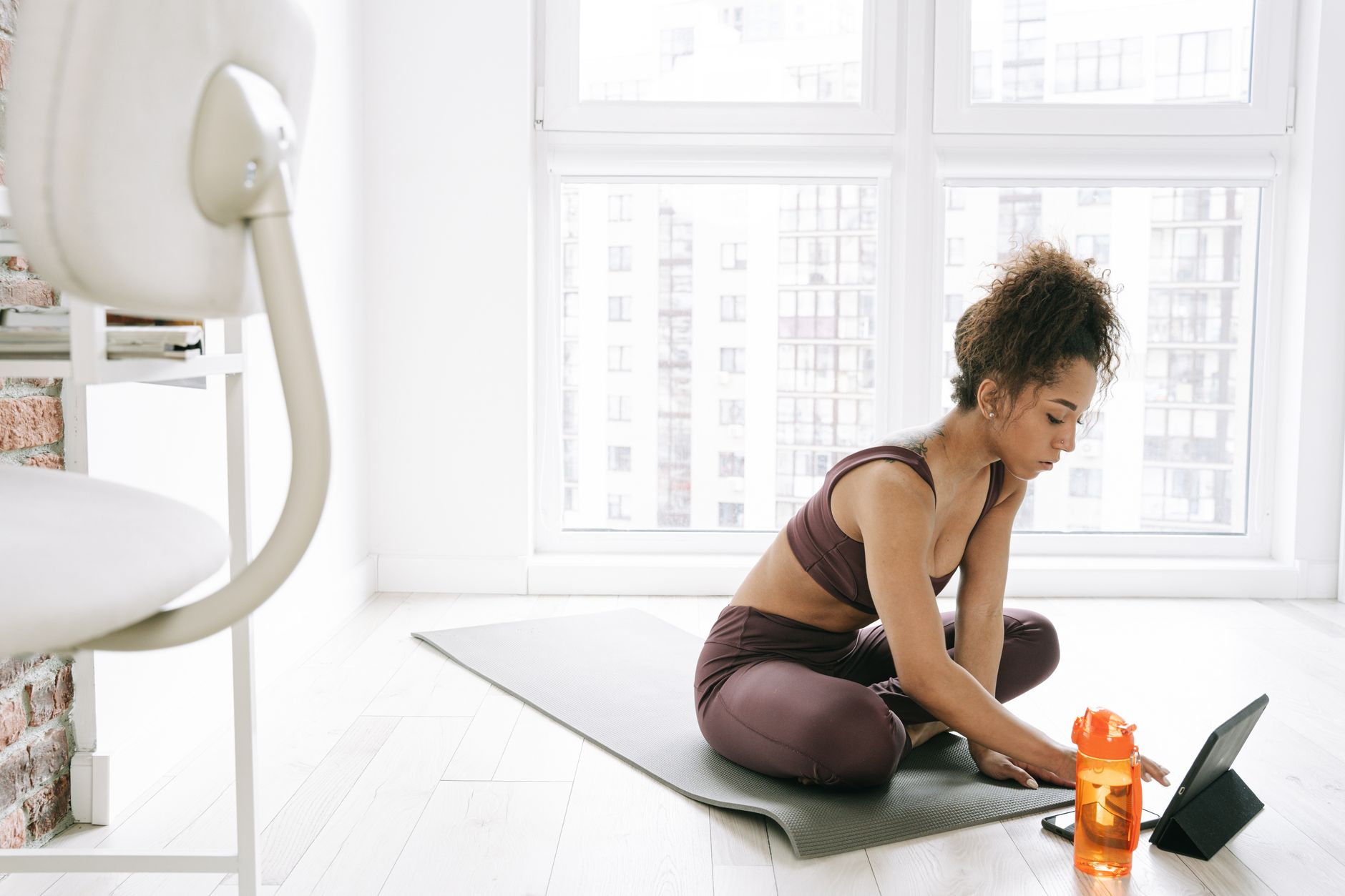
Yes, Les Mills offers on‑demand GRIT sessions that you can stream at home. The same safety principles apply: keep the space clear, use a non‑slip mat, and modify any high‑impact moves. Many streaming platforms provide a “pregnancy‑friendly” filter that automatically swaps jumps for low‑impact alternatives.
Working out at home also lets you control temperature, hydration, and pacing. Just be sure to have a reliable way to monitor your heart rate (a smartwatch or manual pulse check) and keep a phone nearby in case you need to call a provider.
Streaming a modified GRIT class at home can give you control over intensity and environment.
Safe dosage / amount / brands
Unlike medication, “dosage” for Les Mills GRIT refers to session length, frequency, and perceived intensity. Below is a quick reference for pregnant participants:
Parameter
Recommended limit
Notes
Session length
≤ 30 minutes
Keep warm‑up and cool‑down each at least 5 minutes.
Sessions per week
2 times
Alternate with low‑impact cardio on other days.
Intensity
Perceived exertion 5‑6/10
Heart rate < 140 bpm; avoid “all‑out” bursts.
Equipment
Light dumbbells (≤ 5 lb) or body‑weight only
Heavy kettlebells increase intra‑abdominal pressure.
When choosing a studio or on‑demand platform, look for those that list “pregnancy‑friendly” or “modified” class options. Brands that clearly label modifications—such as Les Mills GRIT Athletics with a “Pregnancy” filter—are preferable. Avoid studios that do not provide any alternative moves or that push participants to “max effort” without monitoring.
Side effects and risks
Most side effects of a modified GRIT session are mild and include muscle soreness, fatigue, and mild dehydration. However, pregnant participants should be vigilant for the following warning signs, which require immediate medical attention:
Sudden or severe abdominal pain or cramping.
Vaginal bleeding or spotting.
Dizziness, faintness, or shortness of breath that does not resolve with rest.
Chest pain or palpitations.
Excessive overheating (feeling hot, flushed, or clammy).
These symptoms could indicate placental insufficiency, preterm labor, or cardiovascular strain and should prompt a call to your obstetric provider right away. Normal post‑exercise soreness is not a reason for concern, but if it interferes with daily activities, consider scaling back intensity.
Safer alternatives
Prenatal Yoga – gentle, low‑impact, and improves flexibility and stress relief.
Water Aerobics – buoyancy reduces joint stress while providing cardiovascular benefits.
Low‑Impact Pilates – targets core stability without high‑impact jumps.
Walking – easy to adjust pace and intensity, ideal for all trimesters.
Stationary Bike (moderate) – maintains heart health without impact.
Elliptical (low impact) – smooth motion, safe for the pelvis.
Pregnancy‑safe Zumba – rhythmic, fun, and can be modified for the belly.
Prenatal Barre – focuses on balance and gentle resistance.
Related items — safety at a glance
Program
Verdict
One‑line note
Les Mills BODYCOMBAT
⚠️ Conditional
High‑impact martial‑arts moves; modify kicks and jumps.
Les Mills BODYBALANCE
✅ Generally safe
Yoga‑ and tai chi‑inspired, low‑impact, good for all trimesters.
Les Mills RPM
✅ Safe with limits
Indoor cycling; keep resistance moderate and avoid sprints.
Les Mills SH'BAM
⚠️ Conditional
Dance‑based, high‑energy; replace jumps with step‑touches.
F45 Training
⚠️ Conditional
Circuit training often includes heavy lifts; use lighter weights.
Orangetheory Fitness
✅ Generally safe
Heart‑rate‑based intervals; stay in green zone (< 140 bpm).
CrossFit
❌ Best avoided
High‑intensity, heavy lifts, and jumps increase risk.
HIIT Circuit Training
⚠️ Conditional
Can be safe if intervals are short and impact is low.
Myth vs. fact
Myth: All high‑intensity workouts must be avoided during pregnancy.
Fact: ACOG allows high‑intensity exercise for pregnant people who were already active, provided they use modifications and stay below recommended heart‑rate limits.
Myth: If you feel a little sore after a GRIT class, you’ve harmed the baby.
Fact: Normal muscle soreness is common and not harmful; only abdominal pain, bleeding, or severe cramping are warning signs.
Myth: You can’t do any cardio after the first trimester.
Fact: Moderate cardio, including modified GRIT, is encouraged throughout pregnancy to support cardiovascular health.
Key takeaways
Les Mills GRIT can be continued during pregnancy if you receive medical clearance and use low‑impact modifications.
Keep sessions ≤ 30 minutes, limit to 2 times per week, and maintain heart rate < 140 bpm.
First‑trimester workouts should avoid high‑impact jumps; second‑trimester is the most flexible.
Watch for warning signs like abdominal pain, bleeding, dizziness, or overheating.
Consider safer alternatives such as prenatal yoga, water aerobics, or low‑impact cycling.
Always discuss any new or modified exercise plan with your obstetric provider.
Frequently asked questions
Can pregnant women do Les Mills GRIT?
Yes, but only with medical clearance and appropriate modifications. The key is to lower impact, keep intensity moderate, and stay within heart‑rate guidelines.
What are the risks of high‑intensity workouts during pregnancy?
Potential risks include overheating, rapid spikes in blood pressure, and abdominal strain, which could lead to discomfort or, in rare cases, affect uterine blood flow. Monitoring intensity and staying hydrated mitigates these concerns.
How often should I exercise while pregnant?
ACOG recommends at least 150 minutes of moderate‑intensity activity per week, which can be split into 30‑minute sessions five days a week. For GRIT, aim for no more than two sessions per week and balance with low‑impact cardio on other days.
Is it safe to do HIIT in the third trimester?
HIIT can be safe in the third trimester if you keep intervals short, avoid high‑impact moves, and maintain a heart rate below 140 bpm. Many clinicians suggest substituting HIIT with steady‑state cardio as the due date approaches.
What modifications can I make to Les Mills GRIT while pregnant?
Replace jumps with step‑ups, use light dumbbells instead of kettlebells, shorten high‑intensity bursts to 20 seconds, and always monitor your heart rate. Adding a longer warm‑up and cool‑down also helps.
Can I join a Les Mills GRIT class if I'm pregnant?
You can, provided the studio offers a pregnancy‑friendly version or you inform the instructor so they can suggest low‑impact alternatives. Always have your provider’s approval before attending.
Does Les Mills GRIT cause preterm labor?
There is no direct evidence linking GRIT to preterm labor. However, any activity that causes uterine contractions, excessive overheating, or severe stress could theoretically increase risk, so stay within moderate limits.
What are safe cardio options for pregnant women?
Safe cardio includes walking, stationary cycling, swimming, low‑impact dancing (such as pregnancy‑safe Zumba), and elliptical training. These activities maintain heart health without the joint stress of high‑impact moves.
When to call your doctor
If you experience any of the following during or after a GRIT session, contact your obstetric provider right away: sudden abdominal pain or cramping, vaginal bleeding or spotting, dizziness that doesn’t resolve with rest, chest pain, shortness of breath, or feeling excessively overheated. These symptoms could signal a complication that requires medical evaluation. Remember, this article provides general information and is not a substitute for personalized medical advice.
References
American College of Obstetricians and Gynecologists. “Physical Activity and Exercise During Pregnancy and the Postpartum Period.” 2023.
National Health Service (UK). “Exercise in Pregnancy.” Updated 2022.
Centers for Disease Control and Prevention. “Pregnancy and Physical Activity.” 2022.
World Health Organization. “Recommendations on Antenatal Care for a Positive Pregnancy Experience.” 2021.
Les Mills International. “GRIT Class Format and Modifications.” 2023.
American Heart Association. “Heart Rate Guidelines for Pregnant Women.” 2022.
Royal College of Obstetricians and Gynaecologists. “Managing Hypertension in Pregnancy.” 2023.
Not sure about the label on Is Les Mills Grit Safe During Pregnancy products?
Snap the ingredients list and SafeFilter checks every ingredient for your stage — only 3 free scans this month, then you're locked until reset. Unlimited from $7/mo or $50/yr.
When Shubhra Mishra was expecting her first child in 2016, she was overwhelmed by conflicting food advice — one site said yes, another said never. By the time her second baby arrived in 2019, she realized millions of mothers face the same confusion.
That sparked a five-year journey through clinical nutrition papers, cultural diets, and expert conversations — all leading to BumpBites: a calm, compassionate space where science meets everyday motherhood.
Her long-term vision is to build a global community ensuring safe, supported, and free deliveriesfor every mother — because no woman should face pregnancy alone or uninformed. 🌿
🌍 Stand with mothers, shape safer guidance
Join a small circle of experts who review BumpBites articles so expecting parents everywhere can decide with confidence.