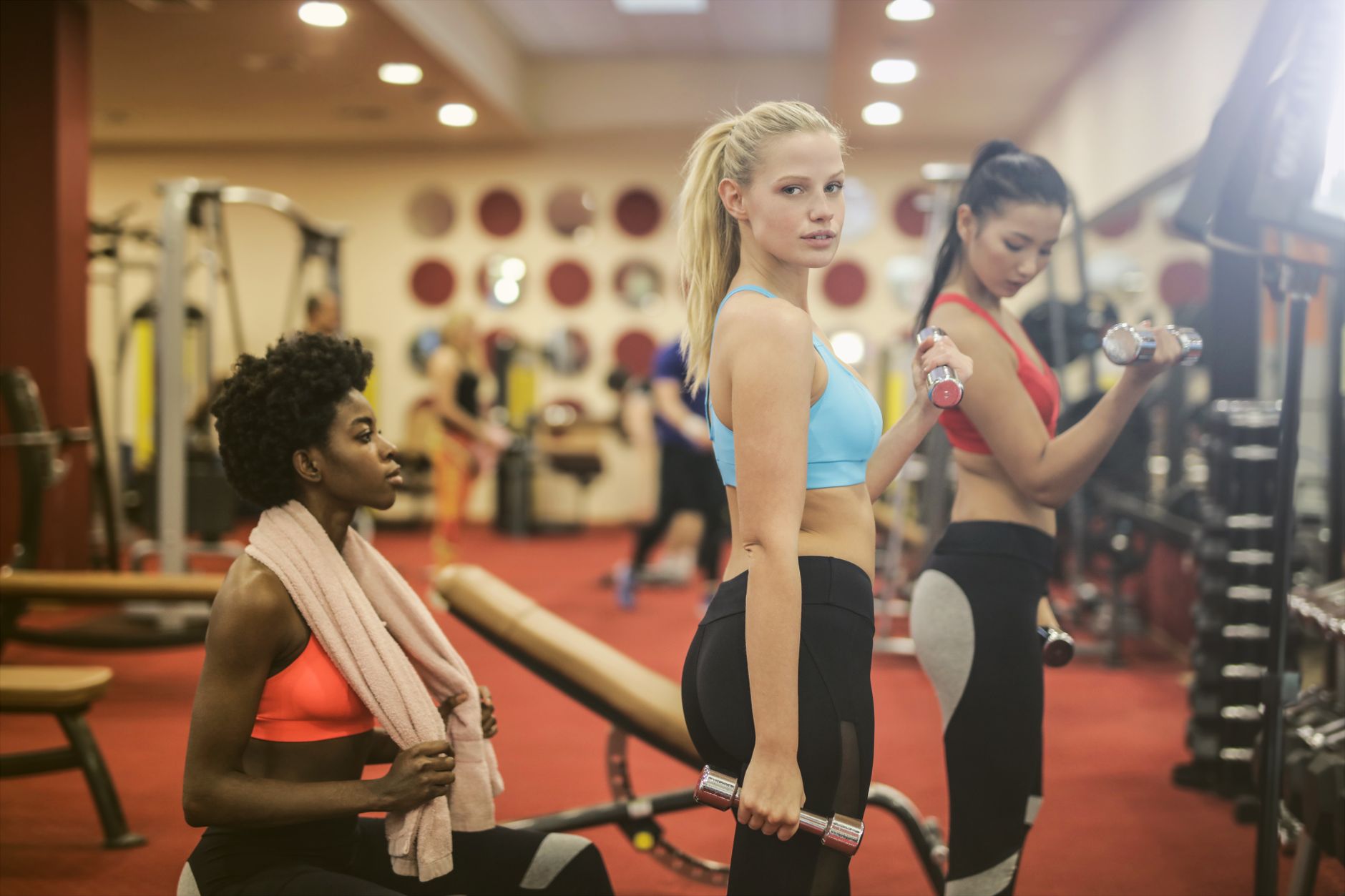
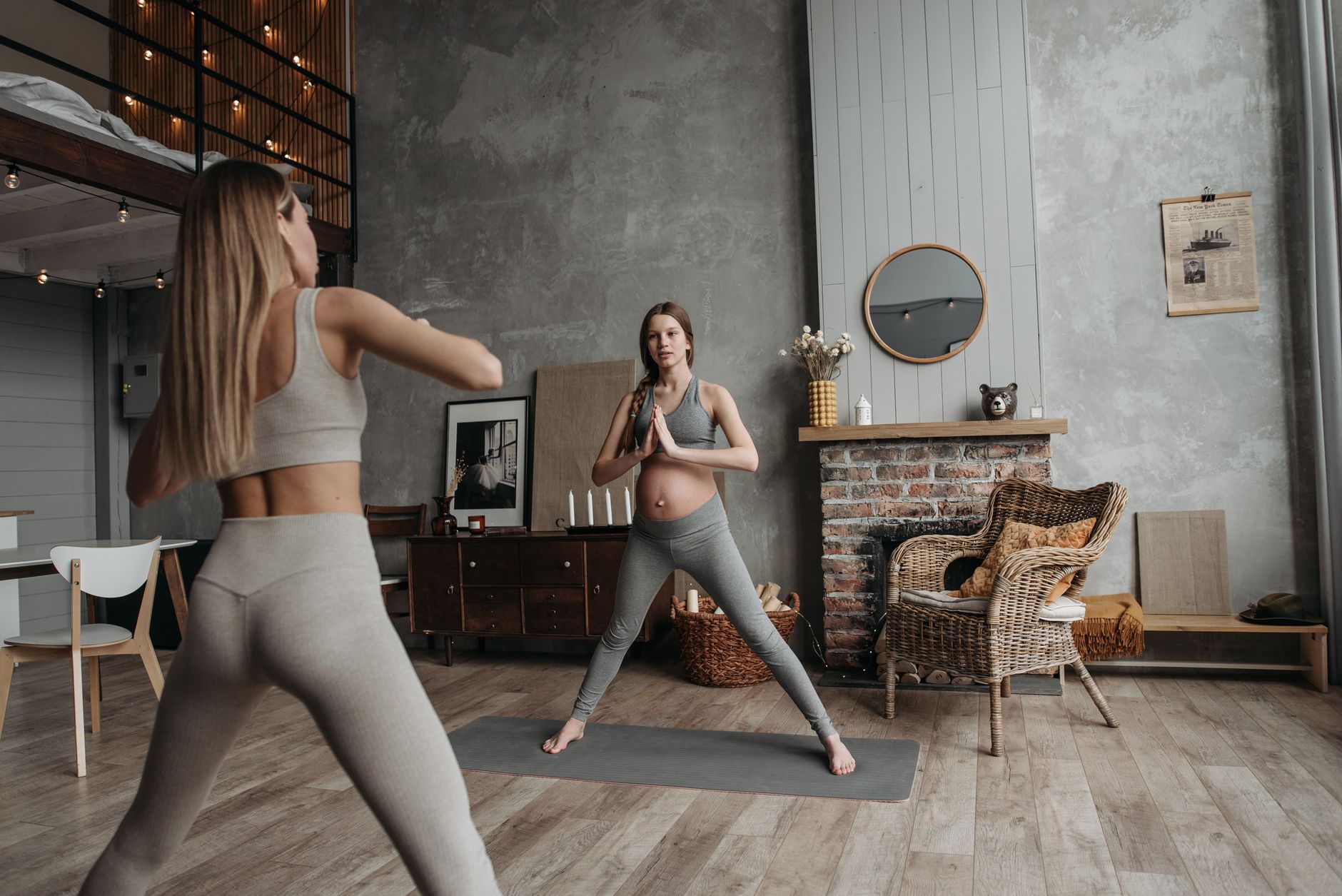
Safe with limits: Les Mills Bodypump can be done during pregnancy if modified, especially after the first trimester. Avoid heavy weights and high-impact moves for safety.
By Shubhra Mishra — a mom of two who turned her own confusion during pregnancy into BumpBites, a global mission to make food choices clear, safe, and stress-free for every expecting mother. 💛
Check whether any food is safe during pregnancy with the BumpBites Food Safety Checker.
Quick verdict: ⚠️ Talk to your doctor first – Les Mills Bodypump can be done with modifications, but it isn’t automatically safe for every pregnant person. If you’re cleared, keep the weight light, limit sessions, and listen to your body.
It’s 2 a.m., the gym lights are still on, and you’ve just finished a Les Mills Bodypump class wondering, “is les mills bodypump safe during pregnancy?” You’re not alone—many expecting parents stare at the treadmill screen, replay the class in their heads, and worry whether the dumbbells they lifted could harm their baby.
We’ll give you the short answer first: with medical clearance and proper modifications, Bodypump can be part of a healthy pregnancy routine, but it isn’t universally risk‑free. Below you’ll find trimester‑specific guidance, how many classes are reasonable, weight‑lifting limits, signs to stop, and safer alternatives if you’d rather skip the barbell altogether. All information reflects current guidance from the American College of Obstetricians and Gynecologists (ACOG), the UK’s NHS, and the FDA.
Read on to learn exactly what “safe” looks like for Les Mills Bodypump, how to adapt the workout, and when it’s best to choose a gentler option.
Tip: Keep a water bottle nearby and choose lighter dumbbells when you’re pregnant.
Trimester / Breastfeeding
Verdict
Notes
1st trimester
⚠️ Conditional
Avoid heavy weights (>10 lb); focus on form; stop if you feel dizziness or cramping.
2nd trimester
⚠️ Conditional
Light to moderate weights (5‑12 lb) okay; monitor pelvic pressure and balance.
3rd trimester
⚠️ Conditional
Reduce intensity; limit to low‑impact moves; stop if you experience shortness of breath or uterine contractions.
Breastfeeding
✅ Generally safe
Resume with light weights after 6 weeks postpartum if cleared; watch for nipple pain.
What is Les Mills Bodypump?
Les Mills Bodypump is a globally‑branded, high‑energy group fitness class that blends weight‑training with cardio. A typical 55‑minute session includes a warm‑up, a series of barbell‑based exercises (squats, chest press, deadlift, overhead press, biceps curl, and triceps extension), and a cool‑down. The class is choreographed to upbeat music, and participants follow the instructor’s cue for weight, repetitions, and tempo.
Because the workout emphasizes muscular endurance rather than maximal strength, the prescribed loads are usually 40‑60 % of a participant’s one‑rep max (1RM). In a non‑pregnant setting, many people finish each track with 12‑15 repetitions using dumbbells or a barbell ranging from 5 kg (11 lb) to 20 kg (44 lb) depending on fitness level. The class is popular for its efficiency—one session can target the entire body, improve bone density, and boost metabolism.
Beyond the physical benefits, Bodypump’s group dynamic can provide a strong sense of community, which is especially valuable for pregnant participants who may feel isolated. The instructor’s voice, the rhythmic music, and the shared effort all contribute to an environment that promotes confidence and motivation, provided the intensity is kept within safe limits.
When you’re pregnant, the same principles apply, but the “one‑size‑fits‑all” approach of a standard class no longer works. Adjustments to weight, tempo, and range of motion become essential to protect the growing baby while still reaping the benefits of strength training.
Is Les Mills Bodypump safe during pregnancy?
Current guidance from ACOG states that pregnant people may continue most forms of moderate‑intensity exercise, including weight training, as long as they avoid activities that pose a risk of falling, abdominal trauma, or excessive core strain. The NHS echoes this, recommending that pregnant adults “stay active” but “avoid heavy lifting and high‑impact moves.” The FDA does not regulate fitness classes, but its pregnancy‑related exercise recommendations align with ACOG and NHS.
Les Mills Bodypump, when performed with light weights, proper technique, and adequate rest, generally meets the “moderate‑intensity” definition. However, the class’s built‑in high‑tempo music and the encouragement to “push through” can lead participants to exceed safe limits, especially in the first trimester when the fetus is most vulnerable to teratogenic stressors. Because the program was not specifically designed for pregnant bodies, the safest approach is a conditional one: you can join after a health‑care provider signs off, and you should modify the workout to keep the load low and the movements controlled.
Research on weight‑training during pregnancy is limited but reassuring. A 2020 systematic review in the *Journal of Obstetric, Gynecologic & Neonatal Nursing* found no increase in adverse outcomes (preterm birth, low birth weight, or miscarriage) when pregnant participants engaged in supervised, low‑to‑moderate intensity resistance training. The key mitigators were: (1) keeping loads below 15 % of pre‑pregnancy 1RM, (2) avoiding Valsalva maneuvers (holding breath during lifts), and (3) stopping at any sign of dizziness, uterine cramping, or excessive shortness of breath.
In short, the answer to “is les mills bodypump safe during pregnancy?” is: it can be safe if you’re cleared, keep the weight light, and listen to your body. If any of the red‑flag symptoms appear, stop immediately and contact your provider.
It’s also worth noting that many prenatal fitness specialists recommend pairing Bodypump with core‑stabilizing activities that are specifically designed for pregnancy, such as pelvic‑floor exercises. This combination can help offset the slight increase in intra‑abdominal pressure that comes from lifting, while still delivering the strength benefits you seek.
Is Les Mills Bodypump safe during the first trimester of pregnancy?
The first trimester is the period of organogenesis, when the embryo is most sensitive to environmental stressors. ACOG recommends avoiding activities that could cause abdominal trauma or excessive core pressure. In a Bodypump class, the high‑tempo lifts can inadvertently lead to Valsalva breathing, which raises intra‑abdominal pressure and may reduce uterine blood flow.
If you’ve received a green light from your obstetrician, you can still attend the class, but you should:
Use the lightest dumbbells available (5‑10 lb).
Focus on form, not on “pushing through” the music.
Skip any moves that involve deep squats or overhead presses that cause you to feel unsteady.
Take extra rest between tracks if you feel short‑of‑breath.
Should you experience nausea, dizziness, or any uterine cramping, stop the workout and seek medical advice.
Can I do Les Mills Bodypump in my second trimester?
The second trimester is often the most comfortable phase for exercise. The uterus has risen but the “pregnancy belly” is not yet large enough to affect balance dramatically. ACOG still advises against heavy lifting, but moderate resistance training is encouraged to maintain muscle tone and support the growing spine.
During Bodypump, most instructors recommend staying within 40‑50 % of pre‑pregnancy strength. For most women, that translates to 5‑12 lb dumbbells for upper‑body tracks and a light barbell (≈15 lb) for lower‑body tracks. Keep repetitions in the 12‑15 range and avoid “max‑out” sets. Pay attention to any pelvic pressure; if you feel a “balloon‑like” sensation in the lower abdomen, reduce the load or swap the exercise for a body‑weight alternative.
How many Les Mills Bodypump classes per week are safe for pregnant women?
Guidelines from ACOG suggest aiming for 150 minutes of moderate‑intensity activity per week. A typical Bodypump class lasts about 55 minutes, so two sessions per week generally fit within the recommendation, provided you’re not also doing other high‑intensity workouts.
For most pregnant participants, 1‑2 classes weekly is a safe ceiling. If you’re new to resistance training, start with one session and add a second only after you feel comfortable with the weight and pacing. Always pair each class with a low‑impact activity (walking, prenatal yoga) on non‑Bodypump days to promote circulation without over‑taxing muscles.
What are the risks of doing Les Mills Bodypump while pregnant?
When performed without modification, Bodypump can pose several risks:
Falls and joint strain: The rapid tempo may cause loss of balance, especially as the center of gravity shifts.
Excessive intra‑abdominal pressure: Heavy lifts or breath‑holding can reduce uterine blood flow.
Overheating: The class’s high‑energy music and bright lights can raise core temperature; pregnant bodies are more sensitive to hyperthermia.
Muscle soreness interfering with labor: Very intense eccentric work may lead to delayed‑onset muscle soreness that could affect mobility during delivery.
Most of these risks are mitigated by using lighter weights, taking extra rest, staying hydrated, and listening to warning signs such as dizziness, shortness of breath, or uterine cramping.
Are there safer alternatives to Les Mills Bodypump for pregnant women?
If you prefer a lower‑impact routine, the following options are widely endorsed by ACOG and the NHS as safe throughout pregnancy:
Prenatal Yoga – improves flexibility and reduces stress without heavy loading.
Water Aerobics – buoyancy supports joints while providing cardiovascular benefits.
Low‑Impact Pilates – strengthens core safely with controlled breathing.
Walking – simple, adjustable intensity, and easy on joints.
Stationary Bike (moderate intensity) – keeps heart rate steady without impact.
Pregnancy‑friendly Zumba – keeps heart rate moderate while having fun.
Gentle Resistance Band Workout – offers light resistance without barbell stress.
Prenatal Dance Class – rhythmic movement that’s easy on the pelvis.
Elliptical (low resistance) – provides a smooth, joint‑friendly cardio session.
Maternal Fitness Circuit – combines low‑impact cardio and light strength work tailored for pregnancy.
Does the brand of Les Mills Bodypump equipment affect pregnancy safety?
Les Mills supplies standardized dumbbells and barbells that meet international safety standards. The “brand” of the equipment (e.g., the manufacturer of the dumbbells) does not significantly alter the risk profile; the key variables are weight, grip comfort, and the ability to maintain proper form. However, older or worn‑out equipment with loose collars can increase the chance of dropping weights, which could cause injury.
When possible, choose equipment with secure locking mechanisms and smooth, non‑slipping handles. If you’re using home‑based Bodypump gear, inspect the weights for cracks or uneven surfaces before each session.
How to modify Les Mills Bodypump workouts for pregnancy?
Here are practical, instructor‑approved modifications you can apply on the spot:
Weight reduction: Drop the load by 30‑50 % of your usual pre‑pregnancy weight.
Repetition adjustment: Keep the range at 12‑15 reps, but stop a rep early if you feel fatigue.
Range of motion: Shorten the depth of squats and lunges to maintain balance.
Tempo: Follow the “slow‑down” cue on the music; avoid rushing through the lifts.
Positioning: Use a stable platform or a wall for extra support during overhead presses.
Rest breaks: Take an extra 30‑second break after each track if needed.
Communicate your pregnancy status to the instructor before class starts. Most Les Mills trainers are happy to adjust the choreography for you, but they cannot guarantee individualized medical advice—your obstetrician’s clearance remains essential.
Consider swapping a heavy‑weight track for a calming prenatal yoga session.
Safe dosage / amount / brands
Because Bodypump is a class rather than a medication, “dosage” refers to the amount of weight lifted, the number of repetitions, and the frequency of sessions. Here are evidence‑based guidelines:
Variable
Recommended limit for pregnant participants
Rationale
Weight per dumbbell
5‑12 lb (2‑5 kg)
Keeps load under 15 % of pre‑pregnancy 1RM, reducing intra‑abdominal pressure.
Barbell load
15‑20 lb (7‑9 kg) total
Allows full‑body movement without over‑loading the spine.
Repetitions per track
12‑15, stop if you can’t maintain form
Supports muscular endurance while avoiding fatigue.
Classes per week
1‑2 (≈55 min each)
Fits within ACOG’s 150 min/week moderate‑intensity guideline.
Equipment brand
Any reputable brand with secure collars and smooth grips
Safety is more about condition than brand name.
Always start at the low end of these ranges and increase only if you feel completely comfortable and have no warning signs. If you’re unsure what your pre‑pregnancy 1RM was, err on the side of lighter weights.
In addition to weight limits, pay attention to the “talk test.” You should be able to hold a conversation without gasping for air during most of the class. If you can’t, reduce the intensity or take a break. Hydration is also critical—keep a bottle of water within arm’s reach and sip regularly.
Side effects and risks
While most pregnant participants tolerate a modified Bodypump class well, some side effects can appear:
Potentially concerning: Dizziness, sudden shortness of breath, uterine cramping, calf pain (possible sign of deep‑vein thrombosis), or any vaginal bleeding.
Urgent red flags: Persistent abdominal pain, sudden swelling of hands/feet, severe headache, or loss of fetal movement.
If any of the concerning or urgent symptoms arise, stop exercising immediately and contact your obstetric provider or go to the nearest emergency department.
Safer alternatives
Prenatal Yoga – stabilizes core without heavy loading.
Water Aerobics – offers resistance in a low‑impact environment.
Low‑Impact Pilates – focuses on controlled breathing and gentle strength.
Walking – simple, adjustable intensity, and easy on joints.
Stationary Bike (moderate) – maintains cardiovascular health without impact.
Pregnancy‑friendly Zumba – keeps heart rate moderate while having fun.
Gentle Resistance Band Workout – provides light resistance without barbell stress.
Prenatal Dance Class – rhythmic movement that supports balance.
Elliptical (low resistance) – smooth cardio with minimal joint strain.
Maternal Fitness Circuit – combines low‑impact cardio and light strength tailored for pregnancy.
Related items — safety at a glance
Les Mills Program
Verdict
One‑line note
Les Mills Bodycombat
⚠️ Conditional
High‑impact cardio; avoid if you have balance issues.
Les Mills RPM
✅ Generally safe
Stationary cycling; keep resistance moderate.
Les Mills GRIT
❌ Best avoided
HIIT format with explosive moves not recommended.
Les Mills CX
⚠️ Conditional
Core‑focused, but avoid deep abdominal crunches.
Les Mills Sh'Bam
✅ Generally safe
Dance‑based cardio with low‑impact steps.
Les Mills Sprint
❌ Best avoided
High‑intensity sprint intervals increase risk of overheating.
Les Mills Tone
⚠️ Conditional
Light resistance; suitable if weights stay low.
Myth vs. fact
Myth: “If I can lift the same weight as before pregnancy, it’s safe.”
Fact: Pregnancy changes hormone levels and joint laxity; even light weights can feel heavier on the body’s support structures, so a reduced load is recommended.
Myth: “All Les Mills classes are equally safe for pregnant people.”
Fact: Some classes (e.g., GRIT, Sprint) are high‑intensity and involve rapid directional changes, which raise fall risk. Always check the specific class format.
Myth: “If I feel fine, I don’t need a doctor’s clearance.”
Fact: Even when you feel okay, underlying conditions (like placenta previa) may make certain movements unsafe; a professional assessment is essential.
Key takeaways
Les Mills Bodypump can be part of a healthy pregnancy routine if you have medical clearance and keep weights light.
Limit sessions to 1‑2 classes per week and stay within 5‑12 lb dumbbells for most moves.
Watch for red‑flag symptoms—dizziness, uterine cramping, or calf pain—and stop immediately.
Modify each track: reduce weight, shorten range of motion, and add extra rest breaks.
If you prefer a lower‑impact option, prenatal yoga, water aerobics, and low‑impact Pilates are excellent alternatives.
Frequently asked questions
Can pregnant women do Les Mills Bodypump?
Yes, but only with a provider’s clearance and after modifying the workout to use light weights and extra rest.
What modifications are recommended for Bodypump during pregnancy?
Reduce dumbbell load to 5‑12 lb, limit barbell weight to about 15 lb, shorten squat depth, avoid Valsalva breathing, and take longer rest periods between tracks.
Is high‑intensity weight training safe in pregnancy?
High‑intensity protocols that push maximal loads are not recommended; moderate‑intensity resistance training (like a modified Bodypump) is generally considered safe.
How many pounds should I lift in Bodypump while pregnant?
Aim for 5‑12 lb per dumbbell and a total barbell load of 15‑20 lb, which keeps the effort under 15 % of your pre‑pregnancy one‑rep max.
Are there any contraindications for Bodypump in the third trimester?
Yes—avoid deep squats, overhead presses that strain the diaphragm, and any exercises that cause pelvic pressure or balance loss in the third trimester.
Do I need doctor approval before joining Bodypump while pregnant?
Absolutely. AOBGYN or midwife approval confirms that your specific health status can tolerate the class’s demands.
What are the signs to stop Bodypump during pregnancy?
Stop immediately if you experience dizziness, severe shortness of breath, uterine cramping, vaginal bleeding, calf swelling, or any sudden pain.
Can I continue Bodypump after giving birth?
Postpartum, many women resume Bodypump after 6 weeks if cleared, starting with lighter weights and gradually rebuilding strength.
Is it okay to start Bodypump in the first trimester if I’m new to exercise?
Beginners should begin with very light weights (5 lb or less) and prioritize form over intensity; a prenatal‑focused trainer can help you transition safely.
Can I substitute resistance bands for dumbbells in a Bodypump class while pregnant?
Yes—resistance bands provide a gentler load and reduce the risk of dropping weights; just choose bands that give you a similar perceived effort to the lighter dumbbells.
When to call your doctor
If you notice any of the following during or after a Bodypump session, contact your obstetric provider right away:
Persistent uterine cramping or contractions.
Vaginal bleeding or spotting.
Sudden shortness of breath that doesn’t improve with rest.
Dizziness or fainting.
Swelling or pain in the calves (possible DVT sign).
Severe abdominal or pelvic pain.
These symptoms could indicate a complication that needs prompt medical evaluation. Remember, this article provides general information and is not a substitute for personalized medical advice.
References
American College of Obstetricians and Gynecologists. “Physical Activity and Exercise During Pregnancy and the Postpartum Period.” ACOG Committee Opinion No. 804, 2020.
National Health Service (UK). “Exercise in pregnancy.” NHS website, updated 2023.
U.S. Food and Drug Administration (FDA). “Guidance for Industry: Pregnancy and Lactation Labeling.” 2021.
Centers for Disease Control and Prevention (CDC). “Pregnancy and Physical Activity.” 2022.
World Health Organization (WHO). “Recommendations on Antenatal Care for a Positive Pregnancy Experience.” 2021.
Journal of Obstetric, Gynecologic & Neonatal Nursing. “Resistance Training During Pregnancy: A Systematic Review.” 2020.
Les Mills International. “Bodypump – Class Overview.” Official Les Mills website, accessed 2024.
American College of Sports Medicine (ACSM). “Exercise Prescription for Pregnancy.” 2022.
Royal College of Obstetricians and Gynaecologists (RCOG). “Maternal Health – Exercise Guidelines.” 2022.
Healthline. “Is it safe to lift weights while pregnant?” Reviewed by OB‑GYN, 2023.
Not sure about the label on Is Les Mills Bodypump Safe During Pregnancy products?
Snap the ingredients list and SafeFilter checks every ingredient for your stage — only 3 free scans this month, then you're locked until reset. Unlimited from $7/mo or $50/yr.
When Shubhra Mishra was expecting her first child in 2016, she was overwhelmed by conflicting food advice — one site said yes, another said never. By the time her second baby arrived in 2019, she realized millions of mothers face the same confusion.
That sparked a five-year journey through clinical nutrition papers, cultural diets, and expert conversations — all leading to BumpBites: a calm, compassionate space where science meets everyday motherhood.
Her long-term vision is to build a global community ensuring safe, supported, and free deliveriesfor every mother — because no woman should face pregnancy alone or uninformed. 🌿
🌍 Stand with mothers, shape safer guidance
Join a small circle of experts who review BumpBites articles so expecting parents everywhere can decide with confidence.