Limit lead climbing during pregnancy, especially in the first trimester. Experts advise reducing fall risks and avoiding high-intensity sessions for maternal and fetal safety.
By Shubhra Mishra — a mom of two who turned her own confusion during pregnancy into BumpBites, a global mission to make food choices clear, safe, and stress-free for every expecting mother. 💛
Check whether any food is safe during pregnancy with the BumpBites Food Safety Checker.
Quick verdict: ❌ Best avoided. Due to the significant risk of falls and potential for direct abdominal trauma, lead climbing is generally not recommended during any stage of pregnancy. Your shifting center of gravity and increased ligament laxity can make falls more likely, posing a serious risk to both you and your baby.
You love the challenge, the focus, the feeling of reaching new heights. For many avid climbers, the thought of pausing such a core part of their life for pregnancy can bring a mix of emotions – from determination to continue, to deep worry about doing anything that might harm their baby. If you're an experienced climber wondering, "Is lead climbing safe during pregnancy?" you're not alone in seeking clear guidance.
At BumpBites, we understand that staying active is important for your physical and mental well-being throughout pregnancy. However, when it comes to activities with a high risk of falling, like lead climbing, the consensus among medical professionals leans towards caution. While your body is capable of incredible things, pregnancy introduces unique physiological changes that significantly increase the risks associated with dynamic and high-impact sports.
This article will dive into why most obstetricians recommend avoiding lead climbing while pregnant, exploring the specific risks involved in each trimester, and offering safer alternatives that still allow you to enjoy movement and maintain your fitness. We'll also address common concerns like falling, balance changes, and what to do if you've already been lead climbing before realizing you were pregnant.
Trimester/Stage
Verdict
Notes
First Trimester
❌ Avoid
Even though the uterus is still protected within the pelvis, the risk of falls and blunt abdominal trauma remains. Fatigue and morning sickness can also increase fall risk.
Second Trimester
❌ Avoid
Growing belly shifts center of gravity, increasing fall risk. Ligaments become more lax (due to relaxin), making joints less stable. Direct abdominal trauma from a fall becomes a greater concern for the baby.
Third Trimester
❌ Avoid
Significantly increased fall risk due to pronounced belly and balance changes. Severe risks include placental abruption, preterm labor, and direct fetal injury from falls or harness pressure.
Breastfeeding
⚠️ Safe with limits
Lead climbing itself is generally safe for the breastfeeding parent, but consider hydration, energy levels, and potential for mastitis from a tight harness. The inherent risks of falling for the climber remain.
What is Lead Climbing?
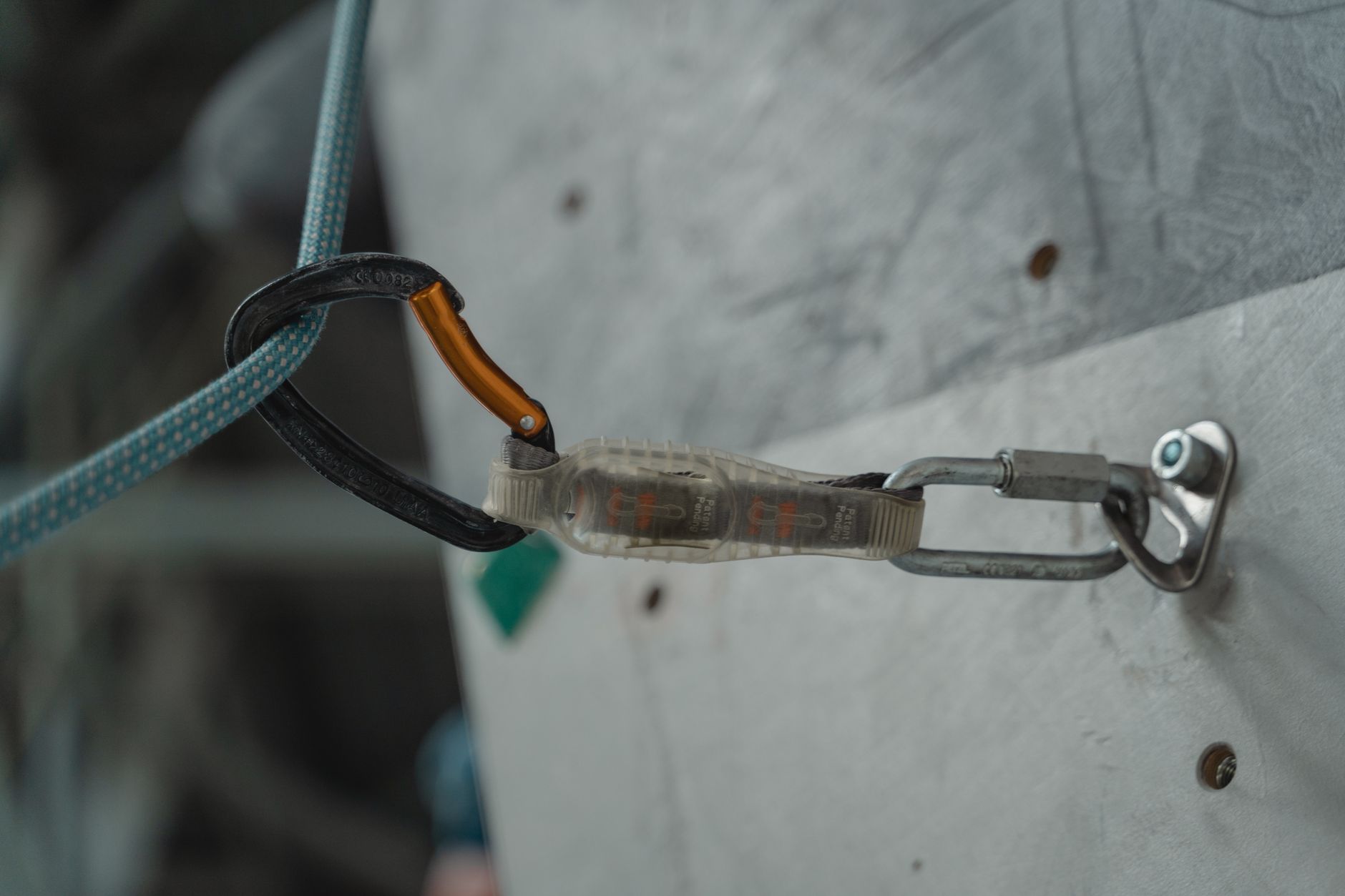
Lead climbing is a style of rock climbing where the climber ascends a route while periodically clipping their rope into quickdraws attached to pre-placed bolts on the rock face or wall. Unlike top-rope climbing, where the rope is already anchored above the climber, the lead climber carries the rope up with them, meaning they are always above their last piece of protection.
This method introduces a "fall factor." If a lead climber falls, they will fall at least twice the distance from their last clipped quickdraw, plus any rope stretch. This can result in dynamic, sometimes significant, falls. The belayer on the ground manages the rope to catch the fall, but the fall itself can be impactful, involving swinging into the wall, hitting ledges, or landing awkwardly. The gear involved includes a harness, rope, belay device, quickdraws, and a helmet.
Lead climbing demands not only physical strength and endurance but also significant mental focus, balance, and coordination. It's an exhilarating sport, but the inherent risk of uncontrolled falls and impacts is what raises serious concerns when considering if lead climbing is safe during pregnancy.
Understanding the mechanics of lead climbing, where the climber is always above their last point of protection, helps explain the inherent risks of falling.
Is Lead Climbing Safe During Pregnancy?
When considering if lead climbing is safe during pregnancy, the overwhelming consensus from medical experts like the American College of Obstetricians and Gynecologists (ACOG) and the UK's National Health Service (NHS) is to avoid activities with a high risk of falling or abdominal trauma. Lead climbing falls squarely into this category.
The primary concern with lead climbing while pregnant is the significant risk of a fall. Even experienced climbers can fall, and a fall during pregnancy carries potential consequences far beyond a typical scraped knee or sprained ankle. Direct blunt trauma to the abdomen, which could occur from hitting the wall, a ledge, or even the rope/harness during a fall, poses a serious risk to the developing fetus. This can lead to complications such as placental abruption (where the placenta detaches from the uterine wall), preterm labor, or direct injury to the baby.
Beyond the fall risk, pregnancy brings physiological changes that can make lead climbing more challenging and dangerous. Hormones like relaxin increase joint laxity, making you more prone to sprains and dislocations. Your center of gravity shifts as your belly grows, impairing balance and coordination. Increased blood volume and cardiovascular changes can also lead to quicker fatigue and overheating, further compromising safety. While individual fitness levels vary, these universal physiological changes mean that even highly experienced climbers face elevated risks.
Because of these factors, most healthcare providers will advise pregnant individuals to pause lead climbing and opt for safer forms of exercise. The potential risks to the pregnancy and the baby far outweigh the benefits of continuing this specific high-risk activity.
Is lead climbing safe in the first trimester of pregnancy?
Despite the uterus being small and relatively protected within the pelvis during the first trimester, lead climbing is still not recommended. While the risk of direct abdominal trauma to the fetus might seem lower compared to later trimesters, a fall can still cause significant maternal injury, which can indirectly affect the pregnancy. More importantly, early pregnancy is a critical period of organogenesis (when the baby's organs are forming), and severe maternal stress or injury could have implications.
Additionally, many pregnant people experience increased fatigue, nausea, and dizziness during the first trimester. These symptoms can impair judgment, reduce stamina, and increase the likelihood of a fall, even for seasoned climbers. The hormonal shifts can also affect concentration. Therefore, even in the first trimester, the risks associated with lead climbing generally outweigh any perceived benefits.
Can you lead climb in the second trimester without risks?
No, lead climbing in the second trimester is generally considered unsafe and carries increased risks compared to the first trimester. As your pregnancy progresses into the second trimester, your uterus grows significantly and extends out of the pelvic bowl, becoming more exposed to potential trauma. This means that a fall, even a seemingly minor one, could result in direct impact to your abdomen, posing a greater risk of placental abruption or other serious complications for the baby.
Furthermore, the hormone relaxin, which helps prepare your body for birth by loosening ligaments, is more active. While beneficial for childbirth, it can make your joints less stable and more susceptible to injury, increasing your risk of sprains or dislocations during dynamic movements or falls. Your center of gravity continues to shift, making balance more challenging and falls more likely. For these reasons, obstetricians strongly advise against lead climbing during the second trimester.
Is lead climbing allowed in the third trimester for pregnant women?
Absolutely not. Lead climbing is definitively not allowed and highly discouraged in the third trimester for pregnant women. By this stage, your belly is prominent, significantly altering your center of gravity and making falls much more probable. The uterus is very exposed, and any direct abdominal trauma from a fall could have catastrophic consequences, including:
Placental abruption: Where the placenta prematurely separates from the uterine wall, leading to severe bleeding and depriving the baby of oxygen and nutrients. This is a medical emergency.
Preterm labor: Trauma can trigger early contractions and lead to premature birth.
Uterine rupture: Although rare, severe impact could potentially rupture the uterus, especially in those with previous uterine surgeries.
Direct fetal injury: While protected by amniotic fluid, severe blunt force can still harm the baby.
Movement is also much more restricted, and the physical demands of lead climbing, combined with increased fatigue and discomfort, make it an extremely high-risk activity in the third trimester. The UK's National Institute for Health and Care Excellence (NICE) guidelines, similar to ACOG, recommend avoiding activities with a risk of falls or abdominal trauma throughout pregnancy, especially in the later stages.
Lead Climbing While Breastfeeding
Once your baby is born and you're cleared for exercise by your healthcare provider (typically after your 6-week postpartum check-up, or longer after a C-section), lead climbing is generally safe to resume while breastfeeding. The primary concerns during pregnancy related to fall risk and abdominal trauma are no longer directly relevant to the baby.
However, there are still considerations for the breastfeeding parent:
Hydration and nutrition: Breastfeeding requires significant caloric intake and hydration. Ensure you're fueling your body adequately for the demands of climbing and milk production.
Fatigue: New parenthood often comes with sleep deprivation. Assess your energy levels and ensure you're not climbing when overly tired, which can increase the risk of injury.
Breast comfort: A tight climbing harness or impact from a fall might cause discomfort or, in rare cases, contribute to mastitis if breasts are engorged. Consider looser-fitting harnesses or adjusting your climbing schedule around feeding times.
Always listen to your body and ease back into strenuous activities gradually. Consult your doctor or a physical therapist specializing in postpartum recovery if you have any concerns about returning to lead climbing.
While lead climbing is best avoided during pregnancy, there are many ways to stay connected to the climbing community and prepare for a safe return postpartum.
What are the risks of lead climbing while pregnant?
The risks associated with lead climbing while pregnant are primarily centered around the potential for falls and the physiological changes that make falls more likely and more dangerous. Understanding these risks is crucial for making informed decisions about your activity levels.
Here’s a breakdown of the main concerns:
Blunt Abdominal Trauma from Falls: This is the most significant risk. A fall during lead climbing can involve swinging into the wall, hitting ledges, or experiencing significant impact from the rope or harness. Such trauma can lead to:
Placental Abruption: The placenta detaching from the uterine wall, leading to severe bleeding, oxygen deprivation for the baby, and potential preterm labor or stillbirth. This is a medical emergency.
Uterine Rupture: A rare but severe complication where the uterine wall tears, posing a life-threatening risk to both mother and baby.
Direct Fetal Injury: Although the baby is protected by amniotic fluid, severe blunt force can still cause direct harm.
Preterm Labor: Trauma or severe stress can trigger early contractions and lead to premature birth.
Increased Risk of Falls: Pregnancy inherently increases your fall risk due to:
Shifting Center of Gravity: As your belly grows, your balance changes, making you less stable on your feet and more prone to losing your footing on the wall.
Ligament Laxity (Relaxin): The hormone relaxin loosens ligaments throughout your body, including in your ankles, knees, and hips. While helpful for childbirth, this can make joints less stable and more susceptible to sprains or dislocations during dynamic climbing movements or awkward landings.
Fatigue and Dizziness: Common pregnancy symptoms, especially in the first and third trimesters, can impair judgment, reduce stamina, and increase the likelihood of a fall.
Nausea and Vomiting: Can lead to dehydration and lightheadedness, further increasing fall risk.
Overstretching and Joint Injury: The increased ligament laxity can also make you more susceptible to overstretching or injuring joints during strenuous climbing moves, even without a fall.
Overheating and Dehydration: Strenuous exercise like lead climbing can cause you to overheat, which can be dangerous for the developing fetus. Dehydration is also a concern, potentially leading to contractions or other complications.
Harness Pressure: While climbing harnesses are designed to distribute weight, during a fall, the pressure can be concentrated on the lower abdomen, which could be concerning in later pregnancy. Specific pregnancy harnesses are available for other climbing styles, but they don't eliminate the fall risk inherent in lead climbing.
Given these significant potential risks, the medical community strongly advises against lead climbing during pregnancy to prioritize the safety and well-being of both the pregnant person and the baby.
Safer alternatives to lead climbing during pregnancy?
While lead climbing is off-limits, there are many excellent and safer ways to stay active and maintain your fitness during pregnancy. Focusing on activities that minimize fall risk and direct abdominal impact is key. Here are some highly recommended alternatives:
Top-rope climbing: A safer climbing option where the rope is already anchored at the top of the route. This means if you fall, you only drop a short distance, and the belayer controls your descent, minimizing impact. You can still enjoy the movement and problem-solving of climbing without the high fall risk.
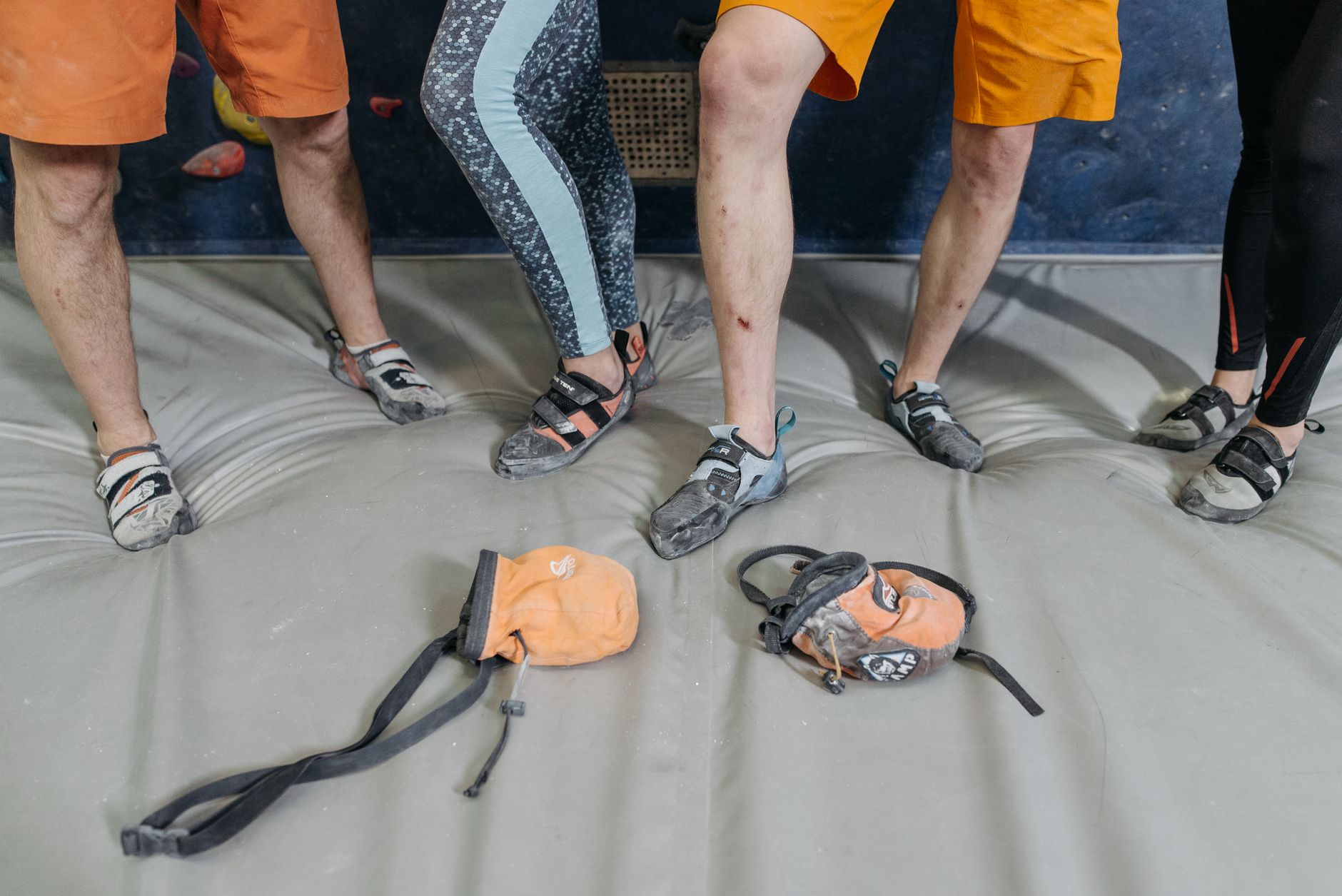
Bouldering with a crash pad (early pregnancy only, with extreme caution): While bouldering involves no ropes and therefore no fall distance, it does involve falling onto thick crash pads. In very early pregnancy, if you're highly experienced and only doing low-height, controlled problems, it might be considered. However, the risk of awkward landings and twisting is still present, and it should be avoided as your belly grows.
Indoor climbing with auto-belays: Many gyms offer auto-belay systems that take up slack as you climb and lower you gently when you let go. This removes the need for a belayer and significantly reduces fall risk, making it a much safer alternative to lead climbing.
Yoga for pregnant women: Prenatal yoga classes are specifically designed to support your changing body, improve flexibility, strengthen core muscles (safely), and practice breathing techniques useful for labor.
Prenatal Pilates: Similar to yoga, Pilates focuses on core strength, stability, and controlled movements, making it an excellent way to maintain fitness and support your posture during pregnancy.
Walking or hiking on flat terrain: A fantastic low-impact cardiovascular exercise that's safe throughout pregnancy. Stick to well-maintained, flat paths to avoid tripping hazards.
Swimming: Often called the "perfect pregnancy exercise," swimming supports your body weight, reduces joint strain, and helps you feel lighter. It’s excellent for cardiovascular health and muscle strengthening.
Stationary cycling: Offers a great cardiovascular workout without the risk of falling from a bike. You can control the intensity and duration.
Always listen to your body, stay hydrated, and consult with your healthcare provider before starting any new exercise routine during pregnancy.
Related items — safety at a glance
Understanding the safety of lead climbing often leads to questions about other related activities. Here’s a quick overview of how other climbing and outdoor sports compare for pregnancy safety:
Activity
Verdict
Notes
Bouldering
❌ Best avoided
Involves falling onto crash pads, which still carries risk of awkward landings, twisting injuries, and direct abdominal impact as pregnancy progresses.
Top-rope climbing
⚠️ Safe with limits
Much safer than lead climbing as fall distance is minimal. Focus on routes below your limit, use a full-body pregnancy harness, and stop if you feel discomfort. Avoid dynamic moves.
Ice climbing
❌ Best avoided
High risk of falls, difficult terrain, exposure to extreme cold, and potential for falling ice/debris make it unsafe.
Trad climbing
❌ Best avoided
Similar to lead climbing, with the added complexity and risk of placing your own protection, increasing fall potential and exposure.
Indoor climbing (auto-belay)
✅ Generally safe
Auto-belay systems minimize fall risk by controlling descent. Still, listen to your body, choose moderate routes, and avoid overexertion.
Rock scrambling
❌ Best avoided
Involves navigating uneven, steep terrain without ropes, carrying a high risk of slips and falls, especially with shifting balance.
Via ferrata
⚠️ Safe with limits
Fixed steel cables and ladders reduce fall risk, but still involves exposure and potential for slips. Best avoided in later trimesters due to balance and harness pressure.
Mountaineering
❌ Best avoided
Combines multiple risks: high altitude (risk of hypoxia), extreme weather, heavy loads, and technical climbing/glacier travel with fall potential.
Myth vs. fact
Myth vs. fact
Myth: If you're an experienced climber, your body is used to it, so lead climbing is fine during pregnancy.
Fact: While your fitness level is a great asset, pregnancy introduces fundamental physiological changes that affect everyone, regardless of prior experience. Hormones like relaxin loosen ligaments, making joints less stable. Your center of gravity shifts dramatically, impacting balance. Blood volume increases, affecting cardiovascular response. These changes increase your risk of falls and injury, making lead climbing unsafe even for highly experienced individuals.
Myth: I can just be extra careful and avoid falling while lead climbing.
Fact: Even the most cautious and skilled climbers can experience unexpected falls due to a slip, a broken hold, or a misjudgment. The very nature of lead climbing means you are above your last point of protection, making dynamic falls an inherent part of the activity. During pregnancy, the consequences of such falls are too severe to risk.
Myth: My baby is well-protected by amniotic fluid, so a fall won't hurt them.
Fact: While amniotic fluid provides cushioning, it's not foolproof protection against severe blunt force trauma. A significant impact to the abdomen from a fall can still cause serious complications like placental abruption (where the placenta detaches from the uterine wall), preterm labor, or even direct fetal injury, especially in the second and third trimesters when the uterus is more exposed.
Key takeaways
Lead climbing is generally not recommended during any stage of pregnancy due to the high risk of falls and potential for direct abdominal trauma.
Pregnancy-related changes like shifting balance, increased ligament laxity, and fatigue significantly heighten the risk of falling.
A fall during pregnancy can lead to serious complications such as placental abruption, preterm labor, or direct injury to the baby.
Safer alternatives include top-rope climbing (with modifications), auto-belay systems, prenatal yoga, swimming, and walking.
Always prioritize your and your baby's safety, and consult your healthcare provider for personalized exercise guidance.
Frequently asked questions
Can you climb while pregnant?
Yes, you can climb while pregnant, but with significant modifications and caution. Lead climbing and bouldering are generally advised against due to fall risks. Top-rope climbing, especially on easier routes and with a full-body pregnancy harness, can be a safer option, particularly in the first and early second trimesters, provided you listen to your body and have your doctor's approval. Indoor climbing with auto-belays is also a good alternative.
What sports should you avoid during pregnancy?
You should avoid sports with a high risk of falls, abdominal trauma, or extreme impact. This includes activities like lead climbing, bouldering (especially as your belly grows), contact sports (e.g., soccer, basketball), horseback riding, downhill skiing, scuba diving, and activities at high altitudes. Always consult your doctor for personalized advice.
Is rock climbing safe in early pregnancy?
Lead climbing is not considered safe in early pregnancy due to the inherent risk of falls. While the uterus is still protected in the pelvis, maternal injury can still occur, and fatigue or nausea can increase fall risk. Top-rope climbing on easy routes, with a full-body harness and extreme caution, might be considered in early pregnancy with a doctor's approval, but any activity with fall risk is generally discouraged.
Can falling while climbing hurt the baby?
Yes, falling while climbing can absolutely hurt the baby. Even seemingly minor falls can result in blunt abdominal trauma, which carries serious risks such as placental abruption (where the placenta detaches), preterm labor, or direct fetal injury. The risk increases significantly as the uterus grows and becomes more exposed in the second and third trimesters.
What are the safest exercises during pregnancy?
The safest exercises during pregnancy are typically low-impact activities that carry minimal risk of falls or abdominal trauma. Excellent choices include walking, swimming, stationary cycling, prenatal yoga, prenatal Pilates, and light strength training with modifications. The goal is to maintain fitness without putting yourself or your baby at undue risk.
Is belaying safe during pregnancy?
Belaying during pregnancy is generally considered safer than climbing, as it doesn't involve the fall risk for the pregnant person. However, prolonged standing can be tiring, and bracing for a fall (especially a dynamic one from a lead climber) could put strain on your core. If belaying, ensure you have a comfortable stance, stay hydrated, and consider belaying lighter climbers or opting for top-rope belaying for less dynamic loads. Always listen to your body and avoid overexertion.
Can you do high-intensity sports while pregnant?
It depends on the sport and your pre-pregnancy fitness level. If you were doing high-intensity sports regularly before pregnancy, you might be able to continue a modified version with your doctor's approval, as long as it doesn't involve fall risk, abdominal trauma, or extreme impact. However, pregnancy is not the time to start new high-intensity training or push new limits. Listen to your body, avoid overheating, and prioritize safety.
What are the risks of lead climbing?
The risks of lead climbing include falls that can result in injuries like sprains, fractures, concussions, or even more severe trauma from hitting the wall or ground. Other risks include rope burns, equipment failure (rare), and overexertion. During pregnancy, these risks are amplified, with the added concern of direct abdominal trauma to the fetus from a fall, leading to complications like placental abruption or preterm labor.
When to call your doctor
Even if you are avoiding lead climbing, it's important to be aware of warning signs during any physical activity or in general during pregnancy. Call your doctor or midwife immediately if you experience any of the following:
Vaginal bleeding
Fluid leaking from your vagina
Regular, painful contractions
Sudden swelling in your hands, face, or ankles
Severe headaches or visual disturbances
Dizziness or feeling faint
Chest pain or shortness of breath
Calf pain or swelling
Sudden, severe abdominal pain
A decrease in fetal movement (after 24 weeks)
This information is for educational purposes only and is not a substitute for professional medical advice, diagnosis, or treatment. Always seek the advice of your physician or other qualified health provider with any questions you may have regarding a medical condition.
References
American College of Obstetricians and Gynecologists (ACOG). (2020). Physical Activity and Exercise During Pregnancy and the Postpartum Period. Committee Opinion No. 804.
National Institute for Health and Care Excellence (NICE) UK. (2021). Antenatal care: Clinical guideline [CG62]. Retrieved from https://www.nice.org.uk/guidance/cg62
Not sure about the label on Is Lead Climbing Safe During Pregnancy products?
Snap the ingredients list and SafeFilter checks every ingredient for your stage — only 3 free scans this month, then you're locked until reset. Unlimited from $7/mo or $50/yr.
When Shubhra Mishra was expecting her first child in 2016, she was overwhelmed by conflicting food advice — one site said yes, another said never. By the time her second baby arrived in 2019, she realized millions of mothers face the same confusion.
That sparked a five-year journey through clinical nutrition papers, cultural diets, and expert conversations — all leading to BumpBites: a calm, compassionate space where science meets everyday motherhood.
Her long-term vision is to build a global community ensuring safe, supported, and free deliveriesfor every mother — because no woman should face pregnancy alone or uninformed. 🌿
🌍 Stand with mothers, shape safer guidance
Join a small circle of experts who review BumpBites articles so expecting parents everywhere can decide with confidence.