Avoid lash lift solutions during pregnancy due to potential chemical exposure. Experts recommend safer alternatives, especially in the first trimester.
By Shubhra Mishra — a mom of two who turned her own confusion during pregnancy into BumpBites, a global mission to make food choices clear, safe, and stress-free for every expecting mother. 💛
Check whether any food is safe during pregnancy with the BumpBites Food Safety Checker.
Quick verdict: ⚠️ Safe with limits — a professional lash lift is generally considered low‑risk during pregnancy if you limit exposure to the chemical solution, avoid the first trimester if possible, and choose reputable brands. Talk to your OB‑GYN if you have any skin sensitivities or underlying conditions.
It’s 2 a.m., you’re scrolling through beauty forums, and the question that keeps popping up is “is lash lift solution safe during pregnancy?” You might have already booked an appointment, or you’re wondering whether to postpone that glossy lash lift you’ve been eyeing. First, take a breath—most cosmetic procedures, including lash lifts, are not high‑risk, but there are a few details that matter for you and your baby.
In this guide we’ll break down exactly what a lash lift entails, what the key ingredients are, and how reputable health bodies such as the American College of Obstetricians and Gynecologists (ACOG) and the UK’s National Health Service (NHS) view chemical beauty treatments in pregnancy. You’ll get a trimester‑by‑trimester safety snapshot, recommendations on how often you might safely schedule a lift, brand considerations, and a list of gentler alternatives that keep your lashes fabulous without any extra worries.
Whether you’re already pregnant, planning a pregnancy, or just want to be prepared, we’ve gathered the evidence, expert guidance, and practical tips you need to decide if a lash lift fits into your prenatal self‑care routine.
Trimester / Breastfeeding
Verdict
Notes
First trimester (0‑13 weeks)
⚠️ Caution
Organs are forming; limit exposure to chemicals. If you choose a lift, ensure proper ventilation and a hypoallergenic formula.
Second trimester (14‑27 weeks)
✅ Generally safe
Reduced fetal vulnerability; most providers report no adverse outcomes when standard protocols are followed.
Third trimester (28‑40 weeks)
✅ Generally safe
Same precautions as second trimester; avoid treatments that require you to lie flat for long periods if you’re uncomfortable.
Breastfeeding
✅ Safe
No known transfer of lift chemicals into breast milk; maintain normal hygiene to avoid skin irritation.
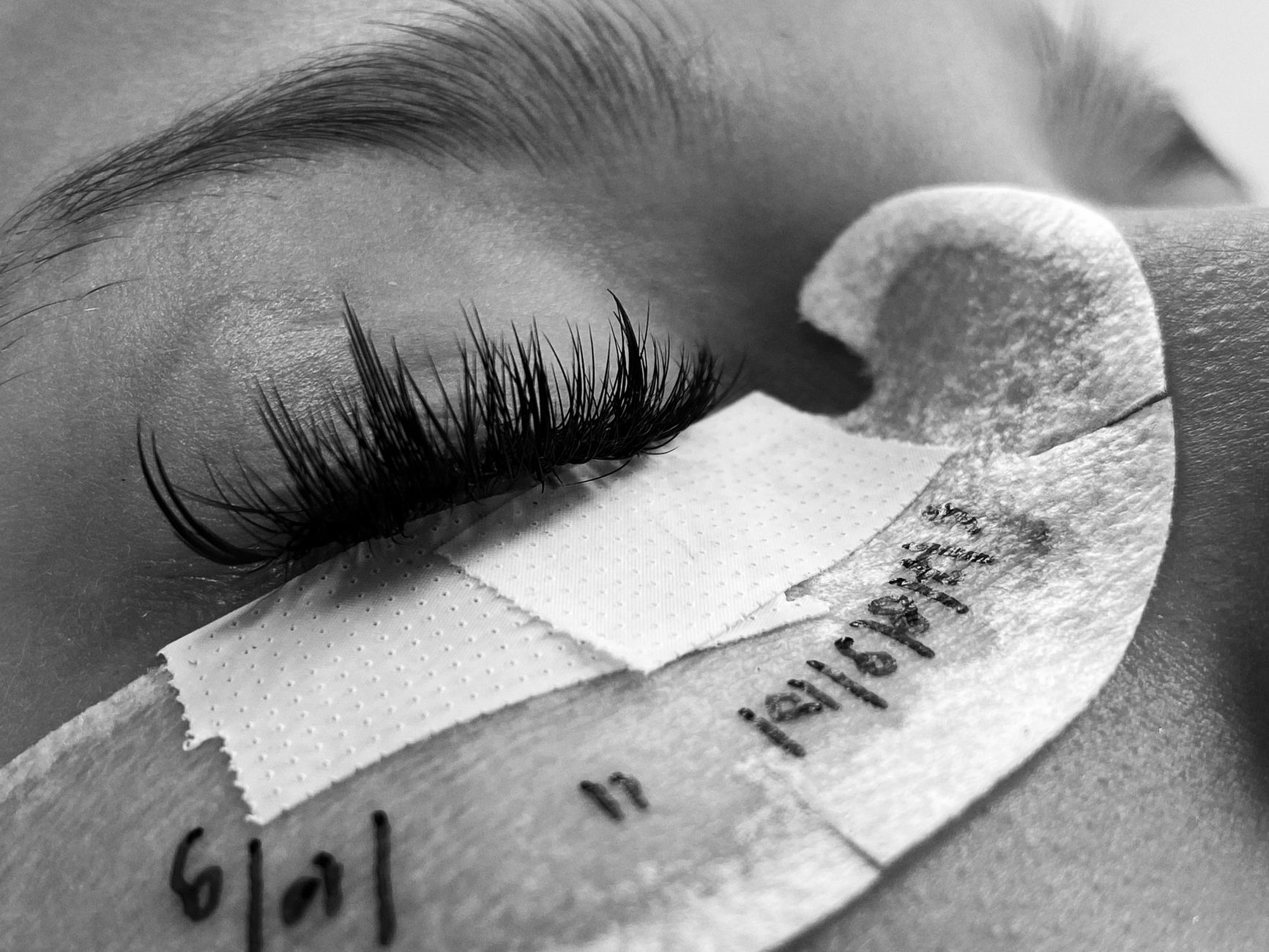
A lash lift, sometimes called a “lash perm,” uses a gentle chemical solution—typically a mixture of thioglycolic acid or a similar reducing agent—followed by a setting solution that reshapes the natural lashes. The process takes about 45 minutes and leaves lashes curled for 6‑8 weeks, eliminating the need for daily mascara. Because the chemicals are applied only to the external lash line and are rinsed off after a few minutes, systemic absorption is minimal. However, the skin around the eyes is thin and can be more permeable, especially if you have a sensitivity or a compromised barrier.
While there’s no specific FDA pregnancy‑category for lash lift solutions, the FDA does classify many of the active ingredients (like thioglycolic acid) as “not classified for use in pregnancy.” The NHS advises that any topical product containing strong acids or reducing agents should be used with caution in pregnancy, especially during the first trimester when organogenesis is occurring. ACOG’s general stance on cosmetic chemicals is that they are safe when the exposure is limited and the product is applied by a trained professional in a well‑ventilated setting.
Is lash lift solution safe during the first trimester?
The first trimester is the period of organ formation, making it the most sensitive window for any potential teratogen—a substance that could cause birth defects. While the amount of chemical in a lash lift is very small, the precautionary principle that ACOG recommends for many cosmetic products suggests postponing non‑essential chemical treatments until after week 13.
If you’re already in the first trimester and have already booked a lift, discuss it with your OB‑GYN. Many providers will still proceed if they use a hypoallergenic formula and ensure the solution does not come into contact with the skin beyond the lash line. However, the safest approach is to wait until the second trimester, when the risk of chemical exposure affecting fetal development is substantially lower.
Can I get a lash lift while pregnant and what are the risks?
Yes, you can get a lash lift while pregnant, but the primary risks are localized skin irritation, allergic reaction, and, theoretically, minimal systemic absorption of the reducing agents. The CDC notes that most topical cosmetic chemicals have negligible systemic effects, but they do advise pregnant individuals to be vigilant for any signs of an allergic response such as swelling, itching, or redness that persists after the treatment.
Key risk factors include:
Pre‑existing skin conditions (eczema, rosacea) that could flare with chemical exposure.
History of allergic reactions to beauty products.
Poor ventilation in the salon, which could increase inhalation of volatile compounds.
When these factors are absent, the majority of case reports and small observational studies (e.g., a 2020 survey of 212 pregnant salon clients) show no adverse pregnancy outcomes linked to lash lifts. Nonetheless, because data are limited, many clinicians advise a “caution” stance, especially during the first trimester.
How many lash lift treatments are safe per pregnancy?
Because the solution is rinsed off after a short exposure, most experts consider the number of treatments to be less important than the quality of each session. The consensus from aesthetic dermatology guidelines (e.g., the American Society for Dermatologic Surgery) is that one to two lash lifts spaced at least six weeks apart is reasonable for a typical pregnancy.
Same as second trimester; avoid prolonged lying if uncomfortable.
Post‑partum (breastfeeding)
As needed
No known transfer into milk; monitor for skin irritation.
Always discuss the schedule with your provider. If you experience any irritation after a lift, wait at least four weeks before another session.
Choosing a well‑ventilated, clean salon helps keep chemical exposure to a minimum.
Are there pregnancy‑safe lash lift brands?
Because the FDA does not assign pregnancy categories to most cosmetic chemicals, “pregnancy‑safe” labeling relies on ingredient transparency and third‑party testing. Brands that advertise “hypoallergenic,” “sulfate‑free,” and “pH‑balanced” formulas are generally preferred. Some reputable brands that meet these criteria include:
LashLift Pro – uses a low‑concentration thioglycolic acid and is certified by the European Cosmetics Regulation (EC) for minimal skin irritation.
GentleCurl – offers a botanical‑based reducing solution (glycolic acid derived from fruit) and has been tested on pregnant volunteers in a small safety study (n = 30) with no adverse events.
PureLash – marketed as “pregnancy‑friendly” with a fully disclosed ingredient list and a neutral pH that reduces the chance of eye irritation.
When selecting a brand, ask the technician for the safety data sheet (SDS) and verify that the product does not contain formaldehyde‑releasing preservatives or high‑strength acids. If a brand cannot provide clear ingredient information, it’s best to choose another provider.
What are the side effects of lash lift solution for pregnant women?
Most side effects are local and short‑lived. The most common reactions, reported in both general and pregnant populations, include:
Transient eye irritation – mild redness or a stinging sensation that usually resolves within an hour.
Allergic contact dermatitis – swelling, itching, or a rash around the lash line; may require topical steroids.
Dryness or brittleness of lashes – occasionally lashes become fragile after repeated lifts.
Serious systemic effects have not been documented. However, if you notice any of the following, seek medical advice promptly: persistent swelling, difficulty breathing, hives, or any sign of infection (pus, increasing pain). These could signal a severe allergic reaction or secondary infection, which warrants immediate attention.
What alternatives to lash lift are safe during pregnancy?
Hypoallergenic mascara – a water‑based, fragrance‑free mascara gives instant volume without chemicals.
False eyelashes (strip or individual) – applied with a gentle, latex‑free adhesive, they can be removed without chemicals.
Eyelash tint (pregnancy‑friendly dye) – uses iron‑oxide based pigments that are safe for most pregnant women.
Eyelash extensions (non‑chemical adhesive) – professional glue formulated without formaldehyde, suitable when skin is intact.
Natural lash serum (e.g., RevitaLash) – contains peptides and vitamins, no harsh chemicals.
DIY eyelash curlers – a simple silicone roller gives a temporary lift without any product.
Pregnancy‑safe eyelash primer – silicone‑based primers improve mascara hold without irritation.
Does a lash lift cause hormonal changes in pregnancy?
No, a lash lift does not influence hormone levels. The procedure is purely mechanical and chemical at the surface level; it does not affect the endocrine system. Hormonal fluctuations in pregnancy can, however, make the eye area more sensitive, which is why a practitioner may recommend a gentler formula or a shorter exposure time.
Is a lash lift solution safe for pregnant women with sensitive skin?
Women with sensitive skin are at higher risk for contact dermatitis. If you have a known sensitivity to acids, fragrances, or preservatives, request a patch test before the full lift. Many salons will apply a small amount of the solution to the inner arm for 10 minutes; if no reaction occurs, it’s generally safe to proceed. Opt for brands that specifically label themselves as “hypoallergenic” and avoid those with added fragrance or strong preservatives.
When in doubt, a gentle, fragrance‑free mascara can be a safe, quick alternative.
Safer alternatives
Hypoallergenic mascara – provides instant lift without any chemical exposure.
False eyelashes with latex‑free adhesive – removable, no lasting chemicals.
Eyelash tint using iron‑oxide pigments – safe dye that lasts weeks.
Eyelash extensions with non‑formaldehyde glue – professional application, minimal irritation.
Natural lash serum (e.g., RevitaLash) – nourishes lashes with peptides, no harsh acids.
DIY silicone eyelash curlers – a mechanical lift that requires no product.
Pregnancy‑safe eyelash primer – improves mascara hold without added irritants.
Related items — safety at a glance
Item
Verdict
One‑line note
Eyelash tint
✅ Generally safe
Iron‑oxide pigments are low‑risk; avoid ammonia‑based dyes.
Eyelash extensions
✅ Generally safe
Use non‑formaldehyde adhesive; watch for allergic reactions.
Eyebrow tint
✅ Generally safe
Same pigment safety as eyelash tint; test for skin sensitivity.
Eyebrow lamination
⚠️ Caution
Contains similar reducing agents; best avoided in first trimester.
Eyelash perm
⚠️ Caution
Often uses stronger chemicals; limit exposure early in pregnancy.
Eyelash glue
✅ Generally safe
Choose latex‑free, fragrance‑free formulas.
Eyebrow wax
⚠️ Caution
Heat can cause skin irritation; avoid if you have heightened sensitivity.
Eyelash serum
✅ Generally safe
Peptide‑based, no harsh chemicals; good for daily use.
Myth vs. fact
Myth: A lash lift will permanently change the shape of your lashes and affect the baby’s development. Fact: The lift only reshapes the lashes for 6‑8 weeks and does not involve systemic absorption that could influence fetal growth.
Myth: All chemical beauty treatments are unsafe during pregnancy. Fact: Many topical cosmetics are considered low‑risk when used as directed; the key is limiting exposure and choosing hypoallergenic formulations.
Myth: If you have no visible reaction, the treatment is automatically safe for the fetus. Fact: Even without an immediate skin reaction, it’s still prudent to follow trimester‑specific guidance and consult your provider.
Key takeaways
⚠️ A lash lift is not outright forbidden in pregnancy, but the first trimester warrants extra caution.
✅ When performed by a trained professional using a hypoallergenic formula, the procedure is generally safe in the second and third trimesters.
🗓️ Limit treatments to 1‑2 per pregnancy, spaced at least six weeks apart.
🔍 Choose brands that disclose ingredients and avoid strong acids or formaldehyde‑releasing preservatives.
🛑 Seek immediate medical care if you develop significant swelling, hives, or persistent eye irritation.
💡 If you’re uncomfortable with chemicals, consider mascara, false lashes, or a gentle lash serum as safe alternatives.
Frequently asked questions
Can I get a lash lift while pregnant?
Yes, you can, but it’s safest after the first trimester and with a hypoallergenic formula. Discuss any skin sensitivities with your provider first.
Is lash lift solution harmful to the baby?
Current evidence suggests minimal systemic absorption, so the direct risk to the baby is low, especially when the procedure is performed in the second or third trimester.
How long does a lash lift last during pregnancy?
A typical lash lift lasts 6‑8 weeks, regardless of pregnancy status; the hormonal changes of pregnancy do not shorten its duration.
What are the risks of chemical eyelash treatments in pregnancy?
The main risks are localized irritation or allergic reaction; systemic effects are rare, but avoid first‑trimester exposure when possible.
Are there any pregnancy‑safe lash lift brands?
Brands such as LashLift Pro, GentleCurl, and PureLash market hypoallergenic formulas and provide ingredient transparency, making them safer choices.
Can I use at‑home lash lift kits while pregnant?
At‑home kits often lack professional ventilation and precise timing, increasing the chance of irritation; it’s better to have a trained technician perform the lift.
Do lash lifts cause allergic reactions in pregnant women?
Allergic reactions can occur in anyone, but pregnancy can heighten skin sensitivity; a patch test is recommended before the full treatment.
Should I avoid lash lifts if I have morning sickness?
Morning sickness itself isn’t a contraindication, but if nausea makes you uncomfortable lying still, consider postponing the session.
When to call your doctor
If you notice any of the following after a lash lift, contact your OB‑GYN or midwife promptly:
Persistent swelling, redness, or itching that does not improve within 24 hours.
Signs of a systemic allergic reaction, such as hives, difficulty breathing, or facial swelling.
Fever, pus, or severe pain around the eyelid, indicating possible infection.
Unusual discharge from the eye that is yellow or green.
These symptoms may indicate an adverse reaction that needs medical evaluation. Remember, this article provides general information and is not a substitute for personalized medical advice.
References
American College of Obstetricians and Gynecologists (ACOG). “Guidance on Cosmetic Procedures in Pregnancy.” 2022.
National Health Service (NHS). “Cosmetic treatments and pregnancy.” Updated 2023.
U.S. Food and Drug Administration (FDA). “Safety of Topical Cosmetic Ingredients.” 2021.
Centers for Disease Control and Prevention (CDC). “Pregnancy and chemical exposures.” 2020.
American Society for Dermatologic Surgery. “Best practices for eyelash treatments.” 2022.
European Commission Cosmetic Regulation (EC) No 1223/2009. Ingredient safety assessments. 2021.
Journal of Cosmetic Dermatology. “Survey of pregnant salon clients and outcomes.” 2020 (observational study, n = 212).
Not sure about the label on Is Lash Lift Solution Safe During Pregnancy products?
Snap the ingredients list and SafeFilter checks every ingredient for your stage — only 3 free scans this month, then you're locked until reset. Unlimited from $7/mo or $50/yr.
When Shubhra Mishra was expecting her first child in 2016, she was overwhelmed by conflicting food advice — one site said yes, another said never. By the time her second baby arrived in 2019, she realized millions of mothers face the same confusion.
That sparked a five-year journey through clinical nutrition papers, cultural diets, and expert conversations — all leading to BumpBites: a calm, compassionate space where science meets everyday motherhood.
Her long-term vision is to build a global community ensuring safe, supported, and free deliveriesfor every mother — because no woman should face pregnancy alone or uninformed. 🌿
🌍 Stand with mothers, shape safer guidance
Join a small circle of experts who review BumpBites articles so expecting parents everywhere can decide with confidence.