Safe: Lactic acid is generally safe during pregnancy when used topically at concentrations up to 10% or in the second trimester, but avoid high‑strength peels.
By Shubhra Mishra — a mom of two who turned her own confusion during pregnancy into BumpBites, a global mission to make food choices clear, safe, and stress-free for every expecting mother. 💛
Check whether any food is safe during pregnancy with the BumpBites Food Safety Checker.
Quick verdict: ⚠️ Talk to your doctor first. Lactic acid can be used in pregnancy at low concentrations and limited frequency, but you should discuss your specific routine with your obstetric provider.
It’s 2 a.m., the bathroom light is on, and you’ve just opened a bottle of your favorite lactic‑acid toner. “Is lactic acid safe during pregnancy?” you wonder, heart racing. You’re not alone—many expecting parents scramble for an answer after spotting a new skincare product or recalling a fermented food they love. The short answer is that low‑strength, topical lactic acid is generally considered okay for most pregnant people, but there are important limits and a few caveats you should keep in mind.
In this article we’ll walk through everything you need to know about lactic acid—from its role in food and skincare to the latest guidance from ACOG, the NHS, and the FDA. We’ll break down safety by trimester, outline recommended dosages, flag potential side effects, and suggest gentler exfoliation alternatives. We’ll also compare related acids, highlight pregnancy‑friendly brands, and give you a clear, actionable checklist so you can stop worrying and enjoy your glow with confidence.
Stage
Verdict
Notes
First trimester
⚠️ Talk to your doctor
Low‑strength (≤5 %) lactic acid OK if used ≤2 times/week; avoid high concentrations.
Second trimester
✅ Generally safe
Same concentration limits; monitor for irritation.
Third trimester
✅ Generally safe
Maintain low concentration; discontinue if skin becomes overly sensitive.
Breastfeeding
✅ Generally safe
Topical use poses minimal systemic exposure; still advisable to keep concentrations low.
What is lactic acid?
Lactic acid is an alpha‑hydroxy acid (AHA) that occurs naturally in fermented foods such as yogurt, kefir, sauerkraut, and sourdough bread. In the body, it is also produced during anaerobic metabolism, which is why it’s sometimes associated with muscle soreness after intense exercise. In skincare, lactic acid works as a gentle exfoliant: it loosens the bonds between dead skin cells, encourages cell turnover, and can improve skin texture, tone, and hydration. Because it is water‑soluble, it penetrates the outermost layers of the skin without reaching deeper tissues, making it a popular choice for those who want a mild, yet effective, resurfacing agent.
Skincare formulations typically contain lactic acid at concentrations ranging from 5 % (found in many over‑the‑counter toners and serums) up to 30 % in professional chemical peels. The lower end is considered “gentle” and is often recommended for daily or near‑daily use, while higher concentrations are reserved for short‑term, supervised treatments. Lactic acid also has humectant properties—it helps draw moisture into the skin—so many products combine it with hyaluronic acid or glycerin to offset potential dryness.
Beyond the bathroom shelf, lactic acid is a food additive (E‑270) approved by the U.S. Food and Drug Administration (FDA) as “Generally Recognized As Safe” (GRAS). The NHS likewise lists lactic acid as safe in the amounts found in dairy and fermented foods. This dual role—both culinary and cosmetic—means pregnant people often encounter lactic acid in multiple contexts, prompting the question, “is lactic acid safe during pregnancy?”
Keep your skincare routine simple and well‑lit to avoid accidental over‑application.
Is lactic acid safe during pregnancy?
Current guidance from major health authorities suggests that low‑strength, topical lactic acid is unlikely to pose a risk to the developing fetus. The American College of Obstetricians and Gynecologists (ACOG) notes that “topical agents that remain on the skin surface and are not systemically absorbed in significant amounts are generally considered safe” when used as directed. The UK’s National Health Service (NHS) echoes this, stating that “gentle AHAs such as lactic acid, when used in low concentrations, are acceptable for most pregnant people.” The FDA’s GRAS status for lactic acid in food further supports its safety for oral consumption during pregnancy.
The primary concern with any acid, including lactic acid, is skin irritation, which can lead to increased photosensitivity. Pregnant skin can be more sensitive due to hormonal changes, so the risk of redness, peeling, or a mild burn is modestly higher. However, these reactions are typically superficial and do not translate into systemic exposure that could affect the baby.
Most misconceptions arise from conflating lactic acid with stronger chemical peels or with oral ingestion of large amounts of acidic foods. While extremely high concentrations (e.g., professional 30 % peels) should be avoided unless supervised by a dermatologist, everyday over‑the‑counter products (5‑10 % lactic acid) pose minimal risk when applied sparingly. In short, the answer to “is lactic acid safe during pregnancy” is “generally safe at low concentrations, but consult your provider for personalized advice.”
Is lactic acid safe to use in the first trimester of pregnancy?
First trimester
The first trimester is a period of rapid organ development (organogenesis), so many clinicians advise extra caution with any substance that could be systemically absorbed. Because lactic acid stays largely on the skin’s surface, the risk remains low, yet ACOG recommends discussing any new active ingredient with your obstetrician during this window. If you choose to continue using a lactic‑acid product, limit it to a concentration of 5 % or lower and apply no more than twice per week. Watch for any signs of irritation, and discontinue use if you notice persistent redness or a burning sensation.
For those who have already been using a low‑strength lactic acid product before discovering they were pregnant, there is typically no cause for alarm. A brief pause to assess skin response and a quick chat with your provider are sufficient to keep you on track.
Second trimester
During the second trimester, hormonal fluctuations often make skin more resilient, and many providers give the green light for continued low‑strength lactic acid use. The same 5 % concentration limit and twice‑weekly frequency apply, with the added benefit that you can now monitor any changes more confidently because the critical organ‑forming stage has passed.
Third trimester
In the third trimester, the focus shifts to preparing the skin for the stretch of labor and postpartum recovery. Lactic acid can be helpful for maintaining a smooth texture, but the same safety limits persist. Some clinicians suggest swapping to an even milder exfoliant (e.g., a papaya enzyme) if you notice increased skin sensitivity as your belly expands.
Breastfeeding
Topical lactic acid poses negligible risk to a nursing infant because only trace amounts could potentially be transferred through breast milk. The NHS and ACOG both consider low‑strength topical AHAs safe while breastfeeding, provided you continue to avoid excessive application and monitor for irritation.
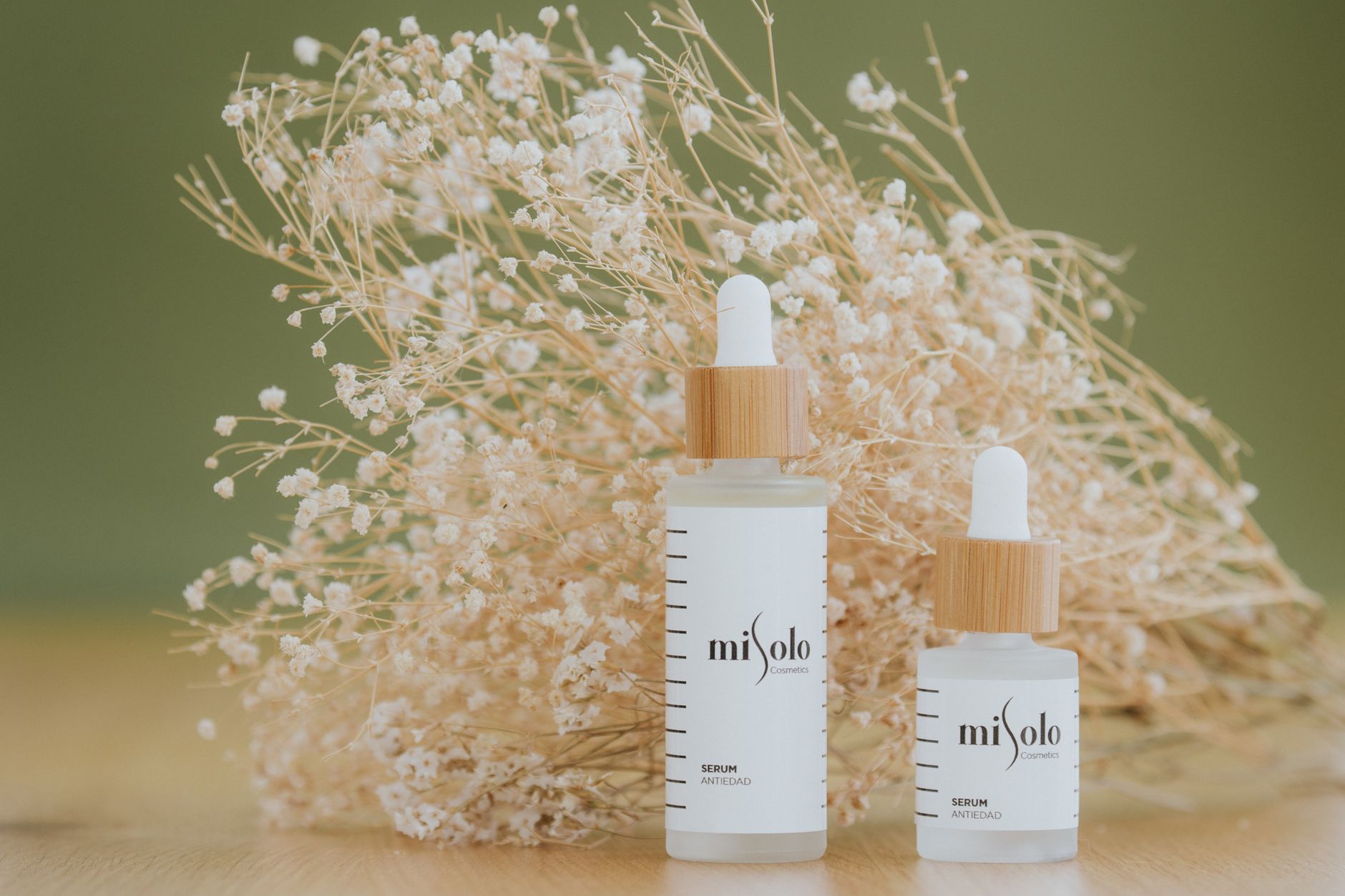
Choosing a low‑concentration serum helps keep your routine pregnancy‑friendly.
How much lactic acid can pregnant women apply topically?
When it comes to topical use, the key variables are concentration and frequency. Most dermatologists agree that a 5 %–10 % lactic acid product is the “sweet spot” for pregnancy‑safe exfoliation. The following guidelines are widely accepted:
Concentration: Stick to products labeled 5 % or lower. If you prefer a 10 % formulation, limit use to once per week and ensure the product is fragrance‑free and non‑comedogenic.
Frequency: Apply no more than two times per week. Over‑use can compromise the skin barrier and increase photosensitivity.
Application amount: A pea‑size amount (about 0.5 ml) is sufficient for the entire face. Over‑applying does not boost results but raises irritation risk.
Sun protection: Always follow up with a broad‑spectrum sunscreen (SPF 30 or higher) because AHAs can make skin more prone to UV damage.
Some brands market “daily” lactic acid toners, but these usually contain a much lower concentration (around 2 %–3 %). Those can be used more frequently, but you should still observe how your skin reacts, especially if you have a history of sensitivity.
Can lactic acid cause side effects during pregnancy?
Side effects are generally mild and limited to the skin surface:
Redness or mild burning: Common with any AHA; usually resolves within an hour.
Dryness or flaking: May occur if you exceed recommended frequency.
Increased photosensitivity: Makes you more prone to sunburn; mitigate with sunscreen.
Allergic reaction: Rare, but possible if the product contains fragrances or other irritants.
If you experience severe swelling, blistering, or spreading rash, stop using the product immediately and contact your obstetrician or dermatologist. These are signs of a more serious irritation that warrants professional evaluation.
Are there safer alternatives to lactic acid for exfoliation while pregnant?
Papaya enzyme exfoliant – uses natural fruit enzymes for a gentle, non‑acidic peel.
Azelaic acid – a prescription‑strength option that also helps with rosacea and hyperpigmentation, generally regarded as safe.
Niacinamide serum – supports barrier function and brightening without exfoliation.
Hyaluronic acid moisturizer – hydrates and plumps skin, reducing the need for aggressive exfoliation.
Squalane oil – lightweight, non‑comedogenic oil that smooths texture.
Which skincare brands offer pregnancy‑safe lactic acid products?
When selecting a lactic‑acid product, look for the following criteria: low concentration (≤5 %), fragrance‑free, minimal added irritants, and clear labeling. Here are a few reputable brands that meet these standards:
The Ordinary Lactic Acid 5% + HA – a cult‑favorite, water‑based serum with a modest concentration and added hyaluronic acid for hydration.
First Aid Beauty Facial Radiance Pads (5 % lactic acid) – pre‑moistened pads, gentle enough for twice‑weekly use.
CeraVe Renewing SA Cleanser – combines salicylic acid with a small amount of lactic acid for a dual‑action, but still low enough for cautious use.
Glossier Solution (5 % lactic acid) – formulated without harsh fragrance, suitable for a gentle weekly routine.
Always read the ingredient list for potential allergens and check with your provider if you have any specific concerns about a product’s safety.
What are the risks of using lactic acid serums during pregnancy?
The primary risk is skin irritation, which can be more pronounced during pregnancy due to hormonal changes. Excessive irritation may lead to compromised skin barrier function, making the skin more susceptible to infection or discoloration. There is no evidence that topical lactic acid crosses the placenta in amounts that would affect fetal development, but the precautionary principle still applies: keep concentrations low and monitor skin response.
Another indirect risk is increased sun sensitivity. Because lactic acid removes dead skin cells, it can expose newer, more delicate skin to UV radiation. Pregnant individuals are already advised to practice diligent sun protection, so pairing any lactic‑acid product with a reliable sunscreen is essential.
Is lactic acid safe for pregnant women with sensitive skin?
For those with sensitive skin, a lower concentration (2 %–3 %) or a product formulated specifically for “sensitive skin” is advisable. Many brands offer a “gentle” version of their lactic‑acid line, often combined with soothing agents like oat extract, panthenol, or aloe vera. Starting with once‑a‑week applications and gradually increasing frequency (if no irritation occurs) can help you gauge tolerance. As always, discuss any new product with your obstetrician, especially if you have a history of eczema or psoriasis.
When you choose a product, prioritize those that are fragrance‑free, have a simple ingredient list, and are packaged in opaque bottles to protect the acid from light degradation. Avoid “high‑strength” peels (10 %–30 %) unless prescribed and supervised by a dermatologist familiar with your pregnancy status.
Side effects and risks
Mild irritation – redness, tingling, or a light burning sensation are common, especially if you exceed the recommended frequency. These symptoms usually subside within a few hours and can be soothed with a gentle moisturizer.
Dryness or flaking – over‑application can strip natural oils, leading to patches of dry skin. Use a barrier‑repair cream (e.g., ceramide‑rich moisturizers) after exfoliation.
Increased photosensitivity – the skin becomes more vulnerable to UV damage. Always finish with a broad‑spectrum sunscreen of at least SPF 30, even on cloudy days.
Allergic reaction – if you notice swelling, hives, or a spreading rash, discontinue use and seek medical attention promptly. While rare, fragrance or other additives in a lactic‑acid product can trigger such reactions.
Safer alternatives
Papaya enzyme exfoliant – naturally derived enzymes provide a gentle peel without acidity.
Azelaic acid – offers exfoliation plus anti‑inflammatory benefits, safe for most pregnant skin.
Niacinamide serum – strengthens the barrier and evens tone without any peeling effect.
Hyaluronic acid moisturizer – boosts hydration, reducing the need for aggressive exfoliation.
Squalane oil – lightweight, non‑comedogenic, and soothing for sensitive skin.
Jojoba oil – mimics skin’s natural sebum, providing a smooth finish without irritation.
Related items — safety at a glance
Item
Verdict
Note
Glycolic acid
⚠️ Talk to your doctor
Higher potency; limit to low concentrations and infrequent use.
Mandelic acid
✅ Generally safe
Large molecular size reduces penetration; 5 % is well‑tolerated.
Fact: Low‑strength alpha‑hydroxy acids like lactic acid are generally considered safe when used as directed; the risk increases with higher concentrations and frequent application.
Myth: Consuming lactic‑acid‑rich foods can harm the baby.
Fact: Lactic acid is a natural component of many fermented foods, and the FDA classifies it as GRAS; moderate consumption is safe for pregnant people.
Myth: If a product works for non‑pregnant skin, it will work the same for pregnant skin.
Fact: Hormonal changes can make skin more sensitive; always start with a patch test and follow pregnancy‑specific guidelines.
Key takeaways
Low‑strength (≤5 %) lactic acid is generally safe in pregnancy when limited to 2 times/week.
First‑trimester use should be discussed with your obstetrician; later trimesters are more permissive.
Always pair lactic‑acid products with sunscreen to counteract increased photosensitivity.
If you have sensitive skin, start with a 2 %–3 % formulation and monitor for irritation.
Consider gentler alternatives like papaya enzymes or azelaic acid if you experience any side effects.
Consult your provider promptly if you notice severe redness, swelling, or blistering.
Frequently asked questions
Can I use lactic acid peel while pregnant?
Professional high‑strength peels (10 %–30 %) are not recommended during pregnancy; opt for low‑strength at‑home products (≤5 %) and limit use to twice weekly, after confirming with your provider.
Is lactic acid in food safe for pregnant women?
Yes. Lactic acid is naturally present in fermented foods like yogurt and kefir, and the FDA’s GRAS designation confirms it’s safe for oral consumption during pregnancy.
What are the side effects of lactic acid during pregnancy?
Typical side effects are mild skin irritation, temporary redness, dryness, or increased sun sensitivity; severe reactions such as blistering or widespread rash should prompt immediate medical attention.
How often can I use lactic acid products when pregnant?
Stick to no more than two applications per week for products containing 5 % lactic acid or less; lower‑strength (2 %–3 %) formulations may be used every other day if your skin tolerates them well.
Do I need to stop using lactic acid after learning I'm pregnant?
Not necessarily. If you’re already using a low‑strength product and have no irritation, you can continue with the same limits, but it’s wise to discuss your routine with your obstetrician.
Are there any pregnancy‑friendly exfoliants?
Yes—gentle options include papaya enzyme exfoliants, azelaic acid (prescription‑strength), niacinamide serum, hyaluronic acid moisturizers, squalane oil, and jojoba oil.
Is lactic acid in dairy safe for my baby?
Lactic acid naturally occurring in dairy (e.g., yogurt) is safe for both the pregnant person and the baby; it does not pose any known risk when consumed in typical dietary amounts.
When to call your doctor
If you notice any of the following after using a lactic‑acid product, contact your obstetrician or dermatologist right away:
Severe or spreading redness that does not improve within a few hours.
Blistering, swelling, or hives.
Persistent itching or burning that interferes with daily activities.
Signs of an allergic reaction, such as facial swelling or difficulty breathing.
Unusual changes in skin color or texture that persist beyond the usual exfoliation period.
These symptoms could indicate a reaction that needs professional evaluation. Remember, this article provides general information and is not a substitute for personalized medical advice.
References
American College of Obstetricians and Gynecologists (ACOG). “Medication and Pregnancy.” 2023.
National Health Service (NHS). “Skin care during pregnancy.” Updated 2022.
U.S. Food and Drug Administration (FDA). “GRAS Notice: Lactic Acid.” 2021.
Centers for Disease Control and Prevention (CDC). “Pregnancy and Nutrition.” 2022.
Mayo Clinic. “Skin care during pregnancy: What to know.” 2023.
World Health Organization (WHO). “Guidelines on use of topical agents in pregnancy.” 2022.
Dermatology literature on AHAs and pregnancy safety (reviewed 2023).
Not sure about the label on Is Lactic Acid Safe During Pregnancy products?
Snap the ingredients list and SafeFilter checks every ingredient for your stage — only 3 free scans this month, then you're locked until reset. Unlimited from $7/mo or $50/yr.
When Shubhra Mishra was expecting her first child in 2016, she was overwhelmed by conflicting food advice — one site said yes, another said never. By the time her second baby arrived in 2019, she realized millions of mothers face the same confusion.
That sparked a five-year journey through clinical nutrition papers, cultural diets, and expert conversations — all leading to BumpBites: a calm, compassionate space where science meets everyday motherhood.
Her long-term vision is to build a global community ensuring safe, supported, and free deliveriesfor every mother — because no woman should face pregnancy alone or uninformed. 🌿
🌍 Stand with mothers, shape safer guidance
Join a small circle of experts who review BumpBites articles so expecting parents everywhere can decide with confidence.