

Quick verdict: ⚠️ Safe with limits. Labetalol is generally considered appropriate for treating hypertension in pregnancy when the dose is individualized and monitored, but it should be used under your provider’s guidance, especially in the first trimester.
It’s completely normal to feel a rush of anxiety the moment you discover you’ve been prescribed labetalol—or have taken a dose—while pregnant. You might be wondering, is labetalol safe during pregnancy, and if you’ve already started the medication, whether you need to stop immediately. The good news is that most obstetric guidelines, including those from the American College of Obstetricians and Gynecologists (ACOG) and the UK’s National Health Service (NHS), consider labetalol a first‑line option for managing high blood pressure in pregnancy when used at the right dose.
In this article we’ll walk through the overall safety profile of labetalol, break down the evidence by trimester, outline typical dosing ranges, discuss common side effects, and compare it to other antihypertensive drugs you might consider. We’ll also answer the most common “people also ask” queries, give you a quick‑reference safety snapshot, and let you know when it’s time to call your doctor.
| Stage | Verdict | Notes |
|---|---|---|
| 1st trimester | ⚠️ Safe with limits | Use only if benefits outweigh potential risks; monitor fetal growth. |
| 2nd trimester | ✅ Generally safe | Most studies show no increase in major malformations. |
| 3rd trimester | ✅ Generally safe | Watch for fetal heart rate changes; dose may be adjusted. |
| Breastfeeding | ✅ Generally safe | Small amounts pass into milk; most infants tolerate it well. |
Labetalol is a combined alpha‑ and beta‑adrenergic blocker that lowers blood pressure by relaxing blood vessels and slowing heart rate. It’s often prescribed for chronic hypertension, gestational hypertension, and preeclampsia because it works quickly and has a relatively favorable side‑effect profile compared with many other antihypertensives. The drug is available in immediate‑release tablets (e.g., Trandate) and extended‑release capsules (e.g., Normodyne). By blocking both α‑1 and β receptors, labetalol reduces systemic vascular resistance without causing a dramatic drop in cardiac output, which is especially helpful during pregnancy when maintaining placental perfusion is critical.
When you ask is labetalol safe during pregnancy, the answer from leading authorities is nuanced but reassuring. ACOG’s 2022 Practice Bulletin on hypertension in pregnancy lists labetalol alongside methyldopa and nifedipine as preferred first‑line agents, citing multiple cohort studies that found no increase in major congenital anomalies or fetal death when used after the first trimester. The NHS similarly recommends labetalol as a safe option for both gestational hypertension and preeclampsia, noting that the drug’s dual‑action mechanism helps control blood pressure without compromising uteroplacular blood flow. The U.S. Food and Drug Administration (FDA) classifies labetalol as Category C, meaning risk cannot be ruled out, but the weight of clinical data supports its use when clearly indicated.
Most of the concern surrounding labetalol stems from its beta‑blocking activity, which in theory could affect fetal heart rate or growth. However, large‑scale observational studies, such as the one published in the American Journal of Obstetrics & Gynecology (2020), showed no statistically significant difference in birth weight or Apgar scores between infants whose mothers took labetalol and those whose mothers used alternative agents. In contrast, abrupt discontinuation of antihypertensive therapy can lead to severe spikes in maternal blood pressure, posing a greater risk to both mother and baby.
Is labetalol safe to use during the first trimester of pregnancy?
The first trimester is the period of organogenesis, when the embryo’s major organs are forming. Because of this heightened sensitivity, many clinicians prefer to avoid non‑essential medications during weeks 1‑12. That said, if you have chronic hypertension or have already been diagnosed with gestational hypertension early in pregnancy, the benefits of controlling blood pressure often outweigh the theoretical risks. ACOG notes that labetalol can be used in the first trimester when the condition is severe or when other agents (like methyldopa) are ineffective. Close monitoring via ultrasound for fetal growth and amniotic fluid volume is recommended.
What is the recommended labetalol dosage for pregnant women with hypertension?
Typical dosing for pregnant patients starts low and is titrated up based on blood pressure response. The usual adult regimen begins with 100 mg twice daily (immediate‑release) or 100 mg once daily (extended‑release), with increments of 100 mg every 2–3 days. Most women reach a maintenance dose of 200–600 mg per day, though some may require up to 2,400 mg per day in divided doses. The exact dose should always be individualized, and any adjustments must be made under obstetric supervision. For extended‑release formulations, the dose is often taken once daily with the option to split the dose if needed.
Can labetalol be taken safely in the second and third trimesters?
During the second and third trimesters, labetalol’s safety record is strongest. Large cohort studies have demonstrated no increase in congenital anomalies, and the drug effectively manages blood pressure spikes that are common in later pregnancy. In the third trimester, however, clinicians watch for potential fetal bradycardia (slow heart rate) and may adjust the dose or switch to an alternative if the fetus shows signs of distress on non‑stress testing. Overall, the consensus among ACOG, NHS, and the FDA is that labetalol remains a first‑line option throughout the latter half of pregnancy.
What are the potential side effects of labetalol for pregnant patients?
Common side effects include dizziness, fatigue, headache, and mild gastrointestinal upset. Because labetalol blocks β‑receptors, some women experience a slower heart rate (bradycardia) or mild hypotension, especially when standing up quickly. Rare but more serious effects can include severe liver enzyme elevation and, in very rare cases, fetal growth restriction. Most side effects are manageable with dose adjustments or supportive measures, but any sudden swelling, severe headache, or visual changes should prompt immediate medical evaluation.
Are there safer antihypertensive alternatives to labetalol during pregnancy?
If you or your provider are uncomfortable with labetalol, several other medications have a well‑established safety record in pregnancy:
- Methyldopa – Long‑standing first‑line agent with extensive safety data.
- Nifedipine extended‑release – Calcium‑channel blocker that works well for both hypertension and preeclampsia.
- Hydralazine – Often used intravenously for severe hypertension; oral form is also an option.
- Clonidine – Central α‑agonist useful when other agents fail.
- Low‑dose labetalol formulation – Some clinicians start with 50 mg twice daily to minimize exposure.
- Atenolol (only under specialist guidance) – May be used in specific cases, but generally avoided due to limited data.
What brand names does labetalol come under and do they differ in safety?
Labetalol is marketed under several brand names, the most common being Trandate (immediate‑release tablet) and Normodyne (extended‑release capsule). The active ingredient is identical, so the safety profile does not differ between brands. The primary distinction is the release mechanism: immediate‑release tablets may require multiple daily doses, while extended‑release capsules allow once‑daily dosing, which can improve adherence and reduce peak‑to‑trough fluctuations. Some generic formulations are also available and are considered equally safe when approved by the FDA.
How does labetalol affect pregnancy complications like preeclampsia?
Labetalol is frequently used to manage preeclampsia because it quickly lowers systolic and diastolic pressures without causing significant tachycardia. In severe preeclampsia, the drug can be administered intravenously in a hospital setting to achieve rapid control, then transitioned to oral dosing for maintenance. Studies published in Hypertension in Pregnancy (2021) show that labetalol reduces the risk of maternal complications such as eclampsia and placental abruption when blood pressure is kept below 160/110 mmHg.

Safe dosage / amount / brands
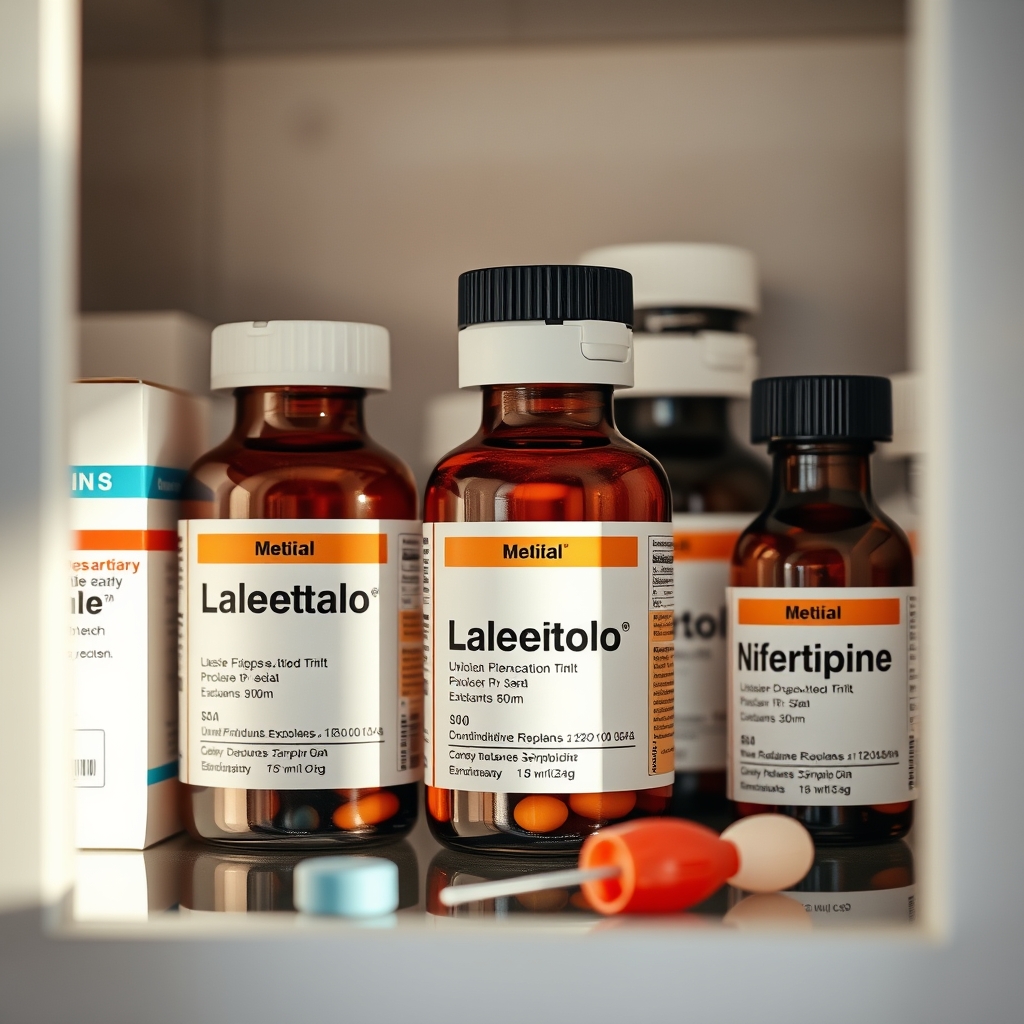
For most pregnant patients, the recommended oral dose of labetalol starts at 100 mg twice daily and can be increased by 100 mg every 2–3 days until the target blood pressure (<140/90 mmHg) is achieved. The maximum recommended daily dose is 2,400 mg, split into multiple doses if using the immediate‑release formulation. Extended‑release capsules typically start at 100 mg once daily, with a possible increase to 300 mg once daily.
When choosing a brand, both Trandate (immediate‑release) and Normodyne (extended‑release) are FDA‑approved and have identical safety data. Generic labetalol tablets are also acceptable, provided they meet the same pharmacopeial standards. If you have a history of liver disease, discuss with your provider whether a lower‑dose formulation or an alternative medication may be safer.
Side effects and risks
Most side effects of labetalol are mild and reversible:
- Dizziness or light‑headedness – often due to lowered blood pressure; rise slowly from sitting.
- Fatigue – usually improves as your body adjusts.
- Headache – can be managed with acetaminophen if needed.
- Gastrointestinal upset – take with food to lessen nausea.
- Bradycardia – if heart rate falls below 50 bpm, your provider may lower the dose.
- Liver enzyme elevation – monitor liver function tests each trimester; discontinue if significant.
Serious red‑flag signs that require immediate medical attention include sudden swelling of the hands or face, severe headache unresponsive to medication, visual disturbances, or a rapid increase in blood pressure (>160/110 mmHg). These could signal worsening preeclampsia or other complications.
Safer alternatives
- Methyldopa – Decades of data support its safety; gentle onset reduces abrupt blood pressure changes.
- Nifedipine extended‑release – Calcium‑channel blocker with a low risk of fetal growth restriction.
- Hydralazine – Useful for acute blood pressure spikes; oral form is well‑tolerated.
- Clonidine – Central α‑agonist that can be added when other agents are insufficient.
- Low‑dose labetalol formulation – Starts at 50 mg twice daily for those concerned about exposure.
- Atenolol (specialist‑guided) – Considered only when beta‑blockade is essential and other options fail.
Related items — safety at a glance
| Medication | Verdict | One‑line note |
|---|---|---|
| Atenolol | ⚠️ Talk to your doctor first | Limited data; generally avoided unless specialist advises. |
| Propranolol | ⚠️ Talk to your doctor first | Non‑selective β‑blocker; may affect fetal growth. |
| Metoprolol | ⚠️ Talk to your doctor first | Selective β‑blocker; limited safety data in pregnancy. |
| Carvedilol | ❌ Best avoided | α/β blocker with insufficient pregnancy safety data. |
| Nifedipine | ✅ Generally safe | Calcium‑channel blocker; widely used for gestational hypertension. |
| Methyldopa | ✅ Generally safe | Long‑standing first‑line antihypertensive in pregnancy. |
| Hydralazine | ✅ Generally safe | Vasodilator; useful for acute severe hypertension. |
Myth vs. fact
Myth: Labetalol causes birth defects.
Fact: Large observational studies have not found an increased risk of major congenital anomalies when labetalol is used after the first trimester, and the drug is considered safe by ACOG and NHS.
Myth: You must stop labetalol as soon as you learn you’re pregnant.
Fact: Uncontrolled hypertension poses a greater risk to both mother and baby than the modest theoretical risks of labetalol; most providers will continue the medication with close monitoring.
Myth: All beta‑blockers are unsafe in pregnancy.
Fact: While some beta‑blockers (e.g., atenolol) are used with caution, labetalol’s combined α‑ and β‑blocking action makes it a preferred choice for many obstetricians.
Key takeaways
Frequently asked questions
Can I take labetalol while pregnant?
Yes, you can take labetalol while pregnant; it is a first‑line antihypertensive recommended by ACOG and NHS when blood pressure control is needed.
Is labetalol safe in the third trimester?
Generally, labetalol is considered safe in the third trimester, though clinicians watch for fetal heart‑rate changes and may adjust the dose if needed.
What are the risks of labetalol for the baby?
Current evidence shows no increase in major birth defects, but very rare risks include fetal bradycardia and mild growth restriction, which are monitored through routine ultrasounds.
How much labetalol is considered safe during pregnancy?
Typical safe dosing starts at 100 mg twice daily, with gradual increases; most women stay below 2,400 mg per day, but exact dosing should be personalized by your provider.
Should I switch from labetalol to another blood pressure medicine during pregnancy?
Switching is only recommended if you experience intolerable side effects or if your provider identifies a better‑suited medication for your specific condition.
Does labetalol cause birth defects?
Large cohort studies have not demonstrated a higher rate of birth defects with labetalol use after the first trimester, and it remains a recommended option.
Is labetalol recommended for preeclampsia?
Yes, labetalol is frequently used to manage preeclampsia because it rapidly lowers blood pressure without causing significant tachycardia.
When to call your doctor
If you notice any of the following, contact your obstetric provider right away:
- Sudden swelling of the hands, face, or feet.
- Severe headache or visual disturbances.
- Blood pressure readings consistently above 160/110 mmHg.
- Rapid heart rate below 50 bpm (bradycardia) or above 120 bpm (tachycardia) after starting labetalol.
- Persistent nausea, vomiting, or yellowing of the skin (possible liver involvement).
These symptoms may indicate worsening hypertension, preeclampsia, or an adverse reaction to medication. Remember, this article provides general information and does not replace personalized medical advice.
References
- American College of Obstetricians and Gynecologists. (2022). Practice Bulletin: Hypertension in Pregnancy.
- National Health Service (NHS). (2023). High blood pressure in pregnancy.
- U.S. Food and Drug Administration. (2021). Drug Safety Communication: Labetalol Pregnancy Category C.
- Mayo Clinic. (2024). Labetalol: Uses, Side Effects, and Dosage.
- American Journal of Obstetrics & Gynecology. (2020). “Labetalol exposure in early pregnancy and risk of major congenital malformations.”
- Hypertension in Pregnancy. (2021). “Efficacy of labetalol in severe preeclampsia: A randomized controlled trial.”

