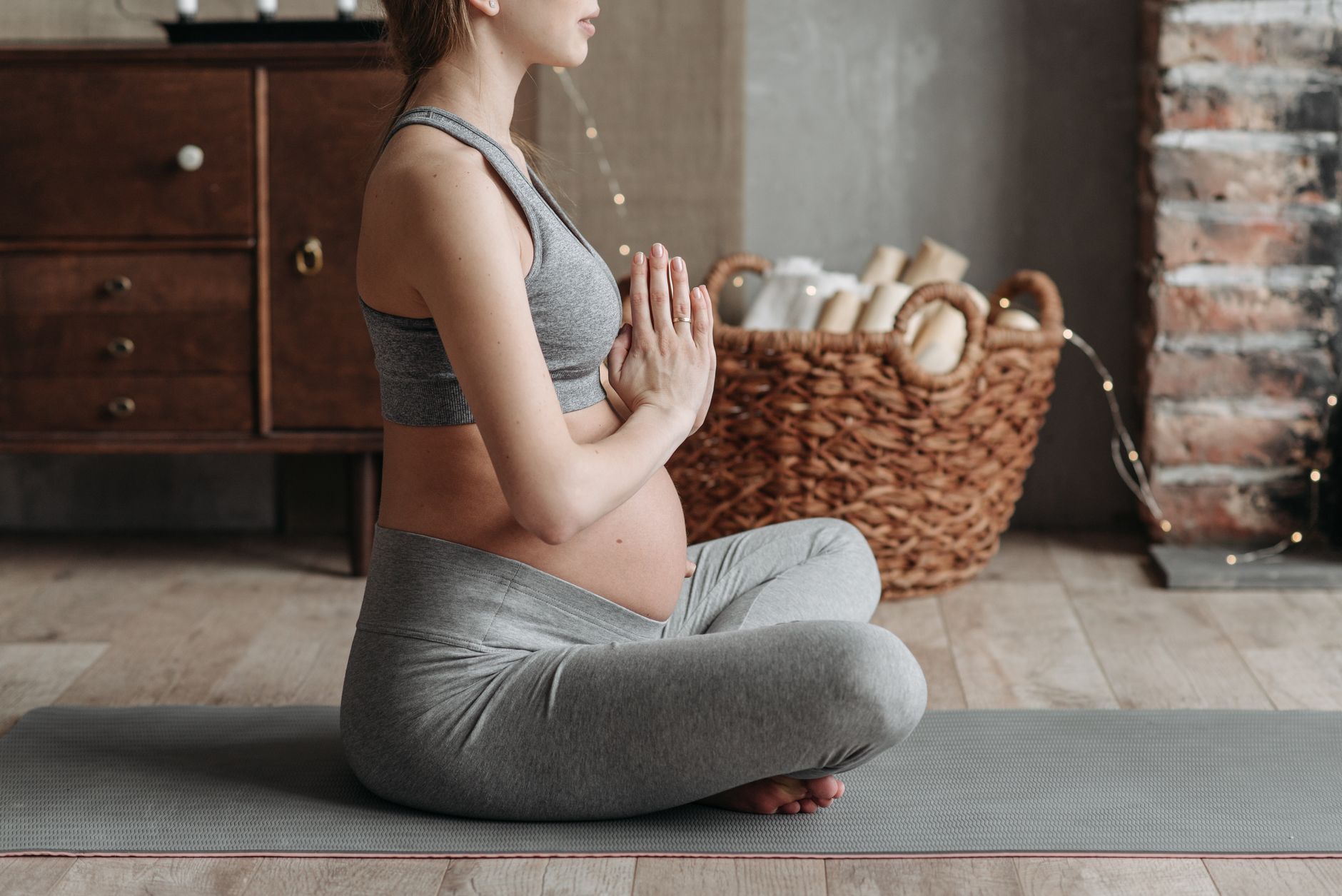
Limit juggling during pregnancy, especially in the first trimester. Experts recommend avoiding rapid movements to reduce fall risks and abdominal strain.
By Shubhra Mishra — a mom of two who turned her own confusion during pregnancy into BumpBites, a global mission to make food choices clear, safe, and stress-free for every expecting mother. 💛
Check whether any food is safe during pregnancy with the BumpBites Food Safety Checker.
Quick verdict: ⚠️ Juggling is generally safe during pregnancy if you were already experienced before conceiving, but it comes with risks—especially as your balance shifts. Most obstetricians recommend avoiding new juggling routines and sticking to lightweight objects (like scarves or soft balls) for short sessions. If you feel dizzy, off-balance, or strain your abdomen, stop immediately.
You’re standing in the backyard, three beanbags in hand, and suddenly it hits you: Is juggling safe during pregnancy? Maybe you’ve been doing it for years, or maybe you’re eyeing those flashy clubs at the circus and wondering if now’s the time to try. Either way, the worry is the same—could this fun, quirky hobby put you or your baby at risk?
Here’s the good news: if you’re already comfortable juggling, you don’t have to quit cold turkey. But pregnancy changes your body in ways that make balance, coordination, and even mild impact riskier than usual. In this guide, we’ll break down exactly how much juggling is safe, which trimesters carry the most risk, and what to do if you’ve already dropped a few balls (literally). We’ll also share safer alternatives that keep your reflexes sharp without the worry—and when to put the props down and call your doctor.
Juggling safety during pregnancy: trimester-by-trimester
Trimester
Verdict
Notes
First trimester
⚠️ Caution advised
Hormonal changes can affect balance early on. Stick to lightweight objects and short sessions. Avoid if you have a history of miscarriage or dizziness.
Second trimester
✅ Generally safe (if experienced)
Your center of gravity is shifting, so focus on stability. Avoid heavy objects or complex tricks. Stop if you feel strain in your abdomen or back.
Third trimester
⚠️ Proceed with caution
Balance is at its most unpredictable. Opt for seated juggling or very light objects. Avoid anything that could cause a fall or abdominal pressure.
Breastfeeding
✅ Safe (if comfortable)
No direct risks to baby, but listen to your body. If you’re sleep-deprived or dizzy, skip it—your coordination may be off.
What is juggling?
Juggling is a skill that involves tossing and catching multiple objects in a continuous, rhythmic pattern. It’s often done with balls, clubs, rings, or even scarves, and it requires hand-eye coordination, timing, and focus. For many, it’s a fun hobby, a form of exercise, or even a performance art. Some people juggle for stress relief, while others enjoy the challenge of mastering new tricks.
Physically, juggling engages your arms, shoulders, and core muscles. It also sharpens reflexes and can be a light cardiovascular workout, depending on the intensity. Mentally, it demands concentration, which can be a great way to unwind. But during pregnancy, the physical demands of juggling—especially balance and coordination—can become trickier as your body changes.
Is juggling safe during pregnancy?
The short answer: juggling is not inherently dangerous during pregnancy, but it’s not risk-free either. The biggest concerns are falls, abdominal strain, and balance issues—all of which become more likely as your pregnancy progresses. Here’s what the experts say:
The American College of Obstetricians and Gynecologists (ACOG) advises pregnant people to avoid activities with a high risk of falling or abdominal trauma, as these can lead to complications like placental abruption or preterm labor. While juggling isn’t explicitly mentioned, the principles apply: if it increases your risk of losing balance or taking a hit to the belly, it’s best to modify or avoid it.
The UK’s National Health Service (NHS) echoes this, recommending that pregnant people steer clear of sports or activities where they might fall or collide with objects or people. Juggling, especially with heavy or sharp objects (like knives or clubs), falls into this category.
That said, if you’re an experienced juggler, the risks are lower—as long as you adjust for your changing body. The key is to listen to your body and make smart modifications (like using lighter objects or juggling while seated). If you’re new to juggling, pregnancy isn’t the time to start. Your balance and coordination are already compromised by hormonal shifts, and the learning curve could increase your risk of falls.
Is juggling safe in the first trimester of pregnancy?
The first trimester is a time of rapid physical and hormonal changes, even if your belly isn’t showing yet. Your body is producing more relaxin—a hormone that loosens ligaments to prepare for childbirth—which can make your joints less stable. You might also experience fatigue, dizziness, or nausea, all of which can throw off your coordination.
If you were juggling before pregnancy, you can continue with caution. Stick to lightweight objects (like scarves or soft balls) and keep sessions short (5-10 minutes). Avoid complex tricks or heavy props that could strain your abdomen or throw off your balance. If you feel dizzy, lightheaded, or unusually clumsy, it’s a sign to stop.
If you’re new to juggling, this isn’t the trimester to start. Your body is already adjusting to pregnancy, and adding a new skill that requires balance and coordination could increase your risk of falls. Instead, focus on low-impact activities like walking or prenatal yoga.
Red flags to stop immediately: vaginal bleeding, severe dizziness, abdominal pain, or contractions. If you experience any of these, call your doctor right away.
Can you juggle in the second trimester without risk?
The second trimester is often called the "honeymoon phase" of pregnancy—your energy is back, morning sickness has (hopefully) faded, and you’re not yet dealing with the physical discomforts of late pregnancy. For many, this is the safest window for juggling, but that doesn’t mean it’s risk-free.
Your center of gravity is shifting as your belly grows, which can affect your balance. You might also notice that your joints feel looser due to relaxin, making it easier to overstretch or strain yourself. If you juggle, focus on stability: stand with your feet shoulder-width apart, avoid twisting your torso, and use lightweight objects to reduce strain on your arms and shoulders.
This is also a good time to modify your routine. Try juggling while seated on a stable chair to eliminate fall risk, or switch to scarves or soft balls if you’ve been using heavier props. Keep sessions to 10-15 minutes, and stop if you feel any discomfort in your abdomen, back, or pelvis.
When to avoid juggling: If you have a history of preterm labor, placenta previa, or high blood pressure, check with your doctor first. These conditions can make even mild physical activity riskier.
Is juggling during the third trimester dangerous for the baby?
The third trimester is when balance becomes the biggest challenge. Your belly is larger, your center of gravity is off, and you might feel clumsier or more fatigued than usual. Juggling during this phase is not inherently dangerous for your baby, but the risk of falls or abdominal strain increases.
If you choose to juggle, keep it very low-impact. Opt for seated juggling with lightweight objects (like scarves or beanbags) and avoid any tricks that require twisting or bending. Limit sessions to 5 minutes or less, and stop immediately if you feel short of breath, dizzy, or strained.
The biggest concern in the third trimester is falling. A hard fall could lead to placental abruption (where the placenta separates from the uterus) or other complications. Even if you don’t fall, juggling with heavy objects or complex patterns could put unnecessary pressure on your abdomen or pelvic floor, which is already under strain from your growing baby.
When to skip it: If you’re experiencing pelvic pain, round ligament pain, or Braxton Hicks contractions, juggling could exacerbate these issues. It’s also best to avoid juggling if you’re at risk for preterm labor or have a low-lying placenta.
How many minutes of juggling is safe while pregnant?
There’s no one-size-fits-all answer, but most obstetricians recommend keeping juggling sessions short and low-intensity during pregnancy. Here’s a general guideline based on trimester and experience level:
Safe juggling duration by trimester
Trimester
Experience Level
Recommended Duration
Notes
First
Experienced
5-10 minutes
Stick to lightweight objects. Stop if dizzy or fatigued.
First
Beginner
Avoid
Risk of falls is higher due to hormonal changes.
Second
Experienced
10-15 minutes
Use lightweight objects. Avoid twisting or complex tricks.
Second
Beginner
Avoid
Balance is still a concern. Try seated juggling with scarves.
Third
Experienced
5 minutes or less
Opt for seated juggling. Stop if you feel any strain.
Third
Beginner
Avoid
Risk of falls and abdominal pressure is too high.
Key tips for safe duration:
Listen to your body. If you feel tired, dizzy, or strained, stop immediately.
Avoid back-to-back sessions. Give yourself time to rest between juggling attempts.
Stay hydrated. Dehydration can worsen dizziness and fatigue.
Warm up first. Gentle stretches for your arms, shoulders, and wrists can help prevent strain.
Side effects and risks of juggling during pregnancy
Juggling isn’t without risks during pregnancy, especially as your body changes. Here’s what to watch for:
1. Falls and balance issues
Your center of gravity shifts as your belly grows, making it harder to stay balanced. Falls can lead to abdominal trauma, placental abruption, or even preterm labor. Even a minor stumble could cause injury to you or your baby.
2. Abdominal strain
Juggling engages your core muscles, which are already under pressure from your growing uterus. Overstretching or straining your abdomen could worsen diastasis recti (separation of the abdominal muscles) or cause discomfort.
3. Pelvic floor pressure
The repetitive motion of juggling can put pressure on your pelvic floor, which is already weakened during pregnancy. This could contribute to incontinence or pelvic organ prolapse.
4. Joint and muscle strain
The hormone relaxin loosens your ligaments, making your joints less stable. Juggling—especially with heavy objects—could lead to sprains, strains, or overuse injuries in your wrists, shoulders, or back.
5. Dizziness and fatigue
Pregnancy can make you more prone to dizziness, especially in the first and third trimesters. Juggling while dizzy increases your risk of falls or accidents.
6. Overheating
Intense physical activity can raise your core body temperature, which is a concern during pregnancy. While juggling isn’t typically a high-intensity workout, long sessions in a warm environment could lead to overheating.
When to stop juggling immediately:
You feel dizzy, lightheaded, or short of breath.
You experience abdominal pain, cramping, or contractions.
You notice vaginal bleeding or fluid leakage.
You feel pelvic pressure or pain.
You strain your back, wrists, or shoulders.
What are safe alternatives to juggling during pregnancy?
If you’re looking to keep your hand-eye coordination sharp, relieve stress, or stay active without the risks of juggling, here are some pregnancy-safe alternatives:
Walking
A low-impact way to stay active. Aim for 30 minutes a day at a comfortable pace. It’s great for circulation, mood, and maintaining fitness without straining your joints.
Prenatal yoga
Focuses on gentle stretching, balance, and breathing. Many poses are designed to strengthen your pelvic floor and core safely. Look for classes labeled "prenatal" to avoid poses that could strain your abdomen.
Swimming
The buoyancy of water supports your joints and reduces swelling. It’s a full-body workout that’s easy on your back and pelvis. Stick to moderate laps or water aerobics.
Stationary cycling
A safe way to get your heart rate up without the fall risk of outdoor biking. Keep the resistance low and avoid standing up on the pedals.
Light stretching
Helps relieve tension in your back, hips, and shoulders. Focus on gentle, pregnancy-safe stretches—avoid deep twists or anything that compresses your belly.
Meditation or breathing exercises
Great for stress relief and mental focus. Try guided prenatal meditations or simple deep-breathing techniques to calm your mind.
Pelvic floor exercises (Kegels)
Strengthen the muscles that support your bladder, uterus, and bowels. Do them daily to reduce the risk of incontinence and prepare for childbirth.
Tai chi
A low-impact, slow-moving exercise that improves balance, flexibility, and relaxation. Look for prenatal tai chi classes or follow along with a video designed for pregnancy.
Related items — safety at a glance
Wondering how juggling compares to other activities during pregnancy? Here’s a quick safety breakdown of similar (and not-so-similar) exercises:
Pregnancy safety for common activities
Activity
Verdict
Notes
Running during pregnancy
✅ Generally safe (if experienced)
Avoid if you have joint pain or pelvic pressure. Stick to flat surfaces and wear supportive shoes.
Weight lifting while pregnant
⚠️ Safe with modifications
Use lighter weights and avoid holding your breath. Skip exercises that strain your abdomen (like crunches).
Horseback riding and pregnancy
❌ Best avoided
High risk of falls and abdominal trauma. Even experienced riders should skip it.
Skiing during pregnancy
❌ Best avoided
Risk of falls and collisions is too high. Opt for cross-country skiing on flat terrain if you must.
Hot yoga and pregnancy
❌ Best avoided
Overheating can harm your baby. Regular (non-hot) prenatal yoga is a safer alternative.
Contact sports while pregnant
❌ Best avoided
Sports like soccer, basketball, or hockey carry a high risk of abdominal trauma or falls.
Scuba diving and pregnancy
❌ Best avoided
The pressure changes can harm your baby. Stick to snorkeling or swimming near the surface.
High-impact aerobics during pregnancy
⚠️ Safe with modifications
Avoid jumping or bouncing. Low-impact aerobics or dance classes are safer.
Rock climbing while pregnant
❌ Best avoided
High risk of falls and abdominal strain. Indoor climbing with a harness may be safer in early pregnancy, but check with your doctor.
Trampoline use during pregnancy
❌ Best avoided
Even small bounces can strain your pelvic floor and increase fall risk. Skip it entirely.
Myth vs. fact
Myth: Juggling is completely safe during pregnancy because it’s not a "real" workout.
Fact: While juggling isn’t high-intensity, it still carries risks—especially for balance, falls, and abdominal strain. Pregnancy changes your body in ways that make even mild activities riskier. Always modify your routine and listen to your body.
Myth: If you juggled before pregnancy, you can keep doing it the same way.
Fact: Your balance, joint stability, and energy levels change throughout pregnancy. What felt easy before might now cause strain or dizziness. Adjust your routine by using lighter objects, shortening sessions, and avoiding complex tricks.
Myth: Juggling can’t hurt your baby as long as you don’t fall.
Fact: Even without a fall, juggling can put pressure on your abdomen or pelvic floor, especially in the third trimester. Overstretching or straining your core could worsen conditions like diastasis recti or pelvic organ prolapse.
Key takeaways
Juggling is generally safe during pregnancy if you were experienced before conceiving, but it’s not risk-free. Balance issues, falls, and abdominal strain are the biggest concerns.
The first and third trimesters are the riskiest for juggling due to hormonal changes, dizziness, and shifting balance. The second trimester is the safest window if you choose to continue.
Stick to lightweight objects (like scarves or soft balls) and keep sessions short (5-15 minutes, depending on the trimester). Avoid heavy props or complex tricks.
If you’re new to juggling, pregnancy isn’t the time to start. Your balance and coordination are already compromised, increasing the risk of falls.
Listen to your body. Stop immediately if you feel dizzy, strained, or uncomfortable. Red flags include abdominal pain, contractions, or vaginal bleeding.
Safer alternatives like walking, prenatal yoga, swimming, and tai chi can keep you active without the risks of juggling.
Always check with your doctor if you have a high-risk pregnancy, placenta previa, or a history of preterm labor. They can give you personalized advice based on your health.
Frequently asked questions
Can juggling hurt my baby during pregnancy?
No, juggling itself won’t directly hurt your baby, but the risks come from secondary factors like falls, abdominal strain, or overheating. A hard fall could lead to complications like placental abruption, while repetitive motion could strain your pelvic floor or core muscles. If you’re experienced and modify your routine (e.g., using lightweight objects and avoiding tricks), the risks are minimal. However, if you feel any pain or discomfort, stop immediately and check with your doctor.
What exercises should I avoid while pregnant?
Avoid activities with a high risk of falls, abdominal trauma, or overheating. This includes contact sports (like soccer or basketball), high-impact exercises (like trampolines or jumping jacks), scuba diving, hot yoga, and activities with a risk of collision (like skiing or horseback riding). Also, skip exercises that involve lying flat on your back after the first trimester, as this can compress a major blood vessel and reduce blood flow to your baby.
Is it safe to do balance activities during pregnancy?
Balance activities can be safe if you’re experienced and modify them for pregnancy. However, your center of gravity shifts as your belly grows, making falls more likely. Stick to low-risk balance exercises like prenatal yoga or tai chi, and avoid anything that requires quick movements or complex coordination. If you feel dizzy or unsteady, stop immediately.
How does juggling affect the pelvic floor in pregnancy?
Juggling can put pressure on your pelvic floor, especially if you’re using heavy objects or doing complex tricks. The repetitive motion of tossing and catching engages your core and pelvic muscles, which are already weakened during pregnancy. This could contribute to incontinence or pelvic organ prolapse. To protect your pelvic floor, stick to lightweight objects, keep sessions short, and avoid straining your abdomen.
Can I start juggling if I've never done it before while pregnant?
No, pregnancy isn’t the time to learn juggling. Your balance and coordination are already compromised by hormonal changes, and the learning curve could increase your risk of falls. If you’re looking for a new hobby, opt for low-impact activities like walking, swimming, or prenatal yoga instead.
Are there any benefits to juggling during pregnancy?
Yes, juggling can have some benefits if done safely. It’s a fun way to relieve stress, sharpen hand-eye coordination, and engage your arms and shoulders. It can also be a light cardiovascular workout if done at a brisk pace. However, the benefits don’t outweigh the risks if you’re new to juggling or if you push yourself too hard. If you’re experienced, stick to short, low-intensity sessions to enjoy the perks without the worry.
What are the signs I should stop juggling while pregnant?
Stop juggling immediately if you experience any of these signs:
Dizziness, lightheadedness, or shortness of breath
Abdominal pain, cramping, or contractions
Vaginal bleeding or fluid leakage
Pelvic pressure or pain
Back, wrist, or shoulder strain
Feeling overheated or dehydrated
If any of these symptoms persist, call your doctor right away.
Does juggling increase the risk of falls during pregnancy?
Yes, juggling does increase your risk of falls during pregnancy, especially in the first and third trimesters. Hormonal changes can make you dizzy or unsteady, and your shifting center of gravity affects your balance. Even experienced jugglers may find themselves clumsier than usual. To reduce the risk, juggle while seated, use lightweight objects, and avoid complex tricks. If you feel off-balance, stop immediately.
When to call your doctor
While juggling is generally low-risk for experienced practitioners, some symptoms should never be ignored. Call your doctor or midwife right away if you experience any of the following:
Vaginal bleeding or spotting (even light bleeding can be a sign of complications).
Severe abdominal pain or cramping (could indicate preterm labor or placental issues).
Contractions (regular or painful tightening of your uterus).
Fluid leaking from your vagina (could be amniotic fluid, a sign of preterm labor).
Sudden swelling in your hands, feet, or face (could indicate preeclampsia).
Severe dizziness or fainting (could signal low blood pressure or other issues).
Decreased fetal movement (if your baby isn’t moving as much as usual).
Persistent headaches or vision changes (could be a sign of preeclampsia).
Remember: This article is for informational purposes only and is not a substitute for professional medical advice. Always consult your healthcare provider before starting or continuing any physical activity during pregnancy.
References
American College of Obstetricians and Gynecologists (ACOG). (2021). Exercise During Pregnancy. ACOG.
National Health Service (NHS). (2023). Exercise in Pregnancy. NHS.
Mayo Clinic. (2022). Pregnancy and Exercise: Baby, Let’s Move!. Mayo Clinic.
Royal College of Obstetricians and Gynaecologists (RCOG). (2020). Physical Activity and Pregnancy. RCOG.
Centers for Disease Control and Prevention (CDC). (2023). Physical Activity During Pregnancy. CDC.
What to Expect. (2023). Exercising During Pregnancy: Safety, Benefits & Guidelines. What to Expect.
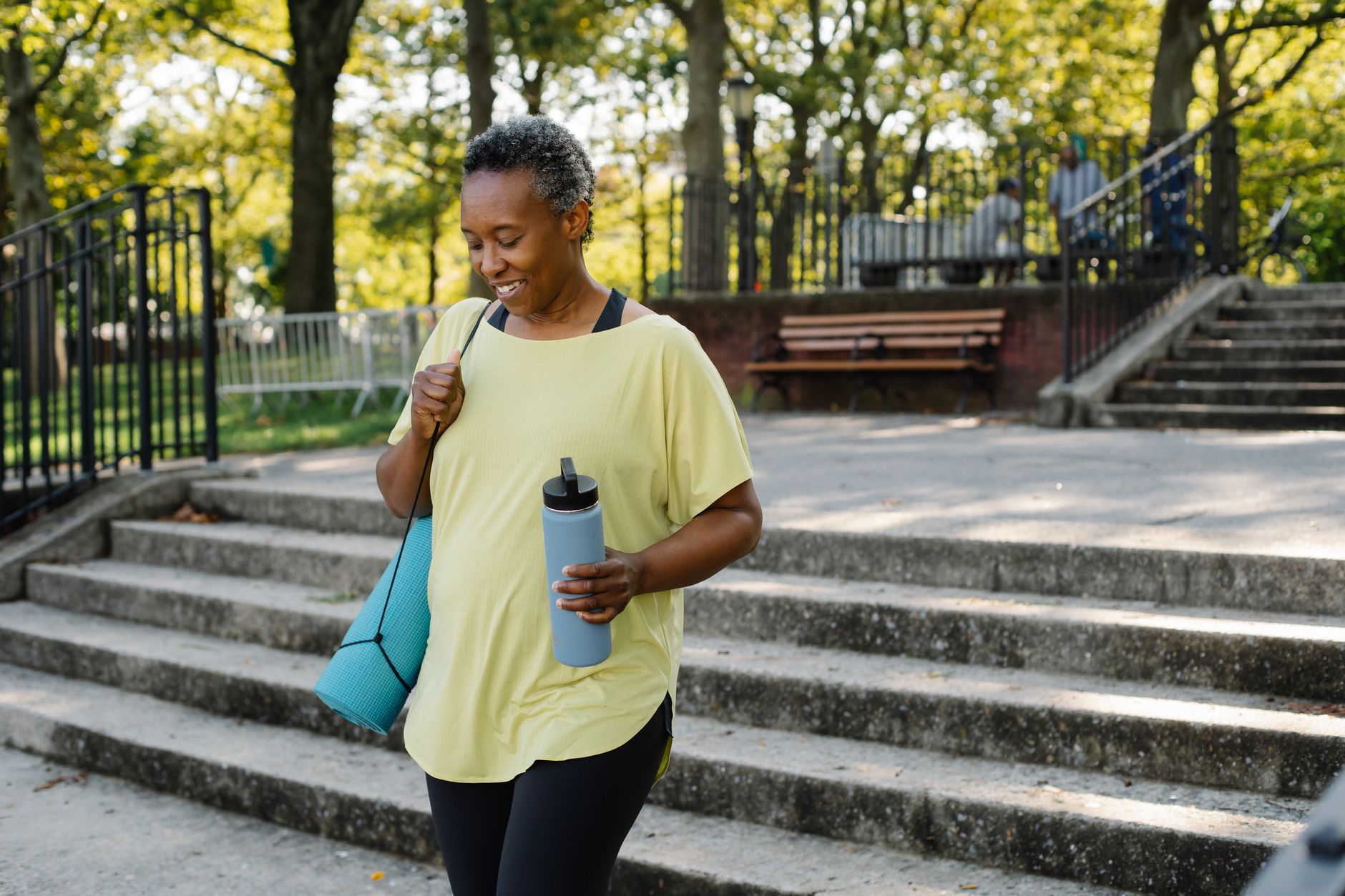
Seated juggling with lightweight scarves is a safe way to enjoy the hobby without risking falls or abdominal strain.Opt for soft, lightweight juggling balls to reduce strain on your arms and shoulders during pregnancy.Walking is one of the safest and most effective ways to stay active during pregnancy—no balance risks, just fresh air and gentle movement.
Not sure about the label on Is Juggling Safe During Pregnancy products?
Snap the ingredients list and SafeFilter checks every ingredient for your stage — only 3 free scans this month, then you're locked until reset. Unlimited from $7/mo or $50/yr.
When Shubhra Mishra was expecting her first child in 2016, she was overwhelmed by conflicting food advice — one site said yes, another said never. By the time her second baby arrived in 2019, she realized millions of mothers face the same confusion.
That sparked a five-year journey through clinical nutrition papers, cultural diets, and expert conversations — all leading to BumpBites: a calm, compassionate space where science meets everyday motherhood.
Her long-term vision is to build a global community ensuring safe, supported, and free deliveriesfor every mother — because no woman should face pregnancy alone or uninformed. 🌿
🌍 Stand with mothers, shape safer guidance
Join a small circle of experts who review BumpBites articles so expecting parents everywhere can decide with confidence.