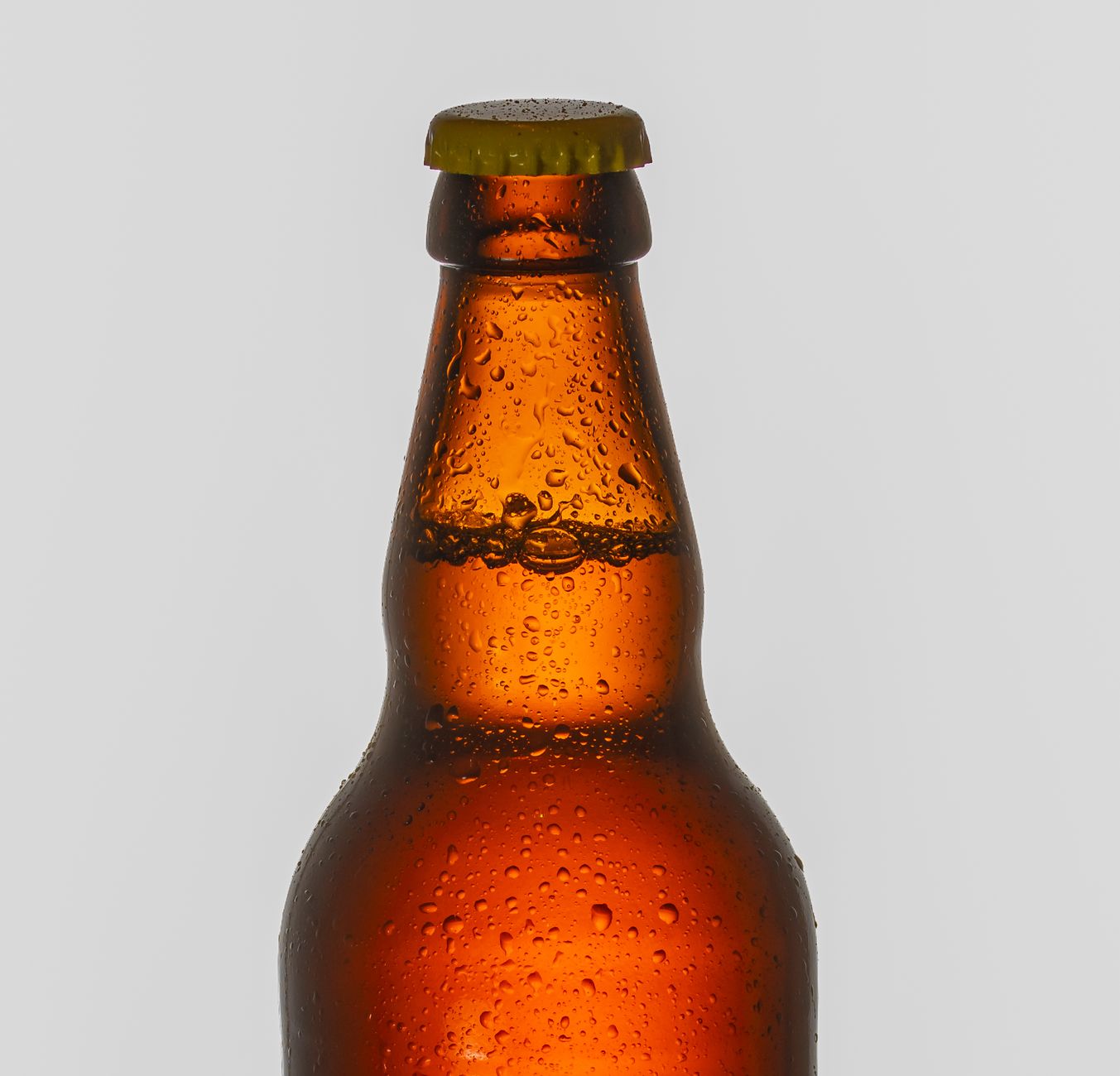
Avoid IPA beer during pregnancy due to high alcohol content and potential harm to the fetus, especially in the first trimester
By Shubhra Mishra — a mom of two who turned her own confusion during pregnancy into BumpBites, a global mission to make food choices clear, safe, and stress-free for every expecting mother. 💛
Check whether any food is safe during pregnancy with the BumpBites Food Safety Checker.
Quick verdict: ❌ IPA beer is best avoided during pregnancy. Even a single standard drink can expose your baby to alcohol, and no safe level has been established. If you’ve already had a sip, stay calm—most occasional exposures are unlikely to cause serious harm, but it’s wise to discuss any concerns with your provider.
It’s 2 a.m., the kitchen light is on, and you’ve just opened a cold IPA after a long day. Suddenly, a wave of worry hits: is IPA beer safe during pregnancy? You’re not alone—many expecting parents experience a sudden pause when they realize they’ve already taken a sip or are considering a glass. The good news is that the answer is clear: health authorities recommend avoiding IPA beer entirely while you’re pregnant.
In this article we’ll walk you through exactly why IPA beer is discouraged, how much (if any) is considered “safe,” what the risks are for each trimester, and which low‑alcohol or non‑alcoholic options can satisfy your craving without compromising your baby’s health. We’ll also compare other popular beverages, bust common myths, and give you a concise list of take‑away actions you can feel confident about.
Whether you’re in the first weeks of pregnancy or approaching your due date, the guidance below is based on the latest ACOG, NHS, and CDC recommendations, so you can make informed choices without the midnight panic.
When the craving hits, consider a non‑alcoholic alternative instead of reaching for an IPA.
Trimester / Period
Verdict
Notes
First trimester
❌ Avoid
Critical period of organ formation; any alcohol exposure can increase risk of miscarriage and birth defects.
Second trimester
❌ Avoid
Alcohol can affect brain development and increase risk of low birth weight.
Third trimester
❌ Avoid
Potential for fetal alcohol spectrum disorders (FASD) and impaired growth.
Breastfeeding
❌ Avoid
Alcohol passes into breast milk; recommendations advise abstinence or waiting 2‑3 hours per drink.
What is IPA beer?
India Pale Ale (IPA) is a style of craft beer known for its strong hop flavor, higher bitterness, and typically higher alcohol‑by‑volume (ABV) than many lagers. Most commercial IPAs range from 5.5 % to 7.5 % ABV, though some “double” or “imperial” versions can exceed 8 % ABV. The hop compounds give IPA its characteristic citrusy or piney aroma, while the malt base provides a subtle sweetness that balances the bitterness.
People often reach for an IPA because it’s refreshing, socially accepted, and sometimes viewed as a “treat” after a long day. In the United States, the craft‑beer boom has made IPAs one of the most popular beer styles, with countless variations—session IPAs (lower ABV), New England IPAs (hazy and fruity), and even non‑alcoholic IPAs that aim to mimic the flavor without the alcohol.
From a nutritional standpoint, a standard 12‑oz (355 ml) bottle of IPA delivers roughly 150‑200 calories, a modest amount of carbohydrates, and minimal protein. However, the key concern for pregnant individuals is the alcohol content, which can cross the placenta and affect fetal development.
Is IPA beer safe during pregnancy?
T
he short answer is no. Leading health organizations—including the American College of Obstetricians and Gynecologists (ACOG), the United Kingdom’s National Health Service (NHS), and the U.S. Centers for Disease Control and Prevention (CDC)—all advise complete abstinence from alcoholic beverages during pregnancy. ACOG’s “Committee Opinion on Alcohol Use in Pregnancy” (2022) states that “no amount of alcohol has been proven safe for the fetus.” The NHS echoes this, noting that even small amounts can increase the risk of miscarriage and developmental problems.
IPA beers, because of their relatively high ABV, deliver more alcohol per volume than many other beers. For example, a 12‑oz IPA at 6 % ABV contains about 0.72 oz of pure alcohol—equivalent to roughly one standard drink. Consuming one standard drink may not guarantee harm, but the cumulative effect of multiple drinks or regular consumption raises the probability of adverse outcomes such as fetal alcohol spectrum disorders (FASD), low birth weight, and preterm birth.
Misconceptions sometimes arise from the “one‑drink‑a‑week” myth, which some studies suggest may be low risk for certain outcomes. However, because individual susceptibility varies and because alcohol can affect the fetus at any stage, the safest recommendation remains zero alcohol. If you have already consumed an IPA, most clinicians advise you not to panic; instead, monitor for any concerning symptoms and discuss the exposure with your obstetric provider.
Is IPA beer safe to drink in the first trimester?
The first trimester, spanning weeks 1‑13, is the period of organogenesis when the baby’s major organs and structures form. Alcohol exposure during this window is linked to the highest risk of miscarriage, structural anomalies, and early neurodevelopmental disturbances. Because IPA beer contains a notable amount of ethanol, even a single drink can increase the chance of these complications.
ACOG’s guidance emphasizes that “any alcohol exposure in the first trimester should be avoided.” The NHS similarly advises that expectant mothers should not consume any alcohol during the early weeks, as the embryo is especially vulnerable. If you realize you had an IPA during this period, it’s important to share this with your provider, who can offer reassurance and monitor fetal development as needed.
How many IPA beers can I have during pregnancy without risk?
Current consensus among major health authorities is that there is no known “safe” number of IPA beers—or any alcoholic drinks—during pregnancy. The CDC states that “no amount of alcohol is known to be safe during pregnancy.” While some epidemiological studies have examined low‑level drinking, the data are inconsistent, and the safest public‑health recommendation remains complete avoidance.
If you’re looking for concrete numbers, a “standard drink” in the United States is defined as 14 g of pure alcohol, which is roughly one 12‑oz IPA at 5 % ABV. Even that single drink does not guarantee safety, especially if consumed repeatedly. Therefore, the best practice is to refrain from IPA beer entirely throughout all three trimesters.
What are the risks of drinking IPA beer while pregnant?
Alcohol’s ability to cross the placenta means the fetus is exposed to the same blood alcohol concentration as the mother. The primary risks associated with drinking IPA beer—or any alcoholic beverage—include:
Fetal Alcohol Spectrum Disorders (FASD): A range of lifelong physical, cognitive, and behavioral problems, including facial abnormalities, learning disabilities, and poor impulse control.
Miscarriage: Studies have linked even low‑to‑moderate alcohol intake in early pregnancy with an increased risk of pregnancy loss.
Preterm birth and low birth weight: Alcohol can interfere with nutrient delivery and placental function, leading to early delivery or a smaller infant.
Neurodevelopmental delays: Early exposure can affect brain growth, potentially resulting in attention deficits and memory issues later in life.
Gestational diabetes complications: While alcohol isn’t a direct cause, it can exacerbate blood‑sugar fluctuations, making glucose control more challenging.
It’s also worth noting that the bitterness and strong flavor of IPAs may lead some drinkers to consume them quickly, potentially increasing the pace of alcohol absorption.
Are there low‑alcohol IPA alternatives that are safe during pregnancy?
Yes—several breweries now produce “session” or “non‑alcoholic” IPAs that contain less than 0.5 % ABV, which is generally considered negligible for fetal exposure. However, even these low‑alcohol options can contain trace amounts of ethanol, so it’s prudent to discuss them with your obstetrician. If you prefer to avoid any alcohol whatsoever, non‑alcoholic beverages that mimic the hop profile (like hop‑infused sparkling water) can satisfy the craving without any risk.
Which IPA beer brands have the lowest alcohol content for pregnant women?
When searching for the lowest‑ABV IPAs, look for “session” or “light” versions. Some examples include:
Lagunitas DayTime IPA – 4.0 % ABV, marketed as a “session” brew.
Dogfish Head Slightly Mighty – 3.5 % ABV, a low‑calorie, low‑alcohol option.
Athletic Brewing IPA Non‑Alcoholic – 0.0 % ABV, fully non‑alcoholic but retains hop aroma.
Even with these reduced‑ABV choices, the safest route is to opt for a truly non‑alcoholic beverage, especially if you’re in the early stages of pregnancy.
Can occasional IPA beer consumption affect my baby's development?
Occasional consumption—defined as a single drink on an isolated occasion—does not guarantee adverse outcomes, but it does carry a measurable risk. The CDC emphasizes that “even occasional drinking can affect a baby’s development.” Because the fetus has limited capacity to metabolize alcohol, any exposure may temporarily reduce oxygen delivery to developing tissues, potentially influencing brain development.
If you’ve had an occasional sip, most clinicians will advise monitoring for signs of fetal distress (such as reduced movement) and maintaining regular prenatal appointments. However, the cumulative risk rises with repeated exposure, making consistent abstinence the most reliable protective strategy.
How does drinking IPA beer impact pregnancy complications like gestational diabetes?
Gestational diabetes mellitus (GDM) is a condition where blood‑sugar levels become elevated during pregnancy. While alcohol isn’t a direct cause of GDM, drinking IPA beer can complicate glucose management in several ways:
Alcohol can cause hypoglycemia (low blood sugar) shortly after consumption, especially if you’re taking insulin or other glucose‑lowering medications.
Conversely, sugary mixers or high‑carb beer styles may increase blood‑sugar spikes.
Dehydration from alcohol’s diuretic effect can interfere with accurate glucose monitoring.
Therefore, ACOG recommends that pregnant patients with GDM avoid alcohol altogether to simplify blood‑sugar control and reduce the chance of unpredictable fluctuations.
Choosing a non‑alcoholic IPA or sparkling water can curb cravings without compromising safety.
Safe dosage / amount / brands
Because the prevailing medical consensus is that no amount of alcohol is proven safe, the safest “dosage” is zero. Nevertheless, for those who still wish to understand the numbers, here’s a quick reference:
Product
ABV
Standard drink equivalent (12 oz)
Pregnancy recommendation
Typical IPA (e.g., Sierra Nevada Torpedo)
7.2 %
≈ 1.5 standard drinks
❌ Avoid
Session IPA (Founders Sessions)
4.0 %
≈ 0.7 standard drinks
❌ Avoid
Non‑alcoholic IPA (Athletic Brewing)
0.0 %
0 standard drinks
✅ Generally safe
Heineken 0.0
0.0 %
0 standard drinks
✅ Generally safe
When choosing a brand, prioritize those that explicitly label the ABV as 0.0 % or “non‑alcoholic.” If you encounter a “low‑alcohol” label (e.g., 0.5 % ABV), verify the exact percentage and discuss it with your provider, as trace alcohol may still be present.
Side effects and risks
While the immediate side effects of a single IPA beer—lightheadedness, warmth, or mild nausea—are generally mild for the adult, the fetal implications are more serious. Key risks to monitor include:
Fetal movement changes: A sudden decrease in kicks after drinking may signal an issue; contact your provider promptly.
Persistent nausea or vomiting: While common in pregnancy, excessive vomiting after alcohol could indicate dehydration.
Headaches or dizziness: These are typical alcohol reactions and should be managed with hydration and rest.
Signs of preterm labor: Contractions, pelvic pressure, or fluid leakage after drinking warrant immediate medical attention.
Most of these symptoms are “red‑flag” signs that require a call to your obstetrician or a visit to urgent care. Remember, occasional mild symptoms are not always alarming, but any sudden change in fetal activity or severe discomfort should be evaluated.
Safer alternatives
Athletic Brewing IPA Non‑Alcoholic – retains hop flavor without any alcohol.
Heineken 0.0 – a classic lager taste, zero alcohol, great for social settings.
Bud Light Non‑Alcoholic – light body and familiar branding, safe for pregnancy.
La Croix Sparkling Water – offers refreshing carbonation and a variety of flavors.
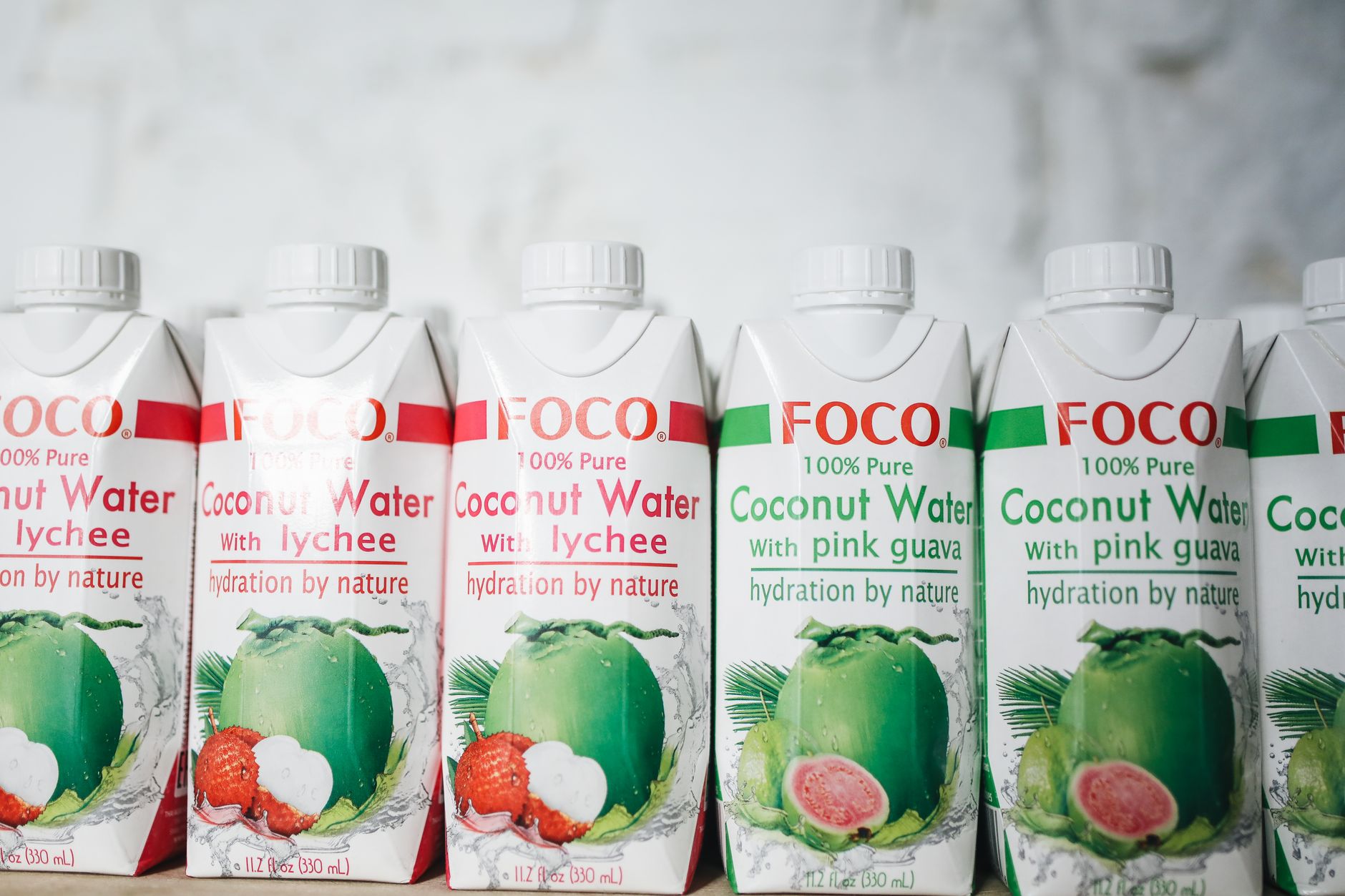
Coconut Water – natural electrolytes and a subtle sweetness, excellent for hydration.
Fresh Fruit Smoothie – nutrient‑dense, customizable, and completely alcohol‑free.
Caffeine‑free Herbal Tea – soothing and aromatic, perfect for evening relaxation.
Non‑Alcoholic Mocktail with Fresh Citrus – combines fruit juices and soda water for a festive feel.
Related items — safety at a glance
Beverage
Verdict
One‑line note
Stout beer
❌ Avoid
Typically 5‑8 % ABV; same risks as other beers.
Lager beer
❌ Avoid
Lower bitterness but similar alcohol content.
Pale ale
❌ Avoid
Often 4‑6 % ABV; no safe threshold.
Cider
❌ Avoid
Usually 4‑6 % ABV; also high in sugar.
Wine
❌ Avoid
Even a single glass can deliver a standard drink.
Champagne
❌ Avoid
Bubbly but still alcohol‑containing.
Hard seltzer
❌ Avoid
Often 4‑5 % ABV; marketed as “light” but not safe.
Moscato
❌ Avoid
Sweet, typically 5‑7 % ABV, same fetal risks.
Myth vs. fact
Myth: A single sip of IPA beer won’t hurt the baby. Fact: Even minimal alcohol exposure can affect fetal development; the safest choice is complete abstinence.
Myth: “Low‑alcohol” IPAs are safe because they contain less alcohol. Fact: Any alcohol crosses the placenta; while lower ABV reduces exposure, no level is proven safe, so non‑alcoholic options are recommended.
Myth: “I’ve been drinking all my life, so a few drinks now won’t change anything.” Fact: The fetus is uniquely vulnerable; prior drinking habits do not protect the baby from new exposure.
Key takeaways
✅ The consensus of ACOG, NHS, and CDC is to avoid IPA beer entirely during pregnancy.
❌ No amount of IPA beer is considered safe; even one standard drink can pose risks.
⏳ Risks exist across all trimesters—organ formation, brain development, and birth outcomes are all affected.
🥤 Choose non‑alcoholic alternatives like Athletic Brewing IPA Non‑Alcoholic or sparkling water to satisfy cravings.
📞 If you’ve already had an IPA, monitor fetal movement and discuss the exposure with your provider.
Frequently asked questions
Can I drink any beer while pregnant?
No, health authorities advise avoiding all alcoholic beers, including IPAs, lagers, stouts, and craft brews, because any alcohol can affect the developing fetus.
Is it safe to have a glass of IPA during pregnancy?
It is not considered safe; a single glass delivers a standard drink of alcohol, and ACOG recommends complete abstinence to eliminate risk.
What are the effects of alcohol on a developing baby?
Alcohol can cause fetal alcohol spectrum disorders, increase the risk of miscarriage, lead to low birth weight, and interfere with brain and organ development.
How much alcohol is considered safe during pregnancy?
According to the CDC and ACOG, no amount of alcohol has been proven safe; the safest recommendation is zero consumption.
Does non‑alcoholic beer contain any alcohol?
Most non‑alcoholic beers contain less than 0.5 % ABV, which is a trace amount; however, truly alcohol‑free options (0.0 % ABV) are safest for pregnancy.
Can occasional drinking cause miscarriage?
Even occasional drinking can increase the risk of miscarriage, especially when it occurs during the first trimester, the period of highest fetal vulnerability.
Are there pregnancy‑safe beer alternatives?
Yes—non‑alcoholic IPAs, sparkling water, coconut water, fresh fruit smoothies, and caffeine‑free herbal teas are all safe, flavorful choices for expectant mothers.
When to call your doctor
If you notice any of the following after consuming an IPA or any alcoholic beverage, contact your obstetric provider or seek urgent care:
Sudden decrease in fetal movement or kicks.
Persistent vomiting, severe dehydration, or dizziness.
Signs of preterm labor (regular contractions, pelvic pressure, fluid leakage).
Unusual abdominal pain or bleeding.
Any concern about the amount of alcohol you may have consumed.
These symptoms may indicate complications that require professional evaluation. Remember, this article provides general information and is not a substitute for personalized medical advice.
References
American College of Obstetricians and Gynecologists. Committee Opinion No. 797: Alcohol Use in Pregnancy. 2022.
National Health Service (NHS). Alcohol and pregnancy: advice for pregnant women. Updated 2023.
Centers for Disease Control and Prevention (CDC). Alcohol use in pregnancy. 2023.
U.S. Food and Drug Administration (FDA). Alcohol labeling and pregnancy warnings. 2022.
Mayo Clinic. Alcohol use and pregnancy: What’s safe? 2023.
World Health Organization (WHO). Guidelines for the safe use of alcohol during pregnancy. 2021.
Not sure about the label on Is Ipa Beer Safe During Pregnancy products?
Snap the ingredients list and SafeFilter checks every ingredient for your stage — only 3 free scans this month, then you're locked until reset. Unlimited from $7/mo or $50/yr.
When Shubhra Mishra was expecting her first child in 2016, she was overwhelmed by conflicting food advice — one site said yes, another said never. By the time her second baby arrived in 2019, she realized millions of mothers face the same confusion.
That sparked a five-year journey through clinical nutrition papers, cultural diets, and expert conversations — all leading to BumpBites: a calm, compassionate space where science meets everyday motherhood.
Her long-term vision is to build a global community ensuring safe, supported, and free deliveriesfor every mother — because no woman should face pregnancy alone or uninformed. 🌿
🌍 Stand with mothers, shape safer guidance
Join a small circle of experts who review BumpBites articles so expecting parents everywhere can decide with confidence.