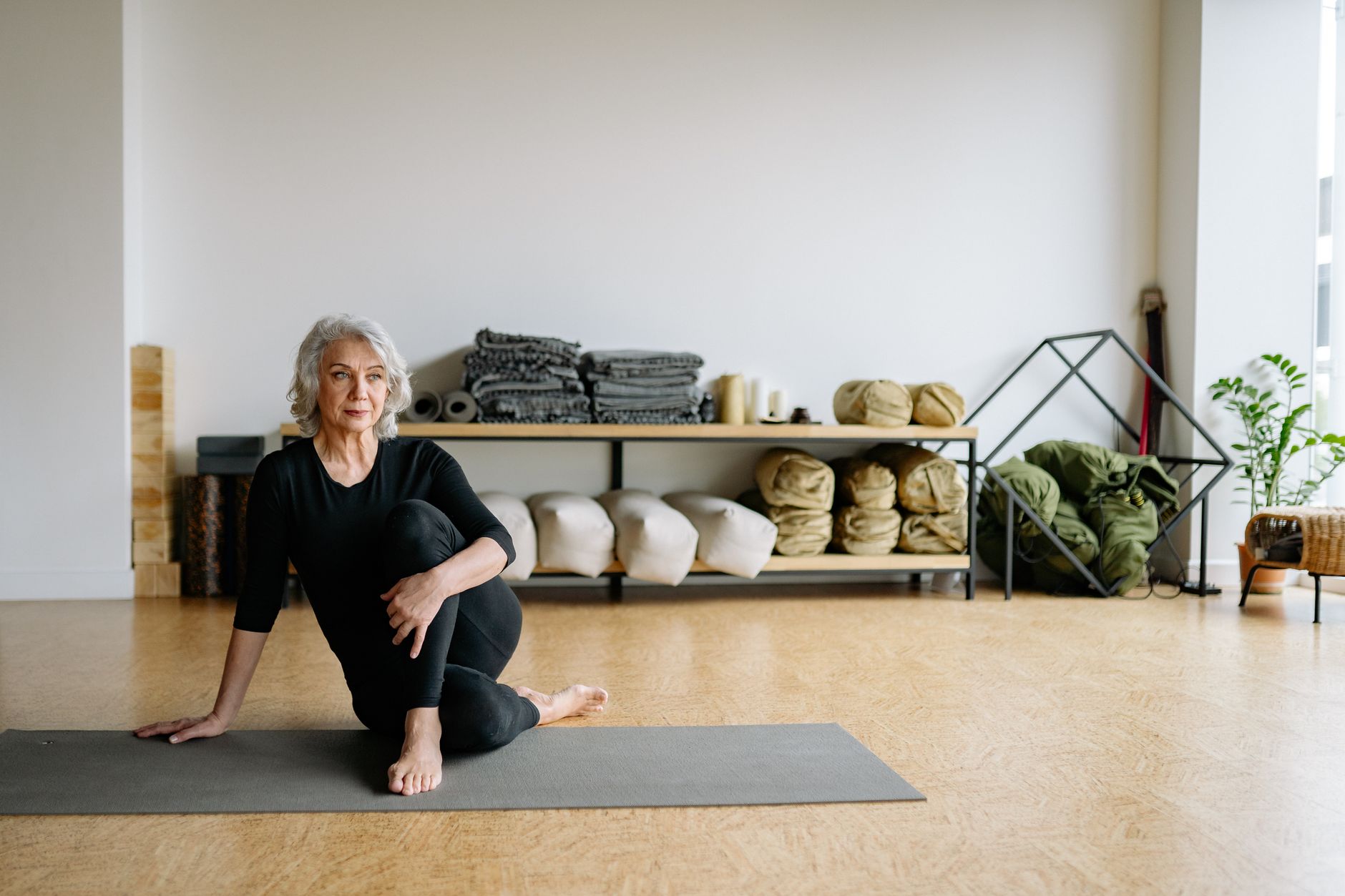
Quick verdict: ⚠️ Talk to your doctor first. Inversions can be practiced safely in pregnancy when modified, limited in duration, and avoided if you have high‑risk conditions, but professional guidance is essential.
It’s common to feel a flutter of anxiety the night you discover you’re pregnant and wonder, “is inversions safe during pregnancy?” You might have already tried a headstand in a yoga class, or you’re eye‑balling a new prenatal flow that includes shoulder‑stand variations. First, take a breath—you’re not alone. Many expectant parents grapple with the same question, and the answer isn’t a simple yes or no; it depends on timing, technique, and your individual health.
In this article we’ll break down the current medical guidance on inversions, outline trimester‑specific recommendations, suggest how long you can safely hold a pose, and highlight safer alternatives and props. We’ll also compare the safety of related upside‑down poses, debunk common myths, and give you a concise checklist you can refer to whenever a yoga pose makes you pause.
By the end you’ll have a clear answer to the question “is inversions safe during pregnancy?” plus practical steps to keep your practice enjoyable and low‑risk.
Whether you’re a seasoned yogi or a beginner who’s just discovered the calming pull of an inverted stretch, the guidance below is designed to help you navigate the “do‑or‑don’t” landscape with confidence, backed by the latest recommendations from ACOG, the NHS, and other trusted authorities.
| Trimester / Breastfeeding | Verdict | Notes |
|---|---|---|
| First trimester (0‑13 weeks) | ⚠️ Caution | Limited, fully supported inversions only; avoid deep neck flexion; consult provider if history of miscarriage or placenta issues. |
| Second trimester (14‑27 weeks) | ✅ Generally safe with modifications | Use props, keep duration ≤30 seconds, avoid pressure on abdomen; monitor blood pressure. |
| Third trimester (28‑40 weeks) | ⚠️ Talk to your doctor | Most providers recommend limiting inversions; if allowed, keep them low‑impact and short. |
| Breastfeeding | ✅ Safe | Post‑partum core strength may be reduced; use support and listen to body signals. |
Inversions are yoga poses where the heart is positioned higher than the head, ranging from gentle leg‑up‑the‑wall to full hand‑stands. The term “inversion” covers a spectrum of poses that reverse the normal gravity flow, often creating a feeling of lightness and a mild increase in blood flow to the upper body. Practitioners use them for balance, strength, and a temporary shift in perspective. In a prenatal setting, inversions are sometimes incorporated to relieve back tension, improve circulation, and promote relaxation, but they also raise concerns about abdominal pressure, dizziness, and altered blood flow.
When you ask “is inversions safe during pregnancy?” the short answer is that most major health organizations say they can be safe when properly modified and performed under supervision. The American College of Obstetricians and Gynecologists (ACOG) notes that yoga is generally beneficial during pregnancy but recommends avoiding poses that place excessive pressure on the abdomen or require extreme balance without support. The UK’s National Health Service (NHS) echoes this, advising pregnant people to use props and avoid deep neck flexion. The FDA does not regulate yoga poses, but the CDC’s guidance on physical activity during pregnancy supports low‑impact exercise with modifications for safety. Overall, the consensus is that inversions are not outright prohibited, but they should be approached with caution, especially in the first and third trimesters or when certain medical conditions are present.
Are inversions safe during the first trimester of pregnancy?
The first trimester is a period of rapid organ development, often called the “organogenesis” window, when the fetus is most vulnerable to external stressors. ACOG advises that any activity causing a sudden rise in intra‑abdominal pressure—such as deep forward folds or forceful inversions—should be avoided unless fully supported. Gentle, wall‑supported inversions like a short leg‑up‑the‑wall (Viparita Karani) are generally considered low risk because they do not compress the belly and the pose can be easily exited if dizziness occurs. However, more demanding inversions such as full hand‑stands or shoulder‑stands should be postponed until the second trimester, when the uterus has enlarged enough to provide a natural cushion and the risk of miscarriage is lower.
If you’re already in the first trimester and have been practicing inversions, pause and assess how you feel. A brief, supported inversion that lasts less than 20 seconds and does not cause strain is unlikely to harm you or your baby, but it’s wise to discuss it with your prenatal care provider. Many clinicians will advise a temporary break from deep inversions until after the 12‑week mark.
Can I do headstand inversions after 20 weeks pregnant?
By the time you reach 20 weeks, you are well into the second trimester. The uterus has risen, and many providers consider this a safer window for modified inversions. ACOG’s “Physical Activity and Exercise During Pregnancy” guideline states that after the first trimester, pregnant individuals may continue most forms of yoga, provided the poses are adapted to avoid abdominal compression and balance challenges.
Headstand inversions can be performed safely after 20 weeks if you use props—such as a sturdy wall, yoga blocks, or a head‑stand bench—to reduce the load on the neck and core. Keep the inversion brief (no longer than 30 seconds) and ensure you have a spotter or instructor present. If you feel light‑headed, experience a rapid heartbeat, or notice any pain, come out of the pose immediately. For many, the second trimester is the most forgiving period for exploring gentle inversions, but personal health history (e.g., hypertension, placenta previa) may still dictate a more conservative approach.
How long should I hold an inversion pose while pregnant?
Duration is the “dosage” of an inversion. The general consensus from ACOG and the NHS is to limit each inversion to 20‑30 seconds, no more than three times per week. This short exposure minimizes the risk of dizziness, sudden blood pressure changes, and excessive intra‑abdominal pressure while still delivering the circulatory benefits that many find soothing.
For beginners or those in the later stages of pregnancy, start with 10‑second holds and gradually increase only if you feel comfortable and have no adverse symptoms. Always exit the pose slowly, allowing your heart rate to normalize before standing upright. If you’re in a prenatal yoga class, follow the instructor’s cue for “gentle inversions” and respect any posted time limits.
What are safe alternatives to inversions for pregnant women?
- Supported child's pose – offers gentle spinal stretch without flipping the body.
- Seated forward bend – relieves hamstring tension while keeping the heart low.
- Cat‑cow stretch – promotes spinal mobility and breath awareness without inversion.
- Prenatal yoga flow without inversions – maintains strength and flexibility safely.
- Wall‑supported leg lifts – mimics the circulation boost of an inversion without head‑down pressure.
- Gentle pelvic tilts – helps alleviate lower‑back discomfort and supports core stability.
Do different types of inversions (handstand vs shoulderstand) have different risks in pregnancy?
Yes, the level of risk varies by pose. Handstands place the entire body weight on the arms and require significant core engagement, which can increase intra‑abdominal pressure and strain the lower back. Shoulder‑stands, on the other hand, concentrate weight on the neck and upper spine, raising concerns about cervical strain and reduced blood flow to the brain. The NHS specifically cautions against deep neck flexion in shoulder‑stand equivalents, while ACOG notes that any inversion that forces the neck into extreme extension should be avoided unless fully supported.
Among the most common inversions, the hierarchy of safety (from most to least) generally follows: leg‑up‑the‑wall (lowest risk) → wall‑supported shoulder‑stand using props → handstand with a spotter → full headstand (highest risk). If you choose to practice any inversion, use a wall or yoga bench for support and keep the duration brief.
What are the risks of doing inversions while pregnant with high blood pressure?
Hypertension during pregnancy—whether chronic or gestational—requires extra caution. Inversions can temporarily increase systolic blood pressure due to the shift of blood toward the upper body. The American Heart Association (AHA) and ACOG advise that individuals with uncontrolled high blood pressure avoid positions that elevate the heart above the head, as this may exacerbate hypertension and reduce placental perfusion.
If you have high blood pressure, discuss your yoga routine with your obstetrician. A common recommendation is to replace inversions with low‑impact, upright poses such as seated twists or supported side‑lying stretches. If your provider clears you for inversions, limit them to short (<15‑second) intervals, monitor your blood pressure before and after, and stop immediately if you feel dizzy, experience a pounding heartbeat, or notice visual disturbances.
Are inversion yoga classes safe for pregnant beginners?
For most beginners, a class that includes inversions should be labeled “prenatal” and led by an instructor trained in pregnancy‑specific modifications. The NHS stresses that beginners avoid independent practice of deep inversions and instead rely on guided, supported sessions. Look for classes that prioritize safety, use props, and offer alternative poses for anyone who feels uncomfortable.
When evaluating a class, ask the instructor about their experience with pregnant participants, whether they provide options like leg‑up‑the‑wall or wall‑supported shoulder‑stand, and how they handle emergency situations. If the class’s primary focus is on inversions without offering modifications, it is best to choose a different prenatal yoga program that emphasizes gentle flow and grounding poses.
Which yoga props are recommended for safe inversions during pregnancy?
Props are the cornerstone of a safe inversion practice. A sturdy yoga block or bolster can create a “soft” base for the head in a shoulder‑stand, while a wall provides a safety net for leg‑up‑the‑wall or wall‑supported hand‑stands. A yoga bench or “inversion table” designed for prenatal use distributes weight evenly and reduces neck strain. Additionally, a yoga strap can help maintain alignment without over‑engaging the core.
When selecting props, choose non‑slip‑covered surfaces, ensure they are stable on a flat floor, and test them before each session. Many prenatal yoga studios keep a set of blocks, blankets, and bolsters specifically for inversion modifications—don’t hesitate to ask for them.
Inversions and pelvic floor health
The pelvic floor muscles work harder during pregnancy to support the growing uterus, and they also play a key role in labor and postpartum recovery. Some practitioners worry that inversions might place undue stress on these muscles. Research cited by the International Urogynecological Association suggests that short, supported inversions do not increase pelvic floor strain when the abdominal pressure is kept low and breathing remains steady.
If you have a history of pelvic floor dysfunction, opt for very gentle inversions such as a leg‑up‑the‑wall with a bolster under the hips. Maintaining a soft, diaphragmatic breath during the pose helps keep intra‑abdominal pressure stable, protecting the pelvic floor while still providing the circulatory benefits of an inversion.
Can I do inversions while experiencing morning sickness?
Morning sickness is common in the first trimester and can be aggravated by any position that changes blood flow to the brain. Inversions can sometimes trigger or worsen nausea because they increase venous return to the heart and subsequently to the brain. If you’re dealing with frequent nausea, it’s safest to skip inversions until symptoms subside, or to keep them extremely brief (under 10 seconds) and fully supported.
Listening to your body is essential: if a mild inversion makes you feel better, that’s fine, but if it intensifies nausea, transition to a seated forward bend or a gentle side‑lying stretch instead. Always discuss persistent nausea with your prenatal care provider, as it may require dietary or medical interventions.
What to do if you feel dizzy during an inversion
Dizziness is the most common side effect of inversions for pregnant people. It usually results from the rapid shift of blood toward the upper body. If you start to feel light‑headed, immediately reverse the pose by moving your legs down or rolling onto your side, allowing gravity to restore normal blood flow. Rest for a few minutes, sip water, and take deep breaths before attempting any further movement.
If dizziness persists for more than a minute, is accompanied by a rapid heartbeat, or is accompanied by visual disturbances, contact your obstetric provider. In some cases, persistent dizziness can signal blood pressure changes or anemia, both of which merit medical evaluation.
Safe dosage / amount / brands
Because inversions are a physical activity rather than a consumable, “dosage” refers to how long you stay in the pose and how often you practice. The following guidelines align with ACOG’s recommendation for moderate exercise during pregnancy (150 minutes of low‑impact activity per week):
- Duration per pose: Start with 10‑seconds, work up to a maximum of 30 seconds per inversion.
- Frequency: No more than three inversion sessions per week, spaced out to allow recovery.
- Session length: Limit total inversion time to under two minutes per yoga class.
- Prop selection: Use certified yoga blocks, bolsters, or a wall‑mounted yoga bench; avoid makeshift items that could slip.
- Progression: Increase time only after a month of consistent, symptom‑free practice and with provider approval.
- Special considerations for multiples: If you’re carrying twins or higher-order multiples, keep the duration at the lower end of the range (10‑seconds) and prioritize extra support.
There are no “brands” of inversions, but you may consider reputable yoga equipment manufacturers such as Manduka, Gaiam, and Lululemon for high‑quality blocks and bolsters that meet safety standards. Avoid low‑cost foam blocks that compress easily, as they may not provide adequate support for a pregnant body.