Limit infrared sauna workouts during pregnancy, especially in the first trimester. Safe sessions should not exceed 10-15 minutes at low temperatures (under
By Shubhra Mishra — a mom of two who turned her own confusion during pregnancy into BumpBites, a global mission to make food choices clear, safe, and stress-free for every expecting mother. 💛
Check whether any food is safe during pregnancy with the BumpBites Food Safety Checker.
Quick verdict: ❌ Best avoided. While infrared saunas are often marketed as gentler than traditional saunas, current medical guidelines advise against any sauna use during pregnancy due to the risk of overheating, which can harm your baby. Most obstetricians recommend skipping infrared sauna workouts until after delivery to prioritize your baby’s safety.
You’re scrolling through wellness trends at midnight, pregnancy pillow propped under your belly, when you spot it: “infrared sauna workout—gentle, detoxifying, perfect for expecting moms.” Your fingers hover over the booking button. But then the doubt creeps in. Is this actually safe? You’ve heard saunas might be risky, but infrared feels different—softer, more modern. Maybe just one session? Or is that one session too many?
If you’ve already stepped into that warm, glowing cube, take a breath. Here’s what you need to know: is infrared sauna workout safe during pregnancy? The short answer is no, most experts say it’s best to skip it. But let’s break down why, what the risks really are, which trimesters matter most, and—most importantly—what you can do instead to relax and unwind safely. Because your peace of mind matters just as much as your baby’s health.
Safety snapshot: infrared sauna workouts during pregnancy
Trimester
Verdict
Notes
First trimester
❌ Avoid
Highest risk of overheating, which may affect fetal development. Core temperature rises faster in early pregnancy.
Second trimester
❌ Avoid
While your baby is more developed, overheating can still stress your cardiovascular system and reduce blood flow to the placenta.
Third trimester
❌ Avoid
Your body is already working harder to regulate temperature. Sauna use may increase the risk of dehydration and dizziness.
Breastfeeding
⚠️ Caution
Generally safe once you’re cleared by your provider, but stay hydrated and limit sessions to 10-15 minutes at lower temperatures.
What is an infrared sauna workout?
An infrared sauna isn’t your typical steam-filled wooden box. Instead of heating the air around you, it uses infrared light—similar to the warmth you feel from sunlight—to penetrate your skin and raise your core temperature directly. This creates a deep, dry heat at lower ambient temperatures (usually 120–150°F) compared to traditional saunas (150–195°F). Many studios now offer “infrared sauna workouts,” combining the heat with gentle movement, stretching, or even guided meditation.
Proponents claim infrared saunas help with detoxification, muscle recovery, stress relief, and even weight loss. But here’s the catch: while the air may feel cooler, your core temperature can still rise quickly—especially during pregnancy, when your body is already working overtime to regulate heat for two.
Is infrared sauna workout safe during pregnancy?
No, it’s not. The American College of Obstetricians and Gynecologists (ACOG) and the NHS both advise against using any type of sauna—including infrared—during pregnancy. The primary concern? Overheating (hyperthermia), which has been linked to an increased risk of neural tube defects and other complications, particularly in the first trimester.
Infrared saunas may feel gentler, but they still raise your core temperature. A 2020 study published in Birth Defects Research found that maternal core temperatures above 102.2°F (39°C) during early pregnancy were associated with a higher risk of birth defects. While infrared saunas typically operate at lower air temperatures than traditional saunas, they can still push your core temperature into this risky range—especially if you’re moving, stretching, or staying in for longer than 10–15 minutes.
ACOG’s guidance is clear: “Pregnant women should avoid activities that raise core body temperature, such as hot tubs, saunas, and hot yoga.” The NHS echoes this, stating that “saunas, steam rooms, and hot tubs should be avoided during pregnancy because of the risk of overheating, dehydration, and fainting.”
Some wellness brands, like Sunlighten and HigherDOSE, market their infrared saunas as pregnancy-safe if used “correctly.” But here’s the reality: there’s no universally safe temperature or duration for sauna use during pregnancy. Your body’s ability to regulate heat changes as your pregnancy progresses, and what feels fine one day might not the next. When in doubt, it’s best to err on the side of caution.
Is it safe to use an infrared sauna while pregnant in the first trimester?
No. The first trimester is the most critical window for your baby’s development, and it’s also when your body is most vulnerable to overheating. During these early weeks, your baby’s neural tube— which will become the brain and spinal cord—is forming. Research suggests that even a short spike in core temperature can disrupt this process, potentially leading to neural tube defects like spina bifida.
Infrared saunas may not feel as intense as traditional saunas, but they can still raise your core temperature quickly. A 2019 study in the Journal of Thermal Biology found that infrared sauna sessions as short as 15 minutes could elevate core temperature by 1–2°F in non-pregnant individuals. For pregnant women, whose baseline temperature is already slightly higher, this increase could push them into the danger zone.
If you used an infrared sauna before realizing you were pregnant, try not to panic. Most birth defects are caused by a combination of factors, and brief exposure is unlikely to cause harm. But moving forward, it’s best to skip the sauna until after delivery.
Can you use an infrared sauna in the second trimester of pregnancy?
No, it’s still not recommended. While your baby is more developed by the second trimester, your cardiovascular system is under extra strain. Your blood volume increases by up to 50%, and your heart is working harder to pump it. Sauna use can further stress your heart by causing blood vessels to dilate, which may lead to dizziness, low blood pressure, or even fainting.
Additionally, the placenta—the lifeline between you and your baby—relies on steady blood flow. Overheating can reduce blood flow to the placenta, potentially limiting oxygen and nutrients to your baby. While there’s no direct evidence linking infrared sauna use to placental issues, the risk isn’t worth taking when safer alternatives exist.
If you’re craving relaxation, consider swapping your sauna session for a prenatal yoga class or a gentle swim. Both offer stress relief without the heat-related risks.
Are infrared sauna workouts safe during the third trimester?
No. In the third trimester, your body is already working overtime to regulate temperature. Your metabolism is higher, your blood volume is at its peak, and you’re more prone to overheating—even without a sauna. Adding infrared heat can increase your risk of dehydration, dizziness, and even preterm labor.
Dehydration is a particular concern in late pregnancy. When you’re dehydrated, your blood volume drops, which can trigger contractions. While infrared saunas don’t cause the same level of sweating as traditional saunas, you can still lose fluids quickly, especially if you’re moving or stretching during a “workout” session.
If you’re dealing with pregnancy swelling or discomfort, a cool shower or a prenatal massage might offer relief without the risks. Always check with your provider before trying new therapies, especially in the third trimester.
How long can you stay in an infrared sauna when pregnant?
There’s no safe duration. While some sources suggest limiting sauna sessions to 10–15 minutes, the truth is that even short exposures can raise your core temperature to unsafe levels during pregnancy. Your body’s ability to dissipate heat changes throughout pregnancy, and what feels fine one day might not the next.
For example, a 2021 study in Reproductive Toxicology found that pregnant women who used saunas for just 10 minutes experienced a core temperature increase of 0.5–1.5°F. While this might not sound like much, it’s enough to push some women into the risk zone, particularly in the first trimester.
If you’re determined to use an infrared sauna (against medical advice), here’s what you’d need to do to minimize risks—though keep in mind, these precautions don’t eliminate them:
Limit sessions to 5–10 minutes maximum.
Keep the temperature below 120°F (49°C).
Avoid any movement or stretching—sit still to reduce heat generation.
Hydrate before, during, and after with electrolyte-rich fluids.
Skip the sauna if you’re feeling unwell, dizzy, or overly warm.
Never use the sauna alone—have someone nearby in case you feel faint.
But again, the safest choice is to avoid infrared saunas entirely until after your baby is born.
What are the risks of using an infrared sauna during pregnancy?
The biggest risk is overheating (hyperthermia), which can lead to:
Neural tube defects: In the first trimester, overheating may interfere with your baby’s brain and spinal cord development. Studies have linked maternal hyperthermia to an increased risk of spina bifida and anencephaly.
Dehydration: Saunas cause you to sweat, which can lead to fluid loss. Dehydration can trigger contractions, low blood pressure, and dizziness—all of which are risky during pregnancy.
Reduced blood flow to the placenta: When your core temperature rises, your body prioritizes cooling you down by sending blood to your skin. This can reduce blood flow to the placenta, potentially limiting oxygen and nutrients to your baby.
Fainting or falls: Pregnancy already increases your risk of dizziness due to hormonal changes and low blood pressure. Sauna use can worsen this, increasing your risk of fainting or falling.
Preterm labor: Dehydration and overheating can trigger contractions, which may lead to preterm labor, particularly in the third trimester.
Other potential risks include:
Worsening of pregnancy-related conditions: If you have gestational diabetes, high blood pressure, or preeclampsia, sauna use can stress your cardiovascular system and exacerbate these conditions.
Electrolyte imbalances: Sweating can deplete sodium, potassium, and other electrolytes, which are crucial for muscle and nerve function. Imbalances can cause cramps, weakness, or even heart palpitations.
Are there pregnancy-safe alternatives to infrared sauna workouts?
Absolutely! If you’re missing the relaxation and detoxifying effects of an infrared sauna, try these safer alternatives instead. Each offers similar benefits—stress relief, muscle relaxation, improved circulation—without the heat-related risks.
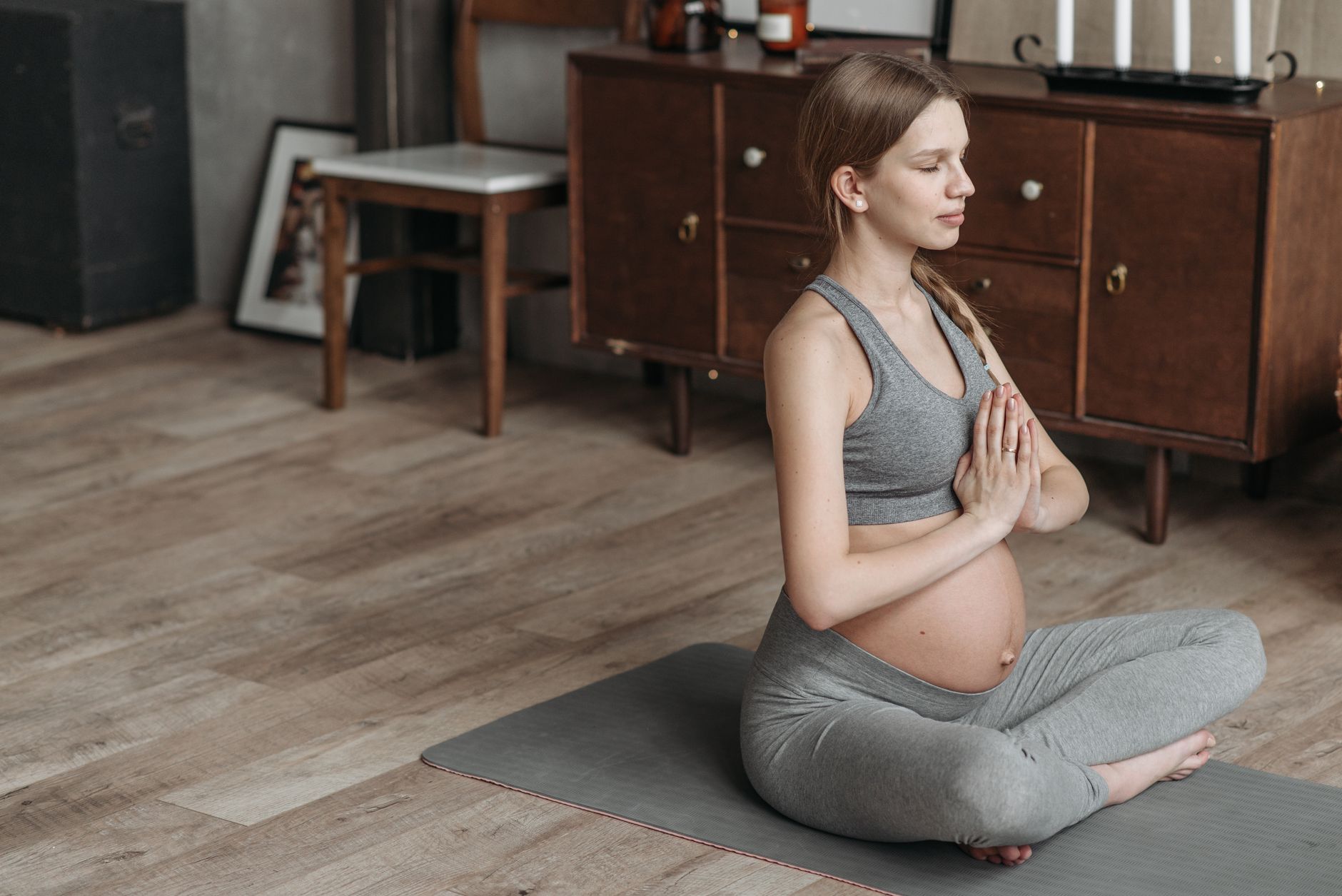
Prenatal yoga: Gentle yoga helps reduce stress, improve flexibility, and ease pregnancy aches. Look for classes labeled “prenatal” to ensure the poses are safe for your changing body. Many studios offer virtual options if you prefer to practice at home.
Walking: A simple, low-impact way to boost circulation, reduce swelling, and clear your mind. Aim for 30 minutes a day, but listen to your body—even a short stroll counts!
Swimming: The water supports your joints and helps you feel weightless, which is a huge relief as your belly grows. Swimming also provides a gentle cardiovascular workout. Just avoid hot tubs or heated pools.
Stationary cycling: A recumbent bike is a great way to get your heart rate up without putting pressure on your joints. Keep the resistance low and avoid standing up while pedaling.
Prenatal Pilates: Focuses on core strength, posture, and breathing—all of which can help prepare your body for labor. Choose a certified prenatal Pilates instructor to ensure the exercises are safe.
Gentle stretching routines: Simple stretches can relieve tension in your back, hips, and shoulders. Try cat-cow, seated forward folds, or pelvic tilts. Avoid deep twists or stretches that strain your abdomen.
Cool showers: If you love the “detox” feeling of a sauna, a cool shower can offer a refreshing reset. It won’t raise your core temperature, and it can help reduce swelling in your hands and feet.
Meditation and deep breathing exercises: Stress relief doesn’t have to involve heat. Apps like Expectful or Headspace offer guided meditations designed specifically for pregnancy. Deep breathing can also help you manage anxiety and prepare for labor.
Related wellness activities: safety at a glance
If you’re exploring heat-based wellness activities during pregnancy, here’s how they compare to infrared sauna workouts. Spoiler: most aren’t recommended, but some have safer alternatives.
Activity
Verdict
Notes
Hot tubs during pregnancy
❌ Avoid
Like saunas, hot tubs raise your core temperature and increase the risk of overheating. ACOG advises against them.
Steam rooms during pregnancy
❌ Avoid
Similar risks to saunas and hot tubs. The humid heat can make it harder for your body to cool down.
Traditional saunas during pregnancy
❌ Avoid
Higher temperatures than infrared saunas, making them even riskier for overheating.
Hot yoga during pregnancy
❌ Avoid
Combines heat with movement, increasing the risk of overheating and dehydration. Opt for prenatal yoga in a room-temperature studio instead.
Heated blankets during pregnancy
⚠️ Safe with limits
Generally safe for short periods (e.g., warming up before bed), but avoid falling asleep with one on. Keep the heat setting low.
Bikram yoga during pregnancy
❌ Avoid
A type of hot yoga practiced in a room heated to 105°F. The heat and intensity make it unsafe during pregnancy.
Hot baths during pregnancy
⚠️ Safe with limits
Safe as long as the water isn’t too hot (aim for 98–100°F). Avoid soaking for more than 10–15 minutes, and keep your chest and arms above water to prevent overheating.
Electric blankets during pregnancy
⚠️ Safe with limits
Safe for short-term use, but avoid prolonged exposure. Keep the heat setting low and don’t fall asleep with it on.
Heating pads during pregnancy
⚠️ Safe with limits
Safe for localized pain relief (e.g., backaches), but avoid placing them directly on your abdomen. Limit use to 15–20 minutes at a time.
Myth vs. fact: infrared saunas and pregnancy
Myth: Infrared saunas are safer than traditional saunas during pregnancy because they operate at lower temperatures.
Fact: While infrared saunas do run cooler, they still raise your core temperature, which is the primary concern during pregnancy. The type of heat doesn’t matter as much as the effect it has on your body. Both infrared and traditional saunas pose a risk of overheating, so neither is recommended.
Myth: If I feel fine in the sauna, it must be safe for my baby.
Fact: Your baby can’t tell you if they’re overheating, and by the time you feel dizzy or unwell, your core temperature may already be in the danger zone. Pregnancy also dulls your body’s ability to sense heat, so you might not realize you’re overheating until it’s too late.
Myth: Short sauna sessions (under 10 minutes) are perfectly safe during pregnancy.
Fact: Even brief sessions can raise your core temperature to unsafe levels, particularly in the first trimester. There’s no “safe” duration for sauna use during pregnancy, and most experts recommend avoiding it altogether.
Key takeaways
❌ Avoid infrared sauna workouts during pregnancy. Current medical guidelines from ACOG and the NHS advise against any sauna use due to the risk of overheating, which can harm your baby.
🔥 Overheating is the biggest risk. Raising your core temperature above 102.2°F (39°C) in the first trimester may increase the risk of neural tube defects and other complications.
🚫 No trimester is safe for sauna use. The risks are highest in the first trimester but persist throughout pregnancy due to dehydration, reduced blood flow to the placenta, and cardiovascular strain.
⏱️ There’s no safe duration. Even short sessions (5–10 minutes) can raise your core temperature to unsafe levels. The safest choice is to skip the sauna entirely.
💧 Dehydration and dizziness are real concerns. Sauna use can lead to fluid loss, low blood pressure, and fainting—all of which are risky during pregnancy.
🧘 Safer alternatives exist. Prenatal yoga, walking, swimming, and meditation offer stress relief and relaxation without the heat-related risks.
Frequently asked questions
Can infrared sauna cause miscarriage?
There’s no direct evidence that infrared sauna use causes miscarriage, but overheating in the first trimester has been linked to an increased risk of neural tube defects, which can sometimes lead to pregnancy loss. To be safe, it’s best to avoid saunas during early pregnancy. If you’re concerned about a past sauna session, talk to your provider—they can offer reassurance and monitor your pregnancy as needed.
What temperature is safe for a pregnant woman in a sauna?
There’s no safe temperature for sauna use during pregnancy. While infrared saunas typically operate at 120–150°F (49–65°C), even these lower temperatures can raise your core temperature to unsafe levels. ACOG advises avoiding saunas entirely, regardless of the temperature setting. If you’re looking for warmth, a lukewarm bath (98–100°F) is a safer option.
How does infrared sauna affect the baby during pregnancy?
Infrared saunas can raise your core temperature, which may reduce blood flow to the placenta and limit oxygen and nutrients to your baby. In the first trimester, overheating has been linked to neural tube defects, such as spina bifida. Later in pregnancy, sauna use can increase the risk of dehydration and preterm labor. Your baby can’t regulate their own temperature, so they rely on you to keep them safe.
Are there any benefits of infrared sauna during pregnancy?
While infrared saunas are often touted for their detoxifying and stress-relieving benefits, these advantages don’t outweigh the risks during pregnancy. The potential for overheating, dehydration, and reduced blood flow to the placenta makes sauna use unsafe. Instead, focus on pregnancy-safe activities like prenatal yoga, walking, or meditation, which offer similar benefits without the heat-related risks.
Can I use an infrared sauna if I'm trying to conceive?
If you’re actively trying to conceive, it’s best to avoid infrared saunas, especially during the second half of your menstrual cycle (the luteal phase). Overheating during this time may affect implantation or early fetal development. Once you’re pregnant, the risks increase, so it’s safest to skip the sauna until after delivery. If you’re undergoing fertility treatments, check with your provider for personalized advice.
What are the signs of overheating during pregnancy?
Signs of overheating (hyperthermia) during pregnancy include:
Dizziness or lightheadedness
Nausea or vomiting
Headache
Flushed or clammy skin
Rapid heartbeat
Muscle cramps
Excessive sweating (or, conversely, no sweating despite feeling hot)
Confusion or disorientation
If you experience any of these symptoms, move to a cooler environment, drink water, and rest. If symptoms persist or worsen, call your provider or seek medical attention.
Is it safe to use a sauna after giving birth?
Once you’re cleared by your provider (usually around 6 weeks postpartum), sauna use is generally considered safe. However, start slowly—limit sessions to 10–15 minutes at lower temperatures, and stay hydrated. If you’re breastfeeding, be mindful of fluid loss, as dehydration can affect milk supply. Always listen to your body, and avoid saunas if you’re feeling unwell or dizzy.
When to call your doctor
While infrared sauna use during pregnancy isn’t recommended, if you’ve already had a session, there’s usually no need to panic. However, contact your provider right away if you experience any of the following after sauna use:
Persistent dizziness, fainting, or confusion
Vaginal bleeding or spotting
Contractions or abdominal cramping
Decreased fetal movement (after 28 weeks)
Signs of dehydration, such as dark urine, extreme thirst, or dry mouth
Rapid heartbeat or chest pain
Severe headache or vision changes (which could indicate high blood pressure)
If you’re unsure whether a symptom is serious, it’s always better to err on the side of caution and give your provider a call. They can offer personalized advice and monitor your pregnancy as needed.
This article is for informational purposes only and is not a substitute for professional medical advice, diagnosis, or treatment. Always consult your healthcare provider before making decisions about your pregnancy.
References
American College of Obstetricians and Gynecologists (ACOG). (2021). Exercise During Pregnancy. www.acog.org
National Health Service (NHS). (2022). Saunas, hot tubs, and steam rooms in pregnancy. www.nhs.uk
Edwards, M. J. (2020). Review: Hyperthermia and birth defects. Birth Defects Research, 112(13), 997-1012.
Ravanelli, N., et al. (2019). Heat stress and fetal neural tube defects: A systematic review and meta-analysis. Reproductive Toxicology, 88, 1-9.
Mottola, M. F., et al. (2019). 2019 Canadian guideline for physical activity throughout pregnancy. British Journal of Sports Medicine, 52(21), 1339-1346.
World Health Organization (WHO). (2020). Heatwaves and health: Guidance on warning-system development.
Mayo Clinic. (2023). Pregnancy and exercise: Baby, let’s move!. www.mayoclinic.org
Prenatal yoga offers the same stress relief as a sauna—without the risks. Try a gentle flow to ease tension and connect with your baby.Staying hydrated is key during pregnancy—especially if you’re skipping heat-based activities. Sip water throughout the day to support your body and your baby.If you’re craving the “detox” feeling of a sauna, a cool shower can offer a refreshing reset—without raising your core temperature.
Not sure about the label on Is Infrared Sauna Workout Safe During Pregnancy products?
Snap the ingredients list and SafeFilter checks every ingredient for your stage — only 3 free scans this month, then you're locked until reset. Unlimited from $7/mo or $50/yr.
When Shubhra Mishra was expecting her first child in 2016, she was overwhelmed by conflicting food advice — one site said yes, another said never. By the time her second baby arrived in 2019, she realized millions of mothers face the same confusion.
That sparked a five-year journey through clinical nutrition papers, cultural diets, and expert conversations — all leading to BumpBites: a calm, compassionate space where science meets everyday motherhood.
Her long-term vision is to build a global community ensuring safe, supported, and free deliveriesfor every mother — because no woman should face pregnancy alone or uninformed. 🌿
🌍 Stand with mothers, shape safer guidance
Join a small circle of experts who review BumpBites articles so expecting parents everywhere can decide with confidence.