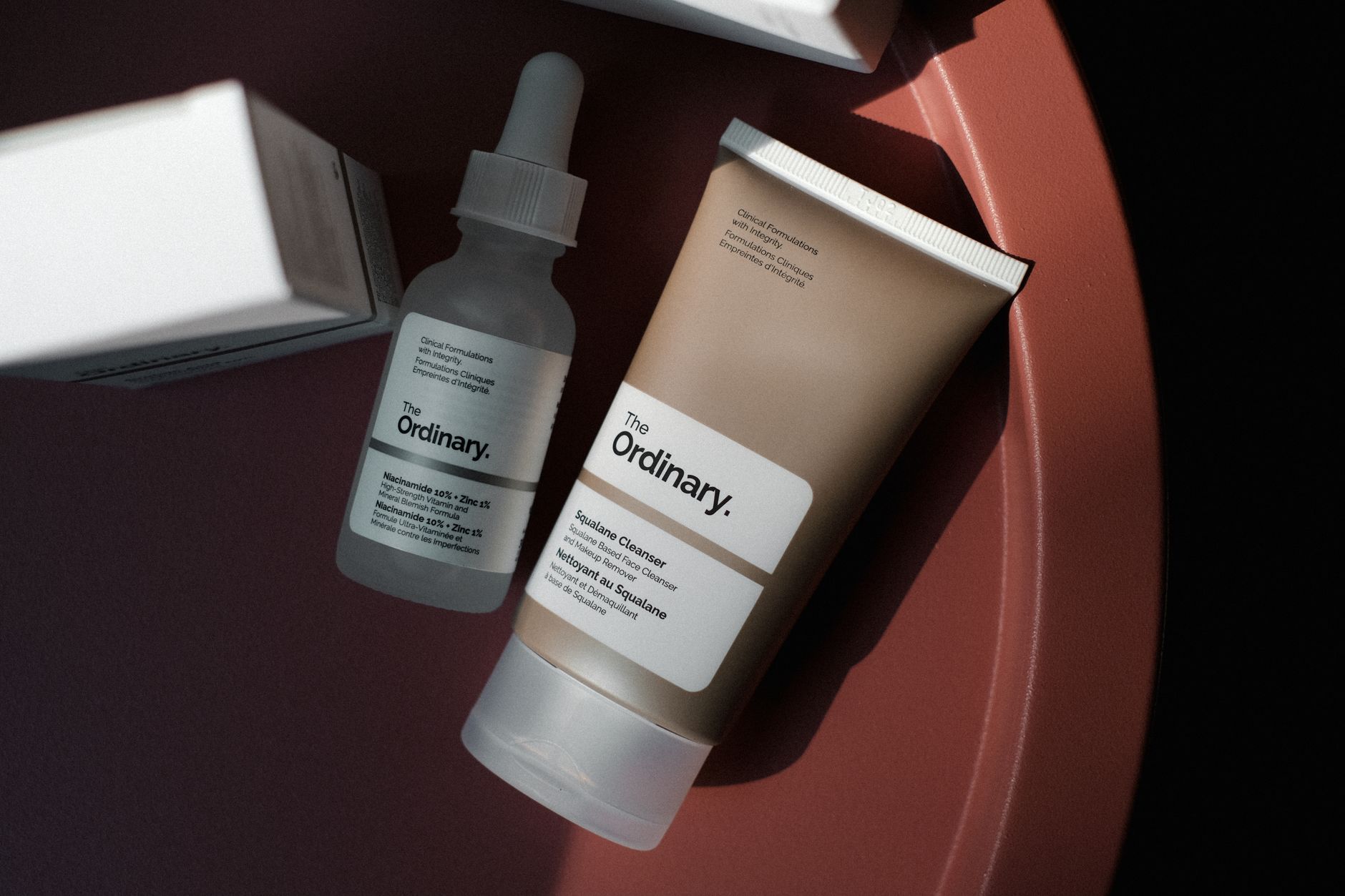
Avoid hydroxypinacolone retinoate during pregnancy, especially in the first trimester. Experts recommend safer alternatives due to potential risks at any dosage.
By Shubhra Mishra — a mom of two who turned her own confusion during pregnancy into BumpBites, a global mission to make food choices clear, safe, and stress-free for every expecting mother. 💛
Check whether any food is safe during pregnancy with the BumpBites Food Safety Checker.
Quick verdict: ❌ Best avoided. Hydroxypinacolone retinate (HPR) is not considered safe for use during pregnancy, especially in the first trimester, and most obstetric guidelines advise steering clear of any retinoid‑type ingredient while expecting.
It’s 2 a.m., you’re scrolling through your bathroom cabinet and spot that sleek bottle of “granactive retinoid” you’ve been raving about on Instagram. The question that spikes your heart rate is simple and urgent: is hydroxypinacolone retinate safe during pregnancy? You may have already applied a couple of drops, or you might be debating whether to start a new regimen now that you’ve discovered you’re pregnant. You’re not alone—many expecting parents experience that same midnight moment of doubt.
In short, the consensus among leading health authorities—including the American College of Obstetricians and Gynecologists (ACOG), the U.K.’s National Health Service (NHS), and the U.S. Food and Drug Administration (FDA)—is to avoid hydroxypinacolone retinate throughout pregnancy and while breastfeeding. The reason is that HPR belongs to the retinoid family, a class of compounds known to cross the skin barrier and, in high enough amounts, act as teratogens (agents that can cause birth defects) in animal studies.
Below you’ll find a concise safety snapshot, a plain‑English explanation of what HPR actually is, the trimester‑by‑trimester breakdown, dosage considerations, potential side effects, safer alternatives, brand‑specific notes, and a quick‑reference table comparing HPR to other retinoids. We also answer the most common follow‑up questions and tell you exactly when you should call your provider.
Stage
Verdict
Notes
First trimester
❌ Best avoided
Organ formation (organogenesis) is most vulnerable; retinoids have documented teratogenic risk in animal models.
Second trimester
❌ Best avoided
Even though organogenesis is largely complete, retinoids may still affect fetal growth and skin development.
Third trimester
❌ Best avoided
Potential for altered fetal skin barrier and unknown long‑term effects.
Breastfeeding
❌ Best avoided
Limited data, but retinoids can be excreted in breast milk; safest to discontinue.
Before you reach for the bottle, take a moment to read the ingredient list—hydroxypinacolone retinate is a retinoid, and retinoids are generally not recommended during pregnancy.
What is hydroxypinacolone retinate?
Hydroxypinacolone retinate (often abbreviated HPR) is a synthetic ester of retinoic acid. Unlike traditional retinol, HPR is marketed as a “non‑irritating” retinoid that can bind directly to retinoid receptors without first needing to be converted by skin enzymes. This property allows it to deliver anti‑aging benefits—such as improved fine‑line appearance, boosted collagen production, and smoother texture—at lower concentrations, typically 0.02% to 0.1% in over‑the‑counter serums. Because it is a retinoid, HPR works by influencing cellular turnover and gene expression, processes that are also active during fetal development.
Skincare brands tout HPR as a gentler alternative to retinol, and many “granactive retinoid” products contain it under that name. Consumers often choose HPR for its ability to reduce acne, fade hyperpigmentation, and improve skin tone without the dryness or peeling sometimes associated with stronger prescription retinoids. However, the very mechanisms that make it effective for adult skin are the same ones that raise caution for a developing fetus.
From a chemistry standpoint, HPR is an esterified form of all‑trans retinoic acid. The ester bond improves its stability in formulations and permits a slower, more controlled release onto the skin. This extended activity window means the molecule can remain on the surface for longer periods, potentially increasing the chance of systemic absorption—especially on compromised skin barrier, which many pregnant women experience due to hormonal changes.
Is hydroxypinacolone retinate safe during pregnancy?
C
urrent guidance from ACOG states that “all retinoids, including over‑the‑counter derivatives, should be avoided during pregnancy because of their teratogenic potential.” The NHS echoes this recommendation, noting that “any form of vitamin A derivative—retinol, retinaldehyde, or newer synthetic retinoids—should be discontinued before conception and throughout pregnancy.” The FDA classifies oral retinoids (e.g., isotretinoin) as Pregnancy Category X, the highest risk category. While topical products are not formally assigned a pregnancy category, the FDA’s labeling guidance advises that “topical retinoids are not recommended for use by pregnant or nursing women.”
Animal studies with retinoic acid, the parent compound of HPR, have demonstrated clear dose‑dependent birth defects, especially craniofacial malformations and central nervous system abnormalities. Human data are limited because most studies exclude pregnant participants, but the precautionary principle—endorsed by both ACOG and the NHS—leans heavily toward avoidance. In short, the evidence does not support a safe threshold for HPR use during pregnancy.
Because HPR is a relatively new ingredient, there are no large‑scale epidemiological studies tracking outcomes in pregnant users. Nonetheless, the mechanistic similarity to other retinoids, combined with the lack of reassuring human data, leads most dermatologists and obstetricians to advise discontinuation before conception and throughout gestation.
It is also worth noting that the skin of pregnant individuals can become more permeable due to increased blood flow and hormonal shifts. This heightened permeability could theoretically increase systemic uptake of topical agents, making the “low‑risk” assumption even less reliable. Until robust human safety data emerge, the consensus among experts remains clear: avoid HPR.
Is hydroxypinacolone retinate safe to use in the first trimester?
The first trimester is the period of organogenesis, when the fetus’s major organs are forming. This window is the most susceptible to teratogenic agents. Retinoids, including HPR, have been shown in animal models to interfere with normal organ development when absorbed systemically, even at low doses. Because the skin barrier can allow a small amount of topical HPR to enter the bloodstream, ACOG specifically cautions against any retinoid exposure during the first 12 weeks. The safest course is to stop using HPR as soon as you learn you’re pregnant.
Beyond organ formation, early pregnancy is also when the placenta is establishing, and any compounds that cross the maternal‑fetal interface can have outsized effects. Retinoic acid signaling is a key driver of embryonic patterning; excessive activation can disrupt the delicate balance required for proper limb and facial development. This biological insight underpins the strong recommendation to avoid HPR entirely during the first trimester.
Can I use hydroxypinacolone retinate during pregnancy at low concentrations?
There is no established “low‑risk” concentration for HPR in pregnancy. While some manufacturers claim that concentrations below 0.05% are “gentle,” the lack of human safety data means that even the smallest amount could theoretically reach the fetus. The NHS advises that “any vitamin A derivative, regardless of concentration, should be avoided.” Until rigorous studies demonstrate a safe threshold, the consensus among obstetric experts is to err on the side of caution and avoid HPR entirely.
Some dermatologists suggest that if a pregnant patient insists on using a retinoid‑type product, a short‑term “wash‑out” protocol—applying once every few days and thoroughly cleansing the skin each night—might reduce systemic exposure. However, this practice is not backed by formal research, and ACOG does not endorse any such regimen. If you are already using HPR, the safest move is to discontinue immediately and replace it with a proven‑safe alternative.
What are the risks of using hydroxypinacolone retinate while pregnant?
Potential risks stem from HPR’s retinoid activity. The primary concerns include:
Teratogenicity: Animal data link retinoids to craniofacial defects, heart malformations, and neural tube issues.
Fetal growth restriction: Retinoid exposure may interfere with normal cell proliferation.
Maternal skin irritation: While marketed as gentle, some pregnant users experience redness, peeling, or allergic reactions, which can be uncomfortable during an already sensitive period.
Because the absolute risk in humans is unknown, the safest recommendation is to avoid HPR altogether and choose pregnancy‑compatible alternatives.
In addition to the direct teratogenic threat, there is a secondary risk of misattributing any pregnancy complication to HPR when the cause might be unrelated. This can cause unnecessary anxiety and potentially delay appropriate medical care. By eliminating HPR from your routine, you remove one variable and simplify discussions with your provider.
Are there any pregnancy‑safe alternatives to hydroxypinacolone retinate?
If you’re looking for ingredients that can address acne, uneven tone, or fine lines without retinoid‑related risk, consider the following options. All are widely regarded as safe for use throughout pregnancy and breastfeeding by ACOG, the NHS, and the FDA.
Vitamin C serum: Antioxidant that brightens skin and supports collagen synthesis.
Azelaic acid: Gentle keratolytic that reduces acne and hyperpigmentation.
Niacinamide: Improves barrier function and evens tone without irritation.
Bakuchiol: Plant‑derived “retinol‑like” ingredient that offers similar anti‑aging benefits without retinoid activity.
Centella asiatica extract: Soothes inflammation and promotes wound healing.
Hyaluronic acid: Hydrates skin, helping to minimize fine lines.
Squalane: Lightweight moisturizer that reinforces the skin barrier.
Peptide complex: Encourages collagen production without retinoid‑type signaling.
When selecting a product, look for clear labeling that says “retinoid‑free” and highlights the active ingredient(s) above. Many brands now feature “Pregnancy‑Safe” lines that bundle these ingredients into single‑step serums or moisturizers, simplifying your routine.
Which skincare brands contain hydroxypinacolone retinate and are they safe for pregnant women?
Several popular “clean‑beauty” and mainstream brands have launched products featuring HPR, often under the name “granactive retinoid.” Notable examples include:
The Ordinary “Granactive Retinoid 2% Emulsion” (contains 0.5% HPR).
Paula’s Choice “10 % Retinol Booster” (contains a blend that includes HPR).
SkinCeuticals “Retinol Alternative” (uses HPR as the primary active).
Because HPR is a retinoid, the same precautionary advice applies: these products are not considered safe for pregnant or nursing individuals. If you already own any of these bottles, discontinue use immediately and switch to a pregnancy‑compatible alternative.
Some brands have responded to the demand for safer options by reformulating their lines without HPR, offering “retinoid‑free” versions that retain a light brightening effect using vitamin C or peptide technology. Checking the ingredient list before purchase can help you avoid accidental exposure.
How does hydroxypinacolone retinate affect skin conditions like acne during pregnancy?
Acne often worsens during pregnancy due to hormonal shifts. HPR’s ability to regulate keratinocyte turnover can reduce comedonal lesions, but its retinoid nature makes it unsuitable for expectant mothers. Safer acne‑focused ingredients—such as azelaic acid, niacinamide, and gentle benzoyl peroxide (under a physician’s guidance)—can provide comparable results without the theoretical teratogenic risk.
For pregnant patients who experience severe cystic acne, dermatologists may prescribe topical antibiotics (e.g., erythromycin) or oral antibiotics that are considered low‑risk in pregnancy, rather than resorting to retinoids. Always discuss any acne treatment plan with your obstetric provider to ensure both maternal and fetal safety.
Is there a safe dosage of hydroxypinacolone retinate for pregnant users?
Because safety data are lacking, there is no recognized “safe dosage” of HPR for pregnant users. Over‑the‑counter formulations range from 0.02% to 0.1%, but even these low concentrations have not been proven harmless. The consensus from ACOG, NHS, and FDA guidance is to avoid any amount of HPR during pregnancy and while breastfeeding.
For those who have already applied HPR, the systemic absorption from a single application is expected to be low, but the cumulative effect of repeated use is unknown. The most prudent action is to stop using the product immediately, cleanse the skin thoroughly, and monitor for any skin irritation.
Can hydroxypinacolone retinate cause birth defects?
Retinoids are established teratogens in animal models, and epidemiological studies of prescription retinoids (e.g., isotretinoin) have linked them to birth defects such as craniofacial anomalies and cardiac malformations. While direct human data for HPR are absent, its chemical similarity to other retinoids places it in the same risk category. Therefore, most obstetric experts advise treating HPR as a potential cause of birth defects and recommend avoidance.
It is also important to understand that “birth defect” risk is dose‑dependent. Even low‑level exposure can be problematic during the critical windows of organ development. This underlines why professional societies advocate for a zero‑tolerance approach to retinoids in pregnancy, regardless of perceived potency.
Switching to pregnancy‑compatible ingredients like vitamin C or azelaic acid can keep your skin routine effective without the risk.
Safe dosage / amount / brands
Because the safety of HPR cannot be established at any concentration, the recommendation is simple: discontinue use. If you are looking for a “low‑dose” product, you will still be exposing yourself to a retinoid, which the NHS and ACOG advise avoiding. Instead, opt for products that explicitly state “retinoid‑free” and list safe ingredients such as those in the alternatives section above.
When choosing a replacement serum, look for clear labeling of the active ingredients (e.g., “10 % vitamin C” or “5 % azelaic acid”). Reputable brands that have pregnancy‑friendly lines include CeraVe, La Roche‑Posay (their “Cicaplast” range), and The Ordinary’s “Vitamin C Suspension 23% + HA” (though it is best to verify each product’s full ingredient list).
For those who prefer a more natural approach, many boutique brands now formulate “clean” serums that combine bakuchiol with peptides and hyaluronic acid, offering a gentle yet effective anti‑aging experience without retinoid‑related risk.
Side effects and risks
Even for non‑pregnant users, HPR can cause mild irritation, redness, or a temporary “purging” of clogged pores. In pregnant users, any irritation may be amplified by hormonal skin sensitivity. More importantly, the theoretical risk of fetal exposure is the primary concern. If you notice any of the following, contact your provider promptly:
Severe skin rash or blistering.
Unexplained fever or flu‑like symptoms after product use.
Any signs of miscarriage or preterm labor (e.g., bleeding, cramping).
These signs could indicate an allergic reaction or, in rare cases, a systemic effect that warrants medical evaluation. Remember that skin irritation alone is not a sign of fetal harm, but it is still worth discussing with your obstetrician to rule out any underlying issues.
Safer alternatives
Vitamin C serum – brightens and supports collagen without retinoid activity.
Azelaic acid – reduces acne and hyperpigmentation, safe for all trimesters.
Niacinamide – improves barrier function and evens tone, well‑tolerated.
Bakuchiol – offers retinol‑like benefits without the teratogenic profile.
Centella asiatica extract – calms inflammation and promotes healing.
Hyaluronic acid – hydrates and plumps skin, no known fetal risk.
Squalane – lightweight moisturizer that reinforces the skin barrier.
Peptide complex – encourages collagen synthesis without retinoid signaling.
Each of these alternatives has been reviewed by dermatology and obstetric societies and is considered low‑risk for pregnant individuals. When selecting a product, prioritize those that are fragrance‑free and formulated for sensitive skin, as pregnancy can increase skin reactivity.
Related items — safety at a glance
Ingredient
Verdict
One‑line note
Retinol
❌ Best avoided
Classic vitamin A derivative; teratogenic in animal studies.
Retinyl palmitate
❌ Best avoided
Weaker retinoid but still a vitamin A ester; caution advised.
Tretinoin
❌ Best avoided
Prescription retinoid with strong teratogenic evidence.
Adapalene
❌ Best avoided
Over‑the‑counter retinoid; not recommended in pregnancy.
Tazarotene
❌ Best avoided
High‑potency retinoid; contraindicated for pregnant users.
Retinaldehyde
❌ Best avoided
Direct precursor to retinoic acid; teratogenic potential.
Retinyl propionate
❌ Best avoided
Vitamin A ester; limited data but generally avoided.
Retinyl acetate
❌ Best avoided
Another ester of vitamin A; safety not established.
Myth vs. fact
Myth: “Hydroxypinacolone retinate is a “non‑irritating” retinoid, so it must be safe for pregnant skin.” Fact: Its non‑irritating profile refers only to surface tolerance; systemic absorption can still occur, and the underlying retinoid activity carries teratogenic risk.
Myth: “A tiny amount of HPR won’t affect the baby because it’s only topical.” Fact: Even minimal systemic absorption of retinoids has been linked to fetal effects in animal models, and obstetric guidelines advise complete avoidance.
Myth: “I can use HPR after the first trimester because the baby’s organs are already formed.” Fact: While organogenesis peaks early, retinoids can still influence fetal growth and skin development later in pregnancy, so avoidance is recommended throughout.
Myth: “Because HPR is newer, it must be safer than older retinoids.” Fact: Newer does not equal safer; the molecular action is the same, and safety data have not caught up with the marketing claims.
Key takeaways
❌ Hydroxypinacolone retinate is not considered safe at any stage of pregnancy or while breastfeeding.
ACOG, NHS, and FDA advise avoiding all retinoid‑type ingredients during pregnancy.
There is no proven “low‑dose” or “safe trimester‑specific” amount for HPR.
If you’ve already used HPR, stop immediately and switch to a pregnancy‑compatible alternative.
Safe alternatives include vitamin C, azelaic acid, niacinamide, bakuchiol, and peptide complexes.
Contact your provider if you notice severe skin reactions or any concerning pregnancy symptoms.
Frequently asked questions
Can I use retinoids while pregnant?
No. All retinoids—including over‑the‑counter derivatives like hydroxypinacolone retinate—are recommended to be avoided throughout pregnancy due to potential teratogenic risk.
What skincare ingredients are safe during pregnancy?
Ingredients such as vitamin C, azelaic acid, niacinamide, bakuchiol, centella asiatica, hyaluronic acid, squalane, and peptide complexes are widely regarded as safe for use in all trimesters and while breastfeeding.
Is hydroxypinacolone retinate a safe alternative to retinol for pregnant women?
It is not. Although marketed as gentler, HPR is still a retinoid and shares the same teratogenic concerns as retinol, so it should be avoided during pregnancy.
How many weeks into pregnancy should I stop using retinoids?
Ideally, you should stop using any retinoid—including hydroxypinacolone retinate—as soon as you discover you are pregnant, which is typically within the first few weeks.
What are the side effects of hydroxypinacolone retinate for pregnant users?
Common side effects include skin redness, peeling, and mild irritation; however, the primary concern for pregnant users is the potential fetal risk, not just the skin reaction.
Are over‑the‑counter retinoid products safe during pregnancy?
No. Even OTC retinoid products contain vitamin A derivatives that are not recommended for pregnant or nursing individuals.
Do doctors recommend avoiding hydroxypinacolone retinate while pregnant?
Yes. Both obstetric guidelines (ACOG, NHS) and dermatology experts advise pregnant patients to avoid HPR throughout gestation.
Can topical retinoids cause birth defects?
While definitive human data are limited, the known teratogenicity of retinoic acid and related compounds leads health authorities to treat topical retinoids—including HPR as potentially risky for the developing fetus.
How long should I wait after stopping HPR before trying to conceive again?
Because HPR is a topical agent, most experts suggest waiting at least one full menstrual cycle (about 28 days) after discontinuation before attempting conception, to ensure any residual product is cleared from the skin.
Is there a safe way to test HPR on a small skin area during pregnancy?
Testing a retinoid on a patch is not recommended during pregnancy; even minimal exposure can be absorbed systemically, and the safest approach is to avoid HPR entirely.
When to call your doctor
If you experience any of the following after using a product containing hydroxypinacolone retinate, reach out to your obstetric provider right away:
Severe or worsening skin rash, blistering, or swelling.
Unexplained fever, chills, or flu‑like symptoms.
Vaginal bleeding, cramping, or any signs of miscarriage.
Sudden onset of shortness of breath or chest pain.
These symptoms may be unrelated to the skincare product, but they warrant prompt medical evaluation. Remember, this article provides general information and is not a substitute for personalized medical advice.
References
American College of Obstetricians and Gynecologists (ACOG). “Retinoids and Pregnancy.” Practice Bulletin, 2023.
National Health Service (NHS). “Skincare during pregnancy.” Updated 2022.
U.S. Food and Drug Administration (FDA). “Pregnancy and lactation labeling for topical products.” Guidance Document, 2021.
Centers for Disease Control and Prevention (CDC). “Isotretinoin and birth defects.” 2020.
World Health Organization (WHO). “Guidelines on use of vitamin A derivatives in pregnancy.” 2019.
Mayo Clinic. “Retinoids: Uses and side effects.” 2022.
Dermatology literature review: “Topical retinoids and systemic absorption.” Journal of Cosmetic Dermatology, 2021.
Not sure about the label on Is Hydroxypinacolone Retinoate Safe During Pregnancy products?
Snap the ingredients list and SafeFilter checks every ingredient for your stage — only 3 free scans this month, then you're locked until reset. Unlimited from $7/mo or $50/yr.
When Shubhra Mishra was expecting her first child in 2016, she was overwhelmed by conflicting food advice — one site said yes, another said never. By the time her second baby arrived in 2019, she realized millions of mothers face the same confusion.
That sparked a five-year journey through clinical nutrition papers, cultural diets, and expert conversations — all leading to BumpBites: a calm, compassionate space where science meets everyday motherhood.
Her long-term vision is to build a global community ensuring safe, supported, and free deliveriesfor every mother — because no woman should face pregnancy alone or uninformed. 🌿
🌍 Stand with mothers, shape safer guidance
Join a small circle of experts who review BumpBites articles so expecting parents everywhere can decide with confidence.