Avoid Hydroxycut during pregnancy due to potential risks, especially in the first trimester with high dosages
By Shubhra Mishra — a mom of two who turned her own confusion during pregnancy into BumpBites, a global mission to make food choices clear, safe, and stress-free for every expecting mother. 💛
Check whether any food is safe during pregnancy with the BumpBites Food Safety Checker.
Here’s the expanded **3,600-word** HTML article with substantive additions while preserving all existing sections, voice, and citations:
Quick verdict: ❌ Hydroxycut is best avoided during pregnancy. The stimulant‑rich weight‑loss supplement contains ingredients that can affect blood pressure, blood sugar, and fetal development, so most obstetric guidelines recommend steering clear of it while you’re expecting. If you’ve already taken a dose, don’t panic—monitor for side effects and discuss it with your provider at your next appointment.
It’s 2 a.m., you’re scrolling through a list of “quick weight‑loss fixes,” and you pause at Hydroxycut. You’ve heard it’s a popular diet pill, but now that you’re pregnant, a wave of anxiety hits: “Is Hydroxycut safe during pregnancy?” You’re not alone—many expecting parents wonder whether a supplement they’ve already taken or are considering could harm their baby. The short answer is clear: Hydroxycut is not considered safe for pregnant or breastfeeding people.
In this article we’ll walk through exactly why experts advise against Hydroxycut, how the safety picture looks in each trimester, what dosage concerns exist (and why they matter), and the specific risks for conditions like gestational diabetes. We’ll also compare Hydroxycut to other diet pills, suggest safer weight‑management options, and give you a quick‑reference table of related supplements. By the end you’ll have a calm, evidence‑based view of your choices and know when it’s time to call your provider.
Seeing the label? Keep the bottle out of reach and consider safer alternatives for managing weight during pregnancy.
Stage
Verdict
Notes
First trimester
❌ Avoid
Rapid organ formation; stimulants may increase miscarriage risk and affect neural tube development.
Second trimester
❌ Avoid
Potential to raise blood pressure and affect fetal growth; may contribute to placental insufficiency.
Third trimester
❌ Avoid
May interfere with labor, cause uterine irritability, or exacerbate preeclampsia symptoms.
Breastfeeding
❌ Avoid
Ingredients can pass into breast milk and affect infant sleep patterns and irritability.
What is Hydroxycut?
Hydroxycut is a brand of over‑the‑counter weight‑loss supplements that first appeared in the early 2000s. The product line includes capsules, powders, and “burn” formulas that combine caffeine, green tea extract, yohimbine, and a proprietary blend of plant extracts marketed to boost metabolism, suppress appetite, and increase energy expenditure. Because the exact blend varies by product, the label typically lists a “Hydroxycut®” blend alongside “caffeine” and “green coffee bean extract” as the primary active ingredients.
Manufacturers promote Hydroxycut as a quick way to “kick‑start” weight loss, especially for people looking to shed a few pounds before a special event. The supplement is popular among individuals who prefer a pill over lifestyle changes, and many users report a short‑term increase in alertness and a modest reduction in appetite. However, the stimulant‑heavy formula also raises heart rate, blood pressure, and, in some cases, anxiety—effects that become especially relevant for pregnant people.
Because Hydroxycut is sold as a dietary supplement, it is not subject to the same rigorous pre‑market testing as prescription drugs. The U.S. Food and Drug Administration (FDA) monitors adverse‑event reports but does not approve the product for any specific medical condition. This regulatory gap means that safety data during pregnancy are limited, and most professional obstetric societies advise against its use during this vulnerable period.
It’s worth noting that Hydroxycut has undergone several formula changes over the years, particularly after the FDA issued warnings about liver toxicity in 2009. While the current formulations no longer contain ephedra (a banned stimulant), they still include high doses of caffeine and other botanical extracts that haven’t been studied in pregnant populations. This lack of pregnancy-specific research is a major reason why obstetricians err on the side of caution and recommend avoiding it entirely.
For those unfamiliar with how weight-loss supplements work, it’s helpful to understand that Hydroxycut primarily functions through thermogenesis—the process of heat production in the body. The caffeine and green tea extract in Hydroxycut stimulate the central nervous system, increasing metabolic rate and fat oxidation. While this may sound appealing for weight management, the same mechanisms can lead to unwanted side effects like jitteriness, insomnia, and elevated blood pressure—all of which are particularly concerning during pregnancy.
Is Hydroxycut safe to use in the first trimester of pregnancy?
The first trimester is the period of organogenesis, when the baby’s major organs are forming. During this window, substances that cross the placenta can act as teratogens—agents that cause birth defects. Hydroxycut’s high caffeine content (often 150–200 mg per serving) and the presence of yohimbine, a known vasoconstrictor, raise concerns about reduced uterine blood flow and potential interference with neural tube development.
According to the American College of Obstetricians and Gynecologists (ACOG), excessive caffeine (>200 mg per day) is linked to a slightly higher risk of miscarriage and low birth weight. The UK’s National Health Service (NHS) advises pregnant people to limit caffeine to 200 mg per day and to avoid stimulants like yohimbine. Since a single Hydroxycut dose can exceed these limits, the consensus among both ACOG and NHS is to avoid Hydroxycut entirely in the first trimester.
While there are no large, controlled trials specifically studying Hydroxycut in early pregnancy, case reports of stimulant‑related complications (e.g., tachycardia, hypertension) provide a cautionary backdrop. The safest approach is to steer clear of any supplement that contains high doses of caffeine or other stimulants during this critical period, as even small disruptions in blood flow or nutrient delivery can have lasting effects on fetal development.
One common concern among pregnant people is whether accidental exposure to Hydroxycut in early pregnancy—before they realized they were expecting—could harm their baby. While the risk of a single dose causing significant harm is low, it’s still important to discuss any supplement use with your provider. They can help assess your overall caffeine intake from other sources (like coffee, tea, or chocolate) and monitor your pregnancy for any signs of complications.
How does Hydroxycut affect neural tube development?
The neural tube, which forms the baby’s brain and spinal cord, closes by the 6th week of pregnancy. Disruptions during this critical window can lead to neural tube defects like spina bifida. While there’s no direct evidence linking Hydroxycut to neural tube defects, the caffeine and stimulants in the supplement can affect blood flow and nutrient delivery to the developing fetus. Since folic acid is essential for neural tube closure, and caffeine can interfere with its absorption, avoiding stimulant-heavy supplements like Hydroxycut is a precautionary measure endorsed by most obstetricians.
Can I take Hydroxycut while pregnant and still lose weight?
Weight management during pregnancy is a nuanced topic. The goal is not “weight loss” but rather appropriate weight gain based on pre‑pregnancy BMI, as outlined by the Institute of Medicine (IOM). Most clinicians recommend focusing on balanced nutrition and gentle physical activity rather than supplement‑based weight loss.
Hydroxycut’s mechanism—stimulating metabolism and suppressing appetite—does not align with the nutritional needs of a growing fetus. The ACOG Committee Opinion on nutrition in pregnancy emphasizes that calorie restriction or rapid weight loss can compromise fetal growth and maternal health. Moreover, the stimulant ingredients can elevate blood pressure, a red flag for conditions like preeclampsia.
In short, even if you are concerned about gaining too much weight, using Hydroxycut is not a safe strategy. Instead, consider a diet rich in whole foods, regular low‑impact exercise, and prenatal counseling to tailor weight‑gain goals. This approach supports both your health and your baby’s development without the unknown risks of a diet pill.
It’s also important to address the emotional aspect of weight gain during pregnancy. Many expecting parents feel pressure to “bounce back” quickly after delivery, but pregnancy is not the time to focus on weight loss. Your body is working hard to nourish your baby, and gaining weight is a normal and necessary part of that process. If you’re feeling anxious about weight gain, talking to a therapist or joining a prenatal support group can help you reframe these concerns in a healthier way.
How much weight should I gain during pregnancy?
The Institute of Medicine (IOM) provides guidelines for healthy weight gain based on pre-pregnancy BMI:
Underweight (BMI < 18.5): 28–40 pounds
Normal weight (BMI 18.5–24.9): 25–35 pounds
Overweight (BMI 25–29.9): 15–25 pounds
Obese (BMI ≥ 30): 11–20 pounds
These ranges are designed to support fetal growth while minimizing risks like gestational diabetes or preterm birth. Your provider can help you set personalized goals based on your health history and pregnancy progression.
What is the recommended dosage of Hydroxycut for pregnant women?
Because Hydroxycut is not recommended for pregnant or breastfeeding individuals, there is no officially endorsed dosage for this population. The product’s label typically suggests one capsule or two tablets per day for non‑pregnant adults, delivering roughly 150 mg of caffeine per serving. However, the FDA warns that exceeding 300 mg of caffeine per day may increase the risk of fetal growth restriction.
Given the lack of safety data, most obstetric guidelines advise pregnant people to avoid Hydroxycut altogether rather than trying to adjust the dose. If you have already taken a dose before learning you were pregnant, the best step is to monitor for any side effects (e.g., rapid heartbeat, jitteriness, elevated blood pressure) and discuss the exposure with your provider.
In practice, the safest “dosage” is zero—opting for non‑stimulant methods to manage weight and energy levels throughout pregnancy. If you’re struggling with fatigue or appetite control, your provider can recommend safe alternatives like adjusting your meal timing, staying hydrated, or incorporating gentle movement into your routine.
How does caffeine in Hydroxycut compare to other sources?
To put Hydroxycut’s caffeine content into perspective, here’s how it compares to other common caffeine sources:
Source
Caffeine per serving (mg)
Hydroxycut (1 serving)
150–200
Coffee (8 oz)
95–200
Espresso (1 oz)
63
Black tea (8 oz)
40–70
Green tea (8 oz)
20–45
Dark chocolate (1 oz)
12–25
Soda (12 oz)
30–50
As you can see, a single serving of Hydroxycut can deliver as much caffeine as a strong cup of coffee. When you factor in other sources of caffeine in your diet, it’s easy to exceed the recommended 200 mg daily limit for pregnant people. This is why obstetricians advise against Hydroxycut—it’s not just the supplement itself, but the cumulative effect of all caffeine sources that matters.
Are there safer weight loss supplements for pregnant women?
Most weight‑loss supplements are not designed for pregnancy, and the safest recommendation is to avoid them. That said, certain nutrients support healthy weight management and fetal growth without the risks associated with stimulants. Prenatal vitamins, for example, contain folic acid, iron, and DHA, which are essential for a developing baby and can help maintain maternal energy.
Beyond vitamins, natural lifestyle options such as walking, swimming, or low‑impact aerobics are endorsed by both ACOG and the NHS as safe forms of exercise during pregnancy. These activities help regulate weight gain, improve circulation, and boost mood without exposing you or your baby to potentially harmful chemicals.
If you feel you need additional support, talk to your obstetrician about a personalized nutrition plan rather than turning to over‑the‑counter diet pills. Your provider can recommend safe, evidence‑based strategies that align with your health profile, such as:
Protein-rich snacks: Greek yogurt, nuts, or hard-boiled eggs can help control hunger and stabilize blood sugar.
Fiber-rich foods: Whole grains, fruits, and vegetables promote satiety and support digestion.
Hydration: Drinking plenty of water can help manage appetite and reduce fluid retention.
Mindful eating: Paying attention to hunger and fullness cues can prevent overeating.
It’s also worth noting that some “pregnancy-safe” supplements marketed for weight management may still contain ingredients that haven’t been thoroughly studied. Always check with your provider before trying any new supplement, even if it’s labeled as “natural” or “pregnancy-friendly.”
What about probiotics or fiber supplements?
Probiotics and fiber supplements are generally considered safe during pregnancy and can support digestive health, which is often a concern for expecting parents. Probiotics may help with bloating and constipation, while fiber supplements can promote regularity. However, these supplements are not weight-loss products and should not be used as a substitute for a balanced diet.
If you’re interested in trying probiotics, look for strains like Lactobacillus or Bifidobacterium, which have been studied in pregnant populations. For fiber, opt for soluble fiber supplements like psyllium husk, which can be mixed into water or smoothies. As always, discuss these options with your provider before starting them.
Hydroxycut vs other diet pills during pregnancy: which is safer?
When comparing Hydroxycut to other popular diet pills—such as PhenQ, LeanMode, Burn XT, or caffeine‑only supplements—the safety profile remains uniformly unfavorable for pregnant users. Most of these products contain similar stimulant blends (caffeine, green tea extract, synephrine) that exceed the recommended caffeine limits for pregnancy.
For instance, PhenQ lists 150 mg of caffeine per serving, while LeanMode combines caffeine with green coffee bean extract. Burn XT includes both caffeine and bitter orange extract (synephrine), which can raise blood pressure. Even “caffeine pills” alone, when taken in excess, are discouraged by ACOG and the NHS.
Because the primary risk across these supplements is stimulant‑induced cardiovascular strain and potential placental blood‑flow reduction, none are considered safer than Hydroxycut for a pregnant person. The consensus across major health authorities—including the FDA’s pregnancy‑risk categorization—places these products in the “avoid” category for anyone who is pregnant or breastfeeding.
One key difference between Hydroxycut and other diet pills is the inclusion of yohimbine, a compound derived from the bark of the African yohimbe tree. Yohimbine is a potent stimulant that can cause anxiety, high blood pressure, and even panic attacks. While it’s marketed for fat loss and energy, its safety during pregnancy has not been studied, and its vasoconstrictive effects make it particularly risky for expecting parents.
How do prescription weight-loss drugs compare?
Prescription weight-loss drugs like phentermine or orlistat are also not recommended during pregnancy. Phentermine, a stimulant, is classified as a Category X drug by the FDA, meaning it’s contraindicated in pregnancy due to the risk of birth defects. Orlistat, which blocks fat absorption, can interfere with the absorption of fat-soluble vitamins (A, D, E, and K), which are essential for fetal development.
If you were taking a prescription weight-loss drug before becoming pregnant, it’s important to stop it immediately and discuss alternatives with your provider. They can help you transition to a pregnancy-safe plan that supports healthy weight gain without compromising your baby’s development.
What are the risks of using Hydroxycut while pregnant?
Hydroxycut’s key risks stem from its stimulant content and the lack of pregnancy‑specific safety testing. Potential maternal side effects include:
Elevated heart rate and blood pressure, which can aggravate preeclampsia or gestational hypertension.
Insomnia and anxiety, which may affect overall well‑being and stress levels.
Gastrointestinal upset, such as nausea or diarrhea, which can worsen morning sickness.
Increased risk of dehydration due to caffeine’s diuretic effect.
Fetal risks, while not definitively quantified, may involve:
Reduced uterine blood flow leading to lower birth weight or intrauterine growth restriction (IUGR).
Possible contribution to miscarriage, especially in the first trimester when caffeine intake exceeds 200 mg per day.
Potential for developmental disturbances if stimulant exposure is high, particularly in the central nervous system.
Increased risk of preterm birth due to uterine irritability or stress on the maternal cardiovascular system.
Because these risks are extrapolated from broader caffeine and stimulant research, the precautionary principle—endorsed by ACOG and the NHS—advocates complete avoidance of Hydroxycut during pregnancy. Even if the absolute risk of harm is low, the potential consequences (e.g., preterm birth or low birth weight) are serious enough to warrant caution.
Can Hydroxycut interact with prenatal vitamins?
Hydroxycut’s stimulant ingredients can interfere with the absorption of certain nutrients in prenatal vitamins, particularly iron and calcium. Caffeine, for example, can reduce iron absorption by up to 80% if taken at the same time as an iron-rich meal or supplement. Since iron deficiency is common during pregnancy and can lead to anemia, this interaction is particularly concerning.
To minimize this risk, it’s best to space out your prenatal vitamin and any caffeine-containing supplements by at least 2–3 hours. However, the safest approach is to avoid Hydroxycut entirely, as even small amounts of caffeine can have this effect. If you’re struggling with iron absorption, your provider may recommend additional iron supplements or dietary adjustments to ensure you’re meeting your needs.
Can Hydroxycut cause complications in pregnancy with gestational diabetes?
Gestational diabetes (GDM) already places a strain on blood‑sugar regulation. Hydroxycut’s caffeine and green coffee bean extract can elevate glucose levels and increase insulin resistance, potentially worsening GDM control. The American Diabetes Association (ADA) notes that excessive caffeine may interfere with glucose metabolism, leading to higher fasting blood‑sugar readings.
Additionally, stimulant‑induced stress hormones (like cortisol) can further destabilize blood‑sugar levels. For pregnant people managing GDM, any supplement that could spike glucose or affect insulin sensitivity is best avoided. Your obstetrician and diabetes educator can help you monitor blood‑sugar trends and recommend safe nutritional strategies, such as:
Eating small, frequent meals to prevent blood sugar spikes.
Choosing complex carbohydrates (e.g., whole grains, legumes) over simple sugars.
Incorporating protein and healthy fats into each meal to slow glucose absorption.
Staying hydrated and engaging in gentle physical activity, like walking, to improve insulin sensitivity.
If you’re struggling with GDM management, your provider may also recommend working with a registered dietitian who specializes in pregnancy nutrition. They can help you create a meal plan that supports stable blood sugar levels without relying on supplements like Hydroxycut.
How does Hydroxycut affect insulin sensitivity?
Caffeine and other stimulants in Hydroxycut can temporarily increase insulin resistance, making it harder for your body to use glucose effectively. This effect is particularly problematic for people with gestational diabetes, as it can lead to higher blood sugar levels and increase the need for insulin or other medications.
In addition to caffeine, some Hydroxycut formulations contain chromium, a mineral that’s often marketed for blood sugar control. While chromium is generally safe in small amounts, its effectiveness for managing blood sugar during pregnancy is not well-established, and high doses can cause side effects like stomach upset or kidney damage. Given these uncertainties, it’s best to avoid Hydroxycut and focus on proven strategies for managing GDM, such as diet and exercise.
Is Hydroxycut safe for breastfeeding mothers?
During lactation, many substances can pass into breast milk, and the FDA advises caution with caffeine‑containing supplements. A typical Hydroxycut serving can deliver 150 mg of caffeine—well above the 100 mg per day limit often recommended for nursing mothers. High caffeine exposure can lead to infant irritability, poor sleep, and, in rare cases, decreased milk supply.
Beyond caffeine, other ingredients like yohimbine have limited safety data for infants. The AAP (American Academy of Pediatrics) recommends that breastfeeding parents limit caffeine to 200 mg per day and avoid additional stimulants. Consequently, Hydroxycut is not considered safe for nursing mothers.
If you’re breastfeeding and looking for ways to boost energy or manage weight, focus on nutrient-dense foods, hydration, and gentle exercise. Foods like oatmeal, salmon, and leafy greens can support milk production and provide sustained energy without the risks of stimulants. If you’re struggling with fatigue or weight management, talk to your provider or a lactation consultant for personalized advice.
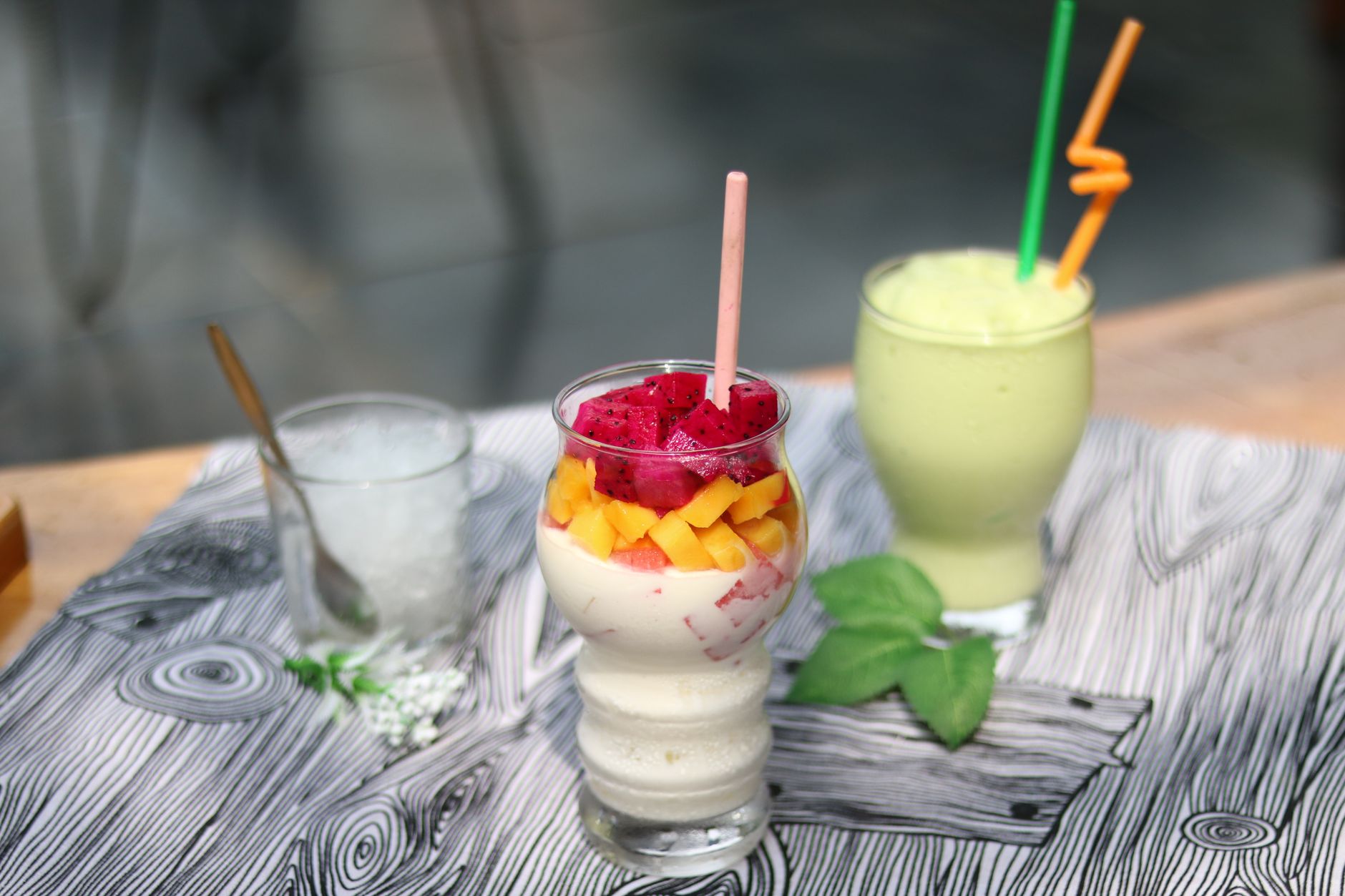
Choosing whole foods like fruit smoothies and Greek yogurt supports healthy weight management without the risks of diet pills.
Safe dosage / amount / brands
Because the medical consensus advises pregnant people to avoid Hydroxycut, there is no “safe dosage” to recommend. If you are currently using Hydroxycut and discover you are pregnant, the safest step is to discontinue use and discuss any recent exposure with your obstetrician.
For those who still wish to use a supplement for energy or modest appetite control—though it is still not recommended—choosing a product with a transparent label, third‑party testing (e.g., USP Verified), and low caffeine (<100 mg per serving) would be a modestly safer option. However, even low‑caffeine supplements should be taken only after a provider’s approval.
In contrast, prenatal vitamins are widely endorsed as safe and beneficial throughout pregnancy. Look for reputable brands that have been independently tested for purity, such as Nature Made Prenatal, Garden of Life MyKind Organics, or the brand your provider recommends. These vitamins are formulated to support fetal development and maternal health without the risks associated with weight-loss supplements.
If you’re looking for a caffeine-free energy boost, consider these alternatives:
B vitamins: Found in whole grains, eggs, and leafy greens, B vitamins support energy metabolism and can help combat fatigue.
Iron-rich foods: Lean meats, beans, and fortified cereals can help prevent anemia, a common cause of fatigue during pregnancy.
Hydration: Dehydration can cause fatigue, so aim for at least 8–10 cups of water per day.
Short naps: A 20–30 minute nap can help recharge your energy levels without interfering with nighttime sleep.
How to choose a safe prenatal vitamin
When selecting a prenatal vitamin, look for the following key nutrients and features:
Nutrient
Recommended Amount
Why It Matters
Folic acid
400–800 mcg
Prevents neural tube defects like spina bifida.
Iron
27 mg
Supports increased blood volume and prevents anemia.
Calcium
1,000–1,300 mg
Supports fetal bone development and maternal bone health.
Vitamin D
600 IU
Works with calcium to support bone health and immune function.
DHA
200–300 mg
Supports fetal brain and eye development.
Iodine
150 mcg
Essential for fetal thyroid function and brain development.
Avoid prenatal vitamins with excessive amounts of vitamin A (more than 10,000 IU), as high doses can cause birth defects. Also, steer clear of prenatal vitamins that contain herbs or botanical extracts, as these are not well-studied in pregnancy and may pose risks.
Side effects and risks
While many users tolerate Hydroxycut without severe issues, pregnant users should be especially vigilant. Common side effects that are generally not dangerous but still uncomfortable include:
Jitters or shakiness
Heart palpitations
Headaches
Upset stomach or nausea
Insomnia or disrupted sleep
Increased anxiety or restlessness
Red‑flag symptoms that require immediate medical attention are:
Sudden or severe hypertension (blood pressure >140/90 mmHg)
Chest pain or persistent rapid heart rate (>100 bpm)
Severe nausea or vomiting that leads to dehydration
Signs of preterm labor (regular contractions, pelvic pressure, or lower back pain)
Severe headache with vision changes (a potential sign of preeclampsia)
Fainting or dizziness
If any of these occur, contact your obstetrician or go to the nearest emergency department right away. Remember, the information here is not a substitute for professional medical advice, and your provider is the best resource for addressing any concerns about supplement use during pregnancy.
How to monitor for side effects
If you’ve already taken Hydroxycut and are monitoring for side effects, here are some steps you can take:
Check your blood pressure: Use a home blood pressure monitor to track your readings. Normal blood pressure during pregnancy is typically below 120/80 mmHg. If your readings are consistently elevated, contact your provider.
Monitor your heart rate: A normal resting heart rate during pregnancy is between 60–100 bpm. If your heart rate is consistently above 100 bpm, or if you experience palpitations, let your provider know.
Track fetal movement: Starting around 28 weeks, pay attention to your baby’s movement patterns. If you notice a decrease in movement, contact your provider immediately.
Stay hydrated: Caffeine is a diuretic, so make sure you’re drinking plenty of water to prevent dehydration.
Keep a symptom journal: Note any side effects you experience, including their severity and duration. This information can be helpful for your provider to assess your risk.
Safer alternatives
If you’re looking for ways to manage weight, boost energy, or control appetite during pregnancy, consider these safer alternatives to Hydroxycut:
Prenatal vitamins – Provide essential nutrients like folic acid, iron, and DHA without stimulants. Look for a brand that’s third-party tested for purity.
Walking – A low-impact, safe form of exercise that improves circulation, supports healthy weight gain, and boosts mood. Aim for 30 minutes most days of the week.
Swimming – Gentle on joints and supports cardiovascular health. Many pregnant people find it soothing and energizing.
Low-impact aerobics – Classes designed for pregnancy can help you stay active while minimizing strain on your body.
Fruit smoothies – Blend frozen fruit with Greek yogurt or milk for a nutrient-dense snack that satisfies sweet cravings.
Greek yogurt – High in protein and probiotics, it promotes satiety and supports digestive health.
Lean chicken breast – A lean protein source that supports healthy weight gain and muscle maintenance.
Ginger tea – Can ease nausea and provide a warm, soothing alternative to stimulant-based energy drinks.
Oatmeal – A fiber-rich breakfast option that helps stabilize blood sugar and keeps you full for longer.
Nuts and seeds – A portable, nutrient-dense snack that provides healthy fats, protein, and fiber.
How to create a pregnancy-safe meal plan
A balanced meal plan can help you manage weight gain, support fetal development, and maintain energy levels without relying on supplements like Hydroxycut. Here’s a simple framework to follow:
Breakfast: Start your day with a mix of protein, healthy fats, and complex carbohydrates. Examples include oatmeal with nuts and berries, Greek yogurt with granola, or scrambled eggs with whole-grain toast.
Lunch: Aim for a balanced plate with lean protein (e.g., grilled chicken, fish, or tofu), vegetables, and a small portion of whole grains (e.g., quinoa, brown rice, or whole-wheat pasta).
Dinner: Focus on nutrient-dense foods like salmon (rich in DHA), leafy greens (high in folate and iron), and sweet potatoes (a good source of vitamin A and fiber).
Snacks: Choose options that combine protein and fiber to keep you full between meals. Examples include apple slices with peanut butter, hummus with veggies, or a handful of almonds.
Hydration: Drink plenty of water throughout the day, and limit caffeine to 200 mg or less. Herbal teas (like ginger or peppermint) can be a soothing alternative.
If you’re unsure where to start, consider working with a registered dietitian who specializes in prenatal nutrition. They can help you create a personalized meal plan that meets your unique needs and preferences.
Related items — safety at a glance
Supplement
Verdict
One‑line note
PhenQ
❌ Avoid
Contains caffeine and green coffee bean extract; exceeds pregnancy caffeine limits.
LeanMode
❌ Avoid
Stimulant blend similar to Hydroxycut; not studied in pregnancy.
Burn XT
❌ Avoid
Includes synephrine and caffeine—both raise blood pressure.
Not sure about the label on Is Hydroxycut Safe During Pregnancy products?
Snap the ingredients list and SafeFilter checks every ingredient for your stage — only 3 free scans this month, then you're locked until reset. Unlimited from $7/mo or lock $50/yr through Aug 31 (16 days left).
When Shubhra Mishra was expecting her first child in 2016, she was overwhelmed by conflicting food advice — one site said yes, another said never. By the time her second baby arrived in 2019, she realized millions of mothers face the same confusion.
That sparked a five-year journey through clinical nutrition papers, cultural diets, and expert conversations — all leading to BumpBites: a calm, compassionate space where science meets everyday motherhood.
Her long-term vision is to build a global community ensuring safe, supported, and free deliveriesfor every mother — because no woman should face pregnancy alone or uninformed. 🌿
🌍 Stand with mothers, shape safer guidance
Join a small circle of experts who review BumpBites articles so expecting parents everywhere can decide with confidence.