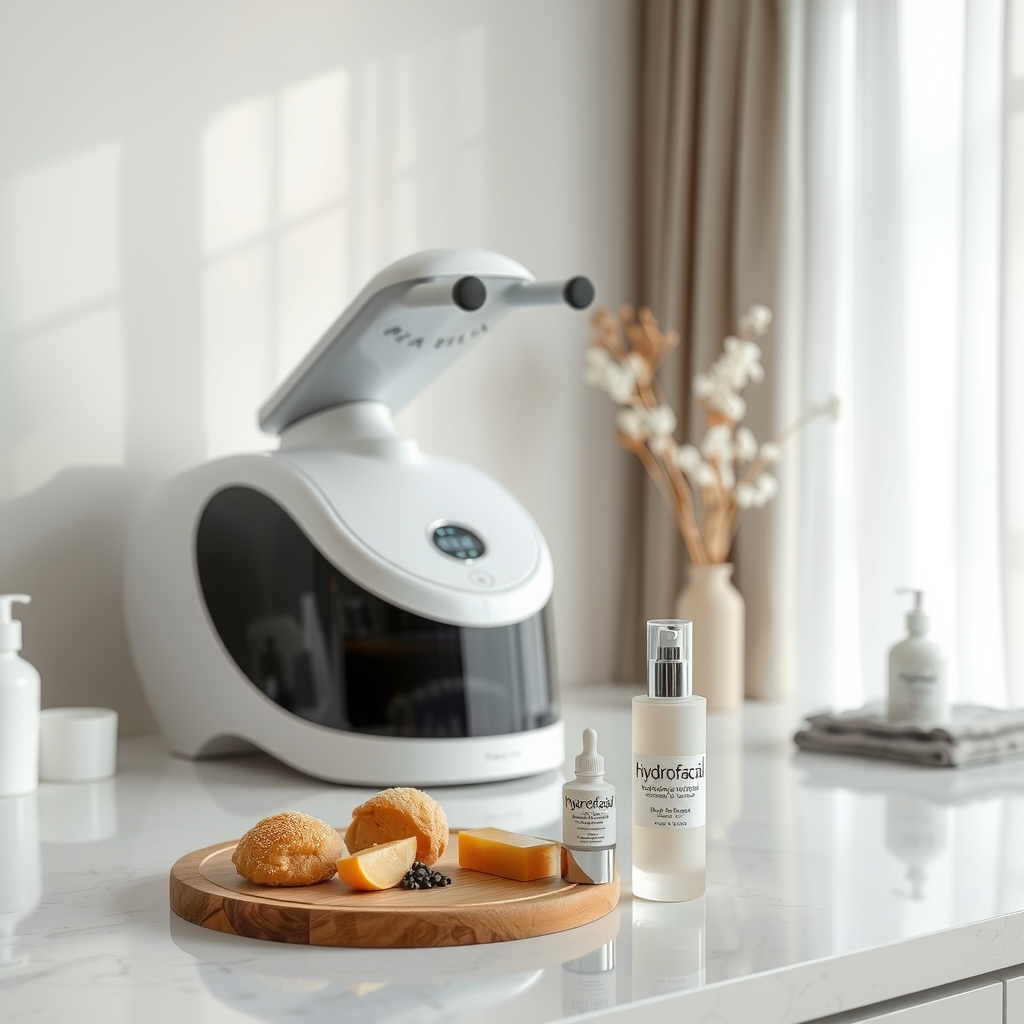
Limit Hydrafacial during pregnancy, especially in the first trimester. Experts recommend avoiding salicylic acid and opting for gentler alternatives to reduce skin sensitivity risks.
By Shubhra Mishra — a mom of two who turned her own confusion during pregnancy into BumpBites, a global mission to make food choices clear, safe, and stress-free for every expecting mother. 💛
Check whether any food is safe during pregnancy with the BumpBites Food Safety Checker.
Quick verdict: ⚠️ Safe with limits – a Hydrafacial is generally considered low‑risk during pregnancy when performed by a qualified professional, but it should be limited to no more than one session every 4‑6 weeks and avoided if you have hypertension, active acne, or are in the first trimester without prior provider clearance.
It’s 2 a.m., you’re scrolling through beauty blogs and stumble on a glowing review of the Hydrafacial you’ve always wanted to try. Suddenly, a wave of worry hits: “is Hydrafacial safe during pregnancy?” You’re not alone—many expectant parents pause at the thought of a new skincare treatment and wonder if a single session could harm their baby.
In this article we’ll give you a clear, evidence‑based answer, break down safety by each trimester, explain how often you can safely enjoy a Hydrafacial, and suggest gentler alternatives that keep both you and your developing baby comfortable. We’ll also compare Hydrafacial to other popular facial treatments, highlight potential side effects, and let you know exactly when it’s time to call your provider.
Read on for the quick verdict, a detailed safety snapshot, and practical tips so you can stop worrying and enjoy your skin‑care routine with confidence.
Trimester / Breastfeeding
Verdict
Notes
First trimester
⚠️ Talk to your doctor
Limited data; avoid if you have hypertension or active acne. Consider waiting until after 12 weeks.
Second trimester
✅ Generally safe
Proceed with standard protocol; limit to one session per month.
Third trimester
⚠️ Safe with limits
Ensure no vasodilatory serums; avoid if you have swelling or high blood pressure.
Breastfeeding
✅ Generally safe
Topical ingredients have minimal systemic absorption; monitor for skin irritation.
Hydrafacial is a multi‑step, non‑invasive facial that combines cleansing, exfoliation, extraction, and hydration using a patented vortex‑fusion technology. The device delivers a blend of serums—often containing antioxidants like vitamin C, hyaluronic acid, and peptides—through a gentle suction that helps remove dead skin cells and infuse moisture. A typical session lasts 30–45 minutes and can be customized with add‑on boosters such as glycolic acid, salicylic acid, or botanical extracts.
Because the treatment is primarily topical and does not involve significant systemic absorption, many dermatologists view it as a low‑risk cosmetic procedure. However, the presence of certain active ingredients (e.g., glycolic or salicylic acid) and the mechanical extraction step raise questions for pregnant patients, especially those with heightened skin sensitivity or vascular concerns.
Is Hydrafacial safe during pregnancy?
Current guidance from the American College of Obstetricians and Gynecologists (ACOG) and the UK’s National Health Service (NHS) categorizes non‑invasive cosmetic procedures as generally safe when they do not involve ionizing radiation, systemic drug delivery, or invasive skin injury. The FDA does not specifically list Hydrafacial as a contraindicated procedure, but it does advise that pregnant individuals discuss any skin‑care treatments that involve active chemical agents with their provider.
Most of the serums used in a Hydrafacial are water‑based and have minimal systemic absorption, which means they are unlikely to reach the fetus in harmful amounts. The mechanical component—light suction and gentle exfoliation—does not pose a risk of infection when performed in a clean, clinical setting. However, boosters containing high concentrations of alpha‑hydroxy acids (AHAs) or beta‑hydroxy acids (BHAs) can increase skin sensitivity and may be best avoided during the first trimester, when organogenesis is occurring.
In practice, obstetricians often recommend waiting until after the first 12 weeks before starting any facial that includes potent exfoliants, and they suggest limiting sessions to once every 4–6 weeks. This schedule balances the desire for clear, glowing skin with the precautionary principle that guides prenatal care.
Is Hydrafacial safe during the first trimester of pregnancy?
The first trimester is the period of organ formation, making it the most sensitive window for any potential teratogenic exposure. While Hydrafacial’s primary mechanisms are topical, the use of strong exfoliating agents (e.g., glycolic acid >20 %) can increase skin permeability and theoretically raise systemic exposure. Because data are limited, ACOG advises that pregnant patients discuss the specific serums being used and consider postponing the treatment until after the first 12 weeks.
If you already had a Hydrafacial in the first trimester, stay calm. The low systemic absorption makes serious risk unlikely, but you should monitor for any unusual skin reactions or systemic symptoms and discuss them with your provider.
Can I get a Hydrafacial in my second trimester without risks?
During the second trimester, the fetus is less vulnerable to external exposures, and many providers consider it a safe period for non‑invasive cosmetic procedures. A Hydrafacial performed with gentle, pregnancy‑compatible serums (e.g., hyaluronic acid, vitamin C, and low‑strength AHAs) is generally regarded as low‑risk. The primary caution is to avoid high‑strength acid boosters and to ensure that the clinic follows strict hygiene protocols to prevent infection.
Most dermatologists recommend limiting Hydrafacial sessions to once a month during the second trimester, allowing the skin to recover fully between treatments.
What are the recommended frequency and duration for Hydrafacial during pregnancy?
Because the procedure is non‑invasive, the main safety consideration is the cumulative exposure to active ingredients. A widely accepted guideline is to schedule a Hydrafacial no more frequently than every 4–6 weeks throughout pregnancy. Each session should last 30–45 minutes, which is sufficient for cleansing, exfoliation, extraction, and hydration without over‑stimulating the skin.
For pregnant users who experience heightened skin sensitivity, a shorter session that focuses solely on cleansing and hydration (omitting acid boosters) can be an even safer option.
Choose serums with gentle, pregnancy‑compatible ingredients like hyaluronic acid and vitamin C for a safer Hydrafacial experience.
Are there any Hydrafacial brand variations that are safer for pregnant women?
Hydrafacial is a brand‑specific technology, but clinics can customize the serums used in each session. When looking for a pregnancy‑friendly option, ask your provider to use the “Gentle Glow” or “Pregnancy‑Safe” line, which typically contains low‑strength AHAs (≤10 %), hyaluronic acid, and antioxidant blends without retinoids or high‑dose salicylic acid.
Some manufacturers also offer a “Hydra+” cartridge that omits any exfoliating acids and focuses solely on hydration and antioxidant delivery. These variations are considered the safest choices for expectant mothers.
What are the potential side effects of Hydrafacial for pregnant users?
Most side effects are mild and localized, such as temporary redness, tingling, or a mild sensation of tightness. Because pregnancy can amplify skin sensitivity, you might also notice increased dryness or a slight flare‑up of existing acne.
More serious complications are rare but can include infection if the extraction tools are not properly sterilized, or an allergic reaction to a serum ingredient. If you develop persistent swelling, severe hives, or any signs of infection (pain, pus, fever), contact your obstetric provider immediately.
What safer facial treatments can I use instead of Hydrafacial while pregnant?
Gentle facial cleansing with Cetaphil – a fragrance‑free, non‑comedogenic cleanser that soothes sensitive skin.
Pregnancy‑safe lactic acid chemical peel – low‑strength lactic acid (≤10 %) offers mild exfoliation without the irritation of glycolic acid.
LED light therapy facial – uses red or blue light to reduce inflammation and improve skin tone without chemicals.
Low‑intensity microdermabrasion approved for pregnancy – gentle crystal or diamond tip exfoliation that avoids deep dermal injury.
Belli pregnancy‑friendly facial mask – a soothing mask with aloe vera and chamomile designed for expectant mothers.
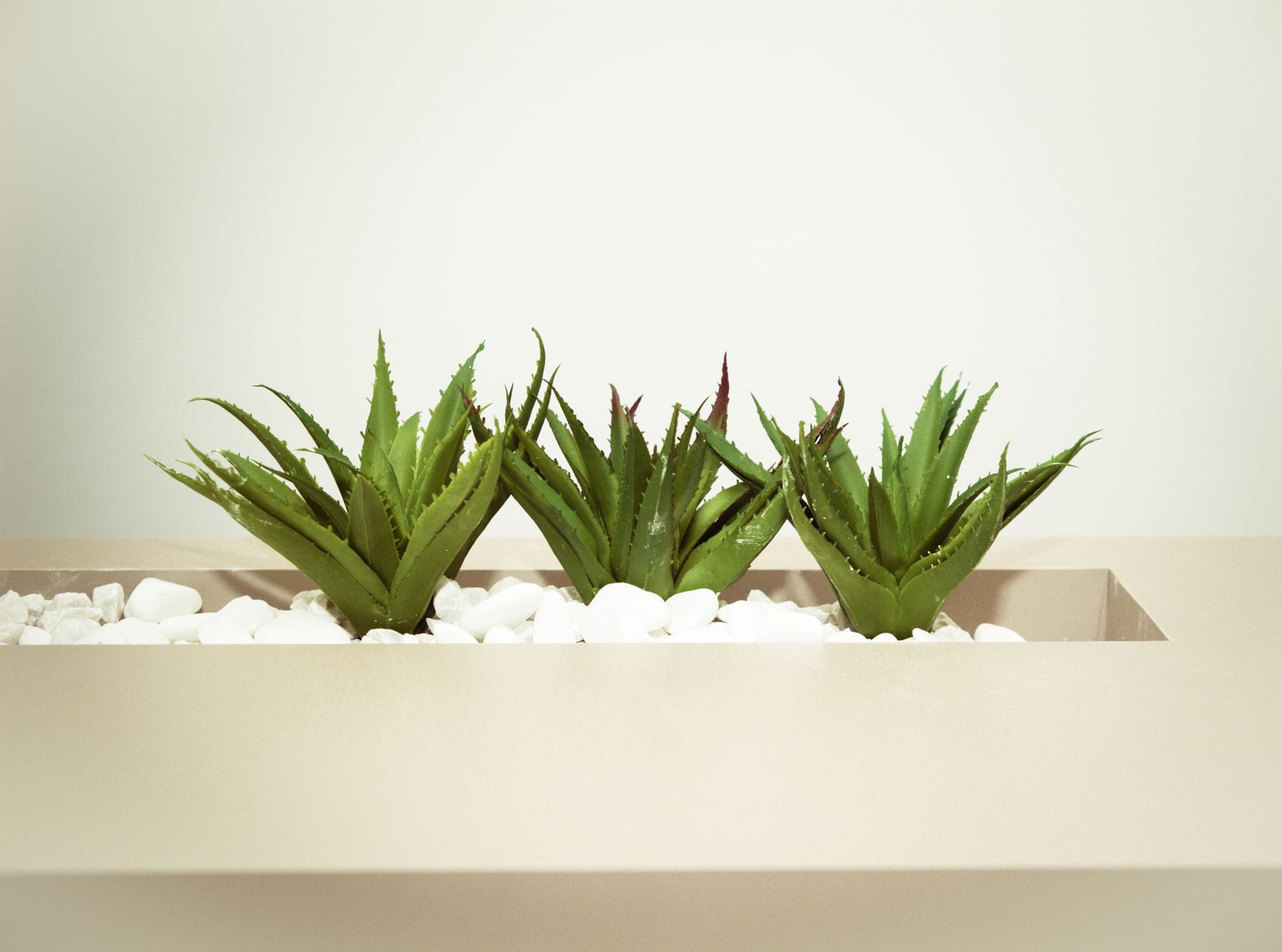
Aloe vera gel mask – natural hydration and anti‑inflammatory benefits with virtually no systemic absorption.
Warm steam facial – opens pores and promotes circulation without active chemicals.
Ultrasonic facial cleansing brush – uses high‑frequency vibrations to cleanse and promote lymphatic flow.
How does Hydrafacial affect skin conditions like acne or rosacea during pregnancy?
Pregnancy can trigger hormonal acne and rosacea flare‑ups. The Hydrafacial’s gentle extraction step can help clear clogged pores, which may improve mild acne. However, the use of acid boosters (especially salicylic acid) is generally discouraged because they can increase skin sensitivity and potentially worsen rosacea.
For pregnant acne, a low‑strength lactic acid peel or a LED light therapy facial is often a safer, equally effective alternative. Rosacea patients should stick to soothing serums (e.g., niacinamide, hyaluronic acid) and avoid any strong exfoliants.
Should I avoid Hydrafacial if I have high blood pressure during pregnancy?
Yes, you should discuss any facial treatment with your obstetrician if you have hypertension. Some Hydrafacial serums contain vasodilatory ingredients (e.g., nitric oxide precursors) that could theoretically affect blood pressure. While the risk is low, a cautious approach is recommended, and many providers will suggest postponing the treatment until blood pressure is well‑controlled.
Consider a soothing aloe vera mask as a gentle, pregnancy‑friendly alternative to Hydrafacial.
Safer alternatives
Gentle facial cleansing with Cetaphil – minimizes irritation while keeping skin clean.
Pregnancy‑safe lactic acid chemical peel – offers mild exfoliation without the potency of glycolic acid.
LED light therapy facial – reduces inflammation and improves tone without topical chemicals.
Low‑intensity microdermabrasion approved for pregnancy – provides mechanical exfoliation with minimal skin trauma.
Belli pregnancy‑friendly facial mask – formulated specifically for expectant mothers.
Aloe vera gel mask – natural, soothing, and virtually free of systemic absorption.
Warm steam facial – opens pores safely without active ingredients.
Ultrasonic facial cleansing brush – enhances cleansing and circulation without chemicals.
Related items — safety at a glance
Item
Verdict
One‑line note
Dermaplaning
⚠️ Talk to your doctor
Mechanical scraping; avoid if you have active acne or hypertension.
Microdermabrasion
✅ Generally safe
Gentle crystal or diamond tip exfoliation; limit to once a month.
Chemical peel
⚠️ Safe with limits
Low‑strength lactic acid peels are pregnancy‑friendly; avoid strong AHAs/BHAs.
LED light therapy
✅ Generally safe
Non‑invasive, no systemic absorption; suitable throughout pregnancy.
Oxygen facial
✅ Generally safe
Pure oxygen infusion; verify no added irritants.
Radiofrequency facial
⚠️ Talk to your doctor
Heat‑based; may affect blood flow—caution with hypertension.
Laser skin resurfacing
❌ Best avoided
High‑energy laser; risk of pigment changes and systemic effects.
Microneedling
⚠️ Safe with limits
Low‑depth needling can be safe; avoid if you have active skin infections.
Myth vs. fact
Myth: Hydrafacial is 100 % safe at any stage of pregnancy because it’s only a surface treatment.
Fact: While the procedure is non‑invasive, certain serums and the timing of the first trimester warrant caution; ACOG recommends discussing any active ingredients with your provider.
Myth: The suction used in Hydrafacial can harm the fetus.
Fact: The suction is localized to the skin’s surface and does not affect internal organs or the placenta.
Myth: All chemical peels are unsafe during pregnancy.
Fact: Low‑strength lactic acid peels are considered safe, whereas high‑strength glycolic or salicylic acid peels should be avoided.
Key takeaways
Hydrafacial is generally low‑risk, but discuss serum choices with your obstetrician, especially in the first trimester.
Limit sessions to once every 4–6 weeks and keep each treatment to 30–45 minutes.
Choose pregnancy‑compatible serums (hyaluronic acid, vitamin C, low‑strength AHAs) and avoid high‑dose acids or retinoids.
Women with hypertension, active acne, or rosacea should use extra caution or opt for gentler alternatives.
Safer alternatives include Cetaphil cleansing, pregnancy‑safe lactic acid peels, LED therapy, and soothing aloe vera masks.
If you notice persistent redness, swelling, or signs of infection, contact your provider promptly.
Frequently asked questions
Can you get a Hydrafacial while pregnant?
Yes, you can receive a Hydrafacial during pregnancy, but it’s best to schedule it after the first trimester and stick to pregnancy‑safe serums; limit sessions to once a month.
Is Hydrafacial safe for pregnant skin?
Hydrafacial is considered safe for pregnant skin when low‑strength, non‑irritating serums are used; avoid strong exfoliants like high‑dose glycolic or salicylic acid.
What are the risks of Hydrafacial during pregnancy?
The primary risks are mild skin irritation, temporary redness, or an allergic reaction to a serum; serious complications are rare but include infection if proper hygiene isn’t maintained.
How often can a pregnant woman have a Hydrafacial?
Most experts recommend no more than one Hydrafacial every 4–6 weeks throughout pregnancy to minimize cumulative exposure to active ingredients.
Are there any ingredients in Hydrafacial that are harmful to a fetus?
High concentrations of glycolic acid, salicylic acid, or retinoids could be problematic; using low‑strength, pregnancy‑approved serums eliminates most fetal‑related concerns.
What alternative facials are recommended for pregnant women?
Gentle Cetaphil cleansing, low‑strength lactic acid peels, LED light therapy, low‑intensity microdermabrasion, and soothing aloe vera masks are all pregnancy‑friendly options.
Does Hydrafacial cause any side effects for pregnant women?
Typical side effects include brief redness, tingling, or mild dryness; these usually resolve within a few hours and are not dangerous.
Can Hydrafacial worsen pregnancy acne?
When performed with gentle serums, Hydrafacial can help clear clogged pores and may improve mild acne, but strong acid boosters should be avoided as they can exacerbate irritation.
When to call your doctor
If you experience any of the following after a Hydrafacial, contact your obstetric provider right away: persistent swelling, severe redness lasting more than 24 hours, fever, pus‑filled lesions, hives, shortness of breath, or a sudden increase in blood pressure. These signs may indicate infection, allergic reaction, or a hypertensive complication that requires medical evaluation.
Remember, the information in this article is for educational purposes only and does not replace personalized medical advice. Always discuss any skincare treatment with your prenatal care provider before proceeding.
References
American College of Obstetricians and Gynecologists (ACOG). “Non‑Invasive Cosmetic Procedures During Pregnancy.” 2023 clinical guidance.
National Health Service (NHS). “Skin care in pregnancy.” Updated 2022.
U.S. Food and Drug Administration (FDA). “Cosmetics and Pregnancy: Safety Considerations.” 2021.
Centers for Disease Control and Prevention (CDC). “Pregnancy and Skin Care.” 2022.
Mayo Clinic. “Chemical peels: Safety during pregnancy.” 2023.
World Health Organization (WHO). “Guidelines for Safe Use of Cosmetic Products During Pregnancy.” 2022.
Dermatology journals (e.g., Journal of Cosmetic Dermatology). “Hydrafacial: Mechanism and safety profile.” 2020.
Not sure about the label on Is Hydrafacial Safe During Pregnancy products?
Snap the ingredients list and SafeFilter checks every ingredient for your stage — only 3 free scans this month, then you're locked until reset. Unlimited from $7/mo or $50/yr.
When Shubhra Mishra was expecting her first child in 2016, she was overwhelmed by conflicting food advice — one site said yes, another said never. By the time her second baby arrived in 2019, she realized millions of mothers face the same confusion.
That sparked a five-year journey through clinical nutrition papers, cultural diets, and expert conversations — all leading to BumpBites: a calm, compassionate space where science meets everyday motherhood.
Her long-term vision is to build a global community ensuring safe, supported, and free deliveriesfor every mother — because no woman should face pregnancy alone or uninformed. 🌿
🌍 Stand with mothers, shape safer guidance
Join a small circle of experts who review BumpBites articles so expecting parents everywhere can decide with confidence.