Is hula hooping fitness safe during pregnancy? Yes, with modifications and doctor approval. Avoid weighted hoops and focus on gentle movements, especially in the third trimester. Prioritize balance and comfort to prevent falls.
By Shubhra Mishra — a mom of two who turned her own confusion during pregnancy into BumpBites, a global mission to make food choices clear, safe, and stress-free for every expecting mother. 💛
Check whether any food is safe during pregnancy with the BumpBites Food Safety Checker.
Quick verdict: ⚠️ Safe with limits. If you're an experienced hula hooper and have an uncomplicated pregnancy, unweighted hula hooping may be safe with modifications, but always consult your healthcare provider first. Avoid weighted hula hoops and stop immediately if you experience any discomfort or warning signs.
The journey of pregnancy brings with it a whole new set of questions, especially when it comes to staying active. Perhaps you've enjoyed hula hooping as a fun, low-impact way to get some exercise and now you're wondering, "is hula hooping fitness safe during pregnancy?" It's a common concern for many expecting parents who want to maintain their fitness routine while prioritizing their baby's safety. We understand that late-night Google search — you're not alone in wanting clear, reassuring answers.
The good news is that staying active during pregnancy is generally encouraged and beneficial for both you and your baby. However, not all exercises are created equal during this special time. Hula hooping, with its rotational movements and impact on the core, requires careful consideration. At BumpBites, we’re here to break down the current guidance, potential risks, and safe alternatives, helping you make informed decisions about your fitness routine. We'll explore whether hula hooping is safe for you, what to watch out for, and when it's best to choose a different activity.
Trimester/Stage
Verdict
Notes
First Trimester
⚠️ Safe with limits
Generally lower risk as bump is small. Focus on balance and listen to your body. Avoid if experiencing nausea or fatigue.
Second Trimester
⚠️ Safe with limits
Center of gravity shifts. Increased risk of falls. Begin to modify or stop as your bump grows and balance changes. Avoid weighted hoops.
Third Trimester
❌ Best avoided
Significantly increased bump size, balance issues, and risk of falls. Potential for abdominal strain. Opt for gentler, non-rotational exercises.
Breastfeeding
✅ Generally safe
Once cleared by your doctor for exercise post-delivery, hula hooping is typically safe. Listen to your body and ease back into it.
What is Hula Hooping Fitness?
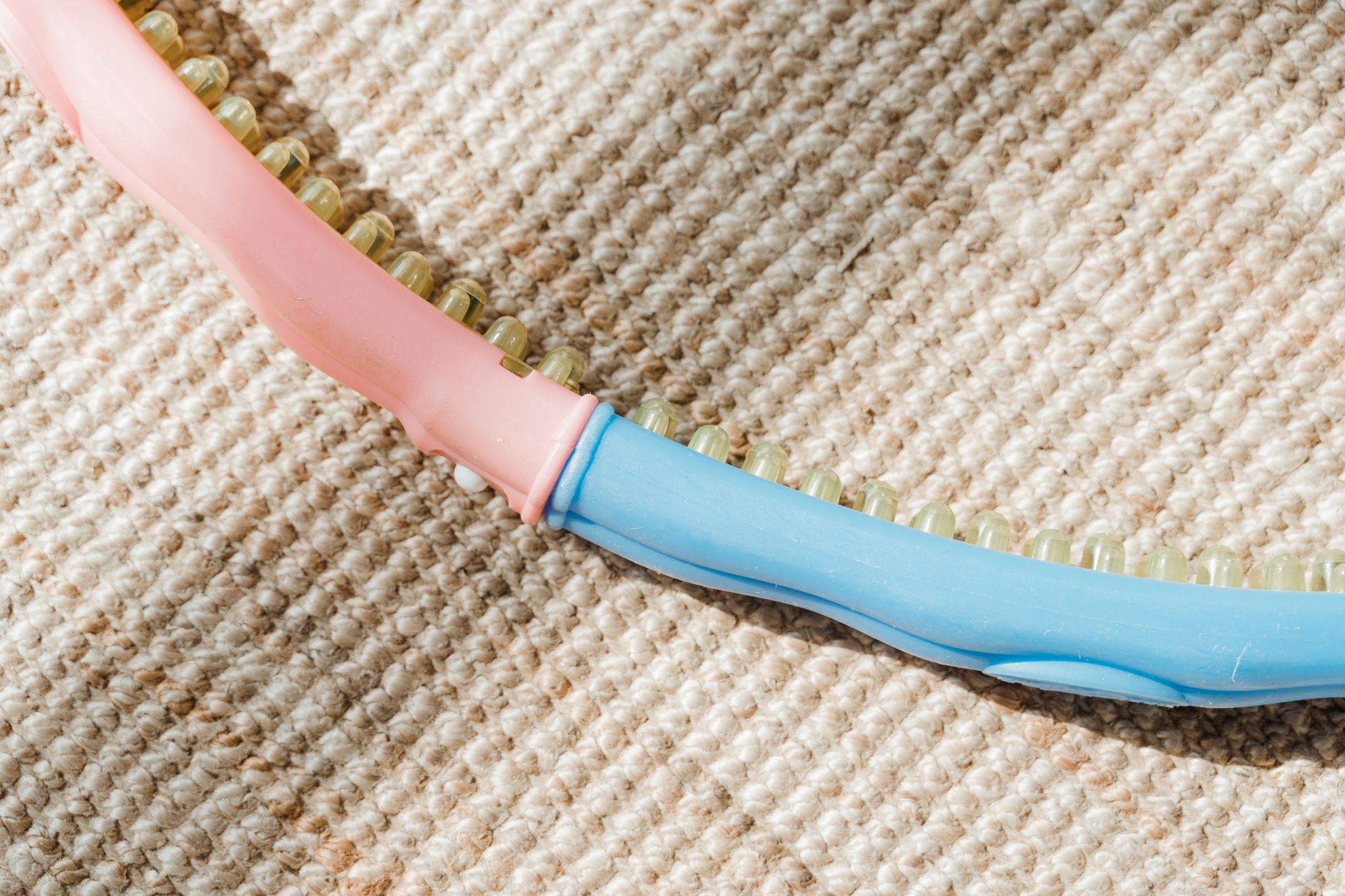
Hula hooping fitness involves using a large hoop, often weighted, to perform a variety of exercises that engage the core, hips, and other muscle groups. While many of us remember hula hooping as a playground pastime, modern fitness hula hooping is a much more rigorous activity. It can range from basic waist hooping to intricate tricks, dance routines, and full-body workouts. People turn to hula hooping for its cardiovascular benefits, core strengthening, improved coordination, and its fun, playful nature.
The continuous circular motion of the hoop around the waist requires significant engagement of the abdominal muscles, obliques, and lower back. It also challenges balance and rhythm. There are two main types of fitness hoops: unweighted (or lightweight) hoops, similar to those from childhood but larger, and weighted hula hoops. Weighted hoops, which can range from 1 to 10 pounds or more, are designed to provide greater resistance and a more intense workout, often marketed for waist trimming and core strengthening. However, the increased weight and momentum of these hoops introduce different considerations, especially when discussing whether hula hooping fitness is safe during pregnancy.
Many individuals find hula hooping to be a joyful and accessible form of exercise that can be done at home or in a class setting. It's often praised for being a low-impact activity, which can be appealing during pregnancy. However, the unique demands it places on the core and pelvic region, coupled with the physiological changes of pregnancy, mean that its safety isn't a simple yes or no answer.
Consider a lightweight, unweighted hula hoop and a soft surface like a yoga mat if you choose to hula hoop during early pregnancy.
Is Hula Hooping Fitness Safe During Pregnancy?
The question of whether hula hooping fitness is safe during pregnancy is nuanced. Generally, exercise is highly recommended during pregnancy for its numerous benefits, including reducing the risk of gestational diabetes, pre-eclampsia, and improving mood and sleep. The American College of Obstetricians and Gynecologists (ACOG) and the UK's National Institute for Health and Care Excellence (NICE) recommend at least 150 minutes of moderate-intensity aerobic activity per week for pregnant individuals with uncomplicated pregnancies.
However, specific types of exercise need modification or avoidance. For hula hooping, the primary concerns revolve around the impact on your changing body. As your pregnancy progresses, your center of gravity shifts, and your ligaments soften due to the hormone relaxin. This can affect your balance and increase your risk of falls. The rotational movement of hula hooping, especially around the abdomen, is another key consideration. While the baby is well-protected by amniotic fluid, the uterus, and abdominal muscles, direct pressure or repetitive impact on the growing belly should be avoided, particularly with a weighted hoop.
Most obstetricians and prenatal fitness experts suggest caution with activities that involve direct abdominal impact, sudden jerky movements, or a high risk of falling. Unweighted hula hooping, especially if you were proficient before pregnancy, might be acceptable in the very early stages of an uncomplicated pregnancy, provided you modify it to be gentle and stop at the first sign of discomfort. However, as your belly grows and your body changes, the risks often outweigh the benefits. Weighted hula hoops are generally advised against throughout pregnancy due to the increased force and potential for abdominal trauma or strain on the delicate core muscles and ligaments.
Ultimately, the verdict on whether hula hooping fitness is safe during pregnancy depends heavily on individual circumstances, your prior experience, and the specific stage of your pregnancy. Always consult your healthcare provider before continuing or starting any new exercise routine while pregnant. They can provide personalized advice based on your health history and the progression of your pregnancy.
Is hula hooping safe during the first trimester of pregnancy?
During the first trimester, your body is undergoing immense changes, though your baby bump may not yet be prominent. Organogenesis, the development of the baby's major organs, occurs during this period. While the uterus is still nestled deep within the pelvis and well-protected, many pregnant individuals experience symptoms like morning sickness, fatigue, and breast tenderness. If you are an experienced hula hooper and have an uncomplicated pregnancy, gentle, unweighted hula hooping might be considered in the first trimester. However, it's crucial to listen to your body. If you feel nauseous, dizzy, or unusually fatigued, it's best to rest or choose a less demanding activity. The key is to keep movements smooth and controlled, avoiding any sudden jolts or vigorous abdominal engagement. If you're new to hula hooping, the first trimester is generally not the time to start, as your body is already adjusting to significant physiological changes.
Safety in the Second Trimester
As you enter the second trimester, your energy levels may improve, but your body continues to change significantly. Your baby bump will likely become more noticeable, and your center of gravity will begin to shift. The hormone relaxin, which helps prepare your body for childbirth, starts to soften ligaments and joints throughout your body, including your pelvis. This can make you more prone to injury and affect your balance. For these reasons, continuing hula hooping in the second trimester becomes more challenging and less advisable. The rotational movement around a growing abdomen, even with an unweighted hoop, can put undue strain on your core muscles and connective tissues, potentially contributing to issues like round ligament pain or even increasing the risk of diastasis recti (separation of the abdominal muscles). Most experts recommend transitioning to more stable and less rotational exercises by the mid-second trimester. If you choose to continue, ensure movements are extremely gentle, slow, and that you have excellent balance support.
Safety in the Third Trimester
By the third trimester, your baby bump will be at its largest, and your center of gravity will be significantly altered. Balance becomes a major concern, and the risk of falls increases substantially. The abdominal wall is stretched, and the core muscles are working overtime to support your growing uterus. Engaging in hula hooping at this stage, even with an unweighted hoop, is generally not recommended and is considered best avoided. The repetitive motion and potential for impact or strain on the abdominal area are too high. Furthermore, the risk of falling, which could lead to serious injury for both you and your baby, is a significant deterrent. Activities that are low-impact, maintain stability, and avoid direct abdominal stress are far safer and more beneficial during late pregnancy. Focus on exercises that support your pelvic floor and prepare your body for labor and delivery without putting unnecessary strain on your core or increasing fall risk.
Hula Hooping While Breastfeeding
Once your baby has arrived and you've received clearance from your healthcare provider to resume exercise (typically around 6 weeks postpartum for vaginal births, longer for C-sections), hula hooping is generally considered safe while breastfeeding. Your body will still be recovering, and your ligaments may remain a bit lax due to residual relaxin hormones, so ease back into any activity gradually. Pay attention to how your body feels, especially your core and pelvic floor. If you experience any pain, discomfort, or symptoms of pelvic floor dysfunction (like incontinence), stop and consult your doctor or a pelvic floor physical therapist. Staying hydrated is also crucial when exercising and breastfeeding. Start with an unweighted hoop and gentle movements, gradually increasing intensity as your strength and stamina return.
Can I use a weighted hula hoop while pregnant?
When considering whether hula hooping fitness is safe during pregnancy, a key distinction must be made between unweighted and weighted hula hoops. The consensus among prenatal fitness experts and healthcare providers is to **avoid using weighted hula hoops throughout pregnancy.**
Weighted hula hoops are designed to create more resistance and impact, intensifying the workout. While this might be beneficial for non-pregnant individuals, during pregnancy, the increased force and pressure exerted by a weighted hoop around your abdomen pose several risks:
Direct Abdominal Impact: Even though your baby is well-cushioned, repetitive impact from a weighted object directly on your growing belly is not advisable. It could potentially cause discomfort or, in rare cases, more serious issues.
Strain on Core Muscles and Connective Tissues: Pregnancy naturally stretches and weakens the abdominal muscles and the connective tissue (linea alba) that runs down the middle of your belly. The forceful, rotational movement of a weighted hoop can exacerbate this stretching, increasing the risk of diastasis recti (abdominal separation) or making existing separation worse. It can also strain the round ligaments, leading to pain.
Increased Risk of Injury: The added weight can make it harder to control the hoop, increasing the likelihood of it dropping or hitting you with greater force. Combined with pregnancy-related changes in balance and joint laxity, this elevates the risk of injury to your back, hips, or abdomen.
Overexertion: A weighted hoop requires more energy and muscle engagement. Overexertion during pregnancy can lead to overheating, dehydration, or simply excessive fatigue.
For these reasons, if you choose to hula hoop at all during early pregnancy, stick to a lightweight, unweighted hoop and prioritize gentle, controlled movements. The safest approach is to avoid weighted hoops entirely until after you've recovered postpartum and received medical clearance for vigorous core work.
How does hula hooping affect your core muscles during pregnancy?
Hula hooping primarily targets the core muscles, including the rectus abdominis (the "six-pack" muscles), obliques, and transverse abdominis. While strengthening the core is generally beneficial, the specific way hula hooping engages these muscles can be problematic during pregnancy.
Rectus Abdominis and Obliques: The rotational and bending movements involved in hula hooping heavily recruit these superficial core muscles. As the uterus grows, the rectus abdominis muscles stretch and often separate (diastasis recti). Activities that place excessive rotational or outward pressure on these muscles can worsen or contribute to diastasis recti.
Transverse Abdominis (TVA): This deep core muscle acts like a natural corset, providing stability and support. While gentle hula hooping *can* engage the TVA, more vigorous or weighted hula hooping might encourage outward bulging or strain rather than inward support, especially if proper engagement techniques aren't maintained.
Pelvic Floor: The core and pelvic floor muscles work in conjunction. Any activity that puts undue downward pressure or strain on the core can also impact the pelvic floor, potentially contributing to issues like pelvic pain or incontinence.
During pregnancy, the focus for core fitness should shift from strengthening the superficial muscles through crunch-like or rotational movements to supporting the deep core and pelvic floor through exercises that promote stability and gentle engagement. This helps manage the increasing load of pregnancy, prepare for labor, and aid postpartum recovery. Hula hooping, particularly with a weighted hoop, often works against this principle by emphasizing movements that can put strain on the already compromised abdominal wall.
Side effects and risks
While staying active is crucial, certain exercises carry specific risks during pregnancy. When considering "is hula hooping fitness safe during pregnancy," it's important to be aware of the potential side effects and risks, especially as your body changes.
What are the risks of hula hooping in late pregnancy?
In the later stages of pregnancy (second and third trimesters), the risks associated with hula hooping significantly increase. These include:
Increased Risk of Falls: Your growing belly shifts your center of gravity, making you less stable and more prone to losing balance. Hula hooping requires coordination and balance, and a fall could result in serious injury to you or your baby.
Abdominal Strain and Discomfort: The repetitive circular motion around a large belly can cause strain on the abdominal muscles and round ligaments, leading to pain or discomfort. The stretched abdominal wall is also more vulnerable.
Diastasis Recti Exacerbation: As mentioned, the forceful rotation can put outward pressure on the abdominal muscles, potentially worsening or contributing to diastasis recti (separation of the rectus abdominis muscles).
Joint and Ligament Injury: The hormone relaxin loosens your joints and ligaments, making them more susceptible to injury. The twisting motions of hula hooping can stress these softened joints, particularly in the hips and lower back.
Overheating and Dehydration: Any vigorous exercise can lead to overheating and dehydration, which are particularly risky during pregnancy. While hula hooping can be moderate intensity, it's important to monitor your body temperature and fluid intake.
Can hula hooping cause abdominal pain or injury while pregnant?
Yes, hula hooping can potentially cause abdominal pain or injury during pregnancy, particularly if done vigorously, with a weighted hoop, or as your pregnancy progresses. The rotational forces and potential for impact can lead to:
Round Ligament Pain: This common pregnancy complaint manifests as sharp, stabbing, or dull aches in the lower abdomen or groin. The sudden movements or twisting involved in hula hooping can stretch these ligaments, triggering pain.
Muscle Strain: The abdominal muscles are already stretched and working hard to support your uterus. Repetitive motion can lead to muscle fatigue or strain.
Bruising or Skin Irritation: While rare with unweighted hoops, a weighted hula hoop can cause bruising or irritation to the skin and underlying tissues around the abdomen due to its direct impact.
Pelvic Pain: The movements can exacerbate existing pelvic girdle pain or contribute to new discomfort due to the laxity of pelvic joints.
Is hula hooping safe for high-risk pregnancies or conditions like diastasis recti?
If you have a high-risk pregnancy (e.g., pre-eclampsia, placenta previa, incompetent cervix, or a history of preterm labor), or specific conditions like diagnosed diastasis recti, **hula hooping is generally considered unsafe and should be avoided.**
High-Risk Pregnancies: For any high-risk pregnancy, exercise recommendations are highly individualized and often more restrictive. Activities that involve balance challenges, potential for falls, or abdominal strain are typically contraindicated. Always follow your medical provider's specific instructions.
Diastasis Recti: If you have pre-existing diastasis recti or develop it during pregnancy, movements that put outward pressure on the abdominal wall (like crunches, planks, or rotational core exercises such as hula hooping) should be avoided. These can worsen the separation. Instead, focus on exercises that promote inward engagement of the deep core (transverse abdominis) and pelvic floor, as guided by a prenatal fitness specialist or physical therapist.
In any scenario where you have a specific medical condition or a high-risk pregnancy, the question "is hula hooping fitness safe during pregnancy" should be directed to your obstetrician or a specialized prenatal physical therapist, who can provide tailored advice.
Are there any pregnancy-safe alternatives to hula hooping?
Absolutely! While hula hooping might be a fun way to move, there are many pregnancy-safe alternatives that offer similar or even better benefits without the associated risks. These options focus on stability, gentle core engagement, cardiovascular health, and preparing your body for birth. Here are some excellent choices:
Prenatal yoga: Focuses on flexibility, strength, balance, and breathing techniques, all while being gentle on joints and supporting the pelvic floor. It's excellent for mindful movement and stress reduction.
Swimming: A fantastic full-body, low-impact exercise. The buoyancy of water supports your body, reducing strain on joints and ligaments, and can be particularly comfortable as your belly grows.
Walking: Accessible, free, and can be done almost anywhere. It's a great way to maintain cardiovascular fitness, improve circulation, and manage weight. Listen to your body and choose flat, even surfaces.
Stationary cycling: Provides a good cardiovascular workout with minimal impact on joints and no risk of falling. Adjust the bike for comfort and posture.
Pelvic floor exercises (Kegels): Essential for strengthening the muscles that support your uterus, bladder, and bowel. These can help prevent incontinence and aid in postpartum recovery.
Light strength training: Using light weights, resistance bands, or your own body weight can build and maintain muscle strength, which is vital for carrying your baby and preparing for the physical demands of motherhood.
Prenatal Pilates: Emphasizes core strength, flexibility, and body awareness, with a focus on deep core and pelvic floor engagement. It's highly adaptable to different stages of pregnancy.
Elliptical training: Offers a low-impact cardiovascular workout that mimics walking or running but with continuous foot support, reducing stress on joints and minimizing fall risk.
These alternatives prioritize safety, support your changing body, and contribute positively to your overall well-being throughout pregnancy. Always choose activities that feel comfortable and listen to your body's signals.
Walking is a universally recommended and safe exercise throughout pregnancy, offering both physical and mental benefits.
Related items — safety at a glance
Understanding what other activities might be safe or unsafe can help you plan your pregnancy fitness routine. Here's a quick look at some related activities and their general safety verdicts during pregnancy:
Activity
Verdict
Notes
Jumping jacks
⚠️ Safe with limits
High-impact, can strain joints and pelvic floor. Modify to low-impact versions (step-jacks) or avoid as pregnancy progresses.
Running
⚠️ Safe with limits
Generally safe if you were a runner before pregnancy and have no complications. Listen to your body, stay hydrated, avoid overheating. Stop if uncomfortable.
Horseback riding
❌ Best avoided
High risk of falls and abdominal trauma. Not recommended.
Hot yoga
❌ Best avoided
Risk of overheating and dehydration is too high for pregnant individuals. Opt for prenatal yoga in a room-temperature setting.
Scuba diving
❌ Best avoided
Risk of decompression sickness for the baby. Not recommended.
CrossFit
⚠️ Talk to your doctor first
High-intensity workouts require significant modification due to heavy lifting, plyometrics, and potential for core strain. Not recommended for beginners.
Abdominal crunches
❌ Best avoided (after 1st tri)
Can worsen diastasis recti and put undue pressure on the abdominal wall as pregnancy progresses. Focus on deep core exercises instead.
Trampoline jumping
❌ Best avoided
High risk of falls, joint injury, and pelvic floor strain. Not recommended.
Spin class
✅ Generally safe
Excellent cardiovascular workout. Modify intensity, stay hydrated, and adjust bike position for comfort. Listen to your body.
Myth vs. fact
Myth: Any exercise you did before pregnancy is automatically safe to continue.
Fact: While continuing an established exercise routine is often encouraged, pregnancy brings significant physiological changes that may necessitate modifications or avoidance of certain activities. Your center of gravity shifts, ligaments soften, and your core muscles stretch. Activities involving high impact, a risk of falling, or direct abdominal pressure (like hula hooping) may need to be adjusted or stopped, even if you were an expert beforehand. Always consult your doctor and listen to your body.
Myth: You should avoid all core exercises during pregnancy.
Fact: This is a common misconception. While you should avoid exercises that put outward pressure on the abdominal wall (like crunches, planks, or vigorous hula hooping) as your belly grows, strengthening your deep core muscles (transverse abdominis) and pelvic floor is incredibly important. These muscles support your growing uterus, help with posture, ease back pain, and prepare your body for labor and postpartum recovery. Focus on gentle, supportive core exercises like cat-cow, bird-dog, and pelvic tilts, often taught in prenatal yoga or Pilates.
Myth: You need to "rest up" during pregnancy and avoid most physical activity.
Fact: Unless advised otherwise by your healthcare provider due to a specific medical condition, regular physical activity during pregnancy is highly beneficial. It can reduce the risk of gestational diabetes, pre-eclampsia, back pain, and excessive weight gain. It also boosts mood, improves sleep, and can make labor and recovery easier. The key is to choose appropriate, safe exercises and listen to your body's signals, rather than avoiding activity altogether.
Key takeaways
Unweighted hula hooping: May be safe in the first trimester for experienced individuals with uncomplicated pregnancies, but requires modifications and careful attention to your body.
Weighted hula hoops: Should be avoided throughout pregnancy due to increased risk of abdominal strain, injury, and potential impact on the baby.
Progressive caution: As your pregnancy advances into the second and third trimesters, hula hooping becomes increasingly risky due to changes in balance, joint laxity, and abdominal size. It's generally best to stop.
Core considerations: Hula hooping can put undue strain on the abdominal muscles and increase the risk or worsening of diastasis recti. Focus on supportive, deep core exercises instead.
Safer alternatives: Many excellent pregnancy-safe exercises like prenatal yoga, swimming, walking, and stationary cycling offer similar benefits without the risks.
Consult your provider: Always discuss your exercise plans with your healthcare provider, especially if you have a high-risk pregnancy or any pre-existing conditions.
Frequently asked questions
Is it safe to hula hoop while pregnant?
Unweighted hula hooping may be safe in the very early stages of an uncomplicated pregnancy if you're already experienced, but weighted hoops should be avoided entirely. As your pregnancy progresses, the risks associated with hula hooping, such as falls and abdominal strain, generally outweigh the benefits, making it best to stop.
Can hula hooping cause a miscarriage?
There is no direct evidence to suggest that hula hooping, especially gentle, unweighted hula hooping, directly causes miscarriage in an uncomplicated pregnancy. However, activities with a high risk of falls or direct abdominal trauma are generally discouraged to prevent any potential complications. If you have concerns, always speak to your doctor.
What exercises should pregnant women avoid?
Pregnant women should generally avoid exercises with a high risk of falling (e.g., horseback riding, downhill skiing, gymnastics), contact sports, activities that involve lying flat on your back for prolonged periods after the first trimester (due to vena cava compression), exercises that involve direct abdominal trauma or excessive rotational core work (like weighted hula hooping or crunches), and activities that risk overheating (like hot yoga).
Is a weighted hula hoop safe during pregnancy?
No, weighted hula hoops are generally not considered safe during pregnancy. The increased force and direct impact on the abdomen can put undue strain on your stretched core muscles and connective tissues, potentially contributing to diastasis recti or other abdominal discomfort. It's best to avoid them throughout your pregnancy.
What are safe core exercises during pregnancy?
Safe core exercises during pregnancy focus on strengthening the deep core muscles (transverse abdominis) and pelvic floor, promoting stability rather than outward pressure. Examples include cat-cow stretches, bird-dog, pelvic tilts, side planks (modified on knees), and gentle pelvic floor exercises (Kegels). Always consult a prenatal fitness expert for proper form.
Can I hula hoop in my third trimester?
No, hula hooping in your third trimester is generally not recommended and is best avoided. Your significantly increased belly size, shifted center of gravity, and loosened ligaments drastically increase the risk of falls and abdominal strain. Opt for more stable, low-impact exercises like walking or swimming instead.
Can hula hooping hurt the baby?
While your baby is well-protected by amniotic fluid, the uterus, and your abdominal wall, direct, repetitive impact or excessive force on the abdomen, especially from a weighted hula hoop, is not advisable. The primary concern is potential injury to the pregnant person (e.g., falls, abdominal strain) rather than direct harm to the baby, but caution is always warranted.
When to call your doctor
While staying active is beneficial, it's crucial to know when to stop and seek medical attention during pregnancy. If you experience any of the following symptoms while hula hooping or exercising, stop immediately and contact your healthcare provider:
Vaginal bleeding
Dizziness or feeling faint
Shortness of breath before exertion
Chest pain
Headache
Muscle weakness
Calf pain or swelling (could indicate a blood clot)
Preterm labor (contractions, fluid leaking, back pain)
Decreased fetal movement
Abdominal pain or persistent cramping
Sudden swelling in your ankles, hands, or face
This information is for educational purposes only and is not a substitute for professional medical advice. Always consult your healthcare provider before starting or significantly changing any exercise routine during pregnancy.
References
American College of Obstetricians and Gynecologists (ACOG). (2020). Physical Activity and Exercise During Pregnancy and the Postpartum Period. Committee Opinion No. 804.
National Institute for Health and Care Excellence (NICE). (2021). Antenatal care: Clinical guideline [CG62].
Mayo Clinic. (2023). Pregnancy and exercise: Baby, let's move!
Not sure about the label on Is Hula Hooping Fitness Safe During Pregnancy products?
Snap the ingredients list and SafeFilter checks every ingredient for your stage — only 3 free scans this month, then you're locked until reset. Unlimited from $7/mo or $50/yr.
When Shubhra Mishra was expecting her first child in 2016, she was overwhelmed by conflicting food advice — one site said yes, another said never. By the time her second baby arrived in 2019, she realized millions of mothers face the same confusion.
That sparked a five-year journey through clinical nutrition papers, cultural diets, and expert conversations — all leading to BumpBites: a calm, compassionate space where science meets everyday motherhood.
Her long-term vision is to build a global community ensuring safe, supported, and free deliveriesfor every mother — because no woman should face pregnancy alone or uninformed. 🌿
🌍 Stand with mothers, shape safer guidance
Join a small circle of experts who review BumpBites articles so expecting parents everywhere can decide with confidence.