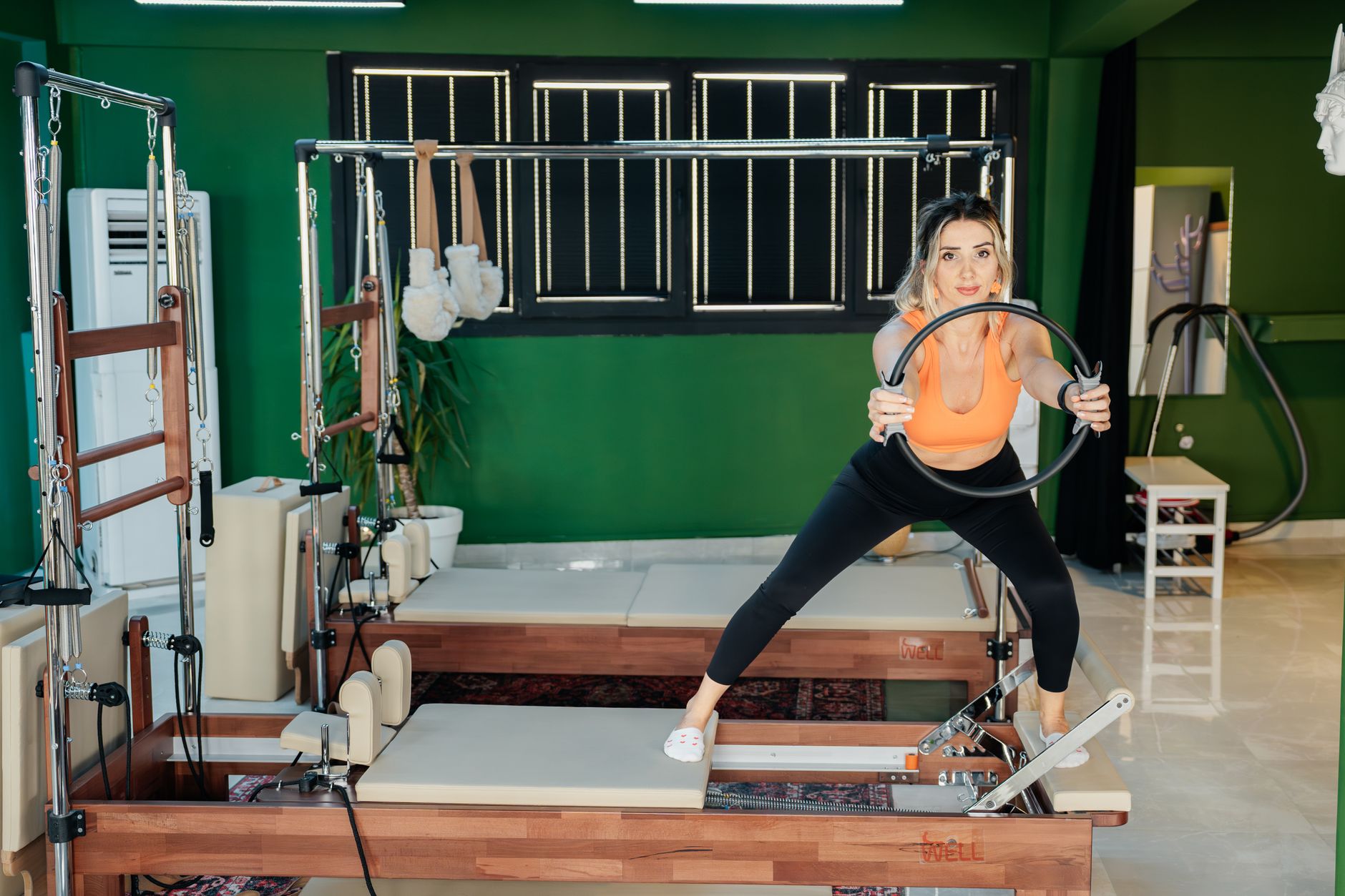
Limit hot pilates during pregnancy, especially in the first trimester. Overheating risks fetal health—opt for cooler, modified routines instead.
By Shubhra Mishra — a mom of two who turned her own confusion during pregnancy into BumpBites, a global mission to make food choices clear, safe, and stress-free for every expecting mother. 💛
Check whether any food is safe during pregnancy with the BumpBites Food Safety Checker.
Quick verdict: ⚠️ Hot Pilates is not recommended during pregnancy due to the risk of overheating, which can harm your baby. Most obstetricians advise avoiding any exercise in temperatures above 100°F (38°C) while pregnant. If you love Pilates, safer alternatives like prenatal Pilates, reformer Pilates, or mat Pilates in a cool room are great options.
You’re scrolling through your phone at 11 p.m., heart pounding, after realizing the "hot Pilates" class you signed up for next week might not be safe now that you’re pregnant. Or maybe you just finished a session and now you’re panicking—did you just put your baby at risk? Take a deep breath. We’ve got you.
If you’re wondering is hot Pilates safe during pregnancy, you’re not alone. Many expecting moms love the intensity and flexibility of Pilates, but the added heat raises real concerns. The good news? There are plenty of ways to stay active safely. Let’s break down what the experts say, what the risks actually are, and what you can do instead.
Trimester
Verdict
Notes
First trimester
❌ Avoid
Highest risk of overheating; baby’s neural tube is developing.
Second trimester
❌ Avoid
Core body temperature can still rise dangerously in heat.
Third trimester
❌ Avoid
Increased risk of dehydration and dizziness; joints are more vulnerable.
Breastfeeding
⚠️ Caution
Overheating can reduce milk supply; stay hydrated and cool.
What is hot Pilates?
Hot Pilates is a high-intensity, low-impact workout that blends traditional Pilates moves with elements of cardio and strength training—all in a room heated to 90–105°F (32–40°C). Think reformer or mat Pilates, but with the added challenge (and sweat) of a heated environment. The heat is meant to increase flexibility, boost circulation, and help muscles warm up faster, which can feel great—until you’re pregnant and your body’s already working overtime.
Unlike traditional Pilates, which focuses on controlled movements and core strength, hot Pilates often includes faster-paced sequences, jumps, and even light weights. The heat can make you feel like you’re working harder, but it also raises your core body temperature, which is the biggest concern during pregnancy. While many people swear by hot Pilates for stress relief and muscle tone, the heated environment is what makes it a no-go for expecting moms.
Is hot Pilates safe during pregnancy?
The short answer: No, hot Pilates is not considered safe during pregnancy. The primary concern isn’t the Pilates movements themselves—it’s the heat. The American College of Obstetricians and Gynecologists (ACOG) and the NHS both advise against exercising in high-heat environments during pregnancy because of the risk of overheating (hyperthermia), which can harm your baby, especially in the first trimester.
Here’s why: When your core body temperature rises above 102.2°F (39°C), it can interfere with your baby’s development. In the first trimester, this is particularly risky because it’s when your baby’s neural tube (which becomes the brain and spinal cord) is forming. Studies have linked high maternal core temperatures to an increased risk of neural tube defects, though the overall risk is still low. Later in pregnancy, overheating can lead to dehydration, dizziness, or even preterm labor.
That said, not all heat is created equal. A warm (but not hot) room or a gentle rise in body temperature from moderate exercise is usually fine. The problem with hot Pilates is the combination of high external heat and intense physical activity, which can push your core temperature into the danger zone. The same concerns apply to hot tubs and saunas, which are also off-limits during pregnancy.
If you’re used to hot Pilates and feeling frustrated, you’re not alone. Many active moms-to-be worry about losing their fitness routine or missing the stress relief of their favorite workouts. The good news? You don’t have to give up Pilates entirely—you just need to modify it. More on that later.
Is hot Pilates safe in the first trimester of pregnancy?
No, hot Pilates is not safe in the first trimester. This is the most critical time to avoid overheating because your baby’s major organs and neural tube are developing. The first 12 weeks are when the risk of neural tube defects (like spina bifida) is highest if your core temperature gets too high. ACOG specifically warns against exercising in temperatures above 100°F (38°C) during this time.
Even if you feel fine, your baby can’t regulate temperature like you can. Your body is already working harder to support the pregnancy, and adding heat makes it even harder to cool down. If you’ve already done a hot Pilates class before realizing you were pregnant, don’t panic—most women who’ve had one or two sessions are fine. But moving forward, it’s best to switch to a cooler environment.
Instead of hot Pilates, try prenatal Pilates or mat Pilates in a room-temperature studio. These classes are designed to strengthen your core safely, improve posture, and prepare your body for labor—without the heat. Many studios offer modifications for pregnant women, so let your instructor know you’re expecting.
Can you do hot Pilates in the second trimester?
No, hot Pilates is still not recommended in the second trimester. While the risk of neural tube defects decreases after the first trimester, overheating can still cause problems. Your blood volume increases by about 50% during pregnancy, and your heart is working harder to pump it. Exercising in heat adds extra strain, which can lead to dizziness, dehydration, or even fainting.
In the second trimester, your joints also become looser due to the hormone relaxin, which makes you more prone to injury. The heat in hot Pilates can exacerbate this by making your muscles and ligaments even more flexible—sometimes to the point of overstretching. Plus, as your belly grows, your center of gravity shifts, and certain Pilates moves (like lying flat on your back) can compress the vena cava, reducing blood flow to your baby.
If you’re missing the intensity of hot Pilates, consider reformer Pilates in a cool room. Reformer classes use a machine with springs and pulleys to add resistance, which can give you a similar burn without the heat. Just avoid any moves that involve lying flat on your back after the first trimester, and opt for side-lying or seated positions instead.
Is hot Pilates safe during the third trimester of pregnancy?
No, hot Pilates is not safe in the third trimester. As you get closer to your due date, your body is already under more stress, and overheating can make you feel even more uncomfortable. The risk of dehydration is higher because your body needs more fluids to support the pregnancy, and the heat can make it harder to stay hydrated. Dehydration can lead to contractions or even preterm labor in some cases.
In the third trimester, your balance is also off, and the heat can make you feel lightheaded or dizzy, increasing the risk of falls. Plus, as your baby grows, your lungs have less room to expand, so intense exercise in heat can make it harder to catch your breath. The last thing you want is to feel faint or exhausted when you’re already carrying extra weight.
Instead of hot Pilates, try gentle mat Pilates or prenatal yoga in a cool room. These workouts focus on breathing, relaxation, and gentle strength—perfect for preparing your body for labor. If you’re used to high-intensity workouts, you might also enjoy swimming or stationary cycling, which are low-impact and keep you cool.
How hot is too hot for Pilates during pregnancy?
Any room heated above 100°F (38°C) is too hot for exercise during pregnancy. ACOG recommends avoiding environments where your core body temperature could rise above 102.2°F (39°C), as this is the threshold linked to potential risks for your baby. Most hot Pilates studios are set between 90–105°F (32–40°C), which is well above the safe limit for pregnant women.
Even if the room isn’t that hot, the combination of heat and exercise can push your core temperature into the danger zone. For example, a room at 90°F (32°C) might feel manageable, but if you’re doing intense movements, your body temperature can rise quickly. Signs that the room is too hot include:
Feeling dizzy or lightheaded
Excessive sweating or not sweating at all (a sign of heat exhaustion)
Nausea or headache
Muscle cramps or weakness
Rapid heartbeat
If you’re unsure about the temperature, it’s best to err on the side of caution and choose a cooler class. Many studios offer "warm" Pilates (around 80–85°F or 27–29°C), which is a safer middle ground, but even then, listen to your body. If you feel too warm, take a break, hydrate, and step out of the room if needed.
What are the risks of hot Pilates while pregnant?
The biggest risk of hot Pilates during pregnancy is overheating (hyperthermia), which can lead to several complications for you and your baby:
Neural tube defects: In the first trimester, overheating has been linked to an increased risk of neural tube defects, such as spina bifida. This is because high core temperatures can interfere with the development of your baby’s brain and spinal cord.
Dehydration: Pregnant women need more fluids, and exercising in heat can lead to dehydration quickly. Dehydration can cause contractions, dizziness, or even preterm labor.
Dizziness or fainting: The heat can cause your blood pressure to drop, making you feel lightheaded or faint. This is especially risky in the second and third trimesters when your balance is already off.
Joint injuries: The hormone relaxin makes your joints looser during pregnancy, and the heat can make them even more flexible—sometimes too flexible, leading to strains or sprains.
Reduced blood flow to the baby: When you overheat, your body directs blood to your skin to cool down, which can reduce blood flow to your uterus and baby.
Heat exhaustion or heat stroke: In extreme cases, overheating can lead to heat exhaustion (symptoms include heavy sweating, nausea, and weakness) or heat stroke (a medical emergency with symptoms like confusion, rapid pulse, and no sweating).
It’s also worth noting that some Pilates moves themselves can be risky during pregnancy, even without the heat. For example, lying flat on your back after the first trimester can compress the vena cava, a major vein that carries blood to your baby. Moves that involve deep twists or intense core contractions (like full sit-ups) can also strain your abdominal muscles, which are already stretched during pregnancy.
What are safe alternatives to hot Pilates during pregnancy?
If you’re missing the intensity, flexibility, or community of hot Pilates, don’t worry—there are plenty of safe alternatives that can give you similar benefits without the heat. Here are some great options to consider:
Prenatal Pilates: Designed specifically for pregnant women, these classes focus on strengthening your core safely, improving posture, and preparing your body for labor. Many studios offer modifications for each trimester.
Reformer Pilates: Using a reformer machine (a sliding platform with springs and pulleys), this low-impact workout builds strength and flexibility without the heat. Just avoid lying flat on your back after the first trimester.
Mat Pilates: A room-temperature mat Pilates class is a great way to maintain your practice safely. Look for classes labeled "prenatal" or let your instructor know you’re pregnant so they can suggest modifications.
Prenatal yoga: Yoga focuses on breathing, relaxation, and gentle strength—perfect for pregnancy. Many poses can help relieve back pain, improve sleep, and prepare your body for labor.
Swimming: The water supports your joints and keeps you cool, making it one of the safest and most comfortable workouts during pregnancy. Bonus: It’s great for relieving swelling and back pain.
Walking: Simple but effective, walking is a low-impact way to stay active. Aim for 30 minutes a day, and choose flat, even surfaces to avoid tripping.
Stationary cycling: A stationary bike is a safe way to get your heart rate up without the risk of falling. Just keep the resistance moderate and avoid standing up on the pedals.
Barre classes (non-heated): Barre combines Pilates, yoga, and dance for a full-body workout. Look for prenatal-friendly classes or let the instructor know you’re pregnant so they can suggest modifications.
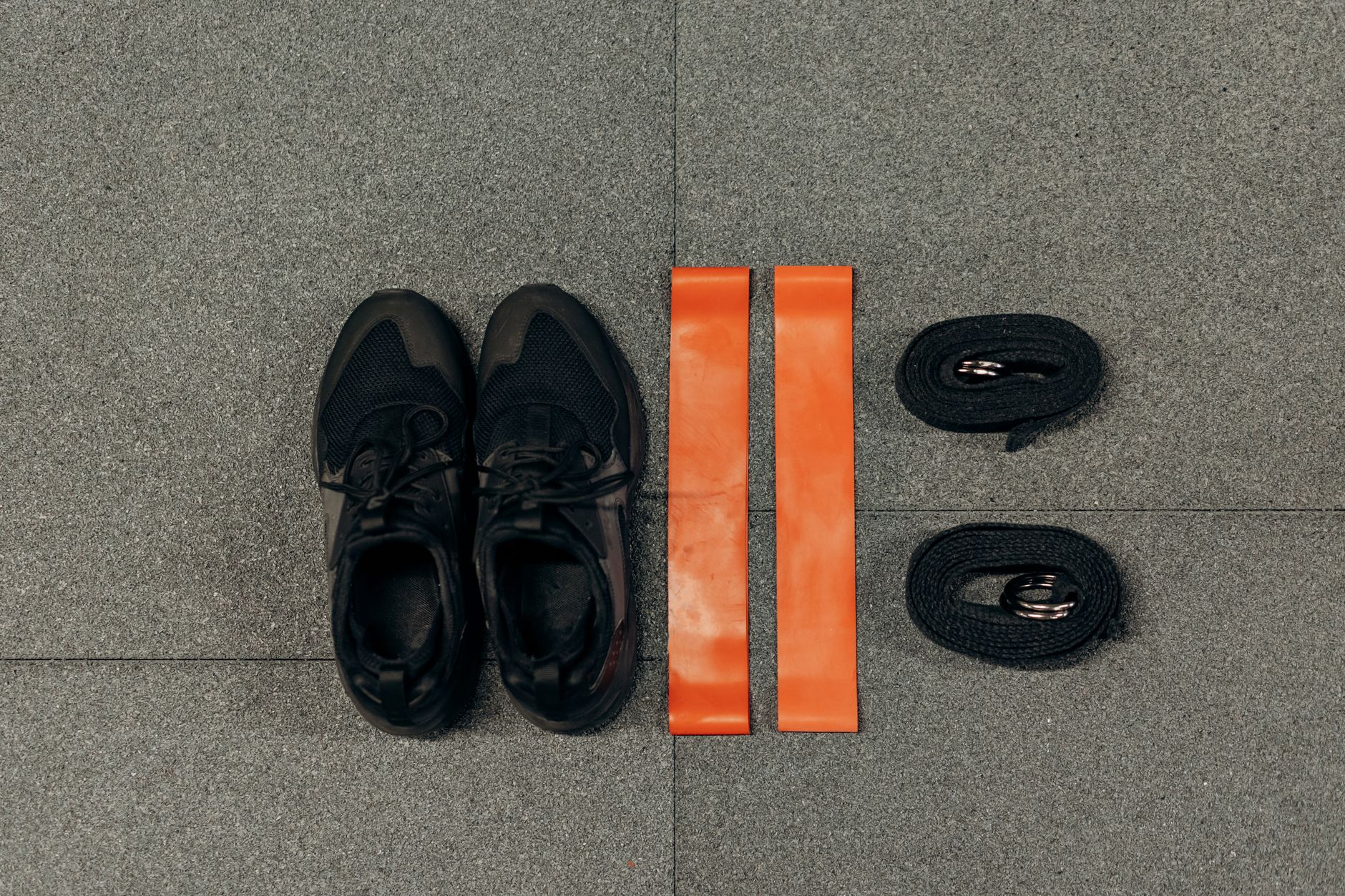
Prenatal strength training: Light weights or resistance bands can help maintain muscle tone during pregnancy. Focus on controlled movements and avoid holding your breath or straining.
Gentle stretching routines: Stretching can relieve tension, improve circulation, and prepare your body for labor. Just avoid deep twists or overstretching, which can strain your joints.
If you’re unsure where to start, check out our guide on safe exercises during pregnancy for more ideas. The key is to listen to your body and choose activities that feel good—not ones that leave you exhausted or overheated.
Is reformer Pilates safe during pregnancy instead of hot Pilates?
Yes, reformer Pilates is generally safe during pregnancy—if you modify it correctly. Unlike hot Pilates, reformer Pilates is done in a room-temperature studio, so there’s no risk of overheating. The reformer machine (a sliding platform with springs and pulleys) adds resistance, which can help you build strength and flexibility safely. However, there are a few key modifications to keep in mind:
Avoid lying flat on your back after the first trimester. This can compress the vena cava, reducing blood flow to your baby. Instead, opt for side-lying, seated, or standing positions.
Skip deep twists or intense core contractions. These can strain your abdominal muscles, which are already stretched during pregnancy. Focus on gentle, controlled movements instead.
Listen to your body. If a move feels uncomfortable or causes pain, stop and ask your instructor for a modification. Your balance and center of gravity change during pregnancy, so some movements may feel different.
Stay hydrated. Even in a cool room, it’s important to drink water before, during, and after your workout to prevent dehydration.
Many studios offer prenatal reformer classes, which are tailored to the needs of pregnant women. If you’re new to reformer Pilates, let your instructor know you’re pregnant so they can guide you through safe modifications. Reformer Pilates is a great way to maintain your strength and flexibility during pregnancy—just keep it cool and comfortable.
Can hot Pilates cause overheating or dehydration in pregnancy?
Yes, hot Pilates can cause overheating and dehydration during pregnancy—and both are risky for you and your baby. Here’s why:
Overheating: When you exercise in a hot room, your core body temperature rises. During pregnancy, your body is already working harder to regulate temperature, and overheating can interfere with your baby’s development, especially in the first trimester. ACOG warns that a core temperature above 102.2°F (39°C) can increase the risk of neural tube defects and other complications.
Dehydration: Pregnant women need more fluids to support the increased blood volume and amniotic fluid. Exercising in heat makes you sweat more, which can lead to dehydration quickly. Dehydration can cause contractions, dizziness, or even preterm labor. Signs of dehydration include:
Dark yellow urine
Dry mouth or lips
Headache or dizziness
Fatigue or confusion
Not sweating when you should be
If you’re doing hot Pilates and notice any of these symptoms, stop exercising immediately, move to a cooler area, and drink water or an electrolyte drink. If your symptoms don’t improve quickly, call your doctor. The best way to avoid overheating and dehydration is to skip hot Pilates altogether and opt for a cooler workout instead.
Is hot yoga or hot Pilates safer during pregnancy?
Neither hot yoga nor hot Pilates is considered safe during pregnancy, but if you had to choose, hot yoga might be slightly less risky—though still not recommended. Here’s why:
Hot yoga (like Bikram yoga) is typically done in a room heated to 105°F (40°C) with 40% humidity. While the poses are static and the pace is slower than hot Pilates, the heat is still a major concern. Hot Pilates, on the other hand, is faster-paced and often includes jumps, weights, or cardio elements, which can raise your core temperature even more.
That said, both carry the same risks of overheating, dehydration, and dizziness. The NHS and ACOG advise against any exercise in temperatures above 100°F (38°C) during pregnancy. If you love yoga or Pilates, opt for prenatal yoga or mat Pilates in a cool room instead. These classes are designed to be safe and comfortable for pregnant women, with modifications for each trimester.
If you’re used to the heat and missing the intensity, try a warm (not hot) yoga class—some studios offer rooms around 80–85°F (27–29°C), which is a safer middle ground. Just listen to your body and avoid any poses that feel uncomfortable or cause strain.
What do OB-GYNs say about hot Pilates and pregnancy?
Most OB-GYNs strongly advise against hot Pilates during pregnancy. Here’s what the experts say:
ACOG (American College of Obstetricians and Gynecologists): ACOG recommends avoiding exercise in temperatures above 100°F (38°C) during pregnancy due to the risk of overheating. They also advise against activities that could cause you to overheat, such as hot Pilates or hot yoga.
NHS (UK National Health Service): The NHS warns that exercising in hot or humid conditions can cause your core temperature to rise too high, which may harm your baby. They recommend sticking to moderate exercise in a cool environment.
Mayo Clinic: The Mayo Clinic echoes these concerns, noting that overheating during pregnancy can increase the risk of neural tube defects and other complications. They suggest avoiding hot tubs, saunas, and hot exercise classes.
OB-GYNs also caution against the intensity of hot Pilates, which can be too strenuous for pregnant women. The combination of heat, fast-paced movements, and potential for dehydration makes it a risky choice. Instead, most doctors recommend low-impact, moderate-intensity workouts like prenatal Pilates, swimming, or walking.
If you’re unsure about your workout routine, always check with your provider. They can give you personalized advice based on your health history and how your pregnancy is progressing. For more on safe exercise during pregnancy, check out our article on what activities to avoid.
Activity
Verdict
Notes
Hot yoga
❌ Avoid
Same overheating risks as hot Pilates; not recommended during pregnancy.
Bikram yoga
❌ Avoid
90-minute sessions in 105°F (40°C) heat; high risk of overheating.
Sauna during pregnancy
❌ Avoid
Can raise core temperature too high; linked to neural tube defects.
Hot tubs during pregnancy
❌ Avoid
Risk of overheating and dehydration; limit to 10 minutes in warm (not hot) water.
High-intensity interval training (HIIT) during pregnancy
⚠️ Caution
Can be safe if modified; avoid jumping, high impact, or overheating.
Running during pregnancy
⚠️ Safe with limits
Safe if you were a runner before pregnancy; avoid overheating and stay hydrated.
Weight lifting during pregnancy
⚠️ Safe with limits
Safe if you lift light to moderate weights; avoid straining or holding your breath.
Spin classes during pregnancy
⚠️ Safe with limits
Safe if you keep resistance moderate and avoid standing up on the pedals.
CrossFit during pregnancy
⚠️ Caution
Can be safe if modified; avoid heavy lifting, jumping, or overheating.
Aerial yoga during pregnancy
⚠️ Talk to your doctor
Risk of falls or strain; not recommended unless modified by an experienced instructor.
Myth vs. fact
Myth: If I feel fine during hot Pilates, it must be safe for my baby. Fact: Your baby can’t regulate temperature like you can. Even if you feel comfortable, your core temperature could be rising to unsafe levels for your baby. The first trimester is especially risky for overheating, even if you don’t feel hot.
Myth: Hot Pilates is safer than hot yoga because it’s less intense. Fact: Hot Pilates can actually be riskier because it often includes faster-paced movements, jumps, or weights, which can raise your core temperature even more. Both hot yoga and hot Pilates carry the same overheating risks during pregnancy.
Myth: I can do hot Pilates if I drink lots of water and take breaks. Fact: While staying hydrated and taking breaks helps, it doesn’t eliminate the risk of overheating. ACOG and the NHS recommend avoiding exercise in temperatures above 100°F (38°C) during pregnancy, regardless of hydration or breaks.
Key takeaways
Hot Pilates is not safe during pregnancy due to the risk of overheating, which can harm your baby, especially in the first trimester.
Avoid any exercise in temperatures above 100°F (38°C). This includes hot Pilates, hot yoga, saunas, and hot tubs.
Reformer Pilates, mat Pilates, and prenatal Pilates are safe alternatives if done in a cool room and with proper modifications.
Listen to your body. If you feel dizzy, nauseous, or overly warm, stop exercising immediately and cool down.
Stay hydrated. Drink water before, during, and after exercise to prevent dehydration, which can lead to contractions or preterm labor.
Always check with your OB-GYN before starting or continuing any exercise routine during pregnancy. They can give you personalized advice based on your health history.
Frequently asked questions
Can hot Pilates cause miscarriage?
There’s no direct evidence that hot Pilates causes miscarriage, but overheating in the first trimester may increase the risk of complications. Studies have linked high core temperatures (above 102.2°F or 39°C) to neural tube defects, which can sometimes lead to miscarriage. While the overall risk is low, it’s best to avoid overheating during pregnancy to be safe.
How does overheating affect my baby during pregnancy?
Overheating can interfere with your baby’s development, especially in the first trimester. High core temperatures have been linked to neural tube defects (like spina bifida) and other complications. Later in pregnancy, overheating can cause dehydration, which may lead to contractions or preterm labor. Your baby can’t regulate temperature like you can, so it’s important to keep cool.
What temperature is safe for exercise during pregnancy?
ACOG recommends avoiding exercise in temperatures above 100°F (38°C). Even in cooler environments, aim to keep your core body temperature below 102.2°F (39°C). If you’re exercising outdoors, avoid the hottest part of the day (usually 10 a.m. to 4 p.m.), stay hydrated, and take breaks in the shade.
Is it safe to do Pilates in a heated room while pregnant?
No, it’s not safe to do Pilates in a heated room during pregnancy. The heat increases the risk of overheating, dehydration, and dizziness, all of which can harm you and your baby. Instead, opt for Pilates in a cool room, with modifications for pregnancy if needed.
What exercises should I avoid during pregnancy?
Avoid exercises that involve:
High heat (hot Pilates, hot yoga, saunas, hot tubs)
High impact (jumping, running on hard surfaces if you’re not used to it)
Risk of falling (skiing, horseback riding, aerial yoga)
Lying flat on your back after the first trimester (some Pilates moves, crunches)
Deep twists or intense core contractions (can strain your abdominal muscles)
Heavy lifting or straining (can increase the risk of injury)
Always check with your OB-GYN before starting or continuing any exercise routine.
Can I do hot Pilates if I'm used to it before pregnancy?
Even if you’re used to hot Pilates, it’s best to avoid it during pregnancy. Your body’s ability to regulate temperature changes when you’re pregnant, and what felt fine before may now put you at risk of overheating. Instead, switch to a cooler version of Pilates, like reformer or mat Pilates, with modifications for pregnancy.
What are the signs of overheating during pregnancy?
Signs of overheating include:
Dizziness or lightheadedness
Excessive sweating or not sweating at all (a sign of heat exhaustion)
Nausea or headache
Muscle cramps or weakness
Rapid heartbeat
Confusion or irritability
If you experience any of these symptoms, stop exercising, move to a cooler area, and drink water. If symptoms don’t improve quickly, call your doctor.
Is it safe to sweat a lot during pregnancy?
Sweating itself is safe during pregnancy, but excessive sweating can be a sign of overheating or dehydration. If you’re sweating a lot during exercise, it’s a sign that your body is working hard to cool down. Make sure you’re drinking enough water and take breaks if you feel too warm. If you’re not sweating at all during intense exercise, that’s a red flag—it could mean you’re dehydrated or experiencing heat exhaustion.
When to call your doctor
Call your doctor or midwife if you experience any of the following during or after exercise:
Vaginal bleeding or fluid leakage
Contractions or abdominal pain
Chest pain or difficulty breathing
Dizziness, fainting, or severe headache
Muscle weakness or sudden swelling in your hands, face, or feet
Decreased fetal movement
Signs of overheating (confusion, rapid heartbeat, no sweating)
This article is for informational purposes only and is not a substitute for professional medical advice. Always check with your healthcare provider before starting or continuing any exercise routine during pregnancy.
References
American College of Obstetricians and Gynecologists (ACOG). (2020). Exercise During Pregnancy.
NHS. (2021). Exercise in Pregnancy.
Mayo Clinic. (2022). Pregnancy and Exercise: Baby, Let’s Move!.
Centers for Disease Control and Prevention (CDC). (2021). Neural Tube Defects.
National Institute for Health and Care Excellence (NICE). (2019). Antenatal Care for Uncomplicated Pregnancies.
Prenatal Pilates in a cool, room-temperature studio is a safe and effective way to stay active during pregnancy.Staying hydrated and comfortable is key to safe exercise during pregnancy. Always keep water and a towel nearby!Swimming is one of the safest and most comfortable workouts during pregnancy—it keeps you cool and supports your joints.
Not sure about the label on Is Hot Pilates Safe During Pregnancy products?
Snap the ingredients list and SafeFilter checks every ingredient for your stage — only 3 free scans this month, then you're locked until reset. Unlimited from $7/mo or $50/yr.
When Shubhra Mishra was expecting her first child in 2016, she was overwhelmed by conflicting food advice — one site said yes, another said never. By the time her second baby arrived in 2019, she realized millions of mothers face the same confusion.
That sparked a five-year journey through clinical nutrition papers, cultural diets, and expert conversations — all leading to BumpBites: a calm, compassionate space where science meets everyday motherhood.
Her long-term vision is to build a global community ensuring safe, supported, and free deliveriesfor every mother — because no woman should face pregnancy alone or uninformed. 🌿
🌍 Stand with mothers, shape safer guidance
Join a small circle of experts who review BumpBites articles so expecting parents everywhere can decide with confidence.