Avoid hoodia during pregnancy because there’s insufficient research, especially in the first trimester; experts recommend steering clear of any dosage.
By Shubhra Mishra — a mom of two who turned her own confusion during pregnancy into BumpBites, a global mission to make food choices clear, safe, and stress-free for every expecting mother. 💛
Check whether any food is safe during pregnancy with the BumpBites Food Safety Checker.
Quick verdict: ❌ Best avoided. Current evidence and regulatory guidance do not support the safety of hoodia for pregnant people, so it’s safest to skip it altogether.
It’s completely understandable to feel a flutter of anxiety when you spot a supplement label and wonder, “is hoodia safe during pregnancy?” Maybe you’ve already taken a capsule before confirming your pregnancy, or perhaps you’re considering it as a natural appetite suppressant to manage weight‑gain worries. You’re not alone—many expecting parents experience that midnight scroll‑and‑search moment.
In short, the consensus among obstetric experts is that hoodia should be avoided while you’re pregnant. This article walks you through what hoodia is, why safety data are lacking, how each trimester factors into the risk assessment, what dosage information exists (or doesn’t), and which brands claim safety—while clarifying why those claims are unsubstantiated. We’ll also suggest safer appetite‑control options, compare hoodia to similar supplements, debunk common myths, and give you a clear set of take‑away actions.
By the end of this read, you’ll have a concise answer to the question “is hoodia safe during pregnancy?” plus practical guidance on what to do next, whether you’ve already taken it or are still deciding.
Seeing a hoodia bottle can trigger a quick search—let’s explore why it’s best to put it aside during pregnancy.
Safety snapshot
Trimester / Breastfeeding
Verdict
Notes
First trimester
❌ Best avoided
Limited data; potential teratogenic risk during organ formation.
Second trimester
❌ Best avoided
Still no safety studies; unknown effects on fetal growth.
Third trimester
❌ Best avoided
Potential impact on labor, uterine tone, and newborn metabolism.
Breastfeeding
❌ Best avoided
Hoodia compounds may pass into breast milk; no safety data.
What is hoodia?
H
oodia gordonii is a succulent plant native to the Kalahari Desert of southern Africa. The plant contains a compound called P57, which was marketed in the early 2000s as a “natural appetite suppressant.” The idea was that P57 would trigger the brain’s satiety centers, reducing hunger without the side‑effects associated with stimulant‑based diet pills. Hoodia extracts are typically sold in capsule or tablet form, often combined with other herbal ingredients, and are marketed as a “clean‑label” weight‑loss aid.
Because it is derived from a desert plant, manufacturers promote hoodia as a “natural” alternative to synthetic appetite suppressants. However, the scientific evidence supporting its efficacy is weak, and most studies have been in vitro (test‑tube) or animal models. Human trials are scarce, and none have been specifically designed for pregnant or breastfeeding individuals. The lack of robust data, coupled with regulatory caution, makes hoodia a high‑risk supplement for anyone trying to protect fetal development.
Is hoodia safe during pregnancy?
Short answer: No, hoodia is not considered safe for pregnant people. The American College of Obstetricians and Gynecologists (ACOG) does not list hoodia among the supplements that are safe during pregnancy, and the organization advises clinicians to discourage the use of unstudied herbal products. The United Kingdom’s National Health Service (NHS) similarly warns that “herbal appetite suppressants have not been proven safe for pregnant women.” The U.S. Food and Drug Administration (FDA) has never approved hoodia for any indication, and it has issued consumer alerts about unverified claims on hoodia products.
Mechanistically, the P57 compound is thought to affect serotonin pathways, which play a role in both appetite regulation and uterine contractility. Although direct evidence in humans is lacking, the theoretical link raises concerns about possible uterine stimulation, especially during the first trimester when the embryo is most vulnerable to teratogens. Additionally, because hoodia is not standardized, the concentration of active ingredients can vary widely between brands, increasing the risk of inadvertent over‑exposure.
Most of the limited research—primarily animal studies—has reported gastrointestinal upset, elevated heart rate, and changes in blood pressure. None of these studies have demonstrated a clear safety margin for a developing fetus. Consequently, the consensus among obstetric professionals is to recommend avoidance until more rigorous, pregnancy‑specific data become available.
Is hoodia safe to use in the first trimester of pregnancy?
The first trimester is the period of organogenesis, when the baby’s major organs are forming. During this window, exposure to unknown substances carries the highest risk of causing birth defects. Because hoodia’s safety profile is unknown and the plant’s active compounds could theoretically interfere with serotonin signaling—a pathway involved in early fetal development—most clinicians advise against any hoodia use in the first trimester.
Even if you have taken a single dose before realizing you were pregnant, the best course is to stop taking the supplement and discuss the exposure with your prenatal provider. They can assess any potential risk based on the timing and amount taken, and may recommend additional monitoring if needed.
Can hoodia be taken safely during the second and third trimesters?
Safety concerns do not disappear after the first trimester. In the second and third trimesters, the fetus continues to grow rapidly, and maternal metabolism changes. Hoodia’s possible effects on blood pressure and heart rate could influence placental blood flow, and there is no evidence that the supplement is safe for the developing baby at any stage. As such, obstetric guidelines continue to list hoodia as a substance to avoid throughout pregnancy.
If you are experiencing increased hunger or weight‑gain anxiety during later pregnancy, consider speaking with your obstetrician about nutrition counseling instead of turning to untested herbal products.
What dosage of hoodia is considered safe for pregnant women?
Currently, no dosage of hoodia has been established as safe for pregnant people. Clinical trials that have examined hoodia’s effects on appetite have used a wide range of doses—from 200 mg to 1,200 mg per day—but none of these studies included pregnant participants. Because the supplement is not standardized, the actual amount of the active P57 compound can differ dramatically between capsules, making it impossible to define a “safe” threshold.
Regulatory agencies such as the FDA and the European Medicines Agency (EMA) have not set any acceptable daily intake (ADI) for hoodia, and they explicitly advise manufacturers not to market the product for weight loss or appetite control in pregnant or lactating individuals. Until rigorous human safety data emerge, the safest recommendation is to avoid hoodia entirely.
What are the potential side effects of hoodia for pregnant mothers?
Reported side effects in the general adult population include nausea, dry mouth, headache, and elevated heart rate. In a few case reports, users have experienced dizziness and gastrointestinal discomfort. For pregnant mothers, these symptoms can compound common pregnancy‑related issues like morning sickness and fatigue.
More concerning, though not yet proven, are the theoretical risks of:
Altered blood pressure, which could jeopardize placental perfusion.
Possible transfer of hoodia compounds into breast milk, posing unknown risks to the infant.
If you notice persistent nausea, rapid heartbeat, high blood pressure, or any unusual uterine contractions after taking hoodia, contact your healthcare provider promptly.
Are there any hoodia supplement brands that claim pregnancy safety?
Several brands market hoodia as “natural” and “herbal,” and some include wording such as “suitable for most adults.” However, none of these claims are backed by clinical trials involving pregnant participants, and reputable regulatory bodies have not granted any hoodia product a pregnancy‑safe label.
Because the supplement industry is loosely regulated, manufacturers can make broad health statements without rigorous proof. The FDA’s “dietary supplement health and education act” (DSHEA) requires that any safety claim be truthful and not misleading, but it does not require pre‑market approval. As a result, any brand that advertises hoodia as safe for pregnancy should be viewed with skepticism, and you should discuss any such product with your obstetrician before use.
What are safer appetite suppressant alternatives during pregnancy?
Peppermint tea – Warm, caffeine‑free tea can help curb cravings and soothe nausea.
Apple cider vinegar drink – Diluted (1 tbsp in 8 oz water) may promote satiety without stimulant effects.
Water‑rich fruits such as watermelon – High water content fills the stomach and provides natural sugars.
Vegetable smoothie with spinach and kale – Fiber and protein keep you full while delivering essential nutrients.
Prenatal yoga – Gentle movement and mindful breathing can reduce stress‑related eating.
Daily 30‑minute walk – Light cardio supports healthy weight gain and appetite regulation.
Lean protein snack like boiled eggs – Protein stabilizes blood sugar, limiting cravings.
Low‑sodium vegetable broth – Warm broth can provide a sense of fullness without excess calories.
Does hoodia increase the risk of miscarriage or birth defects?
There is no direct human evidence linking hoodia to miscarriage or specific birth defects, simply because no well‑controlled studies have included pregnant participants. However, the theoretical mechanisms—possible uterine stimulation and serotonin pathway interference—suggest a potential risk, especially during the first trimester when the embryo is most susceptible to teratogenic influences.
Because the precautionary principle guides obstetric care, most clinicians advise avoiding any supplement with unproven safety, including hoodia, to eliminate any possible contribution to miscarriage or fetal anomalies.
Is hoodia safe for pregnant women with diabetes or hypertension?
Pregnant individuals with pre‑existing diabetes or hypertension already face heightened monitoring needs. Hoodia’s reported effects on blood pressure and potential influence on glucose metabolism could exacerbate these conditions. Neither the American Diabetes Association (ADA) nor the American Heart Association (AHA) lists hoodia as a safe supplement for these populations, and they both recommend avoiding unstudied herbal products during pregnancy.
For appetite control in the context of diabetes or hypertension, clinicians typically suggest balanced meals with complex carbohydrates, high‑fiber foods, and regular physical activity—strategies that have proven safety records.
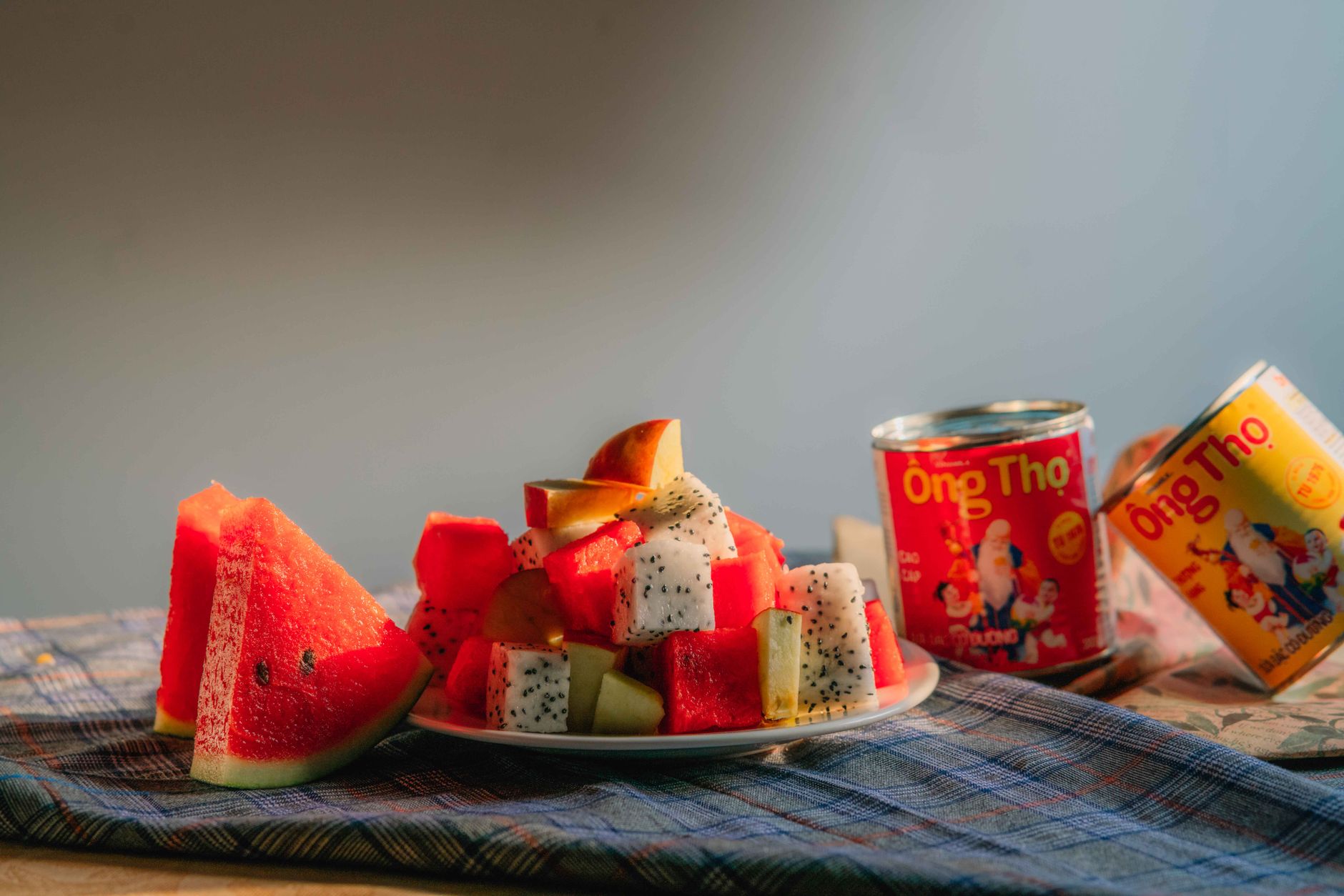
Choosing hydrating foods like watermelon can naturally curb appetite without resorting to untested supplements.
Safer alternatives
Peppermint tea – Calms nausea and can reduce cravings without stimulant effects.
Apple cider vinegar drink – Diluted vinegar may help you feel fuller for longer.
Water‑rich fruits (watermelon, cantaloupe) – Provide volume and natural sugars.
Vegetable smoothie with spinach and kale – Fiber‑rich and nutrient‑dense.
Prenatal yoga – Supports mindfulness and reduces stress‑related eating.
Daily 30‑minute walk – Light cardio improves mood and appetite regulation.
Lean protein snack like boiled eggs – Stabilizes blood sugar.
Low‑sodium vegetable broth – Warm, satiating, and low in calories.
Related items — safety at a glance
Item
Verdict
One‑line note
Garcinia cambogia
❌ Best avoided
Limited pregnancy data; potential liver toxicity.
Green tea extract
⚠️ Safe with limits
Caffeine content may affect fetal heart rate; limit to ≤200 mg caffeine/day.
Caffeine pills
⚠️ Safe with limits
FDA recommends ≤200 mg caffeine per day in pregnancy.
Synephrine (bitter orange)
❌ Best avoided
Linked to increased blood pressure and heart rate.
Yerba mate
⚠️ Safe with limits
Contains caffeine; stay under 200 mg total daily.
Guarana
❌ Best avoided
High caffeine content; not recommended in pregnancy.
Bitter orange (Citrus aurantium)
❌ Best avoided
Potential cardiovascular stimulant.
Coleus forskohlii
❌ Best avoided
Insufficient safety data; possible uterine effects.
Myth vs. fact
Myth: Hoodia is a “natural” product, so it must be safe for pregnant women.
Fact: “Natural” does not equal “safe.” Herbal supplements can contain potent bioactive compounds that affect pregnancy, and hoodia lacks any pregnancy‑specific safety studies.
Myth: A small dose of hoodia is harmless because the amount is tiny.
Fact: Without standardized dosing, even a “small” capsule may deliver an unpredictable amount of active P57, making risk assessment impossible.
Myth: If a brand advertises “pregnancy‑friendly,” the product is automatically safe.
Fact: No reputable regulatory agency has approved hoodia for use in pregnancy; such marketing claims are not evidence‑based.
Key takeaways
Current evidence and major health agencies (ACOG, NHS, FDA) advise avoiding hoodia during pregnancy.
No safe dosage has been established; the supplement’s potency varies widely between brands.
Potential side effects include nausea, elevated heart rate, and theoretical uterine stimulation.
Pregnant individuals with diabetes or hypertension should be especially cautious.
Safer appetite‑control options include peppermint tea, water‑rich fruits, and gentle physical activity.
If you’ve already taken hoodia, inform your provider; most exposures are unlikely to cause harm, but monitoring is prudent.
Frequently asked questions
Can I take hoodia while pregnant?
No. The consensus among obstetric experts is that hoodia should be avoided throughout pregnancy because safety data are lacking.
What are the risks of hoodia during pregnancy?
Potential risks include nausea, increased heart rate, possible uterine hyperstimulation, and unknown effects on fetal development, especially during the first trimester.
Is hoodia approved by the FDA for pregnant women?
The FDA has not approved hoodia for any indication, and it has not granted a pregnancy‑safe status to any hoodia product.
How much hoodia is safe during pregnancy?
There is no established safe amount; because dosage varies and safety data are absent, the recommendation is to avoid hoodia entirely.
Are there any natural appetite suppressants safe for pregnancy?
Yes—options such as peppermint tea, apple cider vinegar (diluted), water‑rich fruits, vegetable smoothies, prenatal yoga, and daily walks are considered safe and supportive.
Does hoodia cause morning sickness?
Hoodia can actually worsen nausea in some users, and because morning sickness is already common in pregnancy, adding hoodia may intensify discomfort.
When to call your doctor
Contact your obstetric provider promptly if you experience any of the following after taking hoodia: persistent nausea or vomiting, rapid heartbeat (≥100 bpm), elevated blood pressure (≥140/90 mmHg), uterine cramps or contractions, dizziness, or any unusual symptoms that concern you. Even if you’re unsure whether a symptom is related to hoodia, it’s always safest to discuss it with your healthcare team.
Remember, the information in this article is educational and not a substitute for personalized medical advice. Always consult your provider before starting or stopping any supplement.
References
American College of Obstetricians and Gynecologists. “Nutrition During Pregnancy.” ACOG Committee Opinion, 2022.
National Health Service (NHS). “Herbal supplements and pregnancy.” NHS website, updated 2023.
U.S. Food and Drug Administration. “Dietary Supplement Health and Education Act (DSHEA).” FDA.gov, 2021.
Centers for Disease Control and Prevention. “Pregnancy and Herbal Medicines.” CDC website, 2022.
World Health Organization. “Traditional Medicine Strategy 2014‑2023.” WHO, 2014.
American Diabetes Association. “Pregnancy and Diabetes.” ADA Standards of Care, 2023.
American Heart Association. “Hypertension in Pregnancy.” AHA Guidelines, 2022.
European Medicines Agency. “Guidance on herbal medicinal products.” EMA, 2020.
Food and Drug Administration. “Consumer Updates: Beware of Herbal Weight‑Loss Products.” FDA, 2021.
National Center for Complementary and Integrative Health. “Hoodia.” NCCIH, 2023.
Not sure about the label on Is Hoodia Safe During Pregnancy products?
Snap the ingredients list and SafeFilter checks every ingredient for your stage — only 3 free scans this month, then you're locked until reset. Unlimited from $7/mo or lock $50/yr through Aug 31 (16 days left).
When Shubhra Mishra was expecting her first child in 2016, she was overwhelmed by conflicting food advice — one site said yes, another said never. By the time her second baby arrived in 2019, she realized millions of mothers face the same confusion.
That sparked a five-year journey through clinical nutrition papers, cultural diets, and expert conversations — all leading to BumpBites: a calm, compassionate space where science meets everyday motherhood.
Her long-term vision is to build a global community ensuring safe, supported, and free deliveriesfor every mother — because no woman should face pregnancy alone or uninformed. 🌿
🌍 Stand with mothers, shape safer guidance
Join a small circle of experts who review BumpBites articles so expecting parents everywhere can decide with confidence.