Safe in moderation. Hip hop dance is generally safe during pregnancy if modified for low impact, especially after the first trimester. Avoid jumps and rapid spins.
By Shubhra Mishra — a mom of two who turned her own confusion during pregnancy into BumpBites, a global mission to make food choices clear, safe, and stress-free for every expecting mother. 💛
Check whether any food is safe during pregnancy with the BumpBites Food Safety Checker.
Quick verdict: ⚠️ Talk to your doctor first. Hip hop dance can be enjoyed during pregnancy when you modify intensity, avoid high‑impact moves, and keep sessions to moderate durations, but you should get clearance from your obstetric provider, especially if you have pregnancy‑related complications.
It’s 2 a.m., you’re scrolling through playlists, and a sudden question pops up: is hip hop dance safe during pregnancy? You might be in the middle of a rehearsal, or perhaps you’ve just discovered a new class you love. The good news is that many expectant parents continue to move to the beat, but the answer isn’t a simple “yes” or “no.” It depends on the stage of your pregnancy, the intensity of the moves, and any existing health conditions.
In this article we’ll give you a clear bottom line, break down safety by trimester, explain how many sessions are reasonable, point out which moves to skip, and suggest low‑impact alternatives that keep the rhythm without the risk. We’ll also compare hip hop dance to other popular dance styles, debunk common myths, and list the warning signs that mean it’s time to pause and call your provider.
By the end of this guide, you’ll know exactly how to keep dancing safely, what modifications work best, and when you should seek professional advice.
Focus on core stability, stay hydrated, and skip moves that strain the lower back.
Third trimester
⚠️ Talk to your doctor
Reduce duration to ≤20 minutes, avoid rapid turns, and monitor balance.
Breastfeeding
✅ Safe
Low‑impact hip hop fitness classes are fine; maintain good posture.
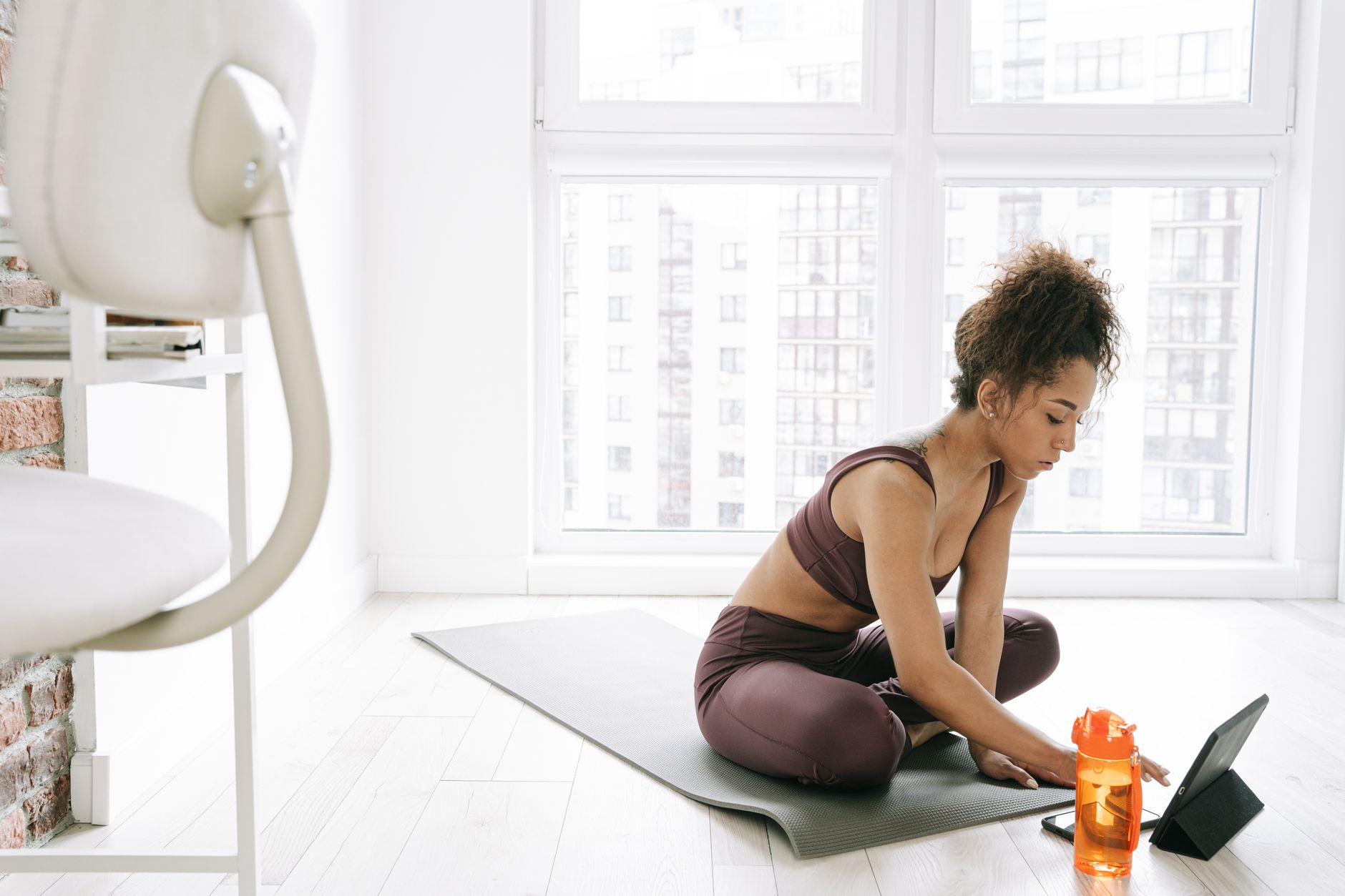
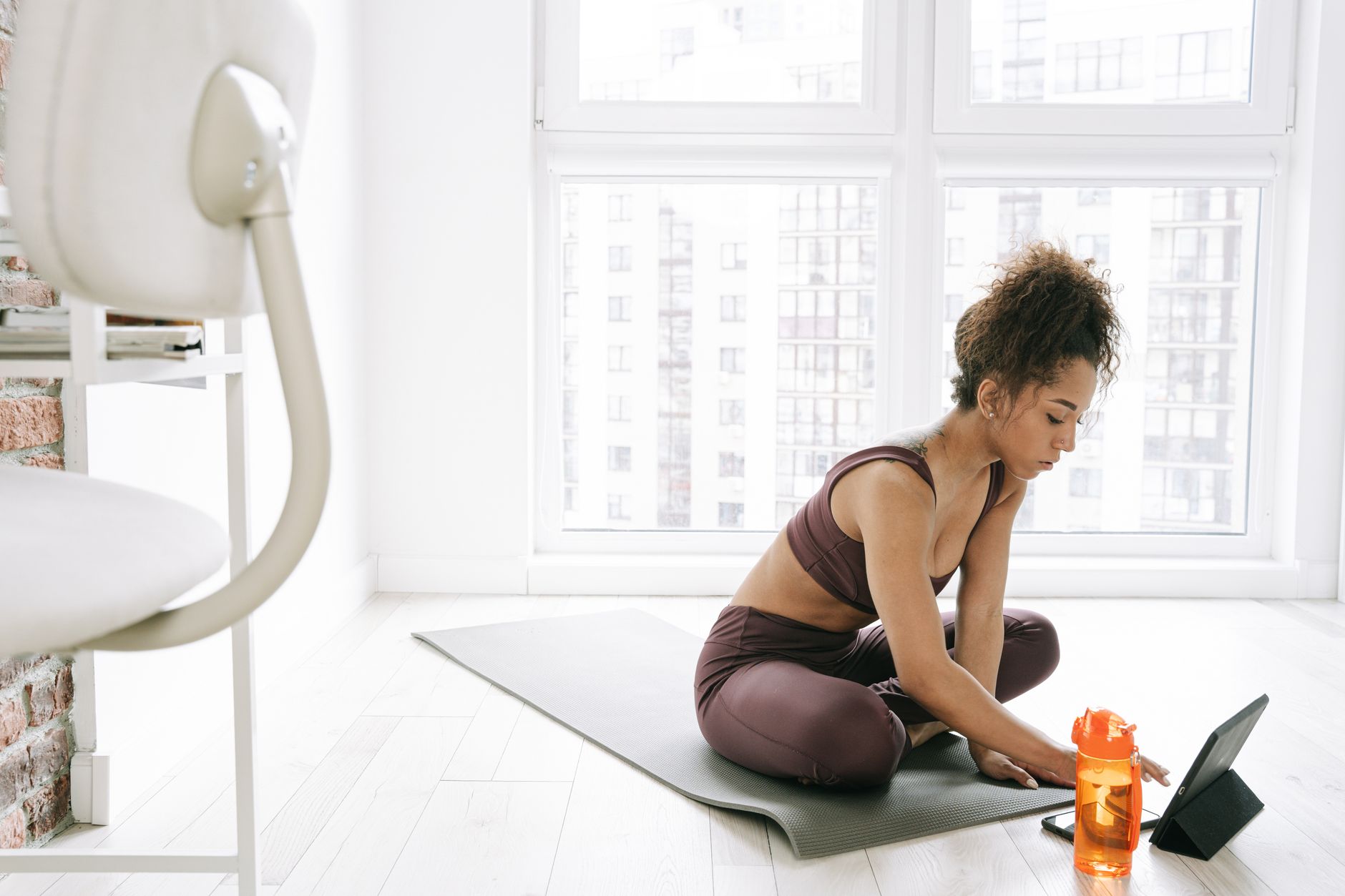
Keep a bottle of water nearby and choose a low‑impact playlist to stay hydrated and focused.
What is hip hop dance?
Hip hop dance is a street‑style movement genre that originated in the 1970s in African‑American and Latino communities. It blends rhythmic footwork, body isolations, sharp arm gestures, and often incorporates jumps, spins, and floor work. Classes range from beginner “hip hop fitness” sessions (which emphasize cardio and basic grooves) to advanced street‑style choreography that can be high‑impact and fast‑paced. The intensity can vary widely: a low‑impact class might feel like a moderate cardio workout, while an advanced routine can resemble a high‑intensity interval training (HIIT) session.
People turn to hip hop dance for its energetic music, cultural expression, and the way it builds cardiovascular endurance, core strength, and coordination. For pregnant dancers, the appeal often lies in staying active, boosting mood through music, and maintaining a sense of normalcy. However, the same elements that make hip hop exciting—quick changes of direction, jumps, and floor‑level moves—can pose challenges when your center of gravity shifts and ligaments become more lax due to pregnancy hormones.
Is hip hop dance safe during pregnancy?
C
urrent guidance from the American College of Obstetricians and Gynecologists (ACOG) recommends that pregnant people engage in regular moderate‑intensity aerobic activity, provided there are no contraindications. Hip hop dance can fit within those guidelines if the class is low‑impact, the participant avoids high‑risk moves, and they stay well‑hydrated. The UK’s NHS echoes this, stating that “any activity that feels comfortable and does not cause pain or excessive breathlessness is generally acceptable.”
There is no specific FDA or CDC regulation for dance styles, but both agencies support the broader recommendation that pregnant individuals avoid activities with a high risk of falls or abdominal trauma. The primary mechanisms of risk in hip hop dance are rapid changes in direction, jumps that increase intra‑abdominal pressure, and moves that compress the lower back. Studies on dance during pregnancy (e.g., a 2018 review in the International Journal of Gynecology & Obstetrics) found no increase in adverse outcomes when participants limited high‑impact moves and kept sessions under 45 minutes.
In short, hip hop dance is not automatically unsafe, but it requires thoughtful modification. If you have conditions such as placenta previa, preterm labor risk, or severe back pain, ACOG advises avoiding high‑impact activities altogether. Always get personalized clearance from your obstetric provider before continuing or starting a class.
Safety by trimester
First trimester
The first 13 weeks are a period of organ formation (organogenesis), making it the most sensitive window for potential teratogens and physical stress. While gentle movement is encouraged, you should avoid any hip hop moves that involve jumps, rapid pivots, or deep lunges because they can increase the risk of abdominal trauma and dizziness. ACOG suggests keeping heart rate below 140 bpm and listening to your body—if you feel short‑of‑breath, light‑headed, or experience uterine cramping, stop immediately.
Second trimester
Many expectant parents feel a surge of energy during weeks 14‑27. The uterus has settled, and the risk of miscarriage drops, so moderate‑intensity hip hop dance is generally safe with modifications. Focus on core‑stabilizing moves, keep the pace moderate, and avoid any moves that compress the lower back (e.g., deep “pop‑and‑lock” positions). Staying hydrated and taking breaks every 15‑20 minutes helps maintain circulation.
Third trimester
From week 28 onward, the growing belly shifts your center of gravity, making balance more challenging. High‑impact jumps and fast spins increase the chance of falls. ACOG advises limiting sessions to 20‑30 minutes, avoiding moves that require you to bend deeply or twist sharply, and ensuring the studio floor is non‑slippery. If you feel any pelvic pressure, shortness of breath, or uterine contractions, stop and contact your provider.
Breastfeeding
Post‑delivery, many providers encourage a gradual return to low‑impact aerobic activity. A low‑impact hip hop fitness class can be a fun way to rebuild stamina, provided you maintain good posture and avoid moves that strain the abdominal wall. The CDC notes that moderate exercise can help regulate milk supply and improve mood.
Swap high‑impact moves for a gentle groove on a stable surface.
How many hip hop dance sessions per week are safe while pregnant?
ACOG recommends at least 150 minutes of moderate‑intensity aerobic activity per week for a healthy pregnancy. For hip hop dance, this translates to about three 30‑minute sessions, provided the class is low‑impact and you feel comfortable. If you’re in the second trimester and your provider has cleared you, you can increase to four sessions, but keep each under 45 minutes and monitor your heart rate. Excessive volume (more than 5 sessions or 90 minutes in a single day) could raise core temperature and fatigue, which the NHS cautions against.
Which hip hop dance moves should be avoided during pregnancy?
To stay within safe limits, skip the following high‑impact or deep‑flexion moves:
Jumping or “pop‑and‑lock” jumps that create sudden impact on the uterus.
Deep lunges or split‑style moves that stretch the hip flexors and lower back.
Fast, uncontrolled spins that can cause dizziness or loss of balance.
Floor‑level moves that require rapid transitions from standing to the ground.
Any move that involves holding your breath (the Valsalva maneuver), which can raise intra‑abdominal pressure.
Instead, opt for groove‑based steps, side‑to‑side shuffles, and modified hip hop fitness routines that keep you upright and supported.
What are the risks of hip hop dance for pregnant women?
When performed without modification, hip hop dance can increase the risk of falls, musculoskeletal strain, and elevated core temperature. ACOG notes that any activity causing a core temperature above 39 °C (102.2 °F) for an extended period may be linked to neural tube defects, though the evidence is limited. Additionally, high‑impact moves can exacerbate back pain, pelvic girdle discomfort, and, in rare cases, uterine irritability leading to contractions.
Most of these risks are mitigated by:
Choosing low‑impact classes.
Maintaining a moderate pace (you should be able to talk comfortably).
Staying hydrated and taking frequent breaks.
Using supportive footwear and a non‑slippery floor surface.
How does hip hop dance affect pregnancy complications like gestational diabetes?
Regular moderate‑intensity exercise, including low‑impact hip hop dance, helps regulate blood glucose levels and improves insulin sensitivity. The CDC highlights that physical activity reduces the risk of gestational diabetes by up to 30 %. For those already diagnosed, a 30‑minute session most days of the week can help control glucose spikes, especially when combined with a balanced diet. However, avoid prolonged high‑intensity bursts that could cause sudden blood sugar fluctuations.
Can I modify my regular hip hop dance class after the first trimester?
Yes. Many studios offer “pregnancy‑friendly” or “low‑impact” hip hop fitness classes that replace jumps with side‑step combos, reduce tempo, and incorporate more core‑stabilizing moves. Speak with the instructor about your gestational stage; they can often suggest alternatives such as seated isolations, standing hip rolls, and gentle arm work that keep the rhythm without the high impact.
Safe dosage / amount / brands
Because hip hop dance isn’t a medication, “dosage” refers to session length, frequency, and intensity. Here are evidence‑based guidelines:
Parameter
Recommended limit
Notes
Session length
≤30 minutes (first & third trimesters), ≤45 minutes (second trimester)
Keep heart rate below 140 bpm; stop if you feel breathless.
Sessions per week
3–4 times
Matches ACOG’s 150‑minute weekly recommendation.
Intensity
Low‑moderate (you can maintain a conversation)
Avoid “all‑out” bursts that raise core temperature.
Footwear
Supportive, cushioned sneakers
Brands such as Brooks, ASICS, or New Balance are widely recommended for pregnancy.
Side effects and risks
Most side effects are mild and related to overexertion:
Fatigue or muscle soreness – normal after a new routine; rest and stretch.
Dizziness or light‑headedness – may indicate dehydration or low blood pressure; pause, sip water, and sit down.
Back or pelvic pain – can signal improper form or excessive twisting; modify moves and consider a supportive belt.
Contractions or spotting – stop immediately and call your provider, as this could signal preterm labor.
Severe abdominal trauma or a fall that results in a hard impact should be evaluated by a healthcare professional right away.
What low‑impact dance alternatives are safe for pregnant women?
Prenatal yoga – gentle stretches improve flexibility and reduce stress.
Slow ballroom dancing – supports balance without jumps.
Water aerobics – buoyancy eases joint strain while providing cardio.
Walking – easy, adjustable intensity, and great for overall fitness.
Low‑impact Zumba – rhythmic moves without high jumps.
Pilates for pregnancy – strengthens core safely.
Gentle belly dance – fluid motions that protect the abdomen.
Modified low‑impact hip hop fitness class – retains the music and groove while eliminating jumps.
Related items — safety at a glance
Item
Verdict
One‑line note
Ballet for pregnant women
✅ Generally safe
Focus on low‑impact pliés and avoid grand jetés.
Salsa dancing during pregnancy
⚠️ Talk to your doctor
Fast spins and close partner contact can be risky.
Hip hop fitness classes
✅ Generally safe with modifications
Choose low‑impact versions; avoid jumps.
Dance cardio workouts
⚠️ Safe with limits
Keep intensity moderate; watch for overheating.
Zumba for pregnant women
✅ Generally safe
Most classes are low‑impact; skip high‑jump segments.
Kickboxing with modifications
⚠️ Talk to your doctor
Avoid high kicks and rapid punches that strain the core.
Barre workouts for pregnancy
✅ Generally safe
Emphasizes balance and gentle strength; avoid deep lunges.
Myth vs. fact
Myth: All dancing is unsafe once you’re pregnant.
Fact: Moderate, low‑impact dance—like a modified hip hop class—is encouraged by ACOG as a way to stay active.
Myth: You must stop dancing the moment you feel a baby kick.
Fact: Feeling fetal movements is normal; they’re not a sign to cease activity unless accompanied by pain or contractions.
Myth: Hip hop dance will cause a miscarriage.
Fact: There is no evidence that low‑impact hip hop dance increases miscarriage risk; the primary concern is falls or abdominal trauma from high‑impact moves.
Key takeaways
Hip hop dance can be safe during pregnancy if you avoid jumps, rapid spins, and deep lunges.
Aim for 3 sessions of ≤30 minutes each week, adjusting duration as your trimester progresses.
Stay hydrated, wear supportive shoes, and keep intensity at a level that lets you hold a conversation.
Seek clearance from your obstetric provider, especially if you have gestational diabetes, back pain, or a high‑risk pregnancy.
Consider low‑impact alternatives like prenatal yoga, water aerobics, or a modified hip hop fitness class for variety.
Stop dancing and call your doctor if you experience dizziness, bleeding, contractions, or any sudden abdominal pain.
Frequently asked questions
Is hip hop dance safe during pregnancy?
Yes, hip hop dance can be safe when you choose low‑impact classes, avoid high‑impact moves, and keep sessions moderate; always get your provider’s approval first.
What modifications can I make to hip hop dance while pregnant?
Replace jumps with side‑step shuffles, reduce tempo, use a sturdy surface, and focus on upper‑body isolations; many instructors can tailor routines to keep the heart rate below 140 bpm.
Can I do hip hop dance in the third trimester?
It’s possible with careful modifications—shorter sessions (≤20 minutes), no jumps or fast spins, and a focus on balance—but you should confirm with your obstetrician.
What are the benefits of dancing while pregnant?
Dancing improves cardiovascular fitness, mood, and core strength, and can help manage gestational diabetes and back pain while providing a fun way to stay active.
How many times a week should I dance during pregnancy?
Three to four moderate sessions per week, each lasting 20‑30 minutes, align with ACOG’s recommendation of 150 minutes of moderate aerobic activity weekly.
Should I avoid jumps in hip hop dance while pregnant?
Yes—jumps increase impact on the uterus and raise the risk of falls; opt for low‑impact steps instead.
Is it okay to dance in a hot studio while pregnant?
Generally no; the CDC advises avoiding environments that raise core body temperature above 39 °C, as overheating can affect fetal development.
What signs indicate I should stop dancing during pregnancy?
Stop immediately if you feel dizziness, shortness of breath, uterine cramping, vaginal bleeding, or any sharp abdominal pain, and contact your healthcare provider right away.
Switching to low‑impact moves helps you stay active without added risk.
When to call your doctor
If you experience any of the following, contact your obstetric provider promptly:
Dizziness, faintness, or loss of balance during or after a session.
Vaginal bleeding, spotting, or sudden increase in discharge.
Regular uterine contractions or cramping that does not subside.
Sharp abdominal or pelvic pain that persists.
Persistent shortness of breath or heart rate that exceeds 140 bpm despite moderate effort.
These signs may indicate a complication that requires medical evaluation. This article is for informational purposes only and does not replace personalized medical advice.
References
American College of Obstetricians and Gynecologists. "Physical Activity and Exercise During Pregnancy and the Postpartum Period." ACOG Committee Opinion No. 804, 2020.
National Health Service (UK). "Exercise in pregnancy: what you need to know." NHS website, 2022.
Centers for Disease Control and Prevention. "Pregnancy and Physical Activity." CDC, 2021.
World Health Organization. "Recommendations on Antenatal Care for a Positive Pregnancy Experience." WHO, 2016.
International Journal of Gynecology & Obstetrics. "Dance as an exercise modality during pregnancy: a systematic review." 2018.
Mayo Clinic. "Exercise during pregnancy: what’s safe and what to avoid." Mayo Clinic, 2023.
National Institute for Health and Care Excellence (NICE). "Physical activity for pregnant and postpartum women." NICE guideline NG123, 2021.
Not sure about the label on Is Hip Hop Dance Safe During Pregnancy products?
Snap the ingredients list and SafeFilter checks every ingredient for your stage — only 3 free scans this month, then you're locked until reset. Unlimited from $7/mo or $50/yr.
When Shubhra Mishra was expecting her first child in 2016, she was overwhelmed by conflicting food advice — one site said yes, another said never. By the time her second baby arrived in 2019, she realized millions of mothers face the same confusion.
That sparked a five-year journey through clinical nutrition papers, cultural diets, and expert conversations — all leading to BumpBites: a calm, compassionate space where science meets everyday motherhood.
Her long-term vision is to build a global community ensuring safe, supported, and free deliveriesfor every mother — because no woman should face pregnancy alone or uninformed. 🌿
🌍 Stand with mothers, shape safer guidance
Join a small circle of experts who review BumpBites articles so expecting parents everywhere can decide with confidence.