Is hemp seed oil safe during pregnancy? Yes, it's generally considered safe and beneficial throughout all trimesters. Learn about its nutritional value and recommended intake for expectant mothers.
By Shubhra Mishra — a mom of two who turned her own confusion during pregnancy into BumpBites, a global mission to make food choices clear, safe, and stress-free for every expecting mother. 💛
Check whether any food is safe during pregnancy with the BumpBites Food Safety Checker.
Quick verdict: ⚠️ Talk to your doctor first. While hemp seed oil is generally considered safe as a food item for the general population and is rich in beneficial nutrients, there is a significant lack of specific scientific research on its safety and effects during pregnancy and breastfeeding, meaning most obstetricians recommend caution or avoidance unless specifically advised by your healthcare provider.
Finding out you're pregnant can turn even the simplest daily choices into a source of anxiety. Suddenly, every ingredient, every supplement, and every food item comes under intense scrutiny. It’s completely normal to feel this way, especially when you’re scrolling online at 11 p.m., wondering, "is hemp seed oil safe during pregnancy?" Perhaps you’ve been using it for its nutritional benefits, or you’re considering adding it to your diet now that you’re eating for two. We hear this question often at BumpBites, and we understand the desire for clear answers.
The good news is that hemp seed oil, derived from the seeds of the *Cannabis sativa* plant, is distinct from CBD oil and THC products, meaning it doesn't have psychoactive properties. It's often praised for its rich omega-3 and omega-6 fatty acid content. However, when it comes to pregnancy, the landscape of scientific evidence changes. While nutritionally promising, there's currently not enough specific research to definitively declare hemp seed oil universally safe for pregnant or breastfeeding individuals. This article will break down what we know, what we don't, and what major health organizations advise, helping you make an informed decision alongside your healthcare provider.
Trimester/Stage
Verdict
Notes
First Trimester
⚠️ Talk to your doctor
Critical period for fetal development; insufficient research on safety. Potential for contaminants if not a high-quality product.
Second Trimester
⚠️ Talk to your doctor
Limited data on effects during this stage. Nutritional benefits are theoretical, not proven safe for pregnancy-specific use.
Third Trimester
⚠️ Talk to your doctor
No specific safety studies. Omega fatty acids are important, but safer, well-studied sources are available.
Breastfeeding
⚠️ Talk to your doctor
Lack of research on transfer into breast milk and its effects on the infant. Safer alternatives are recommended.
What is hemp seed oil?
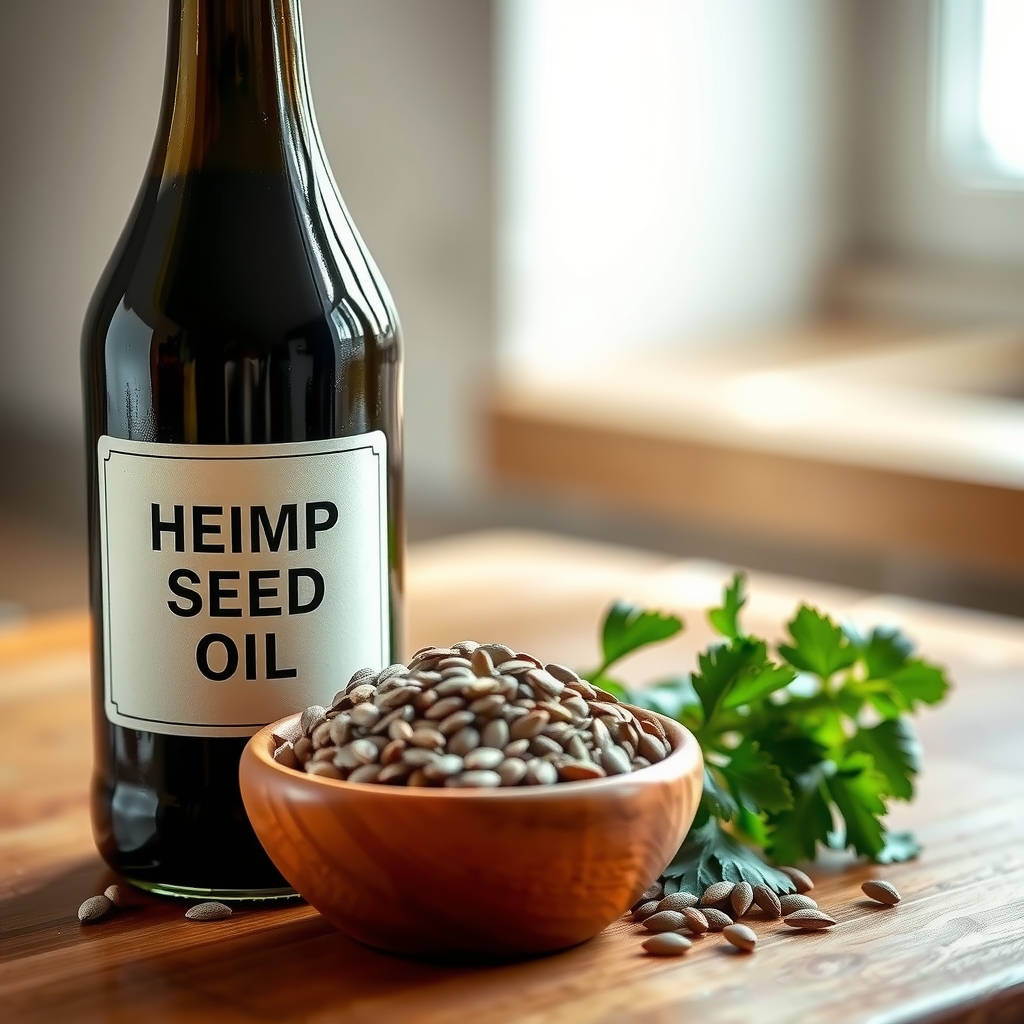
Hemp seed oil is a cold-pressed oil extracted from the seeds of the *Cannabis sativa* plant. It’s important to immediately clarify that this is not the same as CBD oil, nor does it contain significant amounts of THC (tetrahydrocannabinol), the psychoactive compound found in marijuana. Hemp seeds themselves contain only trace amounts of cannabinoids, typically less than 0.3% THC, and the oil derived from them has even less, usually undetectable levels.
This oil is celebrated for its nutritional profile. It's an excellent source of omega-3 and omega-6 essential fatty acids, typically in an optimal 3:1 ratio that's beneficial for human health. It also contains gamma-linolenic acid (GLA), another omega-6 fatty acid. Beyond these healthy fats, hemp seed oil provides a good dose of vitamin E, B vitamins, and minerals like magnesium, potassium, iron, and zinc. Its mild, nutty flavor makes it a popular addition to salads, smoothies, and other cold dishes. People often use it for skin health, heart health, and its anti-inflammatory properties, often considering it a superfood or a dietary supplement.
Is hemp seed oil safe to consume during pregnancy?
When asking "is hemp seed oil safe during pregnancy?", the most honest answer, according to leading health organizations like the American College of Obstetricians and Gynecologists (ACOG) and the UK's National Health Service (NHS), is that there isn't enough specific scientific research to give a definitive "yes." While hemp seed oil is generally recognized as safe (GRAS) by the FDA as a food ingredient for the general population, this designation does not specifically address its use during pregnancy.
The primary concern stems from the lack of dedicated studies. Pregnancy is a unique physiological state, and substances that are safe for non-pregnant adults might have different effects on a developing fetus. While the nutritional components of hemp seed oil—like omega-3s and omega-6s—are vital for fetal brain and eye development, these can be safely obtained from well-studied sources like fish oil or flaxseed oil, which have extensive research backing their safety during pregnancy. Without specific clinical trials on pregnant individuals, we simply don't have enough data to confirm the safety of hemp seed oil consumption.
Another significant consideration is the potential for contamination. Even though hemp seed oil contains negligible THC, some lower-quality products might have trace amounts due to processing. More importantly, hemp plants can absorb heavy metals and pesticides from the soil, which could then be present in the oil. Reputable brands conduct third-party testing to ensure purity, but the absence of strict regulatory oversight specifically for pregnant populations means caution is warranted. Most obstetricians and healthcare providers lean towards a conservative approach, recommending avoiding supplements or novel foods during pregnancy unless there's clear evidence of safety and a specific medical need.
Always choose high-quality, cold-pressed hemp seed oil from reputable brands that provide third-party testing results to minimize contaminant risks.
Hemp seed oil safety in the first, second, and third trimesters
The safety recommendations for hemp seed oil remain largely consistent across all trimesters of pregnancy due to the overarching lack of specific research. However, the reasons for caution can shift slightly.
First Trimester
The first trimester is a critical period for fetal development, often referred to as organogenesis, where all major organs and body systems are forming. During this delicate stage, the developing embryo is most vulnerable to external factors. Because there's no robust scientific data specifically examining the effects of hemp seed oil during this window, most healthcare providers advise against its use. The potential for even trace contaminants or unknown interactions, however small, is amplified during this crucial developmental phase. If you've been consuming hemp seed oil and just found out you're pregnant, don't panic. Take a breath and contact your doctor to discuss your specific situation. They can provide personalized advice and reassurance.
Second Trimester
While the risk of major birth defects generally decreases after the first trimester, the second trimester still involves significant fetal growth and development, including the maturation of organs and the nervous system. Again, the primary issue with hemp seed oil in the second trimester is the absence of dedicated safety studies. While the oil's omega fatty acids are beneficial for brain and eye development, these can be obtained from well-researched, pregnancy-safe sources. Introducing a supplement without clear safety data during this continued period of rapid development is generally not recommended by obstetricians. The focus remains on proven, evidence-based nutritional strategies.
Third Trimester
In the third trimester, the baby continues to grow rapidly and gain weight, and its lungs and brain fully mature. While some parents might consider hemp seed oil for its potential anti-inflammatory properties or to support skin elasticity, there's still no specific research to support these uses as safe or effective during late pregnancy. Concerns about potential contaminants or unknown effects on labor, delivery, or the developing fetal systems persist. It's always best to err on the side of caution and stick to supplements and dietary choices that have been thoroughly vetted for pregnancy safety.
Breastfeeding
Just as with pregnancy, there's a significant lack of research on the safety of hemp seed oil during breastfeeding. While the oil's beneficial fatty acids might theoretically transfer into breast milk, we don't know the extent of this transfer or its effects on a nursing infant. Furthermore, any potential contaminants (like heavy metals or pesticides) could also pass into breast milk, posing an unknown risk to your baby. For these reasons, most healthcare providers recommend avoiding hemp seed oil while breastfeeding. It's always best to consult with your lactation consultant or obstetrician if you are considering any supplements during this time.
What is the recommended dosage of hemp seed oil for pregnant women?
Given the lack of specific research on "is hemp seed oil safe during pregnancy," there is **no officially recommended dosage of hemp seed oil for pregnant women** from major health authorities like ACOG, NHS, or the FDA. This absence of guidance is a key reason why most healthcare providers advise caution or avoidance.
For the general adult population, typical dosages for hemp seed oil as a dietary supplement or food additive might range from 1-2 tablespoons per day, or as directed on specific product labels. However, these recommendations are not tailored for pregnant individuals, and the unique physiological changes during pregnancy mean that even standard adult doses might not be appropriate or safe. Without clinical trials to establish safe upper limits and potential interactions in pregnant people, any dosage would be purely speculative and potentially risky.
If you're considering using hemp seed oil, or any supplement, during pregnancy, your safest course of action is to discuss it thoroughly with your obstetrician or a registered dietitian who specializes in prenatal nutrition. They can assess your individual health needs, discuss potential risks, and recommend safer, evidence-based alternatives to ensure you and your baby receive all necessary nutrients without unnecessary risk.
Potential risks and side effects of hemp seed oil during pregnancy
While hemp seed oil is generally well-tolerated by the non-pregnant population, the potential risks during pregnancy are largely theoretical due to the lack of specific research. However, these theoretical risks are significant enough to warrant caution:
Lack of Safety Data: This is the primary risk. The absence of studies means we don't know how hemp seed oil might affect fetal development, pregnancy outcomes, or the pregnant person's health.
Contaminants: Hemp plants are known bioaccumulators, meaning they can absorb substances from the soil. If not sourced and processed carefully, hemp seed oil can contain heavy metals (like lead or mercury), pesticides, herbicides, or other environmental toxins. These contaminants pose a known risk to fetal development and could be harmful during pregnancy.
Trace THC Content: Although hemp seed oil contains negligible THC (typically below 0.3%), some products, especially those from less reputable sources, might contain slightly higher levels. The American College of Obstetricians and Gynecologists (ACOG) and the Centers for Disease Control and Prevention (CDC) strongly advise against any cannabis use, including THC, during pregnancy and breastfeeding due to potential adverse effects on fetal brain development and birth outcomes. While hemp seed oil is not a cannabis product in the psychoactive sense, this concern underscores the need for extreme purity.
Digestive Upset: Like any oil or high-fiber food, consuming large amounts of hemp seed oil can lead to mild digestive issues such as diarrhea, nausea, or stomach cramps, which are already common and uncomfortable during pregnancy.
Blood Thinning Properties: Hemp seed oil is rich in omega-3 fatty acids, which can have mild blood-thinning effects. While this is generally beneficial for heart health, it could theoretically be a concern for individuals on blood-thinning medications or those with bleeding disorders, particularly around the time of labor and delivery.
Allergic Reactions: Although rare, some individuals may have an allergic reaction to hemp products, which could manifest as skin rashes, hives, or digestive distress.
Given these potential, albeit unquantified, risks, and the availability of well-studied, safe alternatives for omega-3 and other nutrients, many healthcare providers advise pregnant individuals to avoid hemp seed oil unless specifically recommended and monitored by a doctor.
Safe alternatives to hemp seed oil for pregnancy support
If you're looking for the nutritional benefits often associated with hemp seed oil, such as omega fatty acids or general wellness support, there are several well-researched and generally safe alternatives specifically recommended during pregnancy. Always discuss any new supplements with your healthcare provider.
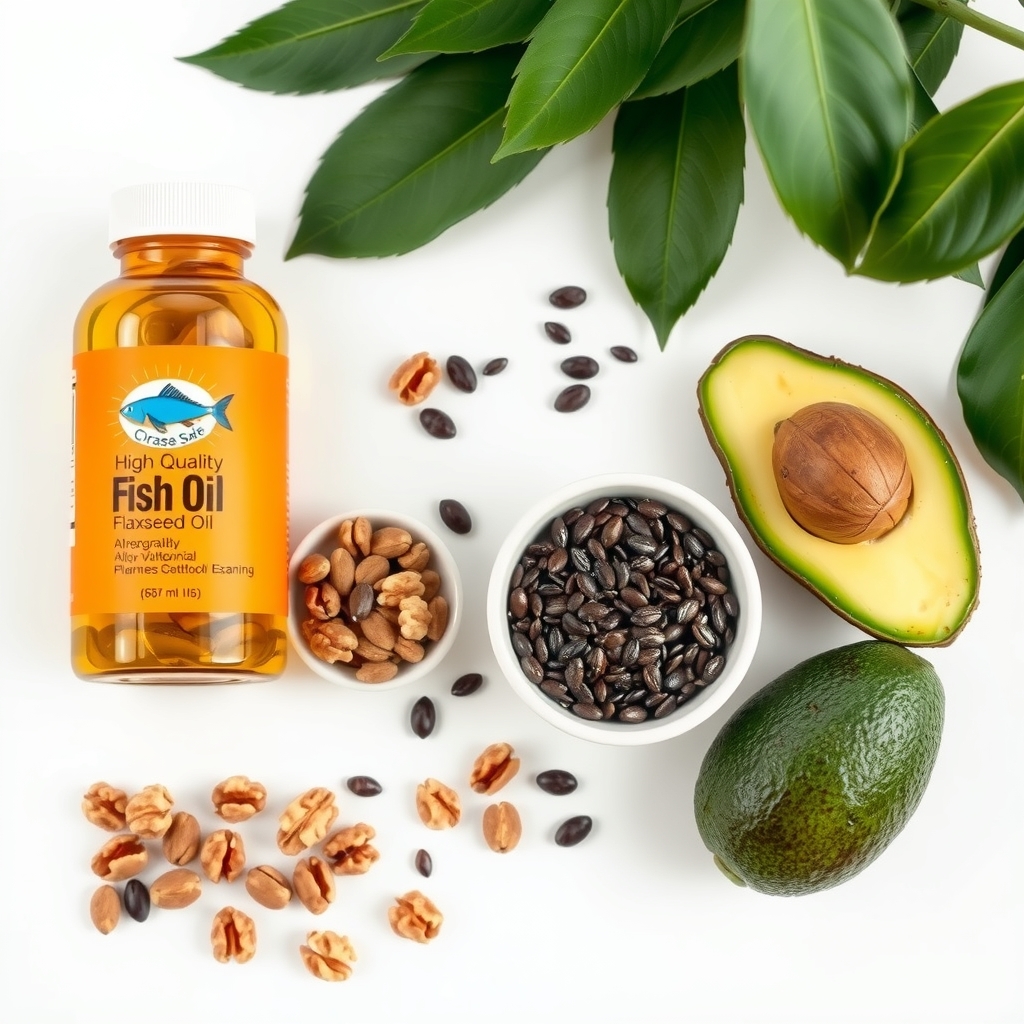
Fish oil (DHA/EPA supplements): A primary source of omega-3s (DHA and EPA), crucial for fetal brain and eye development. Look for reputable brands that are third-party tested for purity and free from heavy metals like mercury. ACOG recommends 200 mg of DHA daily during pregnancy.
Flaxseed oil: A plant-based source of alpha-linolenic acid (ALA), which the body converts into DHA and EPA. It's generally considered safe in moderate amounts during pregnancy and can be used in dressings or smoothies.
Chia seeds: Tiny powerhouses of ALA omega-3s, fiber, protein, and minerals. They can be easily added to yogurt, oatmeal, or smoothies.
Walnuts: Another excellent plant-based source of ALA omega-3s, along with antioxidants and protein. A handful makes a great pregnancy-safe snack.
Avocado oil: A healthy cooking oil rich in monounsaturated fats and vitamin E. It's a great alternative for culinary uses where you might have considered hemp seed oil.
Magnesium supplements (doctor-approved): If you're considering hemp seed oil for general wellness or mild discomforts, magnesium can be helpful for leg cramps, sleep, and constipation during pregnancy. Always consult your doctor before starting any magnesium supplement to ensure appropriate dosage and type.
Prenatal massage (with safe oils): For topical use, if you were considering hemp seed oil for skin benefits, prenatal massage with safe oils like coconut oil, almond oil, or jojoba oil can be wonderfully relaxing and beneficial for skin elasticity.
Coconut oil: A versatile and widely considered safe oil for both culinary and topical uses during pregnancy. It's great for cooking and a popular moisturizer for stretching skin.
Can pregnant women use topical hemp seed oil products?
The question "Can pregnant women use topical hemp seed oil products?" is slightly different from ingesting the oil, but similar caution is still advised due to the lack of specific safety data. When applied topically, substances can be absorbed through the skin into the bloodstream, though typically at lower concentrations than oral consumption.
For topical applications like lotions, balms, or massage oils containing hemp seed oil, the primary concerns remain:
Lack of Research: There are no studies specifically evaluating the absorption and effects of topically applied hemp seed oil on pregnant individuals or their fetuses.
Contaminants: Even in topical products, the risk of heavy metals, pesticides, or other impurities from poorly sourced hemp remains a concern, as these could potentially be absorbed through the skin.
Allergic Reactions: Skin sensitivity can increase during pregnancy, making allergic reactions to new products more likely.
Given these factors, most healthcare providers would recommend erring on the side of caution. If you are looking for moisturizing or soothing topical products, opt for those with well-established safety profiles during pregnancy, such as products containing shea butter, cocoa butter, coconut oil, or almond oil. If you have a specific skin concern, discuss it with your doctor or dermatologist, who can recommend pregnancy-safe treatments.
Consider well-researched alternatives like fish oil, flaxseed oil, or chia seeds to ensure you're getting essential omega-3s safely during pregnancy.
Hemp seed oil vs CBD oil: understanding the difference for pregnancy
It's crucial to understand the distinction between hemp seed oil and CBD oil, especially when considering "is hemp seed oil safe during pregnancy?". The terms are often confused, but they refer to very different products with different safety profiles and legal statuses.
Hemp Seed Oil:
Source: Extracted by cold-pressing the seeds of the *Cannabis sativa* plant.
Composition: Rich in omega-3 and omega-6 fatty acids, vitamin E, and minerals. Contains virtually no cannabinoids (THC or CBD).
Purpose: Primarily used as a nutritional supplement or culinary oil for its fatty acid profile.
Psychoactive Effects: None. It will not make you "high."
Pregnancy Safety: Lacks specific research; caution advised due to unknown effects and potential contaminants.
CBD Oil (Cannabidiol Oil):
Source: Extracted from the flowers, leaves, and stalks of the *Cannabis sativa* plant (hemp or marijuana varieties), not the seeds.
Composition: Contains significant amounts of cannabidiol (CBD), a non-psychoactive cannabinoid. May contain other cannabinoids, including trace amounts of THC (especially in "full-spectrum" products).
Purpose: Used for its purported therapeutic effects, such as pain relief, anxiety reduction, and sleep improvement.
Psychoactive Effects: Non-psychoactive, but can have noticeable effects on the body and mind.
Pregnancy Safety: **Strongly advised against by ACOG, FDA, and CDC.** There is a significant lack of research on CBD's effects during pregnancy and breastfeeding, and potential risks to fetal development are a major concern. The FDA has warned against its use.
In summary, while hemp seed oil is a nutritional oil, CBD oil is a compound derived from the plant with potential pharmacological effects. For pregnancy, both lack sufficient safety data, but CBD oil carries a much stronger warning against use from major health organizations due to its active cannabinoid content and unknown impact on the developing fetus.
What to look for in a high-quality hemp seed oil brand for pregnancy
If, after consulting your healthcare provider, you decide to proceed with using hemp seed oil (or for general use outside of pregnancy), choosing a high-quality brand is paramount. This is especially true given the concerns about contaminants and the general lack of specific regulations for supplements. Here’s what to look for:
Third-Party Testing: This is arguably the most critical factor. Reputable brands will send their products to independent laboratories to verify purity and potency. Look for a Certificate of Analysis (COA) that confirms the absence of heavy metals (lead, mercury, cadmium), pesticides, herbicides, and solvents, and verifies THC content is below 0.3% (or ideally, undetectable).
Organic Certification: Choosing organic hemp seed oil can reduce the likelihood of pesticide and herbicide residues, as organic farming practices prohibit their use.
Cold-Pressed and Unrefined: Cold-pressing ensures that the delicate fatty acids are not damaged by heat during extraction, preserving their nutritional value. Unrefined oils retain more of their natural nutrients and flavor.
Dark Glass Bottle: Hemp seed oil is sensitive to light and heat, which can cause its beneficial fatty acids to degrade. It should always be stored in a dark glass bottle to protect it.
Clear Labeling: The label should clearly state "hemp seed oil" and differentiate it from CBD oil. It should also list ingredients, serving size, and manufacturer information.
Reputable Manufacturer: Choose brands with a strong reputation for quality control and transparency. Look for companies that are transparent about their sourcing and manufacturing processes.
Storage Instructions: High-quality hemp seed oil should be refrigerated after opening to maintain freshness and prevent rancidity.
Even with these precautions, remember that the lack of specific pregnancy safety data for hemp seed oil means that even the highest quality product comes with an inherent unknown risk when used during gestation or lactation.
Side effects and risks
While hemp seed oil is generally considered safe for the general population, the potential side effects and risks during pregnancy are largely unstudied, making caution paramount. Here’s what to watch for, distinguishing between general side effects and more serious concerns:
General Side Effects (Non-Dangerous but May Cause Discomfort)
Digestive Upset: Some individuals, especially when starting or taking high doses, may experience mild diarrhea, nausea, or stomach cramps. These are common pregnancy complaints already, so adding something that exacerbates them is generally undesirable.
Allergic Reactions: Though rare, an allergic reaction to hemp products can occur, presenting as skin rashes, hives, itching, or digestive distress. If you notice any of these symptoms, discontinue use immediately.
Potential Risks (Call Your Provider Now)
Contamination Concerns: The most significant risk in pregnancy relates to potential contaminants. If you experience unusual symptoms like severe nausea, vomiting, dizziness, or any other severe reaction after consuming hemp seed oil, especially from a non-certified source, it could indicate exposure to heavy metals, pesticides, or other harmful substances. **Call your doctor immediately.**
Interaction with Medications: The omega-3 content in hemp seed oil can have mild blood-thinning effects. If you are on blood thinners or have a bleeding disorder, using hemp seed oil could theoretically increase your risk of bleeding. Discuss any concerns with your doctor.
Undetected THC: While high-quality hemp seed oil should contain negligible THC, if a product is mislabeled or of poor quality, it might contain higher levels. Any exposure to THC during pregnancy is strongly discouraged by health authorities due to potential risks to fetal development. If you experience any psychoactive effects (unlikely with true hemp seed oil) or other concerning symptoms, seek medical advice.
Given the lack of specific safety data for pregnant individuals, any concerning or unusual symptom after consuming hemp seed oil should prompt a call to your healthcare provider. It’s always better to be safe and seek professional medical advice.
Related items — safety at a glance
Understanding the safety of hemp seed oil often leads to questions about similar or related products. Here's a quick overview of how some common items compare regarding pregnancy safety:
Item
Verdict
Notes
CBD Oil
❌ Best avoided
Strongly advised against by ACOG, FDA, and CDC due to significant lack of safety data and potential risks to fetal development.
THC Products
❌ Best avoided
ACOG and CDC advise against all cannabis use (including THC) during pregnancy and breastfeeding due to known risks to fetal brain development and birth outcomes.
Flaxseed Oil
✅ Generally safe
A plant-based source of omega-3 (ALA); generally considered safe in moderate amounts. Opt for organic, cold-pressed.
Fish Oil (DHA/EPA)
✅ Generally safe
Highly recommended for fetal brain/eye development. Choose high-quality, third-party tested supplements free from mercury.
Evening Primrose Oil
⚠️ Talk to your doctor
Often used to ripen the cervix in late pregnancy, but strong evidence is lacking. Should only be used under direct medical supervision, if at all. Avoid in early pregnancy.
Borage Oil
❌ Best avoided
Contains pyrrolizidine alkaloids, which can be toxic to the liver and are potentially harmful during pregnancy.
Black Seed Oil
⚠️ Talk to your doctor
Insufficient scientific evidence on safety during pregnancy. Some traditional uses, but modern data is lacking.
MCT Oil
✅ Generally safe
Derived from coconut oil; generally considered safe as a dietary supplement or food, but discuss with your doctor if using in large amounts.
Hemp Seeds
✅ Generally safe
Whole or shelled hemp seeds are generally considered safe as a food item. They contain fiber, protein, and omega-3s, and negligible THC.
Myth vs. fact
Myth: Hemp seed oil is the same as CBD oil.
Fact: This is a common misconception. Hemp seed oil is extracted from the seeds of the *Cannabis sativa* plant and is rich in nutrients like omega fatty acids but contains virtually no CBD or THC. CBD oil, on the other hand, is extracted from the flowers, leaves, and stalks of the plant and contains significant amounts of cannabidiol (CBD). They are distinct products with different compositions and purposes.
Myth: Hemp seed oil can get you high.
Fact: No, hemp seed oil will not get you high. It contains only trace amounts of THC (tetrahydrocannabinol), the psychoactive compound responsible for the "high" associated with marijuana, typically less than 0.3%, and often undetectable. Its primary value is nutritional, not recreational.
Myth: Because hemp seed oil is natural, it must be safe during pregnancy.
Fact: The term "natural" doesn't equate to "safe," especially during pregnancy. Many natural substances, including certain herbs and essential oils, are not recommended during pregnancy due to a lack of safety research or known risks. Hemp seed oil falls into this category; while it's a natural product, the absence of dedicated studies on pregnant populations means its safety cannot be assumed.
Key takeaways
There is a lack of specific scientific research on the safety of hemp seed oil during pregnancy and breastfeeding.
Major health organizations, including ACOG and the NHS, do not endorse its use for pregnant or nursing individuals.
Hemp seed oil is distinct from CBD oil and THC products; it contains negligible amounts of cannabinoids.
Potential concerns include the risk of contaminants (heavy metals, pesticides) and the absence of established safe dosages for pregnancy.
For omega-3 fatty acids and other nutrients, well-researched and proven safe alternatives like fish oil, flaxseed oil, and chia seeds are available.
Always consult your healthcare provider before consuming hemp seed oil or any new supplement while pregnant or breastfeeding.
Frequently asked questions
Is hemp seed oil the same as CBD oil?
No, hemp seed oil is not the same as CBD oil. Hemp seed oil is pressed from the seeds of the hemp plant and is rich in nutritional fats, while CBD oil is extracted from the plant's flowers, leaves, and stalks and contains cannabidiol, a non-psychoactive cannabinoid.
Can I use hemp lotion while pregnant?
Using hemp lotion while pregnant is generally advised with caution due to the lack of specific safety studies on topical absorption during pregnancy. While absorption is typically low, potential contaminants or unknown effects mean it's best to consult your doctor or opt for pregnancy-safe alternatives like lotions with shea butter or coconut oil.
Does hemp seed oil contain THC?
True hemp seed oil contains negligible amounts of THC (tetrahydrocannabinol), typically less than 0.3%, and often undetectable. It is not psychoactive and will not cause a "high." However, always choose high-quality, third-party tested brands to ensure purity.
Is it safe to eat hemp seeds during pregnancy?
Whole or shelled hemp seeds are generally considered safe as a food item during pregnancy. They are a good source of fiber, protein, and omega-3s, with negligible THC. As with any food, consume in moderation and ensure they are from a reputable source.
Can hemp oil help with sleep during pregnancy?
There is no specific scientific evidence to suggest that hemp seed oil can help with sleep during pregnancy. While omega-3s are important for overall health, and some people find hemp seed oil relaxing, its effectiveness for pregnancy-related insomnia is not studied. Consult your doctor for safe sleep strategies.
Are omega-3 supplements safe during pregnancy?
Yes, omega-3 supplements, particularly those containing DHA and EPA from fish oil, are generally considered safe and highly recommended during pregnancy. They are crucial for fetal brain and eye development. Always choose high-quality, third-party tested supplements and discuss dosage with your doctor.
What oils should pregnant women avoid?
Pregnant women should generally avoid essential oils unless cleared by a doctor, especially in the first trimester. Specific carrier oils like borage oil (due to pyrrolizidine alkaloids) and evening primrose oil (unless medically supervised in late pregnancy) should also be avoided due to safety concerns or lack of research.
What are the benefits of hemp seed oil?
Hemp seed oil is celebrated for its rich nutritional profile, including an optimal balance of omega-3 and omega-6 essential fatty acids, vitamin E, and minerals. It's often used to support heart health, skin health, and its potential anti-inflammatory properties, but these benefits are not specifically studied or proven safe for pregnancy.
When to call your doctor
Given the lack of definitive safety data on hemp seed oil during pregnancy, it's always best to consult your healthcare provider before starting any new supplement or dietary change. You should call your doctor immediately if you experience any of the following after consuming or using hemp seed oil:
Severe nausea, vomiting, or diarrhea.
Any signs of an allergic reaction, such as hives, rash, swelling, or difficulty breathing.
Unusual bleeding or bruising, especially if you are on blood-thinning medication.
Any symptoms you suspect are unusual or concerning for your pregnancy.
If you have consumed hemp seed oil from a non-reputable source and are concerned about potential contaminants.
This information is for educational purposes only and is not a substitute for professional medical advice, diagnosis, or treatment. Always seek the advice of your physician or other qualified health provider with any questions you may have regarding a medical condition.
References
American College of Obstetricians and Gynecologists (ACOG). Official Website.
Not sure about the label on Is Hemp Seed Oil Safe During Pregnancy products?
Snap the ingredients list and SafeFilter checks every ingredient for your stage — only 3 free scans this month, then you're locked until reset. Unlimited from $7/mo or lock $50/yr through Aug 31 (16 days left).
When Shubhra Mishra was expecting her first child in 2016, she was overwhelmed by conflicting food advice — one site said yes, another said never. By the time her second baby arrived in 2019, she realized millions of mothers face the same confusion.
That sparked a five-year journey through clinical nutrition papers, cultural diets, and expert conversations — all leading to BumpBites: a calm, compassionate space where science meets everyday motherhood.
Her long-term vision is to build a global community ensuring safe, supported, and free deliveriesfor every mother — because no woman should face pregnancy alone or uninformed. 🌿
🌍 Stand with mothers, shape safer guidance
Join a small circle of experts who review BumpBites articles so expecting parents everywhere can decide with confidence.