

Quick verdict: ⚠️ Health Ade Kombucha is safe in small amounts if it’s pasteurized and contains less than 0.5% alcohol, but most obstetricians recommend limiting intake due to variability in alcohol and probiotic content. If you’re craving the tangy fizz, stick to 4 oz (½ cup) once or twice a week and choose a low-alcohol, pasteurized variety.
You’re standing in the fridge aisle at 11 pm, the fluorescent lights buzzing overhead, a bottle of Health Ade Kombucha in your hand. The label promises gut health and glowing skin—but now that you’re pregnant, every sip feels like a gamble. Did you already drink one this week? Is the alcohol content high enough to worry about? And why does every mom group say something different?
Here’s the truth: is Health Ade Kombucha safe during pregnancy? The answer isn’t a simple yes or no. Kombucha’s safety depends on how it’s made, how much you drink, and which trimester you’re in. Most commercial brands—including Health Ade—are pasteurized and contain trace amounts of alcohol, but the probiotics and acidity can still cause discomfort or raise questions for anxious moms-to-be. In this guide, we’ll break down the risks, safe amounts, trimester-by-trimester guidance, and safer alternatives so you can make an informed choice without the middle-of-the-night panic.
| Trimester | Verdict | Notes |
|---|---|---|
| First trimester | ⚠️ Limit to 4 oz (½ cup) once a week | Organ development is most sensitive. Avoid unpasteurized or high-alcohol batches. If you’ve already had some, don’t stress—just pause until you check with your provider. |
| Second trimester | ⚠️ Up to 4 oz (½ cup) 1-2 times a week | Your baby is growing rapidly, but small amounts of pasteurized kombucha are unlikely to pose a risk. Stick to low-alcohol options. |
| Third trimester | ⚠️ Up to 4 oz (½ cup) 1-2 times a week | Heartburn and reflux are common—kombucha’s acidity may worsen symptoms. If you’re at risk for gestational diabetes, monitor sugar content. |
| Breastfeeding | ✅ Generally safe in moderation | Alcohol content is minimal, but probiotics may affect your baby’s digestion. Start with small amounts and watch for fussiness or gas. |
What is Health Ade Kombucha?
Health Ade Kombucha is a popular fermented tea made by steeping sweetened black or green tea with a symbiotic culture of bacteria and yeast (SCOBY). The fermentation process produces probiotics, organic acids, B vitamins, and a tiny amount of alcohol—usually less than 0.5%, which classifies it as a non-alcoholic beverage in the U.S. Health Ade’s flavors range from classic Ginger-Lemon to fruity Pink Lady Apple, and the brand markets itself as a gut-friendly, probiotic-rich alternative to soda.
Here’s what’s inside a typical bottle of Health Ade Kombucha:
- Tea base: Black or green tea, which contains caffeine (about 10-25 mg per 8 oz—less than a cup of coffee).
- Probiotics: Live cultures like Lactobacillus and Saccharomyces, which support gut health but can also cause bloating or gas in sensitive individuals.
- Organic acids: Acetic, gluconic, and lactic acids, which give kombucha its signature tangy taste but may irritate heartburn or reflux.
- Sugar: About 8-10 grams per 8 oz (Health Ade’s Pink Lady Apple has 14g per 16 oz bottle). Fermentation consumes some sugar, but residual amounts remain.
- Alcohol: Less than 0.5% ABV (alcohol by volume), which is considered non-intoxicating. For comparison, most fruit juices naturally contain up to 0.1% alcohol.
Health Ade is pasteurized, which kills harmful bacteria but also reduces some probiotic benefits. This makes it safer for pregnant women than raw, home-brewed kombucha, which can harbor contaminants like mold or E. coli.
Is Health Ade Kombucha safe during pregnancy?
Here’s what the evidence—and the experts—say about the key concerns:
- Alcohol content: Health Ade Kombucha contains less than 0.5% alcohol, which is considered negligible. The CDC states that "non-alcoholic" beverages with up to 0.5% ABV are safe during pregnancy because the amount of alcohol is too small to cause harm. For context, a 12 oz bottle of Health Ade has about 0.06 oz of pure alcohol—less than a ripe banana. However, some moms prefer to avoid any alcohol, even in trace amounts, which is a personal choice.
- Caffeine: An 8 oz serving of Health Ade contains about 10-25 mg of caffeine (varies by flavor). ACOG recommends limiting caffeine to 200 mg per day during pregnancy, so kombucha’s contribution is minimal. However, if you’re also drinking coffee, tea, or soda, it’s worth tracking your total intake.
- Probiotics: The live cultures in kombucha are generally safe, but they can cause gas, bloating, or digestive upset—especially if you’re not used to fermented foods. The NHS (UK) notes that probiotics are unlikely to harm pregnant women, but there’s limited research on their effects during pregnancy.
- Sugar: Health Ade’s flavors range from 8-14 grams of sugar per 8 oz. While this isn’t excessive, frequent consumption could contribute to excessive weight gain or gestational diabetes. The American Diabetes Association recommends monitoring added sugars during pregnancy.
- Acidity: Kombucha’s pH is around 2.5-3.5, similar to vinegar. For women with heartburn or acid reflux—common in the second and third trimesters—this could trigger discomfort.
The bottom line? If you’re craving Health Ade Kombucha, a small amount (4 oz) once or twice a week is unlikely to pose a risk, especially if you choose a low-sugar, low-alcohol flavor. But if you’re unsure or have a high-risk pregnancy, check with your provider first.
Is Health Ade Kombucha safe to drink during the first trimester?
The first trimester is the most critical window for your baby’s development, and it’s also when many moms experience heightened nausea, fatigue, and food aversions. So, is Health Ade Kombucha safe during the first trimester? The verdict: limit to 4 oz (½ cup) once a week, and only if it’s pasteurized and low in alcohol.
Here’s why:
- Organogenesis: During weeks 4-12, your baby’s organs, brain, and spinal cord are forming. While there’s no evidence that kombucha harms fetal development, the first trimester is a time to minimize exposure to unnecessary substances—including caffeine, alcohol (even in trace amounts), and excess sugar.
- Nausea and digestion: Kombucha’s tangy, acidic taste can trigger or worsen morning sickness for some women. If you’re already struggling with nausea, the carbonation and acidity might make it worse.
- Probiotic overload: If you’re not used to fermented foods, introducing probiotics during the first trimester could cause gas, bloating, or diarrhea—adding to your discomfort.
If you’ve already had a bottle or two before realizing you were pregnant, don’t panic. The amount of alcohol and caffeine in Health Ade is minimal, and there’s no evidence that occasional kombucha consumption causes miscarriage or birth defects. However, if you’re experiencing severe nausea or have a history of pregnancy complications, it’s best to pause until you check with your provider.
How much Health Ade Kombucha can I have safely while pregnant?
So, how much Health Ade Kombucha is safe during pregnancy? Most obstetricians recommend no more than 4 oz (½ cup) once or twice a week, and only if it’s pasteurized and low in alcohol. Here’s a breakdown of safe amounts by trimester:
| Trimester | Safe Amount | Notes |
|---|---|---|
| First trimester | 4 oz (½ cup) once a week | Avoid if you’re experiencing nausea or have a history of miscarriage. Stick to low-sugar, low-alcohol flavors. |
| Second trimester | 4 oz (½ cup) 1-2 times a week | Monitor for heartburn or reflux. If you’re at risk for gestational diabetes, choose low-sugar options. |
| Third trimester | 4 oz (½ cup) 1-2 times a week | Acidity may worsen heartburn. If you’re swelling or retaining water, kombucha’s sodium content (about 10 mg per 8 oz) could contribute. |
If you’re drinking kombucha for its probiotic benefits, consider that 4 oz provides about 1-2 billion CFU (colony-forming units) of probiotics—far less than a typical probiotic supplement (which delivers 10-50 billion CFU). For comparison, a cup of plain yogurt contains about 3-5 billion CFU. If gut health is your goal, you might get more benefit from pregnancy-safe probiotic foods like yogurt or kefir.
When choosing a flavor, opt for lower-sugar options like Health Ade’s Ginger-Lemon or Cayenne Cleanse, which have about 8 grams of sugar per 8 oz. Avoid flavors like Pink Lady Apple or Bubbly Rose, which can have up to 14 grams of sugar per 16 oz bottle.
Are there any risks of drinking Health Ade Kombucha during pregnancy?
While Health Ade Kombucha is generally safe in small amounts, there are a few risks to be aware of—especially if you drink it frequently or have certain pregnancy conditions. Here’s what to watch for:
- Alcohol exposure: Though Health Ade contains less than 0.5% alcohol, some moms prefer to avoid any alcohol during pregnancy. While the amount is negligible, there’s no "safe" threshold for alcohol during pregnancy, according to the CDC.
- Caffeine sensitivity: If you’re sensitive to caffeine or already consuming coffee, tea, or soda, kombucha’s caffeine content (10-25 mg per 8 oz) could push you over the recommended 200 mg daily limit.
- Sugar and gestational diabetes: Health Ade’s sugar content ranges from 8-14 grams per 8 oz. If you’re at risk for gestational diabetes, frequent consumption could contribute to excessive weight gain or blood sugar spikes.
- Heartburn and reflux: Kombucha’s acidity (pH 2.5-3.5) can trigger or worsen heartburn, which is already common in the second and third trimesters.
- Probiotic side effects: If you’re not used to fermented foods, probiotics can cause gas, bloating, or diarrhea. In rare cases, they may also lead to infections in people with weakened immune systems (though this is unlikely in healthy pregnancies).
- Contamination risk: While Health Ade is pasteurized, home-brewed or unpasteurized kombucha can harbor harmful bacteria like E. coli or mold. Always choose commercial, pasteurized brands during pregnancy.
If you experience any of the following after drinking Health Ade Kombucha, pause and check with your provider:
- Severe nausea or vomiting
- Persistent heartburn or reflux
- Blood sugar spikes (if you’re monitoring for gestational diabetes)
- Unusual bloating, gas, or diarrhea
- Allergic reactions (rash, itching, or swelling)
Does Health Ade Kombucha contain alcohol that could affect pregnancy?
Yes, Health Ade Kombucha contains a trace amount of alcohol—less than 0.5% ABV, which is the legal limit for a beverage to be labeled "non-alcoholic" in the U.S. For comparison, most fruit juices naturally contain up to 0.1% alcohol due to fermentation, and a ripe banana can contain up to 0.4% alcohol.
Here’s what that means for pregnancy:
- Amount per serving: A 16 oz bottle of Health Ade Kombucha contains about 0.08 oz of pure alcohol—roughly the same as a sip of beer. To put it in perspective, you’d need to drink about 20 bottles in one sitting to reach the alcohol content of a single 12 oz beer.
- Expert guidance: The CDC, ACOG, and NHS all state that non-alcoholic beverages with up to 0.5% ABV are safe during pregnancy because the alcohol content is too low to cause harm. However, some moms prefer to avoid any alcohol, even in trace amounts, which is a personal choice.
- Fetal alcohol spectrum disorders (FASDs): There’s no evidence that trace amounts of alcohol in kombucha cause FASDs, which are linked to heavy or frequent alcohol consumption during pregnancy. The risk from kombucha is considered negligible.
If you’re still concerned, look for kombucha brands labeled "alcohol-free" or "0.0% ABV," though these are rare. Alternatively, opt for pasteurized, low-alcohol brands like Health Ade and limit your intake to 4 oz once or twice a week.
Can Health Ade Kombucha cause pregnancy complications like gestational diabetes?
Health Ade Kombucha is unlikely to cause gestational diabetes on its own, but its sugar content could contribute to the condition if you drink it frequently. Here’s what you need to know:
- Sugar content: Health Ade Kombucha contains about 8-14 grams of sugar per 8 oz, depending on the flavor. The American Diabetes Association recommends limiting added sugars to 25 grams per day during pregnancy, so a single 16 oz bottle could account for more than half of that limit.
- Gestational diabetes risk: While kombucha alone won’t cause gestational diabetes, frequent consumption—especially of high-sugar flavors—could contribute to excessive weight gain or blood sugar spikes, which are risk factors for the condition.
- Probiotics and blood sugar: Some studies suggest that probiotics may help regulate blood sugar, but the evidence is mixed. If you’re at risk for gestational diabetes, it’s best to focus on a balanced diet and regular exercise rather than relying on kombucha for blood sugar control.
If you’re concerned about gestational diabetes, opt for low-sugar kombucha flavors like Health Ade’s Ginger-Lemon or Cayenne Cleanse, and limit your intake to 4 oz once or twice a week. If you’re already monitoring your blood sugar, check your levels after drinking kombucha to see how your body responds.
Is the Health Ade Kombucha brand different from other kombucha brands for pregnancy safety?
Yes, Health Ade Kombucha is one of the safer commercial kombucha brands for pregnancy because it’s pasteurized, consistently low in alcohol (less than 0.5% ABV), and widely available. However, it’s not the only option—here’s how it compares to other popular brands:
| Brand | Pasteurized? | Alcohol Content | Sugar per 8 oz | Pregnancy Safety Verdict |
|---|---|---|---|---|
| Health Ade | Yes | <0.5% ABV | 8-14g | ✅ Generally safe in small amounts (4 oz 1-2x/week) |
| GT’s Kombucha | No (raw) | <0.5% ABV | 4-8g | ⚠️ Avoid unpasteurized; opt for GT’s Synergy (pasteurized) if available |
| Kevita | Yes | 0.0% ABV | 4-8g | ✅ Safe; alcohol-free and pasteurized |
| Brew Dr. Kombucha | No (raw) | <0.5% ABV | 6-10g | ⚠️ Avoid unpasteurized; choose pasteurized options if available |
| Humm Kombucha | Yes | 0.0% ABV | 4-6g | ✅ Safe; alcohol-free and pasteurized |
Key differences to consider:
- Pasteurization: Health Ade, Kevita, and Humm are pasteurized, which kills harmful bacteria and makes them safer for pregnancy. GT’s and Brew Dr. are typically raw (unpasteurized), which carries a small risk of contamination.
- Alcohol content: Health Ade, GT’s, and Brew Dr. contain less than 0.5% alcohol, while Kevita and Humm are alcohol-free (0.0% ABV). If you’re avoiding alcohol entirely, opt for the latter two.
- Sugar content: Health Ade tends to be higher in sugar than brands like Kevita or Humm, which could be a concern if you’re monitoring your intake for gestational diabetes.
- Probiotic strains: Raw kombucha (like GT’s) may contain more diverse probiotic strains, but pasteurized options like Health Ade still provide some gut health benefits.
If you’re choosing a kombucha during pregnancy, prioritize pasteurized, low-alcohol, and low-sugar options. Health Ade fits this profile, but Kevita and Humm are also excellent choices if you prefer alcohol-free beverages.
What are safer kombucha alternatives for pregnant women?
If you’re craving the tangy fizz of Health Ade Kombucha but want to play it extra safe during pregnancy, here are eight alternatives that deliver similar benefits without the alcohol, caffeine, or probiotic concerns:
- GT’s Synergy (Pasteurized): GT’s offers a pasteurized line called Synergy, which retains some probiotics while eliminating contamination risks. Choose low-sugar flavors like Gingerade or Trilogy.
- Kombucha Zero Alcohol (by Remedy or Humm): These brands ferment kombucha to 0.0% ABV, making them a worry-free choice. Remedy’s flavors are also low in sugar (about 4g per 8 oz).
- Plain kefir (pasteurized): Kefir is a fermented milk drink packed with probiotics and calcium. Opt for plain, unsweetened varieties to avoid added sugars. Lifeway is a widely available, pasteurized brand.
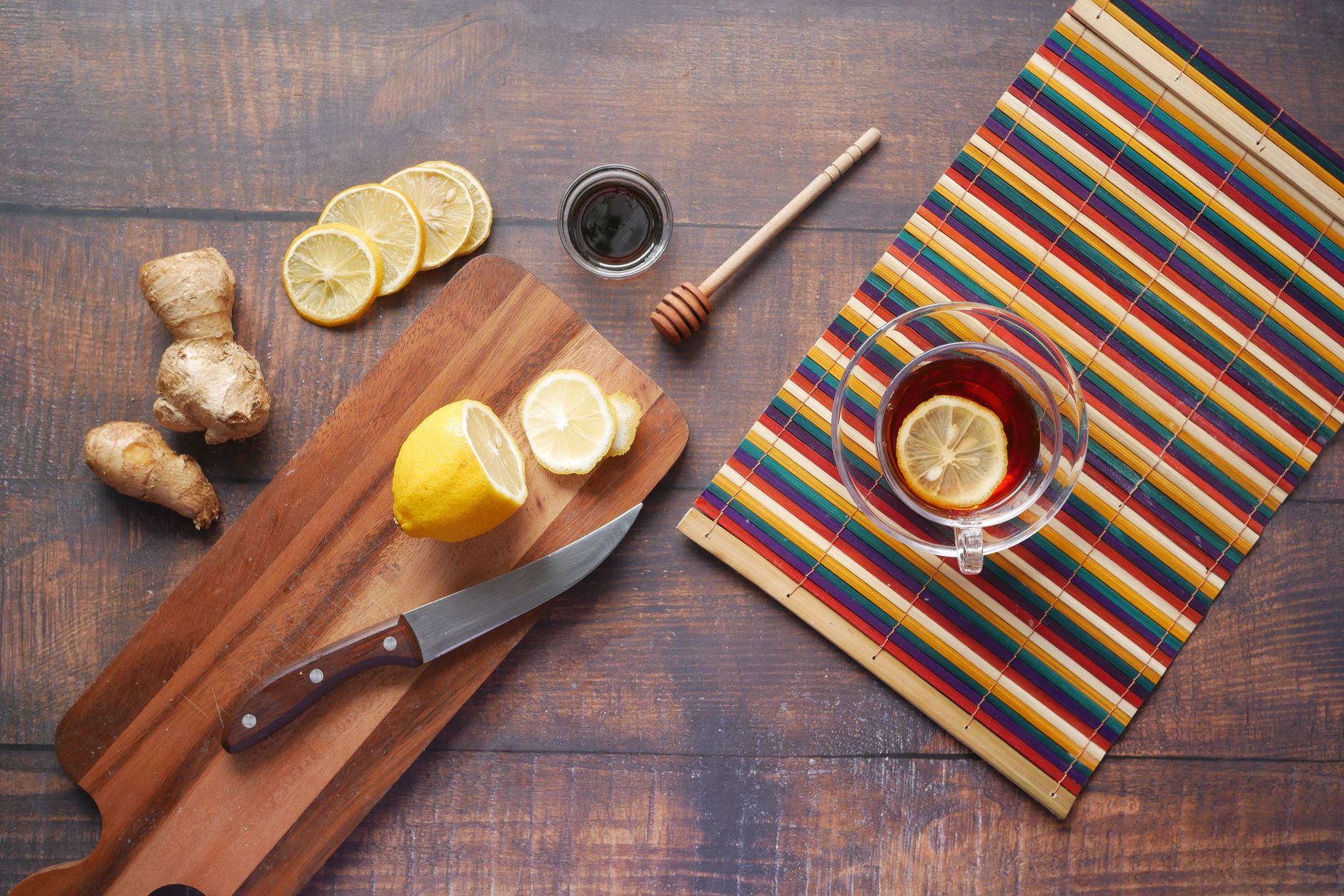
- Pregnancy-safe ginger tea: Ginger is a natural remedy for nausea and digestion. Steep fresh ginger in hot water and add a splash of lemon and honey for a soothing, caffeine-free drink.
- Coconut water: Naturally sweet and hydrating, coconut water is rich in electrolytes and low in sugar (about 6g per 8 oz). Choose unsweetened varieties like Harmless Harvest or Vita Coco.
- Apple cider vinegar drink (diluted): Mix 1 tbsp of raw, unfiltered apple cider vinegar (like Bragg) with 8 oz of water and a teaspoon of honey. This mimics kombucha’s tangy taste and supports digestion.
- Sparkling water with natural fruit essence: Brands like Spindrift or LaCroix offer flavored sparkling water with no sugar, caffeine, or alcohol. Add a squeeze of lemon or lime for extra zing.
- Lactobacillus probiotic yogurt: Yogurt with live cultures (like Siggi’s or Activia) provides probiotics without the acidity or alcohol of kombucha. Choose plain or low-sugar varieties to avoid excess sugar.
If you’re missing the probiotic boost of kombucha, consider a pregnancy-safe probiotic supplement. Look for strains like Lactobacillus rhamnosus or Bifidobacterium lactis, which are well-studied and generally safe during pregnancy. Always check with your provider before starting any new supplement.
Related items: Kombucha safety at a glance
Wondering how Health Ade Kombucha compares to other popular brands? Here’s a quick safety snapshot for pregnancy:
| Brand | Verdict | Notes |
|---|---|---|
| Health Ade Kombucha | ⚠️ Safe in small amounts | Pasteurized, <0.5% alcohol. Limit to 4 oz 1-2x/week. |
| GT’s Kombucha | ⚠️ Avoid unpasteurized | Raw (unpasteurized), <0.5% alcohol. Opt for GT’s Synergy (pasteurized) if available. |
| Kombucha Wonder Drink | ⚠️ Safe in small amounts | Pasteurized, <0.5% alcohol. Lower sugar than Health Ade (6g per 8 oz). |
| Brew Dr. Kombucha | ⚠️ Avoid unpasteurized | Raw (unpasteurized), <0.5% alcohol. Choose pasteurized options if available. |
| Kevita Kombucha | ✅ Generally safe | Pasteurized, 0.0% alcohol. Low sugar (4-8g per 8 oz). |
| Suja Kombucha | ⚠️ Safe in small amounts | Pasteurized, <0.5% alcohol. Higher sugar than Kevita (10g per 8 oz). |
| Humm Kombucha | ✅ Generally safe | Pasteurized, 0.0% alcohol. Very low sugar (4-6g per 8 oz). |
| Kombucha Co. | ⚠️ Avoid unpasteurized | Raw (unpasteurized), <0.5% alcohol. No pasteurized options available. |
Myth vs. fact: Kombucha and pregnancy
Kombucha is surrounded by myths—especially when it comes to pregnancy. Let’s separate fact from fiction:
Myth: Kombucha is 100% safe during pregnancy because it’s "natural."
Fact: While kombucha is made from natural ingredients, its alcohol, caffeine, and probiotic content mean it’s not risk-free. Pasteurized, low-alcohol brands like Health Ade are safer than raw kombucha, but moderation is still key.
Myth: Drinking kombucha during pregnancy will cause miscarriage.
Fact: There’s no evidence that kombucha causes miscarriage. The trace amounts of alcohol and caffeine in commercial kombucha are too low to pose a risk. However, raw or home-brewed kombucha could harbor harmful bacteria, which is why pasteurized options are recommended.
Myth: All kombucha brands are the same for pregnancy safety.
Fact: Brands vary widely in alcohol content, pasteurization, and sugar levels. Health Ade, Kevita, and Humm are among the safest because they’re pasteurized and low in alcohol. Always check the label for alcohol content and choose pasteurized options.
Key takeaways
- Health Ade Kombucha is generally safe in small amounts during pregnancy if it’s pasteurized and contains less than 0.5% alcohol. Stick to 4 oz (½ cup) once or twice a week.
- Limit intake in the first trimester due to organ development and nausea risks. If you’ve already had some, don’t stress—just pause until you check with your provider.
- Watch for sugar and caffeine. Health Ade’s sugar content ranges from 8-14g per 8 oz, and it contains about 10-25 mg of caffeine. Monitor your total intake to stay within recommended limits.
- Choose pasteurized, low-alcohol brands like Health Ade, Kevita, or Humm. Avoid raw or home-brewed kombucha due to contamination risks.
- Safer alternatives include pasteurized kefir, ginger tea, coconut water, and sparkling water with natural fruit essence. These provide hydration and probiotics without the alcohol or acidity.
- Call your doctor if you experience severe nausea, heartburn, blood sugar spikes, or unusual digestive symptoms after drinking kombucha.
Frequently asked questions
Can pregnant women drink kombucha?
Yes, pregnant women can drink kombucha in small amounts if it’s pasteurized and low in alcohol. Most obstetricians recommend limiting intake to 4 oz once or twice a week. Avoid raw or home-brewed kombucha due to contamination risks. If you’re unsure, check with your provider before drinking.
Is kombucha safe during pregnancy?
Kombucha is generally safe during pregnancy if it’s pasteurized and contains less than 0.5% alcohol. The CDC and ACOG consider trace amounts of alcohol in non-alcoholic beverages safe, but some moms prefer to avoid it entirely. Stick to small amounts and choose low-sugar, low-alcohol brands like Health Ade or Kevita.
How much kombucha is safe to drink while pregnant?
Most obstetricians recommend no more than 4 oz (½ cup) of kombucha once or twice a week during pregnancy. This amount minimizes exposure to alcohol, caffeine, and sugar while still allowing you to enjoy the taste. Avoid drinking kombucha daily, especially if you’re at risk for gestational diabetes.
Does kombucha contain alcohol?
Yes, most commercial kombucha contains less than 0.5% alcohol, which is considered non-alcoholic. Health Ade Kombucha, for example, has about 0.06 oz of pure alcohol per 12 oz bottle—less than a ripe banana. If you’re avoiding alcohol entirely, look for brands labeled "0.0% ABV" like Kevita or Humm.
What are the benefits of kombucha for pregnant women?
Kombucha may offer mild probiotic benefits, hydration, and a tangy alternative to sugary sodas. The probiotics in kombucha can support gut health, which may help with digestion and immunity. However, the benefits are modest compared to pregnancy-safe probiotic foods like yogurt or kefir. If you’re drinking kombucha for gut health, consider a probiotic supplement instead.
Can kombucha cause miscarriage?
There’s no evidence that kombucha causes miscarriage. The trace amounts of alcohol and caffeine in commercial kombucha are too low to pose a risk. However, raw or home-brewed kombucha could harbor harmful bacteria, which is why pasteurized options are recommended during pregnancy.
Are there any side effects of kombucha during pregnancy?
Kombucha can cause gas, bloating, heartburn, or digestive upset during pregnancy. Its acidity may worsen reflux or nausea, especially in the first trimester. If you’re at risk for gestational diabetes, monitor your blood sugar after drinking kombucha due to its sugar content. Always choose pasteurized, low-alcohol options to minimize risks.
Is it okay to drink flavored kombucha while pregnant?
Yes, flavored kombucha is safe during pregnancy if it’s pasteurized and low in alcohol. However, some flavors are higher in sugar than others. Health Ade’s Pink Lady Apple, for example, has 14g of sugar per 16 oz, while Ginger-Lemon has 8g per 8 oz. Opt for lower-sugar flavors and limit your intake to 4 oz once or twice a week.
When to call your doctor
While Health Ade Kombucha is generally safe in small amounts, there are a few scenarios where you should check with your provider:
- You’ve consumed raw or home-brewed kombucha and are experiencing nausea, vomiting, or diarrhea.
- You’re at risk for gestational diabetes and notice blood sugar spikes after drinking kombucha.
- You experience severe heartburn, reflux, or digestive discomfort after drinking kombucha.
- You’re unsure about the alcohol or sugar content of a specific kombucha brand.
- You have a history of pregnancy complications or a weakened immune system.
Remember: This article is for informational purposes only and is not a substitute for professional medical advice. Always consult your healthcare provider before making decisions about food, beverages, or supplements during pregnancy.

