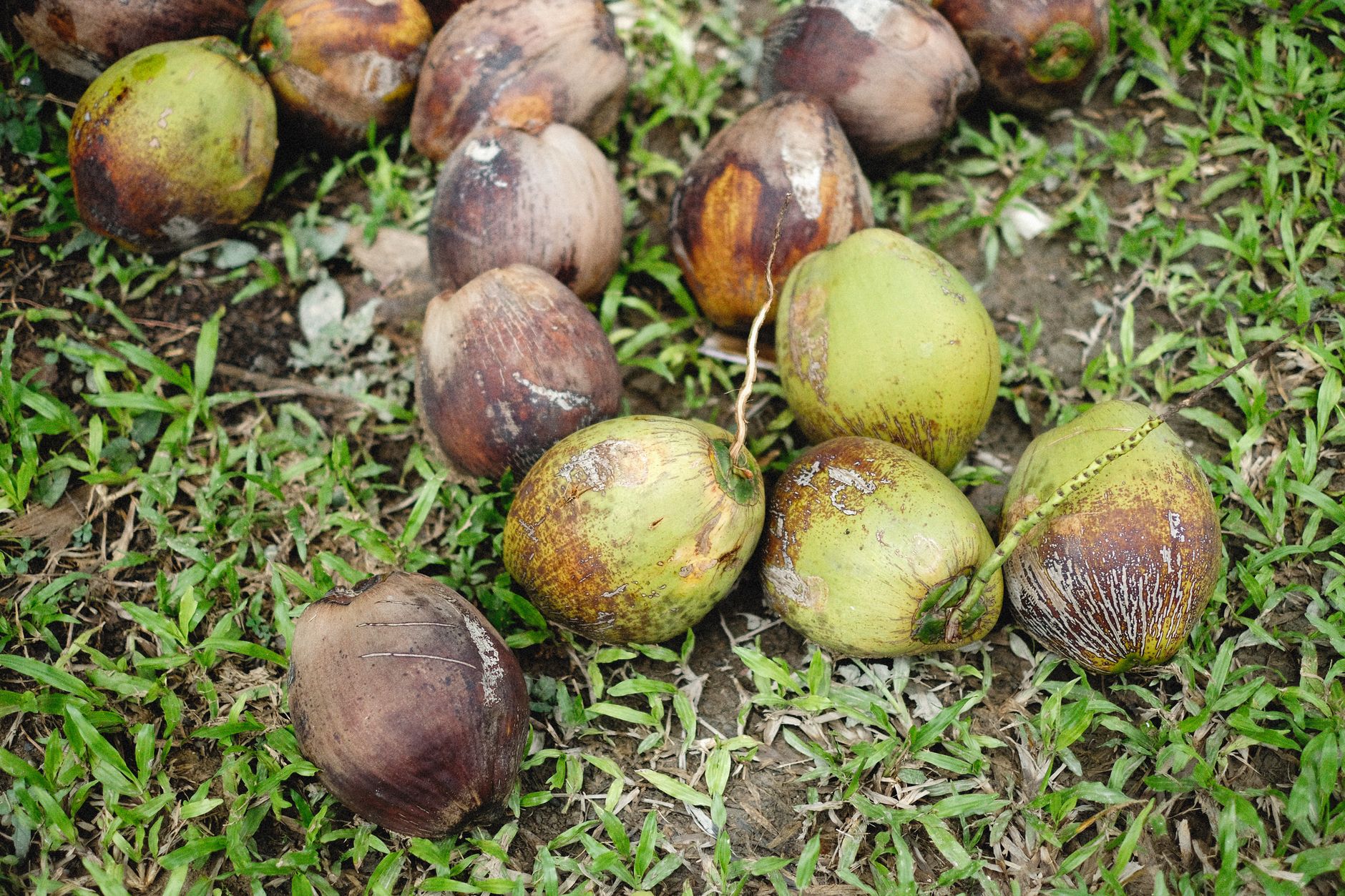
Safe in moderation. Harmless Harvest coconut water is pasteurized and free of additives, but limit to 1 cup daily during pregnancy to avoid excess sugar intake.
By Shubhra Mishra — a mom of two who turned her own confusion during pregnancy into BumpBites, a global mission to make food choices clear, safe, and stress-free for every expecting mother. 💛
Check whether any food is safe during pregnancy with the BumpBites Food Safety Checker.
Quick verdict: ⚠️ Safe with limits – Harmless Harvest coconut water is generally fine for most pregnant people, but keep intake to about one cup (240 ml) a day because of its natural sugar content.
It’s 2 a.m., the kitchen light flickers on, and you’re staring at a chilled bottle of Harmless Harvest coconut water, wondering if that refreshing sip could affect your baby. You’re not alone—many expecting parents search “is harmless harvest safe during pregnancy” after a sudden craving or a quick grab from the fridge, or perhaps you're worried about the "raw" aspect of the drink.
Good news: coconut water, including Harmless Harvest, is considered a safe beverage for most pregnant people when consumed in moderation. However, the sugar naturally present in the drink, as well as specific health conditions like gestational diabetes or hypertension, can change the equation. The key, as with many things during pregnancy, is understanding the nuances and listening to your body.
In this article we’ll break down the science, walk through trimester‑specific guidance, explain how much is reasonable, compare Harmless Harvest to other popular brands, and suggest gentler hydration options. By the end you’ll have a clear answer to “is harmless harvest safe during pregnancy,” plus practical steps to keep you and your baby hydrated and healthy, without unnecessary worry.
Trimester / Stage
Verdict
Notes
First trimester
⚠️ Safe with limits
One 240 ml serving per day is fine; avoid excess sugar to protect early organ development and manage nausea.
Second trimester
⚠️ Safe with limits
Same limit; monitor blood‑glucose if you have gestational diabetes. Good for electrolyte replenishment.
Third trimester
⚠️ Safe with limits
Hydration is crucial; keep to 1 cup daily to avoid unnecessary calories and manage swelling.
Breastfeeding
✅ Generally safe
Can continue in moderation; supports milk production and maternal hydration without excess sugar transfer.
What is Harmless Harvest coconut water?
Harmless Harvest is a premium coconut water brand that markets itself as “raw, organic, and unfiltered.” The product comes from young green coconuts harvested in Southeast Asia, then pasteurized at low temperatures to preserve natural electrolytes—potassium, magnesium, and calcium—while keeping the drink low‑fat and free of artificial additives. Each 240 ml bottle typically contains about 6–7 grams of natural sugar and 45 mg of sodium, making it a mildly sweet, electrolyte‑rich beverage.
The brand emphasizes sustainability, using recyclable packaging and supporting fair‑trade farming practices. Because the water is not from mature coconut meat, it lacks the higher saturated fat found in coconut milk. This composition appeals to health‑conscious consumers, especially pregnant people who need extra hydration and electrolytes without added caffeine or artificial sweeteners. It's important to note that while marketed as "raw," Harmless Harvest undergoes a high-pressure processing (HPP) pasteurization method, which ensures it's safe from harmful bacteria without using high heat, making it a safe choice from a microbial standpoint.
Understanding the difference between "raw" and "pasteurized" is key for pregnancy safety. While some truly raw products (like unpasteurized juices or cheeses) carry a higher risk of listeria or other bacterial contamination during pregnancy, Harmless Harvest's HPP treatment effectively neutralizes these risks. This means you get the benefits of a less-processed taste profile without compromising on food safety, which is a common concern for expectant parents.
Is Harmless Harvest coconut water safe during pregnancy?
C
urrent guidance from major health authorities—including the American College of Obstetricians and Gynecologists (ACOG), the UK’s National Health Service (NHS), and the U.S. Food and Drug Administration (FDA)—classifies plain coconut water as a safe beverage for pregnant individuals when consumed in moderation. ACOG notes that coconut water provides beneficial electrolytes and can help prevent dehydration, a common concern in the second and third trimesters, particularly for those experiencing nausea or increased fluid loss.
The primary caution revolves around the natural sugar content. The NHS advises pregnant people to limit added sugars to no more than 30 g per day; while Harmless Harvest’s sugar is naturally occurring, it still counts toward your overall carbohydrate and calorie intake. For those with gestational diabetes, the American Diabetes Association (ADA) recommends monitoring all carbohydrate sources, including natural sugars from drinks, as they can impact blood glucose levels.
Overall, the evidence suggests that Harmless Harvest coconut water is not a teratogen (a substance that causes birth defects) and does not contain harmful contaminants when sourced responsibly and properly pasteurized via HPP. Its electrolyte profile, rich in potassium and magnesium, can be particularly beneficial for maintaining fluid balance and preventing leg cramps, which are common pregnancy complaints. However, because each pregnancy is unique, it’s always wise to discuss any new beverage with your prenatal care provider, especially if you have pre‑existing conditions or are managing gestational diabetes or hypertension.
Is Harmless Harvest coconut water safe to drink during the first trimester?
The first trimester is the period of organogenesis, when the baby’s major organs form. During this window, many clinicians advise extra caution with anything that could introduce excess sugars or caffeine. Harmless Harvest contains no caffeine, so it does not pose the stimulant‑related risks associated with coffee or tea. Its mild flavor can also be a welcome relief if you're battling morning sickness, as strong flavors or heavily sweetened drinks can often worsen nausea.
Because the drink does contain natural sugars, limiting intake to one 240 ml bottle per day aligns with ACOG’s recommendation to keep overall sugar intake low in early pregnancy. Excess sugar can contribute to nausea, a common first‑trimester symptom, and may raise blood‑glucose levels, which is a concern for women with a history of glucose intolerance. Prioritizing plain water and other low-sugar fluids is generally recommended during this delicate phase.
If you’ve already had a second bottle in the first weeks, there’s no need to panic. The occasional extra serving is unlikely to cause harm, but returning to the recommended limit helps keep your overall sugar intake within safe bounds. Focus on a balanced diet and hydration from various sources, and don't let one extra sip cause undue stress.
Can Harmless Harvest coconut water help with morning sickness?
For many pregnant people, the mild, slightly sweet taste of Harmless Harvest coconut water can be more palatable than plain water when dealing with morning sickness. Its natural electrolytes, particularly potassium, can help replenish what might be lost through vomiting or reduced food intake, aiding in overall hydration. Dehydration can exacerbate nausea, so finding a fluid you can tolerate is key.
However, individual responses vary. Some individuals find that any sweet drink, even naturally sweet ones, can trigger or worsen nausea. If you notice that coconut water makes your morning sickness worse, it's best to switch to other bland fluids like clear broths, ginger tea, or small sips of plain water. Always listen to your body and prioritize what feels best for you during this challenging phase of pregnancy.
Keep a bottle of Harmless Harvest in the fridge for a quick, hydrating sip—but remember to stay within the daily limit, especially if managing gestational diabetes.
How much Harmless Harvest coconut water can I consume safely while pregnant?
Most health agencies agree that a daily serving of 240 ml (about one cup) of plain coconut water is a reasonable amount for pregnant people. This portion delivers roughly 45 mg of potassium, which supports muscle function and helps manage fluid balance—both important during pregnancy. For context, the recommended daily potassium intake for pregnant women is around 4,700 mg, so a single serving of coconut water contributes a small but helpful amount to your overall nutritional needs.
If you’re an active mom‑to‑be who sweats more during workouts, or live in a very hot climate, you might add a second cup on particularly hot days or after intense exercise. However, you should offset the extra sugar by cutting back on other sweetened foods or beverages throughout the day. For example, swapping a sugary snack for an extra cup of Harmless Harvest keeps your total carbohydrate intake in check and prevents an unnecessary caloric surplus.
Women with gestational diabetes should treat the natural sugar in coconut water as part of their overall carbohydrate budget. The ADA suggests aiming for 30–45 g of carbs per meal for those managing gestational diabetes; a single cup of Harmless Harvest (6-7g carbs) fits comfortably within that range when paired with low‑carb foods. Always consult with your diabetes educator or obstetrician to integrate coconut water into your personalized meal plan, as individual carbohydrate tolerance can vary significantly.
Overall, the safe dosage guideline is: no more than one 240 ml bottle per day, unless your provider advises otherwise based on your unique health profile, activity level, and specific dietary needs.
Are there any risks of drinking Harmless Harvest coconut water in the second trimester?
The second trimester often brings increased blood volume and a higher risk of dehydration, especially if you’re experiencing morning sickness or frequent urination. Coconut water’s electrolyte profile can actually be beneficial, helping to replenish potassium and magnesium lost through increased urine output and supporting the increased fluid demands of your growing baby. Many women find it a refreshing and palatable way to stay hydrated as their pregnancy progresses.
Risks remain primarily tied to sugar intake. If you’re already consuming other sweetened beverages, adding Harmless Harvest could push you over the recommended daily sugar limit, potentially leading to excess caloric intake and weight gain. Over‑consumption of sugar can also exacerbate gestational diabetes, if present, or contribute to its development, as glucose screening typically occurs between 24 and 28 weeks of pregnancy. It’s crucial to be mindful of all sugar sources, even natural ones, during this period.
For most pregnant people, the second trimester is a relatively safe window to enjoy a modest daily serving of Harmless Harvest coconut water as part of a balanced hydration strategy. Just keep an eye on your overall sugar budget, and ensure you're staying hydrated with a mix of plain water, coconut water, and other low‑sugar drinks. Your healthcare provider can offer personalized guidance based on your health status and any test results from your glucose screening.
Harmless Harvest in the third trimester: Continued hydration and calorie awareness
As you enter the third trimester, your body's fluid needs continue to be high, supporting increased blood volume and amniotic fluid levels. Staying well-hydrated is essential for preventing common third-trimester discomforts like swelling, constipation, and fatigue. Harmless Harvest coconut water can contribute to this hydration, providing electrolytes that help maintain fluid balance and potentially reduce leg cramps.
However, calorie and sugar awareness become even more important. As your baby grows rapidly, so does your appetite, and it's easy to consume excess calories without realizing it. ACOG recommends a modest increase in calories during the third trimester, but excessive sugar intake can lead to undesirable weight gain for both you and your baby. Sticking to the one-cup daily limit for Harmless Harvest ensures you get the hydration benefits without adding significant extra sugar to your diet.
Harmless Harvest while breastfeeding: Supporting milk production and maternal health
Once your baby arrives, staying hydrated is crucial for successful breastfeeding. Breast milk is primarily water, and adequate fluid intake directly supports milk production. Many breastfeeding parents find coconut water a refreshing way to replenish fluids and electrolytes, especially during the initial weeks postpartum when thirst can be intense.
Harmless Harvest coconut water is generally considered safe while breastfeeding, and its components are not known to transfer to breast milk in harmful amounts. However, the same caution about natural sugar intake applies. While the sugar won't directly harm your baby, excessive consumption can contribute to maternal weight gain or blood sugar imbalances. Continue to enjoy it in moderation (one to two cups daily) and prioritize plain water as your primary source of hydration to support both your milk supply and your postpartum recovery.
What are safer coconut water brands for pregnant women?
While Harmless Harvest is generally safe, some brands offer lower sugar content or added electrolytes without extra calories, which can be gentler for those monitoring blood‑glucose or weight. When choosing a coconut water, always check the label for "added sugars" and processing methods. Look for brands that are organic, unsweetened, and use high-pressure pasteurization (HPP) or traditional pasteurization to ensure safety.
Vita Coco – Often contains 3-5 g of sugar per 240 ml serving, making it a lower‑sugar option compared to Harmless Harvest. They use traditional pasteurization.
Coco Libre – Offers unsweetened and organic varieties, often with no added sugars, making it an excellent choice for strict sugar monitoring.
Unsweetened fresh coconut water – Directly from the coconut, often under 2 g of sugar per cup, and free of any processing. Ensure the coconut itself is fresh and properly opened.
Pedialyte electrolyte solution – Specifically formulated for rehydration, typically low in sugar (or sugar-free options available), and safe for pregnancy, especially if managing severe dehydration or vomiting.
Plain filtered water – The gold standard for hydration with zero calories or sugars. You can infuse it with fruits or cucumber for flavor.
Ginger herbal tea (pregnancy‑safe) – Provides soothing warmth and natural anti‑nausea benefits without added sugars. Ensure it's a reputable brand of pregnancy-safe herbal tea.
Lemon water with a pinch of salt – Simple, refreshing, and helps replenish electrolytes without added sugars or artificial ingredients.
Nuun Hydration Tablets (sugar-free) – Dissolvable tablets that provide electrolytes without sugar, a good option for active pregnant individuals.
Can Harmless Harvest coconut water cause any side effects during pregnancy?
Side effects from Harmless Harvest coconut water are rare, but a few possibilities exist. Because coconut water is a natural source of potassium, excessive consumption could, in theory, lead to hyperkalemia (high potassium levels). However, this would typically require drinking several liters per day and is extremely unlikely with the recommended one-cup daily intake for most healthy pregnant people. True hyperkalemia is more often associated with kidney dysfunction or certain medications, not moderate dietary intake.
Some individuals may experience mild gastrointestinal upset, such as bloating, gas, or diarrhea, especially if they have a sensitive stomach or consume a large volume quickly. These symptoms are usually temporary and resolve with reduced intake. If you're new to coconut water, start with smaller amounts to see how your body reacts.
If you notice persistent stomach cramps, unusually high blood pressure, or rapid weight gain after increasing your coconut water consumption, contact your provider. While these symptoms are unlikely to be directly caused by moderate coconut water intake, they could be signs of an underlying condition or simply indicate that the drink isn't agreeing with your system. Always prioritize communication with your healthcare team.
Is Harmless Harvest coconut water safe for pregnant women with gestational diabetes?
Gestational diabetes requires careful carbohydrate monitoring to manage blood glucose levels. Harmless Harvest’s 6–7 g of natural sugar per cup counts toward your daily carbohydrate total. A single cup fits comfortably within the typical 30‑45 g carbohydrate allowance per meal recommended by the American Diabetes Association, making it a viable option for hydration and electrolyte replenishment for many with gestational diabetes.
However, the key is balance and timing. Pair the coconut water with low‑glycemic foods—such as a handful of nuts, a slice of whole‑grain toast with avocado, or a protein-rich snack—to help slow sugar absorption and avoid sharp spikes in blood glucose. Some clinicians and diabetes educators might suggest choosing lower‑sugar coconut water brands (like Vita Coco or unsweetened fresh coconut water) or diluting it with plain water for a safer margin, especially if your blood sugar is particularly sensitive.
Always discuss your beverage choices with your prenatal diabetes educator or obstetrician, who can help you integrate coconut water into a personalized meal plan and advise on monitoring your blood glucose levels after consumption. Regular monitoring is essential to ensure that any dietary choice, including coconut water, supports healthy blood sugar management.
Should I avoid Harmless Harvest coconut water if I have high blood pressure while pregnant?
High blood pressure (gestational hypertension or pre‑eclampsia) often calls for a low‑sodium diet to help manage fluid retention and blood pressure. Harmless Harvest contains about 45 mg of sodium per 240 ml serving, which is modest compared with many flavored drinks or processed foods, but higher than plain water. The ACOG generally recommends that pregnant individuals aim for less than 2,300 mg of sodium per day, and sometimes even lower for those with hypertension.
If your provider has advised a strict sodium restriction (e.g., under 1,500 mg per day), you can still include a single serving of Harmless Harvest as part of your total sodium budget, but you’ll need to be mindful of other sodium sources throughout the day. The potassium in coconut water (around 450 mg per cup) can actually be beneficial, as it helps counterbalance sodium’s effects on blood pressure and supports healthy fluid balance, which is important for managing hypertension.
Nevertheless, if you’re on a very low‑sodium regimen or have severe hypertension, you might prefer unsweetened fresh coconut water (which can have slightly less sodium depending on the source) or a plain electrolyte solution with reduced sodium, such as Pedialyte Light. Always consult your obstetrician or a registered dietitian specializing in pregnancy nutrition for personalized advice on managing your blood pressure through diet.
Safe dosage / amount / brands
Below is a quick reference for how much Harmless Harvest coconut water you can safely enjoy, along with brand‑specific tips. Remember that "natural" doesn't mean "unlimited," especially during pregnancy when your body is more sensitive to dietary changes.
Item
Safe daily amount
Notes / brand tips
Harmless Harvest (original)
1 cup (240 ml)
Contains ~6‑7 g natural sugar; keep within total sugar limit. Check for flavored versions with added sugar.
Vita Coco
1‑2 cups
Only 3-5 g sugar per cup; good for higher intake or if monitoring sugar more closely.
Coco Libre (unsweetened)
Up to 2 cups
No added sugar; ideal for gestational diabetes or strict sugar limits.
Fresh coconut water (direct)
1‑2 cups
Natural variation in sugar and electrolytes; check nutrition label if available, or assume similar to unsweetened bottled.
Pedialyte Light / Hydration
Up to 2 cups
Low‑sugar electrolyte solution; useful for severe dehydration or hypertension.
Nuun Hydration Tablets (sugar-free)
1-2 tablets dissolved in water
Electrolytes without sugar; good for active individuals.
Side effects and risks
While Harmless Harvest coconut water is generally well-tolerated, it's important to be aware of potential side effects and when to seek medical advice.
Minor, non‑dangerous: Some individuals may experience occasional bloating, mild stomach cramping, or a brief increase in bowel movements, especially if they consume large quantities or have a sensitive digestive system. These symptoms are usually temporary and resolve when you reduce the amount or spread intake throughout the day. If you're new to coconut water, introduce it slowly to see how your body reacts.
Potentially concerning: Rapid weight gain, persistent high blood pressure (readings consistently above 140/90 mm Hg), or unexplained spikes in blood glucose (especially for those with gestational diabetes, e.g., fasting >95 mg/dL or 2‑hour post‑meal >140 mg/dL). While unlikely to be solely caused by moderate coconut water intake, these could be signs of an underlying condition or that your dietary choices are not supporting your health goals. If any of these occur, reduce coconut water intake and discuss with your provider promptly.
Because Harmless Harvest is pasteurized using high-pressure processing (HPP), the risk of bacterial contamination is very low. However, always check the expiration date and store the bottle refrigerated after opening to prevent spoilage. Discard any opened bottle that has been left at room temperature for an extended period.
Choosing a lower‑sugar coconut water brand can make a difference for gestational diabetes management.
Safer alternatives
If you're looking for hydration options that are lower in sugar, have a different electrolyte profile, or simply offer variety, there are many excellent choices for pregnant individuals.
Vita Coco coconut water – Generally lower in sugar than Harmless Harvest (around 3-5g per serving), making it a good alternative if you want to slightly reduce sugar intake.
Coco Libre coconut water (unsweetened) – An excellent option with no added sugars, ideal for those with gestational diabetes or strict sugar limits.
Unsweetened fresh coconut water – The most natural form, directly from the coconut, with minimal processing and variable but usually low sugar content.
Pedialyte electrolyte solution – Specifically designed for rehydration, with carefully balanced electrolytes and often low-sugar or sugar-free options. Great for severe nausea or dehydration.
Plain filtered water – The ultimate safe and effective hydrator, with zero calories, sugars, or additives. Infuse with cucumber, mint, or berries for natural flavor.
Ginger herbal tea (pregnancy‑safe) – Soothing for nausea, naturally caffeine-free, and can be consumed without sugar. Always check the ingredients to ensure all herbs are pregnancy-safe.
Lemon water with a pinch of salt – A simple, refreshing, and inexpensive way to get a mild electrolyte boost without any added sugars.
Electrolyte tablets (sugar-free) – Brands like Nuun offer dissolvable tablets that provide essential electrolytes without the sugar, perfect for adding to plain water after exercise.
Decaffeinated green tea – Offers antioxidants and a mild flavor, just ensure it's decaffeinated and consumed in moderation.
Related items — safety at a glance
Beyond Harmless Harvest, you might be wondering about other popular beverages or electrolyte drinks. Here’s a quick overview of their safety during pregnancy:
Item
Verdict
One‑line note
Vita Coco
✅ Generally safe
Lower sugar (≈3-5 g per cup) makes it a gentle choice.
Coco Libre
✅ Generally safe
Unsweetened version ideal for gestational diabetes.
ZICO
⚠️ Safe with limits
Often contains added sugars and flavors; limit to 1 cup daily.
Taste Nirvana
⚠️ Safe with limits
Flavored versions may have added sweeteners and higher sugar; check labels.
AquaHydrate
✅ Generally safe
Pure water with added electrolytes; excellent hydration with no sugars.
Fresh coconut water
✅ Generally safe
Natural sugar varies; check nutrition label if possible, or assume unsweetened.
Harmless Harvest (original)
⚠️ Safe with limits
One cup per day recommended due to natural sugars.
Gatorade / Powerade
❌ Best avoided
High in added sugars, artificial colors, and flavors; better low-sugar alternatives exist.
Gatorade Zero
⚠️ Safe with limits
Contains artificial sweeteners; moderation is key, and consult your doctor.
Coconut Milk
✅ Generally safe
Higher in fat and calories; use in cooking, not as a primary hydrating drink.
Myth vs. fact
Navigating pregnancy information can be overwhelming, and many myths circulate about what's safe to eat or drink. Let's clear up some common misconceptions about coconut water and pregnancy.
Myth: Coconut water is a “free” source of calories, so you can drink it all day.
Fact: While low in fat, coconut water contains natural sugars; excess intake adds calories and can affect blood‑glucose levels, contributing to unnecessary weight gain during pregnancy. A single cup of Harmless Harvest has around 45 calories, which adds up quickly if consumed throughout the day.
Myth: All coconut water brands are identical.
Fact: Sugar content, added flavors, and processing methods vary widely; always read the label. Some brands add fruit juices or artificial sweeteners, which can change their safety profile for pregnancy, especially if you're managing gestational diabetes or trying to avoid artificial ingredients.
Myth: Coconut water can replace prenatal vitamins.
Fact: Coconut water provides electrolytes but lacks the full spectrum of nutrients (such as iron, folic acid, DHA, and calcium) found in prenatal vitamins that are critical for fetal development and maternal health. It's a supplement to, not a replacement for, your prenatal care regimen.
Myth: Coconut water is a cure-all for pregnancy discomforts like leg cramps or swelling.
Fact: While coconut water's potassium content can help with electrolyte balance and potentially reduce muscle cramps, it's not a magical cure. Swelling (edema) in pregnancy is often due to increased blood volume and gravity; while hydration helps, coconut water alone won't eliminate it. Always discuss persistent discomforts with your doctor.
Key takeaways
To summarize, here are the most important points to remember about Harmless Harvest coconut water during pregnancy:
Harmless Harvest coconut water is generally safe during pregnancy when limited to about one cup (240 ml) daily.
Pay close attention to the natural sugar content—especially if you have gestational diabetes, are monitoring weight, or have a history of glucose intolerance.
Its electrolyte benefits (potassium, magnesium) are particularly useful for hydration in the second and third trimesters, and can help prevent muscle cramps.
Lower‑sugar brands like Vita Coco or unsweetened Coco Libre offer gentler alternatives if you need to strictly limit sugar.
Any unusual or persistent side effects such as severe stomach upset, rapid weight gain, or abnormal blood‑pressure readings should prompt a call to your prenatal care provider.
Always prioritize plain water as your primary source of hydration.
Frequently asked questions
Can pregnant women drink Harmless Harvest coconut water?
Yes—most obstetric guidelines consider a daily 240 ml serving of Harmless Harvest coconut water safe for pregnant people, provided you stay within overall sugar limits and don't have specific health conditions that require stricter dietary restrictions. Its natural electrolytes can be beneficial for hydration.
What are the benefits of coconut water during pregnancy?
Coconut water supplies potassium, magnesium, and calcium, which help maintain fluid balance, reduce muscle cramps, and support overall hydration—especially important in the later stages of pregnancy when blood volume increases and dehydration risk is higher. It can also be a gentle option for managing mild nausea.
Is coconut water safe for gestational diabetes?
It can be, if you count its natural sugars as part of your daily carbohydrate allowance. A single cup (≈6‑7 g sugar) usually fits within a balanced gestational‑diabetes meal plan, but it's crucial to pair it with low-glycemic foods and monitor your blood sugar levels closely. Always consult your diabetes educator.
How many glasses of coconut water can I have while pregnant?
Stick to one 240 ml glass per day for Harmless Harvest. Two glasses may be acceptable for highly active mothers in hot climates, but you should offset the extra natural sugar elsewhere in your diet to avoid exceeding your overall sugar and calorie limits.
Does Harmless Harvest coconut water contain added sugars?
No—Harmless Harvest is marketed as unsweetened; the sugar present is naturally occurring from the coconut itself. However, always check the label of any specific Harmless Harvest product, as some flavored varieties might contain additional ingredients.
Are there any side effects of coconut water for pregnant women?
Most women experience none, but occasional bloating, mild stomach upset, or increased bowel movements can occur, especially with excessive intake. Persistent symptoms, rapid weight gain, or unusual blood-pressure readings warrant a provider check‑in.
Can coconut water replace prenatal vitamins?
No—while coconut water offers electrolytes, it lacks essential nutrients like folic acid, iron, and DHA that are critical for fetal development and maternal health, and which are provided by a comprehensive prenatal vitamin.
Is it okay to drink coconut water in the third trimester?
Yes—hydration remains crucial in the third trimester. Enjoy coconut water within the recommended one‑cup daily limit to avoid excess calories and sugar, and to help manage fluid balance and prevent cramps.
Does Harmless Harvest coconut water help with leg cramps during pregnancy?
Coconut water's high potassium and magnesium content can help maintain electrolyte balance, which is often linked to muscle function. While it's not a guaranteed cure, moderate intake may contribute to reducing the frequency or severity of leg cramps for some pregnant individuals.
What's the difference between Harmless Harvest and regular coconut milk for pregnancy?
Harmless Harvest is coconut water, the clear fluid from young green coconuts, low in fat and calories, used primarily for hydration. Coconut milk, on the other hand, is made from the grated meat of mature coconuts, is much higher in fat and calories, and is typically used in cooking or as a dairy alternative, not as a hydrating beverage.
When to call your doctor
While Harmless Harvest coconut water is generally safe, it's always important to listen to your body and communicate any concerns with your healthcare provider. If you notice any of the following, contact your obstetric provider promptly:
Persistent stomach cramps, severe diarrhea, or vomiting lasting more than 24 hours.
Sudden, unexplained weight gain of more than 2 kg (4.4 lb) in a week.
Blood‑pressure readings consistently above 140/90 mm Hg, or any new symptoms of pre-eclampsia (e.g., severe headache, vision changes, upper abdominal pain).
Blood‑glucose spikes (fasting >95 mg/dL or 2‑hour post‑meal >140 mg/dL) that you suspect are related to your coconut water consumption, especially if you have gestational diabetes.
Any signs of allergic reaction—including hives, swelling (especially of the face or throat), or trouble breathing.
Unusual or severe changes in fetal movement.
These guidelines are informational only and do not replace personalized medical advice. Always discuss any concerns about your diet, hydration, or health with your healthcare provider or a registered dietitian.
References
American College of Obstetricians and Gynecologists (ACOG). “Nutrition During Pregnancy.” Updated 2023.
National Health Service (NHS). “Food and drink during pregnancy.” Updated 2022.
U.S. Food and Drug Administration (FDA). “Guidance for Industry: Food Labeling.” 2021.
American Diabetes Association (ADA). “Gestational Diabetes Management.” 2023.
Centers for Disease Control and Prevention (CDC). “Pregnancy and Nutrition.” 2022.
Mayo Clinic. “Coconut water: Benefits and risks.” Accessed 2024.
World Health Organization (WHO). “Guidelines on Sugar Intake.” 2020.
American Academy of Pediatrics (AAP). “Healthy Active Living for Families.” 2021.
Not sure about the label on Is Harmless Harvest Safe During Pregnancy products?
Snap the ingredients list and SafeFilter checks every ingredient for your stage — only 3 free scans this month, then you're locked until reset. Unlimited from $7/mo or $50/yr.
When Shubhra Mishra was expecting her first child in 2016, she was overwhelmed by conflicting food advice — one site said yes, another said never. By the time her second baby arrived in 2019, she realized millions of mothers face the same confusion.
That sparked a five-year journey through clinical nutrition papers, cultural diets, and expert conversations — all leading to BumpBites: a calm, compassionate space where science meets everyday motherhood.
Her long-term vision is to build a global community ensuring safe, supported, and free deliveriesfor every mother — because no woman should face pregnancy alone or uninformed. 🌿
🌍 Stand with mothers, shape safer guidance
Join a small circle of experts who review BumpBites articles so expecting parents everywhere can decide with confidence.