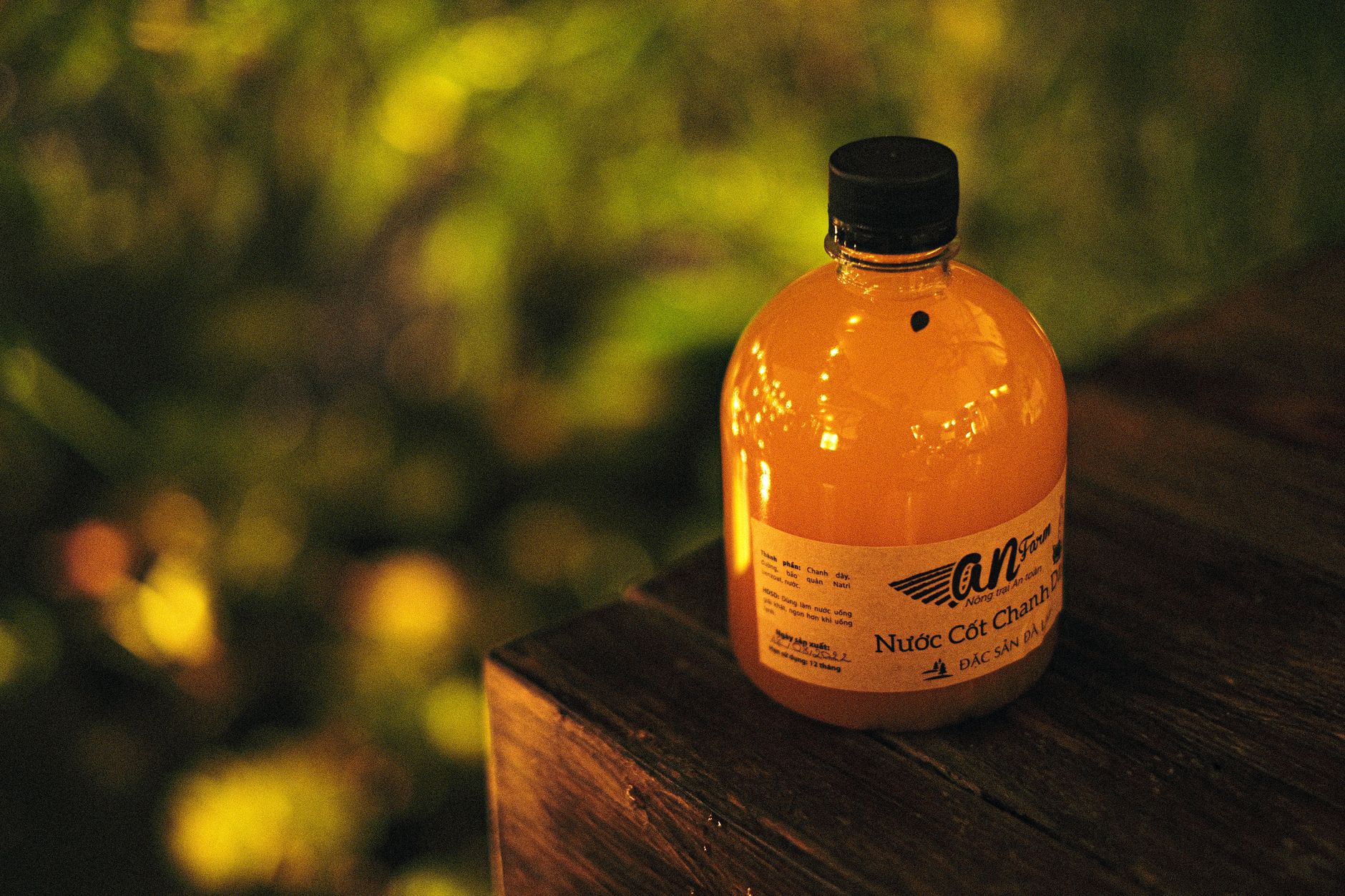
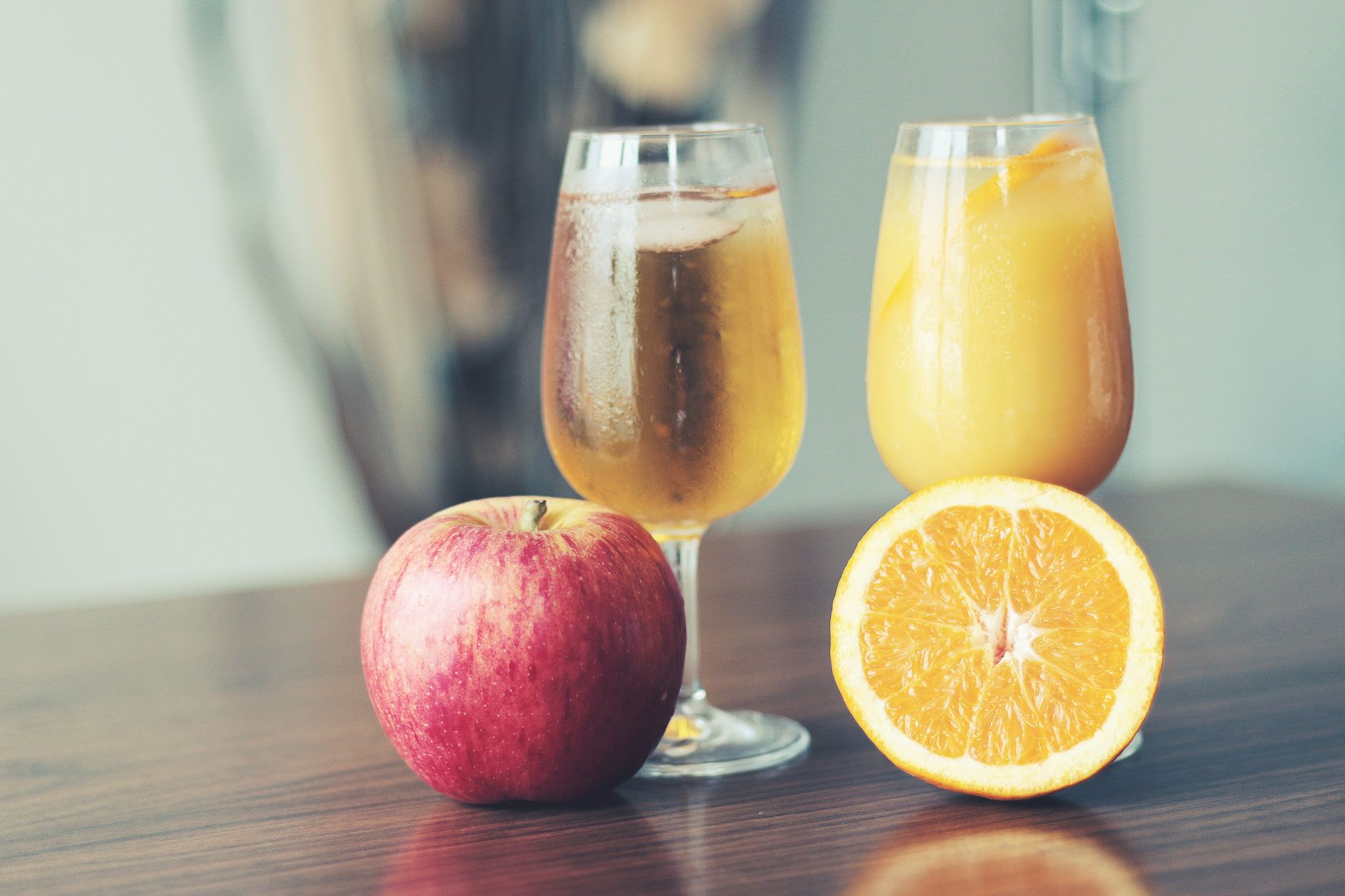
Avoid: Hard cider contains alcohol and should be avoided during pregnancy, especially in the first trimester, as even small amounts can affect fetal development.
By Shubhra Mishra — a mom of two who turned her own confusion during pregnancy into BumpBites, a global mission to make food choices clear, safe, and stress-free for every expecting mother. 💛
Check whether any food is safe during pregnancy with the BumpBites Food Safety Checker.
Quick verdict: ❌ Best avoided. Current medical guidance advises pregnant people to abstain from hard cider altogether because it contains alcohol, which can affect fetal development even in small amounts. If you’ve already had a sip, stay calm and talk with your provider about next steps.
Imagine it’s a crisp autumn evening, you’ve just opened a chilled bottle of hard cider to celebrate a milestone, and then you remember— “is hard cider safe during pregnancy?” The sudden rush of worry can feel overwhelming, especially when the bottle is already in your hand. You’re not alone; many expectant parents grapple with these 3 a.m. questions about alcohol and pregnancy.
In short, the answer to is hard cider safe during pregnancy is no. All major health authorities—including the American College of Obstetricians and Gynecologists (ACOG), the UK’s National Health Service (NHS), and the Centers for Disease Control and Prevention (CDC)—recommend avoiding any alcoholic beverage, hard cider included, throughout pregnancy and while breastfeeding. This article walks you through why, how the risk varies (or doesn’t) across trimesters, what amount, if any, might be considered “low risk,” brand considerations, and safer, non‑alcoholic alternatives you can enjoy instead.
We’ll also compare hard cider to other alcoholic drinks, debunk common myths, and give you a clear set of take‑aways so you can stop worrying and focus on the joy of your growing family.
Stage
Verdict
Notes
First trimester
❌ Best avoided
Alcohol exposure during organ formation can increase risk of miscarriage and birth defects.
Second trimester
❌ Best avoided
Even low‑level exposure may affect brain development and increase risk of growth restriction.
Third trimester
❌ Best avoided
Alcohol can impair fetal brain maturation and increase risk of preterm birth.
Breastfeeding
❌ Best avoided
Alcohol passes into breast milk; even small amounts can affect infant sleep and development.
Hard cider is a fermented apple beverage that typically contains 4–8 % alcohol by volume (ABV), similar to many beers. It’s made by crushing apples, adding yeast, and allowing the sugars to ferment into alcohol. Some craft varieties may be spiced or flavored, but the core characteristic is the presence of ethanol, the same type of alcohol found in wine, beer, and spirits. Because it’s often marketed as a “lighter” alternative to beer or wine, many people assume it’s a safer choice during pregnancy—but the alcohol content tells a different story.
Is hard cider safe to drink during the first trimester?
The first trimester is the period of organogenesis, when the baby’s major organs are forming. ACOG’s Committee Opinion on alcohol and pregnancy states that “no amount of alcohol has been proven safe” during this critical window. Even a single drink of hard cider—roughly 12 oz of a 5 % ABV product—delivers enough ethanol to raise maternal blood alcohol concentration (BAC) to levels associated with increased miscarriage risk and potential facial anomalies.
Studies from the National Institute on Alcohol Abuse and Alcoholism (NIAAA) have linked any alcohol exposure in early pregnancy to a higher likelihood of neural tube defects and other birth anomalies. The NHS echoes this, advising pregnant women to completely abstain from alcoholic drinks, including hard cider, during the first three months.
Can I have a small glass of hard cider while pregnant?
“A small glass” often means about 4 oz (half a standard serving). Even that modest amount can raise a pregnant person’s BAC to around 0.02 %–0.03 %, a level that can cross the placenta and affect the fetus. The CDC notes that there is no known safe threshold for fetal alcohol exposure, and the safest choice is to avoid alcohol entirely.
Because alcohol is metabolized more slowly during pregnancy—due to hormonal changes and increased blood volume—what feels “small” can linger longer in the system, prolonging fetal exposure. If you’ve already had a sip, stay calm. Most occasional, low‑level exposure does not guarantee harm, but it’s wise to discuss it with your prenatal provider who can offer personalized guidance.
What are the risks of drinking hard cider during pregnancy?
Hard cider carries the same risks as any alcoholic beverage. Short‑term effects may include dizziness, nausea, and impaired judgment—all of which can lead to falls or accidents. Long‑term concerns focus on fetal alcohol spectrum disorders (FASD), which encompass a range of physical, cognitive, and behavioral problems that can persist throughout life.
Specific risks associated with hard cider include:
Miscarriage: Alcohol can disrupt the hormonal environment needed for implantation and early development.
Birth defects: Exposure during the first trimester can affect facial formation, heart development, and brain structure.
Growth restriction: Alcohol interferes with nutrient transport, potentially leading to low birth weight.
Neurodevelopmental issues: Even low‑level exposure can affect memory, attention, and learning in the child.
These risks are cumulative—more frequent or higher‑volume consumption increases the likelihood of adverse outcomes.
Are there non‑alcoholic cider alternatives for pregnant women?
Yes! You can enjoy the crisp apple flavor without the alcohol. Here are some pregnancy‑friendly options:
Martinelli’s Sparkling Apple Cider (non‑alcoholic) – a festive, bubbly alternative.
100 % pure apple juice – naturally sweet and nutrient‑rich.
Sparkling water with apple flavor – zero‑calorie refreshment.
Virgin apple cider – brewed apple juice with spices, no fermentation.
Ginger tea – comforting and soothing, especially for nausea.
Fruit smoothie with apple – blends fruit, yogurt, and protein.
Kombucha (non‑alcoholic) – fermented but typically under 0.5 % ABV, check labels.
Pear juice – a gentle change of pace with similar sweetness.
These choices let you keep the seasonal vibe without any alcohol‑related risk.
Is there a safe amount of hard cider for pregnant women?
Current guidelines from ACOG, the NHS, and the CDC all converge on a single recommendation: no amount of hard cider is considered safe during pregnancy. The “low‑risk” threshold that some studies suggest for non‑pregnant adults (no more than one drink per day) does not apply to a developing fetus, which lacks the enzymes to metabolize alcohol efficiently.
Because hard cider’s ABV typically ranges from 4 % to 8 %, a single 12‑oz serving can contain 0.5–1 oz of pure ethanol—enough to affect fetal development. Even “half a glass” can contribute to cumulative exposure over weeks or months. The safest strategy is to substitute with a non‑alcoholic beverage whenever the craving hits.
Which hard cider brands are safest for pregnant women?
Unfortunately, no hard cider brand can be deemed “safe” for pregnancy because the alcohol itself is the hazard. However, if you’re looking for the lowest possible exposure, you might consider:
Low‑ABV craft ciders that list 4 % ABV (versus 8 % ABV) – still not safe, but a lower ethanol dose.
“Light” or “session” hard ciders that explicitly market a reduced alcohol content.
Checking labels for “alcohol‑free” or “non‑alcoholic” cider; these are essentially the same as the alternatives listed above.
Always read the label; some “hard” ciders may be mislabeled or have hidden ABV. If any alcohol is present, the safest choice is to avoid it entirely.
How does hard cider affect pregnancy complications like gestational diabetes?
Gestational diabetes (GDM) is a condition where blood sugar spikes during pregnancy. Alcohol, including hard cider, can interfere with glucose metabolism, potentially worsening GDM control. The American Diabetes Association notes that alcohol can cause both hypoglycemia (low blood sugar) and hyperglycemia (high blood sugar) depending on timing and food intake.
Because hard cider contains both alcohol and often added sugars, it can raise blood glucose levels while simultaneously impairing the liver’s ability to release stored glucose—a double‑edged sword for anyone managing GDM. For this reason, many obstetricians advise women with GDM to avoid all alcoholic beverages.
Can hard cider cause birth defects if consumed while pregnant?
Yes. Alcohol is a known teratogen—a substance that can cause birth defects. The risk is greatest during the first trimester, when organ formation is most vulnerable. Even modest exposure to hard cider’s ethanol can increase the likelihood of facial anomalies, heart defects, and central nervous system abnormalities. While the exact dose‑response curve is still being studied, the consensus among ACOG, NHS, and CDC is that any exposure carries some risk, and complete abstinence eliminates that risk.
Hard cider may look festive, but its alcohol content makes it unsafe for pregnancy.
Safe dosage / amount / brands
Because the safest recommendation is zero consumption, we cannot provide a “safe dose.” If you choose to drink alcohol before knowing you’re pregnant, the key is to limit exposure and discuss it with your provider. For those who still want to know the typical content:
Typical ABV range
Standard serving (12 oz)
Pure ethanol per serving
4 % – 5 %
12 oz
0.48 oz – 0.60 oz (≈14–18 ml)
6 % – 8 %
12 oz
0.72 oz – 0.96 oz (≈21–28 ml)
These numbers illustrate why even a “small glass” still contains a non‑trivial amount of alcohol. If you are looking for a brand with the lowest possible ABV, seek out those that explicitly list 4 % or lower, but remember that any alcohol is best avoided.
Side effects and risks
Short‑term side effects of hard cider consumption while pregnant may include:
Dizziness or light‑headedness
Nausea or vomiting (which can exacerbate pregnancy‑related morning sickness)
Impaired coordination, increasing fall risk
More serious, fetal‑related risks include:
Miscarriage
Fetal alcohol spectrum disorders (FASD)
Congenital heart defects
Low birth weight and growth restriction
Neurodevelopmental delays that may emerge later in childhood
If you notice any of the following, contact your provider promptly: persistent vomiting, severe abdominal pain, unusual bleeding, reduced fetal movement after the second trimester, or any signs of fetal distress.
Safer alternatives
Martinelli’s Sparkling Apple Cider – non‑alcoholic, festive bubbles without risk.
100 % pure apple juice – natural sweetness and vitamin C.
Sparkling water with apple flavor – zero‑calorie refreshment.
Virgin apple cider – spiced apple drink without fermentation.
Ginger tea – soothing for nausea and safe for all trimesters.
Fruit smoothie with apple – nutrient‑dense and customizable.
Kombucha (non‑alcoholic) – probiotic benefits, check for <0.5 % ABV.
Pear juice – gentle flavor change while staying alcohol‑free.
Enjoy the fizz without the alcohol—Martinelli’s Sparkling Apple Cider is a safe, celebratory option.
Related items — safety at a glance
Item
Verdict
One‑line note
Wine
❌ Best avoided
Contains alcohol; any amount can affect the fetus.
Beer
❌ Best avoided
Even low‑ABV beers deliver ethanol.
Champagne
❌ Best avoided
High ABV and carbonation can increase BAC quickly.
Hard seltzer
❌ Best avoided
Usually 4‑5 % ABV; still unsafe.
Cocktails
❌ Best avoided
Mixed drinks often contain multiple alcohol sources.
Spirits
❌ Best avoided
High‑proof liquors pose the greatest risk.
Brandy
❌ Best avoided
Typically 35‑40 % ABV; very unsafe.
Cider (regular, non‑hard)
✅ Generally safe
Alcohol‑free, 100 % apple juice style.
Myth vs. fact
Myth: “A glass of hard cider is low‑calorie, so it’s okay during pregnancy.”
Fact: The calorie count is irrelevant; the presence of ethanol is the concern. Any alcohol can cross the placenta and affect fetal development.
Myth: “Hard cider is just fermented apple juice, so it’s safer than wine.”
Fact: Both contain ethanol; the source (apple vs. grapes) doesn’t change the teratogenic risk.
Myth: “If I only drink once a month, it won’t hurt my baby.”
Fact: There is no proven safe frequency. Occasional exposure still carries risk, and guidelines advise complete abstinence.
Key takeaways
All major health authorities—ACOG, NHS, CDC—recommend avoiding hard cider entirely during pregnancy and while breastfeeding.
Even a “small glass” can raise maternal BAC enough to affect the fetus; there is no known safe amount.
Hard cider’s alcohol can increase risks of miscarriage, birth defects, growth restriction, and neurodevelopmental issues.
If you crave the flavor, choose non‑alcoholic alternatives like Martinelli’s Sparkling Apple Cider or 100 % apple juice.
Discuss any accidental consumption with your provider; most occasional exposures do not require intervention beyond monitoring.
For gestational diabetes or other complications, alcohol can worsen blood sugar control—another reason to abstain.
Frequently asked questions
Can pregnant women drink hard cider?
No. Current guidance from ACOG and the NHS advises pregnant people to abstain from all alcoholic beverages, including hard cider.
Is it safe to have a sip of hard cider while pregnant?
Even a single sip can expose the fetus to alcohol; the safest approach is to avoid it entirely.
What is the alcohol content in hard cider?
Hard cider typically contains 4 %–8 % alcohol by volume, similar to many beers.
Does hard cider increase the risk of miscarriage?
Yes. Alcohol exposure, especially in the first trimester, is linked to a higher risk of miscarriage.
Are there any benefits to drinking hard cider during pregnancy?
There are no proven benefits; any potential antioxidant content is outweighed by the risks of alcohol.
How much alcohol is too much during pregnancy?
All major health organizations state that no amount of alcohol is considered safe for a developing fetus.
Can hard cider cause fetal alcohol syndrome?
Yes. Alcohol consumption at any point in pregnancy can contribute to fetal alcohol spectrum disorders, including fetal alcohol syndrome.
Is there a difference between hard cider and regular cider for pregnancy safety?
Yes. “Hard” cider contains alcohol, while regular (non‑hard) cider is alcohol‑free and generally safe.
When to call your doctor
If you experience any of the following after consuming hard cider, contact your obstetric provider promptly:
Persistent vomiting or inability to keep fluids down
Severe abdominal or pelvic pain
Unusual vaginal bleeding or spotting
Reduced fetal movement after 20 weeks gestation
Signs of fetal distress such as rapid heartbeat or abnormal ultrasound findings
Even if you’ve only had a small amount, it’s wise to discuss it with your provider so they can offer reassurance or monitoring as needed. Remember, this article provides general information and is not a substitute for personalized medical advice.
References
American College of Obstetricians and Gynecologists. “Alcohol Abuse and Alcohol Dependence: Committee Opinion.” ACOG, 2022.
National Health Service (NHS). “Alcohol and pregnancy.” NHS, updated 2023.
Centers for Disease Control and Prevention (CDC). “Fetal Alcohol Spectrum Disorders (FASDs).” CDC, 2023.
National Institute on Alcohol Abuse and Alcoholism (NIAAA). “Alcohol and Pregnancy.” NIAAA, 2021.
American Diabetes Association. “Gestational Diabetes Mellitus.” ADA, 2023.
World Health Organization (WHO). “Alcohol consumption and health.” WHO, 2022.
Mayo Clinic. “Alcohol use in pregnancy.” Mayo Clinic, 2023.
U.S. Food and Drug Administration (FDA). “Alcohol labeling and warnings.” FDA, 2022.
Not sure about the label on Is Hard Cider Safe During Pregnancy products?
Snap the ingredients list and SafeFilter checks every ingredient for your stage — only 3 free scans this month, then you're locked until reset. Unlimited from $7/mo or $50/yr.
When Shubhra Mishra was expecting her first child in 2016, she was overwhelmed by conflicting food advice — one site said yes, another said never. By the time her second baby arrived in 2019, she realized millions of mothers face the same confusion.
That sparked a five-year journey through clinical nutrition papers, cultural diets, and expert conversations — all leading to BumpBites: a calm, compassionate space where science meets everyday motherhood.
Her long-term vision is to build a global community ensuring safe, supported, and free deliveriesfor every mother — because no woman should face pregnancy alone or uninformed. 🌿
🌍 Stand with mothers, shape safer guidance
Join a small circle of experts who review BumpBites articles so expecting parents everywhere can decide with confidence.