Is hair Olaplex safe during pregnancy? Yes, generally. As a topical treatment with minimal systemic absorption, Olaplex is considered low risk. Always consult your doctor for personalized advice.
By Shubhra Mishra — a mom of two who turned her own confusion during pregnancy into BumpBites, a global mission to make food choices clear, safe, and stress-free for every expecting mother. 💛
Check whether any food is safe during pregnancy with the BumpBites Food Safety Checker.
Quick verdict: ⚠️ Generally considered safe for at-home use during pregnancy and breastfeeding, Olaplex products are largely free of harsh chemicals commonly flagged by obstetricians. However, we always recommend discussing any new product or salon treatment with your healthcare provider, especially if you have sensitive skin or allergies.
That familiar moment of panic: you’re standing in the bathroom, Olaplex bottle in hand, and suddenly a wave of worry washes over you. Is this product safe now that you’re pregnant? You're not alone. Many expecting parents find themselves meticulously scrutinizing every ingredient, every activity, and every item in their daily routine, wondering, "is hair Olaplex safe during pregnancy?" It’s a natural instinct to protect your little one, and the world of beauty products can feel like a minefield of unknowns.
The good news is that most at-home Olaplex products are generally considered safe for use during pregnancy and while breastfeeding. Unlike some traditional hair treatments that contain strong chemicals like formaldehyde or ammonia, Olaplex's primary function is bond repair, using ingredients that are not typically associated with systemic absorption or teratogenic risks. This means you can often maintain your hair health and routine without undue stress.
At BumpBites, we understand your concerns. We've delved into the science, expert opinions, and common recommendations to give you clear, reassuring guidance on using Olaplex while pregnant. We’ll cover everything from specific product numbers to trimester-by-trimester advice, helping you navigate your hair care routine with confidence and peace of mind, knowing you're making informed choices for both you and your baby.
Most at-home Olaplex products are generally considered safe for use during pregnancy, thanks to their focus on bond repair rather than harsh chemical alterations.
Safety Snapshot: Olaplex During Pregnancy & Breastfeeding
Stage of Pregnancy/Lactation
Verdict
Notes
First Trimester
✅ Generally Safe
Minimal systemic absorption. Focus on well-ventilated areas and patch testing for sensitivity.
Second Trimester
✅ Generally Safe
Continue with caution, patch testing, and good ventilation.
Third Trimester
✅ Generally Safe
As with previous trimesters, monitor for increased skin sensitivity.
Breastfeeding
✅ Generally Safe
Topical application means minimal transfer to breast milk. Avoid direct contact with baby's skin.
What is Olaplex? Understanding Its Unique Approach to Hair Health
Olaplex is a revolutionary hair care system renowned for its ability to repair and strengthen damaged hair. Unlike traditional conditioners that primarily coat the hair, Olaplex works on a molecular level. Its patented active ingredient, bis-aminopropyl diglycol dimaleate, seeks out and repairs broken disulfide bonds in the hair structure. These bonds are often damaged by chemical services like coloring, bleaching, perms, and relaxers, as well as heat styling, mechanical damage, and environmental factors. By rebuilding these essential bonds, Olaplex restores the hair's integrity, making it stronger, healthier, and more resilient.
The Olaplex system includes a range of products, from professional salon treatments (No. 1 and No. 2) to a comprehensive line of at-home maintenance products (No. 0 through No. 9). The at-home products like No. 3 Hair Perfector, No. 4 Bond Maintenance Shampoo, No. 5 Bond Maintenance Conditioner, No. 6 Bond Smoother, No. 7 Bonding Oil, No. 8 Bond Intense Moisture Mask, and No. 9 Bond Protector Nourishing Hair Serum are designed to continue the bond-repairing process and protect hair between salon visits. Users typically seek Olaplex to improve hair's strength, integrity, shine, and overall health, especially if their hair is prone to breakage or has been chemically treated. Its popularity stems from its scientific approach to hair repair, offering tangible results for those struggling with compromised hair.
Is Olaplex Safe During Pregnancy? Expert Consensus and Ingredient Analysis
When considering if hair Olaplex is safe during pregnancy, the consensus among many dermatologists and obstetricians regarding topical hair products is reassuring: products that are applied to the hair and scalp, and not absorbed systemically in significant amounts, are generally considered low risk. Olaplex falls into this category, providing a much-needed option for expecting parents who want to maintain their hair health without unnecessary worry.
The key active ingredient in Olaplex is bis-aminopropyl diglycol dimaleate, which is designed to repair disulfide bonds in the hair. This ingredient is not known to be a teratogen (a substance that can cause birth defects) and is not absorbed into the bloodstream in meaningful quantities. This minimal systemic absorption is the cornerstone of its safety profile during pregnancy. Unlike other hair treatments, Olaplex products are free from many of the "red flag" ingredients that often concern expecting parents, such as ammonia, formaldehyde, phthalates, parabens, and sulfates. The American College of Obstetricians and Gynecologists (ACOG) and the UK's National Health Service (NHS) generally state that most hair treatments, including coloring, are considered safe during pregnancy, particularly if applied in a well-ventilated area. Olaplex, being less invasive than chemical dyes or perms, typically carries even lower theoretical risk, making it a favorable choice.
While there are no specific large-scale studies on Olaplex use in pregnant individuals (as is common for most cosmetic products), its ingredient profile and topical application method suggest a low likelihood of adverse effects on pregnancy. For salon treatments (Olaplex No. 1 and No. 2), the application process is similar to at-home use, but may involve higher concentrations or longer contact times. However, the same principles of minimal systemic absorption apply. Always inform your stylist that you are pregnant so they can take extra precautions, such as ensuring proper ventilation and making sure you are comfortable throughout the service. Your comfort and safety are paramount.
Is Olaplex No 3 safe to use during pregnancy?
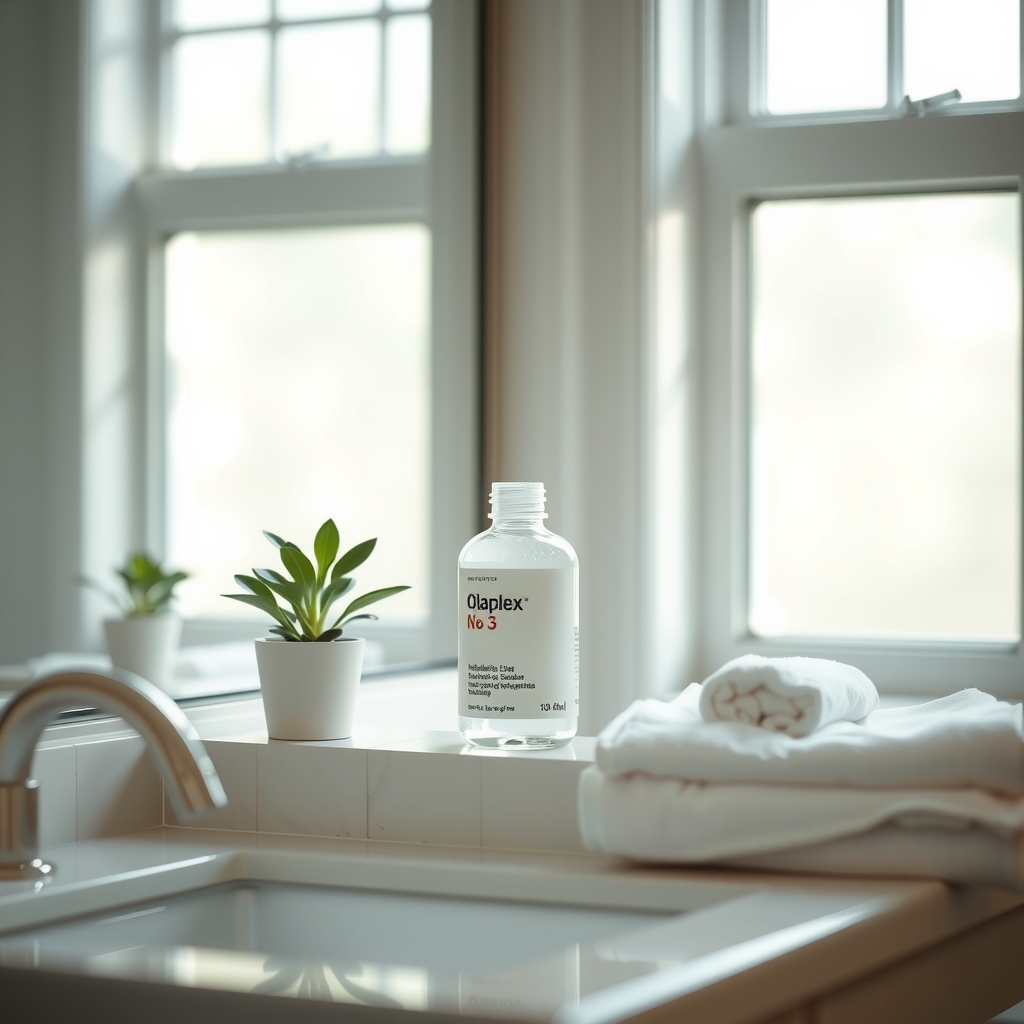
Olaplex No. 3 Hair Perfector is one of the most popular at-home treatments, and yes, it is generally considered safe to use during pregnancy. This product is designed to be applied to damp hair, left on for a period, and then rinsed out. Its active ingredients work on the hair's surface and within the hair shaft, with negligible absorption into the bloodstream. This means the risk of these ingredients reaching your developing baby is extremely low. As with any product, if you have any pre-existing skin conditions or develop new sensitivities during pregnancy, it’s wise to perform a patch test first. This simple step can prevent unexpected reactions and provide additional peace of mind.
Professional Olaplex Treatments vs. At-Home Use During Pregnancy
The Olaplex system includes both professional salon-only treatments (No. 1 Bond Multiplier and No. 2 Bond Perfector) and a comprehensive line of at-home maintenance products. Both categories are generally considered safe for use during pregnancy, largely due to their topical application and favorable ingredient profile. Professional treatments typically involve higher concentrations of the active ingredient and are often combined with other chemical services like coloring. When opting for a salon treatment, ensure your stylist is aware of your pregnancy. They can take extra care to work in a well-ventilated area and minimize any potential discomfort from fumes, though Olaplex itself is largely odorless. For at-home use, simply follow the product instructions and maintain good ventilation, just as you would with any beauty product.
Safety by Trimester: What to Expect When Using Olaplex
While the overall safety profile of Olaplex remains consistent throughout pregnancy, it's helpful to consider each trimester's unique aspects and how your body might react. Hormonal fluctuations can sometimes lead to changes in hair texture or skin sensitivity, making it wise to be attentive to your body's signals.
Using Olaplex products in the first trimester
The first trimester (weeks 1-12) is often a period of heightened caution, as it's when your baby's major organs are forming (organogenesis). This is why many expecting parents are particularly concerned about exposure to chemicals during this time. Fortunately, because Olaplex products are applied topically to the hair and scalp with minimal systemic absorption, the risk during the first trimester is considered very low. You might experience increased sensitivity to smells or develop new skin sensitivities due to hormonal changes, so ensure you’re in a well-ventilated area and consider a patch test before full application. This small precaution can go a long way in ensuring your comfort and safety.
Second Trimester
As you enter the second trimester (weeks 13-27), many of the initial pregnancy symptoms like morning sickness may subside, and you might feel more comfortable resuming your usual routines. Olaplex remains generally safe to use during this period. Continue to be mindful of ventilation, especially if you're sensitive to fragrances, and observe your scalp for any signs of irritation or allergic reaction, which can sometimes be exacerbated by pregnancy hormones. This trimester is often referred to as the "golden period" for many, allowing for a more relaxed approach to personal care, but vigilance for new sensitivities is still recommended.
Third Trimester
During the third trimester (weeks 28-40+), your body is preparing for birth, and comfort can become a major factor. Using Olaplex products continues to be generally safe. You might find applying hair treatments more challenging as your belly grows, so consider asking for help or opting for quicker treatments. Again, the primary concerns remain localized skin reactions rather than systemic effects on your baby. Ensure you're comfortable and well-ventilated throughout the process. Prioritizing your comfort in these later stages is just as important as safety.
Can I use Olaplex while breastfeeding?
Yes, Olaplex products are generally considered safe to use while breastfeeding. The ingredients in Olaplex are designed to act on the hair itself and are not absorbed into the bloodstream in significant amounts. This means the likelihood of these chemicals transferring into breast milk and affecting your baby is extremely low. The NHS offers general guidance that most hair products are safe during breastfeeding. To be extra cautious, ensure that your baby does not come into direct contact with the product, especially if you're holding them during or immediately after application. Always wash your hands thoroughly after applying any hair product to prevent accidental transfer.
Olaplex and Postpartum Hair Loss: A Common Concern
Many new mothers experience postpartum hair loss, a temporary but often distressing condition caused by hormonal shifts after childbirth. While Olaplex is not a treatment for hair loss itself, it can be incredibly beneficial for the hair that remains. Postpartum hair can often feel dry, brittle, and more prone to breakage. Using Olaplex products, particularly No. 3 Hair Perfector and the Bond Maintenance system, can help strengthen existing hair, repair damage, and improve its overall health and resilience. This can make your hair feel thicker and healthier, even as you navigate shedding. Since Olaplex is generally safe for breastfeeding, it's a good option to help maintain the quality of your hair during this challenging period.
Safe Usage and Ingredient Considerations: What to Look For (and Avoid)
Olaplex is designed for specific usage instructions, and following them is key to both efficacy and safety. The brand itself focuses on formulations free from many common irritants and problematic chemicals, which contributes significantly to its pregnancy-safe status. Understanding these ingredient choices can help you make confident decisions.
What Olaplex ingredients to avoid when pregnant?
One of the reasons Olaplex is generally considered safe is its commitment to being free from many ingredients commonly advised against during pregnancy. Olaplex products are formulated without:
Formaldehyde-releasing ingredients: Often found in keratin treatments, these are a major concern due to inhalation risks and potential links to adverse pregnancy outcomes.
Phthalates: Known endocrine disruptors, these are often found in fragrances and plastics and have raised concerns about developmental effects.
Parabens: Preservatives that have raised concerns about endocrine disruption and potential links to hormonal imbalances.
Sulfates (SLS and SLES): While not directly linked to pregnancy risks, they can be harsh and irritating, stripping natural oils and causing dryness, which some pregnant individuals prefer to avoid for scalp comfort.
Ammonia: A strong-smelling chemical in many hair dyes that can cause respiratory irritation and nausea, particularly for those with heightened senses during pregnancy.
While Olaplex is free from these, some individuals may still be sensitive to certain ingredients, such as fragrances, which are present in many Olaplex products. If you have a history of allergies or develop new sensitivities during pregnancy, always check the full ingredient list and perform a patch test.
How often can pregnant women use Olaplex?
The frequency of using Olaplex products during pregnancy should align with the product's general usage instructions, which typically recommend use 1-3 times a week or as needed, depending on the specific product and your hair's condition. For instance, Olaplex No. 3 is usually used once a week, while shampoos and conditioners can be used more frequently. Since the products are topical and have minimal systemic absorption, there isn't a specific "pregnancy limit" on frequency beyond what's recommended for healthy hair care. Listen to your body; if you find the scent or application process irritating, you can reduce frequency or take breaks. Your comfort is a good indicator.
Patch Testing and Hormonal Skin Changes
Pregnancy hormones can do unpredictable things to your skin, sometimes making it more sensitive or prone to irritation, even if you've never had issues with a product before. This is why patch testing is particularly important during pregnancy, even for products generally considered safe like Olaplex. Before applying a new Olaplex product, or if you notice new skin sensitivities, apply a small amount to an inconspicuous area of skin, like behind your ear or on your inner arm. Wait 24-48 hours to check for any redness, itching, swelling, or irritation. If no reaction occurs, it's generally safe to proceed with full application. This simple step can help you avoid discomfort and ensure the product is well-tolerated by your changing body.
Side Effects and Risks: What to Watch For
While Olaplex is generally safe for use during pregnancy, it's important to be aware of potential side effects, which are usually localized and not specific to pregnancy. Understanding these can help you distinguish between a mild reaction and something that warrants medical attention.
Scalp Irritation: Some individuals, pregnant or not, may experience mild scalp irritation, redness, or itching, especially if they have sensitive skin. Hormonal changes during pregnancy can sometimes increase skin sensitivity, making you more reactive to ingredients you previously tolerated.
Allergic Reaction: Although rare, an allergic reaction to any ingredient in Olaplex is possible. Symptoms might include hives, severe itching, swelling, or difficulty breathing. This is why a patch test is always recommended, particularly if you're trying a new product or notice increased sensitivity. A severe allergic reaction requires immediate medical attention.
Fragrance Sensitivity: Many pregnant individuals develop a heightened sense of smell and can become more sensitive to fragrances. Olaplex products do contain fragrance, which could be an issue for some, leading to nausea or headaches. Ensure good ventilation to minimize inhalation and consider taking breaks if you feel overwhelmed by the scent.
These side effects are typically mild and localized. If you experience any severe or concerning reactions, stop use immediately and contact your healthcare provider. Your health and comfort are the top priority.
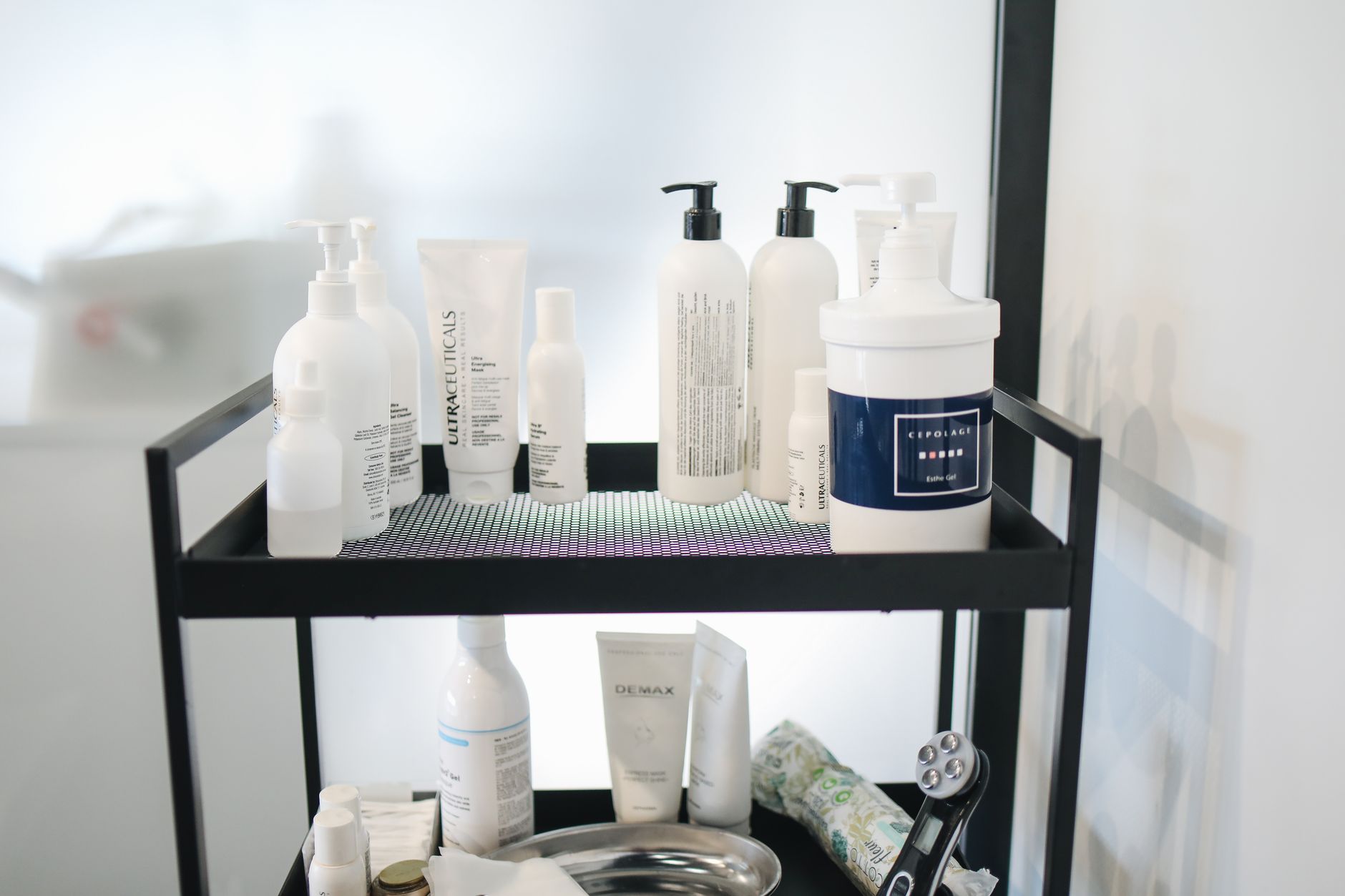
Olaplex offers a full range of at-home products, from shampoos and conditioners to styling oils and masks, all generally considered safe for use during pregnancy.
Safer Alternatives to Olaplex Treatments
If you're looking for alternative ways to nourish and strengthen your hair during pregnancy, or if you prefer to avoid Olaplex for any reason, there are many excellent pregnancy-safe options. These products often focus on natural ingredients and deep conditioning to improve hair health.
Briogeo Don't Despair, Repair! Deep Conditioning Mask: A popular choice for intense hydration and repair, free of sulfates, silicones, parabens, and phthalates, making it a favorite among many expecting parents.
Innersense Organic Beauty Hydrating Hair Mask: Made with organic ingredients, this mask deeply nourishes and strengthens hair without harsh chemicals, perfect for a clean beauty routine.
SheaMoisture Manuka Honey & Mafura Oil Intensive Hydration Hair Masque: A rich, natural option for dry, damaged hair, known for its hydrating and restorative properties, especially good for textured hair.
Acure Ultra Hydrating Conditioner: An affordable and effective option that uses natural ingredients like argan oil and pumpkin seed oil to moisturize and repair, suitable for daily use.
DIY Avocado & Banana Hair Mask: A natural, food-based mask that provides intense moisture and nutrients without any chemicals, offering a truly chemical-free treatment.
Pure Argan Oil Hair Treatment: A versatile oil that can be used as a leave-in treatment, pre-shampoo, or overnight mask for shine and softness, packed with beneficial fatty acids.
Coconut Oil Deep Conditioner: A classic natural treatment known for its ability to penetrate the hair shaft and reduce protein loss, providing deep conditioning.
Rahua Omega 9 Hair Mask: A high-performance, plant-based mask that uses rare Amazonian oils to strengthen and repair hair, ideal for those seeking luxury natural options.
Related Hair Treatments — Safety at a Glance
Here's a quick look at the safety of other common hair treatments during pregnancy, helping you make broader hair care decisions and navigate your beauty routine with confidence. Always remember that "safe" often comes with caveats about ventilation and ingredient checks.
Hair Treatment
Verdict
Notes
Hair Dye
⚠️ Safe with limits
Generally considered safe, especially after the first trimester. Opt for ammonia-free or semi-permanent dyes, and ensure good ventilation. Patch test recommended.
Keratin Treatments
❌ Best avoided
Often contain formaldehyde or formaldehyde-releasing chemicals, which can be harmful if inhaled. Seek out truly formaldehyde-free options and consult your doctor.
Hair Perms
⚠️ Talk to your doctor first
Chemicals used can be strong and have fumes. Hormonal changes may also affect results. Discuss with your OB/GYN and stylist.
Hair Relaxers
❌ Best avoided
Similar to perms, relaxers use strong chemicals that can irritate the scalp and release fumes. Often contain lye or other harsh compounds.
Dry Shampoo
✅ Generally Safe
Topical application with minimal absorption. Ensure good ventilation to avoid inhaling fine powder.
Hair Spray
✅ Generally Safe
Topical application. Use in a well-ventilated area to minimize inhalation of aerosols.
Bleach (for hair)
⚠️ Safe with limits
Can be more irritating than dye and release stronger fumes. Generally considered safer after the first trimester with good ventilation and minimal scalp contact.
Hair Growth Serums
⚠️ Talk to your doctor first
Ingredients vary widely. Some may contain active pharmaceutical ingredients (e.g., minoxidil) that are not recommended during pregnancy. Always check ingredients and consult your doctor.
Brazilian Blowout
❌ Best avoided
Often contains formaldehyde or related compounds, similar to keratin treatments. Significant inhalation risk.
Hair Extensions
✅ Generally Safe
Physical application, no chemical processing. Ensure they don't cause excessive pulling or tension on the scalp, which can lead to discomfort.
Myth vs. Fact: Separating Hair Care Truths from Pregnancy Worries
Navigating pregnancy safety can be tricky, and hair care is no exception. With so much information (and misinformation) circulating, it's easy to get confused. Let's clear up some common misconceptions about hair products and pregnancy, helping you make informed decisions based on evidence.
Myth: You should avoid all hair products with any chemicals during pregnancy.
Fact: While it's wise to be cautious, most topical hair products, including many shampoos, conditioners, and styling aids, are considered safe because their ingredients are not significantly absorbed into your bloodstream. The key is to avoid products with harsh, volatile chemicals like formaldehyde or high levels of ammonia, and always ensure good ventilation. Focus on ingredient lists rather than a blanket ban on all "chemicals."
Myth: Hair dyes and treatments like Olaplex will always give you different results during pregnancy due to hormones.
Fact: While hormonal shifts can sometimes affect hair texture, oiliness, and growth cycles, they don't universally alter how products like Olaplex or hair dyes work. Some individuals might experience slight changes in how their hair reacts, such as color taking differently or texture feeling a bit off, but it's not a guarantee. Olaplex's bond-repairing mechanism is largely independent of hormonal influences, focusing on the structural integrity of the hair itself.
Myth: If a product has "fragrance" on the ingredient list, it's unsafe during pregnancy.
Fact: "Fragrance" is a broad term, and while some individuals (pregnant or not) can be sensitive to certain fragrance compounds, its presence alone doesn't automatically make a product unsafe. Many safe products contain fragrance. The primary concern with fragrance during pregnancy is often a heightened sensitivity to smell leading to nausea or headaches, rather than a direct risk to the baby. If you're sensitive, look for fragrance-free options, but don't assume all fragranced products are harmful.
Key Takeaways for Using Olaplex During Pregnancy
Most at-home Olaplex products are generally considered safe for use during pregnancy and breastfeeding.
Olaplex is free from common "red flag" ingredients like formaldehyde, ammonia, parabens, and phthalates, which are often of concern during pregnancy.
The active ingredients in Olaplex work primarily on the hair and are not significantly absorbed into the bloodstream, posing a very low systemic risk.
Always perform a patch test before using any new product, especially if you have sensitive skin or a history of allergies, as pregnancy can alter skin sensitivity.
Ensure good ventilation when using Olaplex or any hair product, particularly if you're sensitive to smells or prone to nausea.
For salon treatments, always inform your stylist that you are pregnant so they can take appropriate precautions for your comfort and safety.
Olaplex can be beneficial for strengthening hair during postpartum hair loss, though it doesn't prevent the shedding itself.
Frequently Asked Questions About Olaplex and Pregnancy
Can I use Olaplex No 3 while pregnant?
Yes, Olaplex No. 3 Hair Perfector is generally considered safe for use during pregnancy. Its bond-repairing ingredients work topically on the hair and are not absorbed into the bloodstream in significant amounts, posing a very low risk to your developing baby. Always perform a patch test first if you have sensitive skin, as pregnancy can increase skin sensitivity.
What hair products are safe during pregnancy?
Many hair products are safe during pregnancy, particularly those applied topically with minimal systemic absorption. Look for products free of formaldehyde, high levels of ammonia, phthalates, and parabens. Shampoos, conditioners, and most styling products like hairspray and dry shampoo are typically fine. When in doubt, consult your OB/GYN or check with reputable sources like ACOG or NHS.
Is Olaplex safe for breastfeeding moms?
Yes, Olaplex is generally considered safe for breastfeeding mothers. The active ingredients act on the hair and scalp with very little systemic absorption, meaning minimal transfer to breast milk. As a precaution, avoid direct contact of the product with your baby's skin and wash your hands thoroughly after use to prevent any accidental exposure.
Are Olaplex ingredients harmful during pregnancy?
No, Olaplex ingredients are not generally considered harmful during pregnancy. The brand formulates its products without common concerning chemicals like formaldehyde, parabens, phthalates, and ammonia. Its primary active ingredient, bis-aminopropyl diglycol dimaleate, works on hair bonds and is not known to be systemically absorbed or pose a risk to the developing fetus.
Can I get a salon Olaplex treatment when pregnant?
Yes, getting a professional Olaplex treatment (No. 1 and No. 2) in a salon is generally considered safe during pregnancy. These treatments involve topical application, similar to at-home products. Always inform your stylist that you are pregnant so they can ensure adequate ventilation and take any additional precautions to make you comfortable during your visit.
What are the safest hair treatments for pregnant women?
The safest hair treatments for pregnant women are generally those that are topical, don't involve harsh chemicals, and have minimal fumes. Examples include deep conditioning masks, bond-repairing treatments like Olaplex, natural oil treatments (like argan or coconut oil), and many temporary styling products. Haircuts and gentle styling are always safe options. Prioritize good ventilation for any treatment.
Is bond repair treatment safe during pregnancy?
Yes, bond repair treatments like Olaplex are generally considered safe during pregnancy. Their mechanism of action involves repairing the hair's internal structure rather than chemically altering it with harsh ingredients. Since they are applied topically with negligible systemic absorption, they pose a very low risk to the developing baby, making them a good choice for strengthening damaged hair.
Does Olaplex contain formaldehyde?
No, Olaplex products do not contain formaldehyde or formaldehyde-releasing ingredients. This is a key distinction that makes Olaplex a safer option compared to some other hair treatments, particularly certain keratin treatments or Brazilian blowouts, which often do contain these concerning chemicals and should be avoided during pregnancy.
Can I use Olaplex with other pregnancy-safe hair dyes?
Yes, you can generally use Olaplex products in conjunction with pregnancy-safe hair dyes, such as ammonia-free or semi-permanent options. Olaplex is often used to protect hair during coloring processes. The key is to ensure both the dye and the Olaplex products are used in a well-ventilated area and that you perform a patch test for both if you have increased skin sensitivity during pregnancy. Always check the ingredients of all products you intend to use.
Does Olaplex help with postpartum hair loss?
While Olaplex doesn't prevent or stop postpartum hair loss (which is hormonally driven), it can significantly improve the health and appearance of the hair you have. Postpartum hair can often be fragile and dry. By repairing broken bonds and strengthening the hair shaft, Olaplex can make your hair feel thicker, look shinier, and reduce breakage, helping it recover its vitality during a challenging period. It's safe to use while breastfeeding for this purpose.
When to Call Your Doctor
While Olaplex is generally safe, it's always important to listen to your body and consult your healthcare provider if you experience any unusual symptoms or have specific concerns about your pregnancy. Your doctor is your best resource for personalized medical advice.
If you develop a severe rash, hives, or intense itching on your scalp or anywhere else after using Olaplex, especially if it spreads rapidly.
If you experience any swelling of the face, lips, or tongue, or difficulty breathing (signs of a severe allergic reaction requiring immediate medical attention).
If you have persistent headaches, dizziness, or nausea that you suspect is related to product fumes or ingredients, even with good ventilation.
If you have any pre-existing scalp conditions (like eczema or psoriasis) that significantly worsen or become infected after using the product.
If you have any specific concerns about the ingredients, your personal health situation, or how Olaplex might interact with other medical conditions or medications you are taking.
This article is for informational purposes only and is not a substitute for professional medical advice, diagnosis, or treatment. Always seek the advice of your physician or other qualified health provider with any questions you may have regarding a medical condition.
References
American College of Obstetricians and Gynecologists (ACOG). (Accessed 2024). www.acog.org
National Health Service (NHS) UK. (Accessed 2024). www.nhs.uk
Not sure about the label on Is Hair Olaplex Safe During Pregnancy products?
Snap the ingredients list and SafeFilter checks every ingredient for your stage — only 3 free scans this month, then you're locked until reset. Unlimited from $7/mo or $50/yr.
When Shubhra Mishra was expecting her first child in 2016, she was overwhelmed by conflicting food advice — one site said yes, another said never. By the time her second baby arrived in 2019, she realized millions of mothers face the same confusion.
That sparked a five-year journey through clinical nutrition papers, cultural diets, and expert conversations — all leading to BumpBites: a calm, compassionate space where science meets everyday motherhood.
Her long-term vision is to build a global community ensuring safe, supported, and free deliveriesfor every mother — because no woman should face pregnancy alone or uninformed. 🌿
🌍 Stand with mothers, shape safer guidance
Join a small circle of experts who review BumpBites articles so expecting parents everywhere can decide with confidence.