
Is Hair Gloss Safe During Pregnancy? What Expecting Moms Need to Know

Is Hair Gloss Safe During Pregnancy? What Expecting Moms Need to Know
On this page

Safe: Is hair gloss safe during pregnancy? Yes, it's generally considered safe for all trimesters due to minimal chemical absorption. Consult your doctor if you have concerns.

Shubhra Mishra

By Shubhra Mishra — a mom of two who turned her own confusion during pregnancy into BumpBites, a global mission to make food choices clear, safe, and stress-free for every expecting mother. 💛

Are you a qualified maternal-health or nutrition expert? Join our reviewer circle.

Wondering about another food?

Check whether any food is safe during pregnancy with the BumpBites Food Safety Checker.

Quick verdict: ⚠️ Safe with limits. While hair gloss is generally considered a lower-risk hair treatment, we recommend choosing ammonia-free, PPD-free formulas, ensuring good ventilation, and always discussing any concerns with your healthcare provider before application, especially in the first trimester.
It's 11 pm, you're scrolling through beauty blogs, and suddenly you remember: you're pregnant! That beautiful, shiny hair gloss you just bought (or applied) now has you wondering, "Is hair gloss safe during pregnancy?" We get it. The world of pregnancy safety can feel overwhelming, with conflicting advice everywhere you look. But when it comes to hair treatments, most obstetricians agree that many options, including hair gloss, can be used with some thoughtful precautions. At BumpBites, we understand the desire to feel like yourself and maintain your routine during pregnancy. The good news is that for most low-chemical hair treatments like glosses, the risks are generally considered minimal. However, it’s always wise to be informed about the ingredients, how they work, and what steps you can take to make your beauty routine as safe as possible for both you and your developing baby. Let's dive into what you need to know about using hair gloss while pregnant, so you can make an informed decision and ease your mind.
Trimester/Stage Verdict Notes
First Trimester ⚠️ Safe with limits Generally considered low risk, but many experts advise waiting until after 12 weeks as a precaution, especially with strong smells or potential scalp irritation. Opt for ammonia-free.
Second Trimester ✅ Generally safe Lower risk after the first trimester. Ensure good ventilation, perform a patch test, and choose formulas free of harsh chemicals like ammonia and PPD.
Third Trimester ✅ Generally safe Similar to the second trimester. Continue with good ventilation, patch testing, and ingredient awareness.
Breastfeeding ✅ Generally safe Topical application of hair gloss is unlikely to be absorbed in significant amounts into breast milk. Continue to prioritize good ventilation.

What is Hair Gloss?

Hair gloss is a semi-permanent hair treatment designed to add shine, enhance color, and improve the overall vibrancy and health of your hair. Unlike permanent hair dye, which penetrates the hair shaft to deposit color, hair gloss typically coats the outside of the hair cuticle. This outer coating smooths the hair, reflects light, and can subtly shift your hair's tone without drastically changing its color. It's often used to refresh faded color, add warmth or coolness, or simply boost shine on natural hair. Most hair gloss formulas are ammonia-free and contain conditioning ingredients that help to improve hair texture and reduce frizz. They fade gradually over several weeks, usually lasting anywhere from 2 to 6 weeks depending on your hair type and how often you wash it. Because they don't contain harsh chemicals like ammonia that open the hair cuticle, they are generally considered less damaging than permanent dyes. They can be applied both at home and in a salon setting, offering a convenient way to achieve a salon-fresh look.
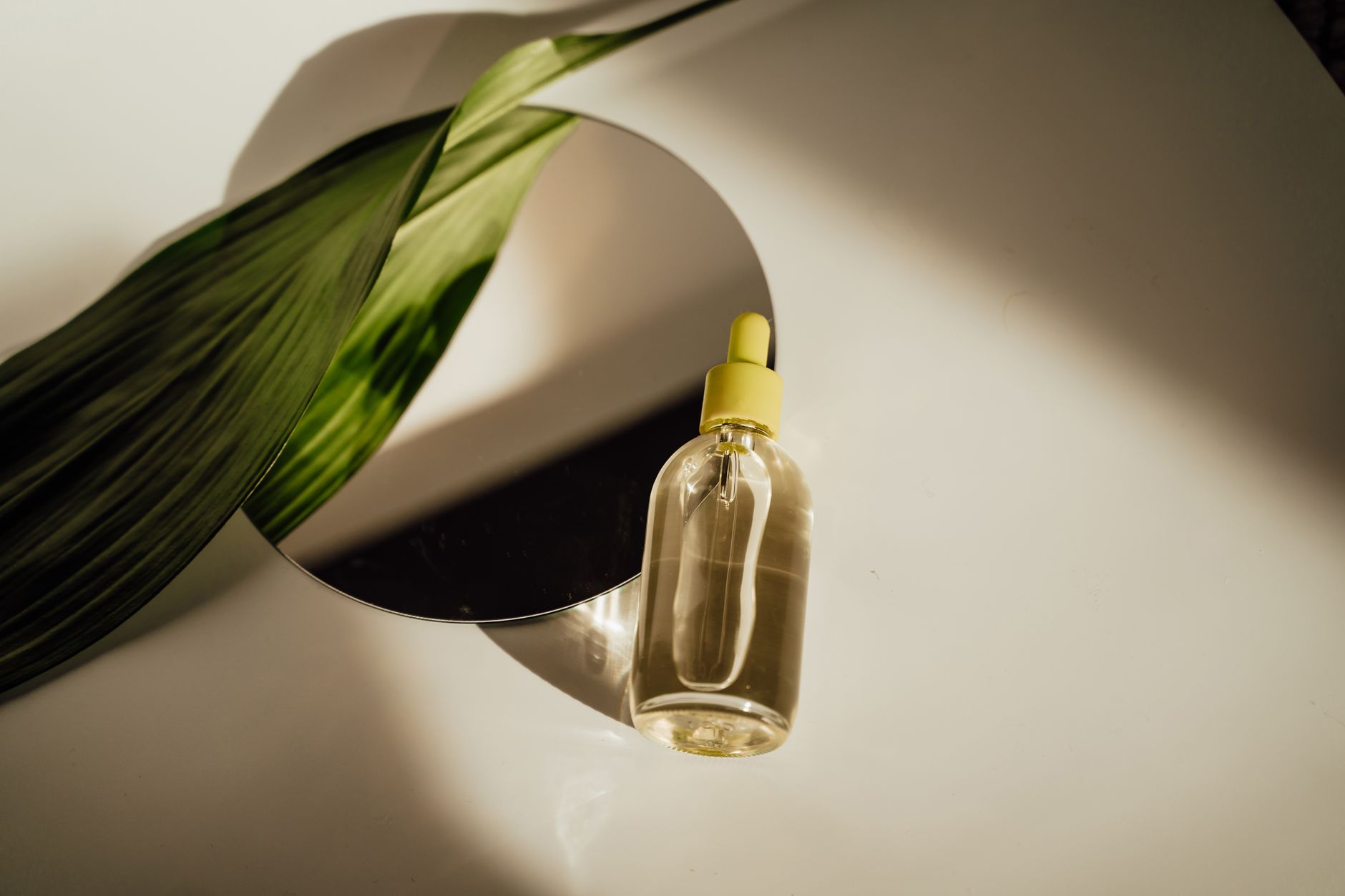
A clear glass bottle of hair gloss serum with a dropper, on a minimalist white surface next to a green plant, soft natural light
Hair gloss is designed to coat the hair, adding shine and subtle color enhancement without the deep penetration of permanent dyes.

Is Hair Gloss Safe During Pregnancy?

The
question "is hair gloss safe during pregnancy?" is a common one, and the general consensus from leading health organizations is reassuring. The American College of Obstetricians and Gynecologists (ACOG) and the UK's National Health Service (NHS) state that while there's limited research specifically on hair dyes and treatments during pregnancy, the chemicals involved are not thought to be highly toxic. The amount of chemicals absorbed through the skin on your scalp is considered minimal, and even less is thought to reach the bloodstream. Most hair gloss formulas are gentler than permanent hair dyes because they typically don't contain ammonia or high levels of peroxide, which are common in more aggressive coloring treatments. Hair gloss primarily works on the surface of the hair, rather than penetrating deeply into the hair shaft. This surface-level action means that the chemical exposure to your scalp is usually very low. However, the primary concerns revolve around certain ingredients and the inhalation of fumes. We recommend prioritizing formulas that are ammonia-free and PPD-free to minimize potential risks. Always ensure good ventilation during application, whether you're at home or in a salon. While the overall risk is considered low, many healthcare providers still recommend a cautious approach, especially during the first trimester when the baby's organs are developing rapidly. If you're feeling anxious, waiting until the second trimester can offer additional peace of mind. Ultimately, personal choice and consultation with your healthcare provider are key. If you have any underlying skin conditions or sensitivities, it's even more important to discuss using hair gloss with your doctor or OB-GYN.

Is hair gloss safe in the first trimester?

The first trimester is a period of rapid development for your baby, making it a time when many pregnant people are extra cautious about exposures. When considering "is hair gloss safe in the first trimester?", the general advice from many healthcare providers and organizations, like the NHS, is to err on the side of caution. While the absorption of chemicals from hair gloss through the scalp is considered minimal, some obstetricians suggest waiting until after the first 12 weeks. This recommendation is often a precautionary measure, not because there's strong evidence of harm from hair gloss, but simply to avoid any unnecessary chemical exposure during this critical developmental window. If you choose to use hair gloss in the first trimester, prioritize formulas that are explicitly ammonia-free and PPD-free. Ensure you're in a well-ventilated area to minimize inhalation of any fumes, and always perform a patch test 48 hours beforehand, as pregnancy can make your skin more sensitive. If you have any concerns or a history of allergies, it's always best to discuss it with your doctor or midwife first.

Safety in the Second Trimester

By the second trimester, many pregnant people feel more comfortable with certain activities and treatments, and this often extends to hair gloss. The period of major organ development has largely passed, and the consensus on "is hair gloss safe during pregnancy" tends to lean more towards 'generally safe' during this stage. The low level of chemical absorption from hair gloss remains consistent, and the risks from topical application are still considered very low. During your second trimester, you can generally proceed with hair gloss treatments with confidence, provided you continue to follow sensible precautions. This includes using products free of harsh chemicals like ammonia and PPD, ensuring excellent ventilation, and always doing a patch test to check for any new sensitivities that might arise during pregnancy. Many professional stylists are also well-versed in pregnancy-safe practices and can guide you toward suitable options.

Safety in the Third Trimester

As you enter the third trimester, the safety guidelines for hair gloss remain largely the same as in the second trimester. The primary concerns about chemical exposure have typically lessened by this point in pregnancy. Therefore, using hair gloss is generally considered safe for most pregnant individuals during their third trimester, assuming the same precautions are followed. Continue to select ammonia-free and PPD-free formulas, ensure the area is well-ventilated to avoid inhaling fumes, and always perform a patch test. As your body changes in the third trimester, you might find sitting for prolonged periods uncomfortable, especially for professional treatments. Consider shorter application times or at-home options if comfort becomes an issue. Hydration and maintaining good hair health are also important during this time, so choosing conditioning glosses can be beneficial.

Safety While Breastfeeding

When it comes to "is hair gloss safe during pregnancy" and beyond, many new parents also wonder about its safety while breastfeeding. The good news is that hair gloss is generally considered safe to use while breastfeeding. The chemicals in hair gloss are applied topically to the hair and scalp, and the amount absorbed into your bloodstream is minimal. Consequently, the amount that could potentially pass into breast milk is negligible and not considered a risk to your baby. However, continuing good practices like ensuring proper ventilation and choosing gentler, ammonia-free formulas is always recommended. This minimizes any potential inhalation exposure for both you and your baby, especially if your baby is nearby during or after application. If you have any specific concerns, particularly if you have very sensitive skin or are prone to allergic reactions, a quick chat with your doctor or lactation consultant can provide extra reassurance.

Safe Ingredients and Application for Hair Gloss

When deciding if "is hair gloss safe during pregnancy" for you, paying attention to ingredients and application methods is crucial. **What ingredients in hair gloss should pregnant women avoid?** While hair gloss is generally gentler than permanent dyes, there are certain ingredients you might want to avoid or limit exposure to during pregnancy:
  • Ammonia: This strong-smelling chemical is used to open the hair cuticle and allow color to penetrate. While absorption through the scalp is minimal, the fumes can be irritating and cause nausea, especially during pregnancy. Opt for ammonia-free formulas.
  • P-phenylenediamine (PPD): A common ingredient in many hair dyes, PPD can cause allergic reactions and is absorbed more readily than some other chemicals. Look for "PPD-free" or "resorcinol-free" labels, especially if you have sensitive skin or a history of allergies.
  • Phthalates: Some studies have raised concerns about phthalates, which are sometimes used in cosmetics and fragrances, and their potential endocrine-disrupting effects. While the evidence is not definitive for hair products, choosing "phthalate-free" products can offer additional peace of mind.
  • Parabens: These preservatives are also a subject of debate regarding endocrine disruption. Many brands now offer paraben-free options.
Conversely, look for formulas that highlight conditioning ingredients like argan oil, jojoba oil, or other natural emollients. **Application Best Practices:**
  • Ventilation is Key: Whether you're at a salon or home, ensure the area is very well-ventilated. Open windows, use a fan, or step outside if possible. This minimizes the inhalation of any fumes.
  • Patch Test: Always perform a patch test 48 hours before applying hair gloss, even if you've used the product before. Pregnancy can change your skin's sensitivity, and you might develop an allergic reaction where you didn't have one previously.
  • Avoid Scalp Contact: If applying at home, try to minimize direct contact with your scalp. If you're concerned about absorption, consider root touch-ups only if necessary, or focus on mid-lengths and ends.
  • Wear Gloves: Always wear gloves to protect your hands from direct contact with the chemicals.
  • Limit Application Time: Follow the instructions precisely and avoid leaving the product on for longer than recommended.

Are professional hair gloss treatments safe during pregnancy?

Professional hair gloss treatments are generally considered safe during pregnancy, often with an added layer of reassurance. Many salons are well-equipped with better ventilation systems than a typical home bathroom, which helps to mitigate concerns about inhaling fumes. Additionally, professional stylists are trained to apply products carefully, minimizing direct contact with your scalp, and they can offer expert advice on pregnancy-safe options. When booking a professional treatment, inform your stylist that you are pregnant. They can then recommend specific ammonia-free or PPD-free gloss formulas and ensure extra precautions are taken, such as ensuring good airflow around your station. They can also perform a professional patch test if needed. If you feel uncomfortable or experience strong smells, don't hesitate to speak up. Your comfort and safety are paramount.

What are the safest hair gloss brands for pregnant women?

While BumpBites cannot endorse specific brands as "the safest" without direct medical review of every ingredient list, we can guide you on what to look for when choosing a brand that aligns with pregnancy safety recommendations. Prioritize brands that explicitly state their formulas are:
  • Ammonia-Free: This is a primary concern due to inhalation risks.
  • PPD-Free (p-phenylenediamine-free): Especially important if you have sensitive skin or a history of allergies.
  • Phthalate-Free and Paraben-Free: Many "clean beauty" or "natural" brands will highlight these features.
  • Formulated with Conditioning Ingredients: Look for nourishing oils (argan, jojoba) or hydrating compounds that support hair health without harsh chemicals.
Many reputable professional and at-home brands now offer gentler glosses and semi-permanent color lines that fit these criteria. Some popular salon brands, for example, have specific "demi-permanent" or "gloss" lines designed to be less invasive than permanent dyes. Always check the ingredient list and product claims before purchasing or applying. When in doubt, consult your stylist or healthcare provider for personalized recommendations.

Side Effects and Risks

While hair gloss is generally considered a low-risk treatment during pregnancy, it's important to be aware of potential side effects and risks, primarily related to allergic reactions and inhalation. **Allergic Reactions and Scalp Irritation:** Pregnancy can make your skin more sensitive, increasing the likelihood of developing an allergic reaction or irritation to products you've used before without issue. This is why a patch test 48 hours prior to full application is absolutely crucial. Symptoms of an allergic reaction or irritation can include:
  • Redness, itching, or burning on the scalp or skin.
  • Swelling of the scalp, face, or neck.
  • Hives or rash.
If you experience any of these symptoms, wash the product off immediately and discontinue use. For severe reactions, seek medical attention. **Inhalation of Fumes:** Even ammonia-free products can have a scent, and strong chemical odors can be bothersome or even trigger nausea and headaches in pregnant individuals, especially during the first trimester. While the risk of significant harm from inhaled hair gloss fumes is considered low, prolonged exposure in poorly ventilated areas should be avoided. Ensure good airflow to minimize this risk. **Does hair gloss absorb into the bloodstream during pregnancy?** This is a key question for many expecting parents. The general scientific consensus, supported by organizations like ACOG, is that the amount of chemicals absorbed through the scalp from topical hair treatments like gloss is minimal. The skin acts as a barrier, and only a tiny fraction of the ingredients can penetrate it and enter the bloodstream. Furthermore, if any chemicals do enter your bloodstream, they would be further diluted before potentially reaching your baby. Therefore, the risk of significant systemic absorption from hair gloss is considered very low. The primary concern is typically localized skin reactions or inhalation of fumes, rather than widespread absorption into your body.

Safer alternatives / other safe options

If you're still feeling hesitant about using commercial hair gloss or simply want to explore more natural ways to boost your hair's shine and health during pregnancy, there are many wonderful alternatives. These options often utilize natural ingredients that nourish your hair without any chemical concerns.
  • Coconut Oil Hair Mask: A deeply moisturizing treatment that can add natural shine and softness. Apply warm coconut oil to dry hair, leave for 30 minutes to a few hours, then shampoo and condition as usual.
  • Argan Oil Treatment: Known as "liquid gold," argan oil is rich in vitamins and antioxidants. A few drops smoothed through damp or dry hair can add immense shine, tame frizz, and condition.
  • Pure Henna (PPD-free): For those looking for a subtle color boost and shine, pure henna (without PPD or other additives) can be a safe option. It stains the outer layer of the hair, adding reddish tones and incredible gloss. Always ensure it's 100% pure, body-art quality henna.
  • Apple Cider Vinegar Hair Rinse: A simple, natural way to clarify your scalp, remove product buildup, and close the hair cuticle, resulting in smoother, shinier hair. Dilute ACV with water (1:4 ratio) and use as a final rinse after shampooing.
  • Ammonia-free Temporary Color Conditioners: Many brands offer color-depositing conditioners that provide a temporary tint and shine without the harsh chemicals of permanent dyes. These wash out quickly and are generally considered very low risk.
  • Jojoba Oil: Mimicking the natural oils of the scalp, jojoba oil can be used as a pre-shampoo treatment or a leave-in serum to add moisture and shine without feeling greasy.
  • DIY Gelatin Hair Mask: Gelatin is a protein that can temporarily fill in damaged spots on the hair shaft, making it smoother and shinier. Mix unflavored gelatin with warm water and a bit of conditioner, apply to damp hair, leave for 15-20 minutes, then rinse.
  • Rosemary Water Rinse: While often touted for hair growth, rosemary water can also enhance shine and scalp health. Boil fresh rosemary in water, let it cool, then use the strained water as a final rinse.
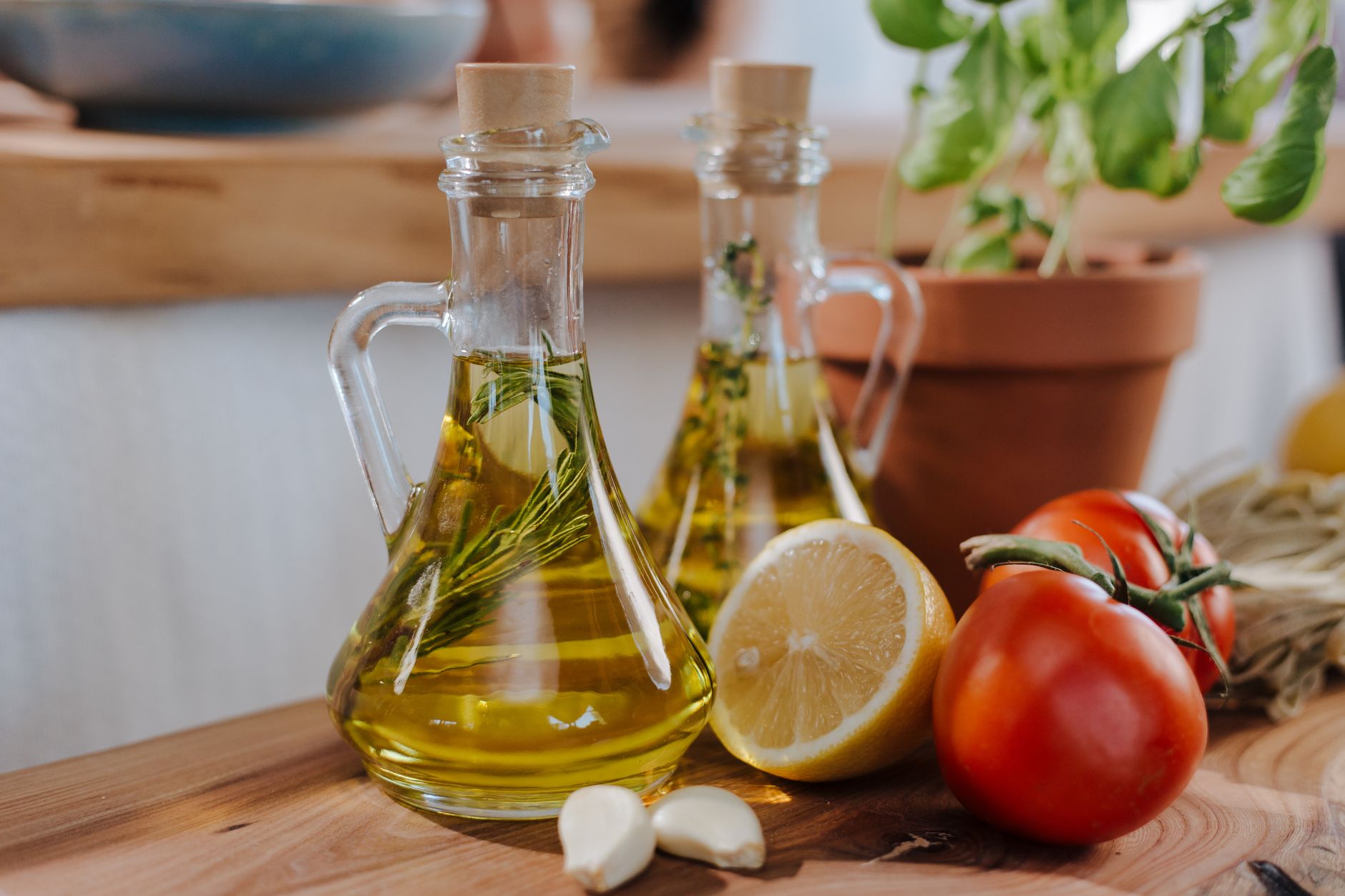
A selection of natural hair care ingredients including a bowl of coconut oil, a bottle of argan oil, fresh rosemary sprigs, and a bottle of apple cider vinegar, on a rustic wooden table
Natural alternatives like coconut oil and apple cider vinegar can safely enhance hair shine and health during pregnancy.
Understanding the safety of hair gloss during pregnancy often leads to questions about other popular hair treatments. Here's a quick overview of how common salon and at-home treatments generally stack up for expecting parents.
Hair Treatment Verdict Notes
Hair Dye (Permanent) ⚠️ Safe with limits Generally considered low risk after the first trimester. Opt for ammonia-free, PPD-free. Good ventilation is crucial.
Hair Bleach ⚠️ Safe with limits Higher chemical concentration. Many experts recommend avoiding or waiting until the second trimester. Ensure minimal scalp contact and excellent ventilation.
Hair Relaxers ❌ Best avoided Contain very strong chemicals (e.g., lye) that can cause scalp burns and irritation, increasing absorption risk. Fumes are also very strong.
Keratin Treatments (Brazilian Blowouts) ❌ Best avoided Many formulations release formaldehyde when heated, a known carcinogen. Even "formaldehyde-free" versions may contain formaldehyde-releasing chemicals.
Perms ❌ Best avoided Involve strong chemicals and fumes similar to relaxers. Often recommended to avoid during pregnancy due to potential irritation and inhalation risks.
Hair Spray ✅ Generally safe Topical application with minimal absorption. Use in well-ventilated areas to avoid inhaling aerosols, especially during the first trimester.
Dry Shampoo ✅ Generally safe Topical application. Use in well-ventilated areas to avoid inhaling the powder/aerosol. Some prefer powder over aerosol versions.
Hair Glaze ⚠️ Safe with limits Very similar to hair gloss, often interchangeable. Generally considered low risk with same precautions (ammonia-free, ventilation, patch test).
Hair Toner ⚠️ Safe with limits Used to neutralize unwanted brassy tones. Often contains peroxide. Follow same precautions as hair gloss/semi-permanent dye: ammonia-free, PPD-free, good ventilation.
Semi-permanent Hair Color ⚠️ Safe with limits Similar to hair gloss, it coats the hair rather than penetrating deeply. Generally considered lower risk than permanent dye. Follow same precautions.

Myth vs. fact

Many myths circulate about hair treatments during pregnancy. Let's clear up some common misconceptions about "is hair gloss safe during pregnancy" and other hair care practices. **Myth:** You absolutely cannot color your hair at all while pregnant. **Fact:** This is largely a myth. Most major health organizations, including ACOG and the NHS, state that hair coloring is generally considered safe during pregnancy, particularly after the first trimester, due to minimal chemical absorption through the scalp. The key is to choose gentler options like hair gloss, highlights, or semi-permanent dyes, and to ensure good ventilation. **Myth:** All hair dyes and treatments are the same when it comes to pregnancy safety. **Fact:** This is incorrect. There's a significant difference between treatments. Permanent dyes that contain ammonia and high levels of peroxide are more potent than gentler options like hair gloss or semi-permanent dyes, which primarily coat the hair. Treatments like relaxers or keratin treatments (especially those containing formaldehyde) pose higher risks and are often recommended to be avoided. **Myth:** If you can't smell it, it's safe. **Fact:** While strong fumes (like ammonia) are a concern, some chemicals that are potentially irritating or problematic might not have a strong odor. Always check ingredient lists, even for "fragrance-free" products, and prioritize good ventilation regardless of how strong the scent is.

Key takeaways

  • Hair gloss is generally considered a low-risk hair treatment during pregnancy, especially after the first trimester.
  • Prioritize ammonia-free and PPD-free formulas to minimize chemical exposure and inhalation risks.
  • Always perform a patch test 48 hours before application, as pregnancy can increase skin sensitivity.
  • Ensure excellent ventilation during application, whether at home or in a salon, to avoid inhaling fumes.
  • Chemical absorption through the scalp from hair gloss is minimal and not considered a significant risk to your baby.
  • When in doubt, or if you have specific concerns, always consult with your doctor or OB-GYN.

Frequently asked questions

Is it safe to color your hair while pregnant?

Yes, it is generally considered safe to color your hair while pregnant, especially after the first trimester. The amount of chemicals absorbed through the scalp is minimal, and most health organizations like ACOG deem it low risk. Opt for gentler options like highlights, semi-permanent dyes, or hair gloss, and ensure good ventilation.

What hair products are safe for pregnancy?

Many hair products are safe for pregnancy. Look for shampoos, conditioners, and styling products that are free from harsh chemicals like parabens, phthalates, and strong fragrances. For color treatments, choose ammonia-free and PPD-free formulas, and prioritize good ventilation to minimize inhalation risks.

Can I use Redken Shades EQ while pregnant?

Redken Shades EQ is a popular demi-permanent gloss that is ammonia-free. Because it's a gentler, non-oxidative formula that primarily coats the hair, it's generally considered a lower-risk option during pregnancy compared to permanent dyes. However, always ensure good ventilation and consider a patch test. Discuss with your stylist or doctor if you have specific concerns.

Is hair toner safe during pregnancy?

Hair toner is generally considered safe during pregnancy, especially if it's an ammonia-free, demi-permanent formula. Toners typically contain lower concentrations of chemicals than permanent dyes and work on the surface of the hair. Follow the same precautions: ensure good ventilation, perform a patch test, and avoid excessive scalp contact.

What hair treatments are safe during pregnancy?

Many hair treatments are safe, including basic cuts, conditioning treatments, and most styling services. For chemical treatments, hair gloss, demi-permanent color, and highlights (where the product doesn't directly touch the scalp) are generally considered safer options. Treatments with strong chemicals like relaxers, perms, or keratin treatments (due to formaldehyde release) are usually best avoided.

Can I get a hair glaze while pregnant?

Yes, a hair glaze is very similar to a hair gloss and is generally considered safe during pregnancy. Both treatments coat the hair to add shine and subtle color without deeply penetrating the hair shaft or using harsh chemicals like ammonia. Follow the same precautions: choose ammonia-free formulas, ensure good ventilation, and perform a patch test.

Are semi-permanent hair dyes safe during pregnancy?

Yes, semi-permanent hair dyes are generally considered safe during pregnancy. They are designed to coat the hair shaft rather than penetrate it deeply, making them gentler than permanent dyes. Look for ammonia-free and PPD-free options, and always ensure good ventilation during application to minimize any potential inhalation of fumes.

What hair dye ingredients to avoid when pregnant?

When pregnant, it's best to avoid hair dye ingredients like ammonia (due to strong fumes), PPD (p-phenylenediamine), and resorcinol, especially if you have sensitive skin or a history of allergies. Some also choose to avoid parabens and phthalates, though their risk in hair products is less clear. Prioritize "free-from" formulas where possible.

When to call your doctor

While using hair gloss during pregnancy is generally considered low risk, it’s always wise to listen to your body and consult your healthcare provider if you have any concerns. Call your doctor or OB-GYN if you experience:
  • Any signs of an allergic reaction after using hair gloss, such as severe itching, redness, swelling of the scalp or face, or difficulty breathing.
  • Unusual or persistent headaches, dizziness, or nausea during or after applying hair gloss, especially if you suspect it's related to fumes.
  • Any unusual skin irritation or rash on your scalp or body after exposure to hair gloss.
  • If you have pre-existing skin conditions like eczema or psoriasis and are concerned about how the treatment might affect them during pregnancy.
Remember, this information is for educational purposes only and is not a substitute for professional medical advice. Always discuss your specific health concerns and treatment choices with your healthcare provider.

References

  1. American College of Obstetricians and Gynecologists (ACOG). (Accessed 2023). Pregnancy FAQs.
  2. National Health Service (NHS) UK. (Accessed 2023). Can I use hair dye when I'm pregnant or breastfeeding?
  3. Mayo Clinic. (Accessed 2023). Hair dye and pregnancy: Is it safe?
  4. Centers for Disease Control and Prevention (CDC). (Accessed 2023). Reproductive Health: Phthalates.
  5. U.S. Food and Drug Administration (FDA). (Accessed 2023). Hair Dyes.

Editor's pick for this topic

Not sure about the label on Is Hair Gloss Safe During Pregnancy products?

Snap the ingredients list and SafeFilter checks every ingredient for your stage — only 3 free scans this month, then you're locked until reset. Unlimited from $7/mo or $50/yr.

Informational only — not medical advice.

Shubhra Mishra

About the Author

When Shubhra Mishra was expecting her first child in 2016, she was overwhelmed by conflicting food advice — one site said yes, another said never. By the time her second baby arrived in 2019, she realized millions of mothers face the same confusion.

That sparked a five-year journey through clinical nutrition papers, cultural diets, and expert conversations — all leading to BumpBites: a calm, compassionate space where science meets everyday motherhood.

Her long-term vision is to build a global community ensuring safe, supported, and free deliveriesfor every mother — because no woman should face pregnancy alone or uninformed. 🌿

🌍 Stand with mothers, shape safer guidance

Join a small circle of experts who review BumpBites articles so expecting parents everywhere can decide with confidence.

⚠️ Always consult your doctor for medical advice. This content is informational only.

Recommended picks

Ritual Ritual Essential Prenatal

Prenatal pick

RitualRitual Essential Prenatal

Choline + DHA + folate from methylfolate (not synthetic).

$39Check prenatal →
Nordic Naturals Nordic Naturals Prenatal DHA (Strawberry Softgels)

Prenatal pick

Nordic NaturalsNordic Naturals Prenatal DHA (Strawberry Softgels)

Premium fish-oil DHA in strawberry softgels — gentle on the stomach.

$55Check prenatal →