Safe in moderation. Semi-permanent hair color is generally considered safe during pregnancy, especially after the first trimester, but limit exposure and opt for ammonia-free formulas.
By Shubhra Mishra — a mom of two who turned her own confusion during pregnancy into BumpBites, a global mission to make food choices clear, safe, and stress-free for every expecting mother. 💛
Check whether any food is safe during pregnancy with the BumpBites Food Safety Checker.
Quick verdict: ⚠️ Safe with limits. Semi‑permanent hair color can be used during pregnancy, but you should keep applications to no more than once per trimester, use well‑ventilated areas, and choose products free of harsh chemicals such as ammonia or PPD. If you have a scalp condition or strong sensitivities, talk to your provider before coloring.
It’s 2 a.m., you’re scrolling through product reviews, and the question that keeps popping up is “is hair color semi permanent safe during pregnancy?” You might have already mixed a box of dye or are planning a fresh look for a wedding or baby shower. First, take a breath—you’re not alone, and the good news is that most semi‑permanent dyes are low‑risk when used carefully. In this article we’ll break down the science, trimester‑specific guidance, how much you can safely apply, brand suggestions, and safer alternatives so you can make an informed decision without panic.
We’ll cover the composition of semi‑permanent hair color, compare it to permanent dyes, and explain why the timing of application matters. You’ll find a quick safety snapshot, dosage recommendations, a list of reputable brands, and a side‑by‑side comparison with related hair‑color products. By the end, you’ll know exactly what to look for, how to protect yourself and your baby, and when to call your doctor.
Because every pregnancy is unique, we’ll also discuss how pre‑existing scalp conditions, allergies, and personal sensitivities can change the risk profile, and we’ll give you practical tips for home application that keep both you and your little one safe.
Keep the area well‑ventilated and avoid inhaling fumes while applying hair color.
Trimester / Stage
Verdict
Notes
First trimester
⚠️ Use with caution
Limit to one application, choose ammonia‑free formulas, and ensure scalp is intact.
Second trimester
✅ Generally safe
Standard use (once per trimester) is acceptable; still avoid strong chemicals.
Third trimester
✅ Generally safe
Same guidelines as second trimester; consider postponing if you have a skin condition.
Breastfeeding
✅ Safe
Topical exposure is minimal; ensure no ingestion of dye.
What is semi permanent hair color?
Semi‑permanent hair color is a coating dye that deposits pigment onto the outer layer of the hair shaft without using a developer (hydrogen peroxide) to open the cuticle. Because it does not alter the hair’s natural pigment, the color fades gradually with each wash, typically lasting 4–6 weeks. The formulation usually contains low‑level aromatic compounds, plant‑based or synthetic dyes, and conditioning agents, but it lacks the ammonia, P‑phenylenediamine (PPD), and high‑strength peroxide found in permanent dyes. This makes semi‑permanent color less damaging and, in many cases, gentler on the scalp. People choose it for vibrant shades, subtle highlights, or to experiment without a long‑term commitment.
Unlike permanent dyes, semi‑permanent color does not penetrate the cortex of the hair, so the risk of systemic absorption is lower. However, some products still contain small amounts of volatile organic compounds (VOCs) that can be inhaled during application. For pregnant people, the primary concerns are potential skin irritation, allergic reactions, and the theoretical risk of chemical exposure to the developing fetus during the most vulnerable period of organ formation. Most reputable manufacturers conduct dermatologic safety testing, and many now label their formulas as “low‑PPD” or “ammonia‑free” to address these concerns.
In addition to traditional semi‑permanent dyes, a growing niche of “natural” semi‑permanent options uses plant‑derived pigments such as indigo, cassia, or beetroot extract. While these are often marketed as “gentle,” they can still cause reactions in sensitive individuals, so a patch test remains essential regardless of the product’s marketing claims.
Is semi permanent hair color safe during pregnancy?
Current guidance from major health organizations—such as the American College of Obstetricians and Gynecologists (ACOG), the UK’s National Health Service (NHS), and the U.S. Food and Drug Administration (FDA)—indicates that semi‑permanent hair dyes are not classified as teratogens. ACOG’s FAQ on “cosmetics during pregnancy” notes that topical hair dyes are generally considered safe when used as directed, provided the user avoids prolonged inhalation of fumes and applies the product to intact skin.
The NHS advises that pregnant people can use hair‑color products, but recommends choosing ammonia‑free or low‑PPD formulas and ensuring good ventilation. The FDA does not require a specific pregnancy label for semi‑permanent dyes because they are considered low‑risk cosmetics, but it does caution against using any product that causes a skin reaction.
Evidence from observational studies is limited, yet the available data do not show an increased risk of birth defects or adverse pregnancy outcomes with occasional semi‑permanent dye use. A 2015 cohort study of 2,400 pregnant women in the United States found no statistically significant association between self‑reported semi‑permanent hair coloring and preterm birth or low birth weight. Most experts agree that the key is minimizing exposure: use a single application per trimester, wear gloves, and keep the area well‑ventilated. If you have a history of allergic reactions or a scalp condition such as eczema or psoriasis, discuss alternatives with your obstetrician.
It is also worth noting that many prenatal care providers advise postponing any cosmetic procedures that involve strong chemicals during the first 12 weeks, simply as a precautionary principle. In practice, this often translates to waiting until after the first trimester before undertaking a new hair‑coloring regimen.
Is semi permanent hair color safe during the first trimester?
The first trimester (weeks 1–13) is the period of organogenesis, when the fetus’s major organs are forming. Because this window is the most sensitive to potential teratogens, ACOG advises extra caution with any chemical exposure. Semi‑permanent hair dye can be used, but it should be limited to one application, and you should select a product free of ammonia, PPD, and other strong sensitizers. Use gloves, apply the dye in a well‑ventilated space, and avoid leaving the mixture on the scalp for longer than instructed.
Practical tips for the first trimester include opening a window or turning on an exhaust fan, timing the application for a time of day when you’re not feeling nauseous, and keeping a bowl of water nearby to rinse any accidental splashes on the skin. If you experience morning sickness, it may be easier to wait until that symptom eases before beginning the process.
Can I use semi permanent hair dye in the second trimester?
During the second trimester (weeks 14–27), the risk of chemical exposure is lower, and many clinicians consider it safe to resume normal cosmetic routines. Semi‑permanent hair color can be applied once per trimester, provided you continue to use low‑chemical formulas and maintain good ventilation. If you experienced any irritation in the first trimester, you may want to wait until after the 20‑week mark before re‑applying.
Many pregnant people find that the second trimester is the most comfortable time for personal grooming, as fatigue and nausea often subside. This can be an opportune moment to schedule a salon visit if you prefer professional application, but continue to request ammonia‑free products and ask the stylist to keep the room airy.
What amount of semi permanent hair color is safe to use while pregnant?
Safety is linked more to frequency than to the exact amount of dye applied. A typical box of semi‑permanent color contains enough product for a single full‑head application. Most experts advise no more than one full‑head application per trimester (approximately 30–40 ml). Applying the dye to a small section of hair (e.g., a single strand or a root touch‑up) is considered low risk, even if done more frequently, as long as you avoid scalp irritation.
It’s also helpful to be aware of product variations. Some kits are marketed for “intensive coverage” and contain up to 50 ml, while “mini” kits may hold as little as 15 ml. Regardless of the size, the principle remains the same: limit total exposure within a trimester and avoid overlapping applications.
Are there any safe semi permanent hair color brands for pregnant women?
While no brand is officially “pregnancy‑certified,” several manufacturers formulate their semi‑permanent dyes without ammonia, PPD, or harsh peroxide, making them preferable for expectant mothers. Examples include:
Nature’s Aura – plant‑based, ammonia‑free formula with gentle botanical dyes.
Madison Reed – offers a “Pregnancy‑Safe” line free of PPD and ammonia, with dermatologist‑tested ingredients.
Lush – a vegan, cruelty‑free line that uses natural pigments and minimal synthetic additives.
Naturtint – contains low‑PPD, zinc‑based pigments and is often recommended by dermatologists for sensitive scalps.
When shopping, look for EU‑wide “Cosmetics Regulation” compliance symbols, which indicate that the product has passed safety assessments for skin contact. Always read the ingredient list; if you see “ammonia,” “PPD,” or “resorcinol,” choose a different product. Patch‑test any new dye at least 48 hours before full application, even if the brand claims to be gentle.
Some brands also provide “pregnancy‑friendly” packaging that includes clear usage instructions and warnings about inhalation, which can be an extra layer of reassurance for cautious consumers.
What are the risks of using semi permanent hair dye during pregnancy?
The primary risks are skin irritation, allergic reactions, and inhalation of volatile compounds. Mild irritation may cause redness, itching, or a temporary rash—generally not harmful to the fetus. However, a severe allergic reaction (contact dermatitis) can lead to swelling, blistering, or systemic symptoms such as fever, which warrant medical attention.
There is no robust evidence linking semi‑permanent dye use to birth defects, miscarriage, or developmental issues. The theoretical concern is exposure to chemicals that could cross the placental barrier, but the low systemic absorption of topical dyes makes this risk negligible. Nonetheless, if you have a pre‑existing scalp condition (e.g., eczema, psoriasis) or a known dye allergy, the likelihood of an adverse reaction increases.
Interactions with other hair‑care products can also amplify irritation. For example, using a strong hairspray or a keratin treatment shortly after coloring can trap chemicals against the scalp, heightening the chance of a reaction. Space out any additional treatments by at least 48 hours and always rinse thoroughly.
What are safe alternatives to semi permanent hair color for pregnant women?
Pure henna (unmixed, plant‑based) – provides a natural reddish hue without chemicals.
Vegetable‑based hair chalk – temporary, washes out after a few shampoos.
Temporary hair spray – offers vibrant color for a day or two without scalp contact.
Hair mascara – a precise, short‑term color for roots or small sections.
Clip‑in hair extensions – add color and volume instantly, no chemicals.
Wigs – full‑head coverage with any shade you desire, zero chemical exposure.
Natural plant‑based dyes (e.g., indigo) – used after a henna base for darker tones.
Tape‑in or glue‑free hair extensions – safe, non‑chemical method to achieve highlights.
Water‑based hair gloss – a shine‑enhancing product that adds a subtle tint without harsh additives.
Color‑depositing conditioners – provide a faint hue while conditioning the hair, ideal for low‑impact color.
When selecting an alternative, verify that the product does not contain hidden PPD or synthetic dyes. For plant‑based options, ensure they are pure and not mixed with metallic salts, which can cause unexpected reactions.
How does having a scalp condition affect hair dye safety in pregnancy?
Active scalp conditions such as eczema, psoriasis, or open cuts increase the skin’s permeability, potentially allowing more dye chemicals to enter the bloodstream. In such cases, ACOG recommends postponing any hair‑color treatment until the scalp has healed. If you must color your hair, opt for a fragrance‑free, hypoallergenic, and ammonia‑free semi‑permanent product, and perform a patch test 48 hours beforehand.
Managing a scalp condition during pregnancy often involves using gentle, fragrance‑free moisturizers and avoiding harsh shampoos. Applying a thin layer of a barrier cream (e.g., petroleum jelly) around the hairline can also help protect sensitive skin from accidental dye contact.
Is it safe to apply semi permanent hair color at home while pregnant?
Home application is safe when you follow the same precautions you would in a salon: wear gloves, keep the room well‑ventilated (open windows or use a fan), and avoid leaving the dye on the scalp longer than instructed. The risk of inhaling fumes is higher in a small, enclosed bathroom, so ensure airflow. If you feel dizzy, nauseous, or develop a headache during application, stop immediately, rinse thoroughly, and seek medical advice if symptoms persist.
Some additional home‑application tips include laying down a towel to catch drips, using a timer to avoid over‑processing, and having a bowl of cool water ready for immediate rinsing if the dye contacts your skin. Keep the product out of reach of children and pets, as accidental ingestion could cause gastrointestinal upset.
Does the frequency of semi permanent hair coloring affect pregnancy safety?
Frequency matters more than the amount per application. Applying semi‑permanent dye more than once per trimester can increase cumulative exposure to chemicals and the likelihood of scalp irritation. Most experts recommend limiting applications to once per trimester (roughly every 12 weeks) and using a gentle, low‑chemical formula each time.
If you need to touch up roots between trimester appointments, a small “spot‑treatment” using only 5 ml of dye is generally considered low risk. However, keep a record of each application date and product used, so you can discuss any concerns with your provider at prenatal visits.
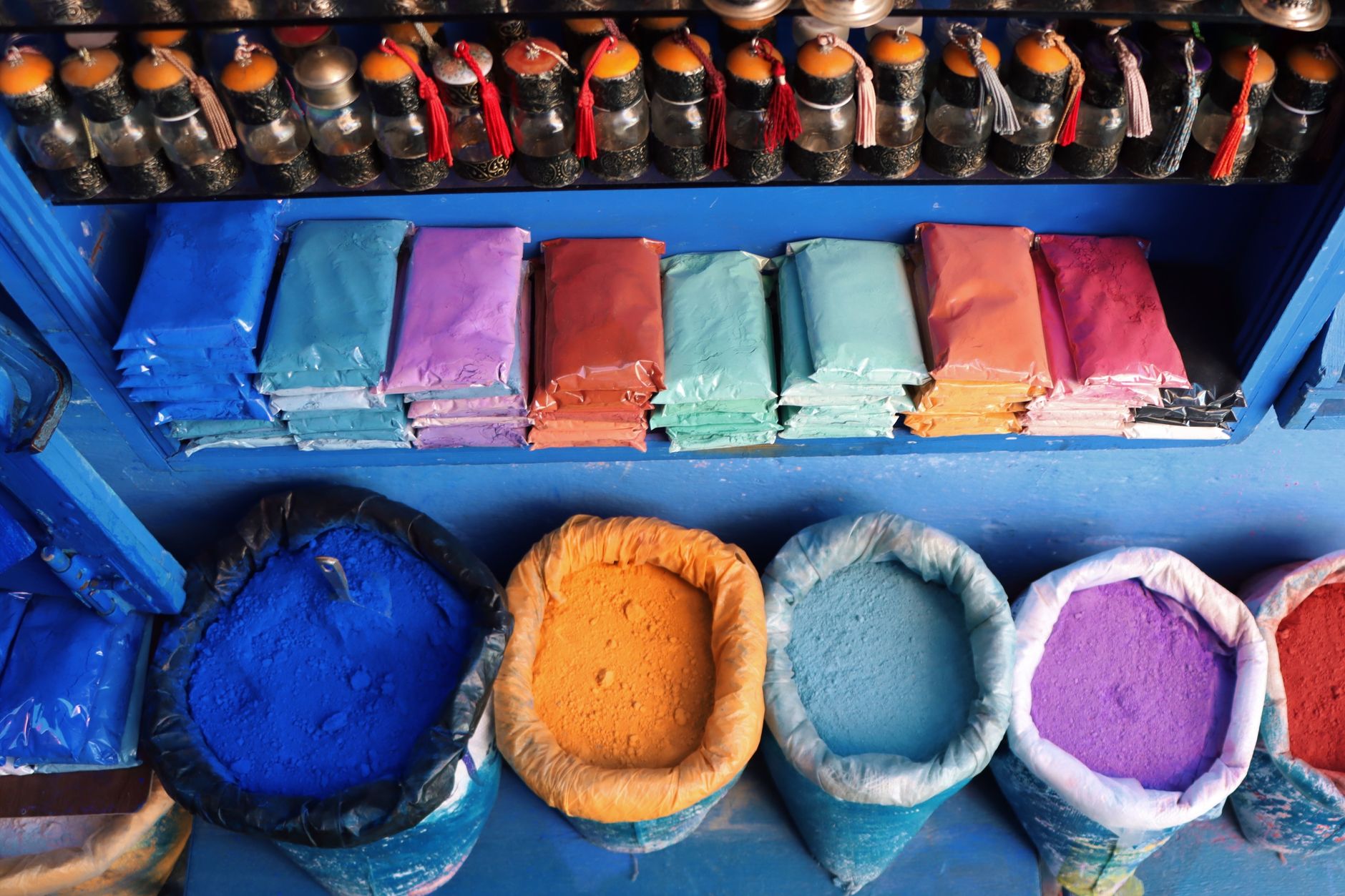
Plant‑based dyes like henna and indigo are popular low‑risk alternatives during pregnancy.
Safe dosage / amount / brands
For a typical full‑head application, use the amount supplied in one box (approximately 30–40 ml). Do not exceed this volume within a single trimester. If you are only touching up roots or a small section, you can safely use up to 5 ml without increasing risk. When purchasing, look for the following label cues:
“Ammonia‑free” – reduces inhalation of strong fumes.
“PPD‑free” or “low‑PPD” – lowers risk of allergic dermatitis.
“Dermatologist‑tested” – indicates safety testing on sensitive skin.
“Cruelty‑free” and “vegan” – often correlate with gentler ingredient profiles.
EU “Cosmetics Regulation” compliance symbol – confirms the product meets strict safety standards.
Brands that consistently meet these criteria include Nature’s Aura, Madison Reed’s “Pregnancy‑Safe” line, Lush, and Naturtint. Avoid products that list “ammonia,” “resorcinol,” or “PPD” as primary ingredients. If you are unsure, consult the manufacturer’s ingredient database or ask a pharmacist for clarification.
Brand
Verdict
Key safety notes
Nature’s Aura
✅ Generally safe
Ammonia‑free, botanical dyes, suitable for sensitive skin.
Low‑PPD, zinc‑based pigments, often recommended for eczema.
Generic “high‑PPD” kits
⚠️ Use with caution
Contain PPD; risk of allergic dermatitis higher.
Side effects and risks
Common, non‑dangerous side effects: mild scalp itching, temporary redness, or a slight tingling sensation that resolves within an hour.
Potentially serious reactions: swelling, blistering, hives, or difficulty breathing—signs of a severe allergic reaction (anaphylaxis). If any of these occur, rinse the area immediately, seek emergency care, and inform your obstetrician.
For the baby, there is no evidence that topical hair dye poses a risk when used as directed. However, ingesting dye (e.g., by accidentally swallowing the product) could cause gastrointestinal upset; rinse mouth thoroughly if this happens.
Safer alternatives
Pure henna – natural, long‑lasting color with no harsh chemicals.
Vegetable‑based hair chalk – washes out after a few shampoos and is completely non‑toxic.
Temporary hair spray – provides vibrant color for a day without scalp contact.
Hair mascara – precise, short‑term coloring for small areas.
Clip‑in hair extensions – add color and volume instantly, no chemicals.
Wigs – full coverage, zero chemical exposure.
Natural plant‑based dyes (indigo) – can be layered over henna for darker tones.
Tape‑in or glue‑free extensions – safe, removable method to achieve highlights.
Water‑based hair gloss – adds a subtle tint and shine without strong additives.
Color‑depositing conditioner – gives a faint hue while conditioning, ideal for low‑impact color.
Related items — safety at a glance
Item
Verdict
One‑line note
Permanent hair color
⚠️ Use with caution
Contains ammonia and peroxide; limit to occasional use.
Temporary hair color spray
✅ Generally safe
Sprays on hair surface, no scalp contact.
Hair bleach
❌ Best avoided
Strong peroxide can be irritating and is not recommended.
Hair lightening kits
❌ Best avoided
High‑strength chemicals increase risk of skin irritation.
Hair toner
⚠️ Use with caution
Often contains PPD; patch‑test before use.
Hair gloss
✅ Generally safe
Shine‑enhancing, usually ammonia‑free.
Hair highlighting kits
⚠️ Use with caution
May involve peroxides; limit frequency.
Root touch‑up products
✅ Generally safe
Small amounts, low exposure; choose PPD‑free formulas.
Myth vs. fact
Myth: All hair dyes are dangerous for the baby.
Fact: Semi‑permanent dyes are low‑risk when used sparingly and with proper ventilation; they are not classified as teratogens by major health agencies.
Myth: You must stop coloring your hair entirely during pregnancy.
Fact: Many obstetricians allow occasional use, especially in the second and third trimesters, as long as the product is gentle and exposure is limited.
Myth: Natural plant dyes are automatically safe.
Fact: Pure henna is generally safe, but some “black henna” products contain PPD and should be avoided.
Myth: If a product says “vegan” it’s automatically safe for pregnancy.
Fact: Vegan labeling refers to animal‑product content, not to the presence of potential allergens; always check the full ingredient list.
Key takeaways
Semi‑permanent hair color is not a known teratogen, but limit use to once per trimester.
Choose ammonia‑free, low‑PPD formulas and always work in a well‑ventilated space.
Perform a patch test 48 hours before full application, especially if you have a scalp condition.
If you experience severe itching, swelling, or breathing difficulty, seek medical care immediately.
Safer alternatives—henna, hair chalk, extensions, or wigs—provide color without chemical exposure.
Always discuss any concerns with your obstetric provider, especially if you have a history of allergies.
Frequently asked questions
Can pregnant women use semi permanent hair dye?
Yes, they can, but it’s best to limit applications to once per trimester, choose low‑chemical formulas, and ensure the area is well‑ventilated.
Is it safe to dye hair while pregnant?
Generally, yes—especially in the second and third trimesters—provided you use gentle, ammonia‑free semi‑permanent dyes and follow safety precautions.
What hair color products are safe during pregnancy?
Products that are ammonia‑free, low‑PPD, and dermatologist‑tested—such as Nature’s Aura, Madison Reed’s pregnancy‑safe line, and Lush—are considered safer options.
Do hair dyes cause birth defects?
Current research does not link semi‑permanent hair dyes to birth defects; they are not classified as teratogenic by ACOG, NHS, or FDA.
How often can I color my hair during pregnancy?
Most experts advise no more than one full‑head semi‑permanent application per trimester (approximately every 12 weeks).
Are natural hair dyes safe for pregnant women?
Pure henna and plant‑based dyes like indigo are generally safe, but avoid “black henna” products that may contain PPD.
Can I use at‑home hair dye while pregnant?
Yes, as long as you wear gloves, keep the room ventilated, and choose a gentle, ammonia‑free formula.
What are the risks of hair coloring in the third trimester?
Risks remain low, but cumulative chemical exposure can increase scalp irritation; continue to limit applications and maintain good ventilation.
What should I do if I develop a rash after coloring my hair?
Stop using the product immediately, rinse the area with cool water, apply a fragrance‑free moisturizer, and contact your obstetric provider or dermatologist if the rash persists beyond 24 hours.
Is it okay to use semi permanent hair color on my eyebrows or eyelashes during pregnancy?
Eyebrow and eyelash dyes often contain higher concentrations of PPD and other sensitizers; most clinicians recommend avoiding them during pregnancy and opting for tint‑free or natural alternatives instead.
When to call your doctor
If you notice any of the following after applying semi‑permanent hair color, contact your obstetric provider right away:
Severe itching, swelling, or hives on the scalp or elsewhere.
Blistering, open sores, or persistent redness that lasts more than 24 hours.
Difficulty breathing, wheezing, or a feeling of throat tightness.
Fever, chills, or unexplained malaise after dye use.
Accidental ingestion of a significant amount of dye (more than a few milliliters).
These symptoms could indicate an allergic reaction or infection that warrants professional evaluation. Remember, this article provides general information and does not replace personalized medical advice.
References
American College of Obstetricians and Gynecologists. “FAQs: Cosmetic Use During Pregnancy.” ACOG, 2023.
National Health Service (NHS). “Hair Dye and Pregnancy.” NHS, 2022.
U.S. Food and Drug Administration (FDA). “Cosmetics: Safety and Regulations.” FDA, 2021.
Centers for Disease Control and Prevention (CDC). “Pregnancy and Chemical Exposures.” CDC, 2022.
World Health Organization (WHO). “Guidelines for Safe Use of Cosmetics.” WHO, 2020.
Madison Reed. “Pregnancy‑Safe Hair Color Line.” Madison Reed, product literature, 2023.
Nature’s Aura. “Ingredient Transparency and Safety.” Nature’s Aura, 2023.
Not sure about the label on Is Hair Color Semi Permanent Safe During Pregnancy products?
Snap the ingredients list and SafeFilter checks every ingredient for your stage — only 3 free scans this month, then you're locked until reset. Unlimited from $7/mo or $50/yr.
When Shubhra Mishra was expecting her first child in 2016, she was overwhelmed by conflicting food advice — one site said yes, another said never. By the time her second baby arrived in 2019, she realized millions of mothers face the same confusion.
That sparked a five-year journey through clinical nutrition papers, cultural diets, and expert conversations — all leading to BumpBites: a calm, compassionate space where science meets everyday motherhood.
Her long-term vision is to build a global community ensuring safe, supported, and free deliveriesfor every mother — because no woman should face pregnancy alone or uninformed. 🌿
🌍 Stand with mothers, shape safer guidance
Join a small circle of experts who review BumpBites articles so expecting parents everywhere can decide with confidence.