Limit green coffee bean extract during pregnancy due to high caffeine content, especially in the first trimester
By Shubhra Mishra — a mom of two who turned her own confusion during pregnancy into BumpBites, a global mission to make food choices clear, safe, and stress-free for every expecting mother. 💛
Check whether any food is safe during pregnancy with the BumpBites Food Safety Checker.
Quick verdict: ⚠️ Talk to your doctor first. Green coffee bean extract is generally *not recommended* during pregnancy due to a lack of sufficient safety research and potential risks from its caffeine and chlorogenic acid content.
That late-night Google search, the sudden panic after taking a supplement you thought was harmless – if you're asking "is green coffee bean extract safe during pregnancy?", you're not alone. Many expecting parents find themselves navigating a sea of information about what's safe and what's not. The good news is, we're here to help you understand the evidence, so you can make informed decisions and ease your mind.
When it comes to supplements like green coffee bean extract, the general rule in pregnancy is often "better safe than sorry." Unlike foods or prescription medications, many dietary supplements lack robust safety studies specifically in pregnant populations. This article will break down what green coffee bean extract is, why it's typically advised against during pregnancy, potential risks, and what safer options you can consider instead.
Always check with your healthcare provider before taking any new supplements, especially during pregnancy.
Green Coffee Bean Extract Safety Snapshot
Trimester/Stage
Verdict
Notes
First Trimester
❌ Best Avoided
Critical period of fetal development; lack of safety data on chlorogenic acids and concentrated caffeine pose unknown risks.
Second Trimester
❌ Best Avoided
Continued lack of safety research; potential for caffeine to affect fetal growth and maternal sleep/blood pressure.
Third Trimester
❌ Best Avoided
No new safety data emerges; caffeine can increase maternal discomforts like heartburn or insomnia.
Breastfeeding
⚠️ Talk to Your Doctor
Caffeine passes into breast milk; effects of chlorogenic acids on infants are unknown. Generally advised against.
What is Green Coffee Bean Extract?
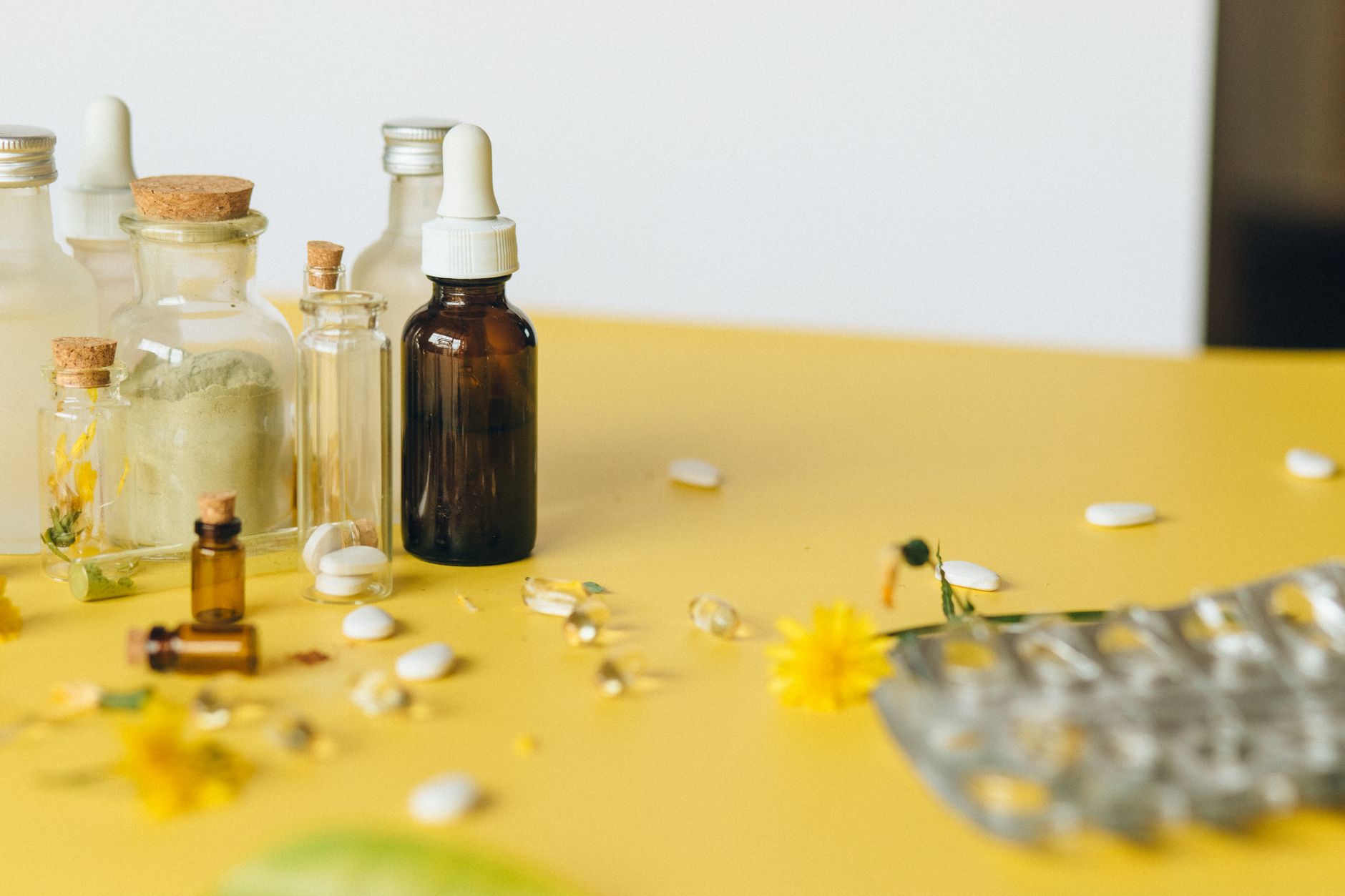
Green coffee bean extract is a popular dietary supplement derived from unroasted coffee beans. Unlike the roasted beans used to make your morning cup of joe, green coffee beans retain a higher concentration of a compound called chlorogenic acid. This acid is believed to be responsible for many of the health benefits attributed to the extract, including its purported role in weight management and its antioxidant properties.
People typically take green coffee bean extract in capsule form, often marketed for weight loss, metabolism boosting, and blood sugar regulation. While it does contain some caffeine, the amount can vary significantly between products, and it's generally less than what you'd find in a standard cup of coffee. However, it's the combination of caffeine and concentrated chlorogenic acids, and the lack of specific research on these compounds in pregnancy, that raises concerns for expecting parents.
Is Green Coffee Bean Extract Safe During Pregnancy?
When you're pregnant, the question "is green coffee bean extract safe during pregnancy?" is a crucial one, and the answer, according to leading health organizations like the American College of Obstetricians and Gynecologists (ACOG) and the UK's National Health Service (NHS), is a resounding call for caution or avoidance. There is simply not enough robust scientific research to confirm the safety of green coffee bean extract for pregnant individuals or their developing babies.
The primary concerns revolve around its active compounds: caffeine and chlorogenic acids. While moderate caffeine consumption (generally under 200 mg per day, equivalent to about one 12-ounce cup of coffee) is often considered safe during pregnancy, green coffee bean extract provides caffeine in a concentrated, unregulated form. More importantly, the effects of high concentrations of chlorogenic acids on fetal development and maternal health have not been adequately studied. Without this crucial data, healthcare providers err on the side of extreme caution, advising against the use of supplements like green coffee bean extract.
The U.S. Food and Drug Administration (FDA) regulates dietary supplements differently than pharmaceuticals, meaning they don't undergo the same rigorous pre-market approval for safety and efficacy. This lack of stringent oversight is particularly problematic during pregnancy, where anything consumed can potentially cross the placenta and affect the fetus. Given these uncertainties, most obstetricians and maternal health experts recommend that pregnant individuals avoid green coffee bean extract.
Safety by Trimester
The question of "is green coffee bean extract safe during pregnancy?" becomes even more nuanced when considering different trimesters. Each stage of pregnancy presents unique sensitivities, and the lack of data means we must apply caution across the board.
Is Green Coffee Bean Extract Safe to Take During the First Trimester?
The first trimester is a critical period of organogenesis, when all of your baby's major organs are forming. This makes the developing embryo highly vulnerable to external factors. Because there is no specific research on the effects of green coffee bean extract or its concentrated chlorogenic acids during this crucial window, it is strongly advised to avoid it. The potential for unknown risks, even from seemingly "natural" substances, is simply too high. If you've already taken it before realizing you were pregnant, try not to panic, but do mention it to your doctor at your next appointment.
Is Green Coffee Bean Extract Safe in the Second Trimester?
While the major organs are formed by the second trimester, your baby continues to grow and develop rapidly. The concerns regarding green coffee bean extract persist. The caffeine content could still impact fetal heart rate or growth, and the long-term effects of chlorogenic acids on ongoing fetal development remain unknown. Your body is also undergoing significant changes, and introducing a supplement without clear safety data is generally not recommended by healthcare providers.
Is Green Coffee Bean Extract Safe in the Third Trimester?
In the third trimester, your baby is gaining weight and maturing in preparation for birth. While the immediate risks of birth defects might be lower than in the first trimester, the potential for green coffee bean extract to cause maternal discomforts—such as increased heart rate, anxiety, or sleep disturbances due to caffeine—is still present. Furthermore, some studies suggest high caffeine intake late in pregnancy may be associated with reduced fetal growth or preterm birth. Therefore, avoiding green coffee bean extract is still the safest approach.
Green Coffee Bean Extract While Breastfeeding
If you're breastfeeding, the question "is green coffee bean extract safe during pregnancy and beyond?" continues to be relevant. Caffeine is known to pass into breast milk, and while small amounts are generally considered safe, concentrated doses from supplements could potentially affect your baby, leading to fussiness, sleep disturbances, or jitters. The effects of chlorogenic acids on a nursing infant are completely unknown. For these reasons, most experts recommend avoiding green coffee bean extract while breastfeeding, or at least discussing it thoroughly with your lactation consultant or doctor.
How Much Green Coffee Bean Extract is Considered Safe for Pregnant Women?
To directly answer "how much green coffee bean extract is safe during pregnancy?", the consensus among medical professionals is that there is **no established safe amount** for pregnant individuals. Because of the lack of specific research on its effects on fetal development and maternal health, any amount carries an unknown risk. This stands in contrast to common recommendations for caffeine intake from sources like coffee, where a limit (e.g., 200 mg per day) is often provided by health authorities like ACOG and the NHS.
For green coffee bean extract, the concern isn't just the caffeine, but also the concentrated chlorogenic acids, for which no pregnancy-specific safety data exists. Supplements are also not as tightly regulated as prescription medications, meaning the actual amount of active ingredients can vary significantly between brands and even batches. This unpredictability further complicates any attempt to define a "safe" dosage.
Are There Any Safe Brands of Green Coffee Bean Extract for Pregnancy?
Given the overarching recommendation to avoid green coffee bean extract during pregnancy, there are no specific "safe brands" that we can recommend. The issue isn't typically with the brand itself, but with the active ingredients and the lack of safety data for pregnant populations. We always advise extreme caution with any supplement that is not specifically prescribed or recommended by your obstetrician. If you are considering any supplement, always look for brands that undergo third-party testing for purity and potency, even if you ultimately decide to avoid them during pregnancy. This ensures you're getting what the label claims, though it doesn't guarantee safety during pregnancy.
Side Effects and Risks
While the primary concern with green coffee bean extract during pregnancy is the unknown, there are potential side effects and risks, both known and theoretical, that make its use ill-advised:
Caffeine-related effects: Even if the caffeine content is lower than a cup of coffee, it's still present. High caffeine intake during pregnancy is associated with increased risks of miscarriage, low birth weight, and preterm birth. For the pregnant parent, it can cause increased heart rate, anxiety, jitters, headaches, and sleep disturbances—all of which can be amplified by pregnancy discomforts.
Gastrointestinal upset: Some individuals experience digestive issues like diarrhea, upset stomach, or constipation when taking green coffee bean extract. These symptoms can exacerbate common pregnancy complaints like nausea, heartburn, or irritable bowel.
Blood sugar effects: Chlorogenic acids are thought to influence blood sugar metabolism. While some research suggests it might help regulate blood sugar, the impact on pregnant individuals, especially those with or at risk of gestational diabetes, is not well understood and could potentially be harmful or interfere with medical management.
Blood pressure effects: Both caffeine and chlorogenic acids can potentially influence blood pressure. For pregnant individuals, especially those with pre-existing hypertension or preeclampsia, this could be a significant concern.
Lack of regulation and purity: As dietary supplements, green coffee bean extract products are not subjected to the same rigorous testing and approval process as medications. This means there can be inconsistencies in dosage, purity, and potential contamination with other substances, which poses a serious risk during pregnancy.
Unknown effects on fetal development: This is the most significant risk. Without dedicated studies, we simply don't know how the concentrated chlorogenic acids or other compounds in the extract might affect the development of fetal organs, neurological systems, or long-term health.
The cumulative effect of these potential risks, combined with the absence of evidence for any pregnancy-specific benefit, strongly supports avoiding green coffee bean extract.
Prioritizing your baby's safety means choosing well-researched options over unproven supplements.
Safer Alternatives to Green Coffee Bean Extract for Pregnant Women
If you were considering green coffee bean extract for an energy boost, antioxidant benefits, or even weight management, there are many safer, evidence-backed alternatives that support a healthy pregnancy. Here are some options:
Decaf Green Tea: Offers antioxidants similar to green coffee without the high caffeine content. It's a soothing alternative for a warm beverage.
Ginger Tea: Excellent for soothing nausea, a common pregnancy complaint, and offers a gentle warmth without caffeine.
Warm Lemon Water: A simple, hydrating drink that can aid digestion and provide a small boost of vitamin C.
Fruit Smoothies: Packed with vitamins, minerals, and fiber, these are a great way to get nutrients and a natural energy boost.
Prenatal Vitamins: Essential for supporting maternal and fetal health, ensuring you get critical nutrients like folic acid and iron, as prescribed by your doctor.
Cinnamon Spice Drinks: Offer warm, comforting flavors without caffeine or questionable ingredients, great for a cozy treat.
Balanced Diet: Focus on whole foods, lean proteins, fruits, vegetables, and whole grains for sustained energy and healthy weight management.
Moderate Exercise: With your doctor's approval, regular, gentle exercise like walking or prenatal yoga can boost energy, improve mood, and support healthy weight gain.
Prioritize Sleep: Adequate rest is crucial for energy during pregnancy. Listen to your body and rest when you can.
For questions like "what are safer alternatives to green coffee bean extract for pregnant women?", these options provide clear benefits without the unknown risks associated with unstudied supplements.
Related Items — Safety at a Glance
Understanding the safety of green coffee bean extract during pregnancy often leads to questions about similar products. Here's a quick look at other related supplements and their general safety during pregnancy:
Item
Verdict
Notes
Green Tea Extract
❌ Best Avoided
Highly concentrated, potentially high in caffeine and catechins; insufficient safety data for pregnancy.
Garcinia Cambogia
❌ Best Avoided
Marketed for weight loss; absolutely no safety data for use during pregnancy or breastfeeding.
Apple Cider Vinegar Capsules
❌ Best Avoided
No safety data for concentrated forms in pregnancy; potential for GI upset. Liquid form in moderation may be okay with doctor's approval.
Conjugated Linoleic Acid (CLA) Supplement
❌ Best Avoided
Marketed for weight loss and muscle building; no safety data for pregnancy or breastfeeding.
Caffeine Pills
❌ Best Avoided
Highly concentrated caffeine, making it easy to exceed recommended limits; poses significant risks.
Black Coffee
✅ Generally Safe (in moderation)
Limit to 200 mg caffeine per day (approx. one 12oz cup); discuss with your doctor.
Matcha Powder
✅ Generally Safe (in moderation)
Contains caffeine; limit intake to stay within 200 mg daily caffeine limit.
Myth vs. Fact
Myth: Green coffee bean extract is "natural," so it must be safe during pregnancy.
Fact: The term "natural" does not equate to "safe," especially during pregnancy. Many natural substances can be harmful in concentrated forms or when their effects on a developing fetus haven't been studied. For example, certain herbs are natural but are known to induce labor or cause complications. Green coffee bean extract falls into this category of natural substances with unknown pregnancy safety.
Myth: It's just like drinking coffee, so if I limit my caffeine, it's fine.
Fact: While green coffee bean extract does contain caffeine, it's not "just like drinking coffee." The extract is a concentrated supplement, and its primary active compound, chlorogenic acid, is present in much higher concentrations than in a typical cup of coffee. The effects of these high concentrations of chlorogenic acid on pregnancy are largely unstudied, making it distinct from the known, albeit limited, safety profile of moderate coffee consumption.
Myth: Green coffee bean extract can help with gestational diabetes.
Fact: While some preliminary studies (not in pregnant populations) have explored green coffee bean extract's potential role in blood sugar regulation, there is no evidence to support its safe or effective use for managing gestational diabetes. In fact, due to unknown interactions and potential side effects, taking such a supplement could interfere with the careful management required for gestational diabetes and potentially pose risks to both mother and baby. Always follow your doctor's advice for managing gestational diabetes.
Opt for comforting, well-known alternatives like ginger tea or warm lemon water.
Key Takeaways
Avoid or consult your doctor: Green coffee bean extract is generally not recommended during pregnancy due to insufficient safety research.
Unknown risks: The primary concerns are the concentrated caffeine and chlorogenic acid content, whose effects on fetal development are largely unknown.
No safe dosage: There is no established safe amount of green coffee bean extract for pregnant individuals.
Trimester matters: Caution is advised across all trimesters, with particular concern during the critical first trimester.
Safer alternatives exist: Opt for well-known, safe alternatives like decaf green tea, ginger tea, or a balanced diet for energy and wellness.
Consult your provider: Always discuss any supplements or dietary changes with your obstetrician or healthcare provider.
Frequently Asked Questions
Can I take green coffee bean extract while pregnant?
Generally, it is advised to avoid taking green coffee bean extract while pregnant. There is insufficient scientific research to confirm its safety for both the pregnant individual and the developing baby, making it a product with unknown risks.
What are the side effects of green coffee bean extract for pregnant women?
Potential side effects for pregnant women include caffeine-related issues like increased heart rate, anxiety, and sleep problems, as well as gastrointestinal upset. More critically, the effects of its concentrated chlorogenic acids on fetal development are unknown and could pose risks.
Is caffeine in green coffee bean extract harmful during pregnancy?
Caffeine in green coffee bean extract can be harmful during pregnancy, especially if the total daily intake exceeds the recommended limit of 200 mg. High caffeine intake is linked to increased risks of miscarriage, low birth weight, and preterm birth. The amount of caffeine in supplements can also be inconsistent.
How much green coffee bean extract is safe during pregnancy?
There is no established safe amount of green coffee bean extract for use during pregnancy. Due to the lack of research on its effects on fetal development and maternal health, medical professionals recommend avoiding it entirely rather than attempting to find a safe dosage.
Are there any studies on green coffee bean extract and pregnancy?
Currently, there are no robust, human-based studies specifically investigating the safety and effects of green coffee bean extract on pregnant individuals or their fetuses. The absence of such critical research is a primary reason for the recommendation to avoid its use during pregnancy.
What are safe weight loss supplements for pregnant women?
There are no "safe weight loss supplements" specifically recommended for pregnant women. Weight loss efforts during pregnancy are generally discouraged, and a healthy weight gain pattern is encouraged. Focus on a balanced, nutrient-rich diet and moderate, doctor-approved exercise, not supplements.
Can green coffee bean extract cause birth defects?
While there's no direct evidence proving green coffee bean extract causes birth defects due to a lack of research, the possibility cannot be ruled out. The first trimester, a critical period for organ development, is particularly vulnerable to substances with unknown effects, making avoidance the safest course of action.
When to Call Your Doctor
If you have taken green coffee bean extract and are experiencing any unusual symptoms, or if you have concerns about its potential impact, please don't hesitate to reach out to your healthcare provider immediately. Specifically, call your doctor if you experience:
Severe or persistent gastrointestinal upset (nausea, vomiting, diarrhea)
Heart palpitations or a racing heart
Significant anxiety, jitters, or inability to sleep
Sudden changes in blood pressure
Any other symptoms that worry you
This article is for informational purposes only and is not a substitute for professional medical advice, diagnosis, or treatment. Always seek the advice of your physician or other qualified health provider with any questions you may have regarding a medical condition.
References
American College of Obstetricians and Gynecologists (ACOG). (2020). FAQs: Nutrition During Pregnancy.
National Health Service (NHS) UK. (2023). Foods to avoid in pregnancy.
U.S. Food and Drug Administration (FDA). (2019). Dietary Supplements.
Centers for Disease Control and Prevention (CDC). (2022). Caffeine and Pregnancy.
Mayo Clinic. (2023). Caffeine: How much is too much?
Not sure about the label on Is Green Coffee Bean Extract Safe During Pregnancy products?
Snap the ingredients list and SafeFilter checks every ingredient for your stage — only 3 free scans this month, then you're locked until reset. Unlimited from $7/mo or lock $50/yr through Aug 31 (16 days left).
When Shubhra Mishra was expecting her first child in 2016, she was overwhelmed by conflicting food advice — one site said yes, another said never. By the time her second baby arrived in 2019, she realized millions of mothers face the same confusion.
That sparked a five-year journey through clinical nutrition papers, cultural diets, and expert conversations — all leading to BumpBites: a calm, compassionate space where science meets everyday motherhood.
Her long-term vision is to build a global community ensuring safe, supported, and free deliveriesfor every mother — because no woman should face pregnancy alone or uninformed. 🌿
🌍 Stand with mothers, shape safer guidance
Join a small circle of experts who review BumpBites articles so expecting parents everywhere can decide with confidence.