Is Gong Bath Safe During Pregnancy? What Experts Recommend

Is Gong Bath Safe During Pregnancy? What Experts Recommend
On this page

Limit gong baths during pregnancy, especially in the first trimester. Experts suggest shorter sessions and lower volume to avoid overstimulation.

Shubhra Mishra

By Shubhra Mishra — a mom of two who turned her own confusion during pregnancy into BumpBites, a global mission to make food choices clear, safe, and stress-free for every expecting mother. 💛

Are you a qualified maternal-health or nutrition expert? Join our reviewer circle.

Wondering about another food?

Check whether any food is safe during pregnancy with the BumpBites Food Safety Checker.

Quick verdict: ⚠️ Safe with limits. While a gong bath can be a deeply relaxing experience, it's crucial to approach it with caution during pregnancy due to the intense vibrations and sound frequencies. We recommend discussing it with your healthcare provider first and choosing practitioners who specialize in prenatal care.
The journey of pregnancy often brings with it a desire for peace and relaxation, but also a heightened sense of caution. If you've been considering a gong bath as a way to unwind, you're likely wondering, "is gong bath safe during pregnancy?" It's a common question that many expecting parents ask, especially when seeking natural ways to manage stress and discomfort. The good news is that for many, with proper precautions and modifications, sound therapy can be a beneficial part of a wellness routine. However, the unique nature of a gong bath, involving powerful vibrations and resonant frequencies, means it's not a one-size-fits-all answer during pregnancy. Unlike gentle meditation, a gong bath can create a profound physical sensation, and understanding how this might affect you and your developing baby is key. We're here to help you navigate the nuances, offering clear guidance on what to consider before you embark on this unique relaxation practice.
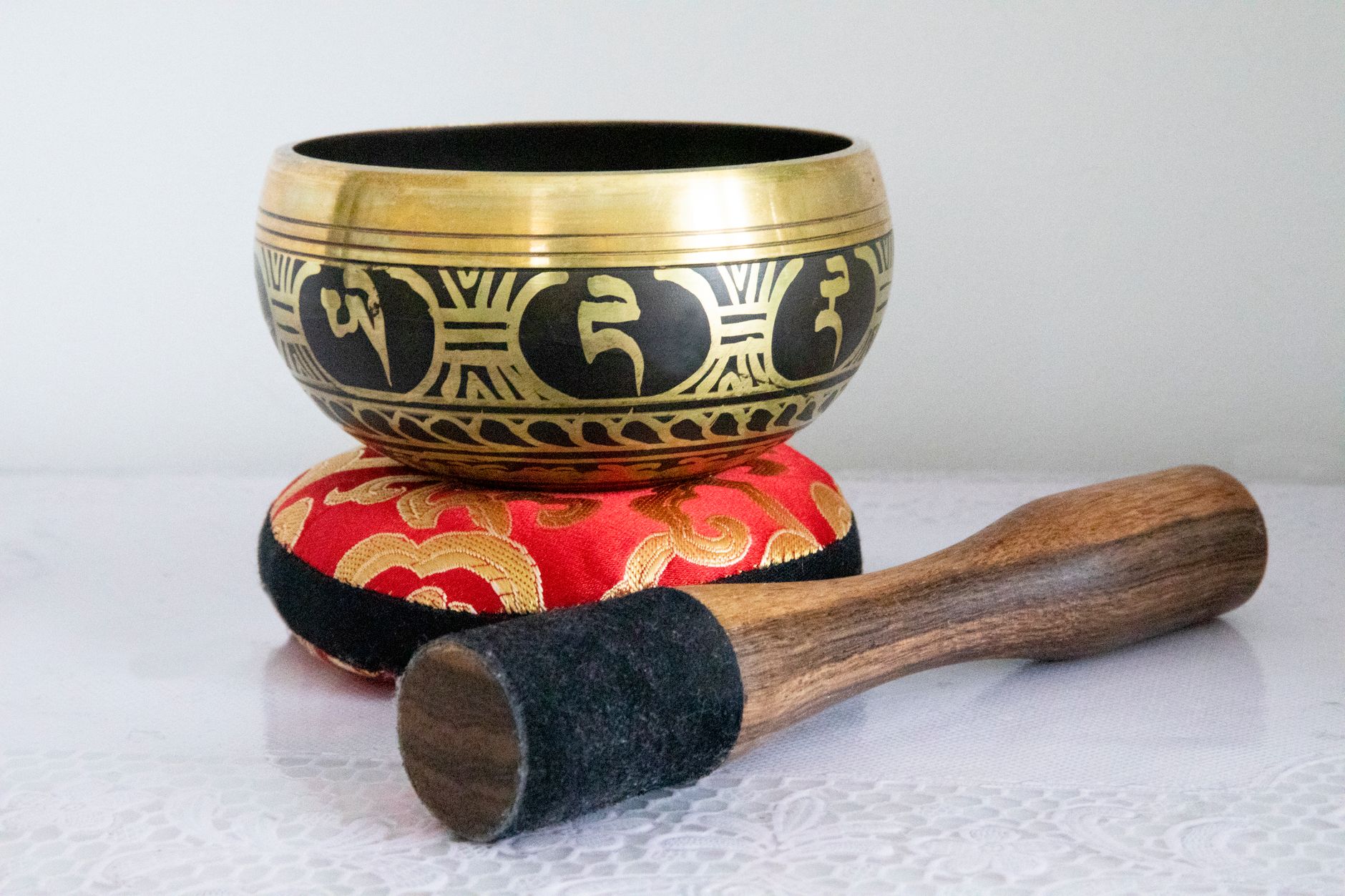
A large, ornate brass gong with mallets resting nearby, set in a peaceful, dimly lit studio with soft cushions and blankets on the floor.
Consider the environment and practitioner's experience when choosing a gong bath during pregnancy.

Safety Snapshot: Gong Bath During Pregnancy

Trimester/Phase Verdict Notes
First Trimester ⚠️ Talk to your doctor first Generally advised against due to the intense vibrations during critical organ development. High-frequency sounds might be unsettling.
Second Trimester ⚠️ Safe with limits Fetal hearing developing. Moderate volume and distance from gongs are essential. Focus on relaxation, not deep vibration.
Third Trimester ⚠️ Safe with limits Risk of supine hypotensive syndrome (lying flat on back). Positioning is crucial. Loud sounds can be startling to baby.
Breastfeeding ✅ Generally safe Excellent for relaxation and stress reduction for new parents. No known risks associated with sound or vibration.

What is a Gong Bath?

A go
ng bath, often referred to as a "sound bath," is a deeply immersive experience where participants are "bathed" in sound waves produced by various instruments, primarily gongs, but also singing bowls, chimes, and other percussion. You typically lie down comfortably, often on a yoga mat or blanket, while a practitioner plays these instruments. The sounds and vibrations are intended to guide you into a state of deep relaxation, meditation, and even altered consciousness. The frequencies and resonant tones are believed to help quiet the mind, release tension, and promote a sense of well-being. People seek out gong baths for stress reduction, improved sleep, pain relief, and emotional release. It's a passive form of meditation where the sounds do the work, allowing your brainwaves to shift from an active beta state to more relaxed alpha or theta states.

Is Gong Bath Safe During Pregnancy?

The question "is gong bath safe during pregnancy?" doesn't have a simple yes or no answer because there's a lack of robust scientific research specifically on gong baths and their effects on pregnancy. Unlike medications or supplements where regulatory bodies like the FDA or NHS provide clear guidelines, sound therapy falls into a more nuanced category of wellness practices. Therefore, the guidance comes largely from anecdotal evidence, the principles of sound physics, and the recommendations of prenatal wellness specialists. Generally, moderate sound exposure is part of daily life and not a concern. However, gong baths involve *intense* sound and vibration. The primary concern is how these strong vibrations and frequencies might impact a developing fetus, particularly during early development. The American College of Obstetricians and Gynecologists (ACOG) and similar bodies don't issue specific guidelines on gong baths, but they do advise caution with activities involving extreme vibrations or loud, prolonged noise exposure. Most obstetricians recommend a conservative approach, especially in the first trimester. While there's no direct evidence linking gong baths to adverse pregnancy outcomes, the potential for strong, unfiltered vibrations to reach the uterus and startle or overstimulate the fetus is a theoretical concern. For this reason, many practitioners and healthcare providers suggest modifications or avoidance, especially for those with high-risk pregnancies or certain conditions. Always discuss your interest in a gong bath with your healthcare provider to ensure it's appropriate for your individual circumstances.

Is gong bath safe in the first trimester of pregnancy?

During the first trimester, your baby is undergoing rapid and crucial development, with all major organs forming. This period, known as organogenesis, is when the fetus is most vulnerable to external influences. For this reason, most prenatal wellness experts and many gong bath practitioners advise against participating in gong baths during the first trimester. The concern isn't just about sound, but also the powerful, full-body vibrations that gongs produce. While there’s no direct evidence to definitively say these vibrations cause harm, the precautionary principle is often applied. It’s better to avoid any activity that *could* potentially cause undue stress or disruption during this delicate stage of development, especially when the baby's ears are just beginning to form and aren't yet protected by layers of tissue.

Can you do a gong bath in the second trimester?

By the second trimester, the initial critical stage of organ development has passed, and your baby's hearing is developing. Around 18-20 weeks, your baby can start to hear sounds from outside the womb, though they are muffled. If you're considering a gong bath in the second trimester, it's generally considered safer than the first, but still requires significant caution and modification. The key is to minimize direct exposure to intense vibrations and loud volumes. You should position yourself further away from the gongs, request a session with lower volume, and ensure the practitioner is experienced with pregnant clients. Lying on your back for extended periods can become uncomfortable or even unsafe in later pregnancy due to the risk of supine hypotensive syndrome, so ensure you have ample support to recline comfortably on your side or propped up. Many moms tell us that gentle, sustained tones are more relaxing than sudden, loud bursts.

Is gong bath safe during the third trimester of pregnancy?

In the third trimester, your baby's hearing is fully developed, and they are much more responsive to external stimuli. Loud or sudden sounds can startle them. The primary concerns for gong baths in the third trimester are comfort and positioning, as well as the intensity of sound. Lying flat on your back for an extended period can compress the vena cava, a major blood vessel, leading to reduced blood flow to you and your baby (supine hypotensive syndrome). Therefore, if you participate, you absolutely must be in a reclined or side-lying position, well-supported with pillows, to avoid this risk. Additionally, your baby may react more strongly to intense vibrations and loud sounds, which could potentially cause distress or simply be very startling. While the risk of physical harm is still considered low, the comfort and peace of mind for both you and your baby are paramount. Always communicate any discomfort immediately to your practitioner.

Gong Baths While Breastfeeding

Once your baby has arrived and you are breastfeeding, the concerns associated with pregnancy no longer apply. A gong bath can be a wonderful way for new parents to manage stress, alleviate postpartum anxiety, and find moments of peace amidst the demands of caring for a newborn. There are no known risks of gong baths for breastfeeding mothers or for the breast milk itself. In fact, the deep relaxation induced by a gong bath might even support milk production by reducing stress hormones and promoting a calm state, which is beneficial for the let-down reflex. Just ensure you're comfortable, hydrated, and have attended to your baby's needs before your session so you can fully relax.

How long should a gong bath session be during pregnancy?

When considering a gong bath during pregnancy, the duration of the session is an important factor. For pregnant individuals, shorter sessions are generally advisable, especially if you are new to the practice or if you are past your first trimester. A session of **30-45 minutes** is often recommended, as opposed to longer 60-90 minute sessions. This shorter duration helps to minimize prolonged exposure to intense vibrations and reduces the time spent in one position, which can be crucial for comfort and circulation in later pregnancy. It's also important to listen to your body throughout the session. If you feel any discomfort, dizziness, or unease at any point, it's best to gently exit the session or ask the practitioner to reduce the intensity. Your comfort and your baby's well-being are the top priorities.

Are there specific gong bath brands or practitioners safe for pregnancy?

Rather than "brands," the safety of a gong bath during pregnancy largely depends on the **practitioner's experience and approach**. Look for practitioners who:
  • Have specific training or experience with pregnant clients: They will understand the unique needs and precautions required.
  • Offer prenatal-specific sessions or modifications: This might include lower volume, specific positioning instructions, and more gentle instruments.
  • Are open to discussion: A good practitioner will gladly answer your questions about their methods and adapt the session to your comfort level.
  • Prioritize your comfort: They should provide plenty of props (pillows, blankets) and encourage you to adjust your position as needed.
Don't hesitate to call ahead and speak directly with the practitioner about your pregnancy and any concerns you might have. Their willingness to accommodate and their knowledge of prenatal considerations are key indicators of a safe and supportive environment.

Side effects and risks of gong baths for pregnant women

While gong baths are generally considered safe for non-pregnant individuals, there are specific considerations and potential risks for pregnant women, primarily due to the intense sound and vibration. * **Overstimulation or Discomfort for the Fetus:** The most significant theoretical concern is that the strong vibrations and loud sounds might be startling or overstimulating for the developing fetus, especially as their hearing develops in the second and third trimesters. While there's no evidence of direct physical harm, an overly stimulated baby might lead to increased fetal movement or maternal anxiety. * **Maternal Discomfort and Dizziness:** Lying flat on your back for extended periods, especially from the mid-second trimester onwards, can lead to supine hypotensive syndrome. This occurs when the uterus compresses the vena cava, reducing blood flow to your heart and potentially to the placenta, causing dizziness, lightheadedness, nausea, or shortness of breath. Proper positioning (side-lying or reclined with props) is crucial to avoid this. * **Heightened Anxiety:** While intended to reduce anxiety, for some, the intense sounds and vibrations can be overwhelming, triggering anxiety rather than relieving it. This is particularly true if you are already prone to sensory sensitivity or feeling vulnerable during pregnancy. * **Exacerbation of Existing Conditions:** For individuals with conditions like pre-existing high blood pressure, certain heart conditions, or a history of seizures, the intense sensory input could potentially be problematic. Always consult your doctor before trying a gong bath if you have any underlying health issues. * **Lack of Regulation:** The wellness industry, including gong baths, is largely unregulated. This means the quality, safety standards, and practitioner training can vary widely. It's essential to choose experienced practitioners who understand prenatal modifications.

Can gong baths trigger miscarriage or preterm labor?

There is **no scientific evidence** to suggest that gong baths can directly trigger miscarriage or preterm labor. This is a common concern for anxious pregnant individuals, and it's important to address it calmly. The theoretical concerns surrounding gong baths during pregnancy are primarily related to fetal comfort and potential overstimulation, not to inducing labor or causing miscarriage. Miscarriage is most commonly caused by chromosomal abnormalities, especially in the first trimester, and preterm labor has many complex causes, none of which are directly linked to sound or vibration therapy in medical literature. However, because of the lack of specific research and the heightened vulnerability of the first trimester, most practitioners recommend avoiding gong baths during this very early period as a precautionary measure. In later trimesters, if you experience any unusual contractions or discomfort during or after a session, it's always wise to contact your healthcare provider.

Is it safe to do a gong bath with high-risk pregnancy conditions?

If you have a high-risk pregnancy condition, such as preeclampsia, gestational diabetes, placenta previa, a history of preterm labor, or any other significant medical complication, it is **strongly advised to avoid gong baths** unless explicitly cleared by your obstetrician. The intense vibrations and sounds, while not directly proven harmful, could potentially introduce an unnecessary variable or stressor for both you and your baby. Your healthcare provider is best equipped to assess how any external stimulus might interact with your specific medical condition. In such cases, safer, gentle alternatives for relaxation are always preferred.

Do gong baths affect blood pressure or anxiety during pregnancy?

Gong baths are often sought for their potential to reduce stress and anxiety, and for many non-pregnant individuals, they can have a calming effect that may lead to a temporary lowering of blood pressure. However, during pregnancy, the body's systems are already undergoing significant changes. For some pregnant individuals, the intense sensory input of a gong bath could potentially **increase anxiety** rather than decrease it, especially if they are sensitive to sound or vibration. This acute stress response could transiently affect blood pressure. Conversely, for others, the deep relaxation might help manage mild pregnancy-related anxiety. It's highly individual. Monitoring how you feel before, during, and after the session is crucial. If you have pre-existing hypertension or are monitoring your blood pressure closely, always consult your doctor before attending a gong bath.

Safer alternatives to gong baths during pregnancy

If you're looking for ways to relax and de-stress during pregnancy without the potential concerns of a gong bath, there are many wonderful and widely recommended alternatives:
  • Prenatal Yoga: Gentle stretches, breathing exercises, and mindful movement specifically designed for pregnant bodies, offering physical comfort and mental calm.
  • Guided Meditation for Pregnancy: Audio meditations tailored to pregnancy can help you connect with your baby, manage anxiety, and prepare for birth.
  • Prenatal Massage: Professional massage therapists trained in prenatal techniques can relieve muscle tension, reduce swelling, and promote relaxation.
  • Deep Breathing Exercises: Simple yet powerful techniques like diaphragmatic breathing can calm your nervous system and are excellent for labor preparation.
  • Prenatal Sound Healing with Soft Chimes: Opt for gentler sound experiences that use soft chimes, singing bowls played quietly, or ambient music, avoiding intense vibrations.
  • Gentle Prenatal Tai Chi: Slow, flowing movements and deep breathing can improve balance, flexibility, and mental focus.
  • Warm Baths with Epsom Salts: A warm (not hot) bath can soothe sore muscles and promote relaxation; Epsom salts can add magnesium benefits.
  • Prenatal Hypnotherapy: Can help with anxiety, pain management, and positive birth affirmations through guided relaxation and suggestion.
  • Journaling for Stress Relief: Writing down your thoughts and feelings can be a therapeutic way to process emotions and reduce stress.
  • Walking in Nature: Gentle physical activity combined with fresh air and natural surroundings can significantly boost mood and reduce tension.
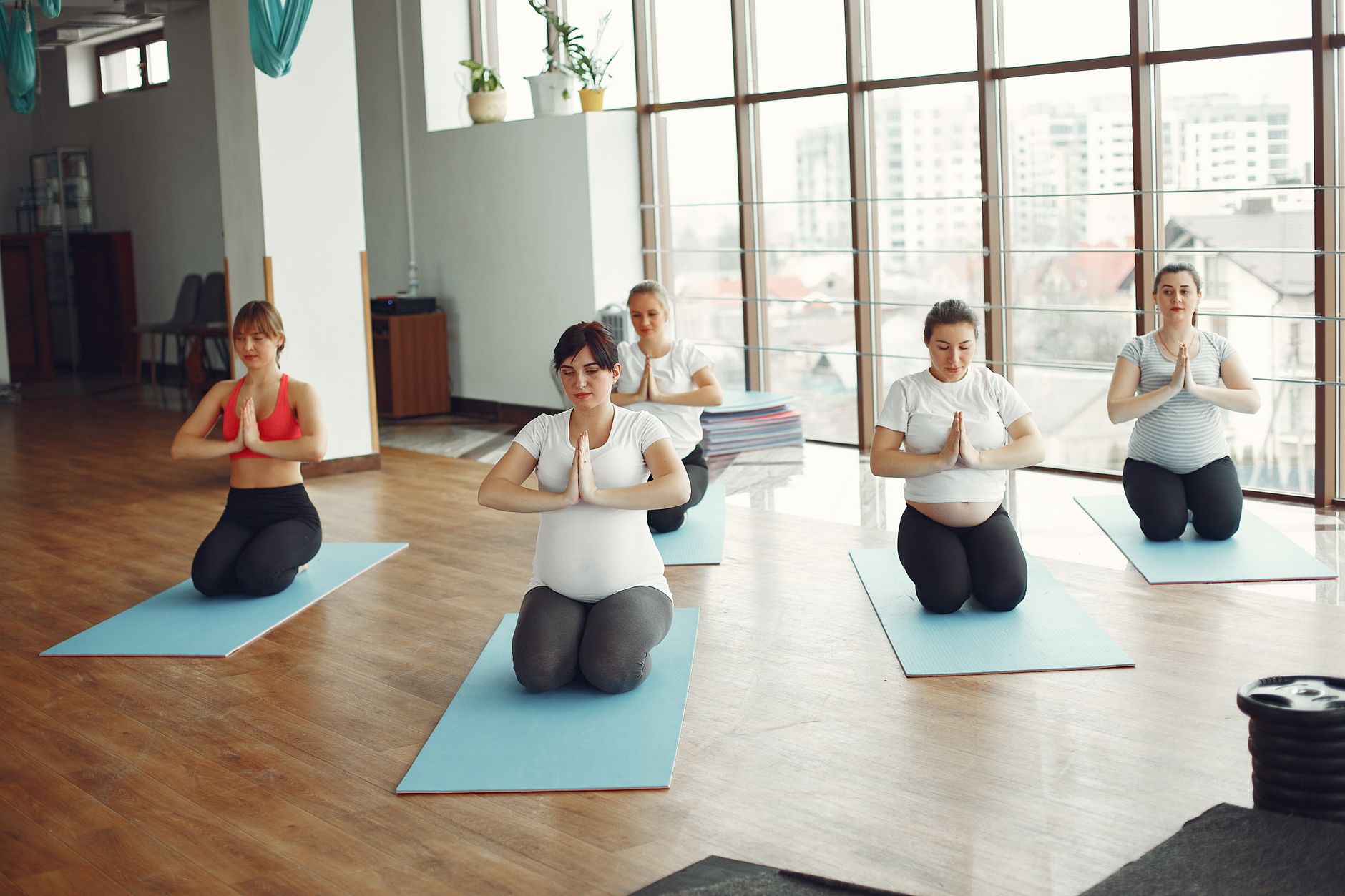
A pregnant woman gently stretching during a prenatal yoga class, surrounded by other pregnant women in a bright, serene studio. Focus on calm movement and inclusive atmosphere.
Prenatal yoga is a widely recommended and safe alternative for relaxation and physical well-being during pregnancy.
When exploring wellness practices during pregnancy, it’s helpful to understand the general safety guidelines for other common activities. Here's a quick look at some related items:
Item/Activity Verdict Note
Hot Yoga During Pregnancy ❌ Best avoided Risk of overheating, dehydration, and reduced blood flow to the baby.
Acupuncture During Pregnancy ⚠️ Safe with limits Generally safe when performed by a licensed practitioner experienced in prenatal care; avoid certain points.
Reiki During Pregnancy ✅ Generally safe A gentle, non-invasive energy healing practice often considered safe and beneficial for relaxation.
Float Therapy During Pregnancy ⚠️ Safe with limits Generally safe in clean, well-maintained tanks; check with doctor, especially in late pregnancy for comfort.
Aromatherapy During Pregnancy ⚠️ Safe with limits Use specific essential oils safely, diluted, and avoid certain oils (e.g., clary sage, peppermint in early pregnancy).
Sauna During Pregnancy ❌ Best avoided Risk of overheating and dehydration, which can be harmful to the developing fetus.
Deep Tissue Massage During Pregnancy ⚠️ Safe with limits Avoid in the first trimester; later, opt for prenatal massage by a certified therapist to avoid pressure on certain points.
Cold Plunge During Pregnancy ❌ Best avoided Can cause a physiological shock response and significant blood pressure changes, potentially risky for pregnancy.
Hypnobirthing ✅ Generally safe A relaxation and breathing technique for labor, widely considered safe and beneficial for childbirth preparation.
Prenatal Chiropractic Care ✅ Generally safe Can be beneficial for musculoskeletal comfort when performed by a chiropractor certified in prenatal care.

Myth vs. Fact

When it comes to wellness practices and pregnancy, distinguishing between helpful advice and unfounded worries can be challenging. * Myth: Any loud noise or vibration will harm my baby's hearing. * Fact: Your baby is well-cushioned in the womb, and most everyday sounds are muffled. While extremely loud, prolonged noise (like heavy machinery) can be a concern, the occasional loud sound or vibration from a gong bath is unlikely to cause permanent hearing damage. The concern is more about startling or overstimulating the fetus, or causing maternal discomfort. * Myth: Gong baths are just like any other meditation and are always safe. * Fact: While a gong bath aims for a meditative state, it's distinct from silent or guided meditation. The intense, physical vibrations and specific sound frequencies of gongs are unique and require more caution during pregnancy compared to a quiet, seated meditation practice. * Myth: If a wellness center offers "prenatal" gong baths, they are automatically safe. * Fact: The term "prenatal" is not always regulated in the wellness industry. Always verify the practitioner's specific training, experience with pregnant clients, and their understanding of pregnancy safety guidelines. Ask about modifications they make for pregnant participants, such as volume adjustment, positioning, and session duration. Just because it's labeled "prenatal" doesn't mean it aligns with all obstetric recommendations.

Key Takeaways

  • Discuss any interest in a gong bath with your healthcare provider before attending a session.
  • Avoid gong baths entirely during the first trimester due to the critical period of fetal development.
  • In the second and third trimesters, prioritize modifications like lower volume, increased distance from gongs, and proper supported positioning (avoiding lying flat on your back).
  • Choose practitioners who are experienced with prenatal clients and can offer specific modifications for pregnant individuals.
  • Listen to your body; if you feel any discomfort or unease, stop the session immediately.
  • Consider safer, well-researched alternatives for relaxation and stress relief during pregnancy, such as prenatal yoga or guided meditation.

Frequently Asked Questions

Can gong baths cause miscarriage?

No, there is no scientific evidence or medical consensus to suggest that gong baths can directly cause miscarriage. Miscarriages are most often due to chromosomal abnormalities. While caution is advised in the first trimester due to intense vibrations, this is a precautionary measure, not an indication of direct causality for miscarriage.

Are sound baths safe during pregnancy?

Sound baths, including gong baths, are generally considered safe with significant modifications and caution during pregnancy, especially after the first trimester. The key is to reduce the intensity of sound and vibration, ensure comfortable positioning, and always consult with your healthcare provider and an experienced prenatal practitioner.

What are the side effects of gong baths for pregnant women?

Potential side effects for pregnant women include maternal discomfort or dizziness from lying flat, increased anxiety or overstimulation from intense sounds, and theoretical concerns about fetal overstimulation. There's no evidence of severe physical side effects, but individual reactions can vary.

Can I do a gong bath at 36 weeks pregnant?

At 36 weeks pregnant, you are deep into your third trimester. While not entirely off-limits for everyone, extreme caution is necessary. You must prioritize comfortable, supported side-lying or reclined positioning to avoid vena cava compression, ensure low volume, and have a practitioner experienced with late-term pregnancy. Your baby's hearing is fully developed and could be startled.

Is it safe to lie on my back during a gong bath while pregnant?

No, it is generally not safe to lie flat on your back during a gong bath from the mid-second trimester onwards. This position can compress a major blood vessel (vena cava), potentially reducing blood flow to you and your baby. Always lie on your side or be propped up in a semi-reclined position with pillows.

Do gong baths help with pregnancy anxiety?

For some pregnant individuals, the deep relaxation induced by a gentle, modified gong bath can help reduce anxiety. However, for others, the intense sensory experience might heighten anxiety. It's highly individual, and starting with safer alternatives like guided meditation or prenatal yoga may be a better initial approach for managing pregnancy anxiety.

What volume level is safe for gong baths during pregnancy?

There are no specific decibel guidelines for gong baths during pregnancy from major health organizations. However, the general recommendation is to keep the volume **low to moderate** and ensure you are positioned further away from the gongs. The goal is gentle immersion, not intense vibration or loud sound that could be startling to you or your baby.

Are there any gong bath practitioners who specialize in pregnancy?

Yes, some gong bath practitioners do specialize in or have extensive experience with prenatal clients. It is crucial to seek out such individuals. They will be knowledgeable about appropriate modifications, safe positioning, and the nuances of sound and vibration during different stages of pregnancy, prioritizing your and your baby's well-being.

When to call your doctor

While gong baths are generally considered safe with modifications, always prioritize your health and your baby's well-being. Call your doctor or midwife immediately if you experience any of the following during or after a gong bath session:
  • Sudden or severe dizziness, lightheadedness, or fainting.
  • Shortness of breath or difficulty breathing.
  • Strong, regular contractions or any signs of preterm labor.
  • Vaginal bleeding or leakage of fluid.
  • Severe abdominal pain or cramping.
  • A significant decrease in fetal movement or if your baby's movements feel unusual.
  • Any persistent feeling of unease, anxiety, or distress that doesn't subside.
This article is for informational purposes only and is not a substitute for professional medical advice, diagnosis, or treatment. Always seek the advice of your physician or other qualified health provider with any questions you may have regarding a medical condition.

References

  1. American College of Obstetricians and Gynecologists (ACOG). (Accessed 2023).
  2. National Health Service (NHS) UK. (Accessed 2023).
  3. Mayo Clinic. (Accessed 2023).
  4. Centers for Disease Control and Prevention (CDC). (Accessed 2023).

Editor's pick for this topic

Not sure about the label on Is Gong Bath Safe During Pregnancy products?

Snap the ingredients list and SafeFilter checks every ingredient for your stage — only 3 free scans this month, then you're locked until reset. Unlimited from $7/mo or $50/yr.

Informational only — not medical advice.

Shubhra Mishra

About the Author

When Shubhra Mishra was expecting her first child in 2016, she was overwhelmed by conflicting food advice — one site said yes, another said never. By the time her second baby arrived in 2019, she realized millions of mothers face the same confusion.

That sparked a five-year journey through clinical nutrition papers, cultural diets, and expert conversations — all leading to BumpBites: a calm, compassionate space where science meets everyday motherhood.

Her long-term vision is to build a global community ensuring safe, supported, and free deliveriesfor every mother — because no woman should face pregnancy alone or uninformed. 🌿

🌍 Stand with mothers, shape safer guidance

Join a small circle of experts who review BumpBites articles so expecting parents everywhere can decide with confidence.

⚠️ Always consult your doctor for medical advice. This content is informational only.

Recommended picks

Puj Puj Flyte Compact Infant Bath

Mama-approved pick

PujPuj Flyte Compact Infant Bath

Foldable foam sink bath — travel + small-bathroom friendly.

$55Check on Amazon →
Frida Baby Frida Baby Mom + Baby Healthcare + Grooming Kit

Mama-approved pick

Frida BabyFrida Baby Mom + Baby Healthcare + Grooming Kit

12-piece kit covers newborn grooming + first-aid essentials.

$50Check on Amazon →