Safe: Golden milk is okay in pregnancy if limited to one cup (about 240 ml) per day, preferably after the first trimester. This answer follows the search term is golden milk safe during pregnancy.
By Shubhra Mishra — a mom of two who turned her own confusion during pregnancy into BumpBites, a global mission to make food choices clear, safe, and stress-free for every expecting mother. 💛
Check whether any food is safe during pregnancy with the BumpBites Food Safety Checker.
Quick verdict: ⚠️ Safe with limits – a modest amount of golden milk is generally okay for most pregnant people, but keep turmeric to about ½ teaspoon (≈2 g) per day and avoid excess black‑pepper or high‑caffeine add‑ins.
It’s 2 a.m., the kitchen light is on, and you’re wondering, “is golden milk safe during pregnancy?” You might have already taken a warm, amber‑colored cup before you realized you were expecting, or you’re planning a cozy nightly ritual and want to be sure it won’t harm your baby. The good news is that golden milk – a soothing blend of milk, turmeric, and often ginger, cinnamon, or black pepper – can be part of a healthy pregnancy diet when enjoyed in moderation.
In this article we’ll answer the most common questions: the overall safety verdict, how much you can sip each day, trimester‑specific considerations, potential risks for conditions like high blood pressure or gestational diabetes, which brands are formulated with pregnancy safety in mind, and how golden milk compares to similar drinks. We’ll also suggest safer alternatives, give you a printable safety‑snapshot table, and walk you through what to do if you’ve already had a cup before you knew you were pregnant.
Read on, breathe easy, and feel confident that you’re making an informed choice for you and your growing baby.
Stage
Verdict
Notes
First trimester
⚠️ Safe with limits
Limit turmeric to ≤ ½ tsp (≈2 g) per day; avoid high‑dose black pepper.
Second trimester
✅ Generally safe
Same dosage limits; monitor blood pressure if you have hypertension.
Third trimester
✅ Generally safe
Continue modest intake; watch for excessive caffeine if using coffee‑based milk.
Breastfeeding
✅ Generally safe
Turmeric passes into breastmilk in tiny amounts; keep within the same limits.
What is golden milk?
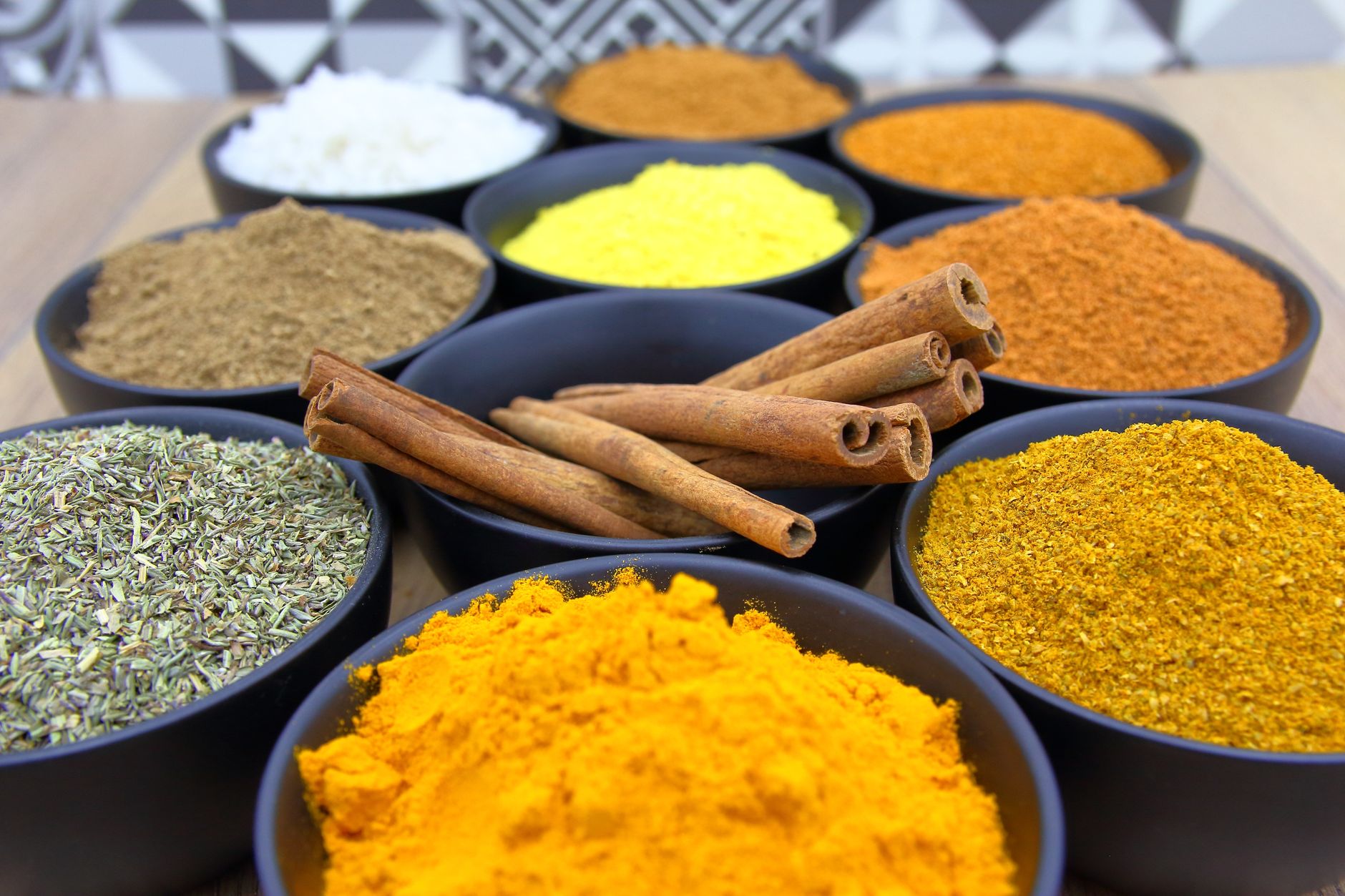
Golden milk, also known as “turmeric latte,” is a beverage that blends warm milk (dairy or plant‑based) with ground turmeric and a mix of spices such as ginger, cinnamon, and black pepper. Turmeric’s bright orange color comes from curcumin, a compound studied for its anti‑inflammatory and antioxidant properties. Black pepper is often added because piperine, its active ingredient, boosts curcumin absorption by up to 2,000 %.
The drink is popular in Ayurveda for its purported benefits on digestion, immunity, and joint health, and it has become a trendy “comfort drink” in cafés worldwide. In pregnancy, the appeal lies in its caffeine‑free warmth, the soothing effect of ginger on nausea, and the calcium‑rich milk base that supports bone health. While the individual ingredients are generally recognized as safe (GRAS) in culinary amounts, the safety of the overall blend hinges on how much of each spice you use.
Is golden milk safe during pregnancy?
T
he short answer is yes—golden milk is safe for most pregnant people when you keep the turmeric dose to ≤ ½ teaspoon per day and limit black pepper to a pinch. Both the American College of Obstetricians and Gynecologists (ACOG) and the United Kingdom’s NHS state that culinary spices are safe at food‑grade levels, but they caution against high‑dose supplements.
Current evidence suggests that the curcumin you get from a single cup of golden milk (roughly 100–150 mg) is far below the amounts that have shown uterine‑stimulant effects in animal studies. The primary mechanism of risk would be an excessive dose that could theoretically increase uterine activity or interfere with clotting pathways, especially if you’re on blood‑thinners. Because most commercial and homemade recipes stay well within these limits, the overall risk is minimal.
It’s also worth noting that many of the concerns surrounding turmeric arise from concentrated extracts, not from the spice used in cooking. A 2021 systematic review in the *Journal of Obstetrics & Gynecology* concluded that “moderate culinary use of turmeric does not appear to increase adverse pregnancy outcomes,” reinforcing the safety of a modest golden milk serving.
Is golden milk safe to drink in the first trimester?
The first trimester is the period of organogenesis, when the baby’s major organs form, and it’s the most sensitive window for teratogenic exposures. According to the American College of Obstetricians and Gynecologists (ACOG), culinary spices—including turmeric—are considered safe when used at typical food‑grade levels. The United Kingdom’s NHS similarly states that turmeric in food amounts is fine, but advises pregnant people to avoid high‑dose turmeric supplements.
Because golden milk often contains a concentrated turmeric dose, the key is moderation. A single cup made with ½ teaspoon of ground turmeric (≈2 g) delivers far less curcumin than a supplement and stays within the safety range recommended by both ACOG and the FDA’s “Generally Recognized as Safe” (GRAS) list for spices. Exceeding this amount could theoretically increase the risk of uterine irritation, although robust human data are lacking. Bottom line: enjoy one cup per day, and keep the turmeric portion at or below ½ tsp during the first trimester.
Beyond the spice itself, the early weeks are also when many people experience heightened nausea and food aversions. The warm, mildly spiced nature of golden milk can be soothing, but if you notice any unusual cramping after a cup, it’s wise to pause and discuss it with your provider.
How much golden milk can a pregnant woman consume daily?
Most experts agree that a daily intake of up to 1 cup (≈240 ml) of golden milk, prepared with ≤ ½ tsp turmeric, ≤ ¼ tsp ginger, and a pinch of black pepper, is safe for pregnant people. The ACOG nutrition committee notes that this amount provides roughly 100–150 mg of curcumin, a level that has not been linked to adverse fetal outcomes.
If you prefer a richer flavor, you can increase the milk volume but keep the spice quantities constant. Adding extra sweeteners like honey or maple syrup does not affect safety, but watch overall sugar intake, especially if you have gestational diabetes. For those who crave more spice, consider swapping black pepper for a dash of cinnamon, which does not affect curcumin absorption and is also GRAS‑approved.
It’s also helpful to think about the broader beverage landscape. A typical latte from a coffee shop can contain 150–200 mg of caffeine, which many obstetricians advise limiting to less than 200 mg per day. Golden milk, when made with caffeine‑free milk, can be a low‑caffeine alternative for those looking to curb their coffee habit.
What are the risks of drinking golden milk during pregnancy?
The primary concerns revolve around excessive turmeric or black‑pepper intake. High doses of curcumin may act as a mild uterine stimulant, potentially increasing the risk of uterine contractions in susceptible individuals. Black pepper, in large amounts, can interfere with blood clotting pathways, which might be problematic for people on anticoagulant therapy.
Other minor risks include gastrointestinal upset (especially if you have a sensitive stomach) and allergic reactions to dairy or specific spices. The CDC does not list turmeric or ginger as common allergens, but individual sensitivities vary. Overall, when consumed within the recommended limits, golden milk poses minimal risk, and most reported side effects are mild, such as heartburn or a temporary change in stool color.
People with certain medical conditions should be extra cautious. Those with a history of preterm labor, clotting disorders, or severe hypertension should discuss any herbal or spice‑rich beverages with their provider, as the theoretical risks, while small, may be more relevant in these groups.
Can golden milk cause complications for pregnant women with high blood pressure?
Turmeric’s anti‑inflammatory properties have been studied for modest blood‑pressure‑lowering effects, but the evidence is not strong enough to replace prescribed antihypertensive medication. For pregnant people with chronic hypertension or gestational hypertension, the ACOG advises caution with any supplement that could interact with blood‑pressure meds.
Because black pepper can enhance the bioavailability of curcumin, there is a theoretical risk of amplifying any blood‑pressure‑lowering effect, albeit minor. If you’re taking medication like labetalol or nifedipine, keep your turmeric dose at ≤ ½ tsp per day and discuss any herbal beverages with your provider. A simple rule of thumb: if your blood pressure spikes after a golden milk cup, reduce the spice amount or switch to a non‑spicy milk alternative.
Recent guidance from the NICE guideline on hypertension in pregnancy (2022) emphasizes that “dietary changes should complement, not replace, pharmacologic therapy.” In practice, this means golden milk can be part of a balanced diet, but you should continue regular blood‑pressure monitoring and follow your clinician’s medication plan.
Are there any pregnancy‑safe golden milk brands?
When shopping for pre‑made golden milk, look for products that list turmeric, ginger, and cinnamon as the top three ingredients, and that contain ≤ 500 mg of curcumin per serving (often labeled as “turmeric extract”). Brands that are certified organic and free of added caffeine, artificial sweeteners, or high‑fructose corn syrup are preferable.
Examples of pregnancy‑friendly criteria:
Ingredient list limited to milk (dairy or plant‑based), turmeric, ginger, cinnamon, and a pinch of black pepper.
No added herbal extracts like ashwagandha or high‑dose herbal blends.
Low sodium (< 150 mg per serving) and sugar (< 10 g per serving) to support gestational‑diabetes‑friendly diets.
Clear labeling of curcumin content (≤ 500 mg per serving) and a “pregnancy‑safe” claim from the manufacturer.
Because formulations change frequently, always read the nutrition facts panel and, if in doubt, contact the manufacturer for exact curcumin content. When you make golden milk at home, you have full control over dosage and can tailor it to your trimester‑specific needs.
What are safe alternatives to golden milk for pregnant women?
If you’re looking for a comforting warm drink without the turmeric limit, there are plenty of nutritious options that still deliver calcium, soothing warmth, and pregnancy‑friendly flavors. Below are eight alternatives that avoid the potential concerns of high‑dose turmeric while still feeling like a treat.
Warm almond milk – offers calcium and vitamin E without turmeric; soothing and low in calories.
Cinnamon milk – provides a sweet spice flavor; cinnamon is GRAS‑approved in culinary amounts.
Ginger tea – excellent for nausea relief; safe up to 1 g ginger per day.
Chamomile tea – gentle calming effect; ACOG considers it safe in moderate amounts.
Warm oat milk – fiber‑rich and naturally sweet; no spices needed.
Coconut milk latte – a tropical twist with healthy fats; ensure it’s unsweetened.
Milk with honey – simple comfort drink; honey is safe after the first trimester.
Peppermint tea – helps ease digestive discomfort; safe for most pregnant people.
All of these drinks can be prepared at home with a measured amount of spice or sweetener, giving you full control over the ingredients you consume.
Does golden milk affect labor and delivery?
There is no strong evidence that moderate turmeric consumption influences the timing of labor. Some small observational studies have suggested that curcumin’s anti‑inflammatory action might reduce the need for certain pain medications during labor, but these findings are preliminary and not enough to change clinical practice. The ACOG does not list turmeric as a factor in labor induction or delay.
If you have a history of preterm labor or are on a tocolytic (medication that stops contractions), discuss any herbal beverages with your obstetrician. For most pregnant people, a daily cup of golden milk will not affect the length of pregnancy or the delivery process.
Is golden milk safe for pregnant women with gestational diabetes?
Golden milk can be incorporated into a gestational‑diabetes‑friendly diet if you control added sugars. The NHS advises that sweetened beverages should be limited, and the same applies to golden milk. Choose unsweetened milk (or a low‑glycemic plant milk) and add a modest drizzle of honey only after the first trimester, or use a natural low‑calorie sweetener like stevia.
Turmeric itself does not raise blood glucose, and some studies in non‑pregnant adults suggest it may improve insulin sensitivity. However, these findings are not conclusive for pregnant populations. As long as you keep the overall carbohydrate load within your daily target (usually < 45 g per meal for gestational diabetes), golden milk is a safe, flavorful option.
Tip: Use a measured teaspoon for turmeric to keep your daily dose within safe limits.
Safety by trimester
First trimester (weeks 1–13)
During organ formation, keep turmeric at ≤ ½ tsp per day and avoid large amounts of black pepper. Ginger can be helpful for nausea, but limit it to 1 g (about ½ tsp ground ginger) per day. Choose low‑sugar milk bases and monitor any unusual uterine cramping. The ACOG notes that culinary spice use is safe, but high‑dose supplements are not recommended.
Because many people experience heightened morning sickness in the first trimester, the warm comfort of golden milk can be a gentle alternative to coffee. Just be sure to stay within the spice limits and watch for any persistent heartburn, which can be more common early in pregnancy.
Second trimester (weeks 14–27)
As the baby’s growth accelerates, the same dosage limits apply. Many pregnant people find golden milk helpful for soothing muscle aches that can appear in the second trimester. If you develop gestational hypertension, keep an eye on blood‑pressure readings after each cup, especially if you added extra black pepper.
During this stage, iron absorption becomes a priority. The calcium in milk can interfere with iron uptake, so you might want to separate golden milk from iron‑rich meals by at least an hour. This timing helps you reap the calcium benefits without compromising iron status.
Third trimester (weeks 28–40)
In the final weeks, the focus shifts to comfort and sleep. A warm golden milk before bedtime can be calming, provided you stay within the ≤ ½ tsp turmeric limit. Avoid caffeine‑containing milk alternatives (e.g., coffee‑based lattes) that could interfere with sleep or raise heart rate.
Late‑pregnancy heartburn is common, and the spices in golden milk can sometimes exacerbate reflux. If you notice increased acidity, try a low‑spice version or add a splash of almond milk, which is less likely to trigger heartburn than full‑fat dairy.
Breastfeeding
Turmeric’s metabolites do pass into breastmilk, but at the low levels found in a single cup, they are unlikely to affect the infant. The CDC’s lactation guidelines consider turmeric a safe spice for nursing mothers when used in culinary amounts.
If you’re nursing and notice that your baby seems unusually fussy after you’ve had golden milk, consider reducing the turmeric amount and observing whether symptoms improve. Most lactating parents report no issues, but a brief trial can help you feel certain.
Measuring half a teaspoon of turmeric helps you stay within the recommended daily limit.
Safe dosage / amount / brands
For a standard 240 ml (1 cup) serving, the following guideline keeps you in the safety zone:
Component
Maximum per cup
Why this limit?
Turmeric (ground)
½ tsp (≈2 g)
Stays under 150 mg curcumin – the amount ACOG deems safe for food use.
Black pepper
¼ tsp (≈1 g)
Provides enough piperine to aid curcumin absorption without affecting clotting.
Ginger (ground)
¼ tsp (≈0.5 g)
Helps with nausea; stays below the 1 g per day threshold.
Cinnamon
¼ tsp (≈0.6 g)
Flavorful and safe; excessive cinnamon can affect liver enzymes.
When buying pre‑made golden milk, choose brands that clearly list each spice and its amount, and that state “≤ 500 mg curcumin per serving.” Avoid products that contain added caffeine, high fructose corn syrup, or proprietary herbal blends that are not evaluated for pregnancy safety. If you prefer a dairy‑free option, unsweetened almond or oat milk work well and keep the overall calorie load modest.
Side effects and risks
Most side effects are mild and reversible:
Heartburn or acid reflux: Spices can relax the lower esophageal sphincter. If you experience frequent heartburn, try a lower‑spice version or sip slowly.
Stomach upset: Over‑spicing may cause nausea or diarrhea. Reduce ginger or pepper if symptoms appear.
Allergic reaction: Dairy or nut milks can trigger allergies; choose a plant‑based milk you tolerate.
Blood‑pressure changes: If you’re on antihypertensive medication and notice a sudden drop after a cup, discontinue the drink and call your provider.
Uterine cramping: Rare but possible with high turmeric doses; stop the beverage and seek medical advice if cramps persist.
These issues are generally not dangerous, but persistent or severe symptoms (e.g., persistent abdominal pain, heavy bleeding, or a sudden rise in blood pressure) warrant a prompt call to your obstetrician.
Safer alternatives
Warm almond milk – gentle, calcium‑rich, and free of turmeric.
Cinnamon milk – provides a comforting spice without curcumin.
Ginger tea – excellent nausea relief, safe up to 1 g ginger daily.
Chamomile tea – calming and safe in moderate amounts.
Warm oat milk – fiber‑filled, naturally sweet, and low‑spice.
Milk with honey – simple comfort; honey is safe after the first trimester.
Peppermint tea – soothing for digestive discomfort and safe throughout pregnancy.
Related items — safety at a glance
Item
Verdict
One‑line note
Turmeric latte
⚠️ Safe with limits
Same turmeric dosage as golden milk; watch pepper.
Turmeric tea
⚠️ Safe with limits
Usually less turmeric than a latte; still limit to ½ tsp.
Spiced milk
✅ Generally safe
Depends on spice blend; avoid high‑dose herbal extracts.
Chai latte
✅ Generally safe
Contains caffeine; limit to 1 cup per day.
Matcha latte
✅ Generally safe
Green tea caffeine; watch total caffeine intake.
Golden latte
⚠️ Safe with limits
Often similar to golden milk; follow turmeric limits.
Herbal milk drinks
❌ Best avoided
Often contain unstudied herbs like ashwagandha.
Milk with ginger
✅ Generally safe
Ginger up to 1 g daily is fine for nausea.
Myth vs. fact
Myth: “Golden milk can cure pregnancy nausea completely.”
Fact: While ginger and warm fluids can relieve mild nausea, golden milk’s effect is modest and varies by individual; it should not replace medical treatment for severe morning sickness.
Myth: “Turmeric in golden milk will boost my baby’s brain development.”
Fact: Curcumin’s bioavailability is low, and there is no clinical evidence that culinary turmeric intake directly enhances fetal neurodevelopment.
Myth: “If a single cup is safe, I can drink several cups a day.”
Fact: Exceeding the ≤ ½ tsp turmeric limit can increase the risk of uterine irritation and should be avoided, regardless of how many cups you enjoy.
Key takeaways
Golden milk is generally safe during pregnancy when turmeric is limited to ≤ ½ tsp (≈2 g) per day.
Stick to low‑sugar milk bases and avoid high‑dose black‑pepper or additional herbal extracts.
First‑trimester caution: keep spice amounts modest; monitor for any uterine cramping.
Women with hypertension or gestational diabetes should discuss golden milk with their provider, especially if adding pepper.
Safe alternatives include warm almond milk, cinnamon milk, ginger tea, and other low‑spice beverages.
If you notice persistent heartburn, unusual cramps, or blood‑pressure changes, contact your obstetrician promptly.
Frequently asked questions
Can I drink golden milk while pregnant?
Yes, you can enjoy golden milk during pregnancy as long as you keep the turmeric to ≤ ½ tsp per cup and limit black pepper to a pinch. This amount aligns with ACOG’s guidance on safe spice consumption.
Is turmeric safe during pregnancy?
Turmeric is safe in culinary amounts (a pinch to a teaspoon) for pregnant people. High‑dose turmeric supplements are not recommended because they may stimulate uterine activity.
What are the benefits of golden milk for pregnant women?
Golden milk provides calcium from the milk base, anti‑inflammatory curcumin, and soothing warmth that can help with mild nausea, muscle aches, and sleep comfort. Benefits are modest and should complement, not replace, a balanced prenatal diet.
How much turmeric is safe in pregnancy?
Up to about ½ teaspoon (≈2 g) of ground turmeric per day—roughly the amount in a single cup of golden milk—is considered safe by ACOG and the FDA’s GRAS list for spices.
Can golden milk cause uterine contractions?
At the culinary dose of ≤ ½ tsp turmeric per day, golden milk is unlikely to cause uterine contractions. However, very high doses of curcumin (far beyond typical food use) have been shown in animal studies to stimulate uterine activity, so staying within the recommended limit is key.
Is it okay to add black pepper to golden milk during pregnancy?
Adding a small pinch of black pepper (≈¼ tsp) is fine because it improves curcumin absorption without posing a clotting risk. Avoid large amounts of pepper, especially if you’re on blood‑thinning medication.
Are there any side effects of golden milk for pregnant women?
Side effects are usually mild and include heartburn, stomach upset, or temporary uterine cramping if the spice amount is too high. Persistent or severe symptoms should be discussed with your provider.
Can golden milk help with morning sickness?
Golden milk may provide mild relief thanks to ginger and warm fluids, but it is not a guaranteed remedy. If morning sickness is severe, your obstetrician may recommend vitamin B6, acupressure, or prescription medication.
Can I use coconut milk instead of dairy in golden milk?
Yes, coconut milk works well as a dairy‑free base and provides healthy fats. Just keep the spice amounts the same and watch for added sugars; unsweetened coconut milk keeps the beverage low‑calorie and pregnancy‑friendly.
Is it safe to freeze golden milk for later?
Freezing golden milk is safe, but the texture of the milk may separate after thawing. Gently re‑heat and whisk before drinking, and ensure the spices have not clumped together. The safety of the spices themselves does not change with freezing.
When to call your doctor
If you experience any of the following after drinking golden milk, contact your obstetrician or midwife right away:
Persistent uterine cramps or tightening that last longer than a few minutes.
Sudden or sustained rise in blood pressure (> 140/90 mmHg) or a rapid drop.
Severe heartburn that interferes with eating or sleeping.
Allergic reactions such as hives, swelling, or difficulty breathing.
Unexplained vaginal bleeding or spotting.
These symptoms may indicate a condition that needs professional evaluation. Remember, this article is for informational purposes only and does not replace personalized medical advice.
References
American College of Obstetricians and Gynecologists (ACOG). “Nutrition During Pregnancy.” Practice Bulletin No. 204, 2020.
National Health Service (NHS). “Spices and herbs in pregnancy.” Updated 2022.
U.S. Food and Drug Administration (FDA). “Food Additives Status List.” GRAS notices for turmeric and ginger.
Centers for Disease Control and Prevention (CDC). “Pregnancy and Nutrition.” 2021.
World Health Organization (WHO). “Guidelines on herbal medicines for maternal health.” 2021.
Mayo Clinic. “Turmeric: Benefits and risks.” Accessed 2023.
National Institute for Health and Care Excellence (NICE). “Gestational diabetes: management.” 2022.
Not sure about the label on Is Golden Milk Safe During Pregnancy products?
Snap the ingredients list and SafeFilter checks every ingredient for your stage — only 3 free scans this month, then you're locked until reset. Unlimited from $7/mo or $50/yr.
When Shubhra Mishra was expecting her first child in 2016, she was overwhelmed by conflicting food advice — one site said yes, another said never. By the time her second baby arrived in 2019, she realized millions of mothers face the same confusion.
That sparked a five-year journey through clinical nutrition papers, cultural diets, and expert conversations — all leading to BumpBites: a calm, compassionate space where science meets everyday motherhood.
Her long-term vision is to build a global community ensuring safe, supported, and free deliveriesfor every mother — because no woman should face pregnancy alone or uninformed. 🌿
🌍 Stand with mothers, shape safer guidance
Join a small circle of experts who review BumpBites articles so expecting parents everywhere can decide with confidence.