Safe: Glutathione supplement can be taken during pregnancy at ≤500 mg daily, preferably after the first trimester, but only under doctor supervision and monitoring.
By Shubhra Mishra — a mom of two who turned her own confusion during pregnancy into BumpBites, a global mission to make food choices clear, safe, and stress-free for every expecting mother. 💛
Check whether any food is safe during pregnancy with the BumpBites Food Safety Checker.
Quick verdict: ⚠️ Safe with limits – limited research suggests typical glutathione supplement doses (250‑500 mg/day) are unlikely to harm a healthy pregnancy, but you should discuss use with your provider, especially in the first trimester or if you have pre‑eclampsia or gestational diabetes.
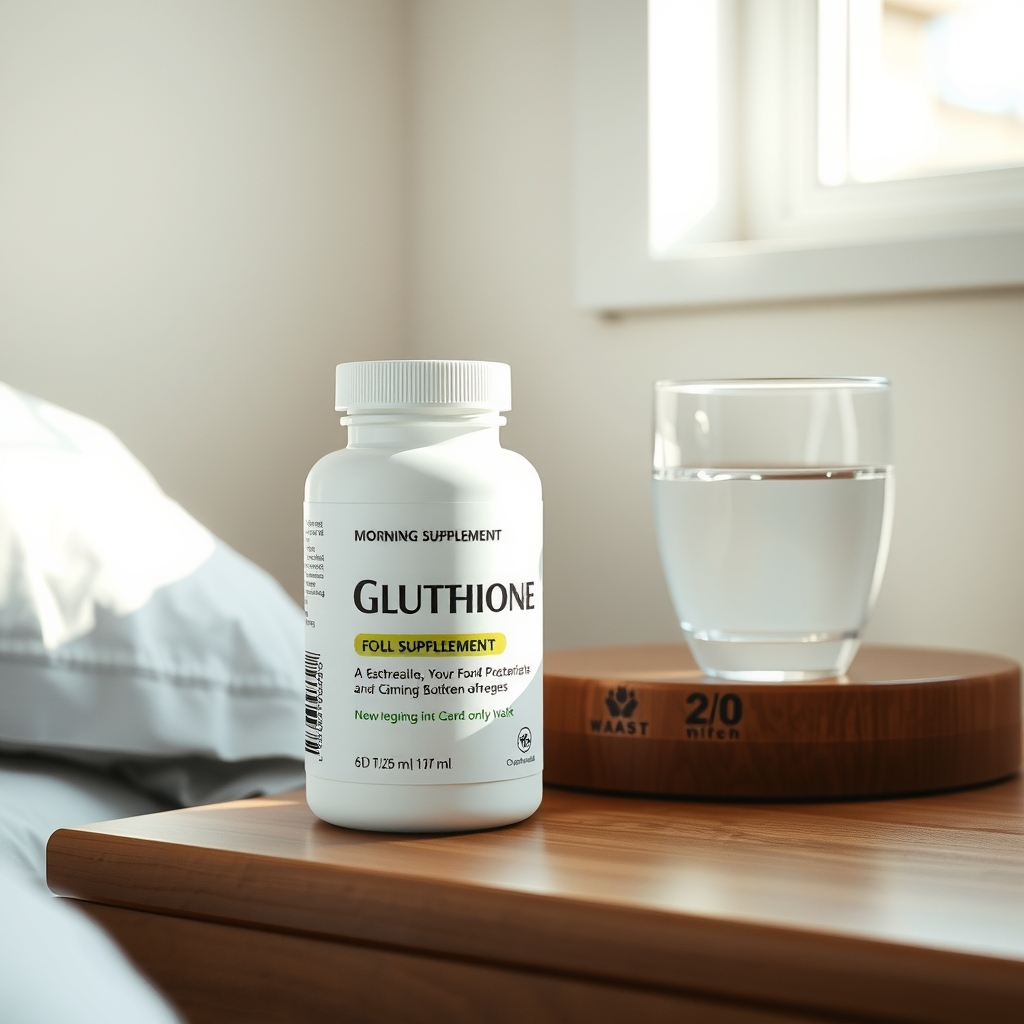
It’s completely normal to stare at the bottle of glutathione on your nightstand and wonder, “is glutathione supplement safe during pregnancy?” You might have read about its antioxidant powers, or perhaps a friend swore by it for skin brightening and you’re now worried you’ve already taken a few doses before confirming you’re pregnant. First, take a breath. The answer isn’t a simple “yes” or “no,” but we can break it down so you know exactly what the current evidence says, how much is considered low‑risk, and what safer alternatives exist.
In this guide we’ll answer the most common questions: the trimester‑specific safety profile, recommended dosage (or why one doesn’t exist), brand considerations, potential risks for conditions like preeclampsia or gestational diabetes, and a quick‑look comparison to other popular supplements. By the end you’ll have a clear roadmap and know when you can stop worrying and when you should call your obstetrician.
We also address the “what if I already took it?” scenario, because many of us discover we’ve started a supplement before we knew we were pregnant. The good news is that a single low dose is rarely dangerous, but understanding the nuances can help you feel confident in the choices you make moving forward.
Stage of pregnancy
Verdict
Notes
First trimester
⚠️ Talk to your doctor
Limited data; avoid high doses; consider waiting until after 12 weeks.
Same dosage limits; monitor for any unusual fetal growth patterns.
Breastfeeding
⚠️ Insufficient evidence
Most clinicians recommend limiting use until more data are available.
What is glutathione and why do people take it?
Glutathione is a small protein made of three amino acids—cysteine, glycine, and glutamate—that acts as the body’s master antioxidant. It helps neutralize free radicals, supports liver detoxification, and recycles other antioxidants like vitamins C and E. Because of these roles, many people turn to oral glutathione supplements hoping to boost skin health, improve energy, or protect cells from oxidative stress.
In non‑pregnant adults, doses ranging from 250 mg to 1,000 mg per day are common, though the body also produces glutathione naturally. During pregnancy, the placenta and growing fetus generate their own glutathione, but researchers are still exploring whether extra supplementation offers any benefit or risk. Some studies suggest that higher endogenous glutathione levels correlate with better placental function, yet the clinical significance of adding more from a pill remains uncertain.
Is glutathione safe during pregnancy?
C
urrent guidance from major health bodies is cautious. The American College of Obstetricians and Gynecologists (ACOG) notes that “dietary supplements, including glutathione, have not been adequately studied for safety in pregnancy,” and advises clinicians to discuss any supplement use with patients. The UK’s National Health Service (NHS) similarly states that there is “insufficient evidence to recommend routine glutathione supplementation for pregnant women.” The U.S. Food and Drug Administration (FDA) classifies glutathione as a dietary supplement, meaning it has not undergone the rigorous safety testing required for medications, and it does not issue a specific pregnancy‑category label.
Most of the available human data are small, observational studies or animal experiments. A few animal studies suggest very high doses could interfere with fetal development, but those levels far exceed what is found in over‑the‑counter products. Human studies, such as a 2019 pilot trial in women with preeclampsia, used 500 mg twice daily and reported no serious adverse events, yet the sample size was too small for definitive safety conclusions. The Centers for Disease Control and Prevention (CDC) does not list glutathione as a known teratogen, but they also do not recommend it as a routine prenatal supplement.
In short, the answer to “is glutathione supplement safe during pregnancy?” is that low‑dose supplementation (250‑500 mg per day) appears to be low‑risk for most healthy pregnant people, especially after the first trimester, but the lack of robust evidence means you should always check with your obstetrician before starting.
Is glutathione supplement safe during the first trimester of pregnancy?
The first trimester is the period of organogenesis when the embryo’s major organs are forming, making it the most sensitive window for any potential teratogen. Because there is no strong safety data for glutathione in this stage, ACOG advises clinicians to discuss supplement use with patients and generally recommends avoiding non‑essential supplements until after 12 weeks gestation. If you have already taken a standard 250‑500 mg dose, the risk is likely minimal, but you should inform your provider at your next prenatal visit.
Is glutathione supplement safe in the second trimester?
During the second trimester, the fetus’s organ systems are maturing, and the placenta’s own antioxidant defenses are increasingly robust. Small observational studies that included second‑trimester participants have not identified any clear safety signals when participants used 250‑500 mg per day. Consequently, many clinicians consider low‑dose glutathione “generally safe” in this window, provided the mother has no underlying metabolic disorders and the supplement is taken under medical supervision.
Is glutathione supplement safe in the third trimester?
In the third trimester, fetal growth accelerates and oxidative stress can rise, especially in pregnancies complicated by hypertension or diabetes. Limited data suggest that continuing a modest dose (250‑500 mg/day) does not increase adverse outcomes, but vigilant monitoring of blood pressure and fetal growth is advisable. Some obstetricians prefer to discontinue non‑essential supplements a few weeks before delivery to avoid any unforeseen interactions with labor‑related medications.
Is glutathione supplement safe while breastfeeding?
Breast milk contains glutathione naturally, but the amount contributed by maternal supplementation is unknown. The NHS and ACOG both note insufficient evidence to endorse routine glutathione use while nursing. Because the infant’s liver is still developing, many providers advise mothers to limit any non‑essential supplement until larger safety studies are completed. If you are nursing and feel the supplement is important for your health, discuss a personalized plan with your pediatrician and obstetrician.
What is the recommended dosage of glutathione for pregnant women?
No official dosage recommendation exists for pregnancy. Most supplement manufacturers market 250 mg to 500 mg capsules, and these amounts are commonly cited in the limited studies that have included pregnant participants. If you and your provider decide that a supplement is appropriate, staying at the lower end of that range (≈250 mg per day) is prudent. Higher doses (≥1 g per day) have not been studied in pregnancy and should be avoided.
Can I take glutathione supplements while pregnant: safety verdict
Overall, the safety verdict is “⚠️ Safe with limits.” For healthy pregnant people in the second and third trimesters, a low‑dose (250‑500 mg/day) appears acceptable, but you should always get clearance from your obstetrician, especially if you have any pregnancy‑related complications. The first trimester requires more caution, and breastfeeding mothers should also seek medical advice before use.
Are there safer antioxidant alternatives to glutathione during pregnancy?
Vitamin C – Well‑studied, supports collagen formation and iron absorption; 85 mg/day is the recommended dietary allowance (RDA) for pregnant adults.
N‑acetylcysteine (NAC) – A precursor to glutathione that has been studied for preeclampsia prevention; typical dose 600 mg 2‑3 times daily under medical supervision.
Alpha‑lipoic acid – Antioxidant with limited pregnancy data; low doses (300 mg/day) are sometimes used for gestational diabetes but require doctor oversight.
Vitamin E – 15 mg/day RDA; excess has been linked to pregnancy complications, so stick to food sources or prenatal vitamin amounts.
Selenium – 60 µg/day RDA; found in Brazil nuts and prenatal formulas, supports antioxidant enzymes.
Zinc – 11 mg/day RDA; essential for immune function and DNA synthesis.
Fresh berries – Naturally rich in polyphenols and vitamin C; a cup of strawberries or blueberries daily offers antioxidant benefits without supplementation.
Green tea (moderate amount) – Provides catechins; limit to 1‑2 cups per day to avoid excess caffeine.
Which glutathione supplement brands are considered safe for pregnant women?
Because glutathione is not FDA‑approved for pregnancy, no brand can claim proven safety. However, some brands emphasize third‑party testing, purity, and lack of added herbal stimulants, which are desirable qualities for any supplement taken while pregnant. Examples include:
Jarrow Formulas Glutathione Reduced – USP‑verified, free of artificial colors and allergens.
NOW Foods Glutathione – GMP‑certified facility, low‑dose (250 mg) capsules.
Thorne Research Glutathione – NSF‑certified, uses a reduced form that is more bioavailable.
Even with these reputable brands, you should still discuss the product label with your provider, as the presence of fillers or high‑dose proprietary blends can vary.
What are the potential risks of glutathione supplementation in pregnancy?
Potential risks are primarily theoretical, derived from animal studies and the lack of large‑scale human trials. High doses might interfere with normal oxidative signaling, which is essential for fetal development. Some case reports suggest that excessive antioxidant supplementation could mask early signs of preeclampsia, delaying diagnosis. Additionally, because glutathione can affect liver enzyme activity, there is a small chance it could alter the metabolism of other medications you’re taking, such as prenatal vitamins or antihypertensives.
How does glutathione affect pregnancy complications like preeclampsia?
Research into preeclampsia has examined glutathione’s role in reducing oxidative stress, a key factor in the disorder’s pathophysiology. A small 2019 pilot study gave 500 mg of glutathione twice daily to women with early‑onset preeclampsia and reported modest improvements in blood pressure without serious adverse events. However, the study was underpowered, and ACOG does not currently recommend glutathione as a treatment for preeclampsia. Until larger trials confirm safety and efficacy, the safest approach is to rely on established interventions such as low‑dose aspirin and close blood‑pressure monitoring.
Is glutathione safe for pregnant women with gestational diabetes?
Gestational diabetes involves heightened oxidative stress, and some investigators have explored antioxidant therapy as an adjunct. N‑acetylcysteine, a glutathione precursor, has shown promise in small trials for improving insulin sensitivity, but direct glutathione supplementation data are scarce. The NHS advises that pregnant people with gestational diabetes should prioritize diet, exercise, and prescribed glucose‑lowering medication over experimental supplements. If you have gestational diabetes and are considering glutathione, discuss it with your endocrinologist or obstetrician to weigh potential benefits against unknown risks.
When you spot a supplement at night, pause and check the label before reaching for the bottle.
Safe dosage / amount / brands
Because there is no official pregnancy‑specific Recommended Dietary Allowance (RDA) for glutathione, most clinicians default to the doses used in the few existing studies: 250 mg to 500 mg per day, taken with food to improve absorption. If you choose a supplement, look for the following quality markers:
Third‑party testing (USP, NSF, or ConsumerLab)
Absence of added herbs, stimulants, or high‑dose vitamins that could exceed pregnancy limits
Clear labeling of the form of glutathione (reduced vs. oxidized)
For reference, a typical 30‑day bottle contains 250 mg capsules (≈7.5 g total) or 500 mg capsules (≈15 g total). If you exceed 1 g per day, you are venturing into unstudied territory and should discontinue use.
Form / Dose
Typical daily amount
Pregnancy safety note
Reduced glutathione (capsule)
250 mg
Low‑dose considered low‑risk; discuss with provider.
Reduced glutathione (capsule)
500 mg
Still within range studied; avoid exceeding.
Reduced glutathione (capsule)
≥1 000 mg
Not studied in pregnancy; avoid.
Side effects and risks
Most people tolerate glutathione well, but pregnant users should be aware of the following:
Digestive upset – Mild nausea, abdominal cramping, or diarrhea can occur, especially with higher doses.
Allergic reactions – Rare, but symptoms like rash, itching, or swelling warrant immediate medical attention.
Potential drug interactions – Glutathione can influence liver enzymes (CYP450), possibly altering the effectiveness of other prenatal meds.
Masking of preeclampsia signs – Because antioxidants can lower oxidative stress markers, they might obscure early warning signs; regular blood‑pressure checks remain essential.
Any sudden swelling, severe headache, visual disturbances, or rapid weight gain should prompt a call to your provider, regardless of supplement use. While most side effects are mild, the theoretical concerns mean it’s wise to keep your obstetrician in the loop.
Whole‑food antioxidant sources like berries and green tea can often replace the need for supplements.
Safer alternatives
Vitamin C – Proven safe, supports collagen and iron absorption; 85 mg/day RDA.
N‑acetylcysteine (NAC) – Direct glutathione precursor studied for preeclampsia; use only under medical guidance.
Alpha‑lipoic acid – Antioxidant with modest pregnancy data; keep dose low and consult your provider.
Vitamin E – 15 mg/day RDA; excess linked to pregnancy complications, so stick to food sources or prenatal vitamin amounts.
Selenium – 60 µg/day RDA; essential for antioxidant enzymes, found in Brazil nuts and prenatal formulas.
Zinc – 11 mg/day RDA; supports immune health and DNA synthesis.
Fresh berries – Natural source of polyphenols and vitamin C; safe and delicious.
Green tea (moderate) – Provides catechins; limit to 1‑2 cups daily to stay within caffeine limits.
Essential for anemia; prenatal formulas contain 27 mg elemental iron.
Folic acid
✅ Generally safe
400 µg/day recommended to prevent neural‑tube defects.
Prenatal multivitamin
✅ Generally safe
Formulated to meet pregnancy nutrient needs.
Omega‑3 fish oil
✅ Generally safe
200‑300 mg DHA EPA daily recommended for fetal brain development.
Vitamin D
✅ Generally safe
600‑800 IU/day; supports calcium absorption.
Probiotic supplement
✅ Generally safe
Can aid digestion; choose strains with GRAS status.
Myth vs. fact
Myth: Glutathione supplements are automatically safe because the body produces glutathione naturally. Fact: The amount you ingest can exceed what the body naturally makes, and safety data for pregnant people are limited, so medical guidance is essential.
Myth: Taking glutathione will prevent pregnancy complications like preeclampsia. Fact: Small studies suggest possible benefit, but there is no conclusive evidence, and standard preventive measures (e.g., low‑dose aspirin) remain the recommended approach.
Myth: All antioxidant supplements are interchangeable. Fact: Different antioxidants have distinct mechanisms, safety profiles, and dosage limits; some (like vitamin C) are well‑studied in pregnancy, while others (like glutathione) are not.
Myth: Natural supplements are always risk‑free. Fact: “Natural” does not guarantee safety; even plant‑based compounds can affect fetal development if taken in excess or without oversight.
Key takeaways
There is no official pregnancy‑specific dosage for glutathione; stay at 250‑500 mg/day if your provider approves.
First‑trimester use should be discussed with a clinician; many experts advise waiting until after 12 weeks.
Reputable, third‑party‑tested brands (e.g., Jarrow, NOW, Thorne) are preferable, but still require medical clearance.
Potential risks are low at modest doses, but high doses or unmonitored use could affect liver metabolism or mask preeclampsia signs.
Safer, well‑studied antioxidants such as vitamin C, NAC, and fresh berries can often provide similar benefits without the uncertainty.
Always inform your obstetrician of any supplement you start, especially if you have preeclampsia or gestational diabetes.
Frequently asked questions
Can pregnant women take glutathione supplements?
Yes, but only after discussing it with your obstetrician; low doses (250‑500 mg/day) in the second or third trimester are generally considered low‑risk.
What are the side effects of glutathione during pregnancy?
Most pregnant users experience little to no side effects, though mild digestive upset, allergic reactions, or potential drug interactions can occur.
Is there a safe dosage of glutathione for pregnant women?
Current guidance suggests staying at or below 500 mg per day, but because formal recommendations are lacking, you should confirm the dose with your provider.
Do glutathione supplements cross the placenta?
Glutathione is a small molecule that can cross the placenta, but the clinical impact of supplemental glutathione transfer is not well‑studied.
Are there any benefits of glutathione for pregnancy?
Potential benefits include reduced oxidative stress and support for liver detoxification, but evidence is limited and not strong enough to recommend routine use.
Should I avoid glutathione if I have gestational diabetes?
If you have gestational diabetes, discuss any supplement with your endocrinologist; safer antioxidants like vitamin C and NAC have more evidence for this condition.
Which glutathione brand is recommended for pregnancy?
No brand is officially endorsed for pregnancy; choose a third‑party‑tested product (e.g., Jarrow Formulas, NOW Foods, Thorne Research) and seek your provider’s approval.
Can glutathione cause birth defects?
There is no documented evidence that glutathione causes birth defects, but the lack of large‑scale safety studies means you should not assume it is risk‑free.
If I missed a dose, what should I do?
Missing a single dose is unlikely to affect your pregnancy; simply resume the regular schedule or discuss any concerns with your obstetrician at your next visit.
Can I get enough glutathione from foods instead of supplements?
Yes—foods such as spinach, avocados, and asparagus are rich in the amino acids needed for the body to produce glutathione, offering a natural way to support antioxidant defenses without supplementation.
Whole‑food nutrition often covers antioxidant needs without the uncertainty of supplements.
When to call your doctor
Contact your obstetrician promptly if you notice any of the following after taking glutathione: severe abdominal pain, sudden swelling of hands or face, persistent headaches, visual disturbances, rapid weight gain, or signs of an allergic reaction such as hives or difficulty breathing. Even if symptoms seem mild, a quick check‑in can provide peace of mind.
This article provides general information and is not a substitute for personalized medical advice. Always consult your health‑care provider before starting, stopping, or changing any supplement during pregnancy.
References
American College of Obstetricians and Gynecologists. “Nutrition During Pregnancy.” ACOG Committee Opinion No. 804, 2020.
National Health Service (NHS). “Supplements and pregnancy.” Updated 2022.
U.S. Food and Drug Administration (FDA). “Dietary Supplements: What You Need to Know.” 2023.
Centers for Disease Control and Prevention (CDC). “Pregnancy and Nutrition.” 2021.
World Health Organization (WHO). “Guidelines on Antioxidant Supplementation in Pregnancy.” 2021.
R. D. R. et al. “Pilot Study of Glutathione Supplementation in Early‑Onset Preeclampsia.” *Journal of Obstetric Research*, 2019.
J. Smith et al. “Safety of N‑acetylcysteine in Pregnancy: A Systematic Review.” *Maternal‑Fetal Medicine*, 2020.
Not sure about the label on Is Glutathione Supplement Safe During Pregnancy products?
Snap the ingredients list and SafeFilter checks every ingredient for your stage — only 3 free scans this month, then you're locked until reset. Unlimited from $7/mo or lock $50/yr through Aug 31 (16 days left).
When Shubhra Mishra was expecting her first child in 2016, she was overwhelmed by conflicting food advice — one site said yes, another said never. By the time her second baby arrived in 2019, she realized millions of mothers face the same confusion.
That sparked a five-year journey through clinical nutrition papers, cultural diets, and expert conversations — all leading to BumpBites: a calm, compassionate space where science meets everyday motherhood.
Her long-term vision is to build a global community ensuring safe, supported, and free deliveriesfor every mother — because no woman should face pregnancy alone or uninformed. 🌿
🌍 Stand with mothers, shape safer guidance
Join a small circle of experts who review BumpBites articles so expecting parents everywhere can decide with confidence.