

Quick verdict: ❌ Best avoided. Current obstetric guidance advises pregnant people not to take ginkgo biloba because of potential bleeding risks and insufficient safety data. If you’ve already used it, stay calm and talk to your provider for personalized reassurance.
It’s 2 a.m., the kitchen light is on, and you’ve just opened a bottle of ginkgo biloba capsules you bought months ago. “Is ginkgo biloba safe during pregnancy?” you whisper to the empty room, heart racing. You’re not alone—many expectant parents wonder about this popular herbal supplement, especially when it’s been touted for memory support and circulation. The short answer is that most experts, including ACOG and the UK’s NHS, recommend avoiding it while pregnant.
In this article we’ll walk through exactly what ginkgo biloba is, why it’s commonly used, the scientific evidence behind its safety (or lack thereof), and how the risk profile changes across each trimester and while breastfeeding. We’ll also explore dosage considerations, brand myths, safer alternatives, and related herbs you might be curious about. By the end you’ll have a clear, evidence‑based answer to the question “is ginkgo biloba safe during pregnancy?” and a practical plan for moving forward.
We’ll also address the common “what if I already took it?” panic, give you tips on how to discuss herbal supplements with your obstetrician, and point you toward trustworthy resources from ACOG, NHS, FDA, and the American Academy of Pediatrics.
| Stage of pregnancy | Verdict | Notes |
|---|---|---|
| First trimester | ❌ Avoid | Potential teratogenic and bleeding risks during organ formation. |
| Second trimester | ❌ Avoid | Insufficient data; bleeding risk remains a concern. |
| Third trimester | ❌ Avoid | May increase risk of hemorrhage during labor. |
| Breastfeeding | ❌ Avoid | Ginkgo compounds detected in milk; infant safety not established. |
Ginkgo biloba is an extract derived from the leaves of the living‑fossil tree Ginkgo biloba. The supplement contains flavonoids and terpenoids that are thought to improve blood flow and act as antioxidants. In the general adult population, it’s most often marketed for memory enhancement, circulatory disorders, and sometimes for anxiety relief. Because it’s a natural product, many people assume it’s automatically safe in pregnancy, but “natural” does not equal “harmless.” The active compounds can affect platelet aggregation and may cross the placenta, which is why obstetric societies issue specific cautions.
Beyond its potential impact on clotting, ginkgo has been studied for a range of other effects—such as cognitive support and tinnitus relief—but none of those benefits have been proven in pregnant populations. Understanding the herb’s pharmacology helps explain why the precautionary principle is applied even when solid human data are lacking.
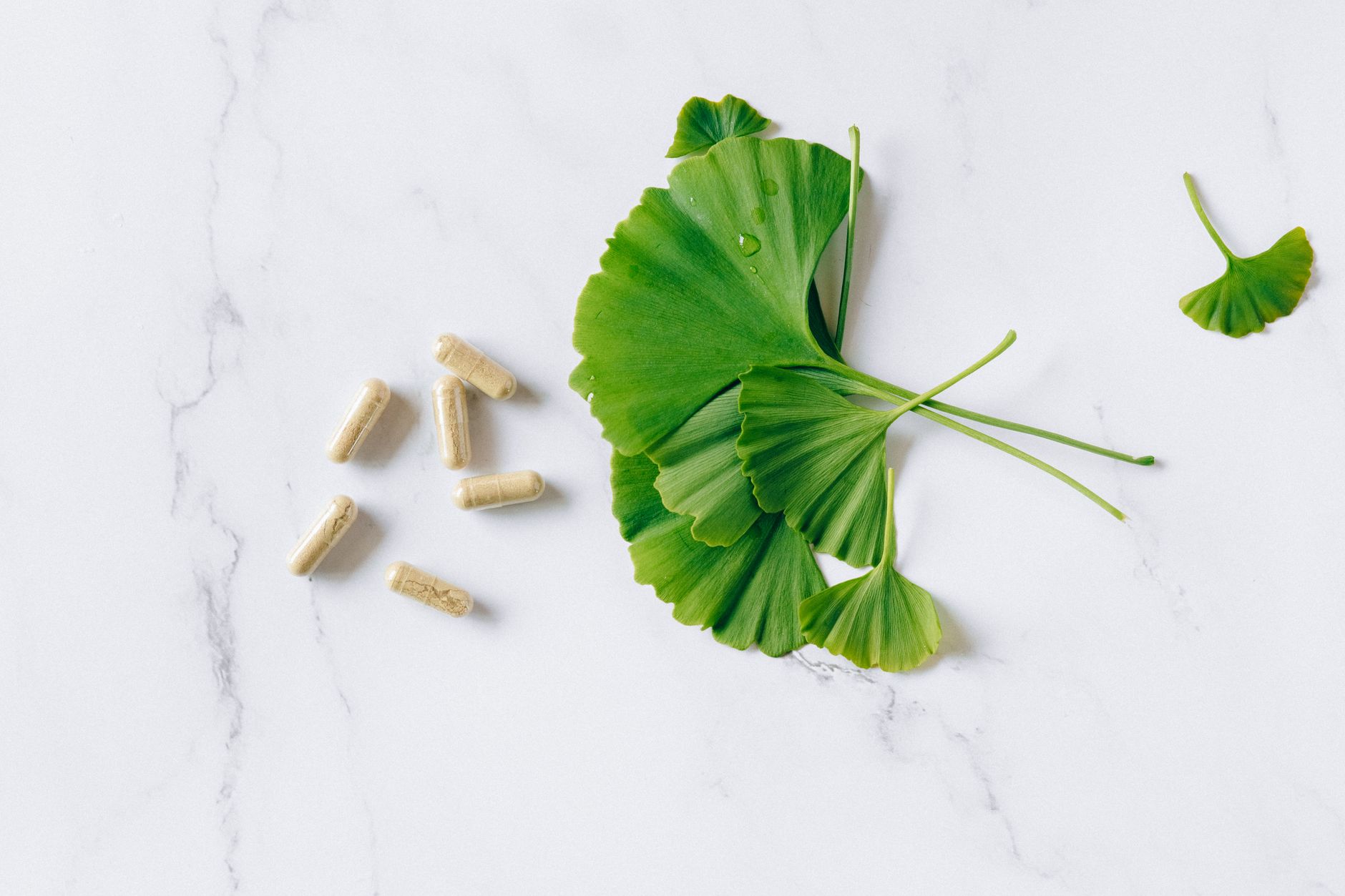
When you ask “is ginkgo biloba safe during pregnancy?” the short answer is no. The American College of Obstetricians and Gynecologists (ACOG) states that herbal products with known anticoagulant effects, such as ginkgo, should be avoided because they may increase bleeding risk during delivery. The UK’s National Health Service (NHS) echoes this, advising pregnant women to steer clear of ginkgo due to insufficient safety data and potential harm to the developing baby. The U.S. Food and Drug Administration (FDA) has not approved ginkgo for any therapeutic use and specifically warns that it is not recommended for pregnant or nursing individuals. While some small observational studies have not shown a clear link to birth defects, the overall evidence is limited, and the potential for serious bleeding complications outweighs any unproven benefit.
Because the first three months of pregnancy are a period of rapid organ development, any substance that interferes with blood clotting or oxygen delivery can theoretically affect the fetus. In later pregnancy, the concern shifts toward maternal bleeding during labor and the possibility of the herb passing into breast milk. Until robust, large‑scale studies demonstrate safety, the consensus among leading health authorities is to avoid ginkgo throughout pregnancy and lactation.
Is ginkgo biloba safe to take during the first trimester of pregnancy?
The first trimester, also known as the period of organogenesis, is the most vulnerable window for the embryo. ACOG explicitly cautions against any supplement that may affect platelet function, and ginkgo biloba is one of those. The herb’s antiplatelet properties could theoretically increase the risk of spontaneous abortion or early bleeding, although direct human data are scarce. Given the high stakes of early fetal development, the safest choice is to avoid ginkgo entirely during this stage.
Can I use ginkgo biloba supplements in the second trimester of pregnancy?
During the second trimester, the fetus’s major organs have already formed, but the placenta continues to mature and maternal blood volume expands significantly. Ginkgo’s potential to thin blood remains a concern, especially as the body’s clotting system adapts to pregnancy. The NHS still recommends avoiding ginkgo in the second trimester because the evidence for safety is still lacking, and the risk of maternal bleeding—particularly if you develop conditions like gestational hypertension—remains.
What is the recommended dosage of ginkgo biloba for pregnant women, if any?
Because authoritative bodies advise against use, there is no officially recommended dose for pregnant people. Most clinical guidelines simply state “do not use.” If you are already taking a supplement, the safest approach is to discontinue it and discuss any potential exposure with your obstetric provider. For non‑pregnant adults, typical doses range from 120 mg to 240 mg per day, but these amounts have not been studied for safety in pregnancy and could increase bleeding risk.
Are there any ginkgo biloba brands that are considered safe for pregnancy?
Even reputable brands cannot guarantee safety for pregnant users because the concern lies with the herb’s pharmacology, not with contaminants or manufacturing quality. While some brands market “pure” or “standardized” extracts, the underlying antiplatelet effects remain. Therefore, no specific ginkgo biloba brand is endorsed as safe for pregnancy by ACOG, NHS, or the FDA. If you’re looking for a supplement that supports circulation, consider alternatives that have a stronger safety record, such as prenatal vitamins with iron and folic acid.
What are the potential risks and side effects of taking ginkgo biloba while pregnant?
Potential risks include increased bleeding (both minor bruising and more serious hemorrhage), possible interference with platelet function, and theoretical concerns about fetal growth if circulation is compromised. Some users report gastrointestinal upset, headache, or allergic skin reactions, but the most clinically significant concern for pregnant people is hemorrhage during delivery. A small number of case reports have linked ginkgo use to spontaneous abortion, though causality has not been firmly established.
What herbal alternatives are safe to use instead of ginkgo biloba during pregnancy?
- Prenatal multivitamin – provides essential nutrients without known bleeding risks.
- Omega‑3 fish oil – supports cardiovascular health and fetal brain development.
- Ginger tea – helps with nausea and has mild anti‑inflammatory properties.
- Chamomile tea (pregnancy‑safe) – soothing for mild anxiety and digestive discomfort.
- Raspberry leaf tea (in later pregnancy) – may promote uterine tone after the first trimester.
- Vitamin B12 supplement – supports energy metabolism without affecting clotting.
- Acetaminophen (Tylenol) for pain relief – considered safe at standard doses.
- Peppermint tea – eases digestive discomfort and is generally well‑tolerated.
- Vitamin D drops – essential for bone health and immune function, with no anticoagulant effect.
Does ginkgo biloba affect pregnancy complications such as preeclampsia?
Research on ginkgo’s impact on preeclampsia is extremely limited. Some laboratory studies suggest antioxidant properties might be beneficial, but clinical data are lacking. More importantly, the antiplatelet effect could exacerbate bleeding tendencies, which are already a concern in severe preeclampsia. Until rigorous trials demonstrate safety and efficacy, clinicians advise against using ginkgo for any pregnancy‑related condition, including preeclampsia.
Is ginkgo biloba safe for breastfeeding mothers?
Breastfeeding introduces another layer of uncertainty because ginkgo constituents have been detected in animal milk studies, indicating they can pass into human breast milk. The American Academy of Pediatrics (AAP) has not established a safety threshold, and the FDA warns that the herb’s effects on infants are unknown. Consequently, the safest recommendation is to avoid ginkgo while nursing.
Safety by trimester
First trimester
During the first 12 weeks, the embryo’s organs are forming. Ginkgo’s antiplatelet activity could theoretically increase the chance of early bleeding or affect placental development. ACOG’s Practice Bulletin on herbal supplement use in pregnancy specifically lists ginkgo among “herbs to avoid” in the first trimester. If you’ve taken it before confirming your pregnancy, a single low dose is unlikely to cause serious harm, but you should still discuss it with your provider.
Second trimester
From weeks 13 to 27, the fetus grows rapidly, and maternal blood volume expands by about 50 %. The risk of excessive bleeding remains, especially if you develop gestational hypertension or other vascular issues. The NHS still advises avoidance, and most obstetricians will not prescribe ginkgo at any dose during this stage.
Third trimester
In the final three months, the focus shifts toward preparing for delivery. Ginkgo’s blood‑thinning properties could increase the risk of postpartum hemorrhage—a serious complication. Because labor involves significant uterine contractions and potential tissue injury, any substance that interferes with clotting is best avoided. ACOG recommends a “no‑use” policy for ginkgo throughout the third trimester.
Breastfeeding
While data are scarce, animal studies have shown that ginkgo flavonoids can be secreted in milk. The lack of human safety data, combined with the infant’s immature liver enzymes, leads the AAP and FDA to advise against any ginkgo exposure while nursing.
Ginkgo biloba and common pregnancy symptoms
Some expectant parents wonder whether ginkgo can help with pregnancy‑related headaches, memory fog, or circulatory sluggishness. The evidence for such benefits in pregnancy is anecdotal at best, and the potential bleeding risk outweighs any unproven advantage. Safer, well‑studied options—such as adequate hydration, prenatal vitamins, and gentle exercise—address these symptoms without compromising clotting function.
Ginkgo biloba and drug interactions in pregnancy
Ginkgo can amplify the effects of anticoagulant medications (e.g., low‑dose aspirin, heparin) that some pregnant women may be prescribed for clotting disorders or cardiovascular concerns. It may also interact with certain antihypertensive drugs, potentially lowering blood pressure too much. Because these interactions can be dangerous for both mother and baby, clinicians universally recommend avoiding ginkgo when any prescription medication is involved.


