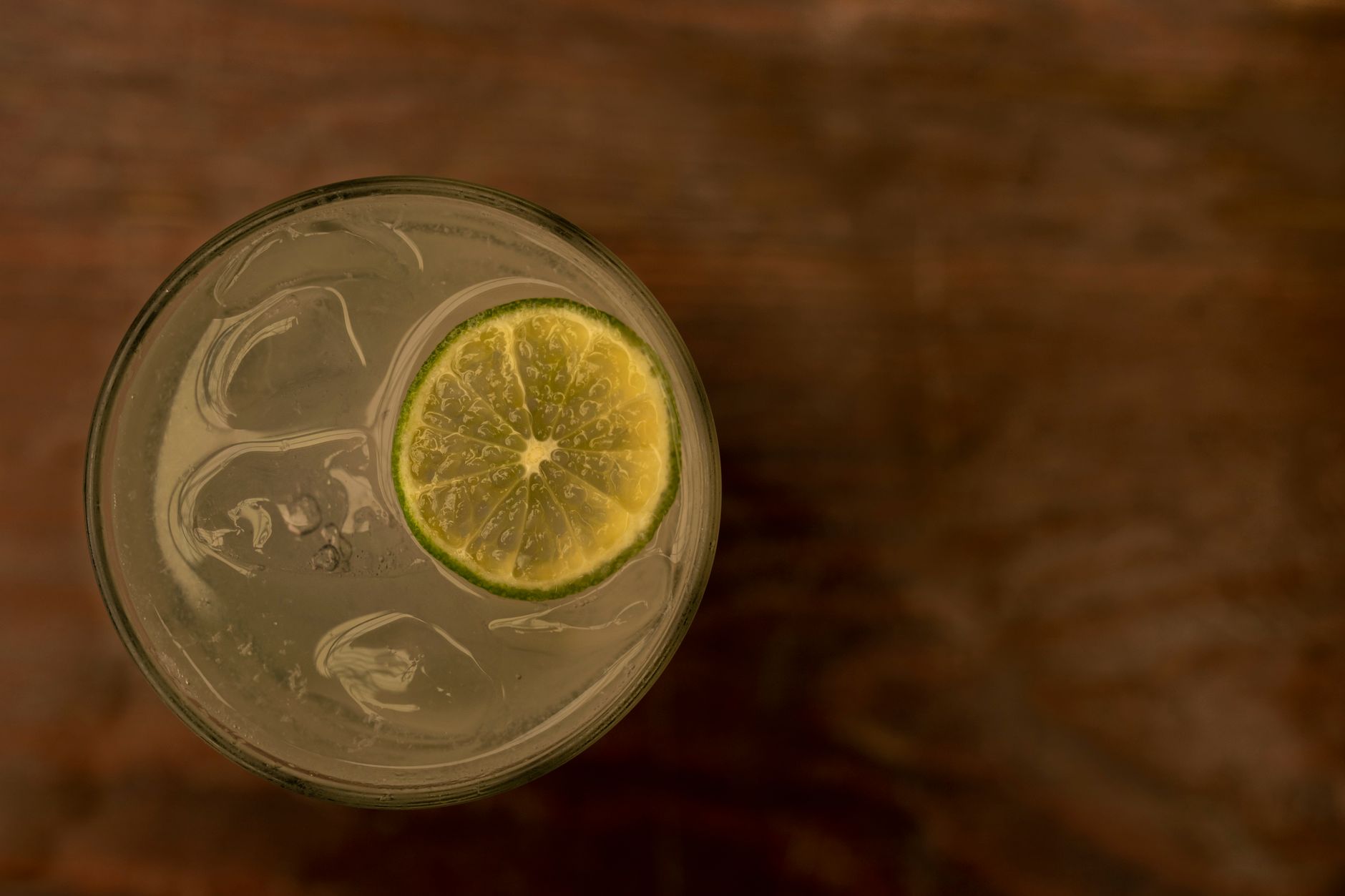
Avoid gin tonic during pregnancy. Is gin tonic safe during pregnancy? No, all alcohol should be avoided throughout all trimesters due to the risk of fetal alcohol spectrum disorders (FASDs).
By Shubhra Mishra — a mom of two who turned her own confusion during pregnancy into BumpBites, a global mission to make food choices clear, safe, and stress-free for every expecting mother. 💛
Check whether any food is safe during pregnancy with the BumpBites Food Safety Checker.
Quick verdict: ❌ Best avoided. Medical experts worldwide, including the American College of Obstetricians and Gynecologists (ACOG) and the Centers for Disease Control and Prevention (CDC), advise against consuming any amount of alcohol, including gin tonic, throughout pregnancy. There is no known safe amount of alcohol during pregnancy.
That moment when you're scrolling through social media, or you're out with friends, and you see someone enjoying a refreshing gin tonic – it's easy to wonder, "is gin tonic safe during pregnancy?" Perhaps you've already had a sip or two before you even knew you were pregnant, and now a wave of worry is washing over you. Take a deep breath. We understand that anxiety, and you're not alone in seeking clear, evidence-based answers.
The short answer is clear: health organizations around the globe recommend avoiding gin tonic, and all other alcoholic beverages, throughout your entire pregnancy. This isn't about judgment; it's about protecting your developing baby from potential harm. While the occasional drink might seem harmless, the scientific consensus is that there's no known safe amount or safe time to drink alcohol during pregnancy. Even small amounts can carry risks.
In this article, we'll dive into why experts recommend this strict avoidance, what the potential risks are at different stages of pregnancy, and crucially, what to do if you've already consumed alcohol. We'll also explore delicious and safe non-alcoholic alternatives so you can still enjoy a sophisticated drink without any worry. Our goal at BumpBites is to provide you with the information you need to make informed choices, backed by the latest medical guidance, so you can focus on a healthy pregnancy.
While alcoholic gin tonic is best avoided, there are many delicious and safe non-alcoholic alternatives to enjoy during pregnancy.
Safety Snapshot: Gin Tonic During Pregnancy
This table summarizes the general recommendations for gin tonic consumption throughout pregnancy and while breastfeeding.
Stage of Pregnancy/Breastfeeding
Verdict
Notes
First Trimester
❌ Avoid
Critical period for organ development; alcohol exposure carries the highest risk for severe birth defects and miscarriage.
Second Trimester
❌ Avoid
Ongoing brain and organ development; alcohol can still cause developmental problems and preterm birth.
Third Trimester
❌ Avoid
Brain continues to develop rapidly; alcohol can impact brain growth, cause growth restriction, and lead to Fetal Alcohol Spectrum Disorders (FASDs).
While Breastfeeding
❌ Avoid / Limit
Alcohol passes into breast milk. While occasional, very limited consumption might be considered with strict timing (waiting 2+ hours per standard drink before feeding), most experts advise complete avoidance to be safest.
What is Gin Tonic?
Gin tonic, often simply called "G&T," is a classic mixed drink made primarily from gin and tonic water, usually garnished with a slice of lime or lemon. It's a popular choice for its crisp, refreshing, and slightly bitter taste. The key components are:
Gin: A distilled alcoholic spirit that gets its distinctive flavor from juniper berries and other botanicals. Gin typically has an alcohol by volume (ABV) ranging from 37.5% to 50% or even higher.
Tonic Water: A carbonated soft drink that contains quinine, which gives it its characteristic bitter taste. Quinine was historically used as an anti-malarial, and tonic water was originally developed in British India to make quinine more palatable. Modern tonic water contains much lower levels of quinine than medicinal doses.
The combination of gin's botanical notes and tonic water's bitterness and effervescence creates a complex and beloved beverage, often associated with relaxation and social gatherings. However, when you're pregnant, the presence of alcohol in gin is the primary concern, while the quinine in tonic water also warrants consideration, though to a lesser extent.
Is Gin Tonic Safe During Pregnancy?
When considering if gin tonic is safe during pregnancy, the answer from virtually all major health authorities is a resounding no. The alcohol content in gin is the primary reason for this recommendation. Organizations like the American College of Obstetricians and Gynecologists (ACOG), the Centers for Disease Control and Prevention (CDC), the National Health Service (NHS) in the UK, and the World Health Organization (WHO) all advise against consuming any alcohol during any stage of pregnancy.
The consensus is that there is no known safe amount of alcohol, and no safe time to drink alcohol, while pregnant. This guidance is based on extensive research demonstrating that alcohol can cross the placenta directly to your developing baby. Your baby's liver is not fully developed and cannot process alcohol as efficiently as an adult's, meaning the alcohol stays in their system longer and at higher concentrations, potentially causing significant harm.
While some might point to anecdotal evidence or suggest that "a little bit" is fine, medical science strongly advises caution. The potential risks associated with alcohol exposure during pregnancy are serious and irreversible, ranging from miscarriage and stillbirth to a spectrum of lifelong developmental and behavioral problems known as Fetal Alcohol Spectrum Disorders (FASDs). Given these potential outcomes, the safest choice is complete abstinence from alcohol throughout your pregnancy.
Safety by Trimester
The risks of alcohol exposure can vary depending on the stage of pregnancy, but it's important to remember that *no* trimester is considered safe for alcohol consumption.
First Trimester
The first trimester (weeks 1-12) is a critical period for your baby's development. This is when major organs, the brain, and the spinal cord are forming (organogenesis). Alcohol exposure during this time carries the highest risk for severe birth defects, including facial abnormalities, heart defects, and central nervous system problems. It can also increase the risk of miscarriage. Many people might not even know they are pregnant during the very early weeks, which is why experts recommend avoiding alcohol if you are trying to conceive or could become pregnant.
Second Trimester
While the major organs are largely formed by the second trimester (weeks 13-27), your baby's brain and other systems continue to develop rapidly. Alcohol exposure during this period can still lead to significant developmental issues, including intellectual disabilities, learning difficulties, and behavioral problems. It also continues to increase the risk of preterm birth and low birth weight. The brain undergoes extensive growth and maturation during this stage, making it vulnerable to alcohol's toxic effects.
Third Trimester
Even in the third trimester (weeks 28-40), when your baby is growing rapidly and preparing for birth, alcohol remains a threat. The brain is still undergoing crucial development, particularly in areas responsible for complex functions like memory, attention, and judgment. Alcohol exposure can impair this vital brain growth, leading to long-term cognitive and behavioral deficits. It can also cause growth restriction, premature birth, and stillbirth. There is no point in pregnancy where alcohol becomes "safe."
While Breastfeeding
Alcohol passes readily into breast milk. When a breastfeeding parent drinks alcohol, it quickly enters their bloodstream and, subsequently, their breast milk. While the concentration of alcohol in breast milk mirrors that in the blood, babies metabolize alcohol much more slowly than adults. This means even small amounts of alcohol can affect a nursing infant.
The American Academy of Pediatrics (AAP) and the CDC recommend that breastfeeding parents avoid alcohol. If a parent chooses to have an occasional alcoholic drink, they should wait at least 2 hours per standard drink before breastfeeding or pumping. Pumping and dumping does not speed up the elimination of alcohol from breast milk; it only removes the milk that was present at that time. The safest option for breastfeeding parents is to abstain from alcohol.
Is any amount of gin and tonic safe during pregnancy?
The definitive answer from leading health organizations like the American College of Obstetricians and Gynecologists (ACOG), the Centers for Disease Control and Prevention (CDC), and the National Institute on Alcohol Abuse and Alcoholism (NIAAA) is clear: no amount of alcohol, including gin tonic, is considered safe during any stage of pregnancy. This "no safe amount" recommendation is crucial for expecting parents to understand.
The reason for this strict guideline is that alcohol crosses the placenta readily and can reach your baby at concentrations similar to your own. Your baby's developing body and brain are extremely vulnerable to alcohol's toxic effects, and their immature liver cannot process alcohol efficiently. This means alcohol stays in their system longer, causing potentially irreversible damage.
While the severity of harm may be dose-dependent, there is no threshold below which experts can confidently say there is zero risk. Even light or moderate drinking has been linked to negative outcomes, including subtle developmental and behavioral problems that may not be immediately apparent at birth but emerge later in childhood. To ensure the healthiest possible outcome for your baby, complete abstinence from alcohol is the safest and most recommended approach.
Many pregnant people wonder about the safety of various foods and drinks; the consensus on alcohol is clear: complete avoidance is the safest choice.
What are the risks of drinking gin and tonic in early pregnancy?
Drinking gin tonic, or any alcoholic beverage, in early pregnancy carries significant risks because the first trimester is a period of rapid and critical organ development for your baby. This stage, often before you even confirm your pregnancy, is when major structures like the brain, heart, spinal cord, and facial features are forming. Alcohol acts as a teratogen – a substance that can cause birth defects – during this vulnerable window.
Specific risks associated with alcohol exposure in early pregnancy include:
Miscarriage: Alcohol consumption, especially heavy drinking, is linked to an increased risk of losing the pregnancy.
Major Birth Defects: Alcohol can interfere with the intricate processes of organogenesis, leading to physical abnormalities. These can include heart defects, kidney problems, skeletal issues, and distinctive facial features associated with Fetal Alcohol Syndrome (FAS).
Brain Damage: Even in the earliest stages, alcohol can disrupt the formation of brain cells and structures, laying the groundwork for lifelong cognitive and behavioral challenges.
Growth Restriction: Alcohol can impede the baby's growth, leading to lower birth weight and smaller size, which can have long-term health implications.
The "all-or-nothing" theory suggests that very early, heavy exposure might either result in miscarriage or the embryo surviving without major defects if the damage was limited. However, this theory does not negate the risks, especially since many effects are subtle and not immediately visible. Given the severity and permanence of these potential outcomes, avoiding alcohol from the moment you consider getting pregnant is the safest approach.
Can gin and tonic cause fetal alcohol syndrome?
Yes, consuming gin tonic or any other alcoholic beverage during pregnancy can absolutely cause Fetal Alcohol Syndrome (FAS) and other Fetal Alcohol Spectrum Disorders (FASDs). FAS is the most severe end of the FASD spectrum, characterized by a specific pattern of birth defects, growth problems, and central nervous system abnormalities caused by prenatal alcohol exposure.
When you drink gin tonic, the alcohol (ethanol) in the gin passes directly from your bloodstream through the placenta to your baby. Your baby's developing liver is not equipped to process alcohol effectively, meaning the alcohol remains in their system longer and at higher concentrations than in an adult. This can damage developing cells and tissues in the brain, spinal cord, and other organs.
FASDs are a range of conditions that can occur in a person whose mother drank alcohol during pregnancy. These effects can include physical problems, and problems with behavior and learning. The specific impacts can vary widely depending on the amount of alcohol consumed, the timing of exposure, and individual genetic factors, but they are always irreversible. FAS is diagnosed by a combination of:
Facial Abnormalities: Such as a smooth ridge between the nose and upper lip (philtrum), thin upper lip, and small eye openings.
Growth Deficiencies: Being smaller than average both before and after birth.
Central Nervous System Problems: Including intellectual disabilities, learning difficulties, memory problems, attention deficits, and behavioral issues.
Because there's no known safe amount of alcohol during pregnancy, any consumption, including gin tonic, carries the risk of causing FASDs. This is why medical experts are so unified in their recommendation for complete abstinence.
Safe Dosage / Amount / Brands
When it comes to gin (the alcoholic component of gin tonic), the guidance is unequivocal: there is no safe dosage or amount during pregnancy. All major health organizations, including the ACOG, CDC, and NHS, advise complete abstinence from alcohol throughout pregnancy. This means that even a single gin tonic is not recommended. There are no "pregnancy-safe" brands of alcoholic gin because the risk comes from the alcohol itself, not the brand.
However, let's address the tonic water component separately. Tonic water contains quinine, which historically was used in much higher doses as an antimalarial drug. Modern tonic water contains significantly lower levels of quinine, typically around 50-80 mg per liter. The FDA limits quinine in tonic water to 83 parts per million. At these levels, tonic water is generally considered safe for consumption during pregnancy in moderation. The amount of quinine in a typical serving of tonic water is far below the medicinal doses that would be concerning. However, if you consume tonic water frequently or in very large quantities, it's always wise to discuss it with your healthcare provider, especially if you have any underlying health conditions.
For non-alcoholic alternatives, there are now many "0.0%" alcohol-free gin substitutes and tonic waters that are perfectly safe. When choosing these, always check the label to ensure they are indeed alcohol-free (0.0% ABV) and do not contain any other ingredients that might be concerning during pregnancy. Brands like Seedlip, Lyre's, and Ritual Zero Proof offer popular non-alcoholic gin alternatives that are designed to mimic the botanical flavors of gin without the alcohol.
⚠ Side Effects and Risks
The side effects and risks of consuming gin tonic during pregnancy are directly related to the alcohol content and can be severe and lifelong for the baby. These risks are collectively known as Fetal Alcohol Spectrum Disorders (FASDs), with Fetal Alcohol Syndrome (FAS) being the most severe form. The range of potential harm includes:
Miscarriage and Stillbirth: Alcohol consumption can increase the risk of pregnancy loss at any stage.
Premature Birth: Drinking alcohol can lead to the baby being born too early, which carries its own set of health challenges.
Low Birth Weight: Babies exposed to alcohol prenatally may grow more slowly and be born smaller than average.
Birth Defects: These can affect the heart, kidneys, bones, and other organs. Facial abnormalities, such as a smooth philtrum (the ridge between the nose and upper lip), thin upper lip, and small eye openings, are characteristic of FAS.
Brain Damage and Central Nervous System Problems: This is one of the most serious and common effects. Alcohol can cause structural damage to the brain, leading to a range of intellectual and developmental disabilities. These can manifest as:
Learning disabilities
Memory problems
Attention deficit hyperactivity disorder (ADHD)
Poor judgment and impulse control
Difficulties with abstract thinking and problem-solving
Speech and language delays
Vision or hearing problems
Challenges with social skills and behavior
Behavioral Problems: Children with FASDs may struggle with hyperactivity, anxiety, depression, and difficulties with social interactions.
It's crucial to understand that these effects are irreversible and can impact a child throughout their entire life. There is no cure for FASDs, only supportive therapies to manage symptoms. The safest approach to avoid these risks is to abstain from all alcohol during pregnancy.
Are there safe non-alcoholic gin and tonic alternatives?
Absolutely! The good news is that the market for non-alcoholic beverages has exploded, offering a fantastic range of options that allow you to enjoy the ritual and complex flavors of a gin tonic without any alcohol. These alternatives are specifically designed to mimic the botanical notes of gin, and when paired with tonic water (which is generally safe in moderation), they create a satisfying and worry-free drink.
Here are some excellent pregnancy-safe alternatives to gin tonic:
Seedlip Garden 108: A popular non-alcoholic spirit distilled with peas, hay, spearmint, rosemary, and thyme. It offers a fresh, herbal, and slightly grassy profile that pairs beautifully with tonic water.
Lyre's Dry London Spirit: This alcohol-free spirit is crafted to capture the essence of a classic London Dry Gin, with prominent juniper and citrus notes. It's an excellent choice for a traditional "gin" tonic experience.
Ritual Zero Proof Gin Alternative: Designed to replicate the bite and botanical complexity of gin, this alternative features juniper, cucumber, and mint flavors, making it a refreshing base for a non-alcoholic G&T.
Fever-Tree Elderflower Tonic Water: While plain tonic water is fine, an elderflower tonic adds a lovely floral sweetness that can enhance any non-alcoholic gin alternative or simply be enjoyed on its own with ice and a lemon slice.
Sparkling Water with Lime: A simple, classic, and always refreshing choice. Add a squeeze of fresh lime juice and a few slices for a bright, bubbly drink. You can also experiment with other citrus fruits or a splash of cranberry juice.
Non-Alcoholic Ginger Beer: If you enjoy a bit of spice, a good quality non-alcoholic ginger beer offers a refreshing kick. It's delicious on its own or mixed with a splash of lime juice.
Virgin Mojito: Muddle fresh mint leaves with lime wedges and a touch of simple syrup, then top with sparkling water or lemon-lime soda. It's vibrant, fresh, and perfectly safe.
Freshly Squeezed Lemonade: A homemade lemonade, not too sweet, is incredibly refreshing. You can add muddled berries or a sprig of rosemary for an elevated twist.
When selecting non-alcoholic spirits, always double-check the label to ensure they are truly 0.0% ABV to give you complete peace of mind. These alternatives allow you to participate in social rituals and enjoy complex flavors without any risk to your pregnancy.
Related Items — Safety at a Glance
Understanding the safety of gin tonic during pregnancy often leads to questions about other beverages. Here's a quick guide to common drinks and their safety verdicts during pregnancy.
Item
Verdict
Note
Wine
❌ Avoid
All alcoholic wines are unsafe due to alcohol content; no safe amount during pregnancy.
Beer
❌ Avoid
All alcoholic beers are unsafe; alcohol crosses the placenta and can harm fetal development.
Vodka
❌ Avoid
High alcohol content makes it particularly risky; no safe amount.
Whiskey
❌ Avoid
Another high-alcohol spirit; poses significant risks to the developing fetus.
Cocktails
❌ Avoid
Contain alcohol, often in varying and sometimes high concentrations; all alcoholic cocktails should be avoided.
Champagne
❌ Avoid
Alcoholic sparkling wine; carries the same risks as other alcoholic beverages.
Hard Seltzer
❌ Avoid
Contains alcohol, even if it feels "lighter"; still unsafe during pregnancy.
Tonic Water
✅ Generally safe
In moderation, the low quinine content is not a concern; discuss excessive intake with your doctor.
Non-alcoholic Beer
✅ Generally safe
Choose 0.0% ABV options to be completely safe; some "alcohol-free" options may have trace amounts (up to 0.5%).
Non-alcoholic Wine
✅ Generally safe
Opt for 0.0% ABV versions; offers a similar taste experience without the alcohol risk.
What do medical guidelines say about gin and tonic and pregnancy?
The medical guidelines regarding gin tonic and pregnancy are remarkably consistent and clear across leading health organizations worldwide. There is a strong consensus that pregnant individuals, or those trying to conceive, should completely abstain from alcohol. This guidance directly applies to gin tonic because of its alcoholic component, gin.
Here’s what key authorities state:
American College of Obstetricians and Gynecologists (ACOG): ACOG unequivocally states that "no amount of alcohol consumption has been shown to be safe at any stage of pregnancy." They emphasize that alcohol can cause a range of lifelong physical, behavioral, and intellectual disabilities, collectively known as Fetal Alcohol Spectrum Disorders (FASDs).
Centers for Disease Control and Prevention (CDC): The CDC advises that "there is no safe amount of alcohol use during pregnancy or while trying to get pregnant." They highlight that alcohol in pregnancy can cause FASDs, which are 100% preventable if a person does not drink alcohol during pregnancy.
National Health Service (NHS, UK): The NHS recommends that "if you're pregnant or planning to become pregnant, the safest approach is not to drink alcohol at all." They acknowledge that while the risk of harm to the baby is low if you have drunk small amounts of alcohol before you knew you were pregnant, continuing to drink is not recommended.
World Health Organization (WHO): The WHO states that "there is no safe level of alcohol consumption during pregnancy." They advocate for a global recommendation of complete abstinence from alcohol for pregnant women and women of childbearing age.
National Institute on Alcohol Abuse and Alcoholism (NIAAA): The NIAAA, part of the National Institutes of Health, also affirms that "there is no safe amount of alcohol to drink at any stage of pregnancy."
These guidelines are based on extensive scientific research demonstrating the irreversible harm alcohol can inflict on a developing fetus. The message is unified: to ensure the healthiest possible outcome for your baby, avoid all alcoholic beverages, including gin tonic, throughout your entire pregnancy.
Is it safe to drink tonic water during pregnancy without gin?
Yes, generally, it is considered safe to drink tonic water during pregnancy without the gin, provided it's consumed in moderation. The primary concern with tonic water for pregnant individuals often revolves around its quinine content.
Quinine is an alkaloid historically used as an antimalarial and muscle relaxant. While medicinal doses of quinine can be very high and are contraindicated in pregnancy due to potential risks (such as uterine contractions or harm to the baby), the amount of quinine found in commercial tonic water is significantly lower. The U.S. Food and Drug Administration (FDA) regulates the amount of quinine allowed in tonic water, limiting it to 83 parts per million (or 83 mg per liter).
A typical serving of tonic water (e.g., 200-300 ml) would contain a very small amount of quinine, usually around 15-25 mg. This level is far below what would be considered a medicinal or harmful dose during pregnancy. Therefore, enjoying an occasional glass of tonic water as part of a balanced diet is generally considered safe. However, as with any food or drink during pregnancy, excessive consumption of anything is not recommended. If you have any concerns or underlying health conditions, it's always best to consult your healthcare provider.
What are the effects of alcohol on fetal development?
The effects of alcohol on fetal development are profound and can impact nearly every organ system, particularly the brain. When a pregnant person consumes alcohol, it rapidly enters their bloodstream and crosses the placenta, reaching the developing baby. Because the baby's liver is immature, it cannot process alcohol as effectively as an adult's, leading to prolonged exposure and higher concentrations of alcohol in the baby's system. This exposure can have a range of devastating and irreversible consequences, collectively known as Fetal Alcohol Spectrum Disorders (FASDs).
The specific effects can vary depending on the amount of alcohol consumed, the timing of exposure during pregnancy, and individual genetic factors, but they generally fall into these categories:
Brain and Central Nervous System Damage: This is the most common and often most severe effect. Alcohol can damage brain cells, interfere with brain development, and disrupt the formation of neural pathways. This can lead to:
Intellectual disabilities, learning difficulties, and poor academic performance.
Memory problems and difficulty with abstract thinking.
Attention deficit hyperactivity disorder (ADHD) and difficulties with impulse control.
Problems with coordination, balance, and fine motor skills.
Vision and hearing problems.
Growth Deficiencies: Alcohol can restrict fetal growth, leading to low birth weight and smaller stature that may persist throughout life.
Facial Abnormalities: Characteristic facial features associated with Fetal Alcohol Syndrome (FAS) include a smooth philtrum (the area between the nose and upper lip), thin upper lip, and small eye openings.
Organ Damage: Alcohol can cause structural defects in other organs, such as the heart (e.g., septal defects), kidneys, and bones.
Behavioral and Social Problems: Children and adults with FASDs often experience challenges with social skills, emotional regulation, judgment, and adapting to change, which can lead to difficulties in school, relationships, and employment.
Increased Risk of Miscarriage and Stillbirth: Alcohol consumption can tragically lead to the loss of the pregnancy.
Premature Birth: Babies exposed to alcohol may be born prematurely, carrying additional health risks.
These effects are permanent and can significantly impact a person's quality of life. The consensus among medical professionals is that there is no safe amount or safe time to consume alcohol during pregnancy, making complete abstinence the only way to prevent FASDs.
Myth vs. Fact
There are many myths surrounding alcohol consumption during pregnancy. Let's clear up some common misconceptions.
Myth: A small glass of wine or a single gin tonic occasionally is fine and won't harm the baby.
Fact: This is a dangerous misconception. Major health organizations like ACOG and the CDC unequivocally state that there is no known safe amount of alcohol during pregnancy. Even small amounts carry a risk of causing Fetal Alcohol Spectrum Disorders (FASDs), which can lead to lifelong physical, intellectual, and behavioral problems for the child. The safest choice is complete abstinence.
Myth: Alcohol is only harmful during the first trimester when organs are forming.
Fact: While the first trimester is a critical period for organogenesis and carries a high risk for severe birth defects, alcohol can harm the baby at any stage of pregnancy. The brain continues to develop rapidly throughout all three trimesters, making it vulnerable to alcohol's toxic effects at any point. Alcohol exposure in the second and third trimesters can still lead to growth restriction, preterm birth, and significant brain damage, affecting learning, memory, and behavior.
Myth: Pumping and dumping breast milk after drinking alcohol removes the alcohol and makes it safe for the baby.
Fact: Pumping and dumping does not speed up the elimination of alcohol from breast milk. Alcohol leaves your breast milk as it leaves your bloodstream. If you choose to drink alcohol while breastfeeding, the safest approach is to wait at least 2 hours per standard alcoholic drink before breastfeeding or pumping. Pumping and dumping only removes the milk that was present at that time; new milk produced will still contain alcohol if it's still in your system.
Key Takeaways
There is no known safe amount of alcohol, including gin tonic, during any stage of pregnancy.
Alcohol can cross the placenta and cause irreversible harm to your baby's developing brain and body.
Risks include miscarriage, stillbirth, premature birth, birth defects, and Fetal Alcohol Spectrum Disorders (FASDs).
The first trimester is a critical period for organ development, but alcohol is harmful throughout all three trimesters.
Tonic water itself, without the gin, is generally considered safe in moderation due to its low quinine content.
Many delicious and safe non-alcoholic alternatives to gin tonic are available, like Seedlip or Lyre's non-alcoholic spirits mixed with tonic, or simple sparkling water with lime.
If you've already consumed alcohol before realizing you were pregnant, try not to panic, but stop drinking immediately and discuss it with your healthcare provider.
Frequently Asked Questions
Can I drink non-alcoholic gin and tonic when pregnant?
Yes, you can absolutely drink non-alcoholic gin and tonic when pregnant. Many brands offer 0.0% ABV gin alternatives that mimic the botanical flavors of traditional gin without any alcohol. When mixed with tonic water (which is generally safe in moderation), these make a refreshing and worry-free beverage. Always check the label to ensure it's truly 0.0% ABV.
Is tonic water safe during pregnancy?
Yes, tonic water is generally considered safe during pregnancy in moderation. The amount of quinine in commercial tonic water is very low and not considered harmful. Medicinal doses of quinine are much higher and should be avoided, but the small amount in tonic water for flavoring is not typically a concern. If you have any specific health conditions, consult your doctor.
What happens if you drink alcohol in early pregnancy?
Drinking alcohol in early pregnancy, especially during the first trimester, carries significant risks because it's a critical period for your baby's organ and brain development. Alcohol exposure can lead to miscarriage, major birth defects (like heart or facial abnormalities), and early brain damage, contributing to Fetal Alcohol Spectrum Disorders (FASDs). The safest approach is to avoid alcohol from the moment you plan to conceive.
How much alcohol is safe during pregnancy?
According to major health organizations worldwide, there is no known safe amount of alcohol during pregnancy. Any amount of alcohol consumption carries a risk of harming the developing baby, as alcohol crosses the placenta and can cause irreversible damage. The safest choice for pregnant individuals is complete abstinence from all alcoholic beverages.
Can one drink of alcohol harm a pregnancy?
While the risk of severe harm may increase with heavier drinking, medical experts state there is no known safe amount of alcohol during pregnancy, meaning even one drink carries a potential risk. The effects of alcohol on a developing baby are complex and can be subtle or severe, depending on various factors. To eliminate all risk, complete abstinence is recommended.
What are the signs of fetal alcohol syndrome?
Signs of Fetal Alcohol Syndrome (FAS), the most severe form of FASDs, include specific facial abnormalities (smooth philtrum, thin upper lip, small eye openings), growth deficiencies (smaller size before and after birth), and central nervous system problems (intellectual disabilities, learning difficulties, memory issues, behavioral problems). These signs can vary in severity and are lifelong.
Are there any safe alcoholic drinks during pregnancy?
No, there are no alcoholic drinks considered safe during pregnancy. All types of alcohol, whether it's gin, wine, beer, or spirits, contain ethanol, which can harm a developing baby. Medical guidelines from ACOG, CDC, and NHS strongly recommend complete abstinence from all alcohol throughout pregnancy to prevent Fetal Alcohol Spectrum Disorders.
What drinks should pregnant women avoid?
Pregnant women should avoid all alcoholic beverages, including gin tonic, wine, beer, cocktails, and spirits. They should also limit high-caffeine drinks (like coffee, energy drinks, and some teas) to recommended daily limits (typically 200mg/day). Unpasteurized juices or dairy, and herbal teas without prior doctor approval, should also be approached with caution.
When to Call Your Doctor
If you have consumed gin tonic or any other alcoholic beverage during your pregnancy, it's important to stop drinking immediately and discuss it with your healthcare provider. Please do not feel ashamed or embarrassed; your doctor is there to support you and ensure the best possible outcome for you and your baby. They can offer guidance, reassurance, and monitor your pregnancy appropriately.
You should also contact your doctor if you experience any of the following symptoms, which could be related to any pregnancy complication:
Heavy vaginal bleeding
Severe abdominal pain or cramping
Sudden swelling in your hands, face, or feet
Severe or persistent headaches
Changes in your baby's movement (after 24 weeks)
Fever or chills
Any other concerning or unusual symptoms
This information is for educational purposes only and is not a substitute for professional medical advice, diagnosis, or treatment. Always seek the advice of your physician or other qualified health provider with any questions you may have regarding a medical condition.
References
American College of Obstetricians and Gynecologists (ACOG). (2020). Alcohol and Pregnancy. Retrieved from ACOG.org
Centers for Disease Control and Prevention (CDC). (2022). Alcohol Use in Pregnancy. Retrieved from CDC.gov
National Health Service (NHS, UK). (2022). Drinking alcohol while pregnant. Retrieved from NHS.uk
World Health Organization (WHO). (2014). Global status report on alcohol and health 2014. Retrieved from WHO.int
National Institute on Alcohol Abuse and Alcoholism (NIAAA). (2021). Fetal Alcohol Spectrum Disorders (FASDs). Retrieved from NIAAA.nih.gov
U.S. Food and Drug Administration (FDA). (2023). Title 21 - Food and Drugs, Part 172 - Food Additives Permitted for Direct Addition to Food for Human Consumption, Subpart B - Multiple Purpose Additives, Sec. 172.575 Quinine. Retrieved from Accessdata.fda.gov
American Academy of Pediatrics (AAP). (2019). Policy Statement: Breastfeeding and the Use of Human Milk. Pediatrics, 143(2), e20183552.
Not sure about the label on Is Gin Tonic Safe During Pregnancy products?
Snap the ingredients list and SafeFilter checks every ingredient for your stage — only 3 free scans this month, then you're locked until reset. Unlimited from $7/mo or $50/yr.
When Shubhra Mishra was expecting her first child in 2016, she was overwhelmed by conflicting food advice — one site said yes, another said never. By the time her second baby arrived in 2019, she realized millions of mothers face the same confusion.
That sparked a five-year journey through clinical nutrition papers, cultural diets, and expert conversations — all leading to BumpBites: a calm, compassionate space where science meets everyday motherhood.
Her long-term vision is to build a global community ensuring safe, supported, and free deliveriesfor every mother — because no woman should face pregnancy alone or uninformed. 🌿
🌍 Stand with mothers, shape safer guidance
Join a small circle of experts who review BumpBites articles so expecting parents everywhere can decide with confidence.