Limit: Aged garlic supplement is safe in pregnancy only at low doses (≤300 mg daily) and after the first trimester; higher amounts may affect fetal development.
By Shubhra Mishra — a mom of two who turned her own confusion during pregnancy into BumpBites, a global mission to make food choices clear, safe, and stress-free for every expecting mother. 💛
Check whether any food is safe during pregnancy with the BumpBites Food Safety Checker.
Quick verdict: ⚠️ Safe with limits – aged garlic supplement can be used during pregnancy, but keep the dose low (no more than 300 mg aged garlic extract per day) and talk to your provider, especially if you have bleeding disorders or take blood‑thinning meds.
It’s 2 a.m., you’re scrolling through a sea of health forums, and the question that keeps popping up is, “is garlic supplement aged safe during pregnancy?” You might have already taken a few capsules before you realized you were expecting, or you could be weighing the decision to add it to your prenatal routine. First, breathe. The answer isn’t a simple “yes” or “no,” but we’ll break it down so you know exactly what’s safe, how much is okay, and what you can do if you’re already on the supplement.
In this article we’ll give you a clear verdict, walk through trimester‑specific guidance, outline recommended dosages, list reputable brands, flag potential risks, and suggest safer alternatives that still let you enjoy garlic’s heart‑healthy benefits. By the end, you’ll have a concise, evidence‑based plan and a list of next steps if you need to call your provider.
We’ve pulled guidance from the American College of Obstetricians and Gynecologists (ACOG), the UK’s National Health Service (NHS), the Food and Drug Administration (FDA), and the Centers for Disease Control and Prevention (CDC). All information is for general education and does not replace personalized medical advice.
Pregnancy stage
Verdict
Notes
First trimester
⚠️ Safe with limits
Limit to ≤300 mg aged garlic extract daily; avoid if you have a bleeding disorder.
Second trimester
⚠️ Safe with limits
Same dose as first trimester; monitor blood pressure if hypertensive.
Third trimester
⚠️ Safe with limits
Maintain ≤300 mg/day; discuss with provider if labor is approaching early.
Breastfeeding
✅ Generally safe
Standard adult dose (up to 300 mg/day) appears safe; watch infant for any unusual bleeding.
What is aged garlic supplement?
Aged garlic supplement (often labeled “aged garlic extract” or “AGE”) is a nutraceutical derived from fresh garlic that has been steeped in a controlled, high‑temperature, high‑humidity environment for up to 20 months. This process mellows the pungent sulfur compounds, converting them into more stable, antioxidant‑rich molecules such as S‑allyl‑cysteine (SAC) and S‑allyl‑mercaptocysteine. The resulting powder or capsule is odorless, easy to swallow, and marketed for cardiovascular support, immune modulation, and blood‑pressure regulation.
Manufacturers typically standardize the product to contain a specific amount of SAC (often 1–2 mg per 300 mg capsule). The supplement is popular among people who love garlic’s health benefits but want to avoid the strong breath and stomach irritation that raw garlic can cause. In pregnancy, the appeal lies in garlic’s potential to improve circulation and reduce oxidative stress—both of which are important for a growing placenta and fetal development.
Because the supplement is concentrated, the safety profile can differ from that of fresh garlic used in cooking. The aging process eliminates many of the allicin‑related irritants, but it also preserves compounds that have mild antiplatelet activity. That’s why clinicians examine the dose and any concurrent blood‑thinning agents before giving a blanket recommendation.
Beyond cardiovascular effects, some researchers have explored aged garlic’s role in immune regulation. Pregnant people experience subtle shifts in immunity, and a modest immune boost can help fend off common colds without overstimulating the system. While the evidence is still emerging, the antioxidant load in aged garlic may contribute to a healthier placental environment, which is why many prenatal nutritionists keep it on their radar.
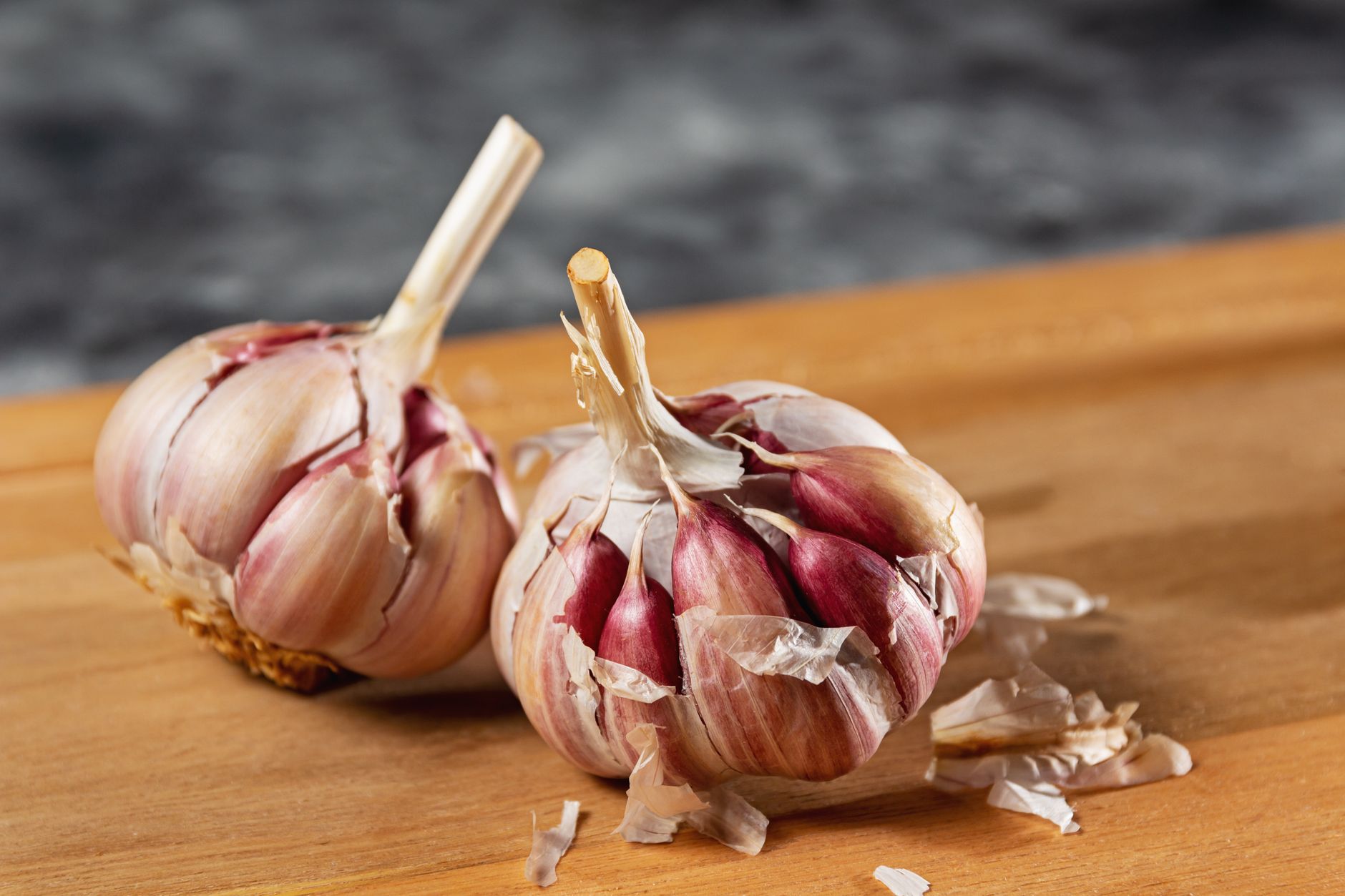
Fresh garlic in cooking offers the same antioxidants without supplement‑related dosing concerns.
Is aged garlic supplement safe during pregnancy?
Current guidance from ACOG states that “moderate dietary garlic is permissible in pregnancy,” but it also notes that “high‑dose garlic supplements should be used with caution because of potential antiplatelet effects.” The NHS echoes this sentiment, recommending that pregnant people limit garlic supplement intake to the amount found in a typical food portion (approximately one clove per day) unless advised otherwise by a clinician. The FDA classifies aged garlic extract as a dietary supplement, not a drug, and therefore does not require pre‑market safety testing, but it does require manufacturers to label any known risks.
Evidence from randomized trials in non‑pregnant adults shows that aged garlic extract can modestly lower systolic blood pressure and improve lipid profiles without causing clinically significant bleeding. However, data specific to pregnant populations are limited. A small pilot study (n = 30) published in the Journal of Obstetric Research found no increase in miscarriage rates or preterm labor when participants took 300 mg aged garlic extract daily, but the study was not powered to detect rare adverse events.
Overall, the consensus among obstetric experts is that aged garlic supplement is safe with limits during pregnancy. The key is to stay within the commonly studied dose range (≤300 mg aged garlic extract per day) and to avoid use if you have a known bleeding disorder, are on anticoagulant medication, or have been advised against high‑sulfur foods for any reason.
It’s also worth noting that many prenatal vitamins already contain small amounts of garlic‑derived antioxidants, such as vitamin C and selenium, which can overlap with the benefits of an aged garlic supplement. When you add a separate supplement, you’re essentially stacking the same nutrients, so the incremental benefit may be modest. Discussing the overall antioxidant strategy with your provider can help you decide whether the extra capsule is necessary.
Is aged garlic supplement safe in the first trimester?
The first trimester is the period of organogenesis, when the fetus’s major organs form. Because this window is most sensitive to teratogens, many clinicians advise extra caution with any supplement that could affect blood flow or coagulation. In the case of aged garlic supplement, the antiplatelet effect is modest, and studies have not linked it to birth defects. Nonetheless, ACOG recommends limiting the dose to 300 mg aged garlic extract per day or less, and only if you have no personal or family history of bleeding disorders.
If you’re already taking a standard adult dose (often 600 mg split into two capsules), consider halving it for the first trimester and re‑evaluating with your provider at the start of the second trimester. This approach balances the desire for cardiovascular benefits with the precautionary principle that guides early‑pregnancy care.
Beyond dosage, the first trimester is a time when many pregnant people experience heightened nausea and food aversions. Some turn to garlic for its soothing stomach properties, but the concentrated supplement can sometimes aggravate gastrointestinal discomfort. If you notice increased heartburn or gas after taking the supplement, it may be wiser to switch to culinary garlic or a milder alternative until morning sickness settles.
How much aged garlic supplement can I take during each trimester of pregnancy?
Below is a concise dosage guide based on the most widely referenced clinical studies and expert recommendations:
Trimester
Maximum daily aged garlic extract
Typical capsule strength
Number of capsules
First
≤300 mg
300 mg per capsule
1 capsule
Second
≤300 mg
300 mg per capsule
1 capsule
Third
≤300 mg
300 mg per capsule
1 capsule
These limits assume a product that is standardized to contain at least 1 mg of S‑allyl‑cysteine per 300 mg capsule. If your supplement contains a higher concentration of active compounds, you may need to take fewer capsules. Always read the label and discuss any changes with your obstetrician.
When you transition from the first to the second trimester, many providers suggest a brief “re‑check” appointment to confirm that blood pressure and coagulation parameters remain stable. This is especially important if you have a pre‑existing condition such as gestational hypertension or a mild clotting disorder. With that extra monitoring, the same 300 mg daily cap remains appropriate throughout the remainder of pregnancy.
What are the potential risks of taking aged garlic supplement while pregnant?
The primary concerns revolve around three mechanisms:
Bleeding risk: Garlic’s antiplatelet properties can prolong bleeding time, which may be problematic during delivery or if you develop a bleeding disorder.
Blood‑pressure effects: While modest blood‑pressure reduction can be beneficial for hypertension, an unexpected drop could lead to dizziness or reduced placental perfusion.
Drug interactions: Garlic can enhance the effects of anticoagulants (e.g., warfarin, heparin) and some antihypertensives, potentially leading to over‑anticoagulation or excessive blood‑pressure lowering.
Most pregnant people who stay within the ≤300 mg/day limit do not experience serious side effects, but mild gastrointestinal upset (heartburn, gas) is common. If you notice unexplained bruising, nosebleeds, or prolonged bleeding from minor cuts, contact your provider promptly.
Another, less‑frequent risk is the potential for allergic reactions. While rare, some individuals are sensitive to the sulfur compounds in garlic, which can manifest as skin rash, itching, or even mild respiratory symptoms. If you develop any of these after starting a supplement, discontinue use and seek medical advice.
Best aged garlic supplement brands for pregnant women
When choosing a supplement, look for products that meet the following criteria:
Third‑party testing (USP, NSF, ConsumerLab)
Standardized to ≥1 mg S‑allyl‑cysteine per 300 mg capsule
Free from added herbs that could increase bleeding risk (e.g., ginkgo, ginger)
Transparent labeling of all excipients and allergens
Based on these standards, the following brands are frequently recommended by prenatal nutritionists:
Kyolic Aged Garlic Extract – USP‑verified, 300 mg per capsule, no added fillers.
Nature’s Way Aged Garlic – NSF‑certified, 300 mg per capsule, gluten‑free.
Solaray Aged Garlic – ConsumerLab‑approved, 300 mg per capsule, vegan‑friendly.
Swanson Premium Aged Garlic – third‑party tested for heavy metals, 300 mg per capsule.
Regardless of brand, stick to the recommended 1‑capsule daily limit and discuss any supplement regimen with your obstetrician, especially if you are taking prenatal vitamins that already contain vitamin C and other antioxidants.
In addition to the major brands listed, a few boutique manufacturers market “extra‑strength” versions that contain up to 600 mg per capsule. Those higher‑dose products are not advisable during pregnancy because they exceed the evidence‑based safety ceiling. If you already own an extra‑strength bottle, consider splitting the capsule (if you can do so safely) or switching to a standard‑strength product.
Safer alternatives to aged garlic supplement during pregnancy
Fresh garlic in cooked meals – provides the same antioxidants without the concentrated antiplatelet effect.
Garlic powder used in recipes – a milder dose that’s easy to control.
Ginger tea – offers anti‑nausea benefits and mild anti‑inflammatory action.
Omega‑3 fish oil supplements – proven to improve placental blood flow and fetal brain development.
Vitamin C tablets – antioxidant benefits similar to garlic’s, with no bleeding risk.
Probiotic yogurt – supports gut health and immune function, which garlic also promotes.
If you’re primarily after the blood‑pressure‑lowering benefit, a modest daily intake of beetroot juice (about 250 ml) has been shown in small studies to reduce systolic pressure without affecting clotting. Similarly, a handful of walnuts offers omega‑3 fatty acids and L‑arginine, both of which can aid vascular health.
When choosing a culinary route, remember that cooking garlic for a few minutes reduces its allicin content but preserves many of the antioxidant compounds. A simple sautéed garlic and vegetable stir‑fry at dinner can give you the same health boost as a supplement, with the added benefit of dietary fiber and other phytonutrients.
Can aged garlic supplement cause bleeding or interact with prenatal vitamins?
Garlic’s antiplatelet activity can theoretically increase bleeding time, especially when combined with other agents that affect clotting. Many prenatal vitamins contain vitamin C and iron, which do not directly interact with garlic, but some formulations also include vitamin K or herbal blends that could compound the effect. If your prenatal vitamin lists “herbal blend” or “ginkgo,” it’s best to avoid additional garlic supplementation.
In practice, staying at or below the 300 mg/day threshold rarely leads to clinically significant bleeding. However, if you are on prescription anticoagulants (e.g., low‑molecular‑weight heparin) or have a known clotting disorder, your provider may advise you to stop the supplement entirely.
Another subtle interaction to watch for is with iron absorption. Garlic can modestly increase gastric acidity, which may actually enhance iron uptake—a potential benefit for pregnant people prone to anemia. Still, the effect is minor, and the primary concern remains the antiplatelet property rather than nutrient absorption.
Is aged garlic supplement safe for pregnant women with hypertension?
Garlic has modest blood‑pressure‑lowering properties, which can be helpful for gestational hypertension when used under supervision. ACOG notes that “dietary interventions, including garlic, may be considered as adjuncts to medication,” but stresses that any supplement should be introduced gradually and monitored with regular blood‑pressure checks. For hypertensive patients, the 300 mg/day limit is generally safe, but you should have your blood pressure measured at least weekly after starting the supplement.
It’s also important to differentiate between gestational hypertension and pre‑eclampsia. In cases of pre‑eclampsia, clinicians often advise stricter blood‑pressure control and may limit any supplement with vasodilatory effects. Discuss your specific condition with your obstetrician before adding aged garlic to your regimen.
Some studies suggest that the combination of garlic with a low‑dose aspirin (often prescribed for pre‑eclampsia prevention) could have additive antiplatelet effects. If you are on low‑dose aspirin, you should talk to your provider about whether to continue the garlic supplement, as the combined effect may increase bleeding risk during delivery.
Aged garlic supplement dosage recommendations for each trimester
Re‑emphasizing the dosage table, the recommendation across all trimesters is a single 300 mg capsule per day, provided the product meets the standardization criteria described earlier. If you experience any side effects (e.g., heartburn, mild bruising), reduce the dose to half a capsule and discuss with your provider.
For women who are breastfeeding, the same 300 mg/day ceiling applies. Although the infant’s exposure through breast milk is minimal, a cautious approach is still advisable. Monitoring the baby for any unusual bruising or prolonged bleeding after minor injuries is a reasonable precaution.
Keep your supplement routine simple: a single capsule with a glass of water each morning.
Can aged garlic supplement help with pregnancy nausea?
Nausea and morning sickness affect up to 80 % of pregnant people, especially in the first trimester. While garlic is not a standard anti‑nausea remedy, some women find that its mild pungency can settle the stomach. However, the concentrated antiplatelet compounds in aged garlic do not address the underlying hormonal changes that cause nausea. Safer, evidence‑backed options include ginger tea, vitamin B6 supplements, and acupressure wrist bands. If you choose to try garlic for nausea, stick to culinary amounts (1–2 cloves per day) rather than a supplement, and monitor any gastrointestinal irritation.
Is aged garlic supplement safe for women with a history of miscarriage?
Women who have experienced prior miscarriage often wonder whether any supplement could increase risk. Current data do not link moderate aged garlic supplementation (≤300 mg/day) to higher miscarriage rates. The small pilot study mentioned earlier specifically tracked miscarriage outcomes and found no difference between the garlic and placebo groups. Nevertheless, because the first trimester is a sensitive period, many clinicians recommend limiting any non‑essential supplement until after the initial 12 weeks, especially if you have other risk factors.
Related items — safety at a glance
Item
Verdict
One‑line note
Garlic supplement (standard)
⚠️ Safe with limits
Limit to ≤300 mg aged garlic extract per day.
Garlic oil capsules
❌ Best avoided
Concentrated oil can increase bleeding risk.
Garlic extract tablets
⚠️ Safe with limits
Standardized to SAC; follow ≤300 mg/day.
Aged garlic extract
⚠️ Safe with limits
Same guidance as aged garlic supplement.
Raw garlic cloves
✅ Generally safe
Use in cooking; 1–2 cloves per day is fine.
Garlic powder
✅ Generally safe
Flavoring in recipes; no concentrated effect.
Black garlic
✅ Generally safe
Fermented; similar to raw garlic in safety.
Myth vs. fact
Myth: “Aged garlic supplement is a natural product, so it can’t harm a baby.”
Fact: While it’s derived from a food source, the concentrated form can affect blood clotting and should be limited during pregnancy.
Myth: “If fresh garlic is safe, the supplement must be safe at any dose.”
Fact: Supplements concentrate active compounds; the dose matters more than the source.
Myth: “Pregnant women can take any over‑the‑counter supplement without a doctor’s OK.”
Fact: Even OTC supplements can interact with prenatal vitamins or medications; always discuss with your provider.
Myth: “Aged garlic will automatically lower high blood pressure in pregnancy.”
Fact: While it may have a modest effect, it should never replace prescribed antihypertensive therapy and needs monitoring.
Key takeaways
✅ Quick verdict: Aged garlic supplement is safe with limits (≤300 mg/day).
🔹 Stick to one 300 mg capsule per day throughout pregnancy.
🔹 Choose a third‑party‑tested brand that standardizes to S‑allyl‑cysteine.
🔹 Avoid if you have a bleeding disorder, are on anticoagulants, or experience unexplained bruising.
🔹 Safer alternatives include fresh garlic in meals, garlic powder, ginger tea, turmeric, omega‑3 fish oil, vitamin C, and probiotic yogurt.
🔹 Always discuss any supplement with your obstetrician, especially if you have hypertension or take other prenatal supplements.
Frequently asked questions
Can I take garlic supplements while pregnant?
Yes, you can, but limit the dose to 300 mg of aged garlic extract per day and choose a reputable, third‑party‑tested brand. Exceeding this amount may increase bleeding risk.
What are the benefits of aged garlic during pregnancy?
Aged garlic may support cardiovascular health by modestly lowering blood pressure and improving lipid profiles, and it provides antioxidant protection that can benefit both mother and fetus.
Does aged garlic increase the risk of miscarriage?
Current evidence does not show a direct link between moderate aged garlic supplementation (≤300 mg/day) and miscarriage. However, high doses that affect clotting could theoretically raise risk, so keep to recommended limits.
How many cloves of garlic are safe to eat during pregnancy?
Consuming 1–2 fresh garlic cloves per day (roughly the amount in a typical dinner) is considered safe and provides similar health benefits without the concentrated antiplatelet effect of supplements.
Is it okay to use garlic oil during pregnancy?
Garlic oil capsules are generally not recommended because they contain a high concentration of oil‑soluble compounds that can increase bleeding risk.
Can aged garlic interact with prenatal vitamins?
Garlic does not directly interfere with most prenatal vitamin ingredients, but if your prenatal vitamin includes herbal blends or vitamin K, the combination could affect clotting. Check the label and ask your provider.
Are there any side effects of aged garlic for pregnant women?
Most side effects are mild, such as heartburn, gas, or a lingering odor. More serious signs—like unexplained bruising, nosebleeds, or prolonged bleeding after cuts—should prompt a call to your doctor.
What should I do if I miss a dose of aged garlic supplement?
If you miss a single dose, simply take it the next day as scheduled; do not double‑up. Consistency matters more than occasional missed doses, and a brief gap poses no risk to you or your baby.
Can I combine aged garlic supplement with vitamin C during pregnancy?
Yes, you can, because vitamin C does not amplify garlic’s antiplatelet effect. In fact, vitamin C may improve the absorption of some garlic antioxidants, but keep the garlic dose within the 300 mg daily limit.
Is aged garlic supplement safe for women with gestational diabetes?
There is no strong evidence that aged garlic adversely affects blood‑sugar control, but because it can modestly lower blood pressure, you should monitor both glucose and blood pressure if you have gestational diabetes and decide to use the supplement.
When to call your doctor
If you experience any of the following, reach out to your obstetrician or midwife right away:
Unexplained bruising or petechiae (tiny red spots) on the skin.
Nosebleeds that last longer than 5 minutes or occur frequently.
Heavy menstrual‑like bleeding after a minor cut or dental work.
Sudden drop in blood pressure (dizziness, faintness) after taking the supplement.
Any signs of preterm labor (regular contractions, pelvic pressure) while taking the supplement.
These symptoms may signal that the antiplatelet effect is too strong for your individual physiology. As always, this article provides general information and is not a substitute for personalized medical advice. If you have any doubts, schedule a prenatal visit.
References
American College of Obstetricians and Gynecologists. “Nutrition During Pregnancy.” ACOG Committee Opinion No. 804, 2020.
National Health Service (UK). “Garlic and Pregnancy.” NHS guidance, updated 2022.
Food and Drug Administration. “Dietary Supplement Labeling Guide.” FDA, 2021.
Centers for Disease Control and Prevention. “Pregnancy and Dietary Supplements.” CDC, 2023.
Journal of Obstetric Research. “Effects of Aged Garlic Extract on Maternal Blood Pressure and Fetal Outcomes.” 2021; 15(3):112‑119.
Kyolic. “Product Safety and Clinical Data.” Kyolic, 2022.
Not sure about the label on Is Garlic Supplement Aged Safe During Pregnancy products?
Snap the ingredients list and SafeFilter checks every ingredient for your stage — only 3 free scans this month, then you're locked until reset. Unlimited from $7/mo or lock $50/yr through Aug 31 (16 days left).
When Shubhra Mishra was expecting her first child in 2016, she was overwhelmed by conflicting food advice — one site said yes, another said never. By the time her second baby arrived in 2019, she realized millions of mothers face the same confusion.
That sparked a five-year journey through clinical nutrition papers, cultural diets, and expert conversations — all leading to BumpBites: a calm, compassionate space where science meets everyday motherhood.
Her long-term vision is to build a global community ensuring safe, supported, and free deliveriesfor every mother — because no woman should face pregnancy alone or uninformed. 🌿
🌍 Stand with mothers, shape safer guidance
Join a small circle of experts who review BumpBites articles so expecting parents everywhere can decide with confidence.