Avoid filler hyaluronic acid during pregnancy. Experts recommend skipping cosmetic injections due to limited safety data, especially in the first trimester.
By Shubhra Mishra — a mom of two who turned her own confusion during pregnancy into BumpBites, a global mission to make food choices clear, safe, and stress-free for every expecting mother. 💛
Check whether any food is safe during pregnancy with the BumpBites Food Safety Checker.
Quick verdict: ❌ Best avoided. Current obstetric guidelines advise against hyaluronic acid filler injections while pregnant because safety data are limited and potential risks to the developing baby cannot be ruled out. If you’ve already had a treatment, stay calm and discuss it with your provider.
It’s completely normal to feel a flutter of anxiety the moment you realize you’ve scheduled—or even already received—a hyaluronic acid filler injection while pregnant. You might be wondering, is filler hyaluronic acid pregnancy safe during pregnancy?
In short, most experts, including the American College of Obstetricians and Gynecologists (ACOG) and the UK’s National Health Service (NHS), recommend avoiding injectable dermal fillers throughout pregnancy and while breastfeeding. The main reason is a lack of robust safety data rather than proven harm.
In this article we’ll walk through what hyaluronic acid fillers are, the specific trimester‑by‑trimester guidance, dosage considerations, brand‑specific information (such as Restylane), potential risks—including any link to preeclampsia—safer alternatives, and a quick‑look comparison to other popular fillers. By the end you’ll have a clear, evidence‑based answer to the question “is filler hyaluronic acid pregnancy safe during pregnancy” and practical steps you can take next.
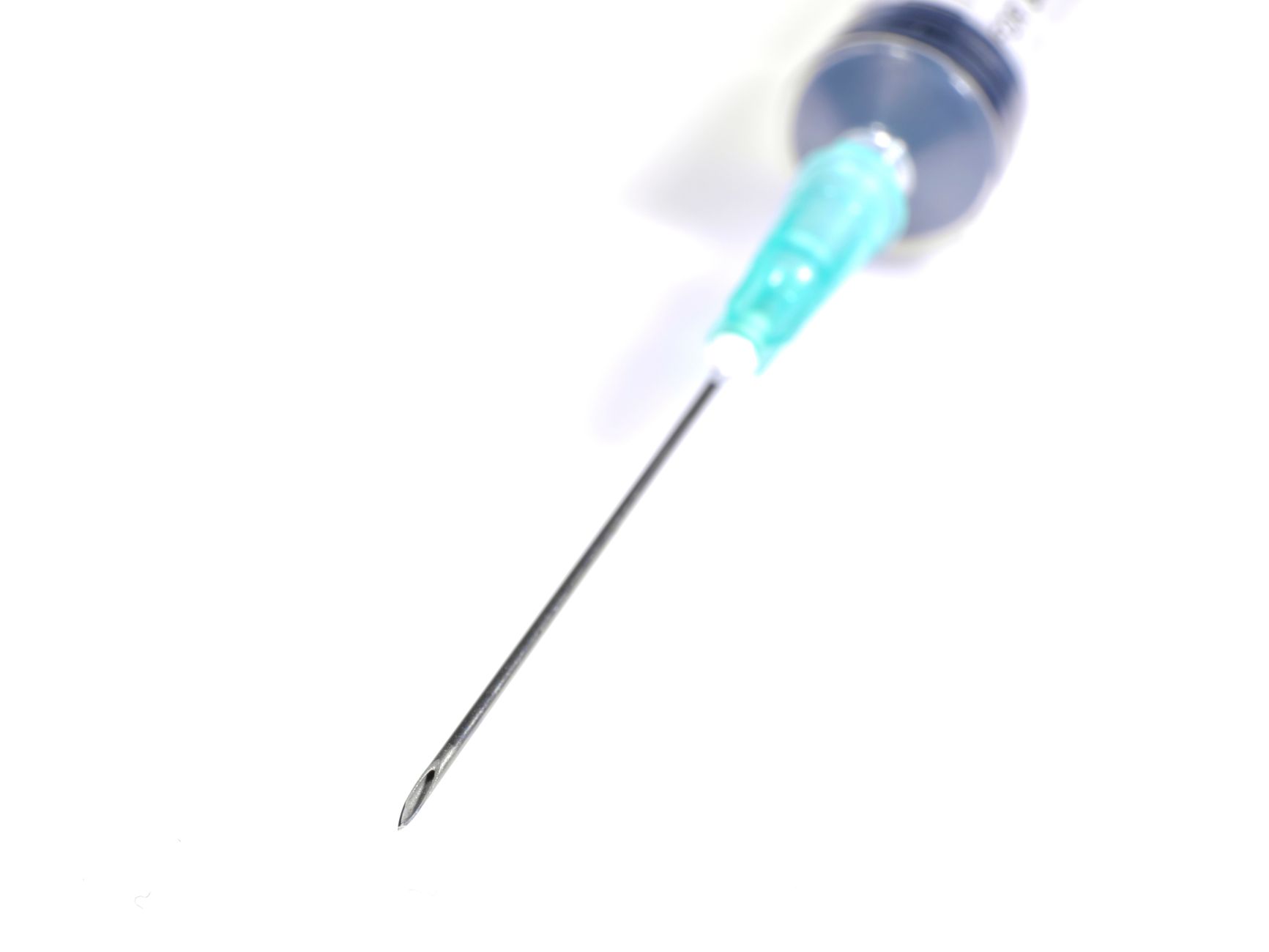
When you spot a filler vial in the clinic, pause and review the safety guidance before proceeding.
Pregnancy stage
Verdict
Notes
First trimester
❌ Best avoided
Organogenesis period; no safety data; potential teratogenic risk cannot be excluded.
Second trimester
❌ Best avoided
Limited data; possible maternal immune response; ACOG advises avoidance.
Third trimester
❌ Best avoided
Risk of injection‑related infection affecting labor; no proven safety.
Breastfeeding
❌ Best avoided
HA molecules could theoretically enter milk; manufacturers list “use only if essential.”
What is hyaluronic acid filler?
Hyaluronic acid (HA) fillers are injectable gels composed of a naturally occurring sugar molecule that helps retain water in the skin. In cosmetic dermatology, they’re used to smooth wrinkles, add volume to lips or cheeks, and contour facial features. The HA is cross‑linked to varying degrees, which determines how long the product lasts—typically six months to two years.
Because HA is a substance the body already produces, many people assume it’s completely harmless. In reality, the filler is placed beneath the skin using a fine needle or cannula, and the injection process can cause localized swelling, bruising, or infection. The product is marketed as “temporary” and “reversible” (hyaluronidase can dissolve it), but the safety profile in pregnant individuals has not been thoroughly studied.
Clinicians choose HA fillers for their predictable results and low allergenicity compared with other dermal fillers. However, pregnancy introduces physiological changes—altered blood volume, immune modulation, and a developing placenta—that could affect how the filler behaves or how the mother’s body reacts.
Is hyaluronic acid filler safe during pregnancy?
O
verall, the consensus among leading medical bodies is that hyaluronic acid filler injections should be avoided while pregnant. ACOG’s Practice Bulletin on Cosmetic Procedures in Pregnancy (2022) states that “non‑essential aesthetic interventions, including injectable fillers, lack sufficient safety data and should be postponed until after delivery.” The UK’s NHS mirrors this stance, advising women to defer any elective dermal filler treatment until after childbirth.
The FDA has not granted a specific pregnancy‑category labeling for HA fillers, classifying them as “not evaluated for safety in pregnancy.” The agency’s guidance for medical devices emphasizes that, in the absence of robust clinical data, clinicians should err on the side of caution.
Potential mechanisms of risk include: (1) inadvertent intravascular injection leading to embolic events, (2) local inflammation that could theoretically affect placental blood flow, and (3) the theoretical transfer of HA fragments across the placenta—though no human studies have confirmed this. Because the fetus’s organ systems are most vulnerable during the first trimester, many providers recommend abstaining throughout the entire pregnancy, not just early weeks.
It’s also worth noting that many women report “safe” outcomes after filler use in early pregnancy, but these anecdotal reports are not a substitute for controlled research. Until large‑scale studies provide clearer evidence, the safest course is to postpone filler treatments.
Is it safe to get hyaluronic acid filler injections during the first trimester?
The first trimester is the period of organogenesis, when the baby’s major organs are forming. During this window, even small exposures to unknown substances can carry higher theoretical risk. ACOG’s guidance specifically highlights that elective cosmetic procedures, including HA filler injections, should be avoided during the first 12 weeks.
While no case reports have directly linked HA filler to birth defects, the lack of data means clinicians cannot guarantee safety. The safest approach is to wait until after delivery, especially if you’re planning a filler for a special occasion.
If you’ve already had a filler placed in the first trimester, most experts advise monitoring for local side effects (e.g., swelling, infection) and keeping your obstetric provider informed. In many cases, the filler will be naturally metabolized over time without apparent fetal impact, but a professional assessment is essential.
Can hyaluronic acid filler be used safely in the second trimester of pregnancy?
The second trimester is often considered the “golden window” for certain medical procedures because the risk of miscarriage declines and the placenta is well‑established. However, for HA fillers, the safety data remain insufficient. ACOG does not differentiate between trimesters for elective aesthetic procedures; the recommendation to avoid remains consistent throughout pregnancy.
Some clinicians argue that if a filler is absolutely needed for a medical reason (e.g., to correct a severe scar that could affect mental health), it might be considered on a case‑by‑case basis, but this would be an off‑label use and would require thorough counseling and informed consent.
In practice, most dermatologists and plastic surgeons will schedule filler appointments after the postpartum period, especially because hormonal changes after birth can also alter filler longevity.
What is the recommended dosage of hyaluronic acid filler for pregnant women?
There is no established “safe dosage” for pregnant patients because the product is not approved for use during pregnancy. Manufacturers typically list dosing ranges for adults (e.g., 0.5–2 mL per treatment area), but these figures are intended for non‑pregnant individuals.
Because the risk assessment focuses on the act of injection rather than the volume, the safest recommendation is to avoid any amount of HA filler while pregnant. If a filler has already been placed, the amount injected does not change the need for observation; you should still discuss it with your obstetrician.
When planning post‑pregnancy treatments, you can discuss the appropriate volume with your provider, who will tailor it to your facial anatomy, desired outcome, and any lingering effects from the pregnancy.
Are there safer alternatives to hyaluronic acid fillers for pregnant women?
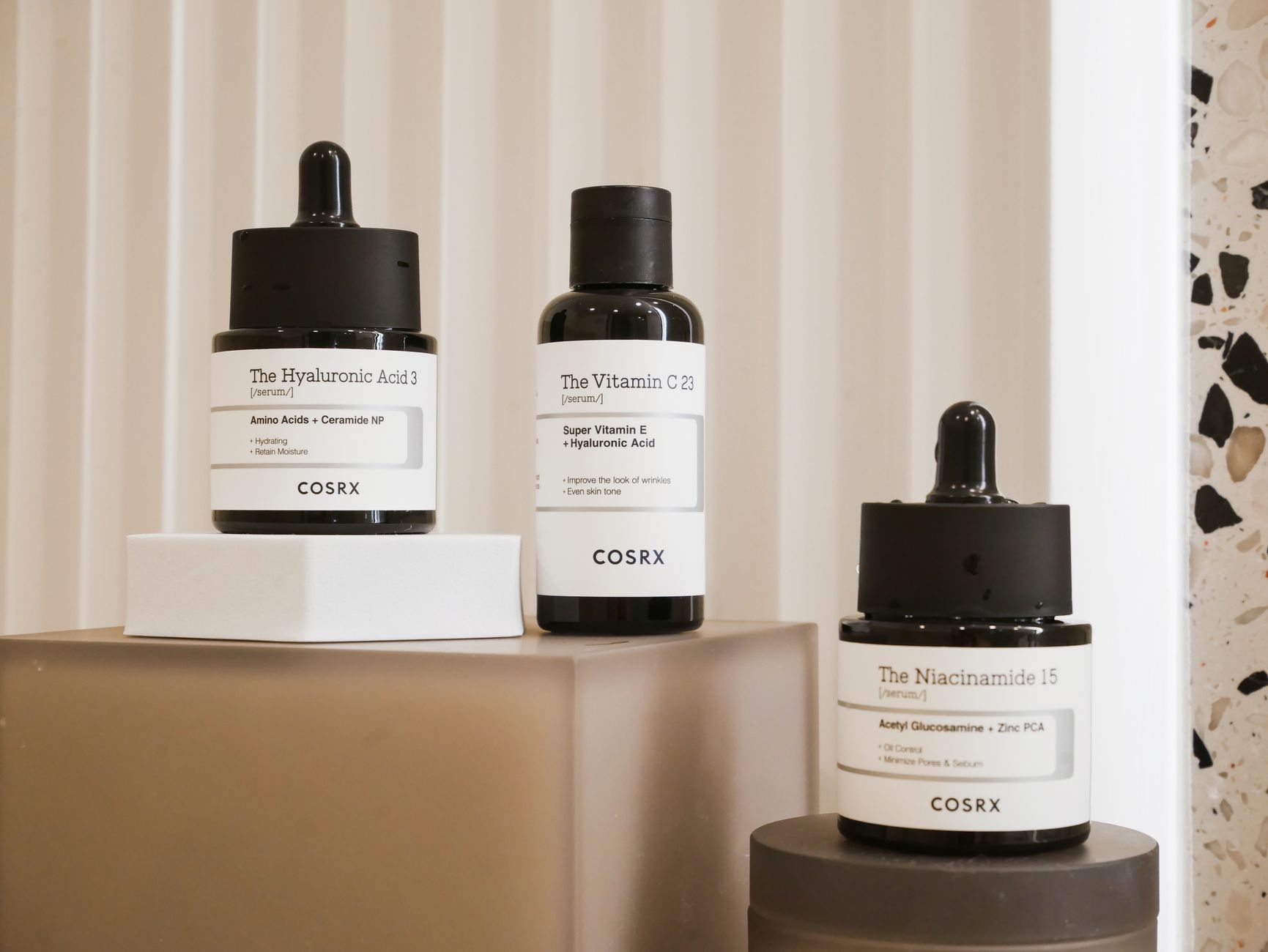
Topical hyaluronic acid serum – hydrates skin without injection.
Vitamin C serum – supports collagen synthesis and brightens complexion.
Moisturizing cream with hyaluronic acid – provides surface hydration.
Thermage radiofrequency skin tightening – non‑invasive tightening without chemicals.
CoolSculpting cryolipolysis – non‑surgical fat reduction that does not involve injections.
Microneedling without filler – stimulates collagen while avoiding foreign substances.
Makeup contouring kits – temporary visual enhancement without any medical intervention.
Restylane is one of the most widely recognized brand names for hyaluronic acid fillers. The product’s manufacturer lists pregnancy as a contraindication, stating that “use only if essential” and that safety has not been demonstrated. Both ACOG and the NHS include Restylane in their general recommendation to avoid all HA fillers during pregnancy.
Because Restylane’s formulation is similar to other HA fillers—cross‑linked HA in a sterile gel—the safety considerations are the same. Until dedicated studies show otherwise, it is best to postpone Restylane treatments until after the postpartum period.
What are the risks of hyaluronic acid filler injections while pregnant?
Potential risks can be grouped into maternal and fetal categories:
Risk type
Possible outcome
Local infection
Cellulitis or abscess that may require antibiotics, which themselves have pregnancy considerations.
Vascular occlusion
Rare but serious blockage of blood vessels leading to tissue necrosis; theoretically could affect uterine blood flow.
Allergic reaction
Swelling, urticaria, or anaphylaxis—any of which would be stressful for a pregnant patient.
Placental transfer (theoretical)
HA fragments might cross the placenta; no human data, but the possibility contributes to the precautionary stance.
Impact on pregnancy complications
Current evidence does not link HA filler to preeclampsia, but inflammatory responses could theoretically exacerbate such conditions.
Most of these complications are rare in the general population, yet pregnancy amplifies the need for caution because any maternal complication can indirectly affect fetal well‑being.
How does hyaluronic acid filler affect pregnancy complications like preeclampsia?
Preeclampsia is characterized by hypertension and organ dysfunction, often linked to abnormal placental development. There is no direct clinical evidence that HA fillers trigger or worsen preeclampsia. However, the injection process can cause a localized inflammatory response, and systemic inflammation is a known contributor to hypertensive disorders in pregnancy.
Given the theoretical nature of this link, professional societies advise erring on the side of safety: avoid fillers if you have a history of hypertension, preeclampsia, or other vascular concerns. Discuss any planned aesthetic procedures with your obstetrician well before the pregnancy progresses.
Can hyaluronic acid filler be used after the first trimester if needed?
Even after the first trimester, the prevailing recommendation remains to avoid HA filler injections throughout the entire pregnancy. The lack of trimester‑specific safety data means clinicians cannot confidently say the risk diminishes later on. If a filler is absolutely necessary for a medical indication (e.g., reconstructive correction after a traumatic injury), it should be performed only after a thorough risk‑benefit analysis and with informed consent.
For most cosmetic reasons—such as smoothing fine lines or enhancing lips—waiting until after delivery is the safest and most widely accepted practice.
Simple, pregnancy‑friendly skincare can keep your skin hydrated without injections.
Safe dosage / amount / brands
Because the consensus is to avoid hyaluronic acid filler during pregnancy, there is no “safe dosage” that can be recommended. If you are already pregnant and have received an injection, the amount administered does not alter the need for monitoring. Providers typically use 0.5–1 mL per facial area for non‑pregnant adults; however, this information is irrelevant for pregnant patients.
When you decide to resume filler treatments after delivery, you may consider reputable brands that have extensive safety data in non‑pregnant adults: Restylane, Juvederm, Belotero, and Teosyal. Choose products that are FDA‑cleared and administered by a board‑certified dermatologist or plastic surgeon. Avoid “off‑label” or compounded fillers that lack regulatory oversight.
Side effects and risks
Even in non‑pregnant patients, HA fillers can cause common side effects such as bruising, swelling, redness, and mild tenderness at the injection site. These usually resolve within a week.
More serious, though rare, complications include:
Vascular occlusion: Sudden pain, blanching, or discoloration indicating blockage of a blood vessel; requires immediate hyaluronidase injection.
Infection: Signs include warmth, increasing pain, fever, or pus; may need antibiotics, which have their own pregnancy considerations.
Allergic reaction: Hives, swelling of the lips or face, or anaphylaxis—emergency medical care is required.
Delayed hypersensitivity: Nodules or granulomas that appear weeks after injection; may need steroids or surgical removal.
If any of these symptoms arise while you’re pregnant, contact your obstetric provider and the clinician who performed the injection right away.
Related items — safety at a glance
Filler product
Verdict (pregnancy)
One‑line note
Restylane
❌ Best avoided
Manufacturer lists pregnancy as a contraindication.
Juvederm
❌ Best avoided
Same HA composition; lacks pregnancy safety data.
Belotero
❌ Best avoided
Cross‑linked HA; no studies in pregnant populations.
Teosyal
❌ Best avoided
European brand; safety not evaluated for pregnancy.
Voluma
❌ Best avoided
Designed for deep injection; theoretical placental risk.
Radiesse
❌ Best avoided
Calcium‑hydroxylapatite filler; limited data for pregnancy.
Sculptra
❌ Best avoided
Poly‑L‑lactic acid; long‑lasting; no pregnancy studies.
Evolence
❌ Best avoided
Newer HA filler; safety profile in pregnancy unknown.
Myth vs. fact
Myth: Hyaluronic acid is a natural substance, so it can’t harm a developing baby. Fact: While HA is naturally occurring, the injected, cross‑linked form is a foreign material, and there is insufficient evidence to confirm safety in pregnancy.
Myth: Small amounts of filler are harmless, so a tiny dose is okay. Fact: Because any amount lacks safety data, experts advise avoiding all HA filler injections during pregnancy.
Myth: Filler will dissolve on its own, so there’s no long‑term risk. Fact: HA fillers gradually break down over months, but the metabolic by‑products may still circulate; the precautionary principle still applies.
Key takeaways
✅ The consensus from ACOG, NHS, and FDA is to avoid hyaluronic acid filler injections throughout pregnancy and while breastfeeding.
⚠️ No specific “safe dosage” exists for pregnant women; any amount is considered unsafe.
👶 The first trimester is especially sensitive, but the avoidance recommendation applies to all trimesters.
💡 Safer alternatives include topical HA serums, vitamin C, moisturizers, and non‑invasive skin‑tightening technologies.
📞 If you experience severe swelling, pain, infection, or allergic signs after a filler, contact your obstetrician and the injector immediately.
Frequently asked questions
Can I get a dermal filler while pregnant?
No. Leading medical societies advise against any elective dermal filler, including hyaluronic acid, during pregnancy because safety data are insufficient.
Do hyaluronic acid fillers cross the placenta?
There is no direct evidence that HA filler molecules cross the placenta, but the theoretical possibility, combined with a lack of human studies, leads experts to recommend avoidance.
How long do hyaluronic acid fillers last during pregnancy?
If a filler is placed before pregnancy is known, it will continue to degrade at its usual rate (typically 6‑18 months), but the presence of the filler does not accelerate or extend its duration.
Are there any side effects of filler injections for pregnant women?
Side effects are similar to those in non‑pregnant patients (bruising, swelling, redness) and rare complications (vascular occlusion, infection). Any severe reaction warrants immediate medical attention.
Is it safe to have a filler touch‑up while breastfeeding?
Most guidelines suggest postponing filler touch‑ups until after breastfeeding is complete because HA fragments could potentially be secreted in breast milk, and safety data are lacking.
What should I avoid after a filler injection if I'm pregnant?
Avoid strenuous facial massage, excessive heat (saunas, hot tubs), and any activities that could increase blood flow to the face for at least 24‑48 hours, as these can exaceriate bruising or migration of the filler.
When to call your doctor
If you notice any of the following after a filler injection, contact your obstetric provider right away:
Severe or worsening facial pain, especially if it spreads to the eye.
Rapid swelling, discoloration, or a dark patch on the skin (possible vascular occlusion).
Fever, chills, or pus at the injection site (sign of infection).
Hives, swelling of the lips or throat, or difficulty breathing (allergic reaction).
Any new onset of high blood pressure or headaches that could signal preeclampsia.
These signs are informational and not a substitute for professional medical advice. Always discuss any concerns with your healthcare provider.
References
American College of Obstetricians and Gynecologists. “Practice Bulletin: Cosmetic Procedures in Pregnancy.” ACOG, 2022.
National Health Service (UK). “Dermal fillers – safety advice for pregnant and breastfeeding women.” NHS, 2023.
U.S. Food and Drug Administration. “Medical Devices: Guidance for Industry and FDA Staff – Cosmetic Injectable Devices.” FDA, 2021.
Centers for Disease Control and Prevention. “Pregnancy and the Use of Cosmetic Products.” CDC, 2022.
World Health Organization. “Safety of Cosmetic Procedures During Pregnancy.” WHO, 2023.
Restylane (Allergan). “Product Information Sheet.” Allergan, 2023.
Juvederm (Allergan). “Safety Information for Healthcare Professionals.” Allergan, 2023.
International Society of Aesthetic Plastic Surgery. “Guidelines for Injectable Fillers.” ISAPS, 2022.
Not sure about the label on Is Filler Hyaluronic Acid Pregnancy Safe During Pregnancy products?
Snap the ingredients list and SafeFilter checks every ingredient for your stage — only 3 free scans this month, then you're locked until reset. Unlimited from $7/mo or $50/yr.
When Shubhra Mishra was expecting her first child in 2016, she was overwhelmed by conflicting food advice — one site said yes, another said never. By the time her second baby arrived in 2019, she realized millions of mothers face the same confusion.
That sparked a five-year journey through clinical nutrition papers, cultural diets, and expert conversations — all leading to BumpBites: a calm, compassionate space where science meets everyday motherhood.
Her long-term vision is to build a global community ensuring safe, supported, and free deliveriesfor every mother — because no woman should face pregnancy alone or uninformed. 🌿
🌍 Stand with mothers, shape safer guidance
Join a small circle of experts who review BumpBites articles so expecting parents everywhere can decide with confidence.