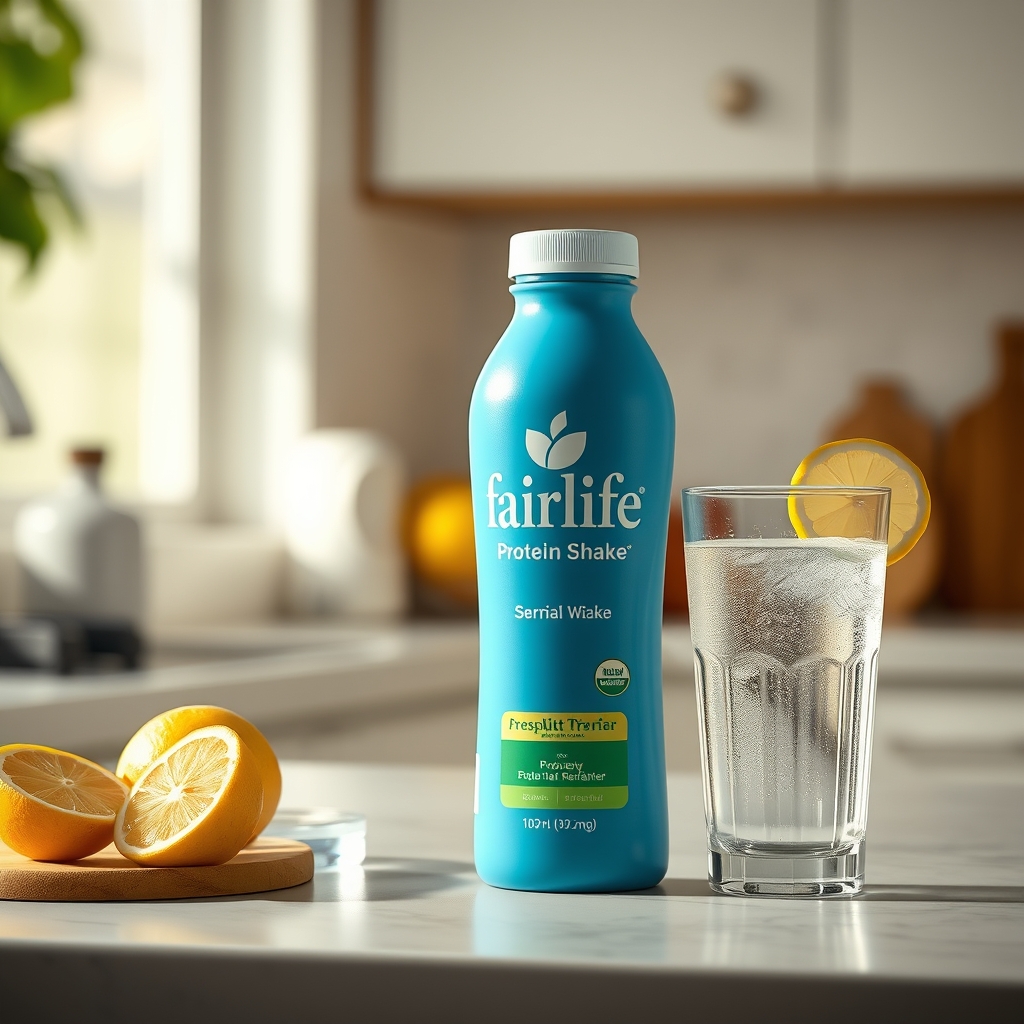
Safe: Fairlife protein shake is generally safe during pregnancy when consumed up to two servings daily, as it’s pasteurized and provides calcium and protein.
By Shubhra Mishra — a mom of two who turned her own confusion during pregnancy into BumpBites, a global mission to make food choices clear, safe, and stress-free for every expecting mother. 💛
Check whether any food is safe during pregnancy with the BumpBites Food Safety Checker.
Quick verdict: ⚠️ Safe with limits. Fairlife protein shake can be part of a balanced pregnancy diet, but stick to one serving (about 11 oz) per day and watch added sugar and caffeine content.
It’s 2 a.m., the kitchen light is on, and you’ve just opened a chilled Fairlife protein shake. “Is Fairlife protein shake safe during pregnancy?” you wonder, heart racing at the thought of something you’ve already poured into your glass. You’re not alone—many expecting parents have that late‑night pause when a familiar product meets a new label.
In short, the answer is yes, but with moderation and an eye on the ingredients. We’ll walk you through what Fairlife protein shake is, how it stacks up against pregnancy nutrition guidelines, which trimester matters most, how much you can safely sip each day, and what safer alternatives exist. By the end, you’ll know exactly how to fit this dairy‑based protein drink into your prenatal plan—or when to put the bottle back on the shelf.
We also understand that you might have already taken a shake before you realized you were pregnant. Take a breath. The body’s ability to metabolize protein and calcium is robust, and a single extra serving is unlikely to cause harm. What truly matters are the patterns you establish over weeks and months, especially regarding added sugars, caffeine, and overall protein balance.
Trimester / Breastfeeding
Verdict
Notes
First trimester
⚠️ Safe with limits
One 11‑oz serving per day; watch added sugars and caffeine.
Second trimester
⚠️ Safe with limits
Protein needs rise; a single shake fits well with a balanced diet.
Third trimester
⚠️ Safe with limits
Continue one serving; monitor blood‑glucose if you have gestational diabetes risk.
Breastfeeding
⚠️ Safe with limits
Provides calcium and protein for milk production; keep sugar intake moderate.
What is Fairlife protein shake?
Fairlife protein shake is a high‑protein dairy beverage marketed as a convenient way to boost protein intake. The brand uses ultra‑filtered (also called “cold‑filtered”) milk, which removes most of the lactose and concentrates the protein while retaining calcium, vitamin D, and potassium. Most flavors are sweetened with a blend of cane sugar and low‑calorie artificial sweeteners such as sucralose or acesulfame K. A typical 11‑oz bottle contains around 20 g of protein, 150 calories, 5 g of sugar, and 0 mg of caffeine unless the flavor is specifically marketed as “caffeinated.” The product is popular among athletes, busy parents, and anyone looking for a quick protein boost without the heaviness of a milkshake.
Because the milk is ultra‑filtered, the shake offers a complete amino‑acid profile (both casein and whey) and delivers a higher protein density than regular milk. The calcium‑fortified formula also supplies about one‑third of the daily recommended calcium for pregnant people, supporting both fetal bone development and maternal bone health.
Keep the shake chilled and enjoy it as a mid‑morning snack or post‑workout recovery drink.
Is Fairlife protein shake safe to drink during the first trimester?
The first trimester is the period of organogenesis, when the baby’s major organs form, making it the most sensitive window for teratogenic exposures. The American College of Obstetricians and Gynecologists (ACOG) advises that pregnant people avoid substances with known risks (e.g., high‑dose vitamin A, certain herbal teas) but does not list dairy‑based protein drinks as a concern. The FDA classifies Fairlife protein shake as a “food” rather than a drug, so it is subject to the same safety standards as other milk products.
Because Fairlife is ultra‑filtered, it contains less lactose, which can be easier on digestion for many pregnant people. However, the first trimester also often brings heightened nausea and changes in taste, so the added sugars and artificial sweeteners could aggravate morning sickness for some. If you have a history of gestational diabetes or pre‑existing diabetes, the modest sugar content (≈5 g per serving) is worth monitoring, as recommended by the NHS guidance on sugar intake during pregnancy.
Overall, the consensus among obstetric professionals is that a single Fairlife protein shake per day is generally safe in the first trimester, provided you stay within the recommended serving size and keep an eye on overall sugar consumption.
How much Fairlife protein shake can a pregnant woman consume each day?
Pregnant adults need about 71 g of protein daily, according to the Institute of Medicine. One 11‑oz Fairlife shake supplies roughly 20 g, meaning it can comfortably count as one of three protein sources (the rest coming from meals, beans, nuts, or lean meats). Most health agencies—including ACOG and the UK’s NHS—suggest that added sugars should not exceed 10 % of total daily calories. With 150 calories per bottle, the shake contributes about 3 % of a 2,200‑calorie pregnancy diet, well within the limit.
Therefore, the safe daily amount is one serving (11 oz) per day. Consuming more than two bottles could push added sugar intake higher than recommended and may increase the risk of gestational glucose intolerance, especially in the third trimester. If you’re tracking macronutrients, aim for a total protein intake of 70‑100 g, and let the shake be a part of that balance.
What are the potential risks of Fairlife protein shake for pregnant women?
While Fairlife protein shake is not a known teratogen, a few ingredients merit attention:
Added sugars: Even modest amounts can contribute to excess caloric intake and raise blood‑glucose levels, which is a concern for gestational diabetes risk.
Artificial sweeteners: Sucralose and acesulfame K are deemed safe by the FDA for the general population, but some clinicians prefer pregnant patients limit them, citing limited long‑term data.
Caffeine: Most Fairlife flavors are caffeine‑free, but the “Chocolate Mocha” variant contains ~30 mg per serving—equivalent to a third of a cup of coffee. ACOG recommends keeping caffeine under 200 mg per day.
Allergens: Fairlife is a dairy product, so it contains casein and whey proteins. Those with dairy allergy or severe lactose intolerance should avoid it.
Rarely, the high protein load can cause digestive discomfort (bloating, gas) if the gut isn’t accustomed to it. In such cases, reducing the serving size or spacing the shake away from other protein‑rich meals can help.
Are there any Fairlife protein shake flavors that are safer for pregnancy?
All Fairlife protein shake flavors share the same base of ultra‑filtered milk and protein content, but the sweeteners and caffeine differ. The safest choices for pregnancy are the plain or “Vanilla” flavors, which contain only cane sugar and sucralose, and no caffeine. Flavors like “Chocolate Mocha” or “Espresso” add caffeine, so they should be limited to stay under the 200 mg daily caffeine ceiling.
If you’re watching sugar intake, the “Zero Sugar” version (sweetened solely with sucralose and acesulfame K) reduces added sugars to less than 1 g per serving. However, some clinicians advise pregnant people limit artificial sweeteners when possible, favoring natural sweeteners or modest sugar amounts.
Can Fairlife protein shake be a good source of protein for pregnant women?
Yes. Each bottle delivers about 20 g of high‑quality protein, which includes all essential amino acids needed for fetal tissue growth, placenta development, and maternal muscle maintenance. The calcium content (≈300 mg per serving) also supports fetal bone formation, aligning with the USDA’s recommendation of 1,000 mg of calcium per day for pregnancy.
For pregnant people who struggle to meet protein goals—especially vegetarians, those with limited meat intake, or individuals experiencing nausea—Fairlife can be a convenient, nutrient‑dense option. Combine it with whole‑grain toast or a piece of fruit for a balanced snack that also supplies fiber and vitamins.
What are safer protein shake alternatives during pregnancy?
Orgain Organic Protein Shake – plant‑based, no added sugars, and free of artificial sweeteners.
Vega One All‑in‑One Shake – offers protein plus greens, iron, and omega‑3s, all pregnancy‑friendly.
Naked Pea Protein Powder – pure pea protein without sweeteners; mix with milk or a smoothie.
Boost Pregnancy Protein Drink – specifically formulated for expectant mothers with added folic acid and iron.
Premier Protein Shake (low sugar) – 20 g protein, low‑sugar version limits added carbs.
Greek yogurt (plain, low‑fat) – natural protein and calcium, no added sugars.
Horizon Organic Milk – full‑fat organic dairy, provides calcium and vitamin D without artificial additives.
Soylent Meal Replacement – balanced macronutrients and micronutrients, dairy‑free.
Does Fairlife protein shake contain ingredients that should be avoided while pregnant?
The primary ingredients to watch are added sugars, artificial sweeteners, and caffeine (in select flavors). While the FDA deems these safe in moderate amounts, the CDC’s guidelines for pregnant nutrition advise minimizing added sugars and limiting caffeine to under 200 mg per day. If you have a dairy allergy, the casein and whey proteins are contraindicated. Otherwise, the core nutrients—protein, calcium, vitamin D—are beneficial.
Is Fairlife protein shake safe for pregnant women with lactose intolerance?
Fairlife’s ultra‑filtered process removes most of the lactose, leaving less than 0.5 g per 11‑oz bottle—well below the typical lactose‑intolerance threshold. Many pregnant people who are lactose‑intolerant can tolerate Fairlife without symptoms. However, if you have a diagnosed dairy allergy (immune‑mediated response), the product is not safe, and you should choose a dairy‑free alternative such as the Vega One shake or Naked Pea Protein Powder.
Consider rotating between dairy‑based and plant‑based options to diversify nutrients.
Safety by trimester
First trimester
During the first 12 weeks, the embryo’s organs are forming, so any potential teratogen could have a larger impact. Fortunately, Fairlife protein shake does not contain known teratogens. The key is to keep added sugars low and avoid the caffeinated flavors. If you notice increased nausea after a shake, you might prefer a plain flavor or a lower‑sugar version.
Because many people experience heightened food aversions in early pregnancy, the shake can serve as a neutral‑tasting source of protein when solid foods feel unappealing. Pair it with a small piece of fruit to add fiber and reduce any spike in blood sugar.
Second trimester
From weeks 13 to 27, the fetus’s growth accelerates, and protein needs rise to roughly 1.1 g per kilogram of maternal weight. One Fairlife shake (≈20 g protein) comfortably meets a quarter of that requirement. This trimester is also when iron stores become critical; while the shake isn’t a major iron source, it pairs well with iron‑rich foods such as spinach or lentils.
If you develop gestational hypertension, keep an eye on sodium content. Fairlife shakes are low in sodium (≈150 mg per bottle), making them a heart‑friendly option compared with many flavored dairy drinks.
Third trimester
The final three months focus on fetal weight gain and preparation for birth. Protein remains essential, and calcium intake becomes increasingly important for both the baby’s bone mineralization and the mother’s bone health. One shake supplies about 30 % of the daily calcium recommendation.
Women at risk for gestational diabetes should monitor total carbohydrate intake, including the 5 g of sugar per shake. Pairing the shake with high‑fiber foods can blunt glucose spikes. If you’re on a gestational diabetes diet, the “Zero Sugar” version may be a better fit.
While breastfeeding
Post‑delivery, the body needs extra protein and calcium to support milk production. Fairlife’s protein and calcium profile can help maintain adequate supply, especially for mothers who find it hard to meet these needs through whole foods alone. The same limits—one bottle per day and attention to added sugars—apply during lactation.
Breastfeeding mothers should also consider overall caffeine intake, as caffeine can pass into breastmilk. The caffeine‑free flavors keep exposure well below the ACOG 200 mg/day recommendation.
Safe dosage / amount / brands
Fairlife’s standard serving is an 11‑oz bottle (≈330 ml). The label lists 20 g of protein, 150 calories, 5 g of sugar, and 0 mg caffeine for most flavors. For pregnant women, the safest practice is to limit intake to one bottle per day. If you’re craving more protein, supplement with whole foods—lean poultry, beans, or Greek yogurt—to avoid excess sugar and artificial sweeteners.
When choosing a brand, look for the following on the label:
Feature
What to look for
Why it matters
Protein source
Ultra‑filtered milk (casein + whey)
Complete amino acid profile
Sugar content
≤5 g per serving
Stays within added‑sugar limits
Artificial sweeteners
Sucralose, acesulfame K (optional)
FDA‑approved, but limit if possible
Caffeine
0 mg (most flavors) or ≤30 mg
Helps stay under 200 mg/day
Allergen info
Contains dairy; no nuts or soy
Identify potential allergies
If you prefer a lower‑sugar version, seek out the “Zero Sugar” line. For caffeine‑sensitive individuals, stick to vanilla or chocolate flavors that list 0 mg caffeine.
Side effects and risks
Most pregnant people tolerate Fairlife protein shake without issue. However, be aware of these signals:
Digestive upset: Bloating, gas, or diarrhea can occur if you’re not used to high‑protein drinks. Reduce serving size or spread intake throughout the day.
Elevated blood sugar: If you notice persistent fatigue, increased thirst, or frequent urination after drinking a shake, check your glucose levels—especially if you have a history of gestational diabetes.
Allergic reaction: Hives, swelling, or difficulty breathing signal a dairy allergy and require immediate medical attention.
Excess caffeine: Symptoms such as rapid heartbeat, jitteriness, or insomnia may indicate you’ve exceeded the 200 mg daily limit.
These side effects are generally mild and manageable, but any persistent or severe symptom should prompt a call to your obstetric provider.
Safer alternatives
Orgain Organic Protein Shake – plant‑based, free of added sugars and artificial sweeteners.
Vega One All‑in‑One Shake – includes iron, folate, and omega‑3s, all beneficial for pregnancy.
Naked Pea Protein Powder – pure pea protein without any sweeteners, easy to blend into smoothies.
Boost Pregnancy Protein Drink – formulated with extra folic acid and iron for expectant mothers.
Premier Protein Shake (low sugar) – offers the same protein punch with reduced sugar content.
Greek yogurt (plain, low‑fat) – natural source of protein and calcium without added sugars.
Horizon Organic Milk – full‑fat dairy option without artificial additives.
Soylent Meal Replacement – balanced macro‑nutrient profile, dairy‑free, and low in added sugar.
Dairy‑free, low sugar, suitable for lactose intolerance.
Myth vs. fact
Myth: “All protein shakes are unsafe because they’re too processed.” Fact: The FDA regulates protein shakes as food, and many—like Fairlife—are fortified with calcium and vitamin D, making them safe in moderation.
Myth: “If a shake contains any artificial sweetener, it must be avoided during pregnancy.” Fact: Sucralose and acesulfame K are classified as Generally Recognized As Safe (GRAS) by the FDA; most obstetricians consider them acceptable when consumed within daily limits.
Myth: “Lactose‑free dairy automatically means it’s safe for all pregnant women.” Fact: Dairy‑free does not eliminate the risk of dairy protein allergy; those with a true dairy allergy should still avoid Fairlife.
Key takeaways
Fairlife protein shake is generally safe during pregnancy when limited to one 11‑oz serving per day.
Watch added sugars, artificial sweeteners, and caffeine—choose vanilla or “Zero Sugar” flavors for the lowest risk.
It provides high‑quality protein, calcium, and vitamin D, supporting fetal growth and maternal nutrition.
If you’re lactose intolerant, Fairlife’s ultra‑filtered milk is usually well‑tolerated, but dairy‑allergic individuals should avoid it.
Consider plant‑based or pregnancy‑formulated alternatives if you want to reduce sugar or eliminate dairy.
Always discuss any new supplement or beverage with your obstetric provider, especially if you have gestational diabetes or a history of allergies.
Frequently asked questions
Can I drink Fairlife protein shake while pregnant?
Yes, you can—just keep it to one 11‑oz bottle per day and choose a flavor without added caffeine or excess sugar.
How many protein shakes are safe during pregnancy?
Most health agencies recommend no more than one standard protein shake (≈20 g protein) per day to stay within added‑sugar limits and avoid excess calories.
Does Fairlife protein shake contain caffeine?
Most Fairlife flavors are caffeine‑free; only the “Chocolate Mocha” variety contains about 30 mg of caffeine per serving.
Is the protein in Fairlife shake beneficial for fetal development?
Absolutely—high‑quality dairy protein supplies essential amino acids, and the calcium content supports bone formation for both mother and baby.
Are there any allergens in Fairlife protein shake for pregnant women?
Fairlife contains dairy (casein and whey); it’s safe for most people but should be avoided by those with a dairy allergy.
Can Fairlife protein shake increase the risk of gestational diabetes?
Because it has modest added sugar (≈5 g per bottle), occasional consumption is unlikely to raise risk, but women with existing glucose concerns should monitor intake.
What is the recommended daily amount of Fairlife protein shake for pregnant women?
The recommendation is one 11‑oz bottle per day, which fits within the ACOG guidelines for protein and added‑sugar limits.
Is Fairlife protein shake safe for pregnant women with lactose intolerance?
Yes—its ultra‑filtered process removes most lactose, making it tolerable for many lactose‑intolerant pregnant individuals, though dairy‑allergic patients should avoid it.
Can I mix Fairlife protein shake with fruit or other ingredients?
Yes, blending the shake with fresh fruit, spinach, or a handful of oats can add fiber and micronutrients while keeping the overall nutrient profile pregnancy‑friendly.
Is it okay to drink Fairlife protein shake on an empty stomach?
Generally fine, but if you’re prone to nausea or heartburn, you might prefer to have it with a small snack to buffer acidity and improve tolerance.
When to call your doctor
If you experience any of the following after drinking a Fairlife protein shake, reach out to your obstetric provider promptly:
Persistent nausea, vomiting, or severe abdominal pain.
Signs of high blood sugar: excessive thirst, frequent urination, or unexplained fatigue.
Allergic reactions such as hives, swelling, or difficulty breathing.
Rapid heart rate or jitteriness that could indicate excess caffeine.
Unusual digestive distress lasting more than 24 hours.
These symptoms could signal an underlying issue that needs professional evaluation. Remember, this article provides general information and is not a substitute for personalized medical advice.
References
American College of Obstetricians and Gynecologists (ACOG). “Nutrition During Pregnancy.” 2023.
National Health Service (NHS). “Healthy eating during pregnancy.” Updated 2022.
U.S. Food and Drug Administration (FDA). “Food Additives Status List.” Accessed 2024.
Centers for Disease Control and Prevention (CDC). “Gestational Diabetes.” 2023.
Mayo Clinic. “Protein: Why it’s important during pregnancy.” 2023.
World Health Organization (WHO). “Guidelines on caffeine consumption for pregnant women.” 2022.
U.S. Department of Agriculture (USDA). “Dietary Guidelines for Americans 2020‑2025.”
Nutrition Review. “Artificial sweeteners and pregnancy outcomes.” 2021.
Not sure about the label on Is Fairlife Protein Shake Safe During Pregnancy products?
Snap the ingredients list and SafeFilter checks every ingredient for your stage — only 3 free scans this month, then you're locked until reset. Unlimited from $7/mo or $50/yr.
When Shubhra Mishra was expecting her first child in 2016, she was overwhelmed by conflicting food advice — one site said yes, another said never. By the time her second baby arrived in 2019, she realized millions of mothers face the same confusion.
That sparked a five-year journey through clinical nutrition papers, cultural diets, and expert conversations — all leading to BumpBites: a calm, compassionate space where science meets everyday motherhood.
Her long-term vision is to build a global community ensuring safe, supported, and free deliveriesfor every mother — because no woman should face pregnancy alone or uninformed. 🌿
🌍 Stand with mothers, shape safer guidance
Join a small circle of experts who review BumpBites articles so expecting parents everywhere can decide with confidence.