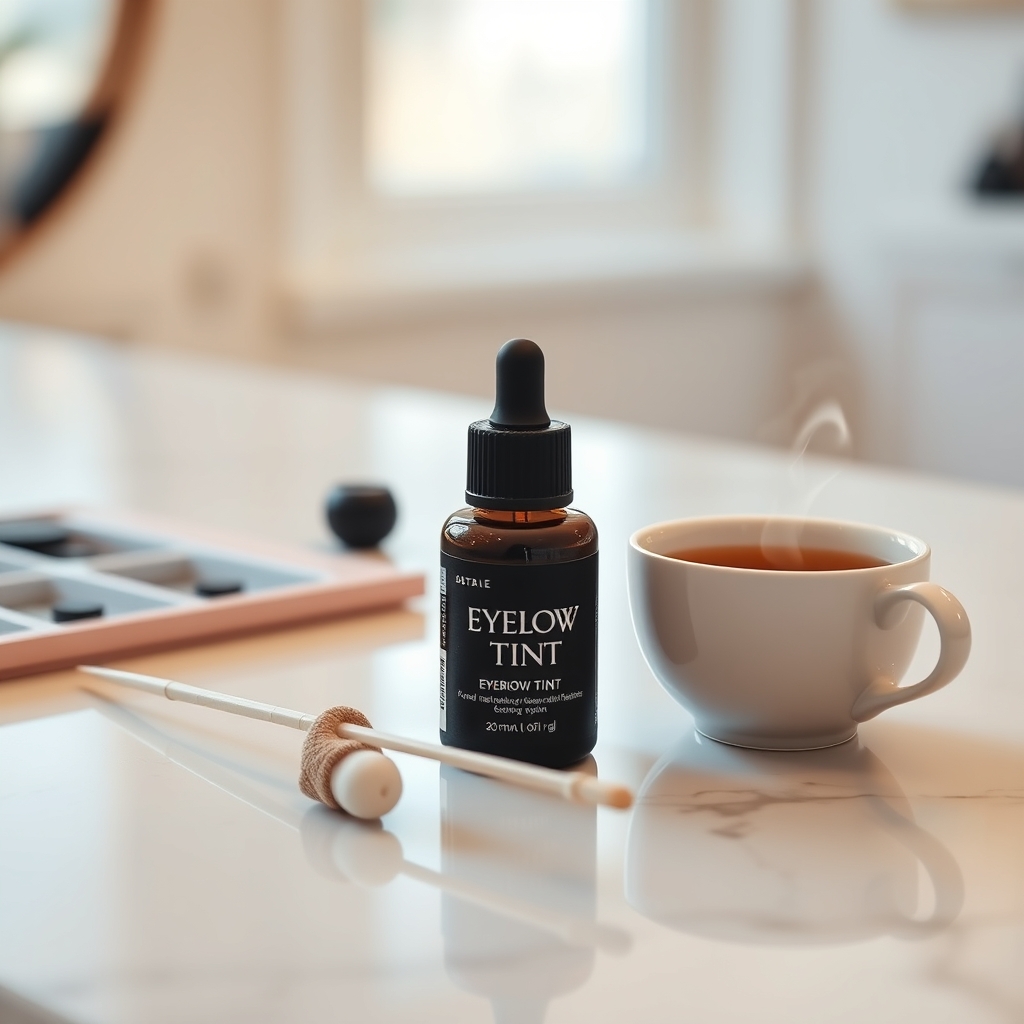
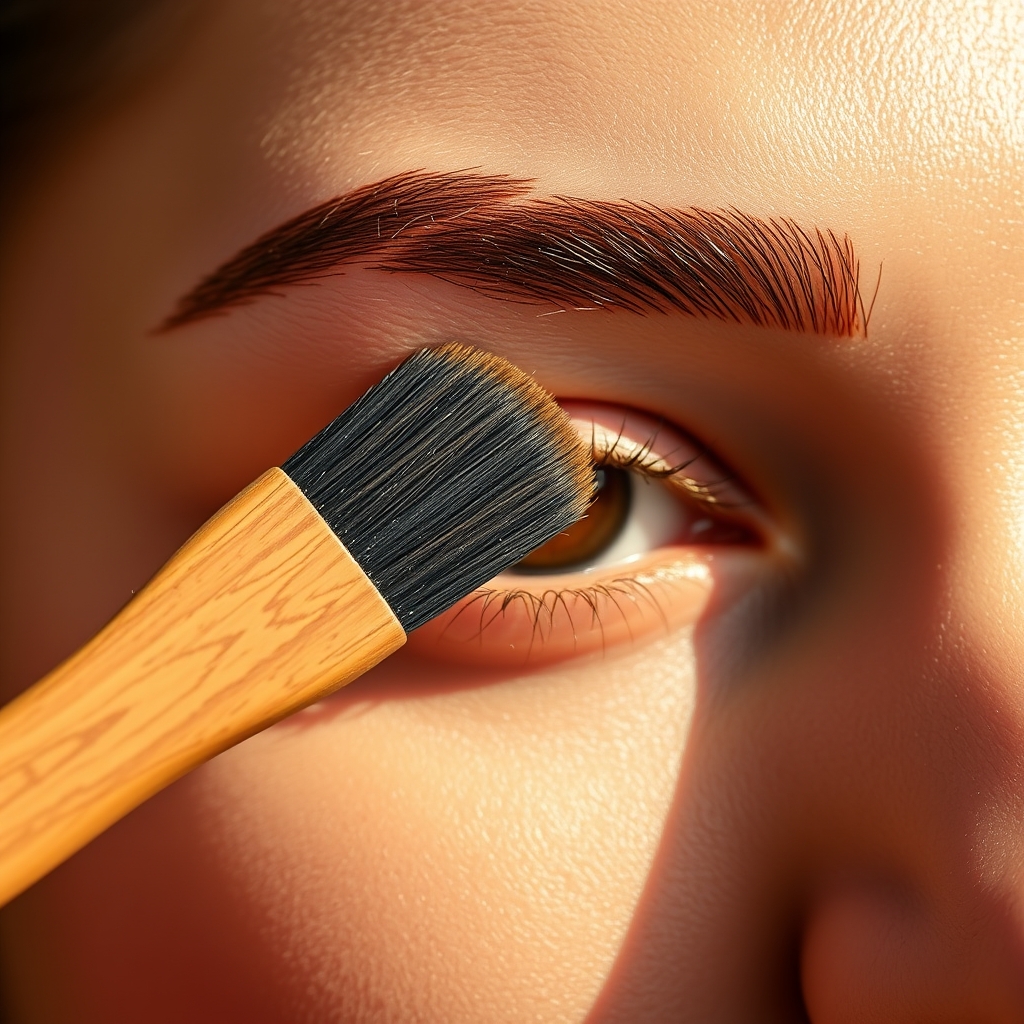
Limit eyebrow tinting during pregnancy, especially in the first trimester. Learn safe dosage, trimester-specific risks, and gentler alternatives for expectant mothers.
By Shubhra Mishra — a mom of two who turned her own confusion during pregnancy into BumpBites, a global mission to make food choices clear, safe, and stress-free for every expecting mother. 💛
Check whether any food is safe during pregnancy with the BumpBites Food Safety Checker.
Quick verdict: ⚠️ Talk to your doctor first. Eyebrow tinting can be used during pregnancy if you choose a gentle, low‑chemical formula and perform a patch test, but it’s best to discuss it with your obstetrician and limit use to occasional applications.
It’s 2 a.m., the bathroom light is on, and you’ve just finished a quick eyebrow tint at the salon. Suddenly, a wave of worry hits—is eyebrow tinting safe during pregnancy? You’re not alone; many expectant parents scramble for answers after a beauty appointment or before booking one. The good news is that, in most cases, eyebrow tinting isn’t a major red flag, but there are nuances—especially around the chemicals used, how often you tint, and which trimester you’re in.
In this article we’ll break down the current guidance from the American College of Obstetricians and Gynecologists (ACOG), the NHS, and the FDA. You’ll learn the safety snapshot for each trimester, how much tint is reasonable, which brands tend to be less risky, and what safer alternatives exist if you’d rather skip the chemicals altogether. We’ll also cover side‑effects, patch‑testing tips, and the signs that warrant a call to your provider. By the end you’ll have a clear, evidence‑based answer to the question is eyebrow tinting safe during pregnancy, plus a handy cheat sheet for quick reference.
Trimester / Breastfeeding
Verdict
Notes
First trimester
⚠️ Caution
Limited data; avoid strong chemicals like PPD; patch test mandatory.
Second trimester
✅ Generally safe
Low‑PPD, fragrance‑free formulas are acceptable; limit to every 4–6 weeks.
Third trimester
✅ Generally safe
Same precautions as second trimester; avoid products that cause prolonged skin irritation.
Breastfeeding
✅ Generally safe
Minimal systemic absorption; still advisable to use low‑irritant products.
Eyebrow tinting is a cosmetic procedure that deposits pigment onto the hairs of the brow to enhance color and definition. Salon‑based tinting typically uses a two‑part system: a colorant (often containing p‑phenylenediamine, or PPD) mixed with a developer that opens the hair cuticle. The mixture is applied for a few minutes, then wiped away, leaving a semi‑permanent hue that can last two to four weeks. At‑home kits work the same way but give you more control over exposure time. The appeal is obvious—busy mornings become quicker, and the brows stay defined without daily makeup.
Is eyebrow tinting safe during pregnancy?
Overall, most professional organizations consider eyebrow tinting low risk for pregnant individuals, provided the product is free of high‑allergen chemicals and the procedure follows standard hygiene practices. The ACOG states that “topical cosmetic procedures that do not involve systemic drug exposure are generally permissible” (2022). The UK’s NHS echoes this, noting that “cosmetic dyes that remain on the skin surface pose minimal risk, but a patch test is advisable for anyone with a history of allergies.” The FDA classifies most eyebrow tinting products as cosmetics, which means they are not required to undergo the same pre‑market safety testing as drugs, but manufacturers must list all ingredients.
The primary safety concern is allergic reaction, especially to PPD, a common component that can cause contact dermatitis. Systemic absorption of the dye is negligible; only a tiny amount, if any, enters the bloodstream. However, during the first trimester—when organ formation is most sensitive—many obstetricians advise minimizing exposure to any non‑essential chemicals. In later trimesters, the risk remains low, but skin irritation that leads to scratching or infection should still be avoided.
In practice, the consensus is: eyebrow tinting can be safe during pregnancy if you select a low‑PPD, fragrance‑free product, perform a patch test, and limit applications to every 4–6 weeks. Always discuss with your prenatal provider, especially if you have a history of eczema, asthma, or previous allergic reactions.
Choosing a low‑allergen tint can help keep your routine worry‑free.
Is eyebrow tinting safe during the first trimester of pregnancy?
During the first trimester, the embryo undergoes organogenesis, making it the most vulnerable period for teratogenic exposures. While eyebrow tinting does not involve ingestion or injection, the chemicals in many commercial tints—especially p‑phenylenediamine (PPD) and ammonia—can trigger allergic reactions that lead to inflammation.
Because the evidence is limited, most clinicians recommend a cautious approach: use a product that is specifically labeled as “PPD‑free” or “hypoallergenic,” and always conduct a 48‑hour patch test before the full application. If you experience any redness, itching, or swelling after the test, avoid the tint entirely. If the patch test is clear, a single, gentle application is unlikely to pose a risk to the developing baby.
In short, the first trimester verdict is ⚠️ caution. Talk to your obstetrician, choose a low‑irritant formula, and limit the frequency of tinting.
Can I use eyebrow tinting in the second trimester without risk?
The second trimester is generally considered the safest window for cosmetic procedures. Hormonal fluctuations have usually settled enough that skin barrier function is more stable, and the risk of systemic absorption remains negligible. ACOG’s 2022 guidance notes that “non‑prescription topical cosmetics are permissible after the first trimester, provided they do not cause dermatitis.”
Provided you’ve already performed a successful patch test, you can safely use a standard eyebrow tint that is free from harsh allergens. Many brands now offer “pregnancy‑friendly” lines that avoid PPD, ammonia, and strong fragrances. Applying the tint no more often than every 4–6 weeks keeps exposure low and reduces the chance of cumulative irritation.
What is the recommended amount of eyebrow tint for pregnant women?
Professional tinting kits typically contain 1 mL of colorant and 1 mL of developer. For an average set of brows, only about 0.2–0.3 mL of the mixed solution is needed—roughly the size of a pea per brow. Applying more does not improve color intensity and only increases chemical exposure.
For at‑home kits, follow the manufacturer’s instructions and use the provided applicator tip, which is calibrated to deliver the correct amount. Most experts recommend limiting tint applications to once every 4–6 weeks. If you need a deeper shade, a second, brief application (no longer than 1 minute) after the first can be done, but avoid extending the total contact time beyond the recommended 5–7 minutes.
Are there any side effects of eyebrow tinting for pregnant individuals?
The most common side effects are mild skin irritation, redness, and itching—symptoms of contact dermatitis. In rare cases, a severe allergic reaction (eczema or urticaria) can develop, which may require topical steroids or oral antihistamines. Because pregnant people are more prone to skin changes, any irritation should be monitored closely.
Systemic side effects are virtually unheard of. The dye does not penetrate deeply enough to affect the bloodstream, and the amount absorbed through the skin is minuscule. However, if you notice persistent swelling, blistering, or a spreading rash, seek medical attention promptly.
Which eyebrow tint brands are considered safe for pregnancy?
When selecting a brand, look for products that list their full ingredient panel, are free of PPD, ammonia, parabens, and synthetic fragrances. Below are a few reputable options that meet these criteria (always verify the latest formulation before purchase):
Jane Iredale – “Natural Brows” line: plant‑based pigments, PPD‑free, fragrance‑free.
Browtint by Lily Lolo – “Gentle Tint” formula: uses henna‑derived color, no ammonia.
Dermalogica – “Eyebrow Tint” with a low‑PPD concentration and added soothing aloe.
Vita Liberata – “Brow Tint” that is labeled cruelty‑free and free of harsh preservatives.
Alima Pure – “Brow Tint” with a mineral‑based pigment, suitable for sensitive skin.
Regardless of brand, always read the label for “PPD‑free” or “hypoallergenic” claims and confirm that the product has been dermatologically tested.
What are safe alternatives to eyebrow tinting during pregnancy?
Typically silicone‑based; minimal irritation risk.
Eyebrow makeup
✅ Generally safe
Powders and pencils are safe if you avoid harsh pigments like PPD.
Myth vs. fact
Myth: All eyebrow tints are unsafe during pregnancy because they contain chemicals.
Fact: Many modern tints are formulated without high‑allergen ingredients like PPD, making them acceptable for most pregnant women when used sparingly.
Myth: The dye can be absorbed and harm the baby.
Fact: Only a microscopic amount of pigment contacts the skin surface; systemic absorption is negligible, and no studies have linked eyebrow tint to fetal harm.
Myth: You must stop all brow grooming once pregnant.
Fact: Grooming methods that avoid harsh chemicals—such as threading, waxing, or using mascara—are generally safe throughout pregnancy.
Key takeaways
Eyebrow tinting can be used during pregnancy if you choose a low‑PPD, fragrance‑free product.
Perform a 48‑hour patch test before any full application, especially in the first trimester.
Limit applications to every 4–6 weeks and use only a pea‑size amount per brow.
Consider natural alternatives like henna, coffee dye, or brow mascara for a chemical‑free look.
Contact your provider if you notice persistent redness, swelling, or a spreading rash.
Frequently asked questions
Can eyebrow tinting cause any harm to my baby?
No, the amount of dye that contacts the skin surface is too small to reach the bloodstream, so there’s no direct risk to the baby when low‑allergen products are used.
Is it okay to get my eyebrows tinted in the third trimester?
Yes, the third trimester is generally safe for eyebrow tinting as long as you use a PPD‑free, fragrance‑free formula and have already confirmed you don’t react to the product.
What ingredients in eyebrow tint should pregnant women avoid?
Pregnant women should steer clear of p‑phenylenediamine (PPD), ammonia, strong fragrances, and parabens, as these increase the chance of allergic reactions and skin irritation.
How long does eyebrow tint last during pregnancy?
Eyebrow tint typically remains vibrant for 2–4 weeks, but some women find the color fades slightly faster if they wash the area frequently or experience hormonal skin changes.
Can I use at‑home eyebrow tint kits while pregnant?
You can, provided the kit is labeled “PPD‑free” or “hypoallergenic,” you perform a patch test, and you follow the manufacturer’s timing instructions carefully.
Should I do a patch test before eyebrow tinting when pregnant?
Absolutely—apply a tiny amount of the mixed tint to the inner forearm and wait 48 hours; a clear test spot indicates it’s safe to proceed.
Are natural eyebrow tint options safer for pregnant women?
Natural options like henna or coffee dye are generally gentler and have a lower risk of allergic reaction, making them a good alternative for those who want to avoid synthetic chemicals.
Does eyebrow tinting increase the risk of skin irritation during pregnancy?
Any tint can cause irritation, but using low‑allergen, fragrance‑free formulas and limiting applications reduces that risk considerably.
When to call your doctor
If you notice any of the following after tinting, contact your obstetrician or dermatologist promptly: persistent redness lasting more than 24 hours, swelling or blistering, spreading rash, difficulty breathing, or any signs of an allergic reaction such as hives. These symptoms could indicate a more serious reaction that needs medical evaluation.
Remember, the information in this article is for educational purposes only and does not replace personalized medical advice. Always discuss any cosmetic procedures with your healthcare provider.
References
American College of Obstetricians and Gynecologists. “Guidelines for Cosmetic Procedures During Pregnancy.” 2022.
National Health Service (UK). “Cosmetics and Pregnancy.” Updated 2023.
U.S. Food and Drug Administration. “Cosmetics: Safety and Regulations.” Accessed July 2026.
Centers for Disease Control and Prevention. “Pregnancy and Skin Care.” 2021.
Mayo Clinic. “Contact Dermatitis and Pregnancy.” 2023.
World Health Organization. “Chemical Safety in Cosmetics.” 2022.
Not sure about the label on Is Eyebrow Tinting Safe During Pregnancy products?
Snap the ingredients list and SafeFilter checks every ingredient for your stage — only 3 free scans this month, then you're locked until reset. Unlimited from $7/mo or $50/yr.
When Shubhra Mishra was expecting her first child in 2016, she was overwhelmed by conflicting food advice — one site said yes, another said never. By the time her second baby arrived in 2019, she realized millions of mothers face the same confusion.
That sparked a five-year journey through clinical nutrition papers, cultural diets, and expert conversations — all leading to BumpBites: a calm, compassionate space where science meets everyday motherhood.
Her long-term vision is to build a global community ensuring safe, supported, and free deliveriesfor every mother — because no woman should face pregnancy alone or uninformed. 🌿
🌍 Stand with mothers, shape safer guidance
Join a small circle of experts who review BumpBites articles so expecting parents everywhere can decide with confidence.