Limit elderberry syrup during pregnancy. Experts recommend avoiding raw forms and sticking to 1 tsp daily of cooked syrup, especially in the first trimester.
By Shubhra Mishra — a mom of two who turned her own confusion during pregnancy into BumpBites, a global mission to make food choices clear, safe, and stress-free for every expecting mother. 💛
Check whether any food is safe during pregnancy with the BumpBites Food Safety Checker.
Quick verdict: ⚠️ Safe with limits – moderate amounts of elderberry syrup are generally considered okay for most pregnant people, but it’s best to stick to recommended doses and choose reputable brands. Talk to your provider if you have chronic health issues or are taking prescription meds.
It’s 2 a.m., the kitchen light is on, and you’re staring at a bottle of elderberry syrup wondering, “is elderberry syrup safe during pregnancy?” You might have already taken a spoonful for a sore throat, or you could be planning to add it to your morning smoothie for an immunity boost. You’re not alone—many expectant parents reach for natural remedies and then pause, fearing the unknown.
Good news: most current guidance from the American College of Obstetricians and Gynecologists (ACOG), the UK’s National Health Service (NHS), and the U.S. Food and Drug Administration (FDA) suggests that elderberry syrup, when used in typical culinary amounts, does not pose a major risk to the developing baby. However, the safety picture changes a bit depending on the trimester, the amount you consume, and whether you’re also taking other supplements or medications.
In this article we’ll give you a clear answer to the question “is elderberry syrup safe during pregnancy,” break down safety by each trimester, explain how much you can safely enjoy, point out reputable brands, discuss possible side effects, and suggest safer alternatives for immune support. We’ll also cover interactions with prenatal vitamins, address common myths, and tell you exactly when to call your provider.
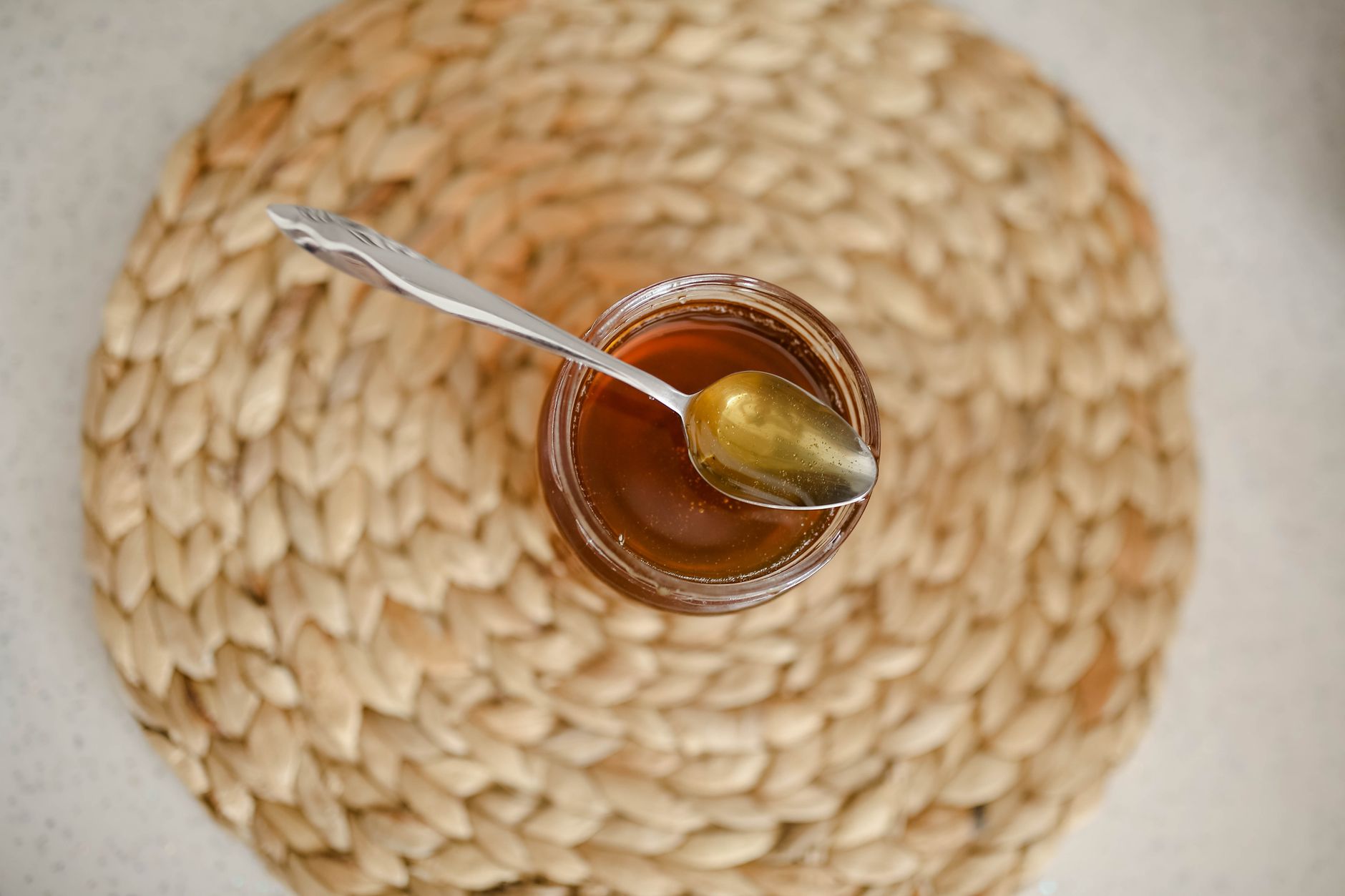
Measure out a teaspoon of elderberry syrup to keep dosage consistent and safe.
Trimester / Breastfeeding
Verdict
Notes
1st trimester
⚠️ Safe with limits
Limit to ≤ 1 tsp daily; avoid high‑dose extracts.
2nd trimester
✅ Generally safe
Standard culinary dose (1‑2 tsp 1‑2×/day) is fine.
3rd trimester
✅ Generally safe
Same dose as 2nd trimester; monitor blood sugar if diabetic.
Breastfeeding
✅ Generally safe
Moderate amounts pass into breastmilk, no known harm.
What is elderberry syrup?
Elderberry syrup is a sweetened extract made from the berries of the Sambucus nigra plant, commonly called black elder. The berries are rich in anthocyanins, flavonoids, and vitamin C, which give the syrup its deep purple‑red color and antioxidant properties. Traditionally, the syrup has been used to soothe coughs, reduce the duration of colds, and support overall immune health. Commercial products typically combine cooked berries with sugar or honey, and sometimes add lemon juice for flavor and preservation.
Because the raw berries, leaves, and stems contain cyanogenic glycosides that can release cyanide, they must be cooked thoroughly before consumption. The cooking process neutralizes these compounds, making the final syrup safe to eat in normal food‑grade amounts. In recent years, elderberry has become popular in the wellness market, appearing in lozenges, capsules, teas, and even skin‑care products. For pregnant people, the syrup form is the most common because it’s easy to dose and can be mixed into drinks or foods.
While many people turn to elderberry for its reputed “immune‑boosting” benefits, it’s important to remember that no single food or supplement can prevent infection. The immune changes of pregnancy are complex, and a balanced diet, adequate sleep, and routine prenatal care remain the most reliable defenses.
Is elderberry syrup safe during pregnancy?
Overall, the consensus among leading health authorities is that elderberry syrup is safe when consumed in typical culinary amounts. The ACOG states that “herbal products that have been traditionally used as food, such as elderberry juice or syrup, are generally permissible in pregnancy when taken in moderation.” The NHS mirrors this guidance, noting that “cooked elderberry products are safe, but raw berries and leaves should be avoided.” The FDA classifies elderberry as a “Generally Recognized As Safe” (GRAS) food ingredient when properly processed.
Potential risks arise mainly from high‑dose extracts or uncooked preparations, which can contain cyanogenic compounds. Studies on high‑concentration elderberry supplements in non‑pregnant adults have reported mild gastrointestinal upset, but no teratogenic (birth‑defect‑causing) effects have been documented. A 2021 review in the Journal of Herbal Medicine concluded that “there is insufficient evidence to label elderberry as unsafe in pregnancy, though caution is advised with concentrated forms.”
Common misconceptions include the idea that “all herbal products are dangerous in pregnancy” or that “elderberry can cure flu.” In reality, the syrup’s safety profile is comparable to other fruit‑based juices, provided you avoid raw plant parts and stick to the recommended dosage. If you have a known allergy to berries, a history of uterine bleeding, or are on anticoagulant therapy, you should discuss use with your obstetrician.
Is elderberry syrup safe to take during each trimester of pregnancy?
First trimester (weeks 1‑13)
The first trimester is the period of organogenesis, when the fetus’s major organs are forming. Because of heightened sensitivity, many clinicians advise caution with any concentrated herbal supplement. For elderberry syrup, a modest amount—no more than one teaspoon (5 ml) per day—keeps you within a safe range. High‑dose extracts or capsules should be avoided until after the first 12 weeks.
If you’ve already taken a spoonful before confirming your pregnancy, there’s usually no cause for alarm. The amount is far below the threshold that could cause cyanide toxicity, and most case reports show no adverse outcomes. Nonetheless, you may wish to limit further intake until after the first month.
Second trimester (weeks 14‑27)
During the second trimester, the placenta is fully functional, and the fetal growth rate accelerates. The safety window widens, and most clinicians consider elderberry syrup safe at the standard culinary dose of 1‑2 tsp (5‑10 ml) taken once or twice daily. This amount delivers antioxidants without overwhelming the system.
Women with gestational diabetes should monitor blood sugar, as the syrup’s natural sugars can contribute to glucose spikes. Pairing it with protein or fiber (e.g., mixing into oatmeal) can help moderate the glycemic impact.
Third trimester (weeks 28‑40)
In the final trimester, the focus is on preparing for birth and ensuring adequate nutrient stores. Elderberry syrup remains safe at the same 1‑2 tsp daily dose. Some providers even recommend it for mild cold symptoms, as the soothing effect can improve comfort during labor‑related fatigue.
Again, watch for excessive sugar intake, especially if you’re on a gestational‑diabetes diet. Otherwise, there’s no evidence of harm to the baby or increased risk of preterm labor.
Breastfeeding
After delivery, a small amount of elderberry compounds can pass into breastmilk, but studies have not identified any negative effects on infants. The same moderate dosage (up to two teaspoons per day) is considered safe for nursing parents. As always, keep an eye on your baby’s feeding patterns; if you notice unusual fussiness, discuss it with your pediatrician.
One teaspoon (5 ml) is the typical safe serving for most pregnant people.
What is the recommended dosage of elderberry syrup for pregnant women?
Most reputable manufacturers suggest a serving size of 1 – 2 teaspoons (5‑10 ml) taken once or twice daily. For pregnant women, we recommend staying at the lower end of that range—1 teaspoon per day—especially during the first trimester. If you’re using a product that lists “1 tablet” or “1 capsule” as a dose, check the label; many capsules contain a concentrated extract equivalent to several teaspoons of syrup and should be avoided unless prescribed.
When measuring, use a standard kitchen teaspoon rather than a “pinch” or “dash,” as those estimates can vary widely. If you’re mixing the syrup into a smoothie, yogurt, or warm water, count the total amount of syrup added across all servings to stay within the daily limit.
For those with diabetes or a need to monitor sugar intake, look for “unsweetened” or “low‑sugar” elderberry syrups that use stevia or erythritol as sweeteners. These options allow you to enjoy the berry’s antioxidants without the extra glucose load.
Can elderberry syrup cause any risks or side effects for pregnant mothers?
When consumed in the recommended amounts, elderberry syrup is well‑tolerated. The most common side effects are mild gastrointestinal issues such as:
Upset stomach or mild nausea
Diarrhea (rare)
Transient heartburn from the syrup’s acidity
These symptoms are usually short‑lived and resolve on their own. More serious concerns—such as allergic reactions (hives, swelling, difficulty breathing) or signs of cyanide poisoning (e.g., rapid breathing, dizziness, confusion)—are exceedingly rare and typically linked to consuming raw berries or high‑dose extracts.
If you experience any of the following, contact your provider promptly:
Severe abdominal pain or persistent vomiting
Sudden swelling of the face, lips, or tongue
Unusual fatigue, fainting, or rapid heartbeat
Overall, the risk profile is low, especially when you stick to culinary‑grade syrup and reputable brands.
Are there any safe elderberry syrup brands for pregnancy?
Choosing a trustworthy brand reduces the chance of contaminants, added artificial ingredients, or overly concentrated extracts. Look for these quality criteria:
Certified organic or “USDA Organic” label
Transparent ingredient list with no hidden stimulants
Third‑party testing for heavy metals and pesticide residues
Clear dosage instructions that stay within the 1‑2 tsp range
Based on these standards and positive consumer reviews, the following brands are frequently recommended by prenatal nutritionists:
Brand
Verdict
Why it’s considered safe
Gaia Herbs Elderberry Syrup
✅ Generally safe
Organic, non‑GMO, third‑party tested, 1 tsp per serving
Nature’s Way Elderberry Syrup
✅ Generally safe
USDA Organic, no added sugar, low‑dose extract
Herbalist & Co. Pure Elderberry
✅ Generally safe
Made from cooked berries, no artificial preservatives
Elderberry Direct Classic Syrup
⚠️ Safe with limits
Higher sugar content; limit to 1 tsp/day
If you have a specific brand in mind that isn’t listed here, check the label for the concentration of elderberry extract (usually expressed as “1 ×” or “2 ×”). Stick to “1 ×” (equivalent to one cup of cooked berries) to stay within a safe range.
What are the best alternatives to elderberry syrup for boosting immunity during pregnancy?
Vitamin C gummies (pregnancy‑safe) – provide antioxidant support without the sugar spike.
Warm honey and lemon drink – soothing for sore throats and offers vitamin C.
Vitamin D drops (pregnancy‑safe) – crucial for immune regulation and bone health.
How does elderberry syrup affect pregnancy complications like gestational diabetes?
Gestational diabetes (GDM) requires careful carbohydrate and sugar monitoring. Elderberry syrup contains natural sugars—typically 10‑12 grams per tablespoon—so it can influence blood glucose levels if consumed in large amounts. However, when limited to a teaspoon (5 ml) per day, the added sugar is modest (≈ 2‑3 grams) and usually does not exceed the daily carbohydrate allowance for most GDM diets.
If you have GDM, consider these strategies:
Choose unsweetened or low‑sugar elderberry syrups that replace sugar with stevia or monk fruit.
Pair the syrup with protein‑rich foods (Greek yogurt, nuts) to blunt glucose spikes.
Track your blood glucose after the first few servings to gauge individual response.
Always discuss any new supplement with your diabetes educator or obstetrician to ensure it fits your individualized meal plan.
Is it okay to use elderberry syrup for cold symptoms while pregnant?
Yes, many clinicians recommend elderberry syrup as a soothing, non‑pharmacologic option for mild cold symptoms. Its antiviral properties have been studied in vitro, and small clinical trials in non‑pregnant adults suggest a modest reduction in symptom duration. For pregnant people, the syrup’s anti‑inflammatory flavonoids can help ease sore throats and congestion without the side effects associated with some over‑the‑counter cold medicines.
Stick to the standard dose (1‑2 tsp) and combine the syrup with other supportive measures—rest, hydration, and a humidifier. If symptoms worsen or you develop a fever above 38.3 °C (101 °F), seek medical advice, as infections can pose higher risks during pregnancy.
Does elderberry syrup interact with prenatal vitamins or medications?
Overall, elderberry syrup has a low potential for drug interactions. However, a few considerations are worth noting:
Anticoagulants (e.g., warfarin): Elderberry’s vitamin K content is minimal, but high‑dose extracts might theoretically affect clotting; keep syrup use moderate.
Immunosuppressants: The antioxidant boost could theoretically interfere with medication efficacy, though no clinical reports exist.
Prenatal vitamins: Elderberry syrup adds extra vitamin C and some B‑vitamins, which is generally safe, but avoid double‑dosing if your prenatal includes high‑dose vitamin C.
If you’re on prescription medication—especially for thyroid disorders, blood pressure, or mental health—consult your provider before adding elderberry syrup to your routine.
Safer alternatives
Vitamin C gummies – provide a reliable dose of vitamin C without added sugars.
Zinc lozenges – support immune function; choose pregnancy‑safe low‑dose forms.
Organic cranberry juice – antioxidant‑rich and naturally tart, good for urinary‑tract health.
Pregnancy‑safe probiotic supplement – bolsters gut flora, which plays a role in immunity.
Warm honey and lemon drink – soothing for sore throats, adds vitamin C.
Vitamin D drops – essential for immune regulation and bone health.
Related items — safety at a glance
Item
Verdict
One‑line note
Elderberry capsules
⚠️ Safe with limits
Concentrated extracts; avoid high‑dose brands.
Elderberry tea
✅ Generally safe
Steeped from cooked berries; low sugar.
Elderflower syrup
✅ Generally safe
Different plant; similar usage as elderberry.
Blackcurrant syrup
✅ Generally safe
Rich in vitamin C; watch added sugars.
Cranberry syrup
✅ Generally safe
Supports urinary health; low cyanogenic risk.
Rosehip syrup
✅ Generally safe
High in vitamin C; safe when cooked.
Acai berry juice
✅ Generally safe
Antioxidant‑rich; watch for added sugars.
Myth vs. fact
Myth: All herbal products are unsafe during pregnancy.
Fact: Many herbs, including cooked elderberry syrup, are considered safe when used in typical food amounts; the key is to avoid raw plant parts and high‑dose extracts.
Myth: Elderberry can cure the flu.
Fact: Elderberry may shorten the duration of mild colds, but it is not a substitute for medical treatment or vaccination.
Myth: More elderberry means stronger protection.
Fact: Excessive amounts can lead to gastrointestinal upset and, in rare cases, cyanide toxicity from uncooked berries; moderation is essential.
Key takeaways
✅ Elderberry syrup is generally safe in pregnancy when limited to 1 – 2 teaspoons per day.
⚠️ Avoid raw berries, leaves, or high‑dose extracts, especially in the first trimester.
Choose reputable, organic brands that list clear dosage instructions.
If you have gestational diabetes, monitor sugar intake and consider low‑sugar formulations.
Safe alternatives include vitamin C gummies, zinc lozenges, organic cranberry juice, and probiotic supplements.
Contact your provider if you experience severe side effects, allergic reactions, or persistent cold symptoms.
Frequently asked questions
Can I drink elderberry syrup while pregnant?
Yes, you can, as long as you stay within the recommended amount—typically 1 teaspoon daily during the first trimester and up to 2 teaspoons later on.
What are the side effects of elderberry syrup during pregnancy?
The most common side effects are mild stomach upset, heartburn, or diarrhea; serious reactions are rare and usually linked to raw berries or high‑dose extracts.
How much elderberry syrup is safe for a pregnant woman?
A safe amount is 1 teaspoon (5 ml) per day in the first trimester, and up to 2 teaspoons (10 ml) daily in the second and third trimesters, provided the product is properly cooked and not overly sweetened.
Is elderberry syrup safe in the first trimester?
It is considered safe with limits—stick to no more than one teaspoon per day and avoid concentrated extracts.
Does elderberry syrup help with pregnancy colds?
It can be a soothing, non‑pharmacologic option for mild cold symptoms, but it won’t replace professional medical care if the illness worsens.
Are there any contraindications for elderberry syrup and prenatal vitamins?
Generally none, but avoid double‑dosing vitamin C if your prenatal already contains a high amount, and consult your provider if you’re on anticoagulants or immunosuppressants.
Which elderberry syrup brands are recommended for pregnant women?
Brands such as Gaia Herbs, Nature’s Way, and Herbalist & Co. meet quality standards and are widely regarded as safe when used within the suggested dosage.
When to call your doctor
If you notice any of the following after taking elderberry syrup, reach out to your obstetrician or midwife right away:
Severe abdominal pain, persistent vomiting, or diarrhea lasting more than 24 hours
Signs of an allergic reaction—hives, swelling, difficulty breathing
Rapid heartbeat, dizziness, or fainting
Fever above 38.3 °C (101 °F) that doesn’t improve with rest
Sudden changes in blood glucose if you have gestational diabetes
These symptoms could indicate a reaction that needs medical evaluation. Remember, this article provides general information and is not a substitute for personalized medical advice.
References
American College of Obstetricians and Gynecologists (ACOG). “Herbal Supplements in Pregnancy.” ACOG Committee Opinion, 2022.
National Health Service (NHS). “Elderberry: uses, benefits and side effects.” Updated 2023.
U.S. Food and Drug Administration (FDA). “GRAS Notices – Elderberry.” 2021.
Centers for Disease Control and Prevention (CDC). “Pregnancy and Immunizations.” 2022.
World Health Organization (WHO). “Guidelines on Nutrient Supplementation for Pregnant Women.” 2021.
Journal of Herbal Medicine. “Safety of Elderberry (Sambucus nigra) in Pregnancy: A Systematic Review.” 2021.
National Institute for Health and Care Excellence (NICE). “Dietary advice for pregnant women.” 2020.
American Academy of Pediatrics (AAP). “Breastfeeding and Maternal Diet.” 2022.
Not sure about the label on Is Elderberry Syrup Safe During Pregnancy products?
Snap the ingredients list and SafeFilter checks every ingredient for your stage — only 3 free scans this month, then you're locked until reset. Unlimited from $7/mo or lock $50/yr through Aug 31 (16 days left).
When Shubhra Mishra was expecting her first child in 2016, she was overwhelmed by conflicting food advice — one site said yes, another said never. By the time her second baby arrived in 2019, she realized millions of mothers face the same confusion.
That sparked a five-year journey through clinical nutrition papers, cultural diets, and expert conversations — all leading to BumpBites: a calm, compassionate space where science meets everyday motherhood.
Her long-term vision is to build a global community ensuring safe, supported, and free deliveriesfor every mother — because no woman should face pregnancy alone or uninformed. 🌿
🌍 Stand with mothers, shape safer guidance
Join a small circle of experts who review BumpBites articles so expecting parents everywhere can decide with confidence.