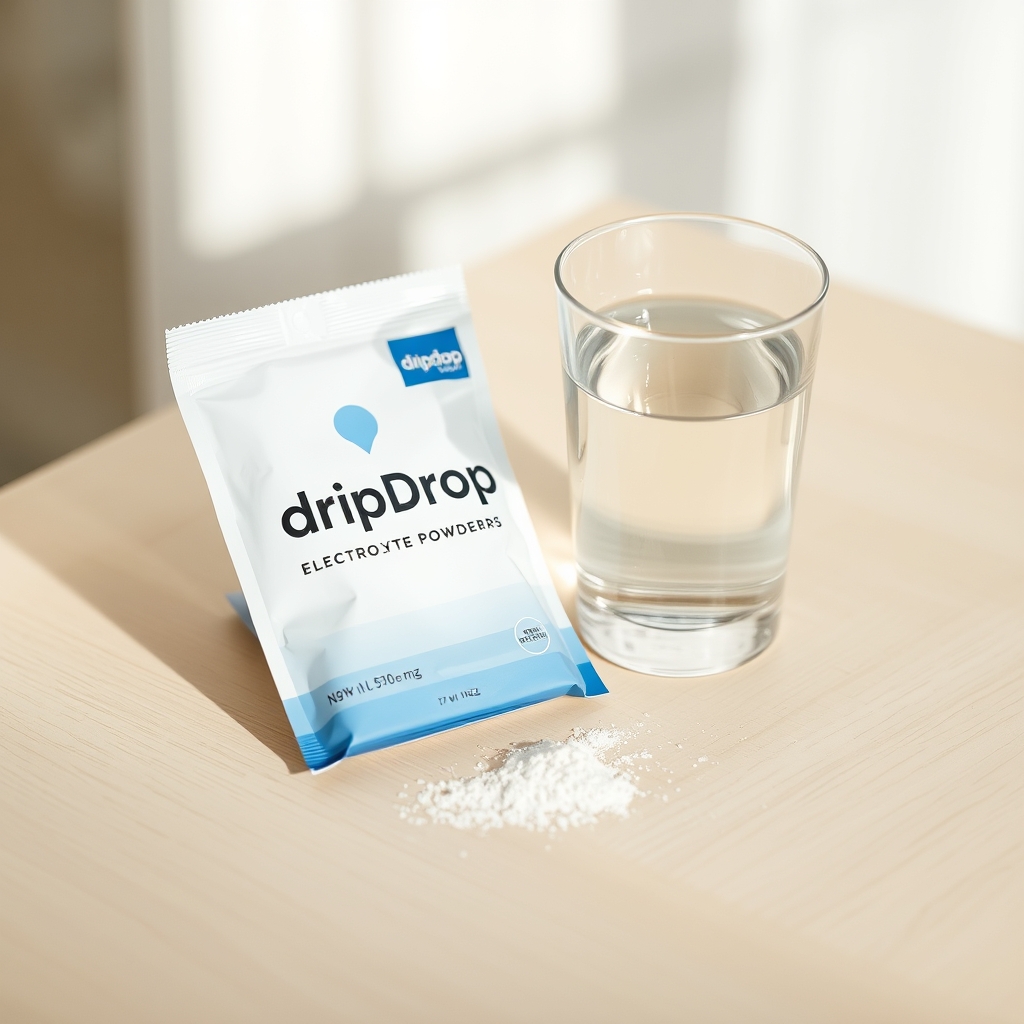
Safe: Dripdrop is considered safe during pregnancy when consumed in moderation—up to 2 packets (≈1 liter) per day, especially in the second and third trimesters.
By Shubhra Mishra — a mom of two who turned her own confusion during pregnancy into BumpBites, a global mission to make food choices clear, safe, and stress-free for every expecting mother. 💛
Check whether any food is safe during pregnancy with the BumpBites Food Safety Checker.
Quick verdict: ⚠️ DripDrop is generally safe during pregnancy in moderation, but its high sodium content means you should limit how much you drink. Most obstetricians recommend sticking to one packet per day unless your provider advises otherwise, especially if you have high blood pressure or swelling.
You’re halfway through a long day, your feet are swollen, and your stomach won’t stop churning. You reach for a packet of DripDrop—the same electrolyte drink you’ve relied on for years—then freeze. Is DripDrop safe during pregnancy? The question hits like a wave of nausea, and suddenly, that familiar orange flavor doesn’t feel so comforting.
If you’ve already sipped a glass today, take a breath. Here’s the good news: DripDrop isn’t on any “avoid during pregnancy” lists from ACOG or the NHS. But it’s not a free-for-all, either. The sodium content is higher than some other electrolyte drinks, which matters if you’re watching your blood pressure or dealing with swelling. Below, we’ll break down exactly how much is safe, which trimesters need extra caution, and what to drink instead if DripDrop isn’t the best fit for your pregnancy.
Trimester / Stage
Verdict
Notes
First trimester
⚠️ Safe with limits
Stick to one packet per day. High sodium may worsen nausea or dehydration if you’re vomiting frequently.
Second trimester
⚠️ Safe with limits
One packet per day is fine for most women. Monitor swelling or blood pressure if you’re at risk for preeclampsia.
Third trimester
⚠️ Safe with limits
Limit to one packet per day, especially if you have swelling or high blood pressure. Choose the low-sodium version if available.
Breastfeeding
✅ Generally safe
One to two packets per day is fine, but stay hydrated with water too. Sodium content is less of a concern while breastfeeding.
What is DripDrop?
DripDrop is an oral rehydration solution (ORS) designed to quickly replace fluids and electrolytes lost during dehydration. It comes in powder form—just mix with water—and is often used to treat mild to moderate dehydration from illnesses like stomach bugs, intense workouts, or travel. Unlike sports drinks, DripDrop follows the World Health Organization’s (WHO) formula for rehydration, which means it has a precise balance of sodium, potassium, and glucose to help your body absorb water more efficiently.
The brand offers several flavors and formulations, including a “low-sodium” version for those watching their salt intake. Each packet contains about 330 mg of sodium (14% of the daily value for non-pregnant adults), which is higher than many other electrolyte drinks. For comparison, Pedialyte has about 240 mg per serving, while coconut water has almost none. This sodium content is why many pregnant women wonder: is DripDrop safe during pregnancy?
Is DripDrop safe during pregnancy?
Current evidence suggests that DripDrop is generally safe for pregnant women when used in moderation. The American College of Obstetricians and Gynecologists (ACOG) doesn’t list DripDrop as a product to avoid during pregnancy, and the ingredients in DripDrop—like sodium, potassium, and glucose—are naturally present in a healthy diet. However, the high sodium content is the main reason you’ll want to limit how much you drink.
Here’s what you need to know about the safety of DripDrop’s ingredients during pregnancy:
Sodium: DripDrop contains 330 mg of sodium per packet (14% DV). While sodium is essential for fluid balance, too much can contribute to swelling (edema) or high blood pressure, both of which are common concerns during pregnancy. The NHS recommends that pregnant women limit sodium intake to no more than 2,000 mg per day, so one packet of DripDrop fits comfortably within that limit. However, if you’re already eating a high-sodium diet or have preeclampsia risk factors, you may need to be more cautious.
Potassium: Each packet contains 180 mg of potassium (4% DV). Potassium is safe during pregnancy and helps regulate blood pressure and muscle function. There’s no evidence that the amount in DripDrop poses any risk.
Glucose: DripDrop uses glucose (a type of sugar) to help your body absorb sodium and water more efficiently. The amount is small—about 9 grams per packet—and is unlikely to affect blood sugar levels in healthy pregnancies. However, if you have gestational diabetes, you may want to opt for the sugar-free version or check with your provider first.
Other ingredients: DripDrop also contains citric acid, natural flavors, and stevia (in some versions). None of these are known to be harmful during pregnancy, though citric acid may trigger heartburn in some women.
The FDA classifies DripDrop as a medical food, which means it’s intended for the dietary management of a specific condition (in this case, dehydration). Medical foods are generally recognized as safe (GRAS) when used as directed, but pregnancy isn’t a “condition” in the same way as, say, a stomach virus. That’s why most obstetricians recommend treating DripDrop like any other electrolyte drink: safe in moderation, but not a daily staple unless you’re actively dehydrated.
Is DripDrop safe to drink during the first trimester?
The first trimester is a critical time for your baby’s development, and it’s also when many women experience nausea, vomiting, and dehydration. If you’re struggling with morning sickness, you might be tempted to reach for DripDrop to replace lost fluids. The good news? DripDrop is safe to drink during the first trimester, but you’ll want to limit it to one packet per day.
Here’s why: The high sodium content in DripDrop can actually make nausea worse for some women, especially if you’re already sensitive to salty foods. If you’re vomiting frequently, your body may be losing more sodium than usual, so DripDrop can help replenish it—but it’s a delicate balance. Too much sodium can leave you feeling bloated or even more dehydrated. The ACOG recommends that pregnant women with severe nausea or hyperemesis gravidarum (extreme morning sickness) stick to bland, low-sodium fluids like water, ginger tea, or Pedialyte until vomiting subsides.
If you’re using DripDrop to manage dehydration from morning sickness, try these tips:
Start with half a packet mixed in 8 ounces of water to see how your stomach handles it.
Sip slowly over 30-60 minutes rather than chugging it.
If you’re vomiting more than 3-4 times a day, call your provider—you may need IV fluids or anti-nausea medication.
Is DripDrop safe to drink during the second trimester?
The second trimester is often called the “honeymoon phase” of pregnancy—your energy is back, morning sickness has (hopefully) faded, and you’re not yet dealing with the discomforts of the third trimester. If you’re reaching for DripDrop during this time, you’re likely using it to stay hydrated during workouts, hot weather, or travel. DripDrop is safe to drink during the second trimester, but again, moderation is key.
By this point, your blood volume has increased by about 50%, which means your body needs more fluids than usual. The ACOG recommends that pregnant women drink about 10 cups (2.3 liters) of fluids per day, but this includes water from food and other beverages. If you’re active, live in a hot climate, or are carrying multiples, you may need even more. DripDrop can help you meet those fluid needs, but it shouldn’t replace plain water entirely.
One thing to watch for in the second trimester is swelling (edema). About 75% of pregnant women experience some swelling in their hands, feet, or ankles, and while it’s usually harmless, excessive swelling can be a sign of preeclampsia (a serious pregnancy complication). Since DripDrop is high in sodium, drinking too much could make swelling worse. If you notice sudden or severe swelling, especially in your face or hands, call your provider right away.
Is DripDrop safe to drink during the third trimester?
The third trimester brings a new set of challenges: heartburn, fatigue, and the constant urge to pee. You might also be dealing with swelling, high blood pressure, or gestational diabetes—all of which can make hydration more complicated. DripDrop is still safe to drink during the third trimester, but you’ll want to be extra mindful of your sodium intake.
By this stage, your baby is growing rapidly, and your body is preparing for labor. Staying hydrated is crucial, but so is keeping your blood pressure in check. The NHS notes that high sodium intake can contribute to hypertension, which is a risk factor for preeclampsia. If you have high blood pressure or are at risk for preeclampsia, your provider may recommend limiting sodium to 1,500 mg per day. In that case, one packet of DripDrop (330 mg) is fine, but you’ll want to avoid other high-sodium foods like processed snacks or canned soups.
Another consideration in the third trimester is gestational diabetes. If you’ve been diagnosed with it, you’ll need to monitor your sugar intake carefully. DripDrop contains about 9 grams of sugar per packet, which is unlikely to cause a spike in blood sugar, but it’s still something to be aware of. If you’re concerned, opt for the sugar-free version or dilute the regular version with extra water.
How much DripDrop can a pregnant woman safely consume each day?
The short answer: one packet of DripDrop per day is safe for most pregnant women. This aligns with the general guidance from obstetricians to limit sodium intake during pregnancy. Here’s a breakdown of what that looks like:
Scenario
Recommended DripDrop Intake
Notes
General hydration
0-1 packet per day
Use only if you’re not getting enough fluids from water or other low-sodium beverages.
Mild dehydration (e.g., after a workout or hot day)
1 packet per day
Follow with plain water to flush out excess sodium.
Moderate dehydration (e.g., vomiting or diarrhea)
1-2 packets per day, max 2 days
If symptoms persist beyond 48 hours, call your provider.
High blood pressure or preeclampsia risk
0-1 packet per day, only if approved by provider
Opt for the low-sodium version if available.
If you’re using DripDrop to manage dehydration from vomiting or diarrhea, it’s okay to drink up to two packets per day for a day or two, but don’t make it a habit. The ACOG advises that pregnant women with persistent vomiting or diarrhea should seek medical attention, as severe dehydration can lead to complications like preterm labor.
For everyday hydration, stick to water as your primary fluid. If you’re craving something with flavor, try infusing your water with fruit (like lemon or cucumber) or opting for a lower-sodium electrolyte drink like coconut water or Nuun tablets.
What are the potential risks of using DripDrop while pregnant?
DripDrop is safe for most pregnant women when used as directed, but there are a few potential risks to be aware of:
High sodium intake: The biggest concern with DripDrop is its sodium content. While one packet per day is unlikely to cause problems, drinking multiple packets daily could contribute to high blood pressure or swelling. The NHS warns that excessive sodium intake during pregnancy may increase the risk of preeclampsia, a condition that can lead to preterm birth or other complications.
Sugar content: Each packet of DripDrop contains about 9 grams of sugar. While this isn’t a lot, it can add up if you’re drinking multiple packets per day or if you have gestational diabetes. The American Diabetes Association recommends that pregnant women with gestational diabetes limit added sugars to 24 grams per day.
Electrolyte imbalance: DripDrop is designed to replenish electrolytes, but drinking too much can actually throw your electrolyte balance off. For example, too much sodium can lead to low potassium levels (hypokalemia), which can cause muscle cramps or irregular heartbeats. This is rare but more likely if you’re drinking DripDrop while also taking diuretics or other medications that affect electrolyte levels.
Nausea or heartburn: Some women find that the taste or sodium content of DripDrop triggers nausea or heartburn, especially in the first trimester. If this happens, try diluting it with extra water or switching to a milder electrolyte drink.
Does DripDrop contain any ingredients that should be avoided during pregnancy?
DripDrop’s ingredient list is short and simple, and none of its components are on the ACOG’s or NHS’s lists of ingredients to avoid during pregnancy. Here’s a breakdown of each ingredient and its safety:
Ingredient
Purpose
Safety During Pregnancy
Dextrose (glucose)
Helps your body absorb sodium and water
✅ Safe in moderation. The amount in DripDrop is unlikely to affect blood sugar.
Sodium citrate
Electrolyte that helps regulate fluid balance
✅ Safe. Sodium is essential during pregnancy, but high intake should be limited.
Potassium citrate
Electrolyte that supports muscle and nerve function
✅ Safe. The amount in DripDrop is well within the recommended daily intake.
Citric acid
Adds tartness and acts as a preservative
✅ Safe. Citric acid is found naturally in citrus fruits and is not harmful during pregnancy, though it may trigger heartburn in some women.
Natural flavors
Enhances taste
✅ Safe. Natural flavors are generally recognized as safe (GRAS) by the FDA.
Stevia leaf extract (in some versions)
Sweetener
✅ Safe. Stevia is a non-nutritive sweetener that is considered safe during pregnancy.
The only ingredient that might raise concerns is sodium citrate, but even that is safe in the amounts found in DripDrop. The key is moderation—one packet per day is fine, but drinking multiple packets daily could lead to excessive sodium intake.
What are safer electrolyte drink alternatives for pregnant women?
If you’re looking for a lower-sodium or more pregnancy-friendly electrolyte drink, here are some safer alternatives to DripDrop:
Pedialyte: Pedialyte is specifically formulated for dehydration and has less sodium than DripDrop (240 mg per serving). It’s a favorite among obstetricians for pregnant women with morning sickness or stomach bugs. Opt for the “AdvancedCare” or “Sport” versions for even lower sodium.
Coconut water: Naturally low in sodium and high in potassium, coconut water is a great option for everyday hydration. Choose 100% pure coconut water with no added sugars. Brands like Harmless Harvest or Vita Coco are popular choices.
Nuun Electrolyte Tablets: Nuun tablets are low in sugar and sodium (100 mg per tablet) and come in pregnancy-safe flavors like lemon-lime and grapefruit. They’re easy to toss in your bag and dissolve in water on the go.
Gatorade Zero: If you’re craving a sports drink, Gatorade Zero has no sugar and only 160 mg of sodium per serving. It’s a good option for post-workout hydration, but it doesn’t have the same rehydration power as DripDrop or Pedialyte.
Ultima Replenisher: This powdered electrolyte drink is sugar-free, low in sodium (55 mg per serving), and comes in flavors like cherry pomegranate and grape. It’s a great option if you’re watching your sugar or sodium intake.
Hydralyte: Hydralyte is another oral rehydration solution similar to DripDrop, but with slightly less sodium (240 mg per serving). It’s available in powder or ready-to-drink forms and is often recommended by providers for dehydration.
Vitaminwater Zero: Vitaminwater Zero is a flavored water with added electrolytes and no sugar. It has 0 mg of sodium and is a good option if you’re looking for something light and refreshing.
When choosing an electrolyte drink, look for options with:
Less than 200 mg of sodium per serving
No added sugars or artificial sweeteners (unless you’re opting for a sugar-free version)
Ingredients you recognize (avoid long lists of additives or preservatives)
How does DripDrop compare to other electrolyte powders for pregnant users?
Not all electrolyte drinks are created equal, especially when it comes to pregnancy. Here’s how DripDrop stacks up against other popular electrolyte powders and drinks:
Product
Sodium (mg per serving)
Sugar (g per serving)
Pregnancy Safety Notes
DripDrop
330
9
⚠️ Safe in moderation (1 packet/day). High sodium may worsen swelling or high blood pressure.
Pedialyte
240
9
✅ Generally safe. Lower sodium than DripDrop and often recommended by obstetricians.
500
11
❌ Best avoided. Very high sodium and sugar content.
Nuun Sport
300
1
⚠️ Safe in moderation. Lower sugar than DripDrop but still high in sodium.
Ultima Replenisher
55
0
✅ Generally safe. Very low sodium and sugar-free.
Gatorade Thirst Quencher
160
21
⚠️ Safe in moderation. High sugar content may not be ideal for gestational diabetes.
Gatorade Zero
160
0
✅ Generally safe. No sugar and lower sodium than DripDrop.
Hydralyte
240
6
✅ Generally safe. Similar to Pedialyte but with slightly less sugar.
If you’re choosing between DripDrop and another electrolyte drink, consider your specific needs:
For dehydration from vomiting or diarrhea: Pedialyte or Hydralyte are better choices because they’re lower in sodium and designed specifically for rehydration.
For everyday hydration: Coconut water or Ultima Replenisher are great low-sodium options.
For post-workout recovery: Nuun tablets or Gatorade Zero are good choices if you’re looking for something light and refreshing.
For high blood pressure or swelling: Avoid DripDrop and Liquid I.V. Opt for Ultima Replenisher or coconut water instead.
Related items — safety at a glance
If you’re wondering how DripDrop compares to other electrolyte drinks, here’s a quick safety snapshot:
Item
Verdict
Notes
Pedialyte
✅ Generally safe
Lower sodium than DripDrop and often recommended by obstetricians for dehydration.
Nuun
⚠️ Safe with limits
Lower sugar than DripDrop but still high in sodium. Stick to one tablet per day.
Liquid I.V.
❌ Best avoided
Very high in sodium (500 mg per serving) and sugar. Not ideal for pregnancy.
Ultima Replenisher
✅ Generally safe
Very low sodium and sugar-free. A great alternative to DripDrop.
Gatorade
⚠️ Safe with limits
High sugar content may not be ideal for gestational diabetes. Opt for Gatorade Zero.
Powerade
⚠️ Safe with limits
Similar to Gatorade but with slightly less sodium. Still high in sugar.
Hydralyte
✅ Generally safe
Lower sodium than DripDrop and designed for rehydration.
Coconut Water
✅ Generally safe
Naturally low in sodium and high in potassium. Choose 100% pure with no added sugars.
Emergen-C Electrolyte Boost
⚠️ Safe with limits
Contains 250 mg of sodium per serving. Lower than DripDrop but still high for daily use.
Myth vs. fact
Myth: DripDrop is unsafe during pregnancy because it’s a “medical food.”
Fact: DripDrop is classified as a medical food by the FDA, but that doesn’t mean it’s unsafe during pregnancy. Medical foods are designed to manage specific conditions (like dehydration) and are generally recognized as safe when used as directed. The key is moderation—one packet per day is fine for most pregnant women, but it’s not a substitute for water or a balanced diet.
Myth: The sodium in DripDrop will cause preeclampsia.
Fact: While high sodium intake can contribute to high blood pressure, one packet of DripDrop per day is unlikely to cause preeclampsia. Preeclampsia is a complex condition with multiple risk factors, including genetics, obesity, and pre-existing hypertension. If you’re at risk for preeclampsia, your provider will monitor your blood pressure and sodium intake closely.
Myth: You should drink DripDrop every day during pregnancy to stay hydrated.
Fact: DripDrop is safe in moderation, but it’s not necessary to drink it every day. Water should be your primary source of hydration during pregnancy. Use DripDrop only when you’re dehydrated or need extra electrolytes, like after a workout or during a stomach bug.
Key takeaways
DripDrop is generally safe during pregnancy when used in moderation. Stick to one packet per day unless your provider advises otherwise.
The high sodium content is the main concern. If you have high blood pressure, swelling, or preeclampsia risk factors, opt for a lower-sodium alternative like Pedialyte or coconut water.
DripDrop is safe in all trimesters, but the first trimester may require extra caution. If you’re nauseous or vomiting, start with half a packet and sip slowly.
There are plenty of safer electrolyte alternatives. Pedialyte, coconut water, and Nuun tablets are all great options with lower sodium or sugar content.
Water should still be your primary source of hydration. Use DripDrop only when you need extra electrolytes, like after a workout or during illness.
Always check with your provider if you’re unsure. If you have gestational diabetes, high blood pressure, or other pregnancy complications, your provider can help you choose the safest hydration strategy.
Frequently asked questions
Can pregnant women drink DripDrop?
Yes, pregnant women can drink DripDrop, but it’s best to limit it to one packet per day. The high sodium content means it’s not ideal for daily use, especially if you have high blood pressure or swelling. If you’re using it to manage dehydration from vomiting or diarrhea, one to two packets per day is fine for a day or two, but call your provider if symptoms persist.
What are the side effects of DripDrop during pregnancy?
The most common side effects of DripDrop during pregnancy are nausea, bloating, or heartburn, especially in the first trimester. The high sodium content can also contribute to swelling (edema) or high blood pressure if you drink too much. In rare cases, excessive sodium intake could lead to an electrolyte imbalance, which may cause muscle cramps or irregular heartbeats.
Is DripDrop high in sodium?
Yes, DripDrop is high in sodium compared to other electrolyte drinks. Each packet contains 330 mg of sodium, which is about 14% of the daily value for non-pregnant adults. For comparison, Pedialyte has 240 mg per serving, and coconut water has almost none. If you’re watching your sodium intake, opt for a lower-sodium alternative like Ultima Replenisher or coconut water.
Can DripDrop cause morning sickness?
DripDrop itself doesn’t cause morning sickness, but its taste or sodium content may make nausea worse for some women. If you’re prone to morning sickness, try diluting DripDrop with extra water or sipping it slowly over time. If you’re vomiting frequently, stick to bland fluids like water, ginger tea, or Pedialyte until symptoms improve.
Are there pregnancy-safe electrolyte drinks?
Yes, there are several pregnancy-safe electrolyte drinks, including Pedialyte, coconut water, Nuun tablets, and Ultima Replenisher. These options are lower in sodium and sugar than DripDrop, making them better choices for everyday hydration. Always check the label for added sugars or artificial ingredients, and opt for versions with no or low sugar if you have gestational diabetes.
Should I avoid DripDrop if I have high blood pressure while pregnant?
If you have high blood pressure or preeclampsia risk factors, it’s best to avoid DripDrop or limit it to one packet per day. The high sodium content could contribute to hypertension or swelling. Instead, opt for a lower-sodium electrolyte drink like Pedialyte, coconut water, or Ultima Replenisher. Always check with your provider before using any electrolyte drink if you have high blood pressure.
What is the recommended daily intake of DripDrop for pregnant women?
The recommended daily intake of DripDrop for pregnant women is one packet per day. This aligns with the general guidance to limit sodium intake during pregnancy. If you’re using DripDrop to manage dehydration from vomiting or diarrhea, you can drink up to two packets per day for a day or two, but don’t make it a habit. For everyday hydration, stick to water as your primary fluid.
When to call your doctor
While DripDrop is safe for most pregnant women, there are a few situations where you should call your provider:
You’ve been vomiting or have diarrhea for more than 24 hours, even after drinking DripDrop or other electrolyte drinks.
You notice sudden or severe swelling in your hands, feet, or face, especially if it’s accompanied by a headache or vision changes (these could be signs of preeclampsia).
You have high blood pressure or are at risk for preeclampsia, and you’re unsure whether DripDrop is safe for you.
You experience muscle cramps, irregular heartbeats, or other signs of an electrolyte imbalance after drinking DripDrop.
You have gestational diabetes and are concerned about the sugar content in DripDrop.
Remember, this article is for informational purposes only and is not a substitute for professional medical advice. Always check with your provider before using any new product during pregnancy, especially if you have underlying health conditions or pregnancy complications.
References
American College of Obstetricians and Gynecologists (ACOG). (2021). Nutrition During Pregnancy.
National Health Service (NHS). (2023). Foods to Avoid in Pregnancy.
U.S. Food and Drug Administration (FDA). (2022). Medical Foods: General Information.
World Health Organization (WHO). (2021). Oral Rehydration Salts: Production of the New ORS.
Mayo Clinic. (2023). Dehydration During Pregnancy: Signs, Symptoms, and Prevention.
American Diabetes Association. (2023). Gestational Diabetes: Nutrition Guidelines.
National Institute for Health and Care Excellence (NICE). (2022). Hypertension in Pregnancy: Diagnosis and Management.
DripDrop is safe in moderation—just one packet per day is enough to replenish electrolytes without overdoing sodium.Coconut water is a refreshing, low-sodium alternative to DripDrop—perfect for everyday hydration during pregnancy.
Not sure about the label on Is Dripdrop Safe During Pregnancy products?
Snap the ingredients list and SafeFilter checks every ingredient for your stage — only 3 free scans this month, then you're locked until reset. Unlimited from $7/mo or $50/yr.
When Shubhra Mishra was expecting her first child in 2016, she was overwhelmed by conflicting food advice — one site said yes, another said never. By the time her second baby arrived in 2019, she realized millions of mothers face the same confusion.
That sparked a five-year journey through clinical nutrition papers, cultural diets, and expert conversations — all leading to BumpBites: a calm, compassionate space where science meets everyday motherhood.
Her long-term vision is to build a global community ensuring safe, supported, and free deliveriesfor every mother — because no woman should face pregnancy alone or uninformed. 🌿
🌍 Stand with mothers, shape safer guidance
Join a small circle of experts who review BumpBites articles so expecting parents everywhere can decide with confidence.