

Quick verdict: ⚠️ Dragon boating is generally safe with modifications during pregnancy, but it’s not risk-free. Most obstetricians recommend switching to lower-impact water activities—especially in the first and third trimesters—due to risks like abdominal trauma, falls, and overheating. If you’re already an experienced paddler, recreational (not competitive) dragon boating *may* be okay with your provider’s approval, close monitoring, and adjustments to intensity.
You’re scrolling through your phone at 11 p.m., heart pounding. Maybe you just found out you’re pregnant and your dragon boating team’s big race is next weekend. Or maybe you’ve been paddling for years and can’t imagine giving it up for nine months. The question gnawing at you: is dragon boating safe during pregnancy?
Take a breath. We’ve got you. This isn’t just another generic “exercise during pregnancy” article—it’s a deep dive into dragon boating specifically, with trimester-by-trimester guidance, real risks (and how to minimize them), and safer alternatives that still let you enjoy the water. We’ll also cover what to do if you’ve already been paddling, what your doctor is likely to say, and the exact signs that mean it’s time to stop. By the end, you’ll know whether dragon boating fits into your pregnancy plan—or whether it’s time to trade your paddle for a pool noodle.
| Trimester | Verdict | Notes |
|---|---|---|
| First trimester (weeks 1–12) | ⚠️ Caution advised | Highest risk of miscarriage; balance changes and nausea may increase fall risk. Avoid competitive or high-intensity sessions. |
| Second trimester (weeks 13–26) | ✅ Generally safe with modifications | Lower miscarriage risk, but core stability and balance are still concerns. Stick to recreational paddling and avoid sprints. |
| Third trimester (weeks 27–40) | ⚠️ Caution advised | Increased risk of falls, preterm labor, and abdominal trauma. Most providers recommend stopping or switching to seated, low-impact water activities. |
| Breastfeeding | ✅ Generally safe | No known risks, but stay hydrated and avoid overheating. Listen to your body—fatigue and joint laxity may persist postpartum. |
What is dragon boating?
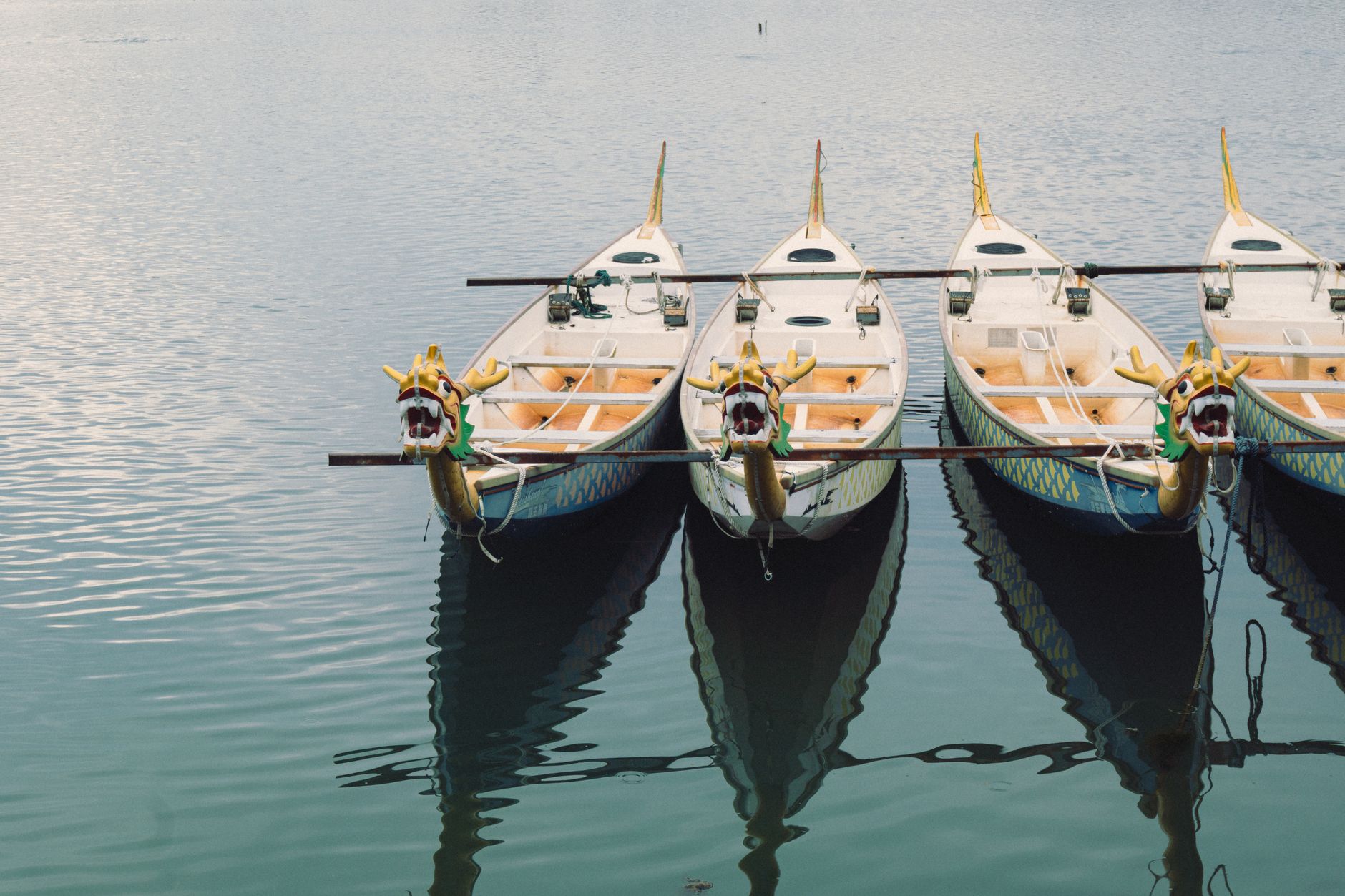
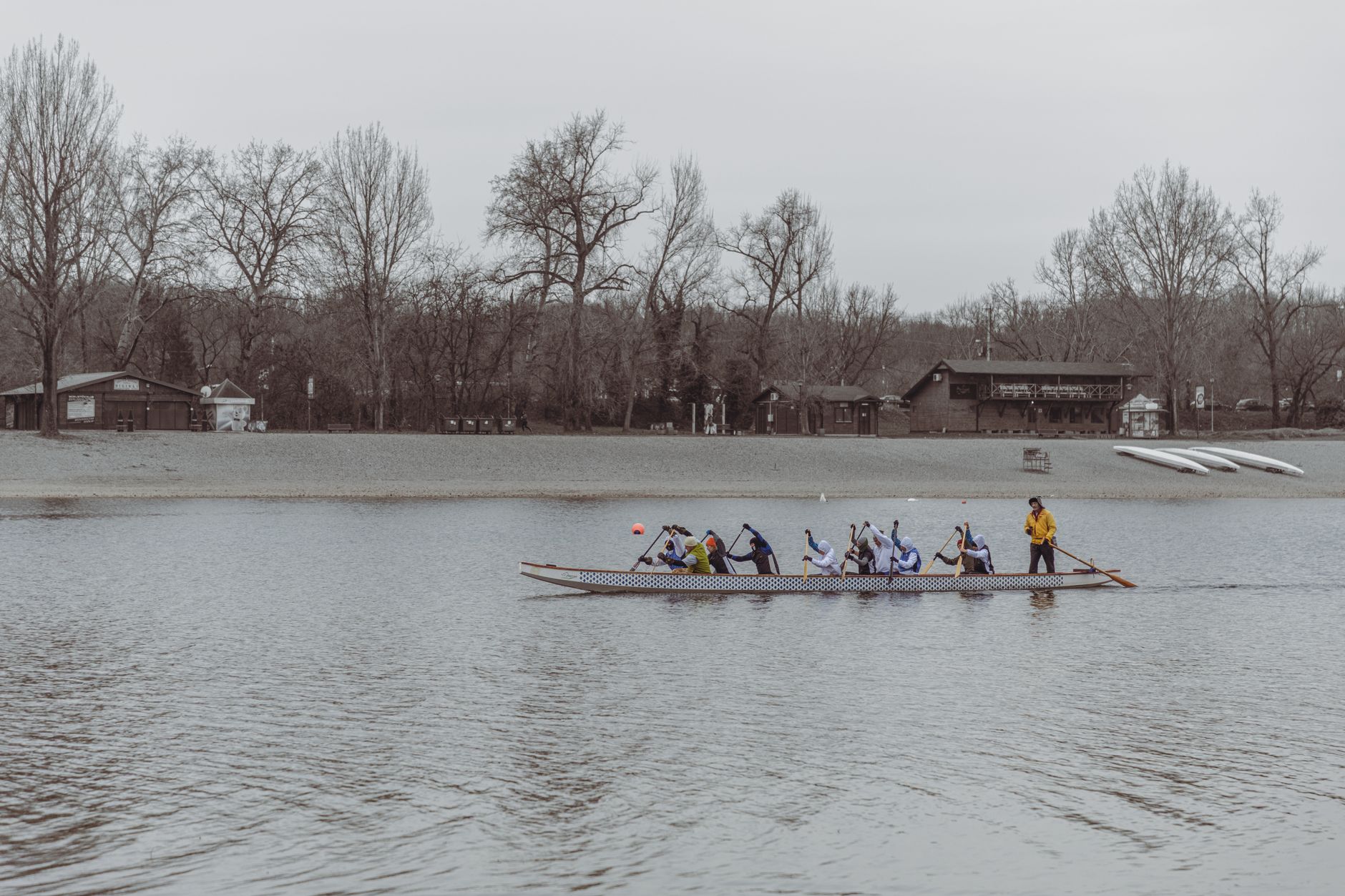
Dragon boating is a team water sport that originated in China over 2,000 years ago. Today, it’s a global phenomenon, with teams of 10–20 paddlers (plus a drummer and a steerer) racing in long, narrow boats decorated with dragon heads. Races are typically 200–500 meters, and the sport is known for its high energy, synchronized paddling, and community vibe.
Physically, dragon boating is a full-body workout. It engages your core, arms, shoulders, and back, and it’s loud—the drumbeat sets the pace, and the intensity can range from leisurely paddles to all-out sprints. Recreational teams often focus on fun and fitness, while competitive teams train rigorously for races. The boats themselves are stable but not immune to tipping, especially in rough water or during sharp turns.
For many, dragon boating is more than a sport—it’s a social outlet, a stress reliever, and a way to connect with nature. But when you’re pregnant, the question becomes: does the joy outweigh the risks?
Is dragon boating safe during pregnancy?
First, the good news: moderate exercise during pregnancy is encouraged. ACOG recommends at least 150 minutes of moderate-intensity aerobic activity per week for most pregnant people, citing benefits like reduced back pain, lower risk of gestational diabetes, and improved mood. Water sports, in particular, are often recommended because the buoyancy reduces joint stress and the risk of overheating.
But dragon boating has unique risks that set it apart from, say, swimming or water aerobics. Here’s what makes it trickier:
- Abdominal trauma risk: The repetitive twisting motion of paddling, combined with the potential for falls or collisions, could theoretically increase the risk of placental abruption (when the placenta separates from the uterus). While rare, this is a serious complication that can lead to preterm labor or fetal distress.
- Balance and falls: Your center of gravity shifts as your belly grows, making you more prone to losing your balance—especially in a moving boat. Falls in dragon boating are uncommon but not unheard of, and a hard impact could harm you or the baby.
- Overheating: Dragon boating is intense, and overheating is a real concern, especially in hot or humid conditions. Elevated core body temperature (hyperthermia) in the first trimester has been linked to neural tube defects, though the risk is low with moderate activity.
- Intensity: Competitive dragon boating often involves sprints, high-intensity intervals, and long training sessions—all of which can lead to dehydration, exhaustion, or even uterine contractions in some cases.
So, what do doctors say? Most obstetricians take a case-by-case approach. Dr. Sarah Yamaguchi, an OB-GYN and spokesperson for ACOG, puts it this way: “If you’re an experienced dragon boater with an uncomplicated pregnancy, recreational paddling in the second trimester is probably fine with modifications. But if you’re new to the sport, have a high-risk pregnancy, or are in your first or third trimester, we’d recommend switching to something lower-impact.”
The NHS echoes this, noting that while “most water sports are safe during pregnancy,” activities with a risk of abdominal trauma or falling should be approached with caution. The key word? Caution.
Is dragon boating safe in the first trimester of pregnancy?
The first trimester (weeks 1–12) is the highest-risk window for most activities, and dragon boating is no exception. Here’s why:
- Miscarriage risk: About 10–20% of known pregnancies end in miscarriage, most in the first trimester. While exercise doesn’t cause miscarriage, high-impact or high-risk activities could theoretically increase the risk if they lead to trauma or overheating.
- Nausea and fatigue: Morning sickness and exhaustion can make it harder to stay balanced in the boat, increasing the risk of falls.
- Neural tube development: The baby’s brain and spinal cord are forming, and overheating (even from intense exercise) could theoretically interfere with this process, though the risk is low with moderate activity.
Verdict: Most providers recommend avoiding dragon boating in the first trimester, especially if you’re new to the sport or experiencing nausea, dizziness, or fatigue. If you’re an experienced paddler with an uncomplicated pregnancy, you might be able to continue with major modifications:
- Stick to recreational paddling only—no races, sprints, or high-intensity sessions.
- Paddle in calm, shallow water to reduce the risk of falls or collisions.
- Avoid long sessions—20–30 minutes max, with plenty of breaks.
- Stay hydrated and monitor your core temperature. If you feel overheated, stop immediately.
- Wear a well-fitted life jacket at all times, even if you’re a strong swimmer.
If you’ve already been dragon boating in your first trimester and feel fine, don’t panic. The risk of harm is low, especially if you’ve been taking precautions. But moving forward, it’s worth talking to your provider about whether to continue—or switch to a safer alternative.
Can you do dragon boating in the second trimester?
The second trimester (weeks 13–26) is often called the “honeymoon phase” of pregnancy. For many, nausea fades, energy returns, and the risk of miscarriage drops significantly. This is also the trimester when most providers give the green light for modified exercise, including dragon boating—with caveats.
Here’s what’s different in the second trimester:
- Lower miscarriage risk: The risk of miscarriage drops to about 1–5% after week 12.
- More energy: Many people feel their best during this trimester, making it easier to stay active.
- Growing belly: Your center of gravity is shifting, which can affect your balance in the boat. Falls are still a concern, especially as your bump gets bigger.
- Joint laxity: The hormone relaxin loosens your ligaments, making you more prone to strains or sprains—especially in your hips, knees, and lower back.
Verdict: Dragon boating is generally safer in the second trimester than in the first or third, but it’s still not risk-free. Most providers will okay it if:
- You’re an experienced paddler (not a beginner).
- Your pregnancy is low-risk (no history of preterm labor, placental issues, or other complications).
- You stick to recreational paddling—no races, sprints, or high-intensity training.
- You modify your technique to reduce strain on your core and lower back (more on this below).
- You listen to your body and stop if you feel dizzy, short of breath, or experience contractions.
If you’re new to dragon boating, this isn’t the time to start. The learning curve—combined with the physical changes of pregnancy—could increase your risk of falls or injury.
Is dragon boating safe during the third trimester?
The third trimester (weeks 27–40) is when things get real. Your belly is big, your balance is off, and your joints are looser than ever. The risks of dragon boating—falls, abdominal trauma, overheating—are at their highest, and most providers recommend switching to lower-impact activities.
Here’s what’s different in the third trimester:
- Preterm labor risk: While rare, vigorous exercise in the third trimester can sometimes trigger contractions, especially if you’re already at risk for preterm labor.
- Balance challenges: Your center of gravity shifts forward, making it harder to stay stable in a moving boat. Falls are more likely—and more dangerous—now.
- Abdominal trauma risk: Your belly is more exposed, and even a minor bump or twist could potentially affect the baby or placenta.
- Fatigue: You’re carrying extra weight, and your energy levels may dip, making it harder to keep up with the intensity of dragon boating.
Verdict: Most obstetricians recommend avoiding dragon boating in the third trimester, especially after week 32. If you’re determined to keep paddling, here’s how to minimize risks:
- Switch to seated, low-impact water activities like a stationary rowing machine or a recumbent bike in the pool.
- If you must dragon boat, stick to short, leisurely paddles in calm water, with a life jacket and a buddy nearby.
- Avoid anything that strains your core, like deep twists or powerful strokes.
- Stop immediately if you feel contractions, dizziness, or pelvic pressure.
Remember: the goal in the third trimester is maintaining fitness, not pushing limits. If you’re missing the team aspect of dragon boating, consider joining a prenatal yoga or water aerobics class—you’ll get the social benefits without the risks.
How many times a week is dragon boating safe while pregnant?
If you’ve gotten the green light from your provider to continue dragon boating, the next question is: how often is safe? The answer depends on your trimester, fitness level, and whether you’re paddling recreationally or competitively.
Here’s a general guideline, based on ACOG’s recommendations for exercise during pregnancy:
| Trimester | Recreational paddling | Competitive paddling |
|---|---|---|
| First trimester | 1–2x/week, 20–30 min/session | ❌ Not recommended |
| Second trimester | 2–3x/week, 30–45 min/session | ⚠️ 1x/week max, with provider approval |
| Third trimester | ⚠️ 1x/week max, 20 min/session | ❌ Not recommended |
Key considerations:
- Intensity matters more than frequency. A 20-minute leisurely paddle is safer than a 10-minute sprint.
- Listen to your body. If you’re exhausted, sore, or experiencing contractions, skip the session.
- Hydrate, hydrate, hydrate. Dehydration can trigger contractions, so drink water before, during, and after paddling.
- Avoid back-to-back days. Give your body time to recover between sessions.
If you’re used to paddling 4–5 times a week, this might feel like a big adjustment. But remember: pregnancy is temporary. The goal is to stay active safely, not to maintain your pre-pregnancy fitness level at all costs.
What are the risks of dragon boating while pregnant?
Dragon boating isn’t inherently dangerous during pregnancy, but it does come with unique risks that other water sports (like swimming or water aerobics) don’t. Here’s what you need to know:
1. Abdominal trauma and placental abruption
The biggest concern with dragon boating is the risk of abdominal trauma, which could potentially lead to placental abruption (when the placenta separates from the uterus). While rare, this is a medical emergency that can cause heavy bleeding, preterm labor, or fetal distress.
How it happens in dragon boating:
- A fall or collision in the boat.
- Repetitive twisting motions during paddling.
- A paddle hitting your belly (especially in crowded boats).
Risk level: Low, but not zero. The risk is highest in the third trimester, when your belly is most exposed.
2. Falls and balance issues
Your center of gravity shifts as your belly grows, making you more prone to losing your balance—especially in a moving boat. Falls in dragon boating are uncommon, but they can happen, especially if:
- The water is choppy or the boat is unstable.
- You’re standing up or shifting positions in the boat.
- You’re fatigued or dizzy.
Risk level: Moderate, especially in the first and third trimesters. Wearing a life jacket and avoiding sharp turns can help.
3. Overheating and dehydration
Dragon boating is intense, and overheating is a real concern, especially in hot or humid conditions. Elevated core body temperature (hyperthermia) in the first trimester has been linked to neural tube defects, though the risk is low with moderate activity.
Signs of overheating:
- Dizziness or lightheadedness.
- Flushed skin or excessive sweating.
- Nausea or headache.
- Muscle cramps.
Risk level: Moderate. Stay hydrated, wear breathable clothing, and take breaks in the shade.
4. Preterm labor
Vigorous exercise in the third trimester can sometimes trigger contractions, especially if you’re already at risk for preterm labor. While dragon boating isn’t a known cause of preterm labor, the combination of intensity, dehydration, and abdominal strain could theoretically contribute.
Signs of preterm labor:
- Regular contractions (more than 4–6 per hour).
- Pelvic pressure or lower back pain.
- Vaginal spotting or fluid leakage.
Risk level: Low to moderate. Stop paddling immediately if you experience any of these symptoms.
5. Joint and muscle strains
The hormone relaxin loosens your ligaments during pregnancy, making you more prone to strains or sprains. Dragon boating engages your core, shoulders, and back, which can be problematic if you overdo it.
Risk level: Moderate. Modify your technique to reduce strain (e.g., avoid deep twists, use your legs more than your core).
What are safer alternatives to dragon boating during pregnancy?
If you’ve decided to take a break from dragon boating (or your provider has recommended it), don’t worry—there are plenty of safer ways to stay active, enjoy the water, and even get a similar workout. Here are our top picks, all backed by ACOG and NHS guidelines for pregnancy-safe exercise:
-
Prenatal yoga:
Gentle on your joints and great for balance, flexibility, and relaxation. Look for classes specifically designed for pregnancy, which avoid poses that strain your core or compress your belly.
-
Swimming:
The ultimate pregnancy workout. The water supports your weight, reducing joint stress, and the buoyancy helps with swelling. Bonus: it’s safe in all trimesters.
-
Walking:
Simple, free, and effective. Aim for 30 minutes a day, and choose flat, even surfaces to reduce fall risk. Walking in a pool (waist-deep water) adds resistance without impact.
-
Stationary cycling:
Low-impact and safe for your joints, but skip the outdoor bike—your shifting balance makes falls more likely. A recumbent bike (with back support) is an even safer option.
-
Water aerobics:
Combines the benefits of swimming with the social aspect of a class. The water’s resistance gives you a workout without straining your joints or core.
-
Pilates for pregnancy:
Focuses on core strength, posture, and pelvic floor health—all crucial during pregnancy. Avoid advanced moves that require lying flat on your back after the first trimester.
-
Elliptical machine:
Mimics the motion of running without the impact. Use the handles for balance, and keep the resistance low to moderate.
-
Prenatal stretching:
Helps with flexibility, circulation, and relaxation. Focus on gentle stretches for your hips, back, and legs—avoid deep twists or anything that compresses your belly.
If you’re missing the team aspect of dragon boating, consider joining a prenatal fitness class or a walking group. Many communities also have pregnancy-friendly sports teams (like prenatal volleyball or soccer leagues) that focus on fun and camaraderie over competition.
Does dragon boating increase the risk of miscarriage?
This is one of the most common—and most anxiety-inducing—questions about dragon boating during pregnancy. The short answer: there’s no strong evidence that dragon boating causes miscarriage, but the risks associated with the sport (falls, abdominal trauma, overheating) could theoretically contribute in rare cases.
Here’s what the research says:
- Exercise in general: A 2019 study published in the American Journal of Obstetrics & Gynecology found that moderate exercise does not increase the risk of miscarriage in uncomplicated pregnancies. In fact, regular physical activity was associated with a lower risk of miscarriage in some studies.
- High-impact or high-risk activities: The same study noted that activities with a risk of abdominal trauma or falling (like horseback riding or skiing) might increase miscarriage risk, though the evidence is limited.
- Overheating: Animal studies suggest that prolonged hyperthermia (core body temperature above 102°F/38.9°C) in early pregnancy could increase the risk of neural tube defects, but human data is lacking. Most experts agree that moderate exercise is unlikely to cause overheating, especially in water sports.
So, what does this mean for dragon boating? ACOG’s stance is that exercise is safe during pregnancy unless you have a high-risk condition, but they also caution against activities with a risk of falling or abdominal trauma. Dragon boating falls into a gray area—it’s not as risky as, say, downhill skiing, but it’s not as safe as swimming.
Bottom line: if you’re an experienced paddler with an uncomplicated pregnancy, dragon boating is unlikely to increase your miscarriage risk. But if you’re new to the sport, have a history of miscarriage, or are in your first trimester, it’s worth erring on the side of caution and choosing a lower-impact activity.
Can dragon boating cause preterm labor?
Preterm labor (labor before 37 weeks) is a concern for many pregnant people, especially when it comes to exercise. The good news: there’s no evidence that dragon boating causes preterm labor in uncomplicated pregnancies. But the risks associated with the sport—intensity, dehydration, abdominal strain—could theoretically contribute in some cases.
Here’s what you need to know:
- Exercise and preterm labor: A 2020 meta-analysis in the Journal of Obstetrics and Gynaecology Canada found that moderate exercise does not increase the risk of preterm labor in low-risk pregnancies. In fact, regular physical activity was associated with a lower risk of preterm birth in some studies.
- High-intensity exercise: The same analysis noted that vigorous exercise in the third trimester might increase the risk of preterm labor in some cases, though the evidence is mixed. Competitive dragon boating, with its sprints and high-intensity intervals, could fall into this category.
- Dehydration and overheating: Both can trigger contractions, which could potentially lead to preterm labor if you’re already at risk. Staying hydrated and avoiding overheating are key.
- Abdominal trauma: While rare, a hard fall or collision in the boat could potentially cause placental abruption, which is a known cause of preterm labor.
Verdict: If you’re paddling recreationally and staying hydrated, dragon boating is unlikely to cause preterm labor. But if you’re in your third trimester, have a history of preterm labor, or are experiencing contractions, it’s best to switch to a lower-impact activity.
What do doctors say about dragon boating and pregnancy?
Most obstetricians take a case-by-case approach to dragon boating during pregnancy. Here’s what they typically consider:
- Your experience level: If you’re an experienced paddler, your provider is more likely to okay modified dragon boating than if you’re a beginner.
- Your trimester: First and third trimesters are higher-risk; second trimester is usually the safest window.
- Your pregnancy risk level: If you have a history of preterm labor, placental issues, or other complications, your provider will likely recommend avoiding dragon boating.
- Intensity: Recreational paddling is safer than competitive training or races.
- Your comfort level: If you’re feeling nauseous, dizzy, or fatigued, your provider will likely recommend taking a break.
Here’s what some experts say:
- ACOG: “Most water sports are safe during pregnancy, but activities with a risk of abdominal trauma or falling should be approached with caution.”
- NHS (UK): “Avoid sports where there’s a risk of being hit in the stomach, such as kickboxing, judo, or squash. Dragon boating isn’t specifically mentioned, but the same principle applies.”
- Dr. Sarah Yamaguchi, OB-GYN: “If you’re an experienced dragon boater with an uncomplicated pregnancy, recreational paddling in the second trimester is probably fine with modifications. But if you’re new to the sport or have any complications, I’d recommend switching to something lower-impact.”
Bottom line: talk to your provider. They know your medical history and can give you personalized advice. If they’re hesitant about dragon boating, ask about safer alternatives that still let you stay active.
Is recreational dragon boating safer than competitive during pregnancy?
Yes—recreational dragon boating is significantly safer than competitive during pregnancy. Here’s why:
| Factor | Recreational | Competitive |
|---|---|---|
| Intensity | Low to moderate | High (sprints, intervals, long sessions) |
| Risk of overheating | Low | Moderate to high |
| Risk of falls/collisions | Low (calm water, slower pace) | Moderate (rough water, sharp turns, crowded boats) |
| Abdominal strain | Low (gentler strokes, shorter sessions) | Moderate to high (powerful strokes, repetitive twisting) |
| Provider approval | More likely | Less likely (most recommend avoiding) |
If you’re used to competitive dragon boating, switching to recreational paddling might feel like a letdown. But remember: pregnancy is temporary. The goal is to stay active safely, not to maintain your pre-pregnancy fitness level at all costs. Plus, recreational paddling still gives you the social and mental health benefits of the sport—without the risks.
If you’re on a competitive team, talk to your coach about modifying your role. Maybe you can steer the boat (a seated position) or drum (also seated) instead of paddling. Many teams are happy to accommodate pregnant members—you just have to ask.
Safer alternatives to dragon boating during pregnancy
If you’ve decided to take a break from dragon boating (or your provider has recommended it), don’t worry—there are plenty of ways to stay active, enjoy the water, and even get a similar workout. Here are our top picks, all backed by ACOG and NHS guidelines:
-
Swimming:
The ultimate pregnancy workout. The water supports your weight, reducing joint stress, and the buoyancy helps with swelling. Bonus: it’s safe in all trimesters. Try a prenatal swim class for extra social benefits.
-
Water aerobics:
Combines the benefits of swimming with the social aspect of a class. The water’s resistance gives you a workout without straining your joints or core. Look for prenatal-specific classes if available.
-
Prenatal yoga:
Gentle on your joints and great for balance, flexibility, and relaxation. Avoid poses that strain your core or compress your belly (like deep twists or inversions). Many studios offer prenatal-specific classes.
-
Walking:
Simple, free, and effective. Aim for 30 minutes a day, and choose flat, even surfaces to reduce fall risk. Walking in a pool (waist-deep water) adds resistance without impact.
-
Stationary cycling:
Low-impact and safe for your joints, but skip the outdoor bike—your shifting balance makes falls more likely. A recumbent bike (with back support) is an even safer option.
-
Pilates for pregnancy:
Focuses on core strength, posture, and pelvic floor health—all crucial during pregnancy. Avoid advanced moves that require lying flat on your back after the first trimester. Look for prenatal-specific classes.
- Ellipt

