Limit diet soda during pregnancy, especially in the first trimester due to artificial sweeteners and caffeine dosage
By Shubhra Mishra — a mom of two who turned her own confusion during pregnancy into BumpBites, a global mission to make food choices clear, safe, and stress-free for every expecting mother. 💛
Check whether any food is safe during pregnancy with the BumpBites Food Safety Checker.
Quick verdict: ⚠️ Diet soda is safe in moderation during pregnancy, but it’s best to limit your intake. Most obstetricians recommend no more than one 12-ounce can per day due to concerns about artificial sweeteners and caffeine. If you’re craving the fizz, safer alternatives like sparkling water or infused fruit water can help you cut back without feeling deprived.
You’re standing in the grocery aisle, staring at the diet soda section, wondering: Is this safe? Did I drink too much last week? What if I just really want one right now? If you’ve Googled “is diet soda safe during pregnancy” at 11 pm, you’re not alone. Many expecting parents worry about the artificial sweeteners, caffeine, and other additives in their favorite zero-calorie drinks—and whether those ingredients could affect their baby’s development.
Here’s the good news: you don’t need to panic if you’ve already had a diet soda or two. Current guidelines from the American College of Obstetricians and Gynecologists (ACOG) and the UK’s National Health Service (NHS) agree that occasional diet soda is unlikely to harm your baby. But “occasional” is the key word. In this article, we’ll break down how much is safe, which ingredients to watch for, and what to drink instead if you’re trying to cut back. We’ll also cover the latest research on artificial sweeteners, caffeine, and whether diet soda could raise your risk of gestational diabetes. By the end, you’ll have a clear plan—and permission to stop stressing over that can in your fridge.
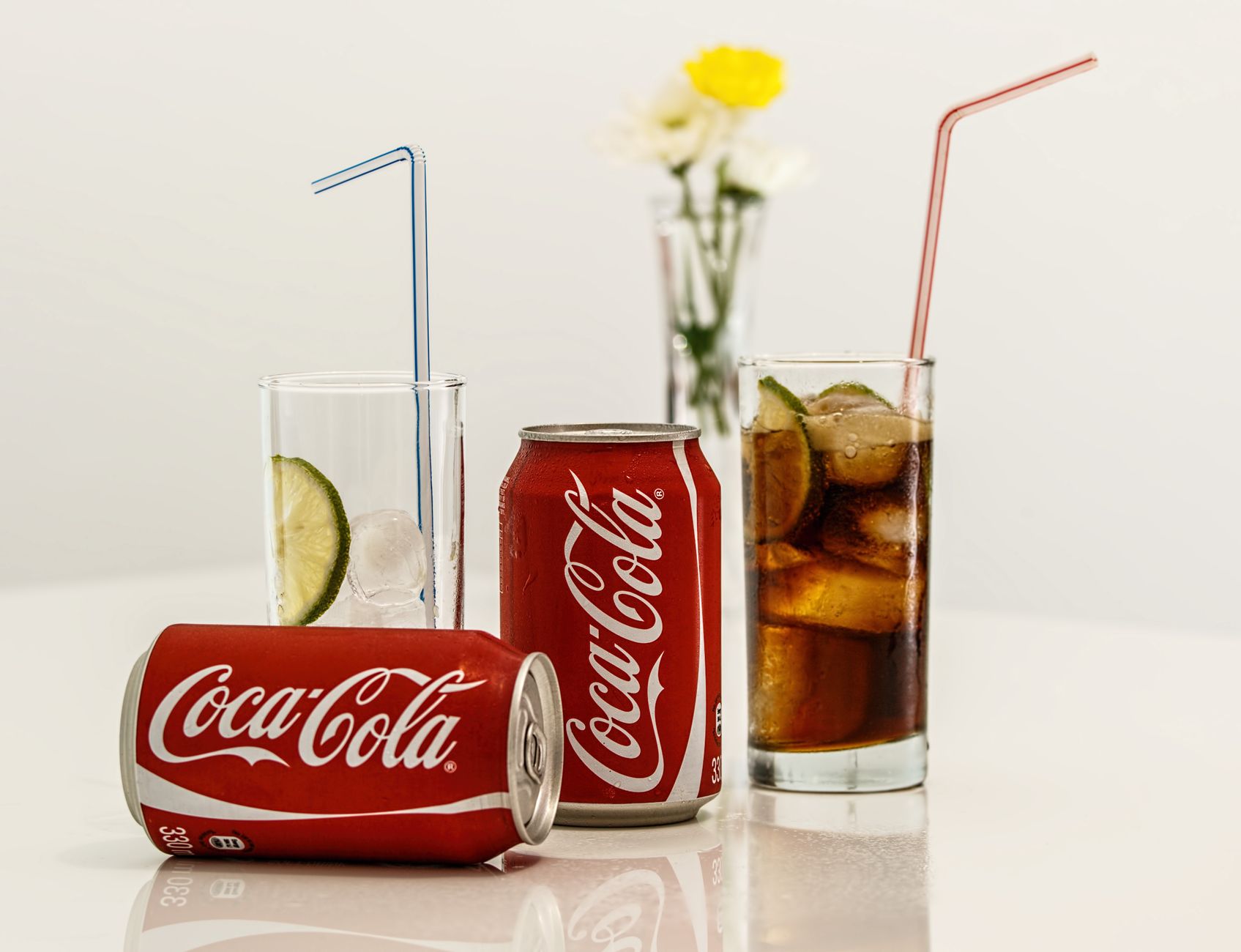
If you're craving the fizz of diet soda, sparkling water with a splash of fruit juice can satisfy the craving without artificial sweeteners or caffeine.
Safety Snapshot: Diet Soda During Pregnancy
Trimester
Verdict
Notes
First trimester
⚠️ Safe in moderation
Limit to one 12-ounce can per day. Avoid if you have severe nausea or are sensitive to artificial sweeteners.
Second trimester
⚠️ Safe in moderation
Same limit applies. If you have gestational diabetes or high blood pressure, check with your provider about cutting back further.
Third trimester
⚠️ Safe in moderation
Stick to one can per day. Watch for heartburn—carbonation can worsen it in late pregnancy.
Breastfeeding
✅ Generally safe
Artificial sweeteners and caffeine pass into breast milk in small amounts. One can per day is unlikely to affect your baby, but monitor for fussiness or sleep changes.
What Is Diet Soda?
Diet soda is a carbonated, artificially sweetened soft drink designed to mimic the taste of regular soda without the sugar or calories. Instead of sugar, it contains artificial sweeteners like aspartame, sucralose, or acesulfame potassium (Ace-K), which are hundreds of times sweeter than sugar. Many diet sodas also contain caffeine (usually 30-45 mg per 12-ounce can), along with additives like phosphoric acid, natural and artificial flavors, and preservatives.
Coke Zero Sugar (aspartame, acesulfame potassium, caffeine)
Pepsi Zero Sugar (aspartame, acesulfame potassium, caffeine)
Diet Dr Pepper (aspartame, acesulfame potassium, caffeine)
Diet Mountain Dew (aspartame, acesulfame potassium, high caffeine content—54 mg per 12 oz)
While diet soda is marketed as a “healthier” alternative to regular soda, its safety during pregnancy has been debated. The main concerns revolve around artificial sweeteners (which may affect metabolism and fetal development) and caffeine (which, in excess, has been linked to miscarriage and low birth weight). We’ll dive into the research on both below.
Is Diet Soda Safe During Pregnancy?
The short answer: yes, but in limited amounts. The ACOG, NHS, and FDA all agree that occasional diet soda is unlikely to harm your baby. However, they recommend limiting your intake to one 12-ounce can per day due to the following concerns:
1. Artificial Sweeteners: What the Research Says
Diet sodas contain one or more of these common artificial sweeteners:
Aspartame: Found in Diet Coke, Diet Pepsi, and many other brands. The FDA and European Food Safety Authority (EFSA) consider it safe during pregnancy in moderate amounts. However, some studies suggest it may disrupt glucose metabolism, which could theoretically increase the risk of gestational diabetes (more on this later).
Sucralose: Found in some store-brand diet sodas and sugar-free products. The FDA and ACOG consider it safe during pregnancy, but research on its long-term effects is limited.
Acesulfame Potassium (Ace-K): Often combined with aspartame in diet sodas. The FDA has approved it for general use, including during pregnancy, but some animal studies suggest it may affect fetal development at very high doses (far beyond what’s in a can of soda).
While the evidence isn’t conclusive, the ACOG advises pregnant women to limit artificial sweeteners as a precaution. If you’re drinking diet soda daily, consider cutting back or switching to alternatives (we’ll cover those later).
2. Caffeine: How Much Is Too Much?
Most diet sodas contain 30-45 mg of caffeine per 12-ounce can (Diet Mountain Dew has 54 mg). The ACOG and NHS recommend that pregnant women limit caffeine to 200 mg per day (about two 8-ounce cups of coffee). One can of diet soda is well within this limit, but if you’re also drinking coffee, tea, or chocolate, it’s easy to exceed the recommendation.
High caffeine intake during pregnancy has been linked to:
Increased risk of miscarriage (especially in the first trimester)
Low birth weight (babies born weighing less than 5.5 pounds)
Sleep disturbances for both mom and baby
Increased heart rate and blood pressure in the mother
If you’re sensitive to caffeine or have a history of miscarriage, your provider may recommend cutting it out entirely. Otherwise, one can of diet soda per day is unlikely to pose a risk.
3. Other Additives: Phosphoric Acid and More
Diet sodas also contain phosphoric acid, which gives them their tangy flavor. While small amounts are safe, excessive intake (e.g., multiple cans per day) may:
Weaken bones by interfering with calcium absorption
Increase the risk of kidney stones
Worsen heartburn, which is already common in pregnancy
Other additives, like artificial flavors and colors, are generally recognized as safe by the FDA, but some pregnant women prefer to avoid them due to potential (though unproven) risks.
Is Diet Soda Safe to Drink During the First Trimester of Pregnancy?
The first trimester is the most critical period for fetal development, as this is when your baby’s organs, brain, and nervous system are forming. While one can of diet soda per day is unlikely to cause harm, there are a few reasons you might want to be extra cautious during these early weeks:
Nausea and vomiting: Carbonation can worsen morning sickness for some women. If you’re struggling with nausea, you might find diet soda unappealing—or it might make you feel worse.
Caffeine sensitivity: Some women become more sensitive to caffeine in early pregnancy, experiencing jitters, headaches, or insomnia after even small amounts.
Artificial sweeteners: While the research is inconclusive, some studies suggest that high intake of artificial sweeteners in the first trimester may be linked to a slightly higher risk of preterm birth. The risk is small, but if you’re concerned, cutting back can’t hurt.
If you’re drinking diet soda daily, consider switching to a caffeine-free alternative (like caffeine-free Diet Coke or sparkling water) or reducing your intake to a few times per week. If you’ve already had a few cans, don’t stress—occasional intake is not a cause for concern.
How Many Diet Sodas Can a Pregnant Woman Safely Consume Per Day?
The general consensus from ACOG, NHS, and other health authorities is that one 12-ounce can of diet soda per day is safe during pregnancy. This limit accounts for both caffeine (30-45 mg per can) and artificial sweeteners (which should be consumed in moderation).
Here’s a breakdown of how much is too much:
Daily Intake
Verdict
Notes
0 cans
✅ Ideal
No risks, but not necessary if you enjoy diet soda in moderation.
1 can (12 oz)
✅ Safe
Within recommended limits for caffeine and artificial sweeteners.
2 cans (24 oz)
⚠️ Limit
Approaching the upper limit for caffeine (60-90 mg). May increase risk of heartburn or sleep issues.
3+ cans (36+ oz)
❌ Avoid
Exceeds caffeine recommendations and may increase risks of gestational diabetes or preterm birth.
If you’re drinking more than one can per day, try gradually reducing your intake. For example, if you usually have two cans, try switching to one can plus a caffeine-free alternative (like sparkling water). If you’re struggling to cut back, talk to your provider—they can help you find a plan that works for you.
What Are the Potential Risks of Artificial Sweeteners in Diet Soda for Pregnant Women?
Artificial sweeteners are the most controversial ingredient in diet soda during pregnancy. While the FDA and ACOG consider them safe in moderation, some research suggests they may pose risks when consumed in large amounts. Here’s what you need to know about the most common sweeteners:
Aspartame
Found in: Diet Coke, Diet Pepsi, Coke Zero Sugar, many store-brand diet sodas.
Safety during pregnancy: The FDA and EFSA consider it safe in moderate amounts (up to 50 mg per kg of body weight per day). For a 150-pound woman, that’s about 14 cans of diet soda per day—far more than anyone would realistically consume.
Potential risks:
Metabolic effects: Some studies suggest aspartame may disrupt glucose metabolism, potentially increasing the risk of gestational diabetes. However, the evidence is mixed, and more research is needed.
Phenylketonuria (PKU): Women with PKU (a rare genetic disorder) must avoid aspartame entirely, as their bodies can’t metabolize phenylalanine, one of its components.
Sucralose
Found in: Some store-brand diet sodas, sugar-free products like Splenda.
Safety during pregnancy: The FDA and ACOG consider it safe, but research on its effects during pregnancy is limited.
Potential risks:
Gut health: Some animal studies suggest sucralose may alter gut bacteria, which could affect metabolism. However, human studies are lacking.
Blood sugar: Unlike aspartame, sucralose doesn’t appear to affect blood sugar levels, making it a better choice for women with gestational diabetes.
Acesulfame Potassium (Ace-K)
Found in: Diet Pepsi, Pepsi Zero Sugar, some store-brand diet sodas.
Safety during pregnancy: The FDA has approved it for general use, including during pregnancy, but some animal studies suggest it may affect fetal development at very high doses.
Potential risks:
Fetal development: A 2014 study in Toxicological Sciences found that high doses of Ace-K in pregnant mice led to changes in brain development in their offspring. However, the doses used were far higher than what humans would consume from diet soda.
Metabolic effects: Some research suggests Ace-K may increase cravings for sweet foods, which could lead to overeating.
While the risks of artificial sweeteners are not definitive, the ACOG recommends limiting your intake as a precaution. If you’re concerned, opt for diet sodas sweetened with sucralose (which has the least evidence of harm) or switch to alternatives like sparkling water.
Are There Safer Diet Soda Brands for Pregnant Women?
If you’re going to drink diet soda during pregnancy, some brands are safer choices than others. Here’s what to look for:
Lower caffeine content: Aim for brands with 35 mg or less per 12-ounce can. Diet Coke (34 mg) and Diet Pepsi (35 mg) are better choices than Diet Mountain Dew (54 mg).
Sucralose instead of aspartame: While both are considered safe, sucralose has less evidence of metabolic effects. Some store-brand diet sodas use sucralose instead of aspartame.
Caffeine-free options: If you’re sensitive to caffeine or trying to cut back, look for caffeine-free versions of your favorite diet sodas (e.g., caffeine-free Diet Coke).
Fewer additives: Some brands use fewer artificial flavors, colors, and preservatives. For example, Zevia is a diet soda sweetened with stevia (a natural sweetener) and contains no artificial colors or flavors. However, it’s still carbonated and may worsen heartburn.
Here’s a comparison of popular diet soda brands:
Brand
Sweetener
Caffeine (per 12 oz)
Pregnancy-Friendly?
Notes
Diet Coke
Aspartame
34 mg
✅ Yes (limit 1 can/day)
Lower caffeine than most, but contains aspartame.
Caffeine-Free Diet Coke
Aspartame
0 mg
✅ Yes
Good option if you’re avoiding caffeine.
Diet Pepsi
Aspartame, Ace-K
35 mg
⚠️ Limit to 1 can/day
Contains Ace-K, which may have metabolic effects.
Pepsi Zero Sugar
Aspartame, Ace-K
69 mg
⚠️ Limit to 1/2 can/day
Higher caffeine content—best avoided if you’re sensitive.
Coke Zero Sugar
Aspartame, Ace-K
34 mg
✅ Yes (limit 1 can/day)
Similar to Diet Coke but with Ace-K.
Diet Mountain Dew
Aspartame
54 mg
⚠️ Limit to 1/2 can/day
High caffeine content—best to avoid.
Zevia
Stevia
0 mg
✅ Yes
Sweetened with stevia (a natural sweetener), no artificial colors or flavors.
If you’re unsure which brand to choose, Zevia or caffeine-free Diet Coke are the safest options. However, even these should be consumed in moderation—one can per day at most.
What Are Healthy Beverage Alternatives to Diet Soda During Pregnancy?
If you’re trying to cut back on diet soda, there are plenty of delicious and hydrating alternatives that are safe during pregnancy. Here are some of the best options, along with why they’re a great choice:
Sparkling water: Satisfies the craving for carbonation without artificial sweeteners or caffeine. Look for plain or naturally flavored varieties (e.g., LaCroix, Bubly, or Spindrift). Tip: Add a splash of 100% fruit juice for a hint of sweetness.
Infused water with fruit: Add slices of lemon, lime, cucumber, or berries to your water for a refreshing, naturally sweet flavor. This is a great way to stay hydrated and get extra vitamins. Try: Cucumber + mint or strawberry + basil.
Unsweetened coconut water: A natural source of electrolytes (like potassium and magnesium), which can help with hydration and muscle cramps. Choose 100% pure coconut water with no added sugar. Note: Coconut water is high in potassium, so if you have kidney issues, check with your provider first.
Pregnancy-safe herbal tea: Herbal teas like ginger tea (for nausea), peppermint tea (for digestion), or chamomile tea (for relaxation) are caffeine-free and hydrating. Avoid teas with licorice root, black cohosh, or dong quai, as these can be unsafe during pregnancy. Tip: Steep loose-leaf tea or use caffeine-free tea bags.
Freshly squeezed orange juice (no added sugar): A great source of vitamin C and folate, which are important for fetal development. Limit to 4-6 ounces per day to avoid excess sugar.
Flavored water (no artificial sweeteners): Brands like Hint Water or True Citrus offer flavored water with no artificial sweeteners, sugar, or calories. These are a great way to add variety to your hydration routine.
Low-sugar kombucha: A fermented tea that’s rich in probiotics, which support gut health. Choose low-sugar varieties (less than 4 grams of sugar per serving) and avoid brands with added caffeine. Note: Kombucha contains trace amounts of alcohol (less than 0.5%), so if you’re avoiding alcohol entirely, skip this one.
Non-caffeinated herbal iced tea: Brew your own iced tea using caffeine-free herbal tea bags (e.g., hibiscus, rooibos, or fruit-infused teas). Sweeten lightly with honey or a splash of fruit juice if desired.
Lemon water: Squeeze fresh lemon into your water for a bright, tangy flavor. Lemon water is hydrating and may help with digestion and nausea. Tip: Use warm water in the morning to soothe your stomach.
Plain milk or plant-based milk: Milk (dairy or fortified plant-based) is a great source of calcium, vitamin D, and protein. Choose unsweetened varieties to avoid added sugar. Try: Almond milk, oat milk, or soy milk.
If you’re missing the fizz of diet soda, try mixing sparkling water with a splash of 100% fruit juice or a squeeze of lime. If you’re craving the sweetness, opt for naturally sweetened options like infused water or herbal tea with honey. The key is to experiment and find what you enjoy—hydration doesn’t have to be boring!
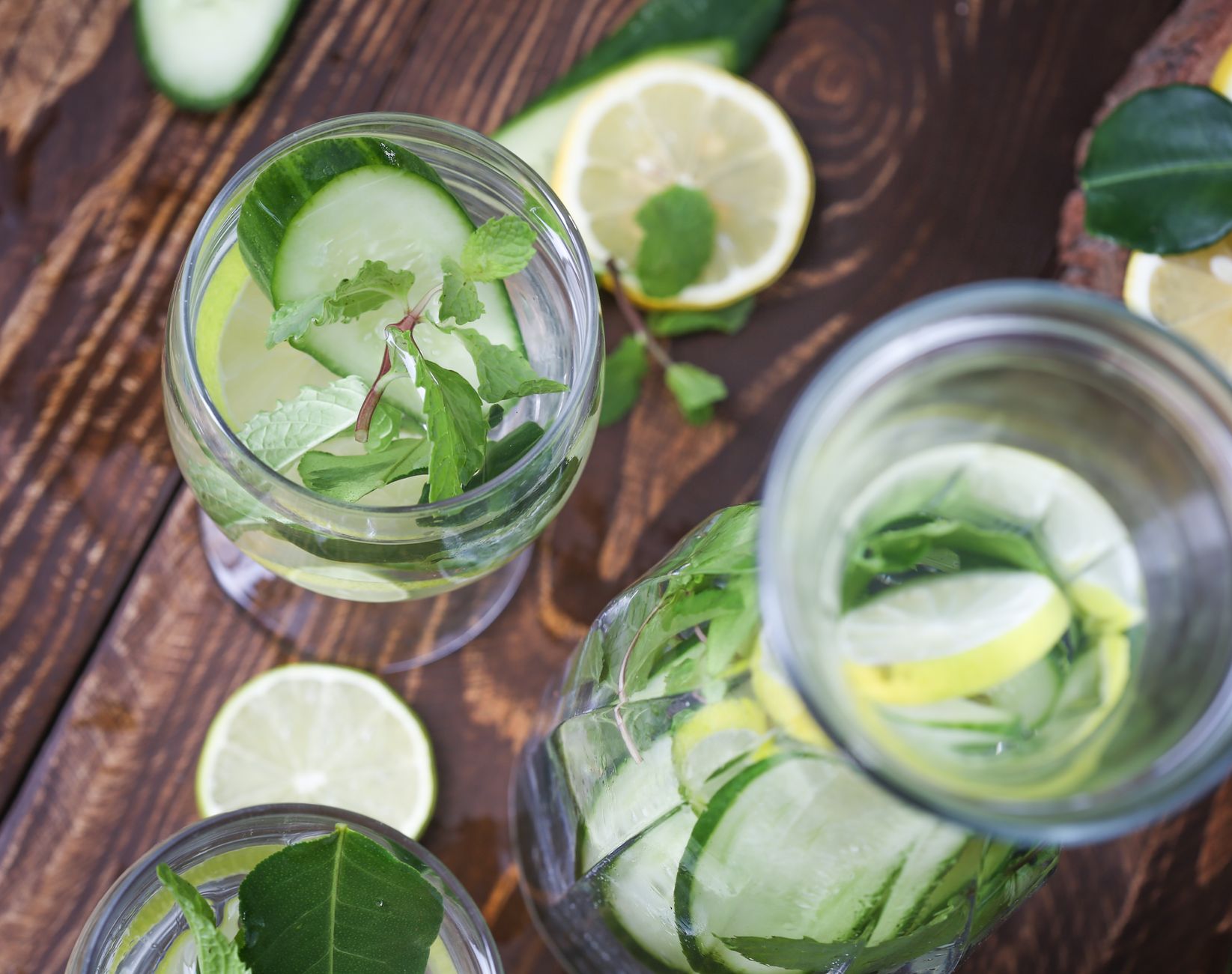
Infused water is a refreshing, hydrating alternative to diet soda—plus, it’s packed with natural flavors and vitamins.
Can Diet Soda Affect the Risk of Gestational Diabetes?
Gestational diabetes (GDM) is a type of diabetes that develops during pregnancy and affects 2-10% of pregnant women in the U.S. It occurs when your body can’t produce enough insulin to meet the increased demands of pregnancy, leading to high blood sugar levels. While diet soda doesn’t contain sugar, some research suggests that artificial sweeteners may still affect your risk.
What the Research Says
A 2016 study published in the Canadian Medical Association Journal found that women who consumed one or more artificially sweetened beverages per day during pregnancy had a higher risk of GDM compared to those who drank none. However, the study couldn’t prove causation—it’s possible that women who drank more diet soda were already at higher risk for GDM due to other factors (like obesity or a family history of diabetes).
Other studies have had mixed results. A 2018 review in Current Diabetes Reports concluded that while aspartame and sucralose don’t directly raise blood sugar levels, they may alter gut bacteria in ways that affect glucose metabolism. This could theoretically increase the risk of insulin resistance, a precursor to GDM.
Should You Avoid Diet Soda If You’re at Risk for GDM?
If you have risk factors for gestational diabetes (e.g., obesity, a family history of diabetes, or a previous pregnancy with GDM), your provider may recommend limiting or avoiding diet soda as a precaution. However, if you don’t have risk factors, one can per day is unlikely to increase your risk.
If you’re concerned about GDM, focus on:
Eating a balanced diet rich in fiber, lean protein, and healthy fats.
Staying active with regular exercise (e.g., walking, swimming, or prenatal yoga).
Monitoring your blood sugar if your provider recommends it.
Choosing alternatives to diet soda, like sparkling water or herbal tea.
If you’ve already been diagnosed with GDM, your provider will likely recommend avoiding all artificial sweeteners and sticking to water, unsweetened tea, or milk. Always follow their specific guidance.
Does Caffeine in Diet Soda Pose a Risk During Pregnancy?
Most diet sodas contain 30-45 mg of caffeine per 12-ounce can, which is well within the 200 mg daily limit recommended by ACOG and NHS. However, caffeine can still pose risks if you consume too much—or if you’re sensitive to its effects.
How Caffeine Affects Pregnancy
Caffeine is a stimulant that crosses the placenta and reaches your baby. While your body can metabolize caffeine, your baby’s liver is still developing and can’t process it as efficiently. This means caffeine stays in your baby’s system longer, potentially affecting their heart rate and sleep patterns.
High caffeine intake during pregnancy has been linked to:
Increased risk of miscarriage: A 2008 study in the American Journal of Obstetrics and Gynecology found that women who consumed 200 mg or more of caffeine per day had a higher risk of miscarriage. However, the risk was small, and other studies have had mixed results.
Low birth weight: A 2015 meta-analysis in BMJ found that women who consumed more than 100 mg of caffeine per day were more likely to have babies with low birth weight.
Sleep disturbances: Caffeine can make it harder for you to sleep, which is already a challenge for many pregnant women. Poor sleep has been linked to longer labor and higher rates of C-sections.
Increased heart rate and blood pressure: Caffeine can cause temporary spikes in your heart rate and blood pressure, which may be uncomfortable if you’re already prone to pregnancy-related hypertension.
How Much Caffeine Is in Diet Soda?
Here’s how the caffeine content of popular diet sodas compares to other common sources:
Beverage
Caffeine (per serving)
Diet Coke (12 oz)
34 mg
Diet Pepsi (12 oz)
35 mg
Coke Zero Sugar (12 oz)
34 mg
Diet Mountain Dew (12 oz)
54 mg
Coffee (8 oz, brewed)
95 mg
Tea (8 oz, black)
47 mg
Green tea (8 oz)
28 mg
Dark chocolate (1 oz)
20 mg
As you can see, one can of diet soda is a relatively small source of caffeine. However, if you’re also drinking coffee, tea, or eating chocolate, it’s easy to exceed the 200 mg limit. To stay on the safe side, track your total caffeine intake and aim to stay well below the limit.
Who Should Avoid Caffeine Entirely?
Some women may need to avoid caffeine entirely during pregnancy, including:
Women with a history of miscarriage or recurrent pregnancy loss.
Women with high blood pressure or preeclampsia.
Women with heart arrhythmias or other cardiac conditions.
Women who are sensitive to caffeine and experience jitters, insomnia, or anxiety after small amounts.
If you’re unsure whether you should avoid caffeine, talk to your provider. They can help you weigh the risks and benefits based on your individual health.
Is Diet Soda Safe for Pregnant Women Experiencing Morning Sickness?
Morning sickness affects 70-80% of pregnant women, usually in the first trimester. If you’re dealing with nausea and vomiting, you might find that diet soda helps settle your stomach—or you might find that it makes things worse. Here’s what to consider:
When Diet Soda Might Help
Carbonation: The bubbles in diet soda can help reduce nausea for some women, especially if you’re sipping it slowly. Ginger ale (even diet ginger ale) is a classic remedy for this reason.
Sweetness: The sweet taste of diet soda can help mask the metallic or bitter taste that often accompanies nausea.
Not sure about the label on Is Diet Soda Safe During Pregnancy products?
Snap the ingredients list and SafeFilter checks every ingredient for your stage — only 3 free scans this month, then you're locked until reset. Unlimited from $7/mo or $50/yr.
When Shubhra Mishra was expecting her first child in 2016, she was overwhelmed by conflicting food advice — one site said yes, another said never. By the time her second baby arrived in 2019, she realized millions of mothers face the same confusion.
That sparked a five-year journey through clinical nutrition papers, cultural diets, and expert conversations — all leading to BumpBites: a calm, compassionate space where science meets everyday motherhood.
Her long-term vision is to build a global community ensuring safe, supported, and free deliveriesfor every mother — because no woman should face pregnancy alone or uninformed. 🌿
🌍 Stand with mothers, shape safer guidance
Join a small circle of experts who review BumpBites articles so expecting parents everywhere can decide with confidence.