Avoid dermaplaning at home during pregnancy. Experts recommend skipping this exfoliation method in the first trimester due to heightened skin sensitivity and infection risks.
By Shubhra Mishra — a mom of two who turned her own confusion during pregnancy into BumpBites, a global mission to make food choices clear, safe, and stress-free for every expecting mother. 💛
Check whether any food is safe during pregnancy with the BumpBites Food Safety Checker.
Quick verdict: ⚠️ Talk to your doctor first. Dermaplaning at home can be done during pregnancy if you follow strict hygiene, limit frequency, and avoid high‑risk conditions, but it’s not universally recommended. Always get clearance from your obstetric provider before starting.
It’s 2 a.m., you’re scrolling through beauty forums, and a friend’s glowing post about “glow‑up” skin has you wondering, “Is dermaplaning at home safe during pregnancy?” You might already have a dermaplaning tool on your bathroom counter, or you’re about to buy one for that smooth‑as‑silk finish. The good news is you’re not alone—many expectant parents grapple with the same question. In this article we answer the core query, is dermaplaning at home safe during pregnancy, and break down what the leading health authorities say, how each trimester matters, how often you can safely use a tool, and what gentler alternatives exist.
We’ll walk you through the science, the practical guidelines from ACOG, NHS, and the FDA, and give you a clear, trimester‑by‑trimester snapshot. Whether you’re in your first month or nearing delivery, you’ll find the reassurance you need—and a list of safer options if you decide dermaplaning isn’t the right choice for your bump.
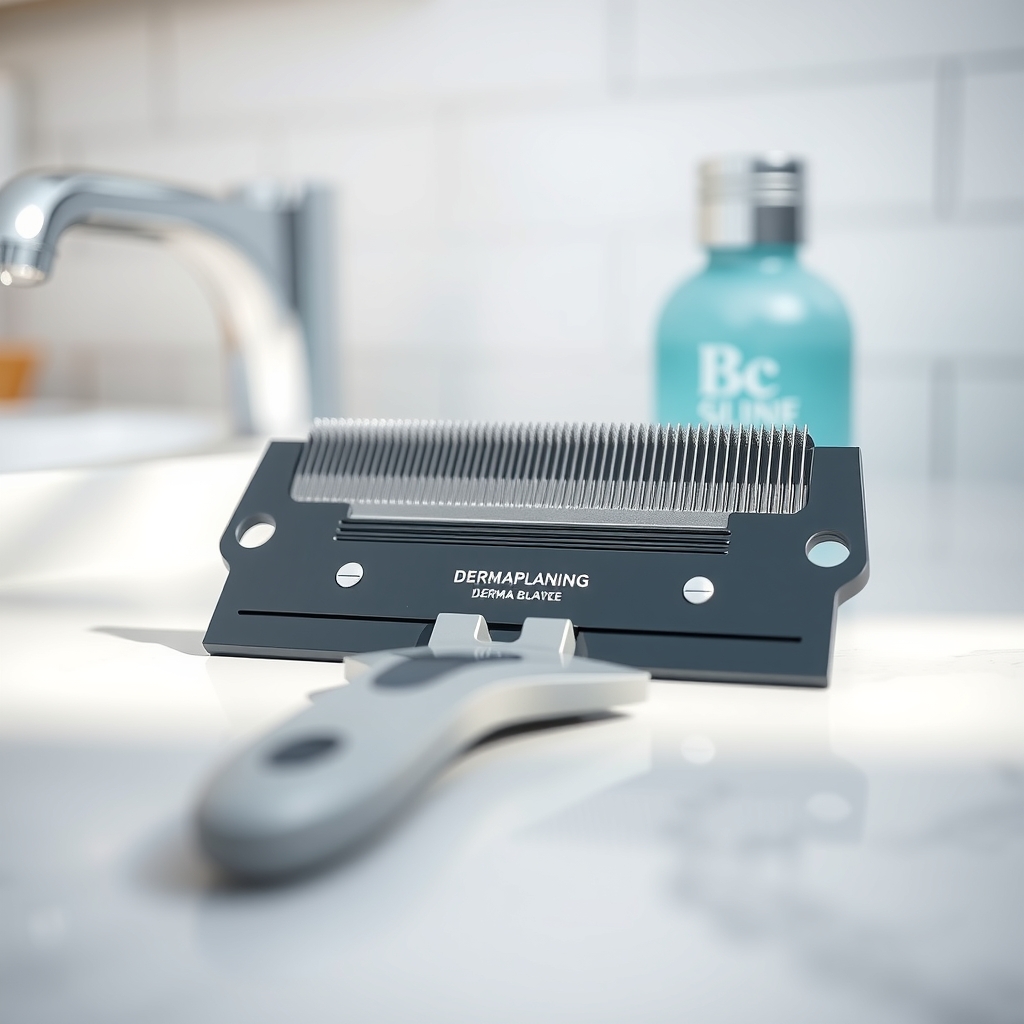
Keep your dermaplaning tool clean and dry to reduce infection risk while pregnant.
Trimester / Breastfeeding
Verdict
Notes
First trimester
⚠️ Caution
Higher risk of infection and skin sensitivity; limit to occasional use and ensure strict sterility.
Second trimester
✅ Generally safe
If no complications, standard hygiene is sufficient; avoid aggressive strokes.
Third trimester
⚠️ Caution
Skin may be more prone to stretching; limit frequency and monitor for irritation.
Breastfeeding
✅ Generally safe
Post‑partum skin healing is similar to non‑pregnant state; maintain cleanliness.
What is dermaplaning?
Dermaplaning is a mechanical exfoliation technique that uses a sterile, single‑edge blade to gently scrape away dead skin cells and fine vellus hair (often called “peach fuzz”) from the surface of the face. The process is quick—usually 5‑10 minutes—and leaves a smoother texture, allowing makeup to glide on more evenly and enhancing the absorption of skincare products. It’s popular in salons and increasingly at home because the tools are inexpensive and easy to use.
Unlike chemical peels, dermaplaning does not involve acids or pigments; it works purely by physical removal. The blade is typically angled at about 45 degrees and stroked across the skin in short, overlapping motions. When performed correctly, there is minimal risk of deep skin injury, but the thin blade can cause micro‑cuts if pressed too hard or used on compromised skin.
Pregnant people often experience heightened skin sensitivity, pigmentation changes (such as melasma), and increased oil production. These changes can make the skin both more receptive to exfoliation and more vulnerable to irritation. Understanding how dermaplaning interacts with these hormonal shifts is key to determining whether it’s a safe addition to a prenatal skincare routine.
Is dermaplaning at home safe during pregnancy?
Current guidance from the American College of Obstetricians and Gynecologists (ACOG) does not list dermaplaning as a contraindicated procedure, but it does advise caution with any skin‑breaking technique that could introduce infection. The UK’s National Health Service (NHS) similarly notes that “procedures that cause micro‑injuries should be performed with strict hygiene, especially in pregnancy.” The U.S. Food and Drug Administration (FDA) classifies dermaplaning devices as low‑risk, non‑prescription tools, but it emphasizes that users follow manufacturer sterility instructions.
Because dermaplaning creates tiny abrasions, the primary concern during pregnancy is the potential for bacterial entry, which could lead to skin infections or, very rarely, systemic issues. Studies on pregnant women specifically are limited, but the broader literature on mechanical exfoliation suggests that when performed under clean conditions, the risk of serious complications is low.
Most obstetric providers recommend that pregnant patients avoid any aggressive skin treatments during the first trimester, when organogenesis (the formation of fetal organs) is most sensitive. After the first trimester, if the skin is healthy and the tool is sterilized before each use, many clinicians consider dermaplaning acceptable on a limited basis.
In short, is dermaplaning at home safe during pregnancy depends on the stage of pregnancy, the condition of your skin, and adherence to strict hygiene. Always discuss with your obstetrician before beginning any new skincare routine.
Is dermaplaning at home safe during the first trimester of pregnancy?
The first trimester is the period of rapid fetal development, and medical advice generally leans toward minimizing any potential infection risk. For dermaplaning, this means you should only consider it if your skin is completely intact, you have no open lesions, and you can guarantee 100 % sterile technique. Many providers advise postponing dermaplaning until after the 12‑week mark, especially if you have a history of acne, eczema, or any skin condition that could be aggravated.
If you do choose to proceed, use a brand‑new, single‑use blade, disinfect the handle with 70 % isopropyl alcohol before each session, and avoid sharing tools. Keep the session short (no more than five strokes per area) and follow up with a soothing, fragrance‑free moisturizer to support the skin barrier.
Can I dermaplane at home in the second trimester without risks?
During the second trimester, hormonal fluctuations often settle, and many women find their skin more resilient. Dermaplaning can be safer in this window, provided you maintain flawless hygiene and avoid over‑exfoliation. The American Academy of Dermatology (AAD) notes that “moderate mechanical exfoliation is generally well‑tolerated in the second and third trimesters when the skin is healthy.”
Nevertheless, you should still limit sessions to once every two to three weeks and monitor for any signs of irritation, such as redness lasting more than 24 hours, burning, or unexpected swelling. If you notice any of these, stop immediately and consult your provider.
What are the recommended frequency and duration for dermaplaning at home while pregnant?
Experts converge on a conservative schedule: no more than once every two to three weeks, with each session lasting no longer than 5‑10 minutes. This cadence reduces the chance of cumulative skin trauma while still delivering the desired smoothness. Over‑use can compromise the skin barrier, leading to increased transepidermal water loss, which may exacerbate dryness—a common concern in pregnancy.
When you do dermaplane, use gentle, short strokes and avoid pressuring the blade into the skin. Follow the treatment with a calming serum containing hyaluronic acid or a barrier‑repair cream, and always apply a broad‑spectrum sunscreen (SPF 30 or higher) because the newly exfoliated skin is more photosensitive.
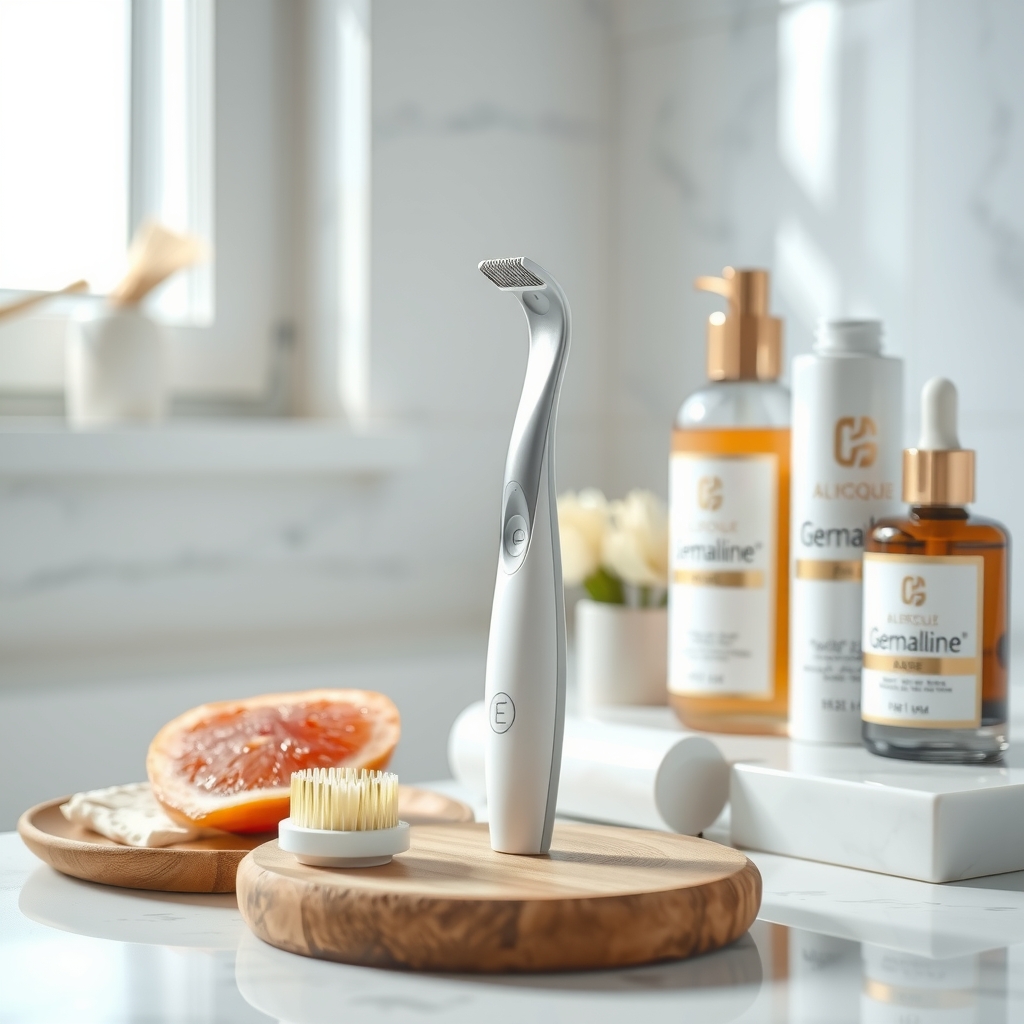
Pair dermaplaning with gentle, hydrating products to protect the skin barrier.
Are there safer alternatives to dermaplaning for pregnant skin concerns?
The Ordinary Lactic Acid 5% + HA – a mild chemical exfoliant that is pregnancy‑compatible and less abrasive.
Foreo Luna Mini 2 silicone facial cleansing brush – provides gentle physical exfoliation without blades.
Paula’s Choice RESIST Daily Smoothing Treatment 5% AHA – a buffered AHA that smooths skin safely.
Professional microdermabrasion (in‑office) – performed by a licensed practitioner with sterile equipment.
Jade facial roller – promotes circulation and lymphatic drainage without skin disruption.
CeraVe Hydrating Cleanser – cleanses while maintaining the skin’s natural moisture barrier.
Which dermaplaning tools are considered safest for use during pregnancy?
When selecting a home dermaplaning device, prioritize those with a single, replaceable blade and a non‑porous handle that can be easily disinfected. Brands that offer FDA‑registered blades and clear sterilization instructions are preferred. Below is a quick reference:
What potential risks and side effects does dermaplaning pose for pregnant women?
Most side effects are mild and temporary, but pregnancy can amplify certain reactions. Common, non‑serious effects include:
Transient redness or mild swelling lasting a few hours.
Minor skin irritation or a “tight” feeling.
Increased sensitivity to sunlight for 24‑48 hours.
More concerning signs that warrant immediate medical attention are:
Persistent redness or pus‑filled bumps (possible infection).
Severe burning, blistering, or ulceration.
Unexplained fever or chills after a session.
Because pregnancy already shifts immune function, any sign of infection should be evaluated promptly. If you develop any of the above red‑flag symptoms, stop dermaplaning and contact your obstetrician or dermatologist right away.
How does dermaplaning affect skin conditions like acne or melasma during pregnancy?
Dermaplaning can have a dual effect on pregnancy‑related skin issues. For acne, the removal of excess keratin and hair may reduce clogging of pores, potentially improving breakouts. However, the micro‑abrasions can also trigger inflammation, which might worsen acne in some individuals. The AAD recommends a cautious approach: if you have active inflammatory acne, defer dermaplaning until the condition is under control.
Melasma, a common hyperpigmentation disorder during pregnancy, often becomes more pronounced with sun exposure and skin trauma. Mechanical exfoliation can temporarily lighten the surface layer, but it may also cause post‑inflammatory hyperpigmentation (PIH) if the skin is irritated. Dermatologists typically advise against dermaplaning for melasma unless a skilled professional is involved and the patient uses strict sun protection afterward.
Should dermaplaning be avoided for high‑risk pregnancies?
High‑risk pregnancies—such as those complicated by gestational diabetes, pre‑eclampsia, or immune‑system disorders—require extra caution with any procedure that could compromise skin integrity. In these scenarios, the consensus among obstetric specialists is to avoid dermaplaning altogether until the pregnancy stabilizes, because infection risk and delayed wound healing are higher.
If you fall into a high‑risk category, discuss alternative skin‑care methods (like the gentle options listed above) with your provider. Your health team can tailor a regimen that respects both your skin goals and your pregnancy safety.
Safer alternatives
The Ordinary Lactic Acid 5% + HA – gentle chemical exfoliation without blades, suitable for most trimesters.
Foreo Luna Mini 2 silicone facial cleansing brush – provides soft, non‑abrasive cleansing and mild exfoliation.
Paula’s Choice RESIST Daily Smoothing Treatment 5% AHA – a buffered AHA that smooths skin safely.
Professional microdermabrasion (in‑office) – performed under sterile conditions by a licensed practitioner.
Jade facial roller – boosts circulation and reduces puffiness without disrupting the skin barrier.
CeraVe Hydrating Cleanser – maintains moisture while gently cleansing, supporting the skin’s natural barrier.
Related items — safety at a glance
Item
Verdict
One‑line note
Microdermabrasion
✅ Generally safe
In‑office procedure with sterile equipment; avoid if you have active infections.
Chemical peel
⚠️ Caution
Acids can cause irritation; only mild peels under dermatologist supervision.
Laser hair removal
⚠️ Caution
Potential for skin burns; avoid near abdomen and consult provider.
Microneedling
⚠️ Caution
Creates micro‑injuries; risk of infection higher during pregnancy.
LED light therapy
✅ Generally safe
Non‑invasive; can be used for acne or inflammation with minimal risk.
Facial waxing
⚠️ Caution
Can cause skin trauma and infection; consider alternatives.
Myth vs. fact
Myth: Dermaplaning is completely risk‑free because it uses a sterile blade.
Fact: While the blade itself is sterile, the tiny abrasions can still allow bacteria to enter, especially when the skin is more sensitive during pregnancy.
Myth: You can dermaplane as often as you like once you’re pregnant.
Fact: Over‑exfoliation can compromise the skin barrier; experts recommend spacing sessions at least two to three weeks apart.
Myth: All at‑home dermaplaning kits are safe for every trimester.
Fact: Safety varies by trimester, skin condition, and hygiene practices; first‑trimester use should be especially cautious.
Key takeaways
Dermaplaning at home can be safe during pregnancy if you follow strict hygiene and limit sessions to once every 2‑3 weeks.
The first trimester warrants extra caution; many providers suggest waiting until after 12 weeks.
Choose tools with disposable sterile blades and disinfect handles before each use.
Watch for signs of infection—persistent redness, pus, or fever—and contact your doctor immediately.
Gentler alternatives such as lactic acid serums, silicone cleansing brushes, and jade rollers are pregnancy‑friendly options.
High‑risk pregnancies should avoid dermaplaning altogether unless cleared by a specialist.
Frequently asked questions
Is dermaplaning safe during pregnancy?
Generally, dermaplaning can be performed safely during pregnancy if you use a sterile, single‑use blade, limit frequency, and have no active skin infections. Always get clearance from your obstetrician first.
Can I use a dermaplaning tool at home while pregnant?
Yes, you can use a home dermaplaning tool, but only after confirming it meets safety standards (disposable sterile blades, easy‑to‑clean handle) and after discussing it with your healthcare provider.
What are the risks of dermaplaning for pregnant women?
Risks include minor irritation, temporary redness, and, in rare cases, skin infection. Because pregnancy can affect immune response, any sign of infection should be evaluated promptly.
How often can I dermaplane during pregnancy?
Limit dermaplaning to once every two to three weeks. This schedule minimizes cumulative skin trauma while still delivering a smooth appearance.
Are there any pregnancy‑friendly alternatives to dermaplaning?
Yes—options like The Ordinary Lactic Acid 5% + HA, the Foreo Luna Mini 2 silicone brush, and jade facial rollers provide gentle exfoliation without the need for blades.
Does dermaplaning affect acne or melasma during pregnancy?
Dermaplaning may help reduce surface oil and dead‑cell buildup, potentially improving mild acne, but it can also trigger inflammation that worsens acne or melasma. Use caution and prioritize sun protection.
Should I avoid dermaplaning in the first trimester?
Many providers advise postponing dermaplaning until after the first trimester because that period carries the highest risk for infection and skin sensitivity.
Can dermaplaning cause infections for pregnant skin?
While rare, infections can occur if the blade or skin isn’t properly sanitized. Watch for persistent redness, swelling, or pus, and seek medical care if these appear.
When to call your doctor
If you experience any of the following after a dermaplaning session, contact your obstetric provider or dermatologist promptly:
Redness or swelling that lasts longer than 24 hours.
Formation of pus‑filled bumps or pustules.
Fever, chills, or flu‑like symptoms.
Severe burning, blistering, or ulceration of the skin.
Any unexpected changes in fetal movement or overall well‑being.
These symptoms may signal an infection or an adverse skin reaction that requires professional evaluation. Remember, the information in this article is for educational purposes only and does not replace personalized medical advice from your healthcare provider.
References
American College of Obstetricians and Gynecologists (ACOG). “Skin Care During Pregnancy.” Updated 2023.
National Health Service (NHS). “Exfoliation and Pregnancy.” Retrieved 2024.
U.S. Food and Drug Administration (FDA). “Dermaplaning Devices – Consumer Safety Information.” 2022.
American Academy of Dermatology (AAD). “Pregnancy and Skin Care.” Clinical Guidance, 2023.
Centers for Disease Control and Prevention (CDC). “Infection Prevention for Cosmetic Procedures.” 2021.
World Health Organization (WHO). “Guidelines for Cosmetic Procedures in Pregnancy.” 2020.
Not sure about the label on Is Dermaplaning At Home Safe During Pregnancy products?
Snap the ingredients list and SafeFilter checks every ingredient for your stage — only 3 free scans this month, then you're locked until reset. Unlimited from $7/mo or $50/yr.
When Shubhra Mishra was expecting her first child in 2016, she was overwhelmed by conflicting food advice — one site said yes, another said never. By the time her second baby arrived in 2019, she realized millions of mothers face the same confusion.
That sparked a five-year journey through clinical nutrition papers, cultural diets, and expert conversations — all leading to BumpBites: a calm, compassionate space where science meets everyday motherhood.
Her long-term vision is to build a global community ensuring safe, supported, and free deliveriesfor every mother — because no woman should face pregnancy alone or uninformed. 🌿
🌍 Stand with mothers, shape safer guidance
Join a small circle of experts who review BumpBites articles so expecting parents everywhere can decide with confidence.