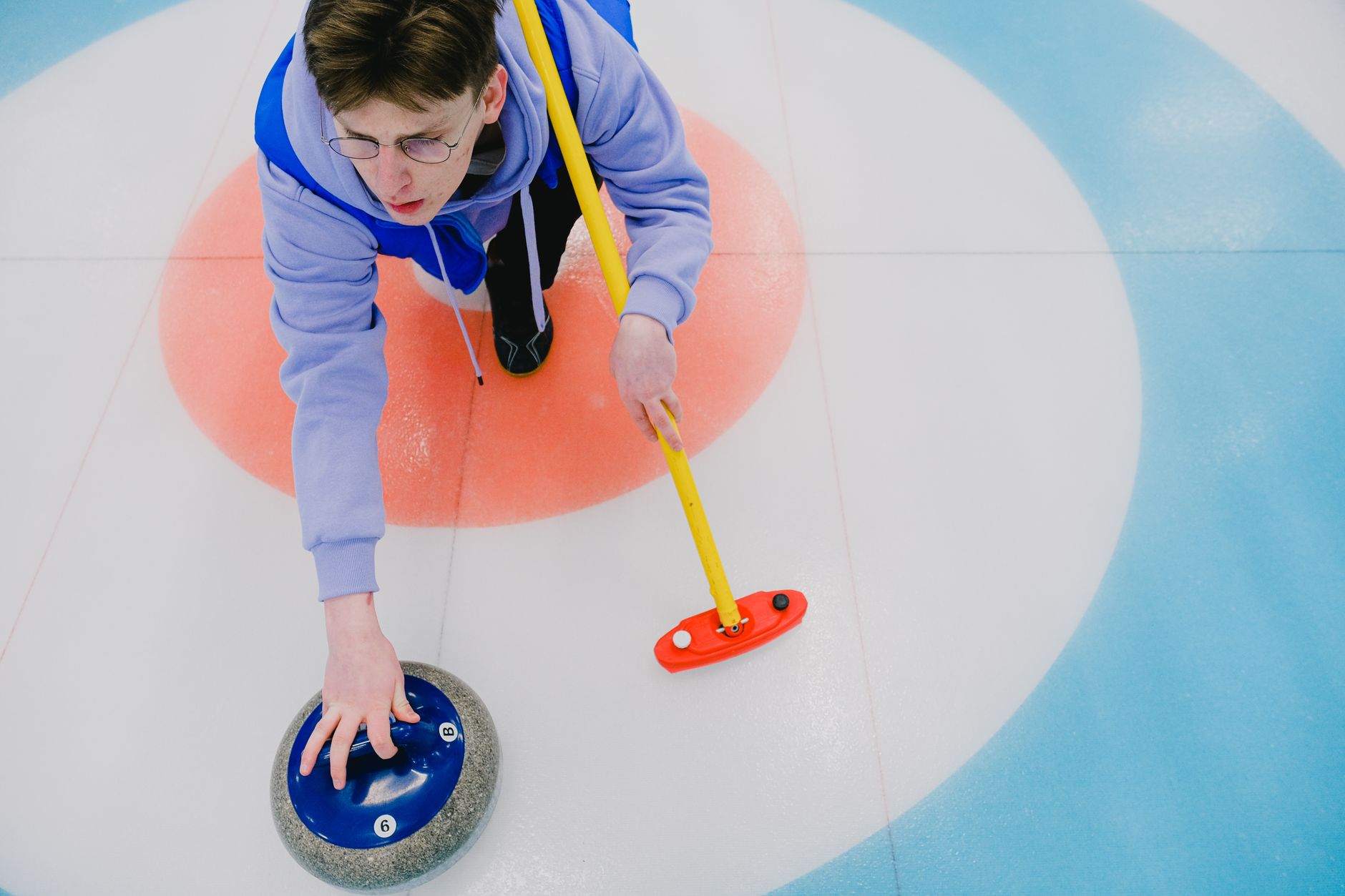
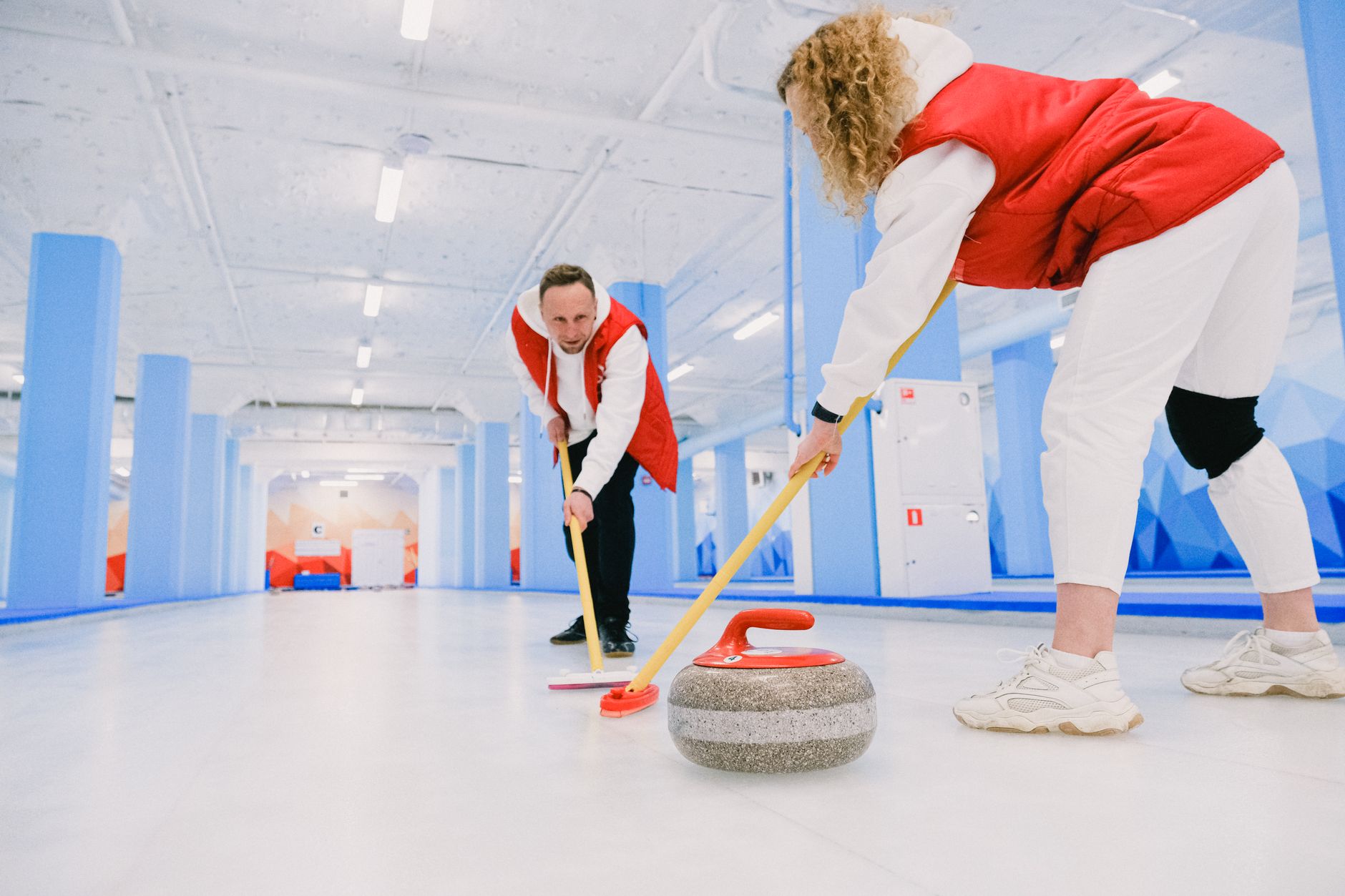
Limit curling during pregnancy. Experts recommend avoiding heavy stones and intense sweeping in the first trimester to reduce fall or strain risks for you and baby.
By Shubhra Mishra — a mom of two who turned her own confusion during pregnancy into BumpBites, a global mission to make food choices clear, safe, and stress-free for every expecting mother. 💛
Check whether any food is safe during pregnancy with the BumpBites Food Safety Checker.
Quick verdict: ⚠️ Curling is generally safe during pregnancy if you take precautions. The biggest risks are falling on ice and overexertion, not the sport itself. Most obstetricians say you can keep playing if you’re already experienced, modify your movements, and avoid sweeping or lunging. Always check with your provider first—especially if you have a high-risk pregnancy or pelvic pain.
You’re standing in the middle of the curling sheet, broom in hand, heart pounding—not just from the game, but from the question that just hit you: Is curling safe during pregnancy? Maybe you’ve been playing for years and don’t want to give it up. Maybe you’re just curious if that winter league is still an option. Or maybe you slipped on the ice last week and now you’re panicking about whether that tumble could have hurt your baby.
Take a breath. We’ve talked to obstetricians, reviewed the latest guidance from ACOG and the NHS, and dug into the real risks—not the myths. The good news? You don’t have to hang up your broom just yet. But you do need to know which movements to avoid, how to stay balanced on the ice, and when to call it quits. Here’s what you need to know about curling while pregnant, trimester by trimester, plus safer ways to stay active if the rink starts feeling too risky.
Curling safety during pregnancy at a glance
Trimester
Verdict
Notes
First trimester
⚠️ Safe with modifications
Highest risk of falls due to balance changes. Avoid sweeping and lunging. Stick to delivery (sliding the stone) if possible.
Second trimester
⚠️ Safe with modifications
Your center of gravity shifts—be extra cautious on the ice. Use a delivery stick instead of sliding. Hydrate well and avoid overheating.
Third trimester
⚠️ Caution advised
Balance is most compromised. Many providers recommend stopping curling now due to fall risk. If you continue, use a stick and avoid all sweeping.
Breastfeeding
✅ Generally safe
No risks to milk supply or baby. Focus on hydration and avoiding falls. Listen to your body—fatigue may affect balance.
What is curling?
Curling is a winter team sport played on ice, where players slide heavy granite stones toward a target (the "house"). It’s often called "chess on ice" because strategy matters as much as physical skill. Each team has four players, and each player takes turns sliding two stones per "end" (like an inning in baseball). After a stone is delivered, two teammates sweep the ice in front of it to control its speed and direction.
The sport requires balance, precision, and light cardiovascular effort—no high-speed collisions or heavy lifting. Players wear grippy shoes (one slider, one gripper) to move safely on the ice. Because it’s low-impact and social, curling has grown in popularity, especially among adults looking for a fun, active hobby. But for pregnant women, the ice, the sweeping, and the lunging motions raise questions about safety.
Is curling safe during pregnancy?
The short answer: curling is not inherently dangerous during pregnancy, but it’s not risk-free either. The main concerns aren’t the sport itself, but the environment (slippery ice) and the movements (sweeping, lunging, sliding). According to the American College of Obstetricians and Gynecologists (ACOG), most moderate physical activities are safe during pregnancy—if you were already doing them before conceiving and you modify as needed. The NHS echoes this, noting that activities with a risk of falling or abdominal trauma should be avoided.
Curling doesn’t involve direct contact or high speeds, but the risk of falling on hard ice is real. A fall could lead to abdominal trauma, which is a concern in any trimester. Sweeping and lunging also engage your core and pelvic floor, which can become strained as your pregnancy progresses. The key is modification: using a delivery stick instead of sliding, avoiding sweeping, and listening to your body. If you’re new to curling, pregnancy is not the time to start—stick to gentler activities until after delivery.
Most obstetricians agree that if you’re an experienced curler with a low-risk pregnancy, you can continue playing with adjustments. But if you have round ligament pain, pelvic girdle pain, or a history of preterm labor, your provider may recommend stopping. Always check with your doctor or midwife before lacing up those curling shoes.
Can you curl in the first trimester of pregnancy?
Yes, you can curl in the first trimester—but with extra caution. This is when your body is adjusting to pregnancy, and symptoms like fatigue, nausea, and dizziness can affect your balance. The first trimester is also when the risk of miscarriage is highest, though falls or physical activity aren’t proven to cause it. Still, avoiding unnecessary risks is wise.
If you choose to curl in the first trimester:
Skip sweeping and lunging—these movements engage your core and can strain your pelvic floor.
Use a delivery stick instead of sliding the stone with your body. This reduces the risk of falling.
Stay hydrated and take breaks. Overheating can be dangerous, especially in early pregnancy.
Avoid playing if you feel dizzy, nauseous, or unsteady. Your center of gravity is already shifting, even if you don’t look pregnant yet.
If you’ve already fallen or taken a hard bump on the ice, don’t panic—but do call your provider. Most falls don’t harm the baby, but it’s worth getting checked, especially if you have pain, bleeding, or contractions afterward.
Is curling safe in the third trimester?
Curling in the third trimester is riskier than in earlier trimesters, and most obstetricians recommend stopping by this point. Your belly is larger, your balance is off, and your joints are looser due to the hormone relaxin. The risk of falling—and the potential consequences—are higher now. If you’re determined to keep playing, here’s how to minimize risks:
Use a delivery stick—no sliding. Your center of gravity is too compromised for balance on ice.
Avoid sweeping entirely. The repetitive motion can strain your back and pelvic floor.
Play only if you feel 100% steady. If you’re waddling or feeling off-balance on dry land, the ice is a no-go.
Stay close to the hack (the starting block). Don’t venture far onto the sheet.
Hydrate constantly. Dehydration can trigger contractions.
Many curlers stop playing by the third trimester not because of the sport itself, but because the ice feels too risky. If you’re unsure, talk to your provider. They may recommend switching to a gentler activity, like prenatal yoga or swimming, until after delivery.
What are the risks of curling while pregnant?
The risks of curling during pregnancy aren’t about the sport itself—they’re about the environment and movements. Here’s what to watch for:
1. Falling on ice
The biggest risk. A hard fall could cause abdominal trauma, which might lead to placental abruption (a serious condition where the placenta separates from the uterus) or preterm labor. While most falls don’t harm the baby, the risk increases as your belly grows. In the third trimester, even a minor tumble can be dangerous.
2. Overexertion and overheating
Curling isn’t a high-intensity sport, but sweeping and lunging can raise your heart rate and body temperature. Overheating, especially in the first trimester, is linked to neural tube defects. Dehydration can also trigger contractions. If you’re breathing heavily or sweating excessively, take a break.
3. Back and pelvic strain
Sweeping and lunging engage your core and pelvic floor, which are already under pressure during pregnancy. These movements can worsen round ligament pain or pelvic girdle pain (PGP), a common pregnancy condition that causes pain in the hips and lower back.
4. Joint instability
The hormone relaxin loosens your ligaments to prepare for childbirth, but it also makes your joints less stable. This increases the risk of sprains or strains, especially in your ankles and knees. The ice amplifies this risk—one wrong step can lead to a fall or injury.
5. Contact with stones or brooms
While rare, getting hit by a sliding stone or another player’s broom could cause abdominal trauma. Always be aware of your surroundings and communicate with your teammates.
None of these risks mean you can’t curl while pregnant—but they do mean you need to modify your play and stay vigilant. If you’re ever in doubt, err on the side of caution and sit out.
What precautions should pregnant women take when curling?
If you’re determined to keep curling during pregnancy, these precautions can help you stay safe:
1. Modify your movements
Use a delivery stick instead of sliding the stone with your body. This keeps you upright and reduces the risk of falling.
Avoid sweeping. The repetitive motion can strain your back and pelvic floor. Let a teammate handle it.
Skip lunging. Instead of bending forward to deliver the stone, stay upright and use the stick.
2. Wear the right gear
Grippy shoes are a must. Wear your curling shoes (with the gripper, not the slider) or shoes with good traction. Avoid smooth soles.
Dress in layers. You’ll warm up while playing but cool down quickly on the ice. Overheating is a risk, especially in the first trimester.
Consider a belly support band. This can help stabilize your core and reduce back strain.
3. Stay hydrated and fueled
Drink water before, during, and after. Dehydration can cause contractions or dizziness.
Eat a light snack beforehand. Low blood sugar can make you lightheaded. A banana or a handful of nuts can help.
Avoid playing on an empty stomach. Nausea and dizziness are common in pregnancy, and hunger can make them worse.
4. Listen to your body
Stop if you feel dizzy, short of breath, or unsteady. These are signs you’re pushing too hard.
Avoid playing if you have round ligament pain or pelvic girdle pain. Curling can worsen these conditions.
Take breaks often. Sit down, stretch, and check in with how you’re feeling.
5. Play smart
Stick to the hack (the starting block). Don’t venture far onto the sheet.
Communicate with your team. Let them know you’re pregnant so they can adjust their play (e.g., avoiding sweeping near you).
Avoid crowded or competitive games. Stick to casual play where you can take breaks as needed.
Can I curl with round ligament pain during pregnancy?
If you have round ligament pain, curling is not recommended. Round ligament pain is a sharp, stabbing sensation in your lower belly or groin, usually triggered by sudden movements like coughing, sneezing, or—you guessed it—lunging or sweeping. These movements can aggravate the ligaments supporting your uterus, making the pain worse.
If you’re set on curling despite the pain:
Use a delivery stick to avoid bending or lunging.
Avoid sweeping entirely. The repetitive motion can strain your ligaments.
Wear a belly support band to reduce strain on your ligaments.
Stop immediately if the pain flares up. Pushing through can make it worse.
That said, most providers recommend avoiding activities that trigger round ligament pain until it subsides. If curling is causing discomfort, switch to a gentler activity like swimming or prenatal yoga until the pain improves.
What winter sports are safe during pregnancy?
If curling feels too risky—or if your provider recommends stopping—there are plenty of safer winter activities to keep you active. The key is choosing low-impact, low-risk sports that don’t involve falling, collisions, or extreme exertion. Here’s what the experts recommend:
Safe winter sports during pregnancy
Sport
Safety level
Notes
Walking (outdoors or on a treadmill)
✅ Very safe
Dress warmly, wear grippy shoes, and avoid icy sidewalks. Aim for 30 minutes a day.
Swimming (indoor pools)
✅ Very safe
The water supports your joints and reduces swelling. Avoid hot tubs and saunas.
Prenatal yoga
✅ Very safe
Focus on gentle poses that improve balance and flexibility. Avoid hot yoga.
Stationary cycling
✅ Very safe
Low-impact and great for cardio. Avoid outdoor cycling due to fall risk.
Elliptical training
✅ Very safe
Mimics walking without joint impact. Keep the resistance low.
Cross-country skiing (gentle trails)
⚠️ Safe with caution
Low-impact and great for cardio, but balance can be tricky. Stick to flat trails.
Snowshoeing (gentle trails)
⚠️ Safe with caution
Low-impact and fun, but avoid steep or icy terrain.
Ice skating (indoor rinks, slow pace)
❌ Avoid
High fall risk, especially as your belly grows. Not recommended after the first trimester.
Downhill skiing
❌ Avoid
High speed and fall risk. Most providers recommend stopping after the first trimester.
Always check with your provider before starting a new activity, and listen to your body. If something feels off, stop and rest.
Safer alternatives to curling during pregnancy
If curling feels too risky—or if you’re looking for a gentler way to stay active—here are safer alternatives that still keep you moving and social:
Walking: The simplest, safest way to stay active. Walk indoors (mall walking, treadmill) or outdoors on clear, non-icy paths. Aim for 30 minutes a day, 5 days a week.
Swimming: The water supports your joints and reduces swelling. Look for prenatal swim classes or lap swim at your local pool. Avoid hot tubs and saunas.
Prenatal yoga: Improves balance, flexibility, and relaxation. Choose a class led by a certified prenatal yoga instructor. Avoid hot yoga and poses that involve lying on your back after the first trimester.
Stationary cycling: Low-impact and great for cardio. Use a recumbent bike if you have back pain. Avoid outdoor cycling due to fall risk.
Elliptical training: Mimics walking without joint impact. Keep the resistance low and avoid leaning forward too much.
Light weight training: Strengthens muscles to support your changing body. Use light weights (2-5 lbs) and focus on high reps. Avoid exercises that involve lying on your back or straining your core.
Brisk walking: A step up from regular walking. Find a safe, flat route and maintain a pace that elevates your heart rate slightly. Wear supportive shoes.
Hiking (gentle trails): A great way to enjoy nature while staying active. Stick to flat, well-maintained trails and avoid steep or rocky paths. Bring water and snacks.
Dancing: Fun and social! Join a prenatal dance class or just dance at home. Avoid jumps, twists, or moves that require balance.
Pilates: Focuses on core strength and stability. Choose a prenatal Pilates class or work with an instructor who has experience with pregnant clients. Avoid exercises that involve lying on your back or straining your core.
Always warm up before and cool down after exercise, and stay hydrated. If you feel dizzy, short of breath, or experience pain, stop and rest.
Related items — curling and winter sports safety at a glance
If you’re wondering how curling compares to other winter sports, here’s a quick safety breakdown:
Winter sports safety during pregnancy
Sport
Verdict
Notes
Ice skating
❌ Avoid
High fall risk, especially as your balance changes. Not recommended after the first trimester.
Downhill skiing
❌ Avoid
High speed and fall risk. Most providers recommend stopping after the first trimester.
Snowboarding
❌ Avoid
High fall risk and potential for abdominal trauma. Not recommended during pregnancy.
Sledding
❌ Avoid
High fall risk and potential for collisions. Not recommended during pregnancy.
Ice hockey
❌ Avoid
High risk of falls, collisions, and abdominal trauma. Not recommended during pregnancy.
Snowshoeing
⚠️ Safe with caution
Low-impact and fun, but avoid steep or icy terrain. Stick to flat, well-maintained trails.
Cross-country skiing
⚠️ Safe with caution
Low-impact and great for cardio, but balance can be tricky. Stick to flat trails and avoid icy patches.
Tobogganing
❌ Avoid
High fall risk and potential for collisions. Not recommended during pregnancy.
Broomball
⚠️ Talk to your doctor
Similar to ice hockey but with a ball and brooms. Lower risk of collision but still involves running on ice. Not recommended without modifications.
Myth vs. fact
Myth: If you’re already an experienced curler, you don’t need to modify your play during pregnancy.
Fact: Even if you’re a seasoned curler, pregnancy changes your body in ways that affect your balance, joint stability, and core strength. Modifying your movements—like using a delivery stick and avoiding sweeping—is essential to reduce the risk of falls and strain. Your experience helps, but it doesn’t eliminate the risks.
Myth: Curling is safe in all trimesters as long as you’re careful.
Fact: While curling can be safe in the first and second trimesters with modifications, the third trimester is a different story. Your balance is most compromised, and the risk of falling—and the potential consequences—are higher. Most providers recommend stopping curling by the third trimester, even if you feel fine.
Myth: If you fall while curling, you’ll definitely hurt your baby.
Fact: Most falls don’t harm the baby, thanks to the protection of the amniotic fluid and your uterus. However, hard falls or abdominal trauma can increase the risk of complications like placental abruption or preterm labor. If you fall, call your provider—especially if you have pain, bleeding, or contractions afterward.
Key takeaways
Curling is generally safe during pregnancy if you take precautions. The biggest risks are falling on ice and overexertion, not the sport itself.
Modify your play: Use a delivery stick instead of sliding, avoid sweeping and lunging, and stay close to the hack. These adjustments reduce the risk of falls and strain.
First and second trimesters are safer than the third. Your balance is most compromised in the third trimester, so many providers recommend stopping by this point.
Listen to your body. Stop if you feel dizzy, short of breath, or unsteady. Round ligament pain or pelvic girdle pain are signs you should avoid curling.
Hydrate and fuel up. Dehydration and low blood sugar can cause dizziness or contractions. Drink water and eat a light snack before playing.
When in doubt, sit out. If you’re unsure whether curling is safe for you, talk to your provider. They can give you personalized advice based on your pregnancy.
Safer alternatives exist. If curling feels too risky, try walking, swimming, prenatal yoga, or stationary cycling instead.
Frequently asked questions
Can you play sports while pregnant?
Yes, you can play sports while pregnant—if they’re low-risk and you modify as needed. The ACOG recommends 150 minutes of moderate-intensity exercise per week during pregnancy, as long as you were already active before conceiving. Stick to sports with minimal fall risk, like walking, swimming, or stationary cycling. Avoid contact sports, activities with a high fall risk (like skiing or ice skating), and anything that involves lying on your back after the first trimester.
What sports should you avoid when pregnant?
Avoid sports with a high risk of falling, abdominal trauma, or collisions. These include:
Downhill skiing and snowboarding
Ice skating and hockey
Sledding and tobogganing
Contact sports like soccer, basketball, or rugby
Scuba diving (due to pressure changes)
Hot yoga or activities that raise your core temperature
Also avoid sports that involve lying on your back after the first trimester, as this can compress the vena cava (a major blood vessel) and reduce blood flow to your baby.
Is it safe to go ice skating while pregnant?
Ice skating is not recommended during pregnancy, especially after the first trimester. The risk of falling on hard ice increases as your balance changes, and a fall could cause abdominal trauma. If you’re an experienced skater and want to skate in the first trimester, stick to indoor rinks, go slowly, and hold onto the rail. But most providers recommend avoiding ice skating entirely during pregnancy.
What exercises are safe during pregnancy?
Safe exercises during pregnancy are low-impact, low-risk, and modifiable. The best options include:
Walking (indoors or outdoors on clear paths)
Swimming and water aerobics
Prenatal yoga and Pilates
Stationary cycling
Elliptical training
Light weight training (2-5 lbs, high reps)
Dancing (low-impact, no jumps or twists)
Aim for 30 minutes a day, 5 days a week. Always warm up, cool down, and stay hydrated. Stop if you feel dizzy, short of breath, or experience pain.
Can you fall while pregnant?
Yes, you can fall while pregnant—and it’s more likely as your belly grows and your balance changes. Most falls don’t harm the baby, thanks to the protection of the amniotic fluid and your uterus. However, hard falls or abdominal trauma can increase the risk of complications like placental abruption or preterm labor. If you fall, call your provider—especially if you have pain, bleeding, or contractions afterward.
Is it safe to lift heavy objects while pregnant?
Lifting heavy objects during pregnancy can strain your back and pelvic floor, and it may increase the risk of diastasis recti (abdominal separation). The NHS recommends avoiding heavy lifting, especially after the first trimester. If you must lift something, bend at your knees (not your waist), keep the object close to your body, and avoid twisting. Listen to your body—if it feels too heavy, ask for help.
What activities should pregnant women avoid?
Avoid activities with a high risk of falling, abdominal trauma, or overheating. These include:
Contact sports (soccer, basketball, hockey)
Activities with a high fall risk (skiing, snowboarding, ice skating, sledding)
Scuba diving (due to pressure changes)
Hot yoga, saunas, and hot tubs (can raise your core temperature)
Exercises that involve lying on your back after the first trimester
Activities that require sudden changes in direction or balance (like tennis or horseback riding)
Also avoid activities that involve heavy lifting, straining, or holding your breath (like some weightlifting moves). When in doubt, talk to your provider.
When to call your doctor
Curling while pregnant is generally safe with modifications, but some symptoms are red flags. Call your provider right away if you experience any of the following during or after curling:
Vaginal bleeding or spotting
Contractions or abdominal cramping
Leaking fluid (could indicate your water broke)
Severe dizziness, headache, or blurred vision
Chest pain or difficulty breathing
Sudden swelling in your hands, feet, or face
Decreased fetal movement (after 28 weeks)
Pelvic pain or pressure that doesn’t go away
Muscle weakness or difficulty walking
Even if you don’t have these symptoms, it’s always a good idea to check with your provider before continuing or starting any new physical activity during pregnancy. This article is for informational purposes only and is not a substitute for professional medical advice.
References
American College of Obstetricians and Gynecologists (ACOG). (2020). Exercise During Pregnancy. ACOG Committee Opinion No. 804.
Mayo Clinic. (2022). Pregnancy and Exercise: Baby, Let’s Move!. MayoClinic.org.
American Pregnancy Association. (2021). Exercise During Pregnancy. AmericanPregnancy.org.
Royal College of Obstetricians and Gynaecologists (RCOG). (2017). Recreational Exercise and Pregnancy. RCOG.org.
Centers for Disease Control and Prevention (CDC). (2021). Physical Activity and Pregnancy. CDC.gov.
World Health Organization (WHO). (2020). WHO Guidelines on Physical Activity and Sedentary Behaviour. WHO.int.
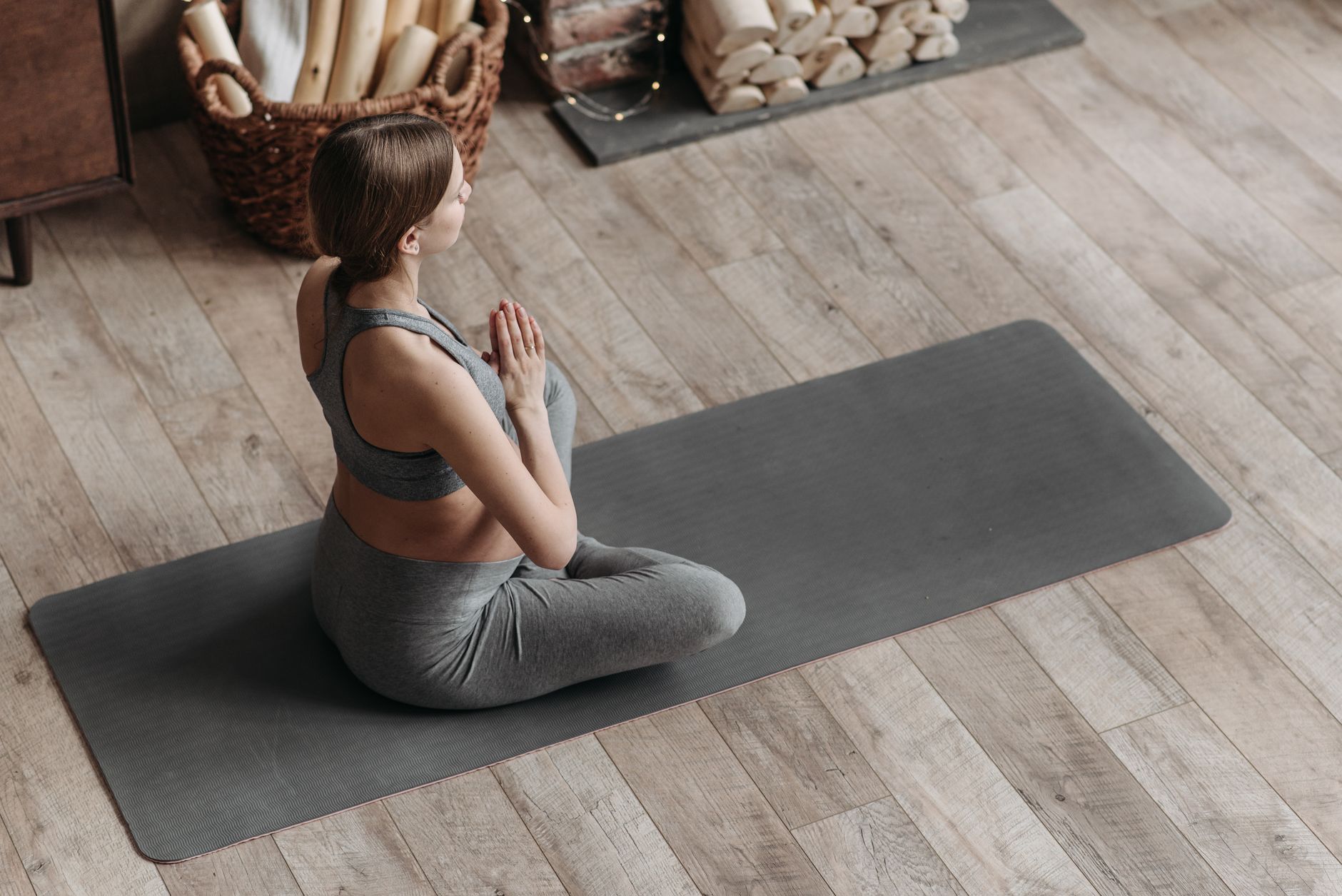
Using a delivery stick instead of sliding the stone keeps you upright and reduces the risk of falling.Staying hydrated is key—dehydration can cause dizziness or contractions, especially in cold environments.A safer alternative to curling: prenatal yoga improves balance, flexibility, and relaxation without the fall risk.
Not sure about the label on Is Curling Safe During Pregnancy products?
Snap the ingredients list and SafeFilter checks every ingredient for your stage — only 3 free scans this month, then you're locked until reset. Unlimited from $7/mo or $50/yr.
When Shubhra Mishra was expecting her first child in 2016, she was overwhelmed by conflicting food advice — one site said yes, another said never. By the time her second baby arrived in 2019, she realized millions of mothers face the same confusion.
That sparked a five-year journey through clinical nutrition papers, cultural diets, and expert conversations — all leading to BumpBites: a calm, compassionate space where science meets everyday motherhood.
Her long-term vision is to build a global community ensuring safe, supported, and free deliveriesfor every mother — because no woman should face pregnancy alone or uninformed. 🌿
🌍 Stand with mothers, shape safer guidance
Join a small circle of experts who review BumpBites articles so expecting parents everywhere can decide with confidence.