

Quick verdict: ⚠️ Crystal healing is generally considered safe when used in moderation and with caution, but there is no scientific evidence to support its efficacy for pregnancy-related concerns. Use only non‑toxic crystals, avoid ingestion, and consult your provider before adding any new practice to your routine.
When you’re 11 p.m. scrolling through your phone, the question “is crystal healing safe during pregnancy?” can feel urgent. Many expectant parents turn to crystals for calm, hope, or a sense of control, especially when the body and mind feel overwhelmed by the profound changes of pregnancy. The short answer is: it can be safe if you use the right stones, keep them out of reach of the baby, and don’t rely on them as a replacement for essential medical care. This desire for natural ways to support well-being during pregnancy is completely understandable, but it's crucial to understand what the evidence says, and what precautions to take.
At BumpBites, we understand the anxiety that comes with every decision during pregnancy. In this article, we’ll walk through the evidence (or lack thereof), the safest ways to use crystals, what specific types to avoid, and a range of evidence-based alternatives that are proven to help manage stress and discomfort during this special time. Our goal is to empower you with clear, reassuring information so you can make informed choices for yourself and your baby.
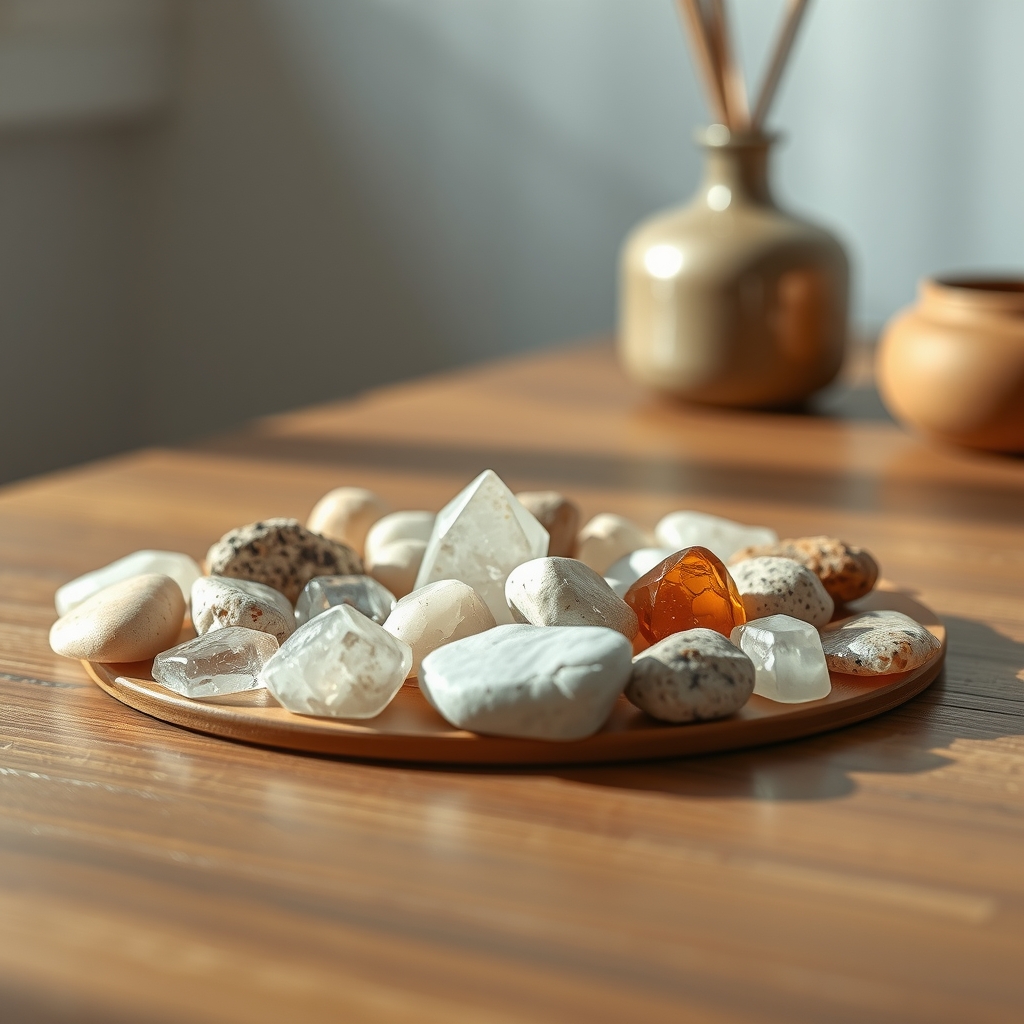
Is crystal healing safe for pregnant women in general?
Crystal healing is a complementary therapy rooted in ancient beliefs that certain stones possess vibrational energies capable of promoting physical, emotional, and spiritual well-being. While the practice is popular in many wellness communities, the medical evidence supporting its safety or efficacy during pregnancy, or any other health condition, is sparse. Unlike pharmaceuticals or regulated medical devices, there is no FDA regulation, no large-scale randomized controlled trials, and no definitive safety data specific to pregnancy for crystal healing. This means that while many people report feeling positive effects, these are largely subjective and not scientifically proven to alter health outcomes.
The American College of Obstetricians and Gynecologists (ACOG) generally advises that any complementary or integrative health therapy should be discussed with a healthcare provider. This is especially important during pregnancy, as certain practices could theoretically interfere with conventional medical care, introduce potential toxins, or simply divert attention from necessary prenatal monitoring and treatment. For crystal healing, the primary concern from a medical perspective is not typically direct harm from the crystals themselves (unless toxic), but rather the potential for misinformed choices or delayed appropriate medical care.
What is Crystal Healing? A Brief Overview
Crystal healing is an alternative therapeutic technique that involves placing gemstones on specific areas of the body, often corresponding to chakras, or holding them during meditation. Practitioners believe that crystals interact with the body's energy field, or aura, to promote balance and healing. Different crystals are associated with different properties – for example, amethyst for calm, rose quartz for love, or clear quartz for amplification. While the scientific community largely attributes any perceived benefits to the placebo effect or the calming ritual itself, many individuals find comfort and a sense of empowerment through these practices. Historically, crystals have been used in various cultures for protection, healing, and spiritual practices, a tradition that continues today in modern wellness.
Understanding the Placebo Effect in Pregnancy Wellness
The placebo effect is a powerful phenomenon where a person experiences a real benefit from a treatment that has no inherent therapeutic value, simply because they believe it will work. In pregnancy, this can manifest as reduced anxiety, a sense of calm, or even a decrease in perceived discomfort. While the placebo effect is real and can contribute to overall well-being, it's crucial to distinguish it from evidence-based medical efficacy. For instance, if holding a crystal helps you feel less anxious, that's a valid personal experience. However, it doesn't mean the crystal itself is "treating" anxiety in the same way that therapy or specific medications do. Relying solely on a placebo for serious medical conditions or persistent symptoms during pregnancy could lead to delays in receiving necessary and proven medical care, which is why your healthcare provider's guidance remains paramount.
Can I use crystals during my first, second, or third trimester?
While the general precautions remain consistent throughout pregnancy, the emphasis shifts slightly with each trimester. In the first trimester, the focus is on the rapid organogenesis of the fetus, making it a period of heightened sensitivity to any external factors. In the second and third trimesters, as your body changes, the physical risks of heavy objects or falls become more pertinent. Additionally, as your baby grows, their movements can dislodge items, and if you have other young children, the risk of accidental ingestion of small objects increases. Always prioritize safety and keep your crystals in a secure place when not in use.
Are there specific types of crystals to avoid during pregnancy?
Yes, absolutely. Some crystals contain heavy metals or other toxic components that can be harmful if they leach into the body through skin contact, or if the stone is accidentally ingested, even in small amounts. The most common offenders that pregnant individuals should steer clear of include:
- Malachite – This beautiful green stone contains a significant amount of copper. While small amounts of copper are essential, excess copper can be toxic. If malachite is left in water, scratched, or polished, it can release toxic copper ions, which can be particularly concerning during pregnancy.
- Cinnabar – Recognizable by its red color, cinnabar is a primary source of mercury. Mercury is a known neurotoxin and teratogen (a substance that can cause birth defects), and exposure during pregnancy can have severe developmental consequences for the fetus. Any crystal containing mercury should be strictly avoided.
- Realgar – This orange-red mineral contains arsenic, which is highly toxic and carcinogenic. Even minimal exposure can be dangerous, making it a definite no-go during pregnancy.
- Lead‑containing stones – Certain varieties of quartz, opal, or other minerals can sometimes contain lead. Lead exposure during pregnancy is associated with serious risks, including developmental delays and premature birth. Always check for lead content if you're unsure about a stone's composition.
- Heavy or dense stones – Large pieces of obsidian, hematite, or other heavy crystals pose a physical risk. If dropped, they can cause falls or injury to the mother or baby, especially as balance can be compromised during pregnancy.
- Uraninite/Thorite – These are radioactive minerals and should be avoided due to radiation exposure risks.
- Asbestos-containing minerals – Such as crocidolite (a form of asbestos), which can be found in some tiger's eye varieties, though less common. Inhaling asbestos fibers is highly dangerous.
When in doubt, the safest approach is to choose crystals that are explicitly labeled “non‑toxic,” “free of heavy metals,” or that come from reputable suppliers who can provide a certificate of analysis. If a crystal feels powdery or leaves a residue, it's best to avoid it, as this could indicate a hazardous composition.
How to Identify and Source Safe Crystals
Navigating the world of crystals can be tricky, especially since the industry is largely unregulated. To ensure you're choosing safe crystals during pregnancy, consider these tips: First, always purchase from reputable sellers who are transparent about their sourcing and any treatments applied to the stones. Ask about the crystal's chemical composition if you're unsure. Second, be aware that some crystals are dyed or treated with chemicals to enhance their appearance; these treatments could potentially leach harmful substances. Stick to natural, untreated stones whenever possible. Third, visually inspect crystals for any signs of flaking, powder, or unusual residue, which could indicate a problematic composition or treatment. Finally, if you intend to use a crystal for any purpose other than simple display, research its properties thoroughly and cross-reference information from multiple reliable sources to confirm its non-toxicity. When in doubt, err on the side of caution and opt for well-known, non-toxic varieties like clear quartz, rose quartz, or amethyst.
What are the potential risks of crystal healing when pregnant?
Because crystal healing lacks rigorous scientific validation and regulatory oversight, the associated risks during pregnancy are largely indirect, yet still important to consider:
- Misdiagnosis or delayed medical care – This is arguably the most significant risk. Relying on crystal “energy” or perceived healing properties to address a medical symptom (like persistent nausea, unusual pain, or emotional distress) can lead to postponing or skipping necessary prenatal testing, consultations, or evidence-based treatments. For example, severe morning sickness that could indicate hyperemesis gravidarum requires medical intervention, not just crystal placement. Similarly, persistent anxiety or depression during pregnancy warrants professional mental health support, not solely a reliance on crystals.
- Physical injury – Heavy or sharp crystals, especially if placed on the body or used during meditation, can fall and cause injury. As your pregnancy progresses, your center of gravity shifts, and your balance may be less stable. A dropped crystal could injure your foot, abdomen, or even a child nearby. Small, polished stones also pose a choking hazard for young children, so careful storage is essential.
- Chemical exposure – As discussed, certain crystals contain toxic elements like lead, mercury, copper, or arsenic. While skin contact with a polished stone might seem minimal, if the crystal is porous, scratched, or used in water, these elements can leach out. Chronic low-level exposure, or even acute exposure from accidental ingestion, can pose serious developmental risks to the fetus. The CDC emphasizes avoiding environmental toxins during pregnancy due to their potential impact on fetal development.
- Allergic reactions or skin irritation – Some individuals may develop skin irritation, rashes, or allergic reactions from prolonged contact with certain minerals. While not typically life-threatening, such reactions can cause discomfort and require medical attention, adding unnecessary stress during pregnancy.
- Psychological dependency or increased anxiety – While crystals can offer a sense of comfort, overreliance on them for serious emotional or physical challenges can be counterproductive. If the expected benefits are not realized, it can lead to feelings of disappointment, guilt, or increased anxiety, rather than the intended calm. This can detract from seeking more effective, evidence-based coping strategies or professional support.
These risks, though often rare, highlight why ACOG and other health bodies recommend discussing any complementary therapy with your provider before starting. Your doctor can help you weigh potential benefits against any risks and ensure that such practices don't interfere with your comprehensive prenatal care plan.
The Importance of a Holistic Approach to Prenatal Care
A holistic approach to prenatal care recognizes that your physical, mental, and emotional well-being are interconnected. It encourages you to explore various practices that support your health, but always within the framework of medical guidance. When considering complementary therapies like crystal healing, it's vital to view them as potential additions to, rather than replacements for, established prenatal care. This means attending all your doctor's appointments, undergoing recommended screenings, taking prescribed prenatal vitamins, and addressing any medical concerns with your healthcare provider. Integrating practices like mindfulness, gentle exercise, and healthy nutrition, all backed by evidence, creates a robust foundation for a healthy pregnancy. Crystals, if used, should simply be a small part of a much larger, medically-informed wellness strategy.
What are safe, evidence‑based alternatives to crystal healing for pregnant women?
Below are eight well‑researched practices that have strong safety records and documented evidence of benefit, and can effectively help you manage stress, anxiety, or physical discomfort during pregnancy. These options provide tangible, measurable benefits that extend beyond a placebo effect.
- Prenatal yoga – Specifically designed for expectant parents, prenatal yoga improves mood, reduces nausea, increases flexibility, and strengthens muscles needed for labor and delivery. It also fosters a sense of community and connection.
- Mindfulness meditation – Numerous studies show that mindfulness reduces anxiety, improves sleep quality, and helps manage pain perception. Guided meditations can be particularly helpful for cultivating calm and coping with discomfort during pregnancy.
- Gentle massage – Under the guidance of a certified prenatal massage therapist, gentle massage alleviates muscle tension, reduces swelling, and improves circulation. It's an excellent way to relieve the physical aches and pains common in pregnancy.
- Aromatherapy with pregnancy‑safe essential oils – Used cautiously and diluted, certain essential oils like lavender (for relaxation) or peppermint (for nausea) can soothe headaches, promote calm, and improve sleep. Always consult our essential oils safe during pregnancy guide and use high-quality, pure oils.
- Deep breathing exercises – Simple and accessible, deep breathing helps control stress hormones, calms the nervous system, and can be a powerful tool for managing anxiety and easing labor pain. Techniques like diaphragmatic breathing are highly effective.
- Journaling – Provides a private and therapeutic outlet for emotions, worries, and hopes. Expressive writing can significantly reduce anxiety, process feelings about body changes, and help you connect with your pregnancy journey.
- Warm baths (not too hot) – A warm bath (ensure the water temperature is below 100°F or 38°C to avoid overheating) safely relieves muscle aches, reduces swelling, and promotes deep relaxation. Add Epsom salts for extra muscle relief.
- Talking to a therapist or support group – Especially beneficial for managing mood disorders, pre-existing anxiety, or new pregnancy‑related anxieties. Cognitive Behavioral Therapy (CBT) and other talk therapies are highly effective and safe during pregnancy, providing tools and strategies for emotional well-being.
For a deeper look at the benefits of each, check out our prenatal yoga benefits page or the essential oils safe during pregnancy guide. These resources offer comprehensive, evidence-based information to support your well-being.
Can crystal healing help with pregnancy anxiety or morning sickness?
While many expectant parents seek natural remedies for common pregnancy discomforts like anxiety and morning sickness, there is no scientific evidence that crystals can cure, prevent, or definitively alleviate these conditions. The subjective sense of calm or relief some individuals report when holding or surrounding themselves with crystals is most likely attributable to the placebo effect, as discussed earlier. This doesn't negate the personal comfort it might bring, but it's crucial not to confuse this with medical efficacy.
For pregnancy-related anxiety, ACOG and the NHS recommend evidence-based approaches such as mindfulness meditation, prenatal yoga, cognitive behavioral therapy (CBT), and support groups. These methods have been rigorously studied and shown to provide measurable benefits. For morning sickness, proven strategies include dietary adjustments (frequent small meals, avoiding trigger foods), ginger supplements, vitamin B6, and anti-nausea medications prescribed by your provider. Relying solely on crystals for these symptoms could delay access to treatments that are scientifically proven to be safe and effective, potentially leading to increased discomfort or more serious health issues. Crystals, if used, should only be part of a broader, medically-informed approach to self-care.
Is it safe to wear crystal jewelry or place crystals on the body during pregnancy?
Wearing small, non‑toxic crystal jewelry is generally considered safe during pregnancy, provided you follow a few key precautions. Choose lightweight pieces with secure settings to prevent them from catching on clothing or falling off. Avoid heavy or sharp stones that could scratch your skin or cause injury if dropped. When selecting jewelry, ensure the crystals are natural and free of any dyes or chemical treatments that could irritate your skin or leach substances. For example, a rose quartz pendant or amethyst earrings are typically safe choices.
If you choose to place a crystal directly on your abdomen or any sensitive area, exercise extreme caution. Always use a soft cloth or cushion between the crystal and your skin to prevent pressure points or accidental scratches. Avoid leaving heavy crystals on your belly for extended periods, as this could cause discomfort or even pose a slight risk if you shift suddenly. Most importantly, ensure all crystals, whether worn or placed, are kept well out of reach of infants and young children to prevent accidental ingestion or injury. Regular cleaning of your crystal jewelry with mild soap and water can also help prevent skin irritation.
How to choose a reputable crystal healing practitioner during pregnancy?
Given that crystal healing is an unregulated field, finding a reputable practitioner during pregnancy requires careful due diligence. While there's no official medical certification, you can look for practitioners who demonstrate professionalism and adhere to safety standards. When looking for a practitioner, keep these points in mind:
- Ask about their qualifications and affiliations: Inquire if they are certified by any recognized crystal healing or energy work associations. While not medically licensed, membership in such organizations often indicates adherence to a code of ethics and standards of practice.
- Verify their safety protocols: Confirm that they exclusively use non‑toxic stones and explicitly state that they do not recommend ingestion of crystals or crystal elixirs. A reputable practitioner will also avoid placing heavy stones directly on your abdomen or other sensitive areas during pregnancy.
- Look for clear disclaimers: A trustworthy practitioner will always provide a clear disclaimer that crystal healing is a complementary practice and not a substitute for medical diagnosis, treatment, or prenatal care from a qualified healthcare provider.
- Check for reviews and testimonials: Seek feedback from other clients, particularly if they have experience working with pregnant individuals. This can offer insights into their approach and client satisfaction.
- Discuss your pregnancy with them beforehand: A responsible practitioner will ask about your pregnancy stage and any health concerns. They should be willing to adapt their methods to ensure your comfort and safety.
- Consult your obstetrician: Before starting any sessions, discuss your intention to engage in crystal healing with your obstetrician. They can offer personalized advice based on your health history and pregnancy status.
Because crystal healing is not regulated by medical bodies, the responsibility to ensure the practitioner follows safe, ethical, and non-harmful practices largely rests with you. If you have any doubts, or if a practitioner makes medical claims about crystals, it’s always best to skip the session and focus on evidence‑based alternatives and medical guidance.
Related items — safety at a glance
Many complementary therapies are explored during pregnancy. Here's a quick look at the safety of other common practices:
| Item | Verdict | One‑line note |
|---|---|---|
| Reiki | ✅ Generally safe | Non‑invasive energy work with no known physical risks or teratogens; always inform your provider. |
| Acupuncture | ⚠️ Safe with licensed practitioner | Requires a qualified, licensed practitioner experienced in prenatal acupuncture; avoid certain points near the abdomen. |
| Sound healing | ✅ Generally safe | Low‑risk, but avoid very loud or prolonged exposure, especially directly on the abdomen; gentle vibrations are preferred. |
| Aromatherapy | ⚠️ Safe with pregnancy‑safe oils | Some essential oils are contraindicated; use only vetted, diluted options like lavender or frankincense in small amounts. |
| Reflexology | ✅ Generally safe | Gentle foot massage is generally well tolerated, but inform your therapist you are pregnant. |
| Herbal remedies | ⚠️ Safe with caution | Many herbs are contraindicated or lack safety data; always consult a provider before using any herbal product. |
| Chakra balancing | ⚠️ Safe with limits | Non‑invasive and generally low-risk, but evidence for direct health benefits is limited; ensure no physical pressure is applied. |
| Energy healing | ⚠️ Safe with caution | Depends on the specific modality; generally non-invasive but no strong evidence of medical efficacy. |
| Cupping therapy | ⚠️ Safe with licensed practitioner | Potential for skin burns or bruising; generally avoided near the belly or in sensitive areas during pregnancy. |
| Moxibustion | ⚠️ Safe with licensed practitioner | Heat exposure near the abdomen or specific acupuncture points is generally discouraged or requires expert guidance during pregnancy. |
Myth vs. fact
Here are some common misconceptions about crystal healing during pregnancy:
Myth: Crystals can cure pregnancy complications. Fact: There is no scientific evidence that crystals can treat medical conditions, prevent complications, or improve fertility. While they may provide a subjective sense of calm or well-being (often due to the placebo effect), they should never replace comprehensive prenatal care or medical treatment for any pregnancy-related issue.
Myth: All crystals are safe for pregnancy. Fact: This is untrue and potentially dangerous. Some crystals contain heavy metals or toxins like copper (malachite), mercury (cinnabar), or arsenic (realgar), which can be harmful if absorbed or ingested. It's crucial to know the composition of any crystal you use and avoid those known to be toxic.
Myth: Crystal healing is a medical treatment. Fact: Crystal healing is a complementary practice with no regulatory oversight by medical bodies like the FDA. It is not recognized as a medical treatment. Always discuss any complementary therapy with your obstetrician to ensure it is safe and does not interfere with your medical care.
Key takeaways
- Crystal healing is generally safe if you use non‑toxic, lightweight stones and avoid ingestion or direct skin irritation.
- The first trimester is the most sensitive period for fetal development; keep crystals small, out of reach, and avoid any heavy stones.
- Strictly avoid crystals that contain heavy metals or toxins, such as malachite, cinnabar, realgar, and any lead‑containing stones.
- There is no scientific evidence that crystals can treat pregnancy symptoms or complications; any perceived benefits are likely due to the placebo effect.
- Prioritize evidence‑based alternatives like prenatal yoga, mindfulness meditation, or aromatherapy for stress relief and physical comfort.
- Always discuss any complementary therapy, including crystal healing, with your obstetrician before starting to ensure it aligns with your prenatal care plan.
- Keep crystals away from the abdomen and out of a baby’s reach to prevent physical injury or accidental ingestion.
Frequently asked questions
Is it safe to wear crystals during pregnancy?
Yes, wearing small, non‑toxic crystal jewelry is generally safe. Choose lightweight pieces with secure settings to prevent them from falling. Avoid heavy or sharp stones that could scratch or cause injury. Always keep the jewelry out of reach of infants and young children, and discuss any specific concerns with your obstetrician.
Which crystals should be avoided during pregnancy?
You should strictly avoid crystals that contain heavy metals or toxins, such as malachite (copper), cinnabar (mercury), realgar (arsenic), and any lead‑containing stones. Also, avoid large, dense stones that could cause injury if dropped, or radioactive minerals like uraninite. Always prioritize non-toxic, natural stones.
Can rose quartz be used during pregnancy?
Rose quartz is considered a non‑toxic and gentle crystal, making it generally safe for use during pregnancy. As with all crystals, keep it small, ensure it's clean, and place it out of reach of infants. Avoid placing heavy pieces directly on the abdomen, and always prioritize your comfort and safety.
Is amethyst safe during pregnancy?
Amethyst is a non‑toxic quartz variety and is widely considered safe for use during pregnancy. Ensure the amethyst is natural and free of any lead or other chemical contaminants. Keep it light, avoid ingestion, and use it as a complementary tool for relaxation, not as a substitute for medical care.
What are the best crystals for fertility and pregnancy?
There is no scientific evidence that any crystal improves fertility or pregnancy outcomes. While many people choose crystals like amethyst, rose quartz, or clear quartz for their perceived calming or nurturing properties, these are for emotional support and personal comfort, not medical efficacy. Always consult fertility specialists or your obstetrician for evidence-based care.
Can crystals help with morning sickness?
No, there is no scientific evidence that crystals alleviate morning sickness. While a placebo effect might offer subjective relief, proven strategies include ginger tea, vitamin B6, frequent small meals, and anti-nausea medications prescribed by your provider. Use crystals only as a complementary stress‑relief tool, not as a primary treatment for morning sickness.
Are healing stones safe for babies?
Healing stones should never be placed on or near a baby’s body, especially the head or abdomen. Small crystals pose a significant choking hazard, and even non-toxic stones can cause injury if dropped. Keep all crystals strictly out of the baby’s reach to prevent accidental ingestion or physical harm.
What are the risks of crystal healing?
The primary risks include physical injury from falling stones, accidental ingestion of toxic minerals, delayed medical care due to reliance on alternative therapies, and potential allergic reactions from skin contact. It's crucial to use only reputable, non‑toxic crystals and discuss any practice with your healthcare provider.
Can I put crystals in my bath water while pregnant?
Placing crystals directly in bath water while pregnant is generally not recommended. Some crystals can dissolve, break down, or leach toxic minerals into the water, which could then be absorbed through the skin or ingested. It's safer to place non-toxic crystals around the bath, not in the water itself, to enjoy their perceived calming presence without risk.
How should I clean my crystals during pregnancy?
To clean your crystals safely during pregnancy, use a soft cloth and mild, unscented soap with lukewarm water. Avoid harsh chemicals, prolonged soaking (especially for porous or fragile stones), or extreme temperatures. Ensure you rinse them thoroughly and dry them completely. This prevents any chemical residue or moisture from causing irritation or damaging the crystals.
When to call your doctor
While crystal healing is generally low-risk when practiced safely, it's crucial to distinguish between complementary wellness practices and essential medical care. If you experience any of the following after using crystals, or at any point during your pregnancy, contact your obstetrician or seek urgent care:
- Unexplained abdominal pain, cramping, or vaginal bleeding.
- Severe or persistent nausea, vomiting, or signs of dehydration (e.g., decreased urination, dizziness).
- Any signs of an allergic reaction such as a rash, persistent itching, swelling (especially of the face, lips, or tongue), or difficulty breathing.
- Any new or worsening symptoms that could indicate a medical condition, such as severe headaches, vision changes, or sudden swelling.
- Concern that a crystal or its use may have interfered with a scheduled prenatal test, prescribed medication, or your adherence to medical advice.
- Increased anxiety, stress, or feelings of disappointment if crystal healing is not providing the expected emotional support.
These guidelines are informational only and do not replace professional medical advice, diagnosis, or treatment from your healthcare provider.
References
- American College of Obstetricians and Gynecologists (ACOG). Complementary and Integrative Health. 2023.
- National Health Service (NHS). Pregnancy and herbal medicines. 2022.
- Food and Drug Administration (FDA). Guidance on complementary health products. 2021.
- Centers for Disease Control and Prevention (CDC). Pregnancy and environmental exposures. 2023.
- World Health Organization (WHO). Traditional medicine in health systems. 2020.
- Mayo Clinic. Prenatal yoga: Benefits and precautions. 2023.
- American Pregnancy Association. Stress management during pregnancy. 2022.
- National Institute of Child Health and Human Development. Complementary therapies in pregnancy. 2021.
- British Association for Counselling and Psychotherapy. Pregnancy anxiety and coping strategies. 2022.
- Harvard Health Publishing. The power of the placebo effect. 2020.

